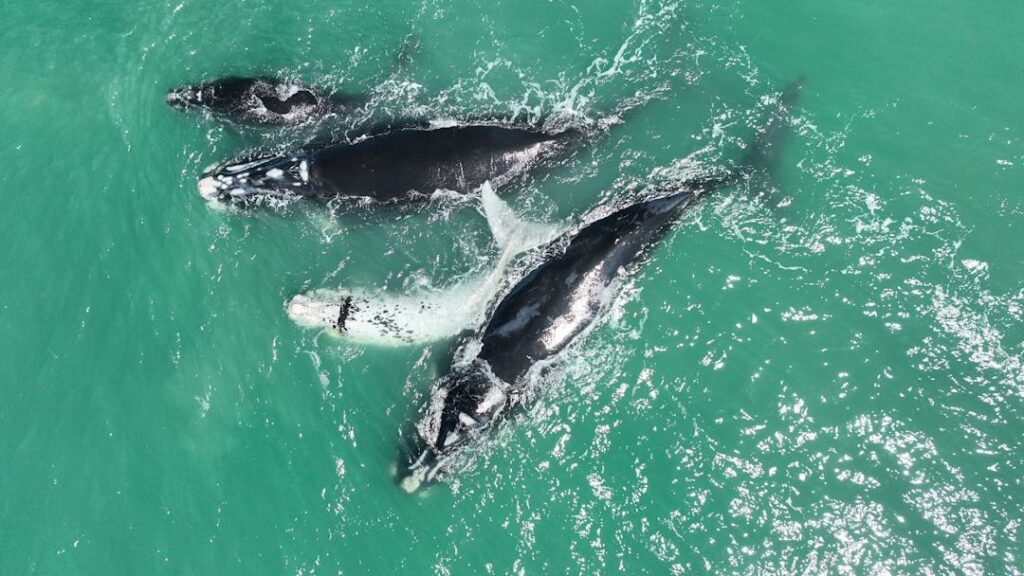
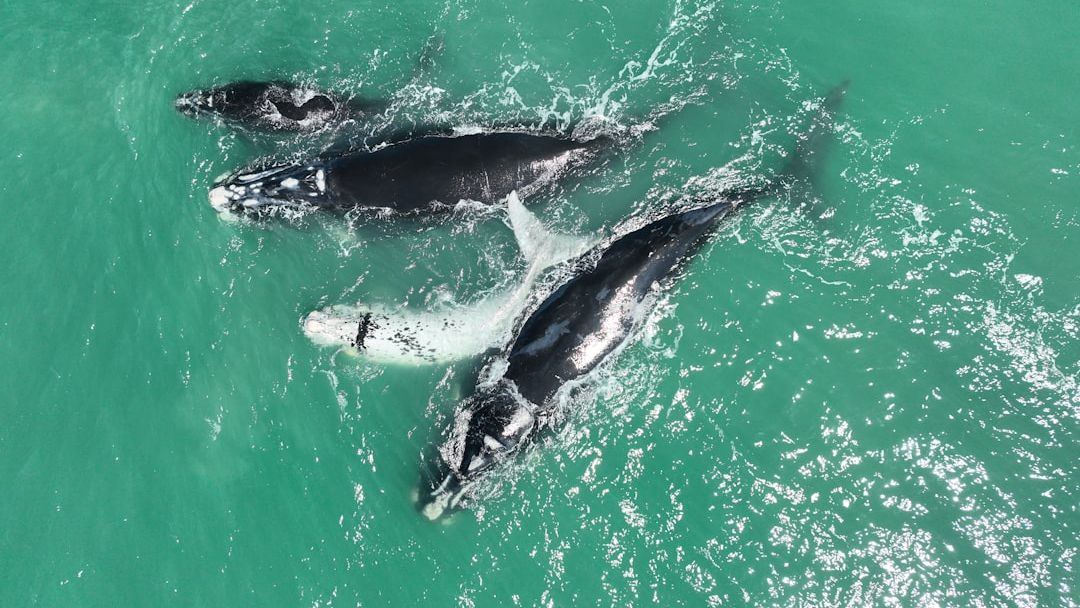
A baby boom for North Atlantic right whales, but extinction still a threat – Image for illustrative purposes only (Image credits: Unsplash)
Twenty-three new North Atlantic right whale calves have entered the water this season, the largest single-year total since 2009. The increase stands out against a backdrop of just 384 individuals remaining in the entire population. Researchers view the numbers as a modest sign of recovery, yet they stress that the species stays critically endangered and far from secure.
Shorter Gaps Between Births Fuel the Uptick
Eighteen of the mothers had given birth within the previous six years, a clear departure from the longer pauses observed in recent decades. Healthy females typically produce a calf every three to four years when conditions allow. In the past, some had stretched nearly a decade between births, a pattern scientists link to nutritional stress.
Amy Warren of the New England Aquarium noted the change directly: “While a healthy right whale can give birth every three to four years, we had been seeing nearly 10 years between calves for some females.” The return to more frequent calving suggests that at least some females have found enough food to support reproduction again.
Feeding Grounds Shift Under Climate Pressure
North Atlantic right whales rely on tiny copepods for their main food source. Over the last decade these crustaceans have moved in response to warming waters, forcing whales to travel farther in search of dense patches. Many animals now appear in Canada’s Gulf of St. Lawrence, more than a thousand kilometers from their historic range.
The detour lengthens the annual migration from Florida to New England by roughly 50 percent. Philip Hamilton, also with the New England Aquarium, explained the energy cost: whales expend more effort locating food and therefore have fewer reserves left for pregnancy and nursing. One individual was even documented near Ireland, underscoring how far the search has extended.
| Calving Interval | Typical Pattern | Recent Observations |
|---|---|---|
| Healthy females | 3–4 years | Returning in many cases |
| Stressed females | Nearly 10 years | Still seen in some individuals |
| 2024 season | – | 18 of 23 mothers within 6 years |
Population Outlook Remains Guarded
Even with the new calves, the overall count hovers near historic lows. Every additional birth helps, yet the species faces ongoing risks from vessel strikes, fishing gear entanglement, and continued habitat disruption. Scientists continue to track the animals closely along the East Coast of North America to measure survival rates among the newborns.
The current season demonstrates that right whales can respond when food becomes more accessible. Whether the trend holds will depend on how quickly ocean conditions stabilize and on the effectiveness of protective measures already in place.
Next Steps for Long-Term Recovery
Conservation groups emphasize the need for sustained monitoring and stronger safeguards in both U.S. and Canadian waters. Reduced ship speeds in key areas and modifications to fishing gear have already lowered some mortality risks. Further gains will require coordinated action across borders as the whales continue to shift their movements.
The arrival of 23 calves offers a concrete reminder that the population can rebound under better conditions. At the same time, the narrow margin between growth and decline keeps the focus squarely on protecting the remaining animals and the changing ocean they depend on.