New research has revised the estimated arrival of dinosaurs on Earth, placing their first appearance several million years earlier than previous estimates allowed. The updated window stretches from roughly 251 million years ago to about 230 million years ago, a period that overlaps with the earliest stages of the Triassic. This adjustment comes from fresh analysis of fossil records and evolutionary patterns that point to quicker diversification than once assumed.
Shifting the Starting Point
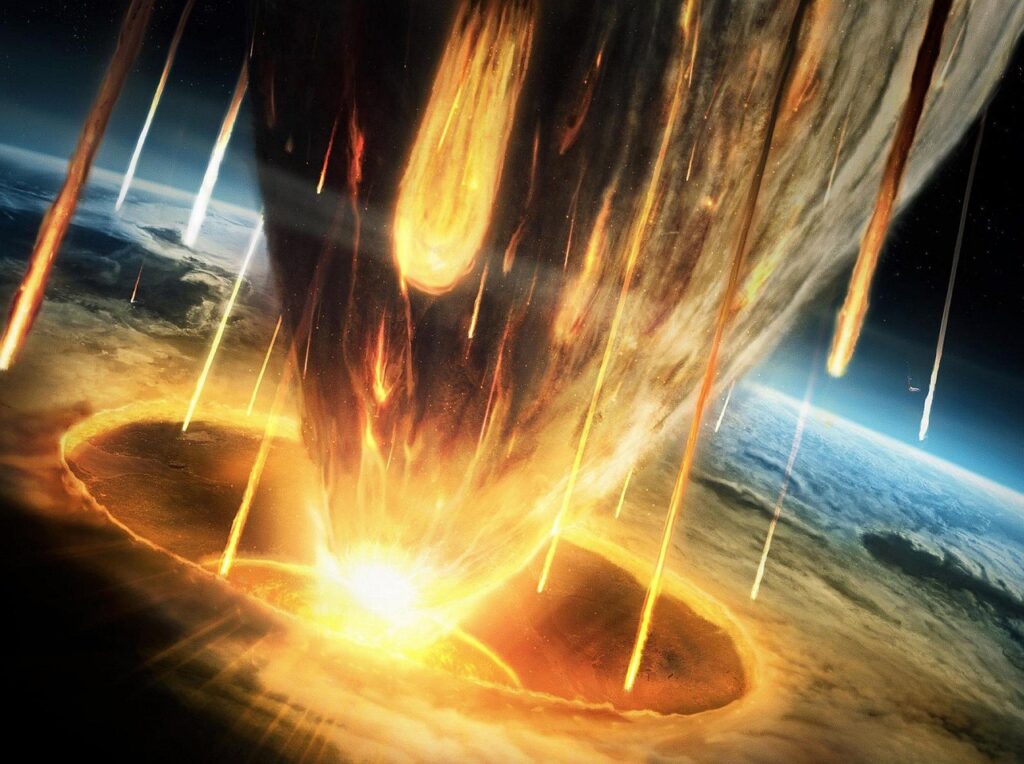
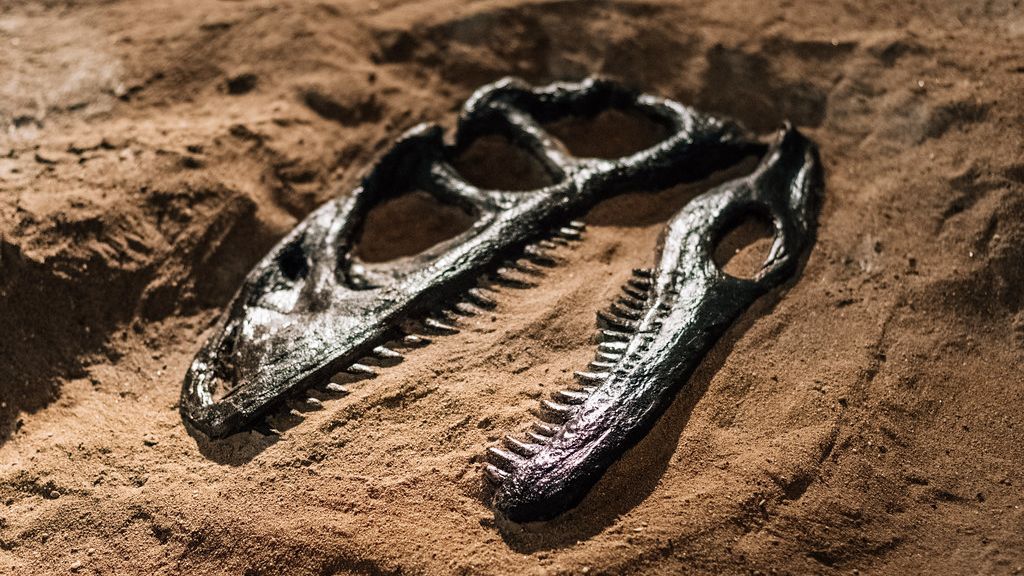
Earlier models placed the origin of dinosaurs closer to 240 million years ago, after the worst mass extinction in Earth history had already reshaped life on land. The new range moves that starting line forward by as much as 10 million years, into a time when ecosystems were still recovering from the Permian-Triassic crisis. Scientists reached this conclusion by re-examining fragmentary fossils and applying updated methods for dating rock layers that contain them.
The change matters because it aligns dinosaur beginnings more closely with the first appearances of other reptile groups that later competed with them. It also suggests that the environmental conditions right after the great extinction may have favored the rapid rise of several major lineages at once rather than a slow, staggered process.
Evidence of Quick Evolutionary Bursts
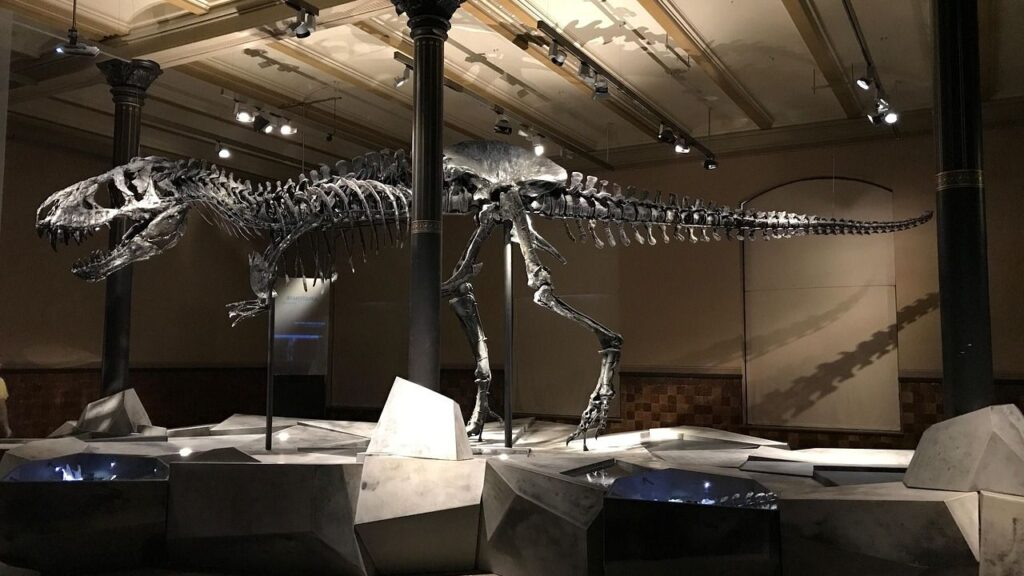
Alongside the earlier origin date, the study highlights short intervals of unusually fast change. These bursts appear tied to the split of dinosaurs into their three main subgroups: the long-necked sauropodomorphs, the meat-eating theropods, and the armored ornithischians. Each group shows distinct skeletal features emerging within a few million years of one another, a pattern that points to strong selective pressures acting across different body plans.
Researchers note that such compressed timelines are consistent with other post-extinction recoveries, where empty ecological niches allow multiple experiments in body shape and lifestyle to succeed quickly. The same pattern shows up in the fossil record of early mammals and marine reptiles, reinforcing the idea that recovery phases often produce concentrated evolutionary activity rather than gradual drift.
What the Findings Leave Open
Even with the revised dates, large gaps remain in the fossil record from the earliest Triassic. Many of the key specimens are incomplete, and precise ages for some rock formations still carry uncertainty of several million years. Future fieldwork in under-explored regions could either tighten or further shift the proposed window.
Scientists also caution that the exact triggers behind the rapid subgroup splits are not yet clear. Climate swings, changes in vegetation, or the appearance of new predators could each have played a role, but current data do not single out one dominant factor. Ongoing work with improved dating techniques and more complete skeletons is expected to narrow these possibilities over the next several years.
Key points from the revised timeline:
- Origin window now spans 251.2 to 230 million years ago
- Three major dinosaur subgroups appear in quick succession
- Recovery from mass extinction likely accelerated diversification
- Significant gaps in early Triassic fossils remain