You probably think of dinosaur fossils hiding in lonely deserts or on windswept cliffs, far away from everyday life. Yet right now, in the 2020s, people are literally drilling through parking lots, digging next to highways, and renovating buildings… and bumping straight into the remains of creatures that died more than sixty million years ago. The age of discovery is nowhere near over; in some ways, it is just getting weirder and more surprising. If you grew up imagining fossil hunters as rugged explorers in far‑off lands, it can be a bit mind‑bending to realize that some of the most jaw‑dropping finds are turning up under cities, construction sites, and even museum parking lots. As you look closer at these stories, you start to see a pattern: the rocks beneath your feet are packed with history, and you’ve barely scratched the surface of what is still waiting to be found.
When a Museum Finds a Dinosaur Under Its Own Parking Lot
You expect a museum to be full of fossils, but you don’t usually expect the ground beneath its parking lot to be hiding one of the oldest dinosaur bones ever found in a major city. Yet that is exactly what happened in Denver, when a research team drilled a narrow core hundreds of feet below the Denver Museum of Nature & Science and hit a fossilized vertebra from a roughly 67‑million‑year‑old dinosaur buried more than 700 feet down. Statistically, the odds of striking a bone in a hole only a few centimeters wide are tiny, which makes this discovery feel almost like winning a geological lottery. The bone itself likely came from a plant‑eating dinosaur that lived just before the asteroid impact that ended the age of non‑avian dinosaurs, offering you a literal deep core sample of life right before the mass extinction.
What makes this story powerful for you is the way it shatters the idea that fossils only turn up in remote dig sites. Here, the breakthrough came from routine subsurface drilling to understand the local geology, not a glamorous expedition to some exotic badlands. You can be standing on asphalt, backing your car into a space, completely unaware that hundreds of feet below you there are still bones locked in stone from a vanished world. The Denver find is a reminder that your modern, busy landscape is layered directly on top of ancient ecosystems, and that sometimes all it takes to expose them is a project no one thought had anything to do with dinosaurs at all.
Construction Sites, Parking Lots, and the Fossils Hiding in Plain Sight
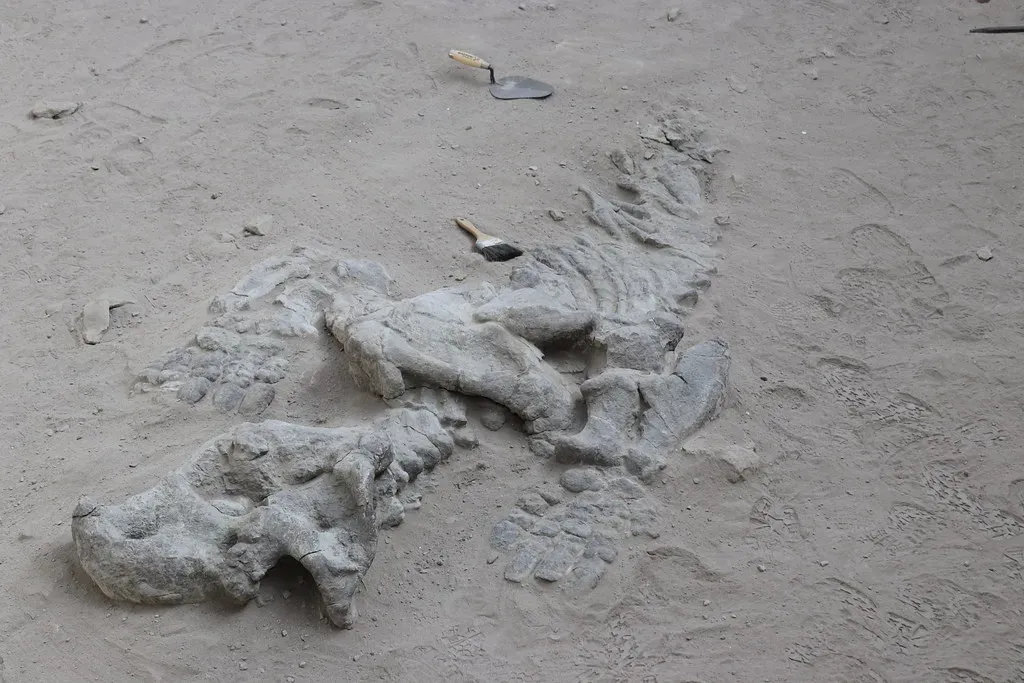
Once you start paying attention, you notice a recurring theme: big machines moving earth for human projects often uncover bones no one knew were there. In different parts of the United States, construction work for things like stadiums, roads, and even national park parking lots has been interrupted when crews noticed bone fragments in the freshly exposed rock. In some cases, what began as a routine grading job has turned into a multi‑week paleontological rescue operation, with scientists documenting and removing fossils before the bulldozers roll again. You can think of heavy equipment as an accidental extension of a paleontologist’s toolkit, slicing into rock layers that had not seen daylight in tens of millions of years.
If you visit places like Dinosaur National Monument in Colorado and Utah, you can actually see how thin the line is between infrastructure and deep time. Recent work there uncovered new fossils right next to a modern parking area, in a spot that had not been excavated since the early twentieth century. That should change how you look at every fresh roadcut or construction trench you pass: what you see as just exposed rock is, to a trained eye, a stack of ancient environments, each with the potential to hide teeth, bones, and trackways. You might never run a backhoe yourself, but simply knowing this makes it easier for you to imagine that the next great discovery could be made a few meters off a highway you drive every week.
Deserts and Badlands Still Have Surprises Up Their Sleeves
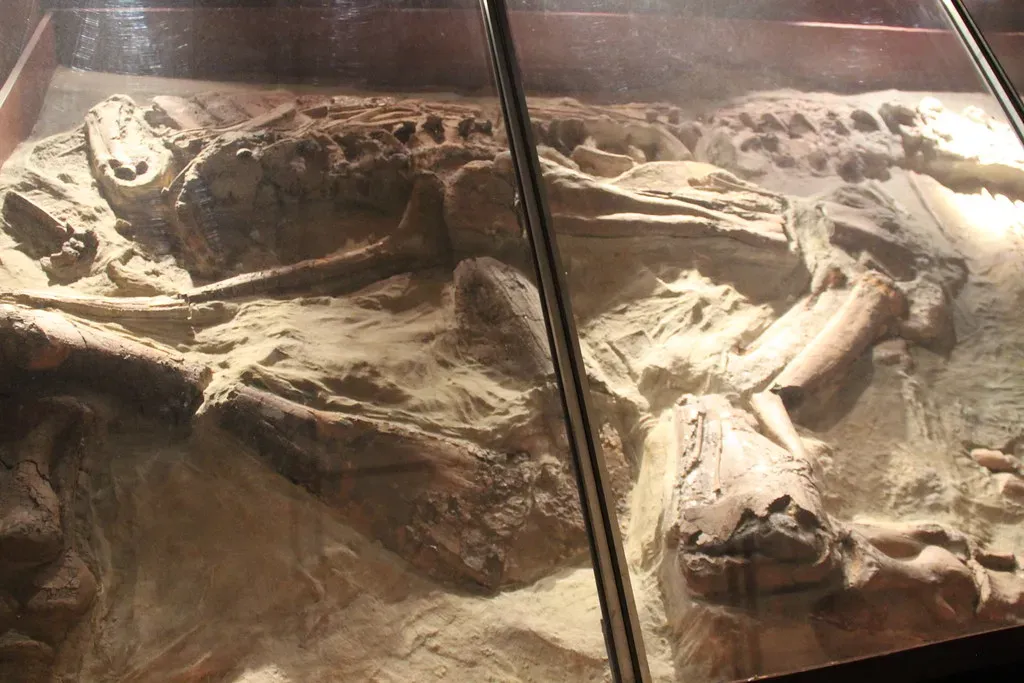
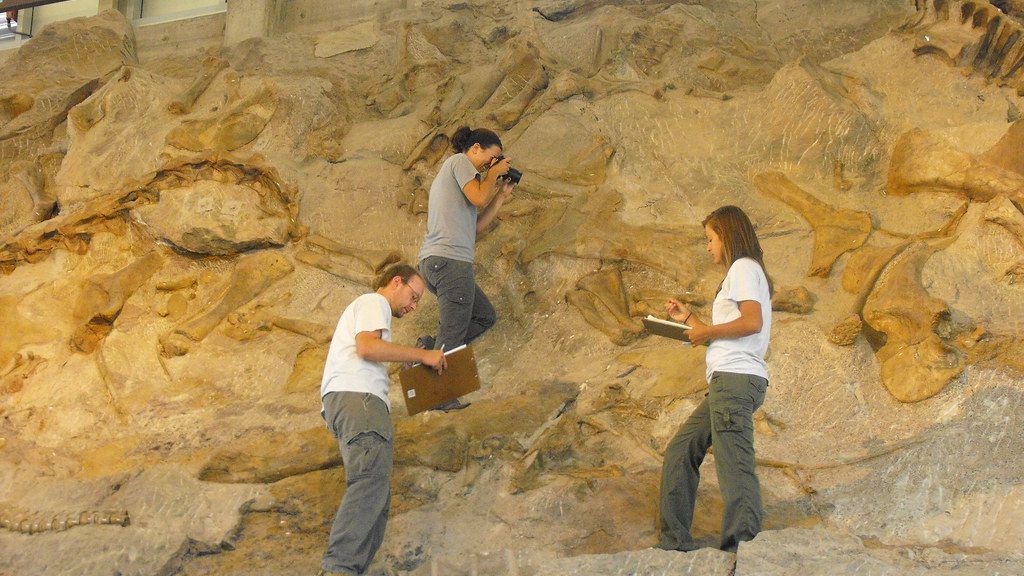
Of course, deserts and badlands remain classic dinosaur country, but even those “obvious” places still hold shocks for you. In the badlands of Wyoming, for example, careful excavations have revealed exceptionally preserved “mummified” duck‑billed dinosaurs, where skin impressions and soft‑tissue outlines are preserved in exquisite detail. These fossils confirm features like hoof‑like structures on their feet and give researchers rare clues about muscle placement and body shape that you simply cannot get from a bare skeleton. You might assume these famous fossil fields have been picked clean after more than a century of digging, but each field season proves otherwise; erosion is constantly exposing fresh material, and new technologies let scientists re‑examine old sites with fresh eyes.
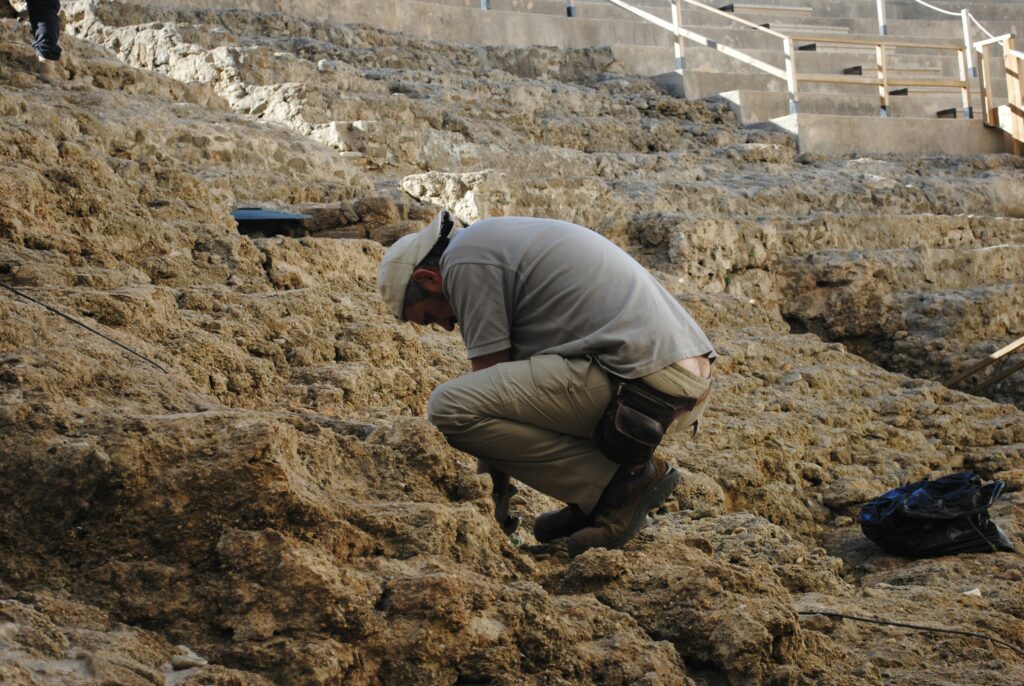
For you, this is a reminder that “we already know that area” is rarely true in science. Badlands terrain acts a bit like a slow‑motion conveyor belt: wind and water strip away layers of rock, gradually revealing new fossils that were once buried deeper. A hillside that looked empty when someone walked past ten years ago can suddenly sprout bones after a few intense storms. If you ever hike these landscapes, you are walking across a dynamic fossil factory where the past is always emerging. And even if you never set foot there, it is worth realizing that every year, somewhere in those eroded gullies, there is a good chance someone is kneeling over a bone that changes a textbook diagram you saw as a kid.
Tiny Clues in Unexpected Rocks: Teeth, Eggs, and Trace Fossils
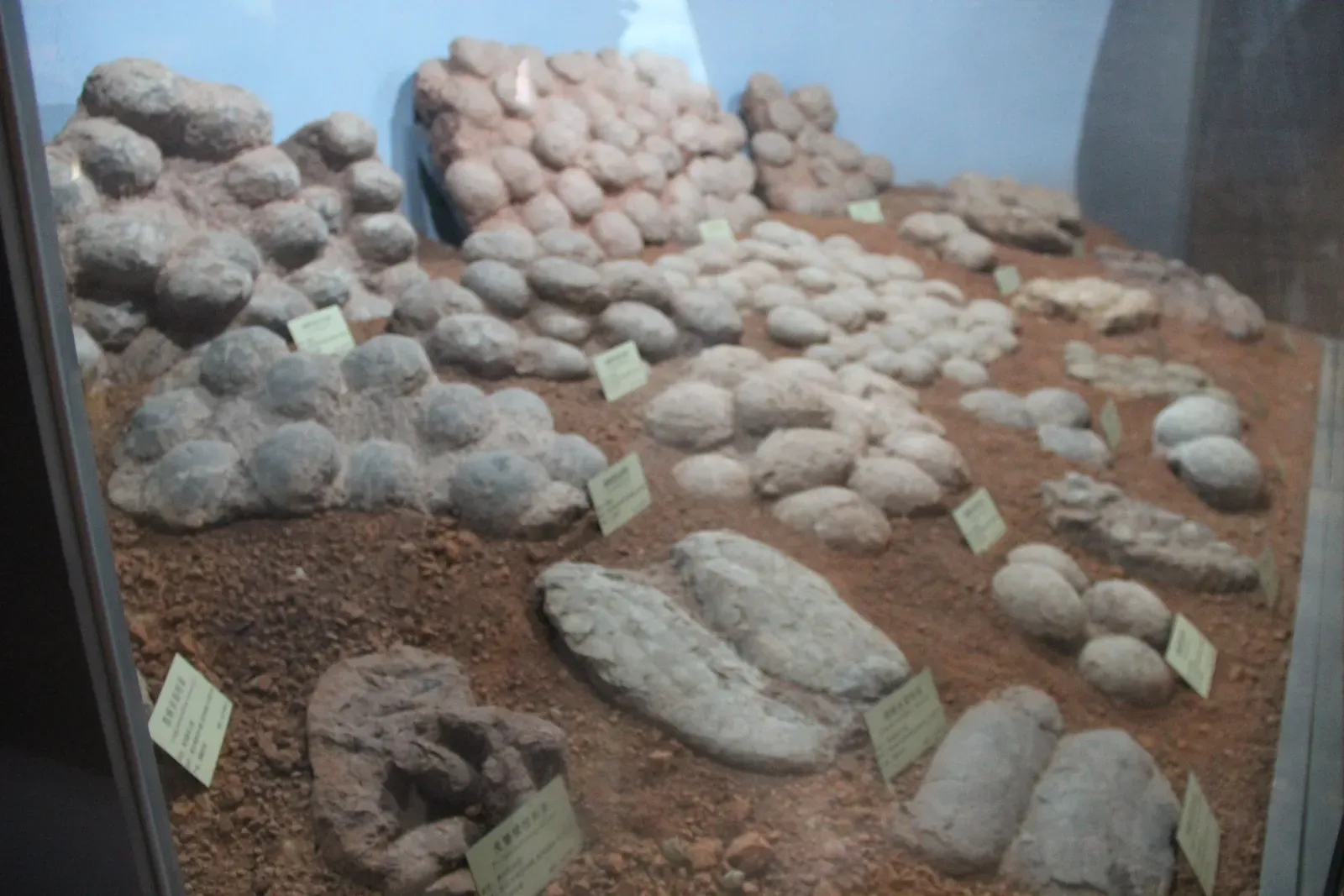
Not every surprising discovery is a giant skeleton; sometimes the most important finds are tiny hints that show up where you do not expect dinosaurs at all. In regions where the Jurassic record seemed almost completely silent, new work has turned up isolated theropod teeth that prove meat‑eating dinosaurs were there even when body fossils are scarce. In other areas, you find dinosaur eggs and nests in rock formations that were once thought to be poor candidates for preserving delicate structures. There are even rare cases of unusual eggs, like fossil clutches where one egg formed within another, forcing scientists to rethink how certain dinosaurs laid and stored their eggs.
When you hold onto these examples, you start to appreciate just how patchy the fossil record is and how easily your view of the past can be distorted by gaps. Teeth washed into river deposits, a handful of eggs preserved in fine sediment, or a partial footprint in a slab of rock can extend the known range of a species or reveal behaviors you never suspected. For you as a curious observer, it means that the absence of fossils in a region or layer does not always mean dinosaurs were truly absent; it may simply reflect that you have not yet found the right type of evidence. Each small, unexpected find is like discovering a new word in a book where most of the pages are torn out.
Old Fossils, New Stories: Discoveries in Museum Drawers and Basements
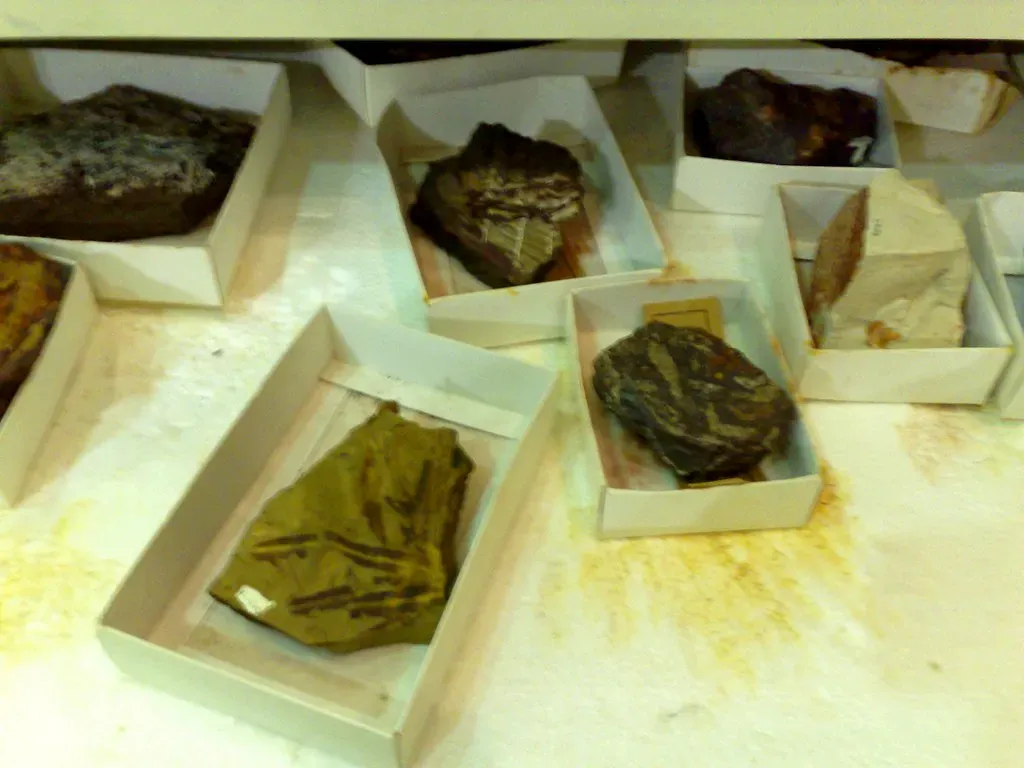
One of the strangest twists in modern paleontology is that some “new” discoveries are made without anyone even going into the field. In museum collections around the world, you have fossils that were dug up decades ago, labeled with a quick guess, and then placed in storage until someone had time to study them properly. Recently, researchers have been re‑examining specimens from classic dinosaur sites in North America and elsewhere, only to realize that a bone once lumped into a known species actually represents an entirely new animal. A Triassic relative of crocodiles found in New Mexico, for example, sat in a collection for nearly eighty years before anyone recognized it as a distinctive form with a powerful bite and a short, reinforced snout.
This kind of behind‑the‑scenes work is easy for you to overlook because it lacks the drama of dramatic field expeditions, but its impact is huge. When paleontologists reanalyze old material with modern techniques – high‑resolution scans, updated anatomical comparisons, or refined dating methods – they often uncover details that would have been impossible to see when the fossil was first collected. For you, it is a bit like going back through a box of childhood photos and suddenly recognizing someone in the background you had never noticed before. The fossils have been there, patiently waiting, but only now are you learning what they actually have to say.
Why Dinosaurs Keep Turning Up in New Places
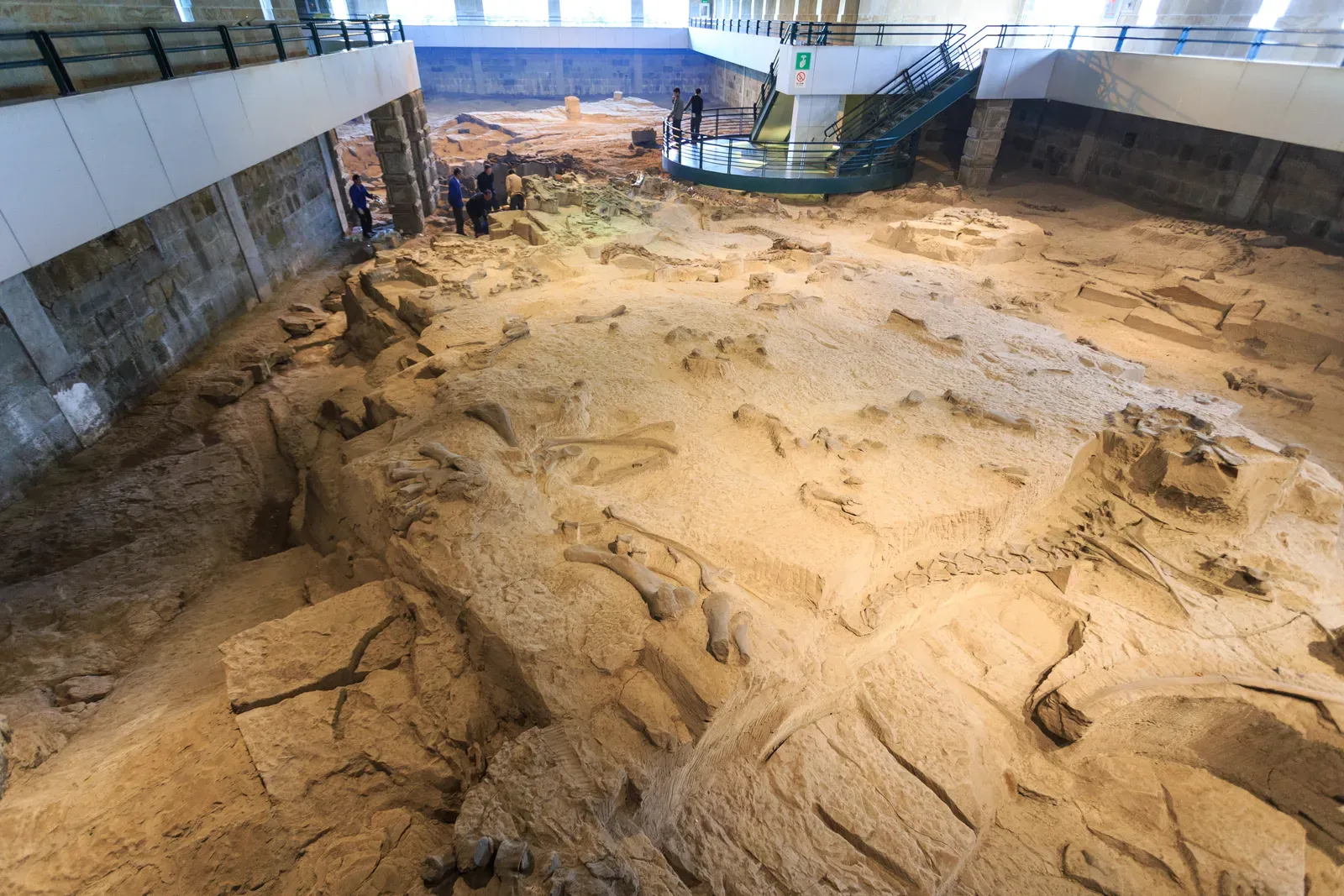
At some point you might wonder: if dinosaurs have been gone for more than sixty million years, why are you still hearing about new species and surprising finds every year? Part of the answer is simple math. Only a tiny fraction of all the animals that ever lived were preserved as fossils, and only a portion of those will ever show up near the surface where humans can reach them. On top of that, you have only explored a small slice of the Earth’s land area with detailed paleontological work, and even in well‑studied regions, large stretches of rock are poorly exposed or buried under soil, cities, and vegetation.
Another part of the answer is human: there are more trained paleontologists, better tools, and more collaboration than ever before. You now have remote sensing to locate promising rock layers, refined dating methods to make sense of complex geology, and imaging tools that can see inside rock blocks without destroying them. Add in the fact that construction, mining, and energy projects keep cutting deeper into new places, and you get a constant stream of chances to stumble across fossils. When you put all this together, it becomes almost inevitable that dinosaurs will continue to “appear” in both familiar and surprising settings, from West Texas outcrops where finds have been rare, to the outskirts of growing cities, to far‑flung corners of continents that have barely been surveyed.
How You Might Stumble Onto a Dinosaur Without Even Trying
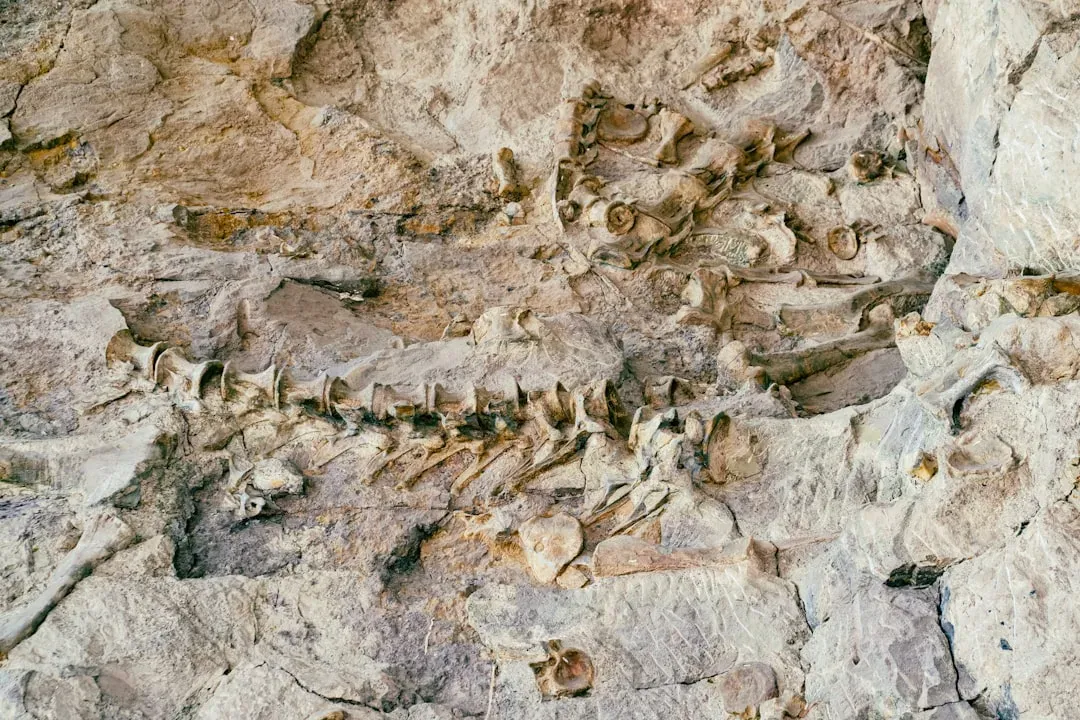
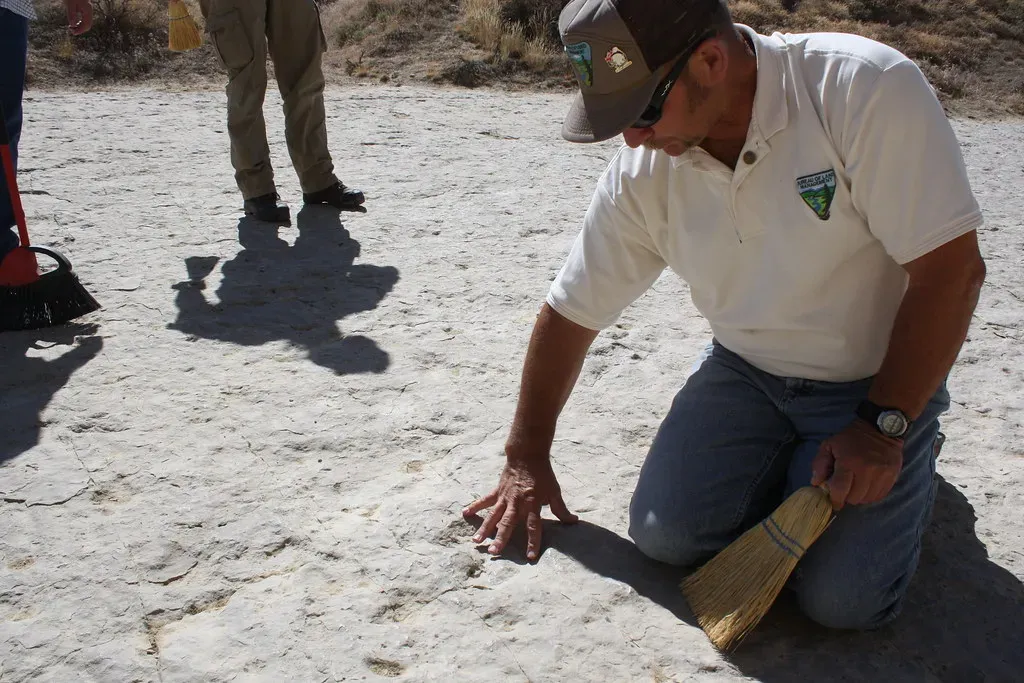
You may never join a formal dig, but there are more ways for you to intersect with dinosaur discoveries than you might think. Many significant finds have been made by hikers, farmers, or construction workers who simply noticed something odd in the rock or soil and took the time to ask an expert. In some cases, a sharp‑eyed visitor at a national park has spotted a bone eroding out of a trail cut, prompting rangers and scientists to investigate further. With citizen science projects and outreach programs growing, you are more likely than ever to see calls for photos of strange rocks, trackways, or potential fossils from everyday people.
If that idea excites you, you can lean into it in simple ways. You can visit local natural history museums and see which rock formations in your region are known for fossils, then keep those layers in mind when you travel. You can support or even volunteer with groups that document construction finds, help curate collections, or crowdsource fossil identifications online. Even if you never personally uncover a bone, your awareness makes you part of a broader network of eyes on the landscape. In a world where a drill core under a parking lot can hit a dinosaur, there is always a chance that your curiosity is exactly what turns a random encounter with a strange rock into the next headline‑making discovery.
What Ongoing Discoveries Really Tell You About the Past
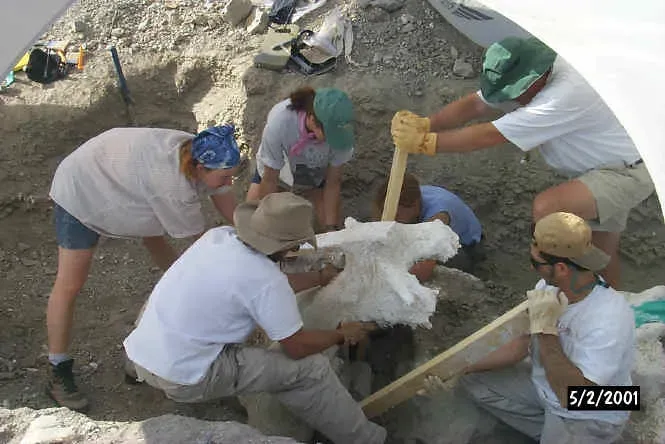
Every new dinosaur fossil, whether it comes from beneath a sprawling museum, a windswept desert, or a forgotten museum drawer, adds one more puzzle piece to a picture you will never fully complete. When bones appear in unexpected places, they challenge your assumptions about where dinosaurs lived, how they moved, and how well you actually understand their world. Finds from late in the Cretaceous, close to the extinction event, can sharpen your sense of what ecosystems looked like just before the impact, while fossils from under‑sampled regions can reveal entire branches of the dinosaur family tree you did not realize existed. The result for you is a more complex, more dynamic view of deep time, one where familiar creatures share space with surprising newcomers.
At the same time, the randomness of these discoveries is a humbling reminder of how much you still do not know. A bone hit by a lucky drill bit or a tooth found in a thin layer of sediment can overturn neat, tidy stories you might have told yourself about evolution or extinction. Instead of seeing the fossil record as a finished archive, you start to see it as a living research project, constantly revised as fresh evidence emerges from beneath your streets and fields. When you look at it that way, it becomes easier to accept uncertainty and to appreciate that scientific knowledge is always provisional, always being updated by the next bone, the next egg, or the next set of footprints that someone like you happens to notice.
Conclusion: The Dinosaurs Beneath Your Feet
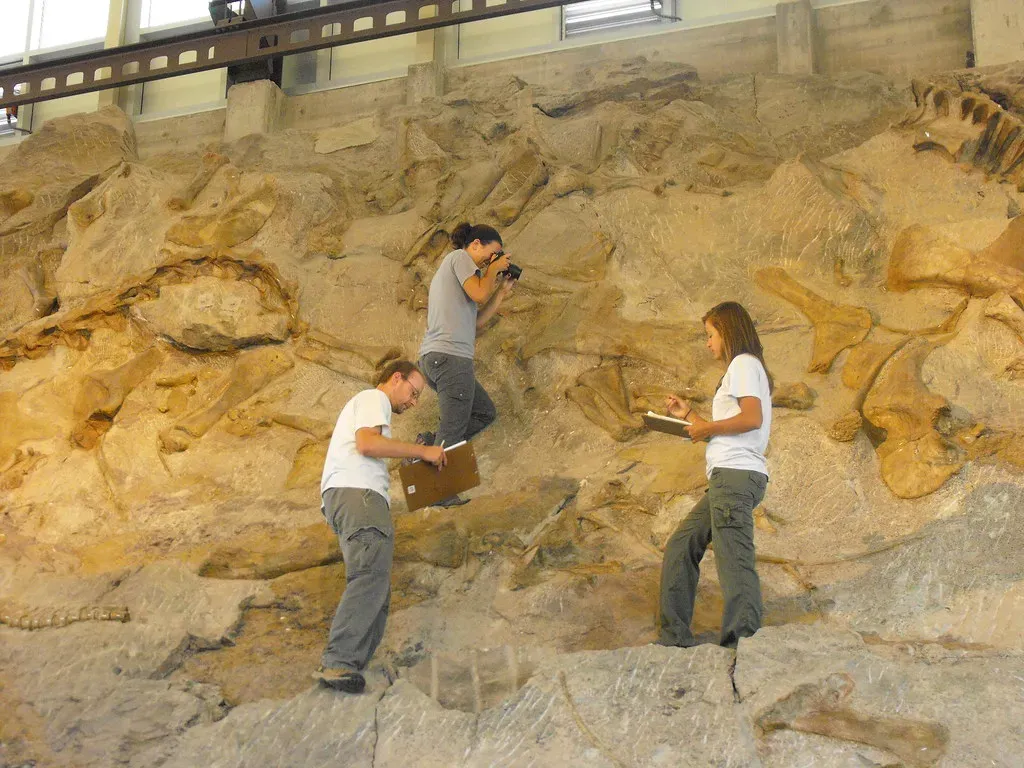
If you take anything away from these stories, let it be this: the age of dinosaur discovery is not a closed chapter; it is an ongoing conversation between the rocks and the people paying attention to them. Right now, as you go about your day, erosion is exposing new bones in far‑off badlands, construction crews are cutting into fossil‑rich layers, and researchers are pulling forgotten specimens from storage and realizing they have been looking at something new all along. The dinosaurs may be gone, but their remains are still actively shaping what you know about Earth’s history, and many of the most remarkable finds are happening in places that, a generation ago, no one thought to look.
So the next time you walk across a parking lot, drive past a roadcut, or step into a museum, allow yourself a moment to imagine the world stacked invisibly beneath you: ancient floodplains, swamps, dunes, and forests all layered below your feet. Somewhere in those layers are fossils that have not yet met human eyes, waiting for the right combination of chance, curiosity, and technology to bring them to light. Knowing that, does it change how you feel about the ground you stand on today?