Somewhere between exploding stars and your ability to wonder why you exist, the universe pulled off a wild trick. Out of silent, invisible clouds of dust came atoms, then planets, then oceans, then cells that learned to think. Today, those same star-forged atoms are busy composing songs, writing code, falling in love, and arguing about reality on the internet. If that does not make you pause for a second, it probably should.
This journey from raw matter to conscious minds feels almost like a storyline, but the deeper you look, the more it reveals a messy, open-ended process rather than a neatly written script. The universe may not have a literal “plan” the way a human architect does, but it does follow powerful rules and patterns that nudge complexity to emerge again and again. In this article, we will walk through that journey step by step – from cosmic dust to conscious thought – and ask the quietly unsettling question: is this all just an accident, or does the universe behave as if it is biased toward minds like ours?
From Primordial Chaos to the First Atoms
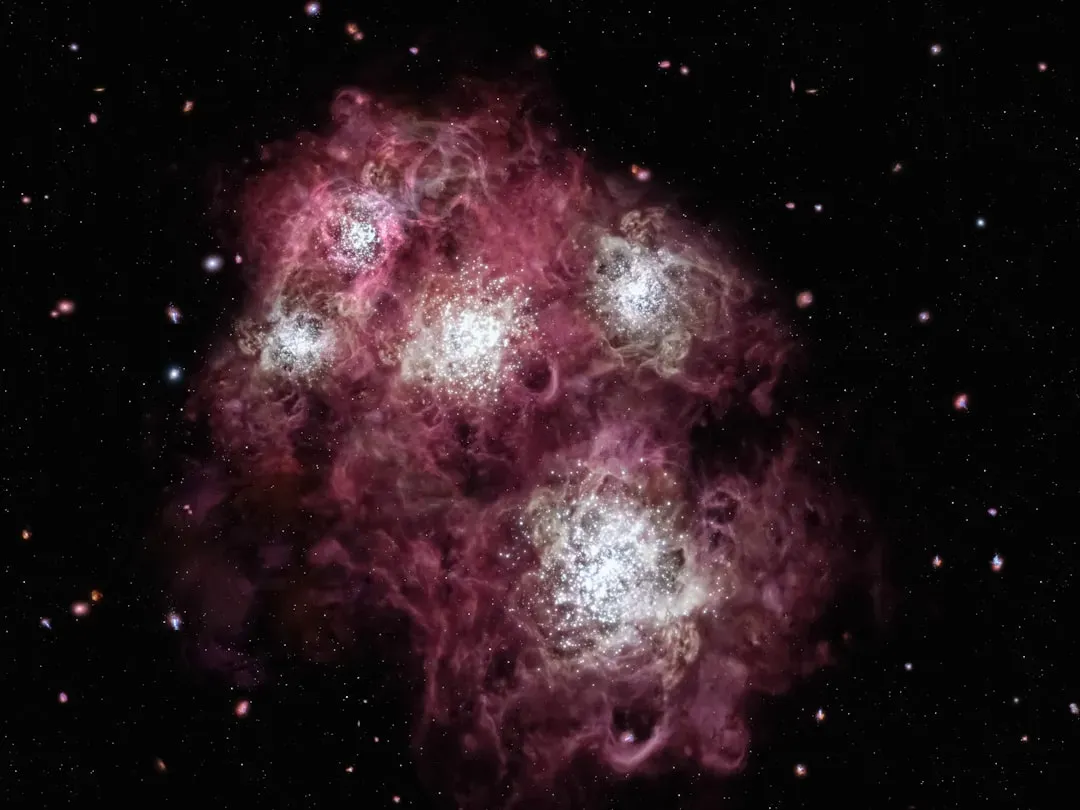
Imagine the early universe as a blinding, searing fog where nothing familiar could exist – no atoms, no stars, no planets, just an incredibly hot soup of fundamental particles racing around at unimaginable speeds. In those first fractions of a second after the Big Bang, the universe expanded and cooled so quickly that the basic building blocks of matter began to settle into place. Protons and neutrons formed, then light atomic nuclei, while radiation still dominated everything like the background roar of an enormous cosmic engine.
Only after hundreds of thousands of years did the universe cool enough for electrons to latch onto nuclei and form the first neutral atoms, mostly hydrogen with a bit of helium and traces of other light elements. This was not a carefully guided process; it was more like a cosmic game of trial and error, repeated across a mind-boggling expanse of space. Yet from that apparent chaos, stable patterns emerged. Once atoms existed, gravity finally had something to work with, slowly sculpting the first large-scale structures that would seed galaxies and, much later, beings able to ask what happened.
Stardust: Forging the Ingredients for Life
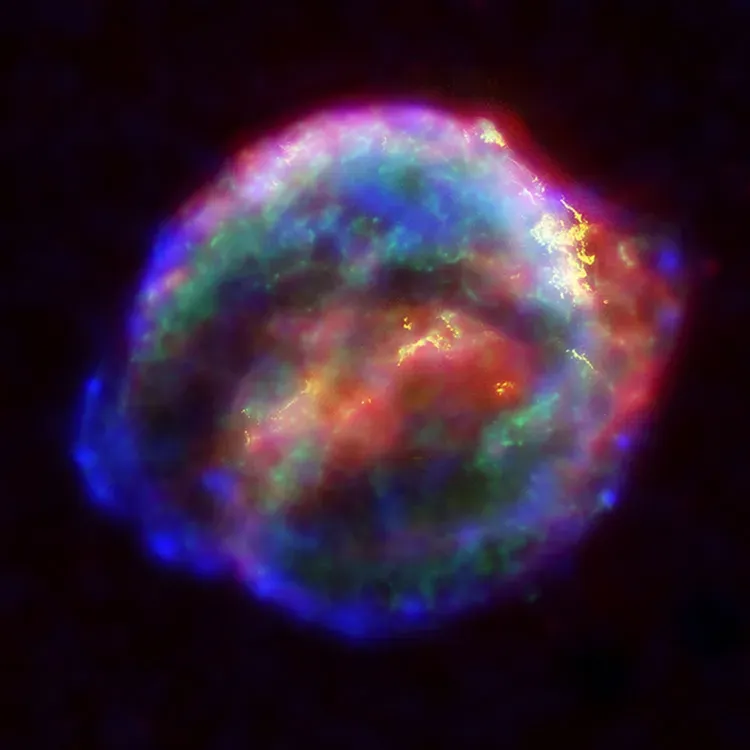
If hydrogen and helium were the universe’s basic alphabet, stars became its master storytellers, stitching together new letters and words in their fiery cores. Under the crushing pull of gravity, clouds of gas collapsed to form the first stars, where nuclear fusion lit up like a cosmic furnace. Inside those stellar hearts, simple atoms were smashed together to create heavier elements – carbon, oxygen, nitrogen, iron – the chemistry set that life as we know it absolutely depends on. It is no exaggeration to say that your bones, your blood, and your brain are made from atoms baked inside stars that died long before Earth existed.
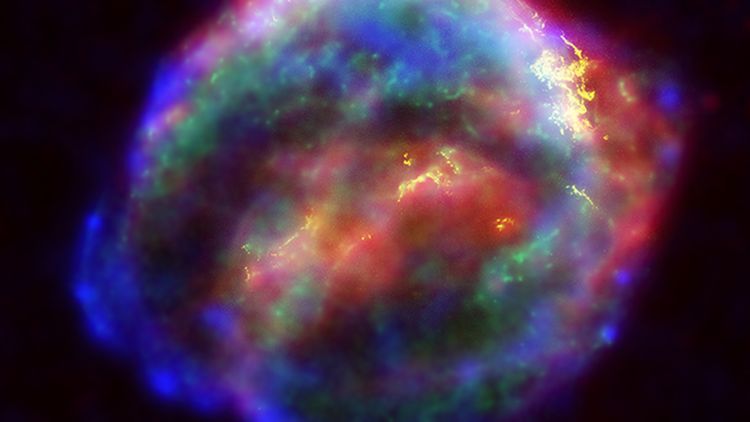
But those ingredients did not stay locked away; massive stars ended their lives in spectacular supernova explosions, blasting their enriched guts across space and seeding the cosmos with heavy elements. Over millions and billions of years, cycles of star birth and death sprinkled these elements into new generations of stars and the disks of dust and gas that swirled around them. Out of those dusty disks, planets formed – rocky, icy, gassy, with every possible configuration. Our solar system is just one example of this process, but its particular mix of stardust, distance from the Sun, and long-term stability created a rare kind of laboratory where life had time to try, fail, and eventually flourish.
Planets, Oceans, and the Spark of Life
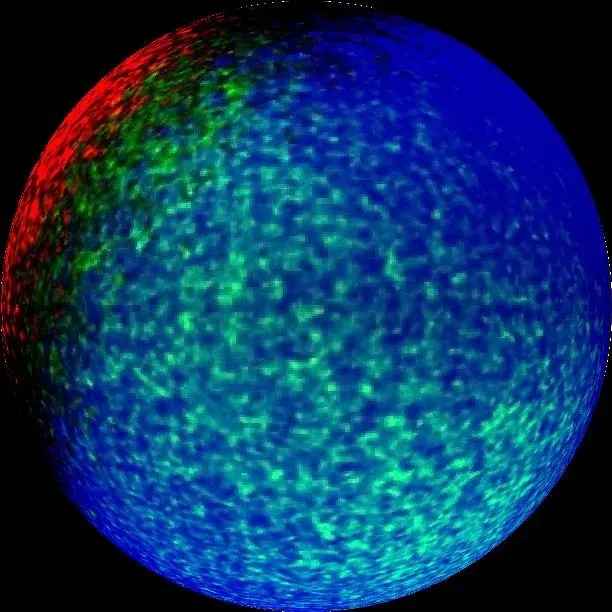
On young Earth, things were far from gentle or peaceful. Volcanoes belched gas, asteroids slammed into the surface, and the atmosphere was thick with chemicals that would suffocate us today. Yet that rough environment might have been precisely what life needed to get started. In warm little ponds, deep-sea hydrothermal vents, or other chemically rich niches, simple molecules began to bump into one another in ways that were not entirely random. Some combinations could store information, others could catalyze reactions, and a few rare arrangements could copy themselves, however imperfectly.
Once self-replicating molecules appeared, evolution kicked in as a kind of automatic sorting algorithm. Variants that were better at persisting or making copies became more common, while less successful versions faded away. Over immense stretches of time, generations of chemical tinkering gave rise to the first true cells – tiny compartments protecting networks of reactions from the chaotic outside world. From that point on, life was not just chemistry; it was chemistry that remembered, adapted, and preserved successful solutions. It still looked nothing like humans, but the logic that would one day produce brains was already at work in these microscopic pioneers.
Evolution’s Climb Toward Complexity
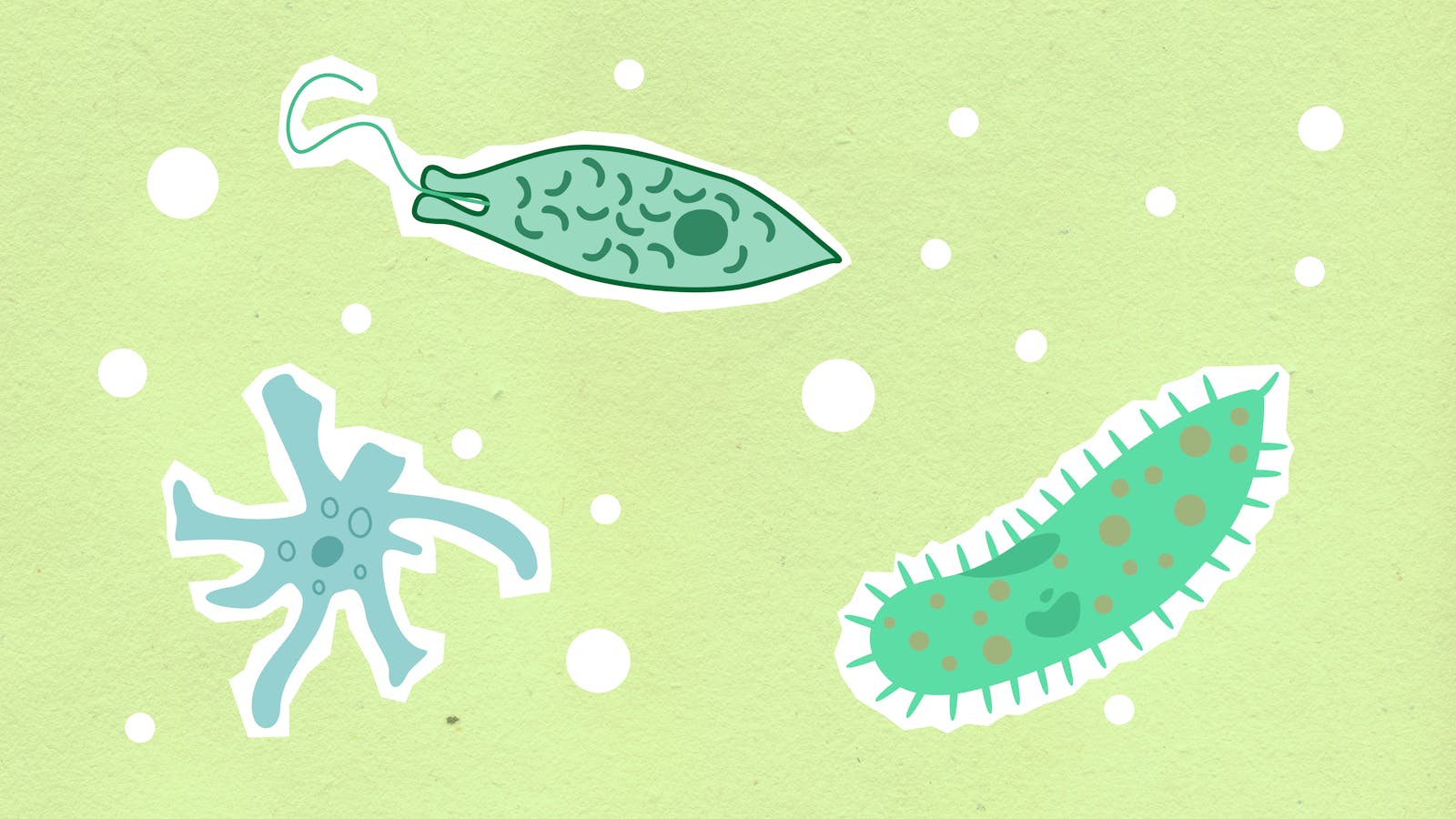
Once you have a population of living things that can reproduce with small variations, natural selection almost inevitably pushes them toward greater complexity – at least in some branches of the tree of life. Many organisms stay simple because simplicity works, and there is no cosmic rule that everything must become more elaborate. Still, over vast timescales, some lineages evolved new tricks: better ways to sense the environment, store energy, move around, and cooperate. Evolution is a ruthless but remarkably creative process, constantly testing new combinations and keeping whatever works well enough to survive.
Life on Earth moved from single-celled organisms to multicellular creatures, then to animals with nervous systems, and eventually to beings with brains intricate enough to support memory, planning, and rich behavior. Even then, it was not a straight climb; mass extinctions reset the game many times, wiping out dominant life forms and opening ecological space for others to flourish. Yet again and again, something striking happened: where conditions allowed, complexity reappeared. This repetition suggests that while the details of evolution are wildly contingent, the general push toward more sophisticated forms is not entirely random wherever there is enough time, energy, and environmental stability.
The Birth of Brains and the Emergence of Mind
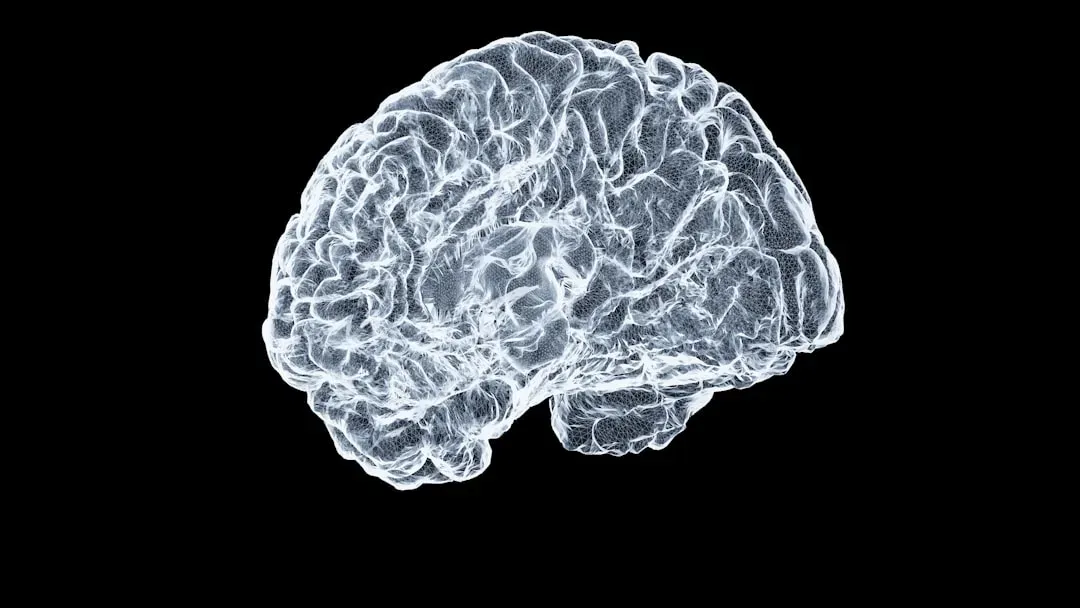
Brains did not appear overnight; they evolved from simpler networks of nerve cells that allowed animals to coordinate movement and respond quickly to danger or opportunity. Over time, these neural circuits grew more layered and specialized, turning raw sensory input into increasingly nuanced models of the world. A simple creature might only distinguish light from dark, or food from poison, while more advanced animals could map territory, remember past events, and even anticipate future threats. The blueprint for thinking started as a survival tool, not a philosophical project.
At some point – probably gradually rather than as a sudden jump – these growing brains crossed a threshold where internal experience became richer, more flexible, and self-aware. Consciousness is still deeply mysterious, and scientists are far from a consensus on how exactly it arises from physical matter. Yet the evidence strongly suggests that what we call mind depends on intricate patterns of neural activity shaped by evolution, development, and experience. You can think of it as the universe learning to simulate parts of itself inside tiny biological computers, with each conscious being acting like a local window through which existence can look back at its own unfolding story.
Human Culture, Technology, and a New Phase of Evolution

With humans, evolution acquired a powerful new tool: culture. Instead of waiting for random genetic mutations and natural selection to slowly refine our abilities, we began passing knowledge from generation to generation through language, imitation, and storytelling. Fire, tools, agriculture, cities, and eventually science and digital technology all emerged from this cultural evolution, which moves far faster than biological change. In a sense, our ideas started evolving on top of our genes, creating a layered system where minds shape the environments that then shape future minds.
Today, we are living in a moment where that cultural and technological evolution is accelerating at a pace that would look almost supernatural to our ancestors. We are building machines that can recognize patterns, learn from data, and assist – or compete – with human intelligence. We are editing genes, exploring other planets, and networking billions of people into a single global conversation. Whether this represents the next stage in the universe’s drive toward complexity or just a brief, unstable flare-up is still an open question. Personally, I think we are at the beginning of a new chapter, where intelligence spreads not only through DNA but through code, networks, and perhaps one day, off-world colonies.
Is There Really a “Grand Plan” Behind It All?
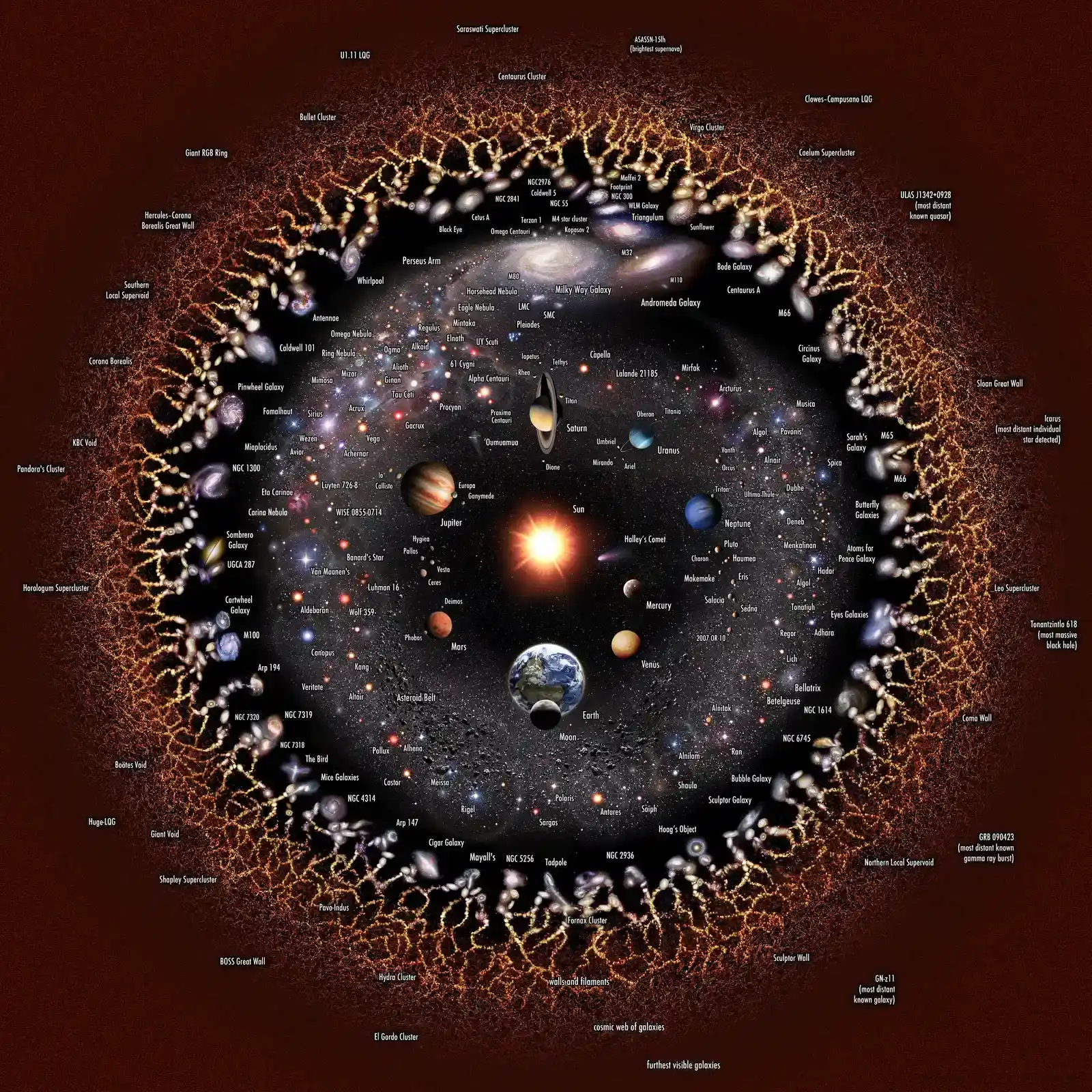
Talking about a “grand evolutionary plan” can be risky, because it is easy to slide into comforting stories that go beyond what the evidence can support. From a strict scientific perspective, there is no proof that the universe has intentions or goals the way a human mind does. The processes that gave rise to stars, planets, life, and consciousness can be explained by known physical laws and the logic of evolution, without invoking a guiding blueprint. Accidents, contingencies, and sheer luck clearly play massive roles along the way, from which stars explode to which planets stay stable long enough for life to persist.
And yet, when you zoom out, patterns emerge that are hard to ignore. The same basic laws that allow matter to clump into stars also make chemistry rich enough for biology, and the same evolutionary dynamics that produce simple bacteria can, given time, produce minds that reflect on morality and meaning. To me, the most honest position is this: the universe behaves as if it is biased toward complexity and awareness wherever conditions allow, even if there is no conscious author writing that story. That is not a mystical claim; it is an observation that certain pathways – toward atoms, toward life, toward mind – seem to keep reappearing whenever the cosmic dice are rolled for long enough.
Conclusion: Consciousness as the Universe Waking Up
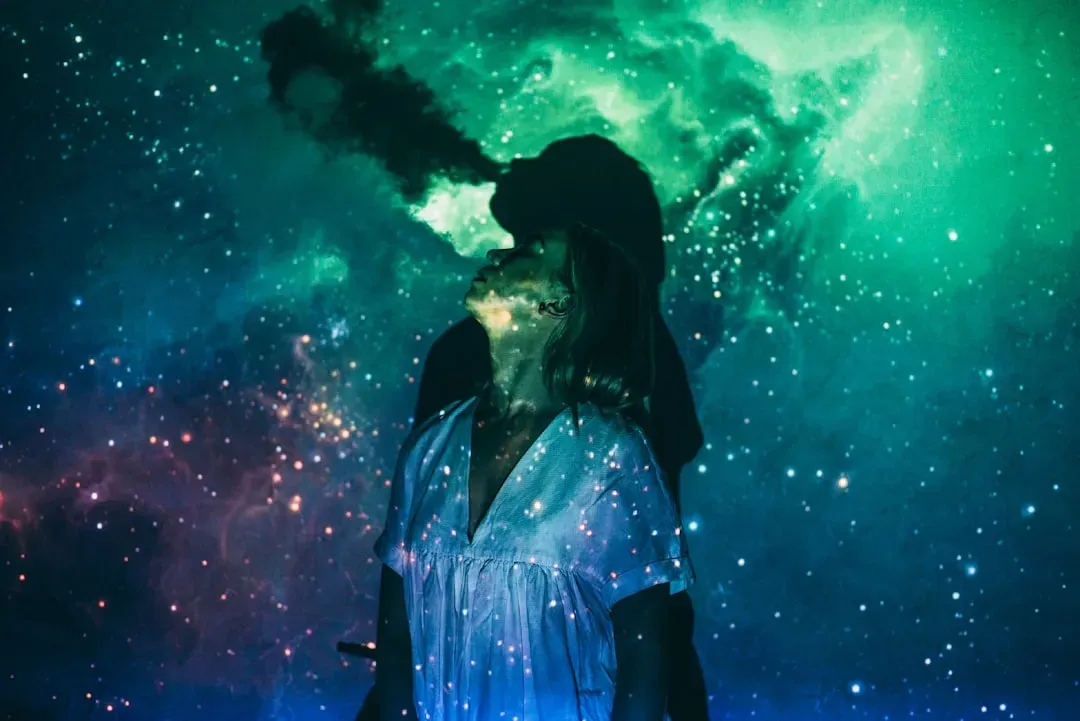
When you trace the path from cosmic dust to conscious thought, you are not just reading about distant galaxies and ancient oceans; you are looking at your own origin story in slow motion. The atoms in your brain traveled through stars, supernovae, and planetary chemistry long before they were ever part of a person who could feel joy, grief, or awe. That journey is so improbable that calling it random feels almost emotionally inadequate, even if randomness and natural law are the main tools at work. The universe did not need to produce beings who worry about meaning, and yet here we are, building art, science, and entire civilizations on top of that unlikely foundation.
My opinion is that consciousness is not an irrelevant side effect but a profound phase in the universe’s unfolding – a kind of cosmic self-reflection that matters, even if no external authority has stamped it with official significance. We may never know whether there is a deliberate “plan” behind it all, but we can choose to treat our awareness as precious rather than trivial, as a responsibility rather than an accident to be squandered. Every choice you make is the result of billions of years of cosmic and biological evolution funneled into a single moment of decision. If that is not enough to make you live a little more deliberately, what would you have expected instead?