
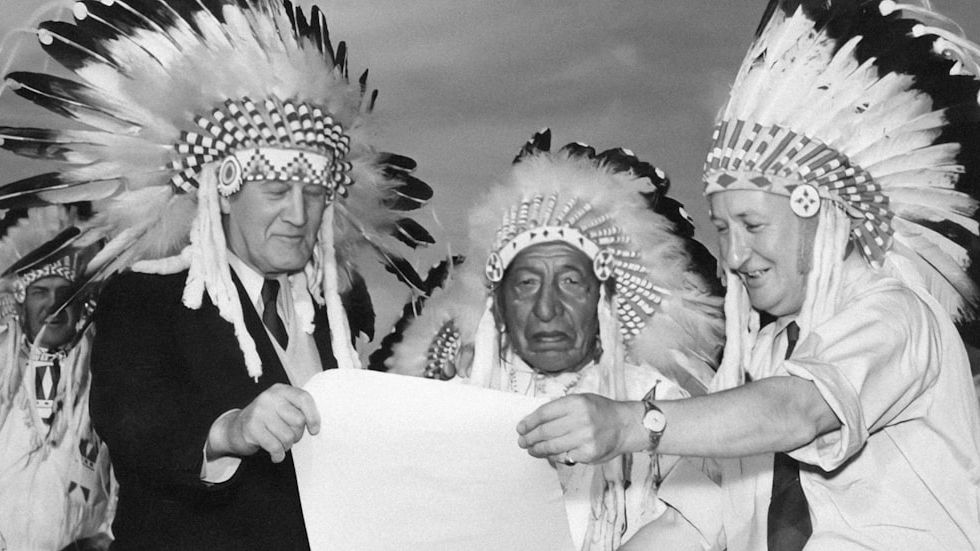
Every time you see a map of the ancient world, the Americas often feel like blank space, as if history only truly began in Mesopotamia, Egypt, or China. But that quiet part of the map tells a very old story, one that scientists are still piecing together from scraps of bone, broken stone tools, ancient DNA, and even underwater landscapes that no longer exist. The mystery of who the first Americans were, how they arrived, and how they lived has become one of the most fascinating detective stories in modern science.
What makes it so gripping is that the evidence keeps surprising us. Discoveries that would have been dismissed as fantasy a few decades ago are now forcing textbooks to change and long‑held theories to crumble. The deeper researchers dig, the older and more complex the American story becomes. And in many ways, we are only just beginning to understand how deep those roots really go.
The Old Clovis Story – And Why It Collapsed
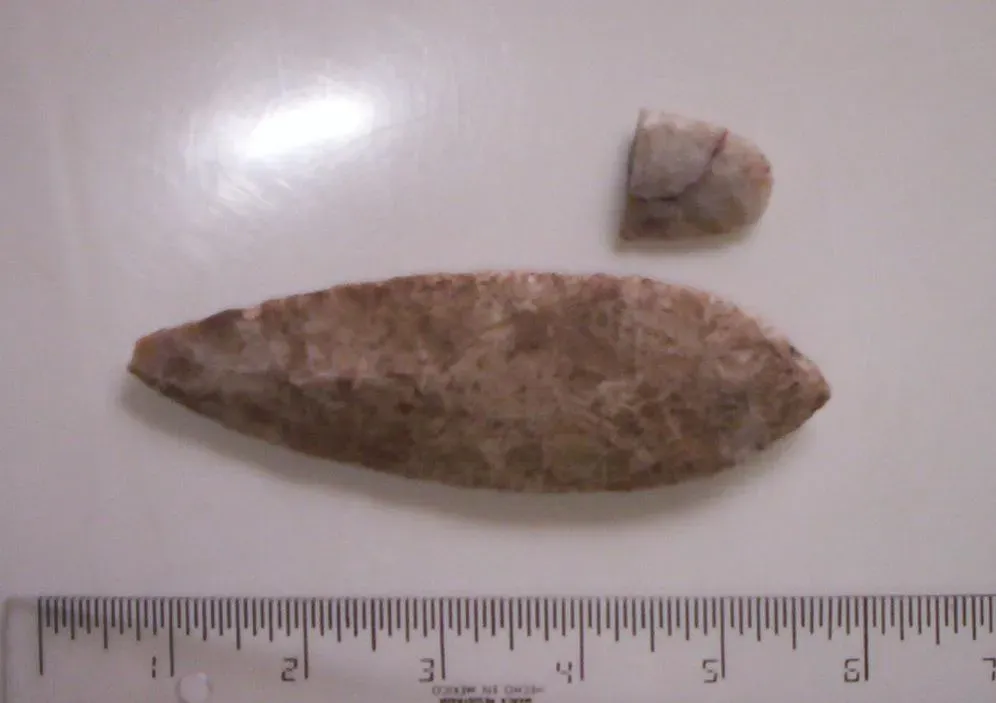
For much of the twentieth century, schoolbooks pushed a simple tale: the first Americans were the Clovis people, big‑game hunters who arrived around thirteen thousand years ago and left behind distinctive spear points scattered across North America. It sounded neat and tidy: humans walk across a land bridge from Siberia, follow an ice‑free corridor, chase mammoths, and quickly spread south. That story had a certain cinematic charm, and a lot of archaeologists became very attached to it, sometimes more emotionally than scientifically.
The problem is that nature does not care about tidy narratives. Over the last few decades, sites such as Monte Verde in southern Chile, and others in North America and beyond, have produced evidence of human presence thousands of years older than the classic Clovis horizon. Carefully dated hearths, stone tools, and even preserved plant remains made it harder and harder to maintain the old “Clovis‑first” model. The result has been a kind of slow, scientific humbling: instead of one heroic founding group, it now looks like there were multiple waves, longer timelines, and a messier, far more interesting peopling of the Americas.
Crossing From Siberia: Beringia, Glaciers, and a Lost World
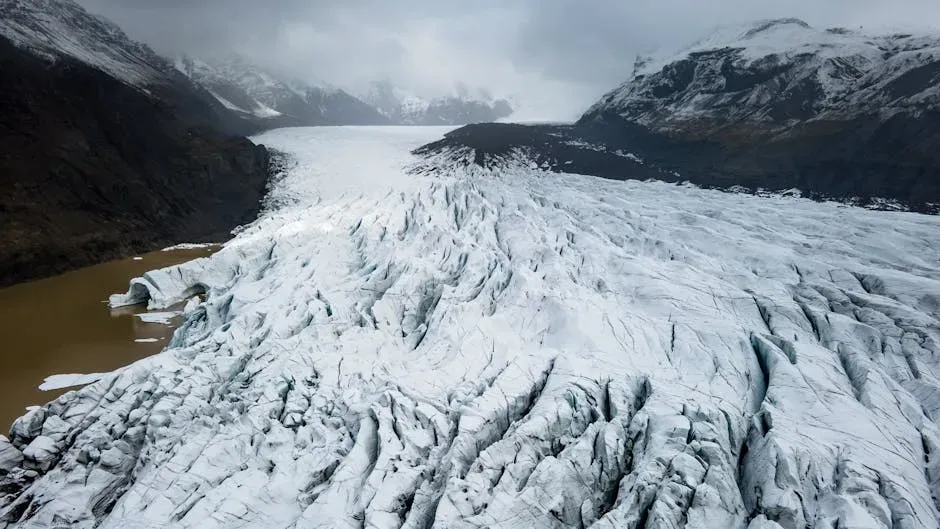
When people talk about how the first humans reached the Americas, they usually picture a narrow strip of land between Russia and Alaska, a kind of cold, miserable bridge. In reality, that region, known as Beringia, was once a vast landscape of grasslands, rivers, and wildlife during periods of lower sea level. It was less like crossing a bridge and more like living in an enormous subcontinent that connected northeast Asia and northwest North America. Early hunter‑gatherers could have stayed there for thousands of years, building cultures in a place that is now drowned beneath the Bering Sea.
Glaciers complicated the path south. During the last Ice Age, colossal ice sheets covered much of what is now Canada, blocking any easy overland route. For a while, researchers argued over the idea of an “ice‑free corridor” opening between these ice sheets, allowing people to walk through. Newer evidence suggests that this corridor may not have been biologically rich enough early on to support large human groups. That has pushed more attention toward a coastal migration route, with people moving along the Pacific shoreline by boat or on foot, hugging kelp forests and rich marine ecosystems – an image that feels far more dynamic and adaptable than a simple march through an icy tunnel.
Coastal Highways and Hidden Camps Beneath the Waves
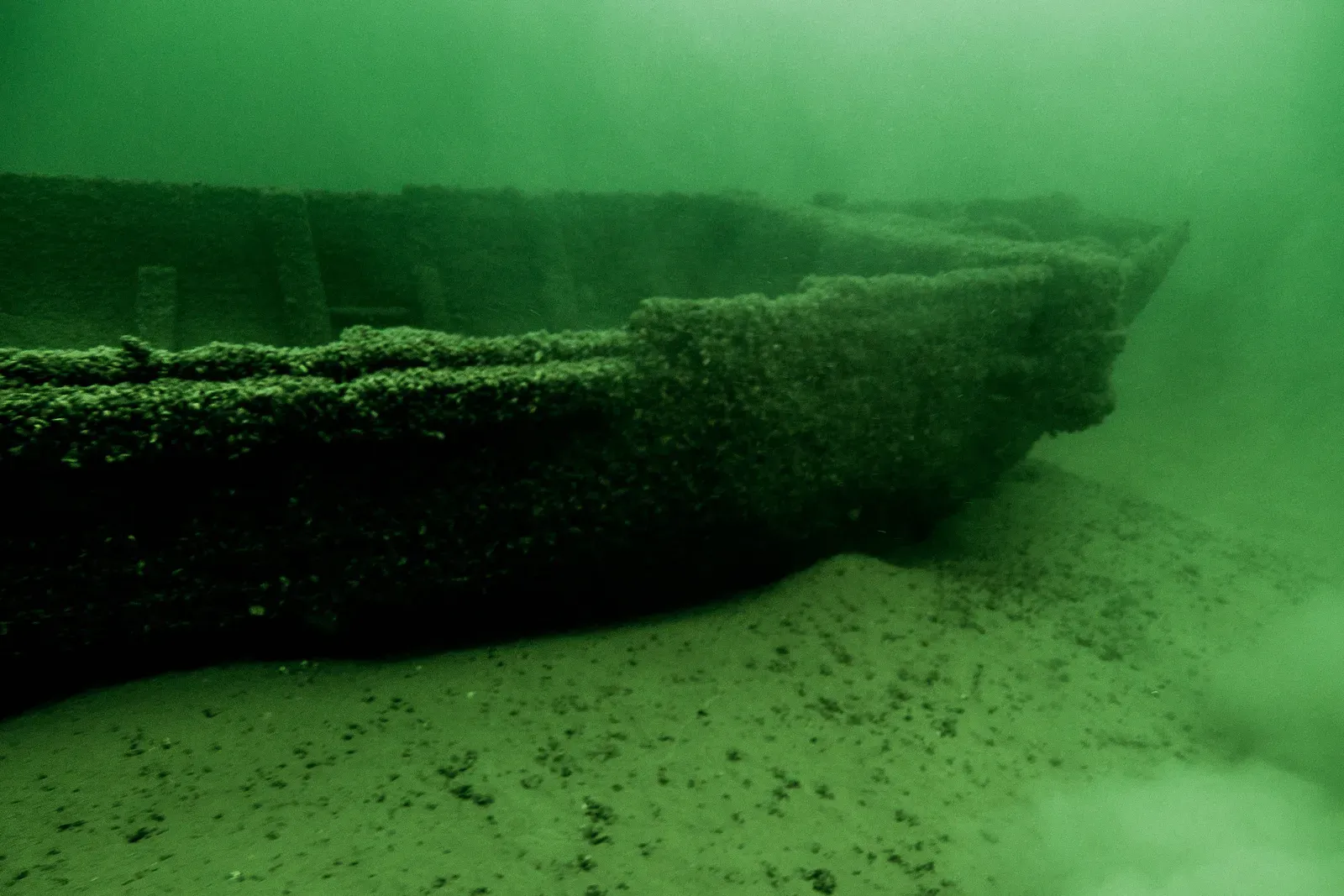
The coastal‑route idea used to sound speculative, largely because the smoking gun evidence is inconveniently underwater. When sea levels were lower, the ancient shorelines where early Americans might have camped and fished were dry land. As the ice melted, the ocean rose, drowning those sites under tens of meters of water. That means some of the most important archaeological evidence may be sitting on the seabed, out of reach or only just beginning to be explored with sonar, underwater coring, and diving teams.
Despite those challenges, the pattern is starting to look compelling. Early sites in the Americas often appear surprisingly far south, and the timing lines up more naturally with a coastal movement than with a late‑opening inland corridor. Marine‑focused tools, evidence of early seafaring elsewhere in the world, and the ecological richness of kelp forests all support the idea that the first Americans were not just brave walkers but skilled coastal travelers. It is a reminder that our ancestors were not limited by our modern assumptions; if there was food, they found ways to reach it, even if it meant navigating cold, rough waters along a wild Pacific edge.
Ancient DNA and the Genetic Story of the First Americans
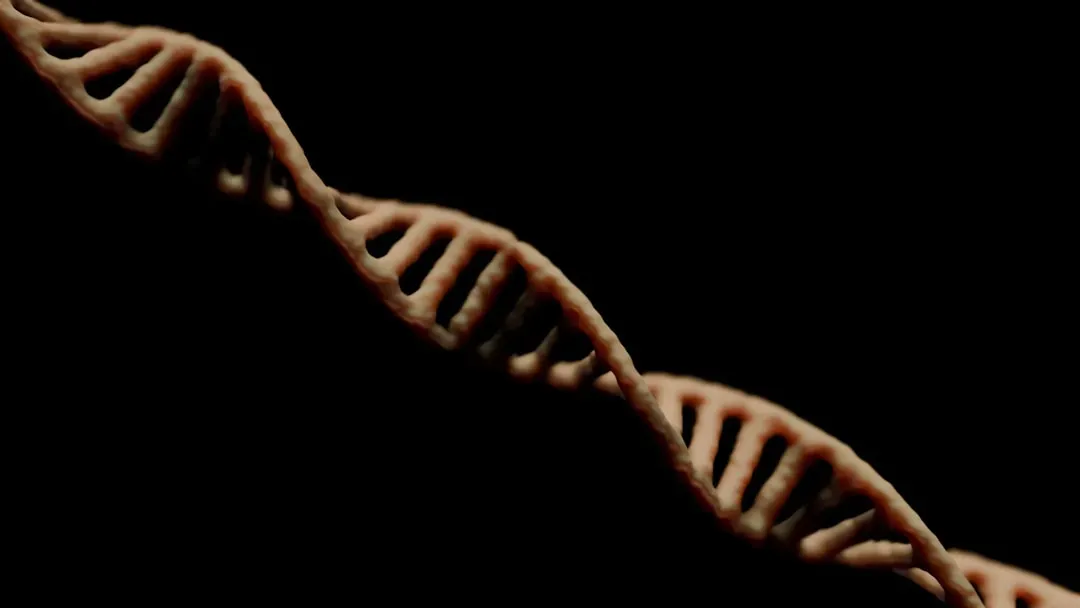
Over the last fifteen years or so, ancient DNA has ripped open doors that archaeology alone could only knock on. By sequencing the genomes of ancient individuals from both Siberia and the Americas, scientists have traced broad patterns of ancestry and migration. The emerging picture suggests that the first major ancestral population of Native Americans formed from groups in northeast Asia, with a distinct genetic signature that later branched into northern and southern lineages as people spread across the continents. It is not a simple straight‑line journey, but it is coherent enough that we can now see family resemblances across thousands of miles and many millennia.
At the same time, the genetic story is more tangled than early models assumed. Evidence points to that ancestral population spending a long “standstill” period, possibly in Beringia, before expanding into the Americas. There are also hints of additional, more limited gene flows – people moving back and forth across the Bering region, and later contacts that further shaped the genetic landscape. Modern Indigenous communities carry these deep histories in their DNA, but it is crucial to remember that they are not just data points. They are living descendants with their own stories, identities, and rights, which is why ethical collaboration in genetic research has become such a central, and sometimes contentious, part of this field.
Archaeological Sites That Rewrite the Timeline
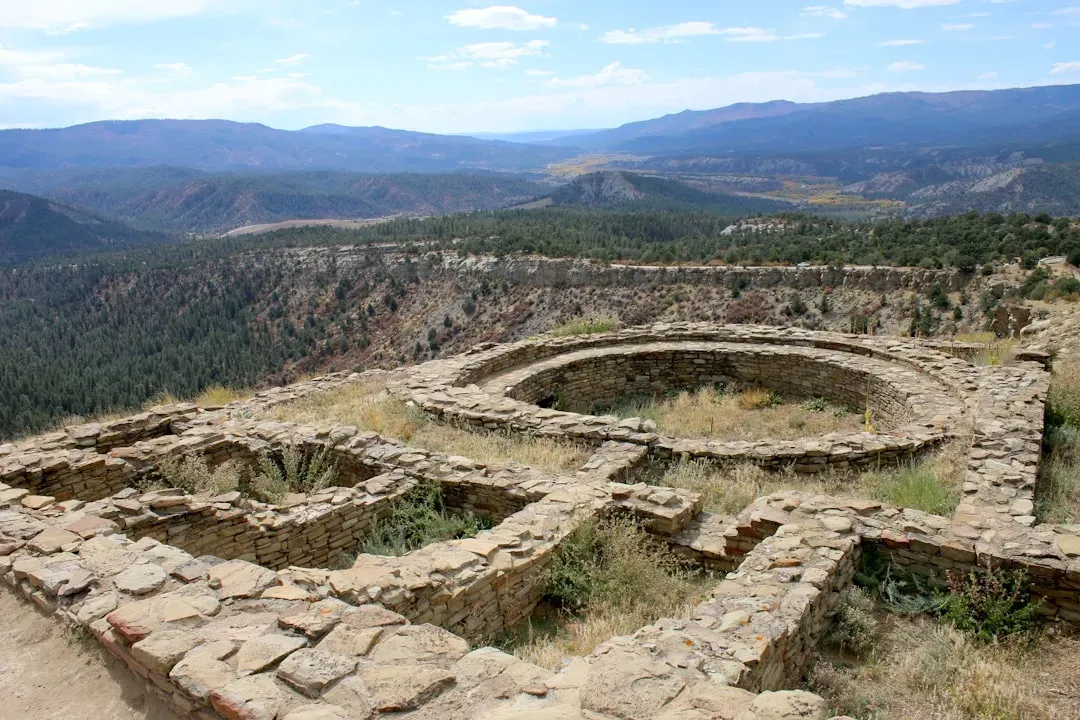
The arguments over when the first Americans arrived often boil down to a few critical sites that sit right at the limits of what evidence can prove. Some places with early dates have become famous because they pushed the timeline back, forcing scholars to re‑evaluate cherished ideas. Layers of charcoal, tools, and bones carefully dug out of ancient sediments can shift our understanding by thousands of years, which is an almost absurd amount of time when you think about how short written history is. Each new well‑documented early site feels like another pin pushing the origin story further into the past.
That said, claims of very ancient human presence in the Americas – stretching tens of thousands of years beyond the current consensus – remain controversial. Some supposed tools have turned out to be naturally broken rocks, and some early dates have not held up under closer scrutiny. This tension is healthy, even if it is frustrating to watch from the outside. Science moves forward by being skeptical, testing, and sometimes admitting that the evidence just is not strong enough yet. The responsible position right now is that humans were in the Americas earlier than the old Clovis model allowed, but exactly how early is still being hammered out with a mix of excitement and caution.
Indigenous Knowledge and the Problem With “Discovery”
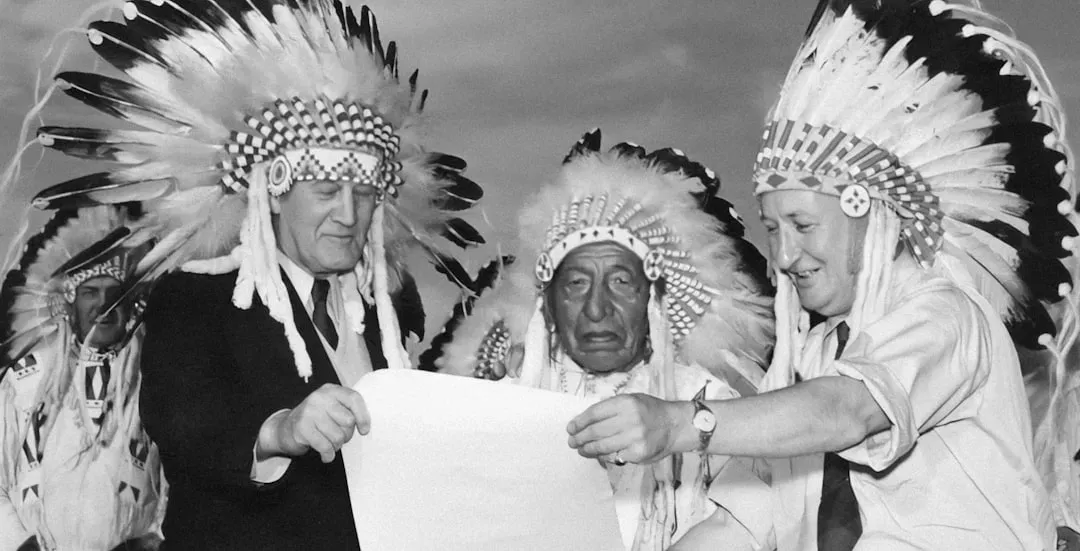
One uncomfortable truth is that the phrase “first Americans” is often used in ways that erase the people who are very clearly still here. Indigenous nations across the Americas have origin stories, oral histories, and deep knowledge of their homelands that stretch back beyond anything archaeology can date. For a long time, Western researchers brushed those stories aside as myth while treating their own reconstructions as objective reality. That attitude is slowly changing as more archaeologists and geneticists recognize that Indigenous perspectives are not add‑ons but essential to any honest account of the past.
There is also a loaded politics in the language of discovery. When a research team announces they have “discovered” the first Americans, it can sound as if the people themselves did not already know they had been there since time immemorial. More collaborative projects now involve Indigenous communities from the start, sharing control over research questions, excavation sites, and the treatment of human remains. To me, this shift is long overdue. It forces science to be more humble and more accountable, and it enriches the story by anchoring it in living cultures rather than treating the past as a dead museum exhibit.
Life on a New Continent: Big Hunts, Small Camps, and Rapid Diversity
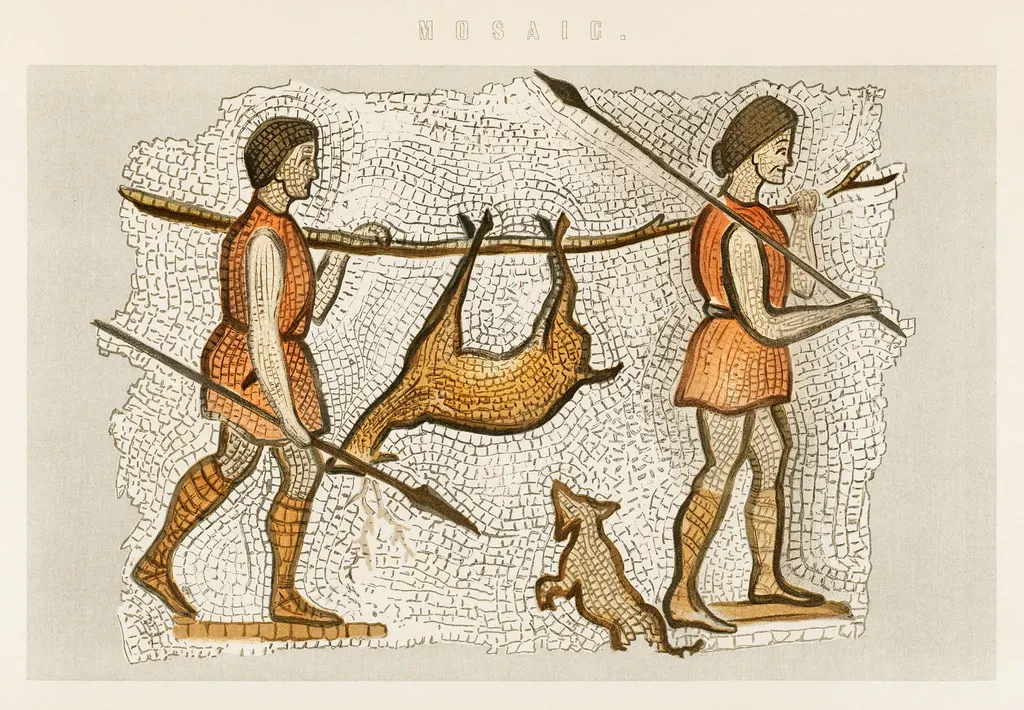
Once people were in the Americas, the pace of change seems mind‑bendingly fast. Within a relatively short window of time, humans spread from the Arctic to Patagonia, adapting to deserts, rainforests, high mountains, and endless grasslands. Early groups hunted mammoths, mastodons, and giant ground sloths, but they also gathered plants, fished, and experimented with whatever local resources they found. Picture small bands setting up temporary camps near rivers, leaving behind fire pits, stone flakes, and butchered bones that would one day become data in an academic argument they could never have imagined.
What fascinates me most is how quickly regional identities emerge in the archaeological record. Tool styles, settlement patterns, and food strategies begin to diverge as groups adapt to different environments and develop their own traditions. Over thousands of years, those regional patterns would eventually blossom into the massive cultural diversity that European colonizers later encountered, from complex farming societies and great cities to mobile hunter‑gatherer groups. The first Americans were not just rugged survivors; they were innovators, storytellers, and builders of worlds, even if many of those worlds vanished under the weight of time and later conquest.
Why the Story of the First Americans Still Matters
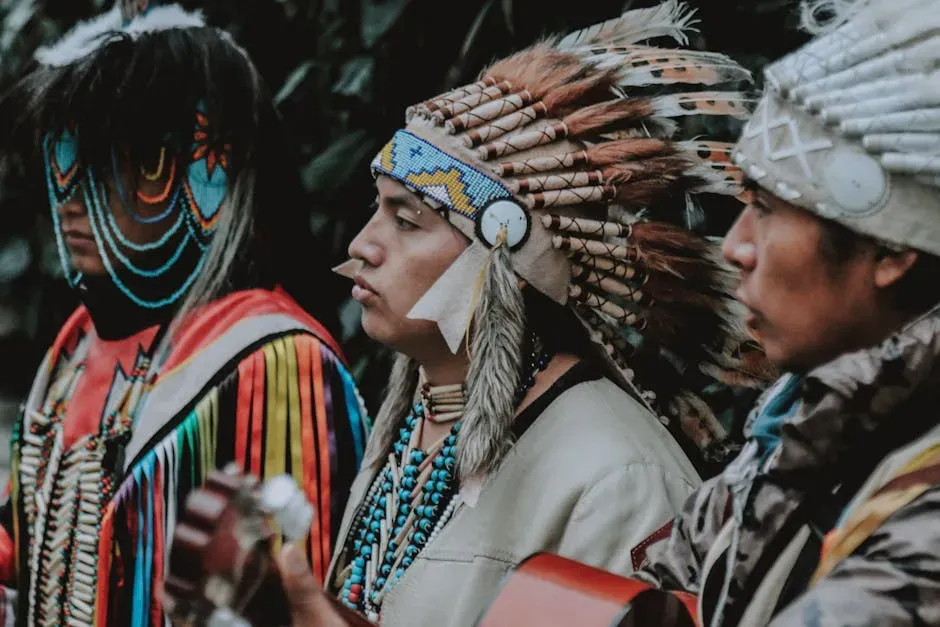
It is easy to treat all of this as abstract prehistory, something that happened so long ago it might as well be legend. But the debate over who the first Americans were, and how long they have been here, is tightly bound up with present‑day questions of belonging, territory, and power. Narratives that minimize the deep roots of Indigenous peoples have been used to justify land theft and erasure, while more accurate, older timelines reinforce what many Native communities have always said: their connection to these lands is not recent and not negotiable. The science, when done honestly, tends to support that deeper continuity rather than undermine it.
Personally, I think the most thrilling part of this story is that it is unfinished. New tools – whether DNA sequencing, underwater archaeology, or better dating techniques – keep peeling back layers we once thought were unreachable. At the same time, we are being forced to grow up a bit as a species and admit that we are not neutral observers peering at a distant past; our questions, biases, and politics shape what we see and what we ignore. The first Americans are not just ancient bones and scattered artifacts. They are ancestors of living nations, and they are also a mirror, showing us how far we still have to go in understanding our shared human journey. Did you expect the deepest roots of American history to be this old, this messy, and this alive in the present?