Imagine stepping into your garden, a local creek bed, or a dusty hiking trail and realizing that, just beneath your feet, the bones of a creature the size of a bus might be waiting. That sounds like movie-level drama, but across North America, ordinary people and amateur enthusiasts really have stumbled onto fossils that rewrote what scientists thought they knew about dinosaurs. The story of these discoveries isn’t just about giant skeletons in polished museum halls; it’s also about kids on school trips, ranchers checking fences, and construction crews accidentally slicing through time.
North America is one of the most fossil-rich regions on Earth, from the rocky deserts of the American Southwest to the windswept plains of Canada and the humid forests of the Southeast. Under shopping centers, subdivisions, and freeway cuttings lie the remnants of ecosystems that thrived more than sixty million years ago. Once you see your everyday surroundings through that lens, even a pile of weathered rocks looks suspiciously like a potential time machine. Let’s dig into where these lost giants are hiding, how they’re found, and why some of the most astonishing discoveries really are closer than you think.
The Dinosaur Graveyard Beneath Suburbs and Freeways
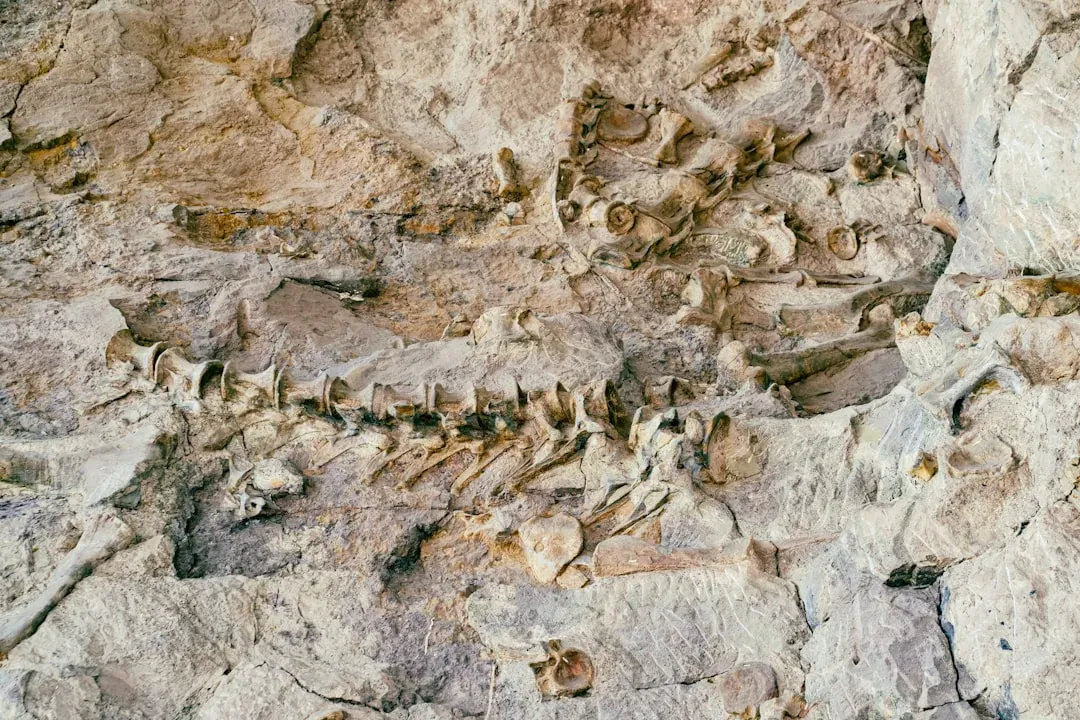
It feels almost absurd that some of the best dinosaur fossils in North America come from places that now host strip malls and housing developments. Yet that’s exactly what has happened in several booming regions, especially along the Rocky Mountain Front where cities keep expanding into fossil‑rich badlands. Every new foundation, drainage trench, or road cut slices a little deeper into geologic layers that have been sealed since the age of Tyrannosaurus and Triceratops. What looks like just another construction site to most people can be a goldmine of ancient bones.
Many of these finds start with something as simple as a worker noticing an oddly shaped, unusually heavy rock in a dirt pile. In parts of the western United States and Canada, this happens often enough that local governments and developers keep paleontologists on speed dial. I still remember my own first “is that a fossil?” moment standing at a half‑built subdivision in Colorado, staring at what turned out to be nothing more than mineralized wood – but the foreman had a folder of photos from past projects where the rocks were vertebrae the size of dinner plates. Once you realize that modern suburbs can sit right on top of ancient dinosaur graveyards, every orange construction fence takes on a different kind of mystery.
Backyard Bone Hunters: How Ordinary People Find Extraordinary Fossils
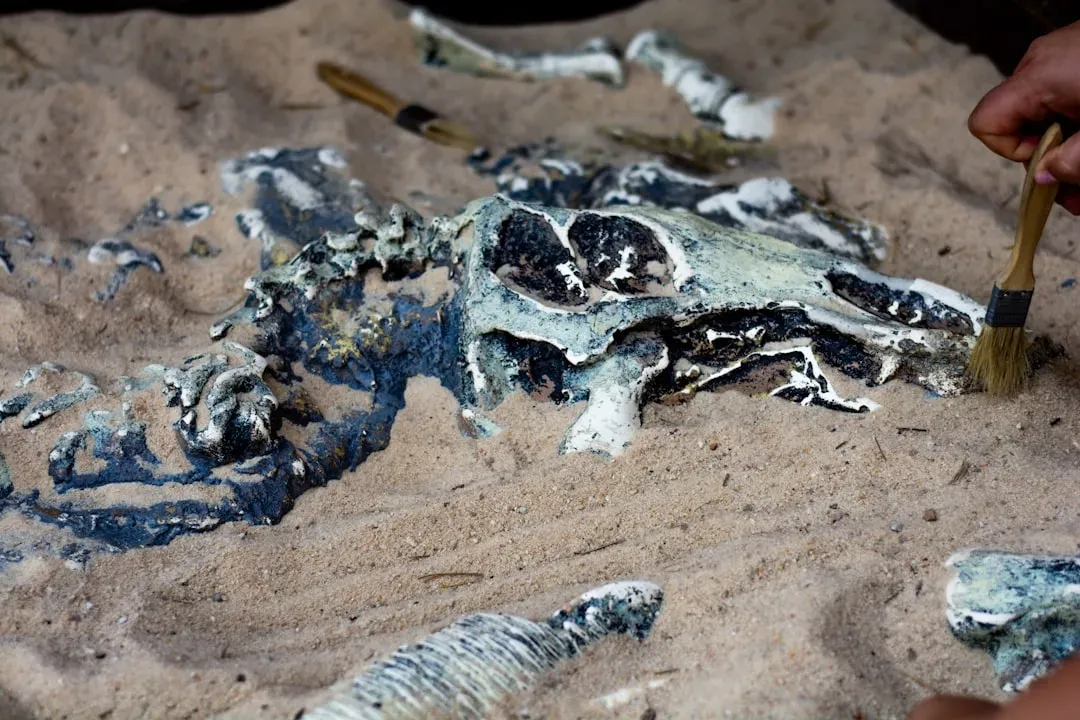
One of the most surprising truths about dinosaur discoveries is that professionals rarely make the very first find. Time and again, school kids on field trips, hikers following a dry creek, or ranchers checking cattle have been the ones to spot the stray bone or tooth that leads to a major excavation. The skill they use is not fancy equipment or decades of training but simple curiosity: they notice when a rock looks strangely rounded, patterned, or out of place compared to the others around it. That tiny difference is often the first clue that erosion is teasing a fossil out of its rocky tomb.
If you live in a fossil‑rich region, you do not need a PhD to become part of this story; you need patience, a good eye, and a willingness to follow the rules. Laws in the United States and Canada are strict about collecting on public land, and for good reason, because fossils carry scientific value that can be lost if they are ripped from the context of their rock layers. The best thing an aspiring backyard bone hunter can do is learn what fossils roughly look like, take photos, note the location, and contact a local museum or geology department. I’ve watched kids hand over a single odd “rock” to experts, only to be told later that it was the first visible piece of a dinosaur no one had ever named before. That is a hard feeling to beat.
From Montana to Mexico: North America’s Dinosaur Hotspots
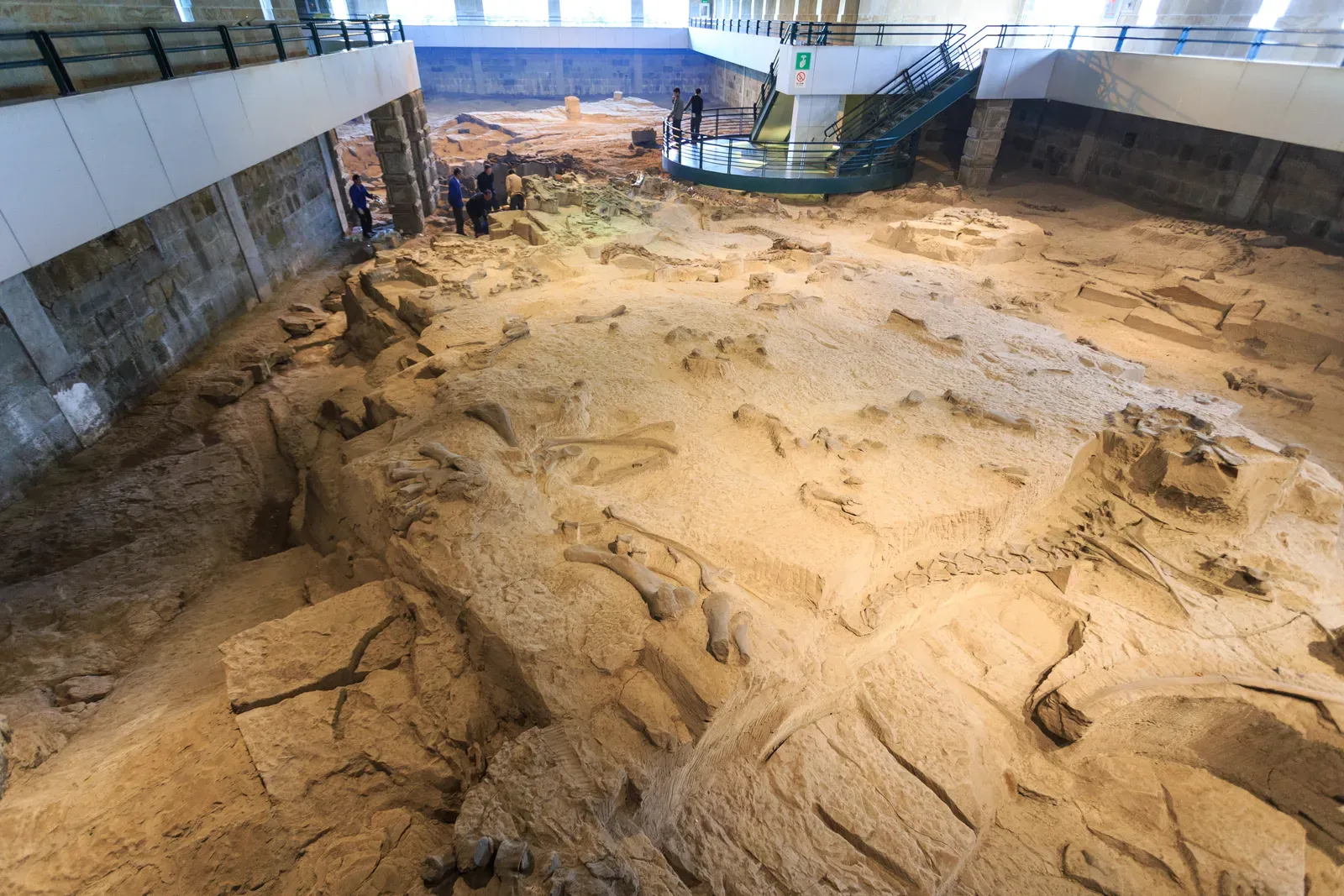
When you hear about North American dinosaurs, your mind probably jumps straight to Montana or Alberta, and there’s a good reason for that. The exposed rock layers in parts of the northern Great Plains preserve entire ancient river systems, floodplains, and coastal zones from the Late Cretaceous period. In these areas, erosion has kindly peeled back the ground surface just enough for bones to weather out, but not so much that everything is destroyed. That balance has produced legendary bone beds where thousands of fossils – sometimes from dozens of individuals – are tangled together.
But the continent’s dinosaur story stretches far beyond that iconic northern corridor. Head south toward New Mexico, Texas, or down into northern Mexico and you find evidence of different ecosystems: coastal lagoons, inland seas, and lush forests where duck‑billed dinosaurs and long‑necked sauropods left their mark. Go east, into states like New Jersey or the Carolinas, and the fossils may be rarer and harder to find, but they still speak of strange ancient shorelines and swampy lowlands. The pattern is simple: wherever rocks of the right age are exposed, there is a chance that lost giants are hiding in the cliffs and gullies you drive past without a second thought.
The Giants Themselves: Iconic North American Dinosaurs
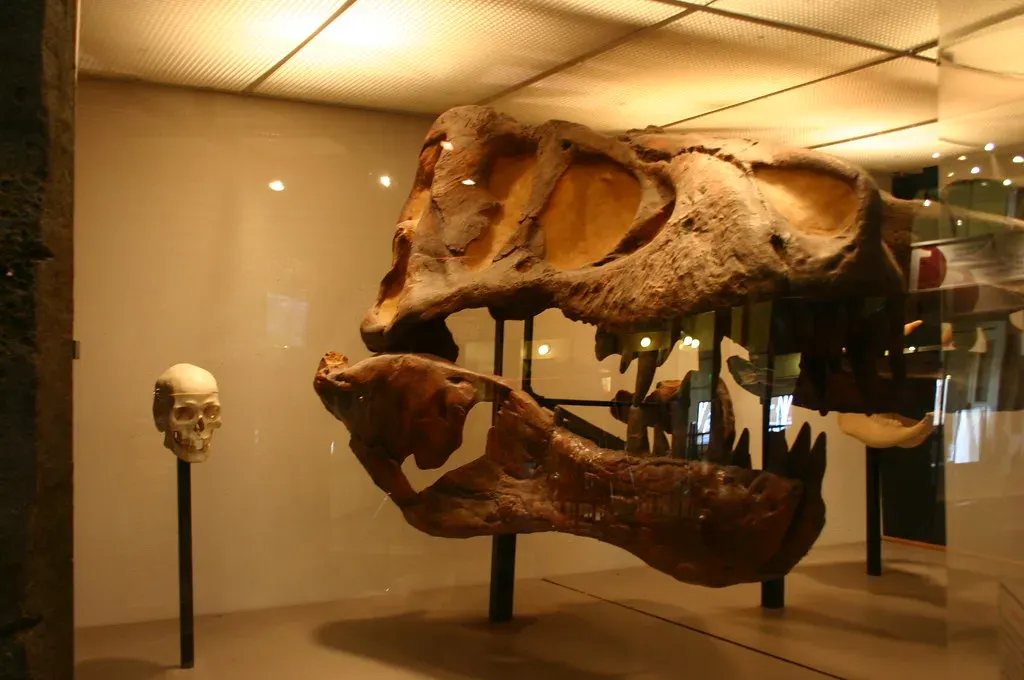
North America’s fossil record hosts some of the most famous dinosaurs on the planet, and they have become cultural icons for a reason. Picture the bone‑crushing skull of a large tyrannosaur, the sweeping horns and frills of a ceratopsian, or the duck‑like beaks and crested heads of hadrosaurs. These animals were not just oddities; they were the largest land predators and herbivores in their ecosystems, shaping forests and floodplains the way elephants and big cats do today. Many of the most complete skeletons of these groups have been found in North American rocks, allowing scientists to build detailed reconstructions.
What’s easy to forget is that even the most “classic” dinosaurs are still being revised and reimagined as new fossils emerge. A better‑preserved skull, an unusual tail, or a previously missing limb bone can force paleontologists to redraw family trees and rethink how these animals looked and behaved. I’ve watched people in museum galleries walk straight past the label that says a specimen was only discovered a decade ago, as if it had always been part of the scientific furniture. The reality is far messier and more exciting: those giant skeletons towering over visitors were once scattered fragments in a remote hillside or dusty outcrop, found by someone who happened to be in the right place at the right time.
Unexpected Neighbors: Feathered, Tiny, and Totally Weird Dinosaurs
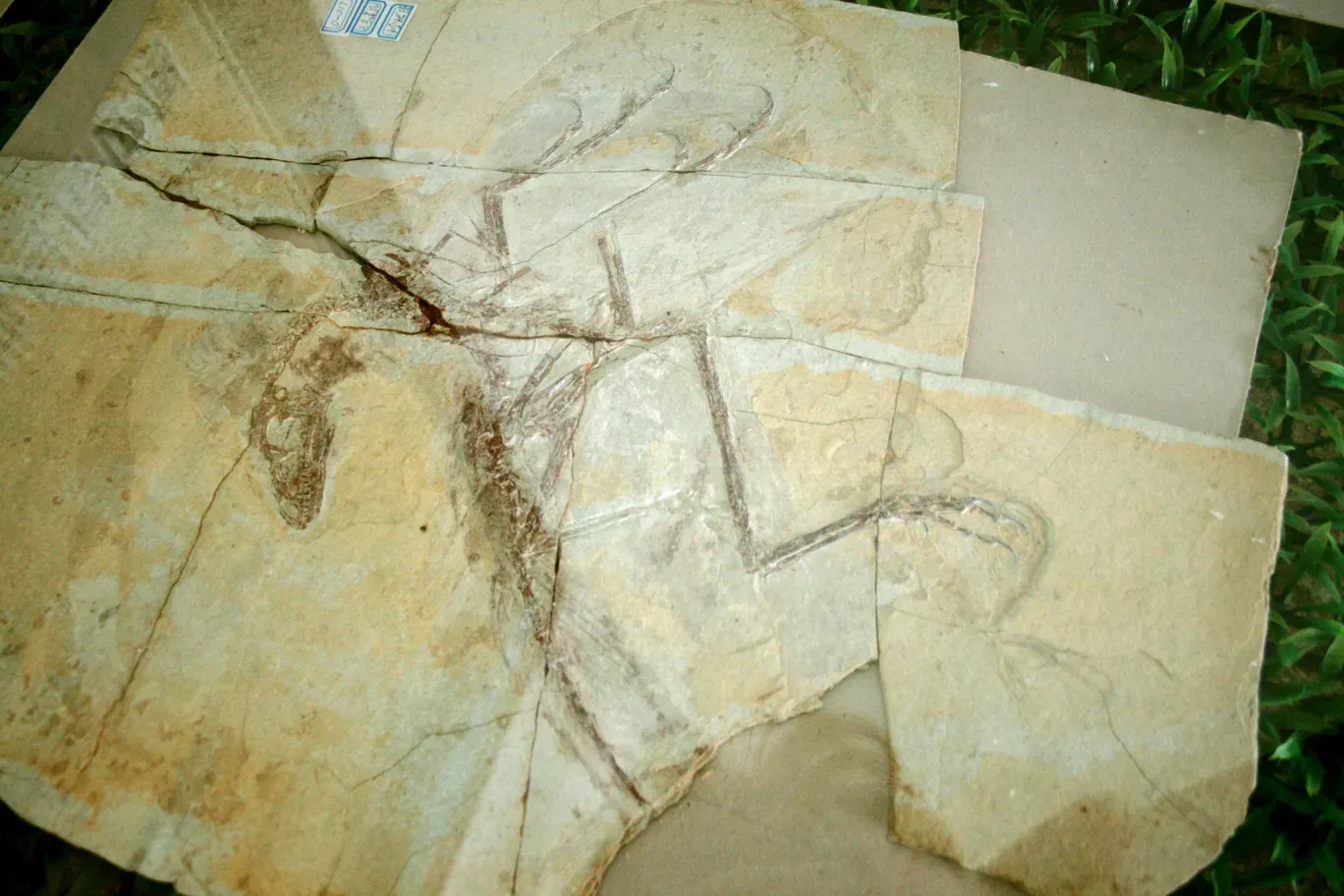
When people picture dinosaurs in their backyard, they usually imagine a towering carnivore lunging over the fence. The truth, though, is that many of the most fascinating North American dinosaurs were small, nimble, and weirdly bird‑like. Some species were the size of turkeys, with long tails and delicate limbs built for sprinting through undergrowth. Others had elaborate crests, beaks, or armor plates that seem more like something from a designer’s sketchbook than a biology textbook. The discovery of feathered dinosaurs and close bird relatives on this continent has completely reshaped how scientists talk about the dinosaur‑to‑bird transition.
These smaller species are often harder to find, because their bones are fragile and easily destroyed, but when they do appear they add rich detail to the picture of ancient ecosystems. You start to see that the age of dinosaurs was not just about giants; it was a whole spectrum of body sizes and lifestyles, from tiny insect‑eaters to mid‑sized predators that hunted in packs or alone. Every time a new small dinosaur is uncovered, especially one with unusual feathers or strange teeth, it feels like a reminder that evolution is less like a straight ladder and more like an explosion of wildly different experiments. Suddenly, the sparrows in your yard feel less like background noise and more like the latest chapter of a story that began among those lost, feathered neighbors.
How Paleontologists Turn Random Rocks into Ancient Stories
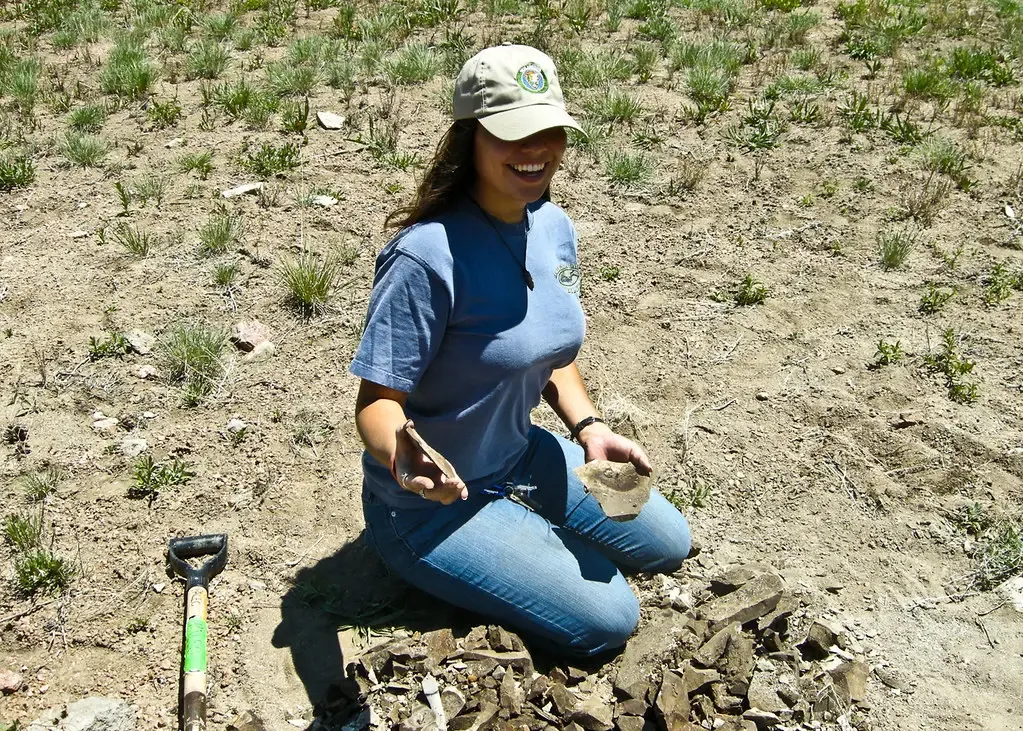
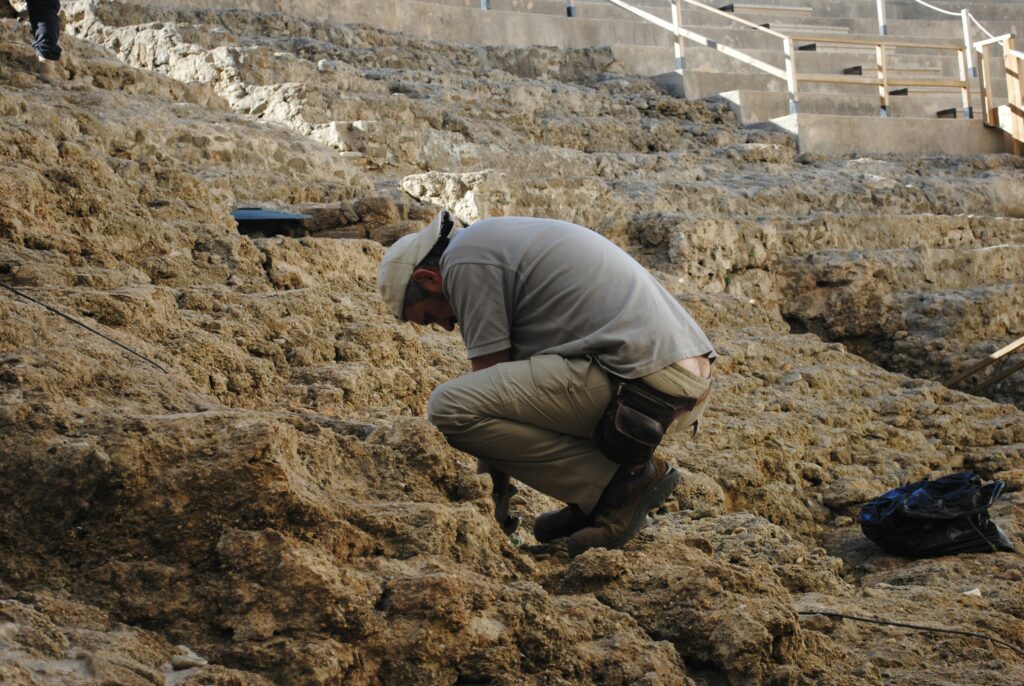
From a distance, fossil hunting can look almost mystical: a scientist kneels, brushes a patch of dirt, and somehow knows they’ve hit something extraordinary. Up close, though, the process is methodical and surprisingly down‑to‑earth. Paleontologists read rock layers the way a historian reads documents, looking for subtle clues in color, texture, and the types of sediments that suggest ancient rivers, lakes, or coastlines. Once they suspect a promising layer, they walk it slowly, scanning for telltale shapes and colors that signal bone rather than ordinary stone. This careful, almost meditative work is where many of the biggest finds quietly begin.
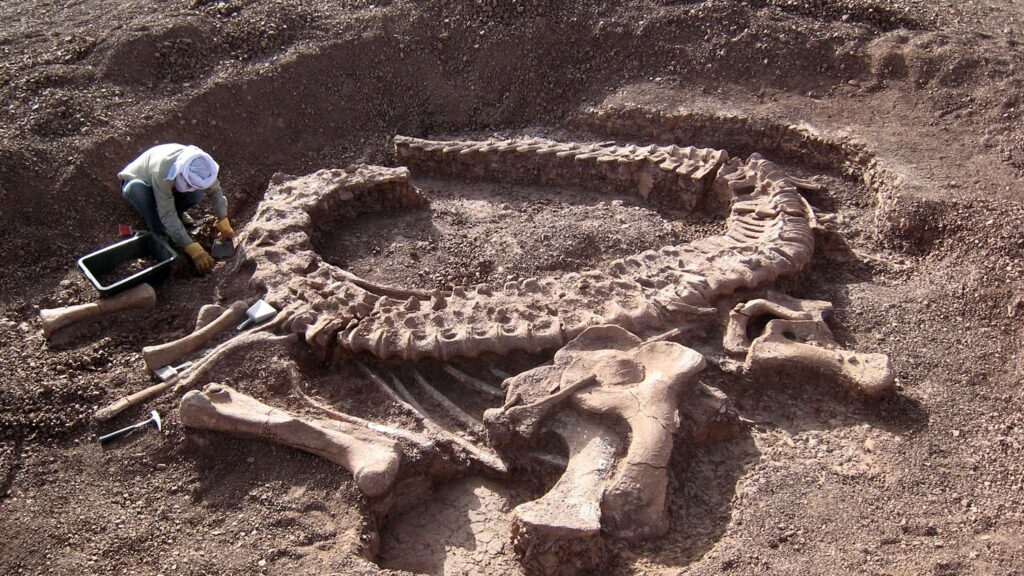
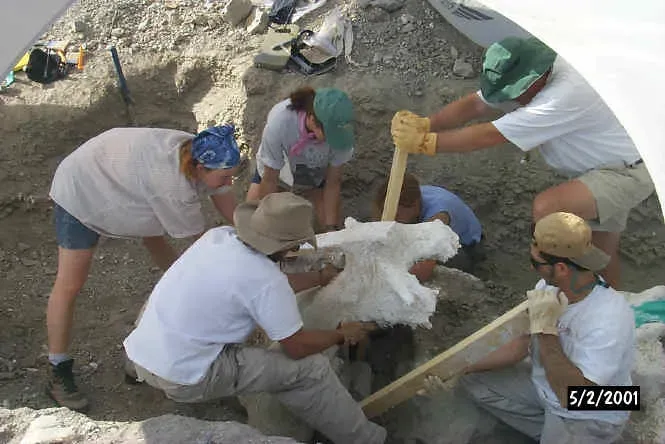
When a bone or tooth does appear, the real work actually ramps up. Excavating a dinosaur is more like a meticulous rescue than a treasure hunt; scientists map the positions of each bone, record the surrounding rock features, and often encase the fossils in protective plaster jackets before they ever leave the field. Back in the lab, specialists spend months or years cleaning and stabilizing the bones, comparing them with known species, and sometimes using CT scanners or digital models to see inside them. I’ve sat in prep labs where a technician worked a single vertebra with a needle‑fine tool for hours, scraping away grains of rock you could barely see. That kind of patience is what turns a jumble of rocks into a coherent story about an animal’s life and death.
Can You Really Find a Dinosaur in Your Own Community?
The honest answer is that it depends heavily on where you live, but the idea is less far‑fetched than it sounds. If you are in parts of the western United States or central and western Canada, you might be within driving distance of badlands or road cuts where dinosaur‑aged rocks are exposed at the surface. In those regions, casual hikers and local rock‑hounds really do sometimes stumble across fossils, especially after heavy rain or seasonal erosion. Even in places where dinosaur bones themselves are rare, you might find traces like ancient footprints, plant fossils, or marine reptiles from the same geologic eras.
But “in your backyard” can also mean something more practical and communal: the small natural history museum downtown, the science center at a nearby university, or the local rock and gem club that takes weekend field trips. These organizations often know exactly where legally accessible fossil sites are located and how to visit them responsibly. My own first real encounter with dinosaur bones in the field came through a volunteer day organized by a regional museum; we spent hours in the sun uncovering weathered fragments that, on their own, were not glamorous, but collectively helped flesh out a larger scientific puzzle. You may never uncover a new species behind your garage, yet you can very much be part of the broader discovery process where you live.
Why These Ancient Giants Still Matter Today
It’s easy to treat dinosaurs as harmless, distant entertainment, the sort of thing you outgrow once school field trips end. Yet the more we learn from North America’s fossil beds, the clearer it becomes that these animals are not just museum mascots but vital sources of insight about our own future. Dinosaur fossils record how ecosystems responded to drastic shifts in climate, sea level, and even asteroid impacts. By studying which species survived, which vanished, and how long recovery took, scientists get a deeper sense of how resilient – or fragile – complex life can be when the environment changes quickly.
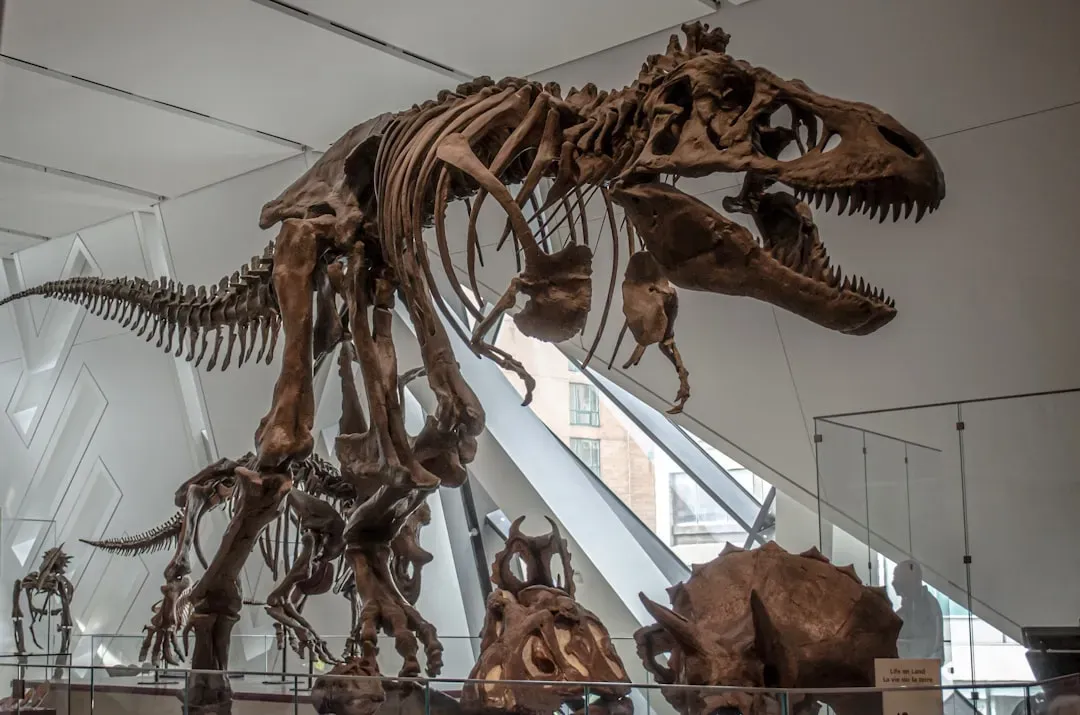
There’s also a more personal, almost philosophical reason these bones matter. Standing beneath the skeleton of a giant dinosaur that once walked near where you now live is a humbling reminder that your hometown has a history measured in millions of years, not just decades. For me, that awareness cuts through a lot of the small daily noise; the traffic jam or broken phone feels slightly less overwhelming when you remember that your city sits on layers of vanished worlds. In that sense, unearthed dinosaurs act like time anchors, tying our brief human stories to a much grander timeline. Ignoring that perspective feels like willfully walking past the biggest, strangest mirror we have.
Conclusion: The Real Magic Is Under Your Feet
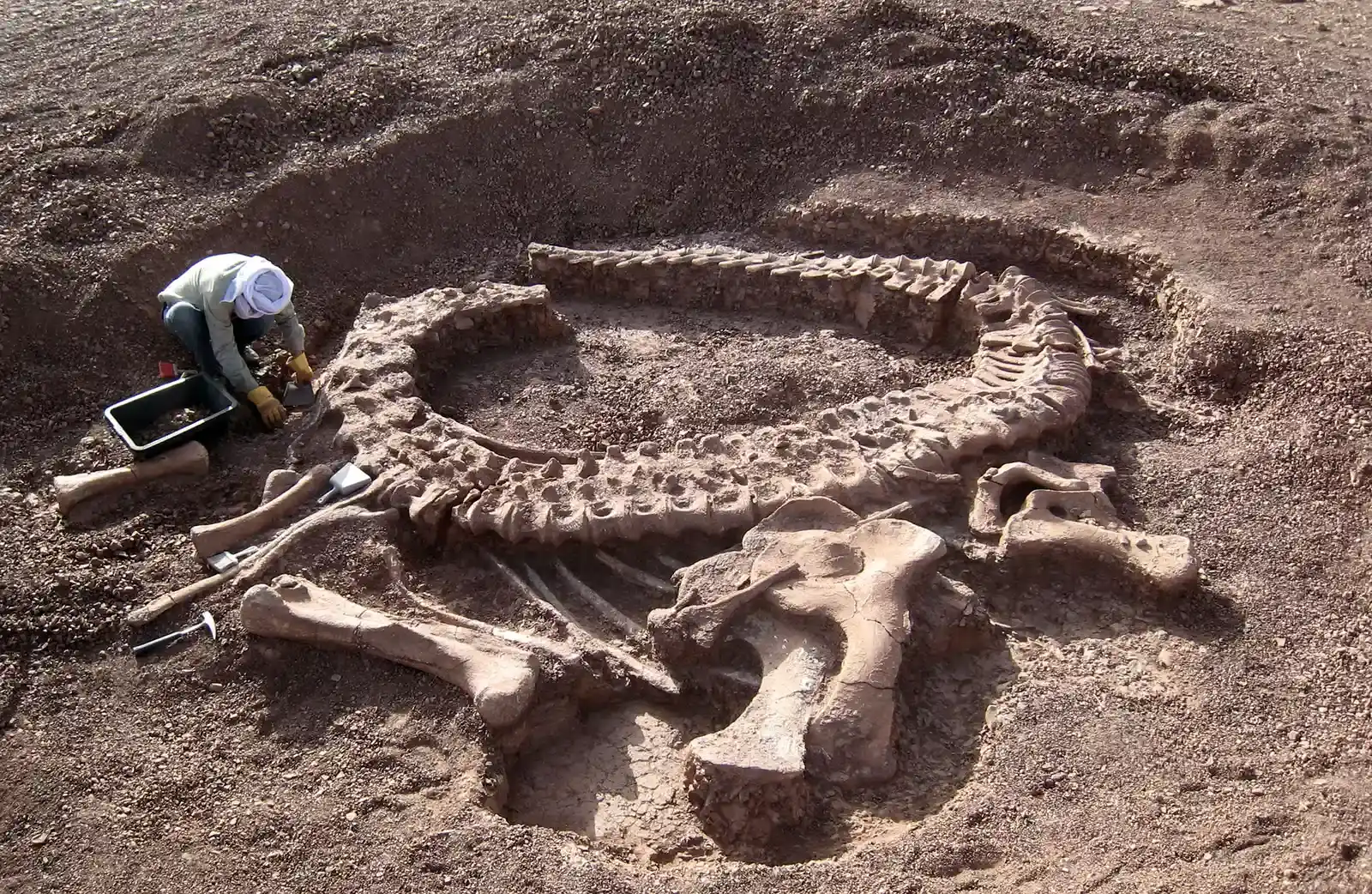
If there’s one opinion I’m willing to stake firmly, it’s this: we massively underestimate how extraordinary our everyday landscapes really are. North America’s lost giants are not just relics locked in remote deserts; they are woven into the hills behind neighborhoods, the quarries outside town, and the highway cuts you blast past on your commute. When you realize that a random hillside might conceal the ribcage of an animal that ruled this continent before mammals ever had a real shot, the familiar world tilts slightly. I think we’d be better off if it tilted more often.
We live at a moment when scientific tools are powerful, fossil finds continue to surface, and public interest in ancient life is high – and yet most people still walk over deep time without ever knowing it. That feels like a missed opportunity, not just for science, but for our sense of wonder and humility. So the next time you step outside, maybe let a small part of your mind imagine the shadows of those giants moving silently under the grass and concrete. You do not have to believe a dinosaur is literally buried beneath your lawn to act differently; you just have to accept that your backyard is perched on the ruins of entire lost worlds. Given that, the real question is not whether there is magic left in the ground, but whether we are curious and careful enough to keep unearthing it – would you bet against that?