
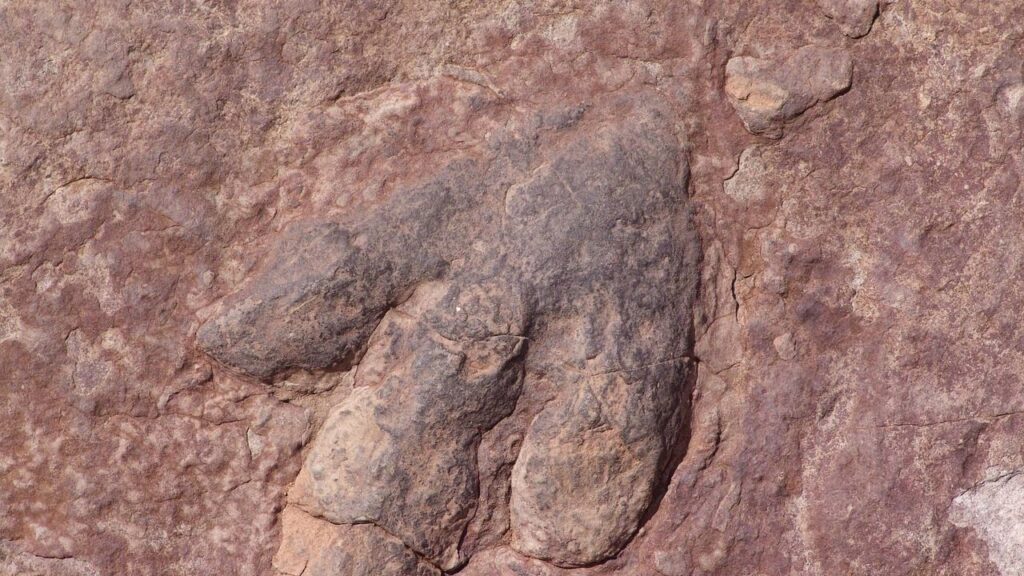
If you could time‑travel for just five minutes to any moment in Earth’s past, would you watch a dinosaur hunt, or a herd of giant sloths trudging across a muddy plain? Here’s the twist: in a quiet way, paleontologists are already doing something very close to that, not with a time machine, but with fossilized footprints. These preserved steps are like paused video frames from millions of years ago, freezing not just where an animal went, but how it moved, how fast it ran, and sometimes even how it felt.
I still remember the first time I saw a dinosaur trackway in person; it felt weirdly intimate, like catching someone’s footprints in wet sand right after they left the beach. You feel the weight, the direction, the hesitation. In this article, we’re going to walk alongside those ancient beasts, stride for stride, and see how scientists squeeze entire stories out of a few centimeters of compressed mud. The more you learn about tracks, the more you realize: bones tell you what an animal was; footprints tell you what it did.
How A Single Footprint Becomes A Time Capsule
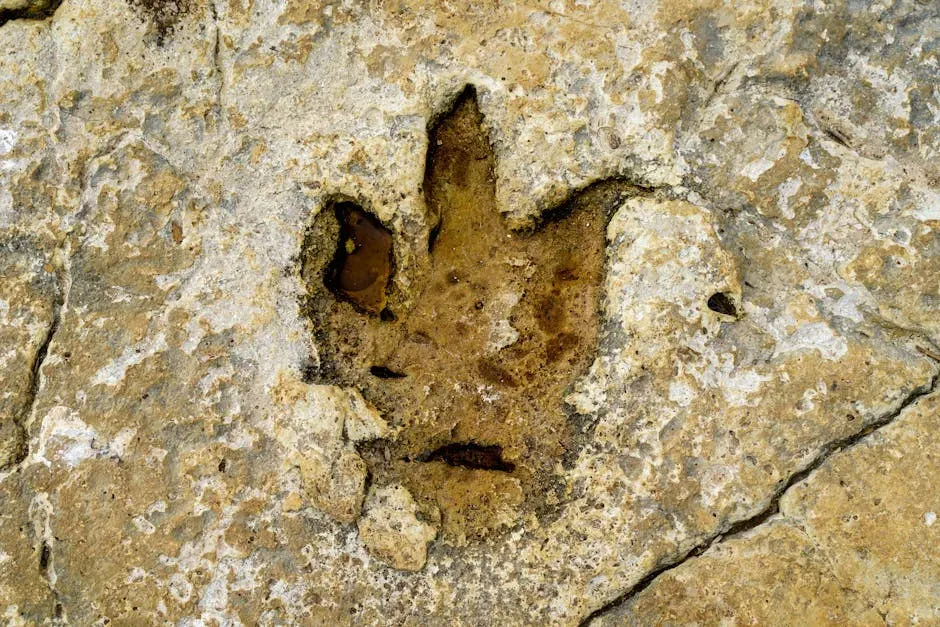
It sounds almost impossible that a squishy print in mud can last for tens of millions of years, but that is exactly what happens under the right conditions. First, an animal steps into soft sediment: fine sand along a riverbank, volcanic ash after an eruption, or sticky tidal flats by an ancient sea. The weight of its body pushes down, deforming layers below the surface, not just the top skim of mud, so the signal of that step can penetrate surprisingly deep.
Then comes the critical part: rapid burial before the elements erase everything. A flood might sweep new sediment over the surface, or a fresh layer of ash could blanket the ground like a protective sheet. Over time, these layers compact, harden, and eventually turn into rock, locking the print in place like a footprint poured in concrete. When erosion finally peels back those hardened layers millions of years later, we end up looking at a tiny preserved decision: an animal chose to step here, at this angle, with this much force.
Reading Speed, Stride, And Swagger From Ancient Trackways
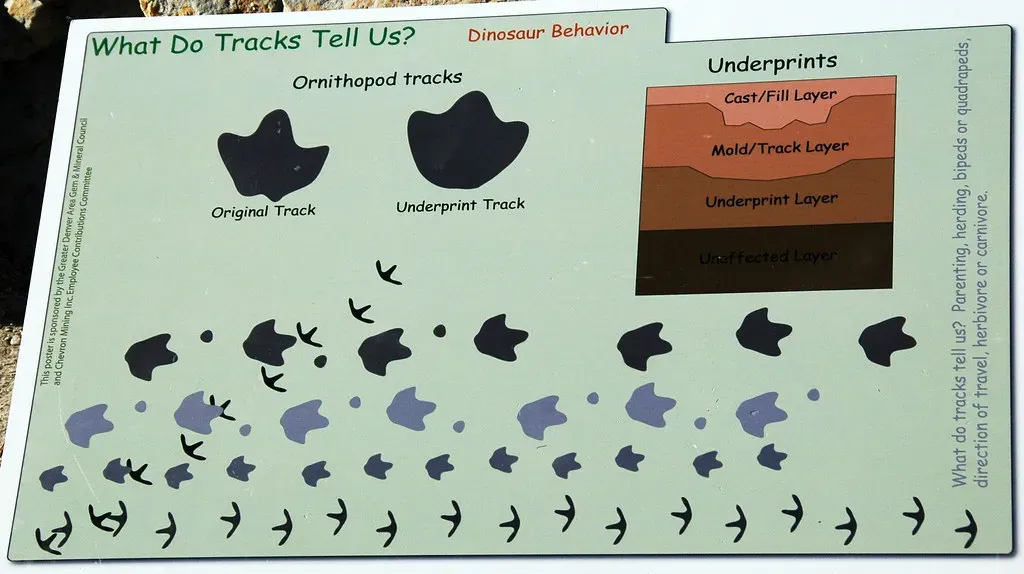
It’s one thing to point at a fossil footprint and say, “dinosaur”; it’s another to guess how fast it was moving, whether it was strolling or sprinting. Paleontologists use fairly simple geometry and physics: they measure the distance between footprints (the stride length), the size of the foot, and the depth and shape of the impression. From the relationship between hip height and stride, they can estimate walking or running speeds in a way that is surprisingly similar to how biomechanics labs analyze human runners today.
Longer strides relative to leg length, narrow trackways where left and right feet fall close to the midline, and deeper toe imprints can all signal a faster pace. Shallow, evenly spaced steps suggest a relaxed walk. Sometimes you even see a change mid‑trackway: a calm stride suddenly shifts to stretched steps and deeper toes, as if the animal abruptly broke into a run. It feels a bit nosy, but in a good way – you’re not just seeing a footprint, you’re catching a mood swing embedded in stone.
Herds, Hunting Parties, And Family Groups In Stone
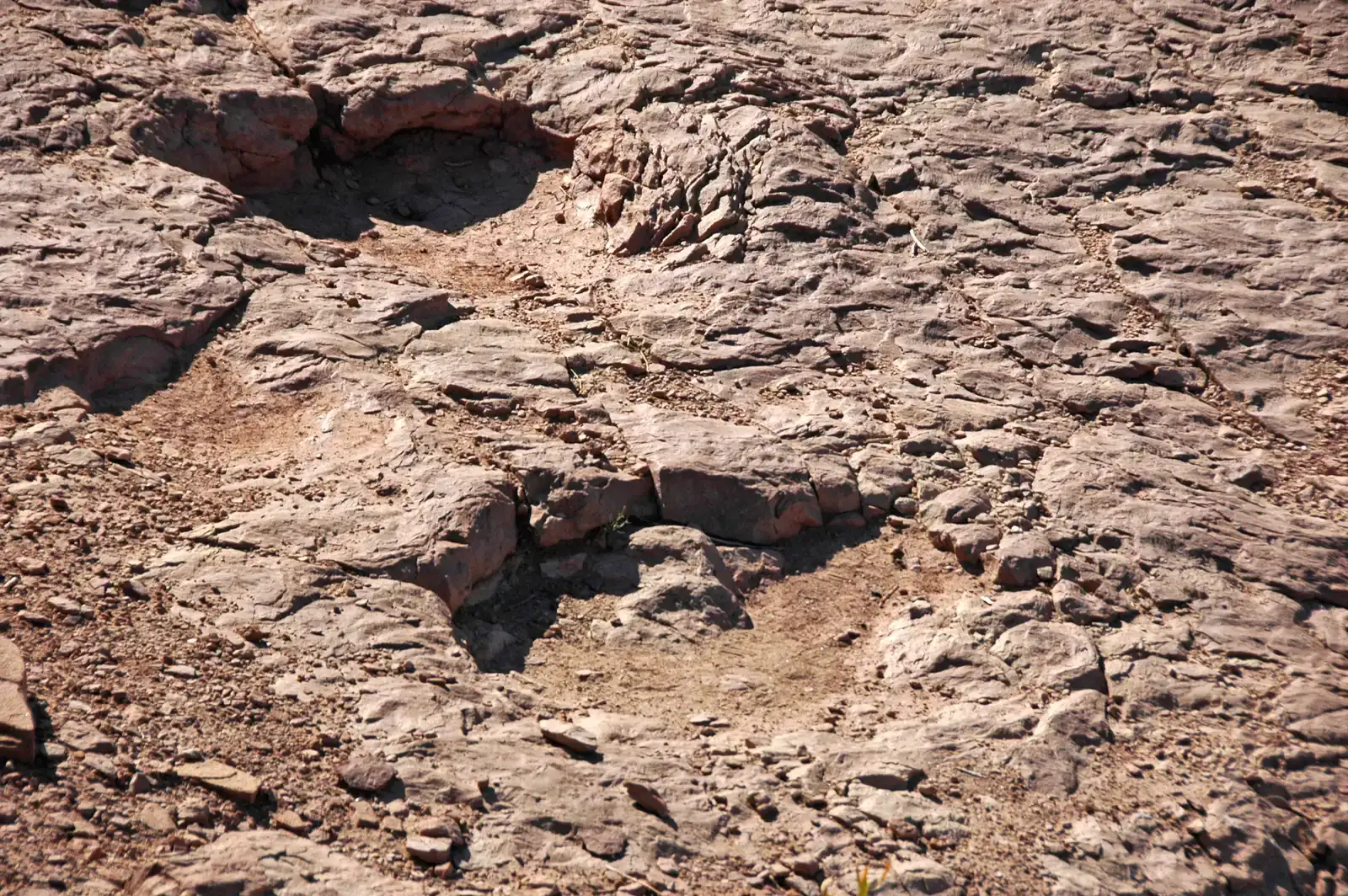
One of the most emotionally powerful things about trackways is that they often come in groups. You might find several parallel trails from the same species, moving in the same direction, with similar speed and spacing. This is one of the strongest clues that some dinosaurs and other extinct animals did not live as isolated loners but moved around in herds or at least loose social groups. It is the deep‑time equivalent of seeing multiple sets of footprints on a hiking trail heading out from a campsite at dawn.
In some sites, smaller footprints consistently stay near larger ones, hinting at adults walking with juveniles – basically, prehistoric family outings written into the ground. There are trackways where big predator footprints converge toward a cluster of herbivore tracks, and the herbivore steps suddenly lengthen or scatter, which some researchers interpret as evidence of a chase or at least a tense encounter. Not everyone agrees on every dramatic story, and scientists argue (a lot) about how far you can push these interpretations, but ignoring these social hints would be like muting the sound on half the movie.
Footprints That Rewrite What We Thought We Knew
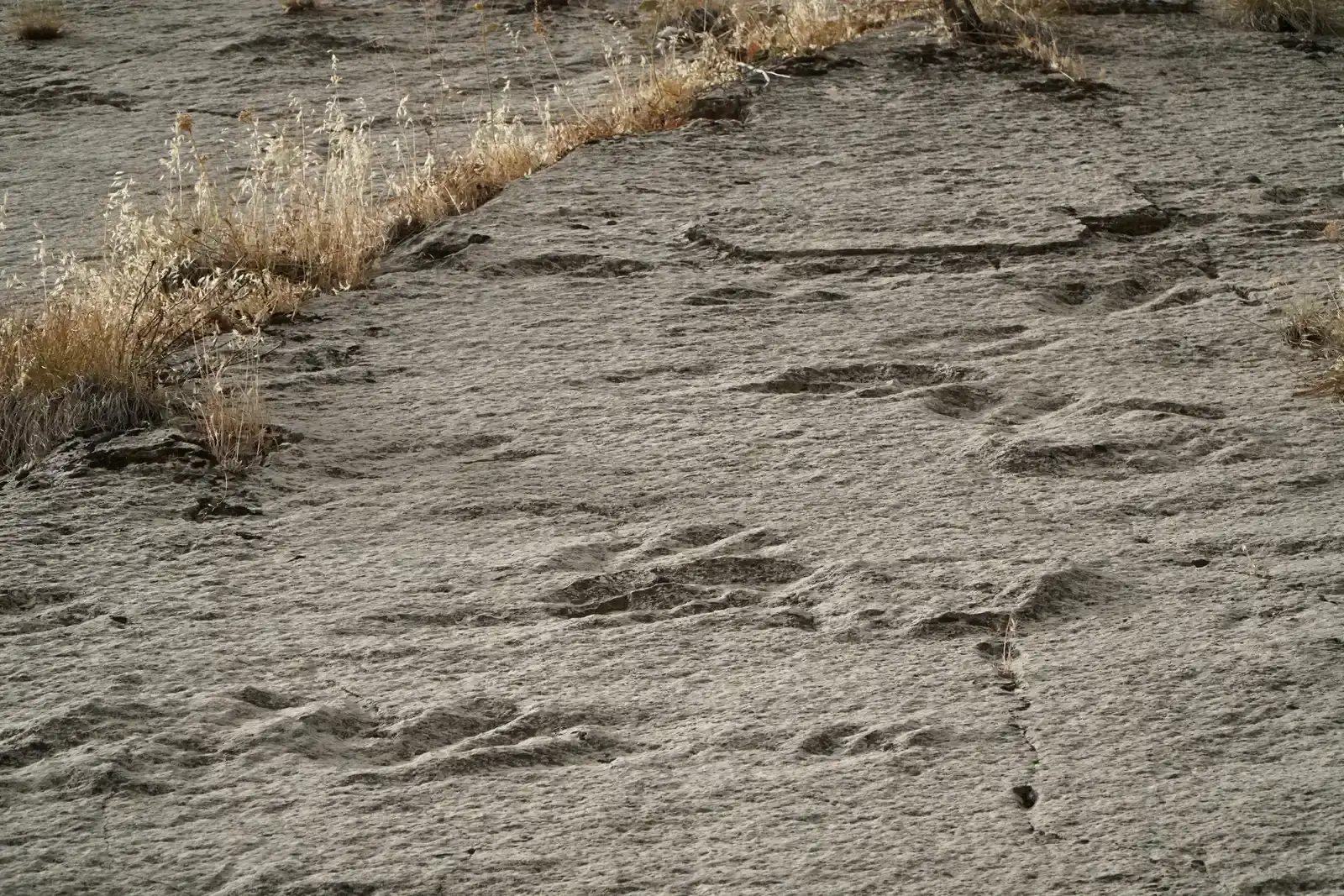
Every so often, a set of fossil tracks shows up and quietly wrecks a neat textbook picture. There are trackways that reveal dinosaurs moving with gaits no one had modeled yet, or large animals wading in water at depths that suggest they were more comfortable in aquatic settings than their skeletons alone imply. Some bird‑like tracks appear earlier in the fossil record than many experts expected, forcing a rethink of when and how certain lineages started experimenting with new ways of walking.
There are also cases where track evidence clashes with how paleontologists had reconstructed a skeleton’s posture. If tracks show a narrow, almost single‑file gait but skeletal models had suggested a wide, sprawling stance, then something has to give. In that sense, trackways act as a reality check on our reconstructions. It’s like building a fancy 3D model of a sports car and then having to admit it makes no sense once you see the actual tire marks and turning radius on the road.
Behavioral Snapshots: Slips, Jumps, And Sudden Stops
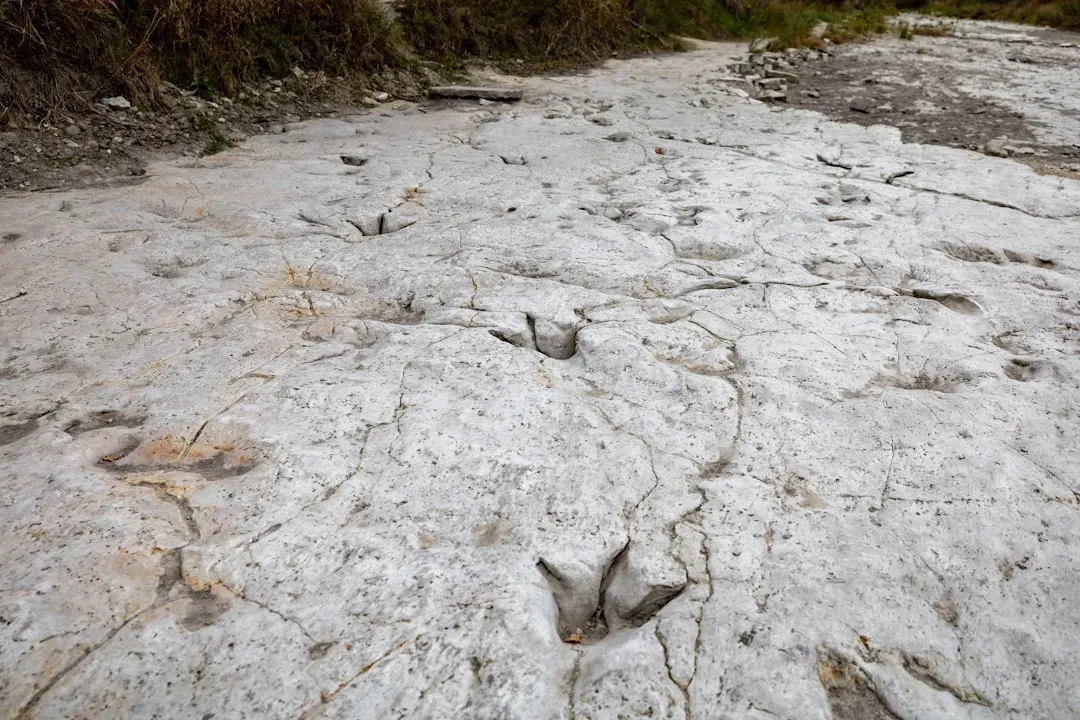
Not all footprints are neat, evenly spaced ovals. Some are chaotic, smeared, or missing altogether, and that chaos can be incredibly revealing. A sudden gap in a trackway, followed by a landing set of prints with deeper impressions, can suggest a jump. Skid marks, oddly angled toes, or sideways scrapes can point to slipping on a muddy slope or turning sharply to avoid an obstacle or another animal. You’re basically seeing bloopers from the ancient world, preserved in rock.
There are tracksites where multiple animals seem to converge and swirl around in tight spirals of overlapping footprints, hinting at crowded watering holes or feeding frenzies. Others show abrupt stops where the last footprint is unusually deep, as if the animal braced or halted suddenly. Could a predator attack have happened just then? Maybe. Scientists have to resist the urge to script a full action scene from a few ambiguous marks, but it’s hard not to feel a story brewing when the rock records a stumble, a pivot, or a vanished trail.
How Tech Is Turning Tracks Into 3D Storyboards
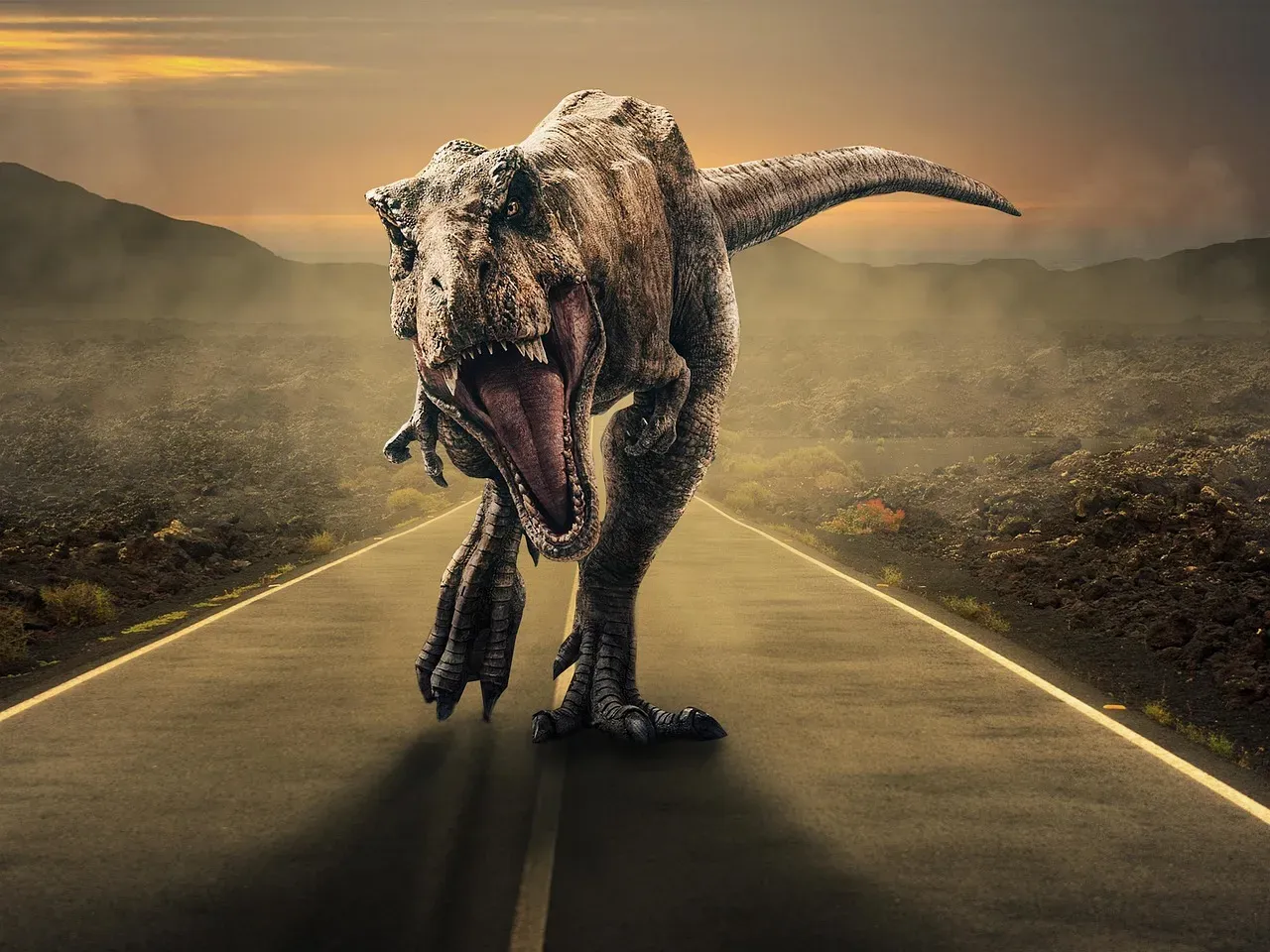
In the past, studying tracks meant kneeling in the dirt with a tape measure and a notebook. That still happens, but now laster scanning, drone imagery, and high‑resolution 3D photogrammetry are turning tracksites into detailed digital landscapes. Researchers can capture microscopic ridges and depressions inside the footprint that the naked eye might miss in harsh field lighting. Those subtle features help determine things like the direction of weight transfer, or whether soft tissues like pads shifted during each step.
Once those tracks are digitized, they can be analyzed over and over without further eroding the site, and they can be compared to modern animals walking on force plates or in motion‑capture labs. That crossover – ancient rock versus living biomechanics – lets scientists test whether a proposed gait or speed really makes sense. It is a bit like reconstructing an athlete’s movement from a set of footprints and then checking it against slow‑motion video of sprinters or ostriches. The more data poured into these models, the less room there is for guesswork dressed up as certainty.
What Footprints Cannot Tell Us (And Why That Matters)
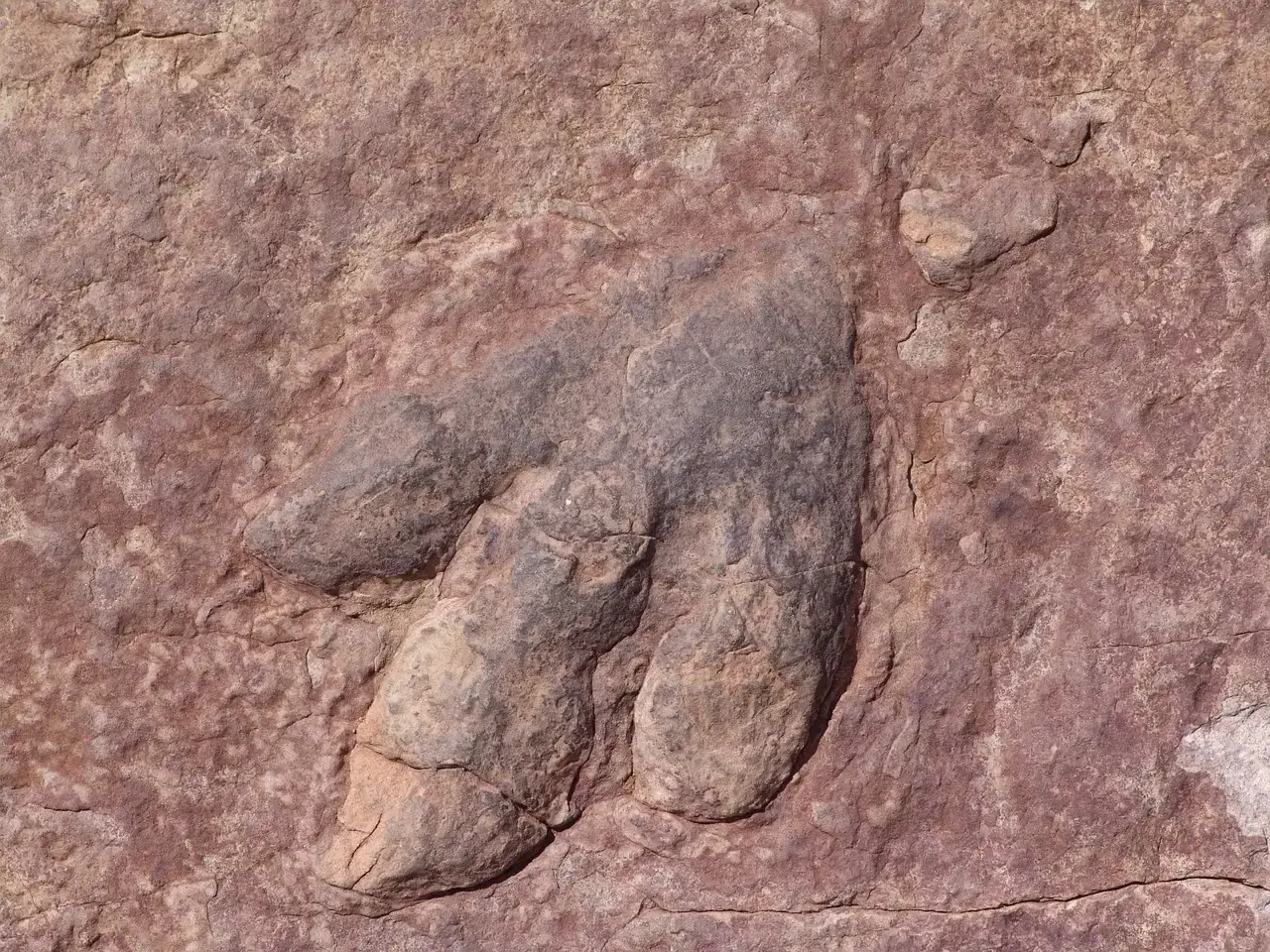
For all their magic, fossil footprints are not crystal balls, and this is where it’s important to keep expectations in check. A single trackway almost never reveals the full personality, intelligence, or emotional life of an animal, no matter how tempting it is to imagine a terrified dinosaur mother fleeing with her young at every cluster of small and large tracks. Many sites preserve only brief moments, maybe a few minutes of motion, out of a lifetime. Drawing grand conclusions from such thin slices can be dangerously seductive.
Weather, sediment type, and later erosion can also distort the shape and depth of prints, making it tricky to separate genuine behavior from geological noise. Two species with similar feet might leave nearly identical tracks, so sometimes scientists can only say “large theropod” or “medium mammal” instead of naming a specific species. Personally, I think the honesty about these limits is a strength rather than a weakness: it forces the field to be humble, to treat footprints as clues in a cold case, not as the final verdict.
Why These Ancient Steps Still Matter Today
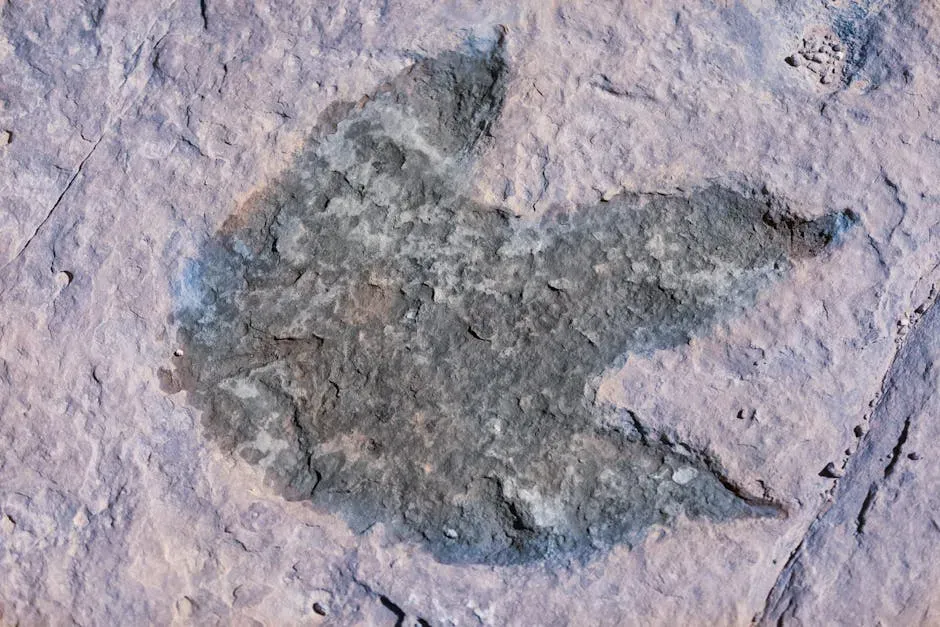
It might seem like all of this is just cool trivia about creatures long gone, but fossil footprints do something quietly profound: they shrink the distance between us and deep time. When you see a three‑toed print the size of a dinner plate, you realize a living, breathing animal put its weight there, had somewhere to go, and then left forever, much like you will one day leave only a worn path on a favorite trail. That sense of continuity can be surprisingly grounding in a world that moves a little too fast.
In my view, the most important lesson from these trackways is that life has always been in motion, adapting, experimenting, and sometimes stumbling. We are just the latest set of footprints on the surface of a very old planet. Paying attention to the steps that came before us is not nostalgia; it is perspective. It reminds us that the ground beneath our feet is a layered archive of choices, journeys, and mistakes. The real question is, when someone looks back at our tracks – literal or metaphorical – will they see a species that walked lightly and learned from the past, or one that sprinted blindly ahead and never looked down at the marks it was making?