Most people think clutter is about laziness: too many clothes, a junk drawer that will not close, piles of “I’ll sort this later” on every spare surface. But if you’ve ever held a broken mug and felt an almost painful resistance to dropping it in the trash, you know this is not just a housekeeping issue. That tug in your chest, that quiet panic that says “if I let this go, I’m losing more than an object,” points to something deeper and far more tender than mess.
What if your difficulty throwing things away is really about a fear that nothing good lasts, that every goodbye is permanent and dangerous? When you look at old receipts, worn-out T‑shirts, or gifts from people who are no longer in your life and feel a wave of emotion, your brain is telling a very old story about loss and safety. In this article, we’ll unpack the psychology behind that feeling, how it connects to attachment and grief, and why learning to let go is not about becoming “minimalist perfect,” but about trusting that good things can exist in your life again.
The Hidden Grief Inside Your Piles Of Stuff
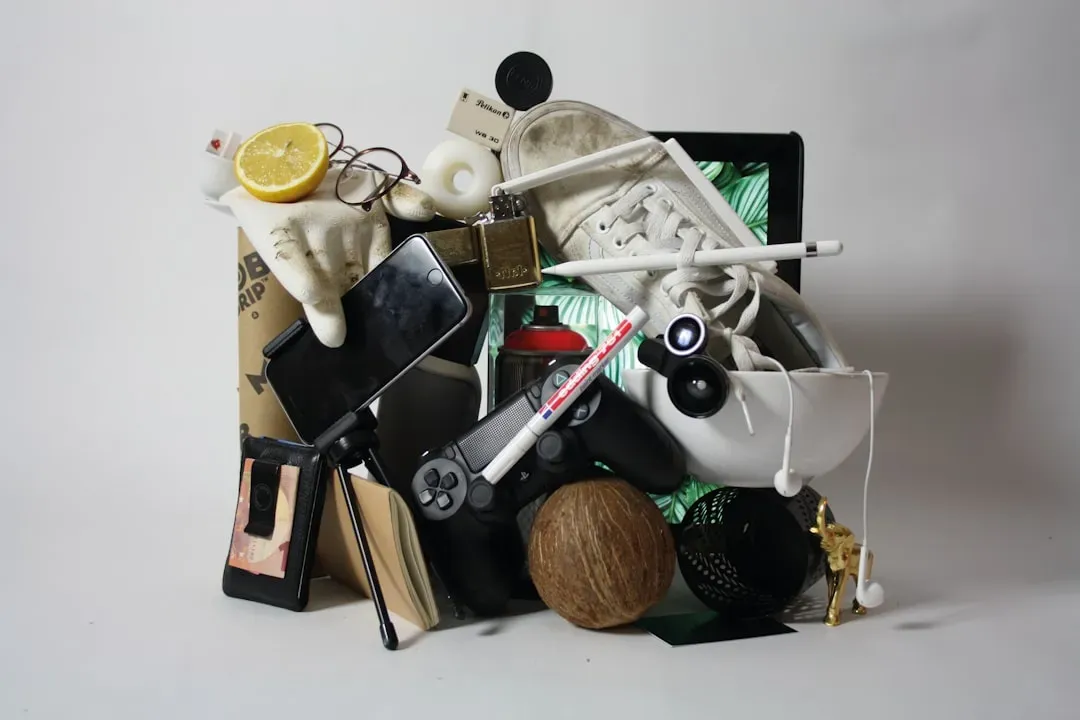
Have you ever tried to toss something trivial, like a wristband from a concert years ago, and suddenly felt like you were betraying a whole era of your life? That sharp little ache is often grief sneaking in through the side door. Objects become emotional bookmarks, holding places in our story: who we were, who we loved, what we hoped for. When we throw them away, it can feel like we are erasing those chapters, especially if the people or experiences linked to them are already gone.
Psychologically, our brains are wired to link memories with sensory cues: sights, smells, textures. That old hoodie still smells faintly like a dorm room, a first real friendship, a time before things became complicated. Letting it go can stir up fears that those good times will blur or vanish. So we keep the hoodie, and the ticket stubs, and the faded postcards, not because we are messy by nature, but because we are quietly mourning what can never be fully relived. Your clutter might not be laziness at all; it might be grief that never got words.
When “I Might Need This” Really Means “I Might Need Comfort”

On the surface, many of us justify keeping things with a practical story: I might need this later. The extra cables, the half-used notebooks, the duplicate kitchen gadgets all get a free pass under the banner of being resourceful. But if you tune in more closely, that sentence often carries an emotional subtext: I might need what this makes me feel. The object is less about future utility and more about present comfort, security, or identity.
Neuroscience has shown that predictability and familiarity calm the brain’s threat systems. When life feels uncertain, surrounded by unpredictable people or events, your stuff can become a stabilizing force. That box in the closet is not just a box; it is a backup plan, a symbol that you are not totally unprepared, a little fortress against chaos. In that sense, clutter can function like an emotional safety blanket. You are not really afraid of lacking a spare charger. You are afraid of sitting alone with the feeling that you have nothing solid to rely on.
Attachment Styles: How Early Relationships Shape What You Keep
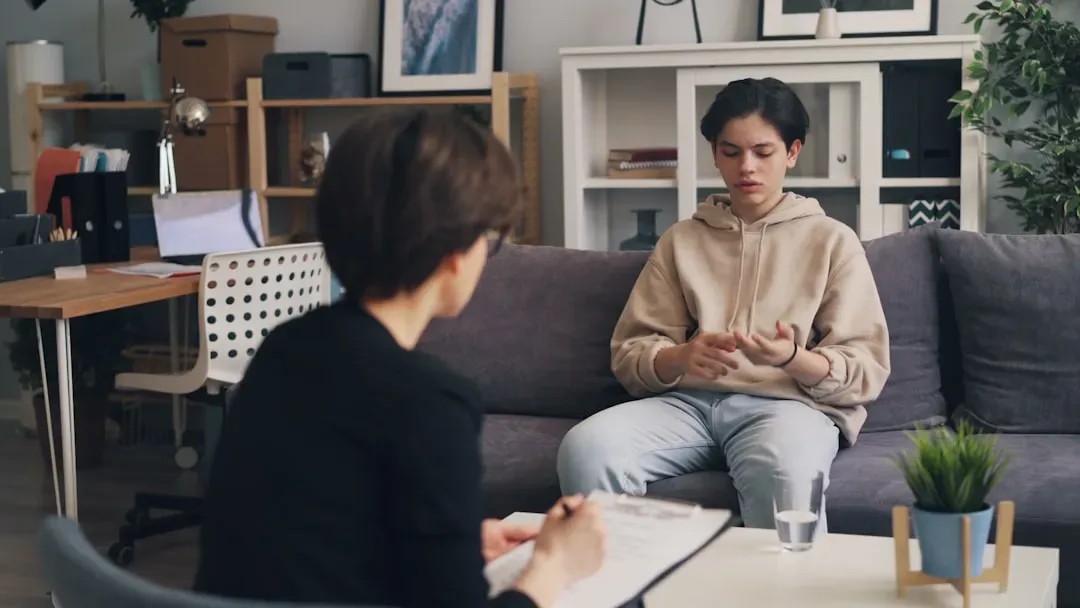
Researchers who study attachment have long noted that the way we bond with caregivers early in life shapes how we relate to people, to uncertainty, and even to things. If love in your childhood felt steady and safe, you likely learned that losing one good thing does not mean nothing good will ever appear again. But if affection was inconsistent, conditional, or suddenly withdrawn, your nervous system may have wired itself around the idea that good things are rare and unstable. In that world, letting anything go feels dangerous.
People with more anxious attachment patterns, for example, often feel a powerful urge to cling – first to people, then, when that feels risky, to objects that cannot leave on their own. A childhood stuffed animal, a stack of birthday cards, or even a drawer of “special” pens can become stand-ins for emotional stability. They do not argue, they do not disappear overnight; they wait, exactly where you left them. When you struggle to throw things away, part of you might be saying, I know how it feels to lose someone I love. I am not risking that again, even in miniature.
Control In A World That Keeps Changing
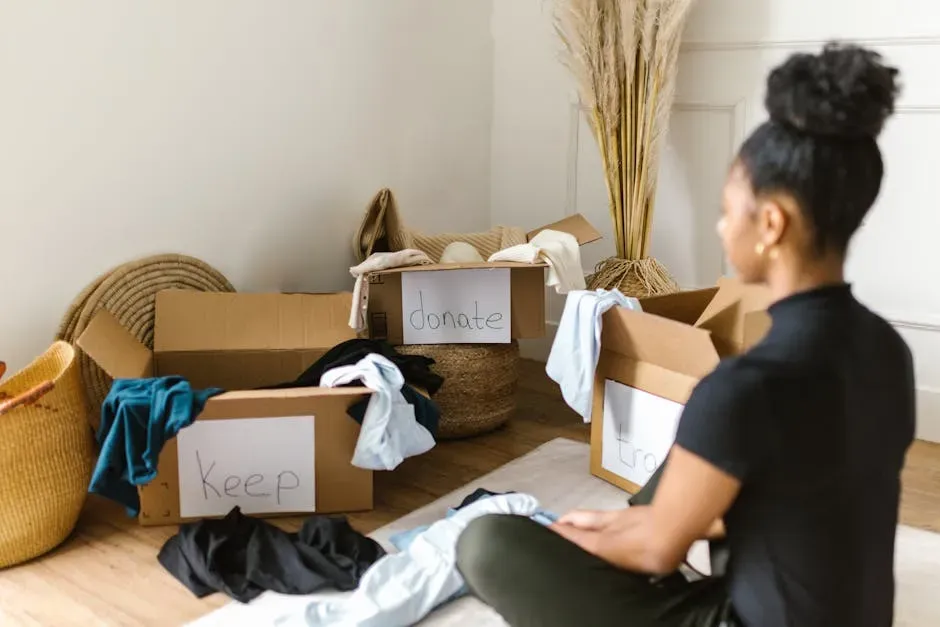
Many people who hold onto belongings tightly describe a common theme: life has hit them with change they did not choose. Moves, breakups, job losses, illness, deaths – when your external world feels unstable, your internal world scrambles for anchors. Keeping things becomes a quiet way to say, This, at least, will stay. Your bookshelf, your closet, your kitchen drawer become zones where you get the final vote. In a sense, clutter can be a protest against feeling powerless.
There is also a simple nervous-system logic at play. Change, even positive change, is interpreted by the brain as effortful and potentially threatening. Tossing an item is a tiny change; tossing hundreds becomes a tidal wave. So your body pumps the brakes, flooding you with discomfort whenever you try to “declutter” too hard or too fast. What looks from the outside like procrastination is often a protective strategy: if everything around me stays the same, maybe I will not have to face the next unexpected loss. The things stay put, and for a moment, so does your sense of control.
Why Letting Go Feels Like Betraying Your Past Self

Another layer many people never name is loyalty. That box of old school notebooks? You know you are never rereading them, yet you hesitate. Deep down, it can feel like tossing them means declaring that version of you unimportant. The same goes for clothing from a body you no longer have, hobbies you stopped, or relationships that ended badly. Keeping the object lets you tell yourself, What mattered to me then still matters. I am not throwing out who I used to be.
This is where things get complicated, because there is something beautiful in that loyalty. It is a way of honoring your own history. But when loyalty to the past blocks you from living in the present, it quietly turns into a trap. Your home becomes a museum to older versions of yourself, with fewer and fewer corners left for who you are now. Learning to release objects can then become an act of compassionate updating: thanking your past self for surviving with what they had, and making room for your current self to breathe, move, and grow.
The Difference Between Sentimental Saving And Fear-Based Hoarding
Not all saving is a problem, and not all clutter is a symptom of something deep. Almost everyone has a box of keepsakes that genuinely sparks joy and meaning. The line tends to get blurry when you are no longer choosing what you keep, but feeling compelled to keep almost everything. If the idea of throwing out even objectively useless items brings on panic, shame, or tears, that is a clue that fear, not preference, is running the show.
Clinicians who work with hoarding behaviors often see a pattern: it is not about greed or materialism, but about intense emotional attachment to objects, difficulty making decisions, and a deep dread of regret. People will describe lying awake worrying that they tossed the “wrong” thing. In more extreme cases, belongings start to invade living spaces, making rooms unusable and relationships strained. If your stuff is limiting your safety, your health, or your ability to invite people in, it is worth exploring whether the fear underneath – this belief that nothing good stays – is asking for help, not more storage bins.
Gentle Ways To Practice Letting Go Without Feeling Abandoned

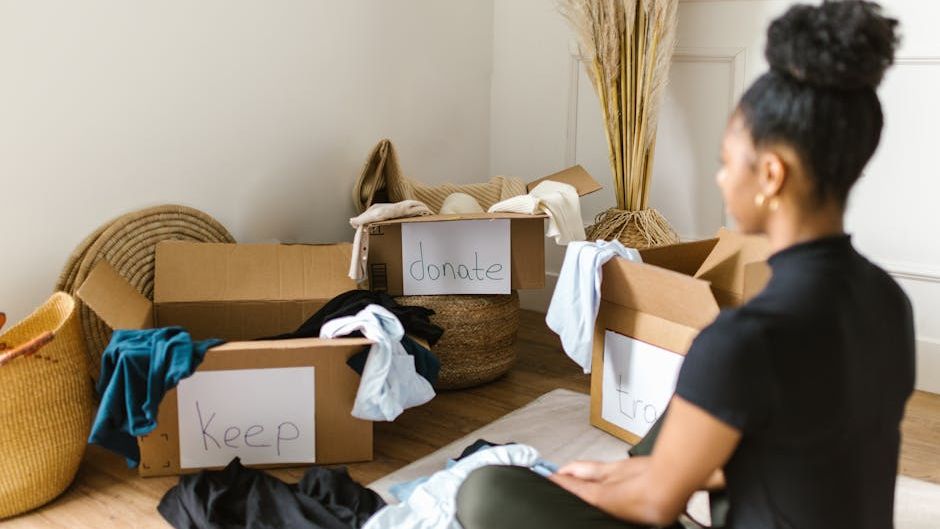
If this all feels painfully familiar, the answer is not to force yourself into a dramatic cleanout and then white-knuckle the panic. That usually backfires, confirming your brain’s story that letting go is traumatic. Instead, think of decluttering as exposure therapy with compassion. Choose one very small area – a single drawer, one shelf, one shoebox – and plan to let go of only a few items at a time. Before you start, acknowledge out loud what you are afraid of losing: the memory, the sense of safety, the proof that a good moment existed.
One helpful step is to separate the memory from the object. You might take a photo, write down the story of why the item mattered, or share the memory with someone you trust. Then experiment with releasing the thing itself, while keeping the story alive in another form. Pay attention to what happens next inside you. Often, the feared devastation does not come; instead, there is a quieter discomfort that slowly fades. Over time, your nervous system learns a new lesson: I can let some things go and still keep what matters. Good things did happen, and I do not need a full house to prove it.
Rewriting The Belief: Maybe Good Things Can Return
At the core of this struggle is usually a painful conviction: once something good is gone, nothing as good will replace it. That belief does not appear out of nowhere; it is often built on real losses, betrayals, and disappointments. But just because a belief is understandable does not mean it is the only story available. One quiet form of healing is to collect counterexamples, tiny and real: a friendship that arrived unexpectedly, a new favorite place you discovered after a move, a hobby you picked up as an adult that brings you more joy than childhood ones ever did.
Every time something new and good enters your life, you have a chance to gently question the old narrative. You might still keep some sentimental objects – there is nothing wrong with that – but they no longer have to carry the impossible burden of proving that goodness once existed. Instead, they become part of a larger, evolving story that includes today and tomorrow, not just yesterday. When you begin to trust that goodness can return, your grip on things naturally loosens. You are not abandoning your past; you are making a little space at the table for what has not arrived yet.
Conclusion: Your Clutter Is Not A Character Flaw – It Is A Love Story With A Scared Ending
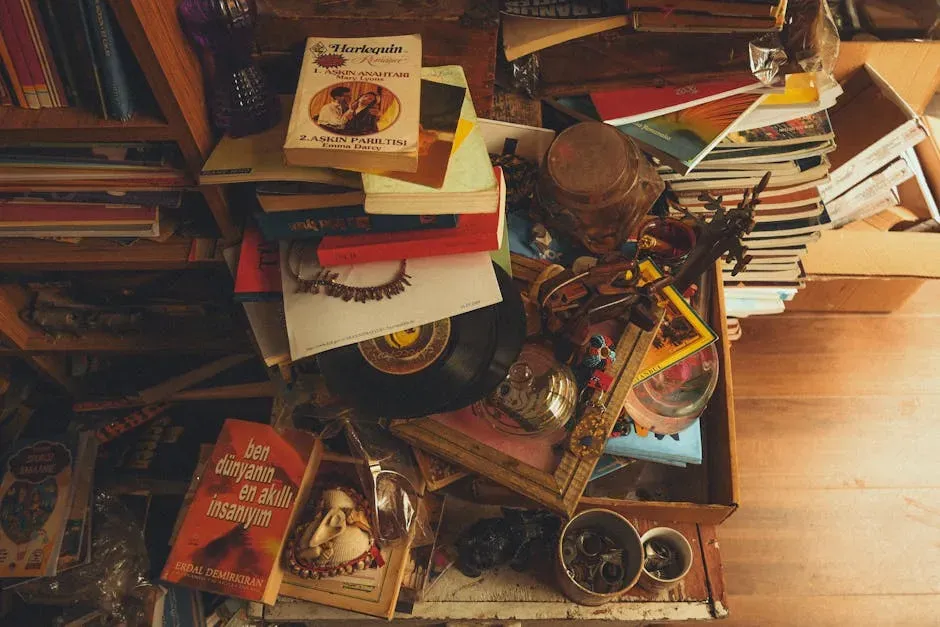
I am going to be honest: I see myself in this topic. I have stood over a trash can, holding some worn-out thing that “regular” people would toss without blinking, and felt my throat tighten like I was about to lose a person, not an object. For a long time, I called it being sentimental. Eventually I had to admit it was also fear – fear that the best days were behind me, that the people I had loved were gone for good, that nothing as warm or vivid would ever come next. Keeping things felt like the safest rebellion I had.
Here is the opinion I have come to: our reluctance to throw things away is not a shameful quirk, but a clue about how deeply we love, how fiercely we cling when life has taught us that loss hurts. The real work is not to become ruthless about trash bags, but to become braver about believing in future goodness. When you handle your clutter, you are really handling your stories about endings and beginnings. Maybe the question is not “Why can’t I let this go?” but “What would it mean if I trusted that something beautiful could arrive again?”