
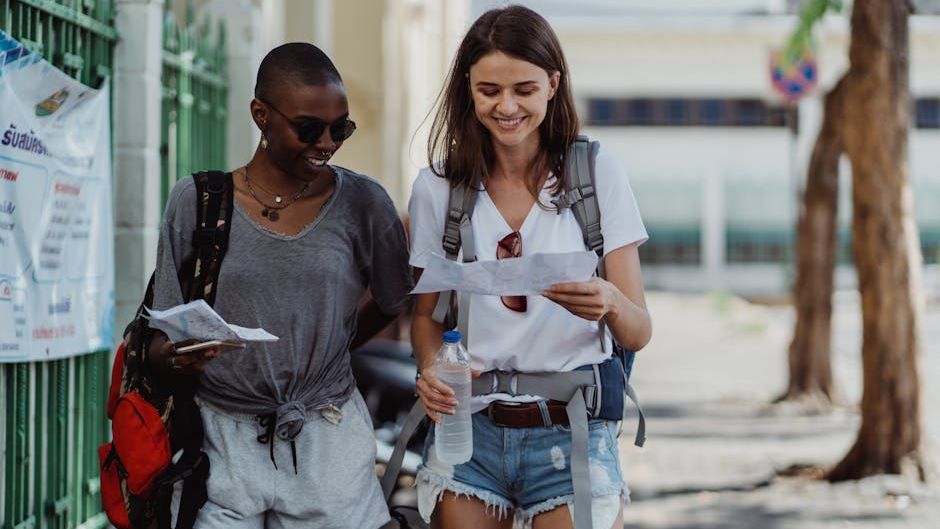
Think about the last time you traveled with someone who made you feel completely at ease. Maybe your train was delayed, your hotel lost the reservation, or your GPS failed in a foreign city, and yet… you did not spiral. You felt held, grounded, somehow protected. That is not an accident, and it is not just about being “nice.” Psychology suggests that people who make us feel safest on the road share very specific patterns of behavior, often rooted in emotional intelligence, secure attachment, and good old-fashioned preparation.
What is fascinating is that it is rarely the loud, hyper-confident person who actually makes us feel safest. More often, it is the friend who quietly anticipates problems, the partner who listens instead of dismissing your worries, or the sibling who can joke about chaos without ignoring the risk. Traveling has a way of stripping away our usual routines and revealing how people really operate under stress. Once you know what to look for, you start to see why some travel companions feel like a human safety blanket – and others feel like a liability in a rental car.
They Stay Calm Under Stress, Not Just Silent

The people who make you feel safest while traveling are not the ones who never get stressed; they are the ones who respond to stress without escalating it. In psychology, this looks a lot like emotional regulation – the ability to notice intense feelings without letting those feelings take the wheel. Instead of snapping at airline staff or spiraling into worst-case scenarios when a flight is canceled, they take a slow breath, reassess options, and focus on the next step. Their calm is not fake optimism; it is a grounded, steady presence that signals to your nervous system that things are manageable.
What really matters is that their calm is active, not passive. They do not pretend nothing is wrong or tell you to just relax while doing nothing themselves. They acknowledge the problem, validate that it is stressful, and then shift into problem-solving mode. That combination – naming the stress while not being swallowed by it – reduces the emotional contagion of panic. When you are with someone like this in a strange city at midnight with a dead phone battery, you feel safer not because they magically fix everything, but because their energy tells you that together you can handle whatever happens.
They Plan Ahead Without Killing the Adventure
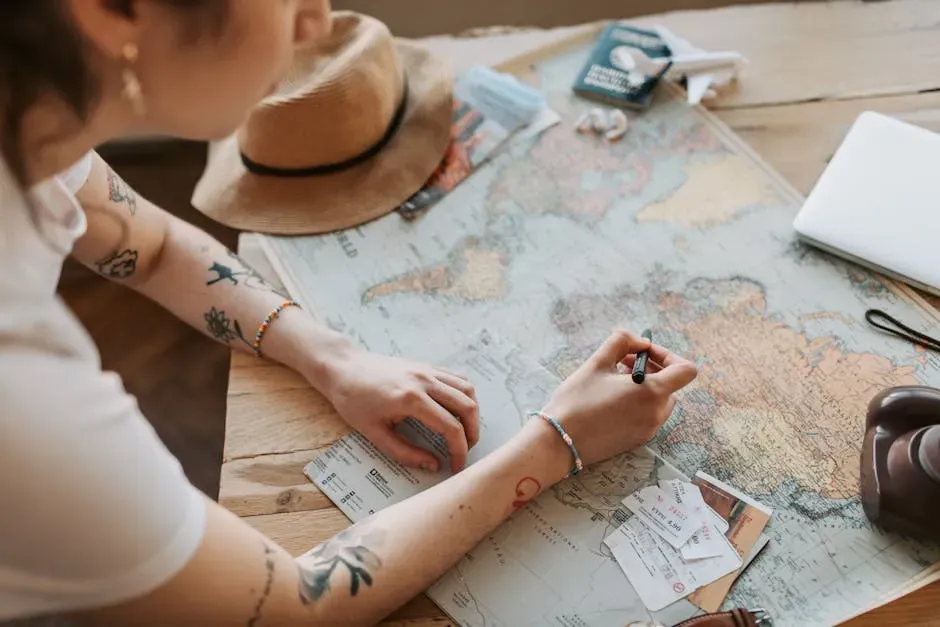
Safe-feeling travel companions usually have a quiet superpower: they think ahead. Research on anxiety and uncertainty shows that having a basic sense of predictability can dramatically lower stress levels, especially in unfamiliar environments. The people who make you feel secure tend to do a little homework before the trip – checking transit options, noting emergency numbers, saving offline maps, or understanding local customs. They might keep copies of passports, know where the nearest pharmacy is, or have a backup hotel in mind if something goes wrong.
But here is the key: they do all this without turning the trip into a rigid military operation. They leave room for spontaneity, detours, and “let’s just see where this alley leads” moments. The planning is there as a safety net, not a cage. That balance between structure and flexibility feels incredibly reassuring; you sense that if the day goes off script, they are ready to pivot. Traveling with someone like this feels a bit like walking a tightrope with a safety harness – you are still having an adventure, but you know that there is a plan if the unexpected shows up, and it always does.
They Listen to Your Fears Instead of Mocking Them

One of the fastest ways to feel unsafe with someone on a trip is to have your concerns brushed off. People who make you feel genuinely secure listen when you say, “This alley feels off,” or “I am not comfortable with this driver” or “I need a break.” Instead of rolling their eyes or calling you dramatic, they take your internal alarm seriously, even if they personally do not feel afraid in that moment. Psychology researchers often emphasize that feeling safe is not just about physical reality; it is about perceived safety, which is built through being heard and respected.
When a travel companion treats your intuition as valid input, your brain gets a strong message: you are not alone in monitoring the environment. This shared vigilance lowers the psychological load and helps you relax more deeply when it actually is safe. They might say, “If it feels off to you, let’s change course,” or simply slow down and reassess the situation with you. That responsiveness builds trust trip after trip. On the other hand, when someone pushes you into situations that your body is screaming no to, even if “nothing bad happens,” your sense of safety with them erodes, and you start to travel with one foot on the emotional brake.
They Take Responsibility Instead of Playing the Blame Game

Things will go wrong when you travel. It is basically guaranteed. What separates safe-feeling people from the rest is how they handle those inevitable screwups. Instead of instantly looking for someone to blame, they focus on what can be done now. If they booked the wrong train or misread the timetable, they own it and start fixing it, rather than defending themselves or pointing fingers at you. This kind of accountability is closely linked to psychological traits like internal locus of control – the belief that one’s actions can influence outcomes, even if not everything is controllable.
On a practical level, this shifts the energy from tension to teamwork. You are a lot more comfortable missing a connection with someone who says, “Okay, that one’s on me, let me see new options,” than with someone who angrily insists it is all your fault or the universe is against them. That kind of blame spiral does not just waste time; it increases stress, narrows thinking, and makes poor decisions more likely. People who calmly accept their part in a problem model emotional maturity, and that makes it much easier for you to relax, admit your own mistakes, and actually enjoy the trip despite setbacks.
They Respect Boundaries Around Safety, Energy, and Money

Travel magnifies personal boundaries. How much risk you are comfortable with, how much noise you can tolerate, how far your budget can stretch – these are not trivial details, they are core parts of feeling secure. The people who make you feel safest are the ones who check in about those limits and honor them. They do not pressure you into staying out until 3 a.m. when you are clearly exhausted, or insist on sketchy transport just to save a little money if you are not okay with it. They ask things like, “Are you good with walking back or should we grab a cab?” and then actually listen to your answer.
Respecting boundaries also shows up in smaller, less obvious ways. They do not joke about leaving you behind or repeatedly poke at your fears as entertainment. They do not share your room key or location with random people “for fun.” Instead, they treat your comfort as a shared priority, not an obstacle to their fun. Over time, that builds a powerful sense of interpersonal safety: you know they will not gamble with your body, your belongings, or your emotional bandwidth just to chase a story. When someone consistently signals that your limits matter, your whole nervous system loosens its grip and lets you be more present for the good parts of the journey.
They Stay Emotionally Available, Not Just Logistically Competent
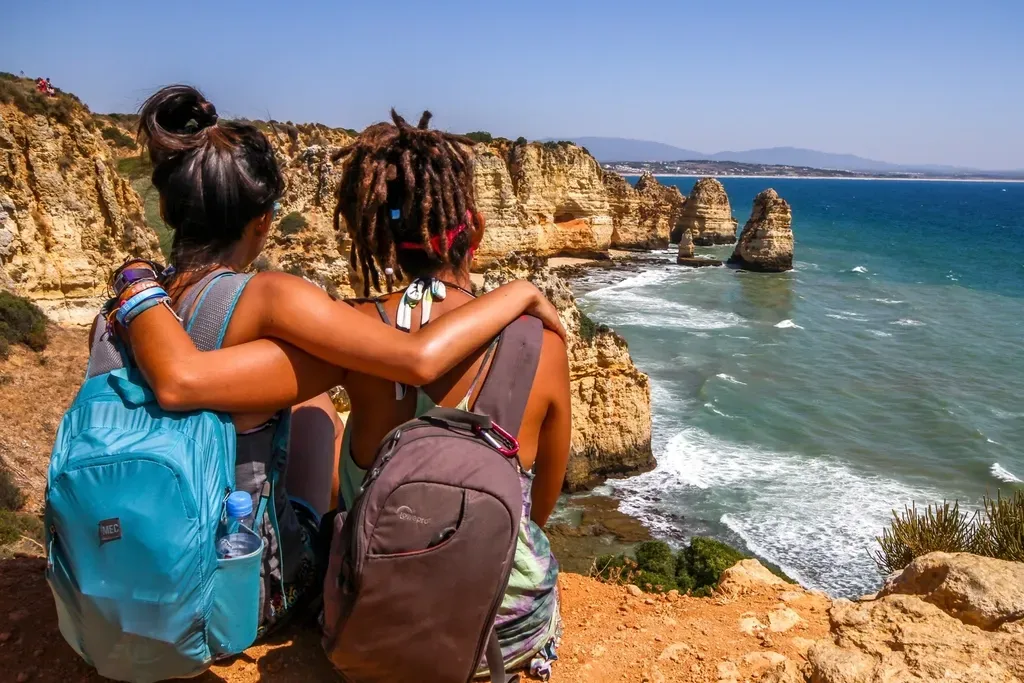
There is a difference between traveling with a human tour operator and traveling with someone who is emotionally present. The people who make you feel safest are often both: they can book the tickets, navigate the metro, handle check-in – but they can also notice when you are overwhelmed and need a quiet moment. Psychological safety is not only about information and logistics; it is also about feeling that your emotions are welcome and will not be used against you. When you melt down after a long day or get suddenly homesick, a safe companion does not shame you or tell you to toughen up.
Instead, they offer empathy: a listening ear on a long bus ride, a warm drink after a tough day, or a gentle suggestion to slow the pace tomorrow. Even a simple, “Yeah, that was a lot, let’s chill tonight,” can be enough to reset your nervous system. When you know it is okay to have feelings on the road, you stop burning extra energy trying to look fine all the time. That emotional permission quietly becomes its own feeling of safety, like knowing you have a soft place to land even in the most unfamiliar city.
They Stay Aware of Their Surroundings Without Being Paranoid
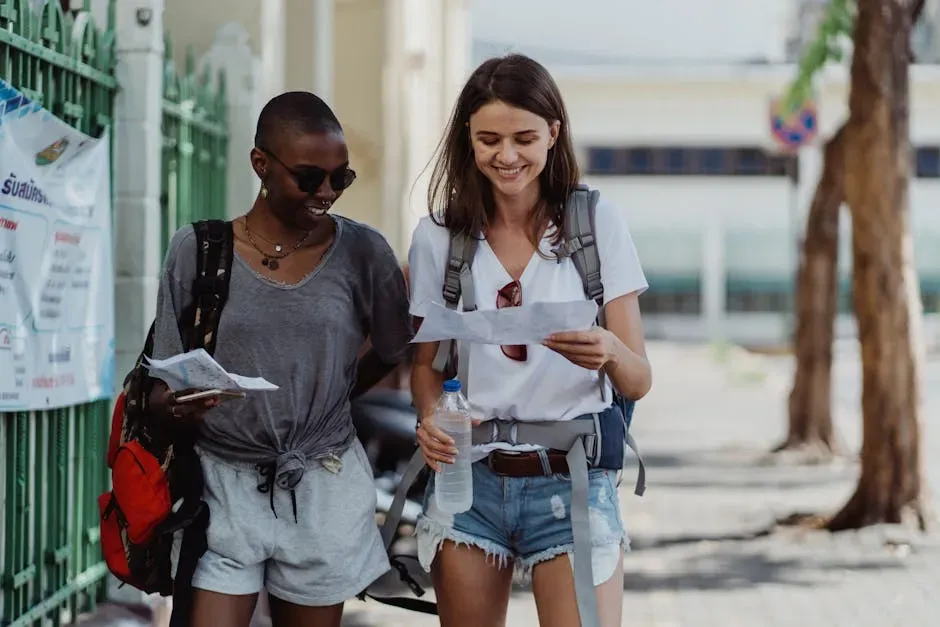
Some people swing between obliviousness and paranoia when they travel, and neither extreme feels particularly safe. The companions who help you feel secure tend to live in the middle: they are observant, but not obsessed. They notice where the exits are, keep an eye on bags in crowded places, and sense when an area or interaction is starting to feel weird, but they do not narrate constant danger. This kind of balanced awareness is often linked to good risk assessment skills – seeing potential issues without exaggerating them into guaranteed disasters.
They might subtly suggest crossing the street to a busier area, or gently move valuables out of sight without making a big scene. They remember small safety habits like not flashing cash, using reputable transportation, or sharing locations with a trusted person back home, yet they do it in a way that feels normal, not alarmist. You get the sense that someone is quietly watching the edges of the environment while you are free to watch the view. That unspoken division of attention can make the difference between constantly being on edge and actually being able to enjoy yourself.
They Share Control Instead of Dominating Every Decision
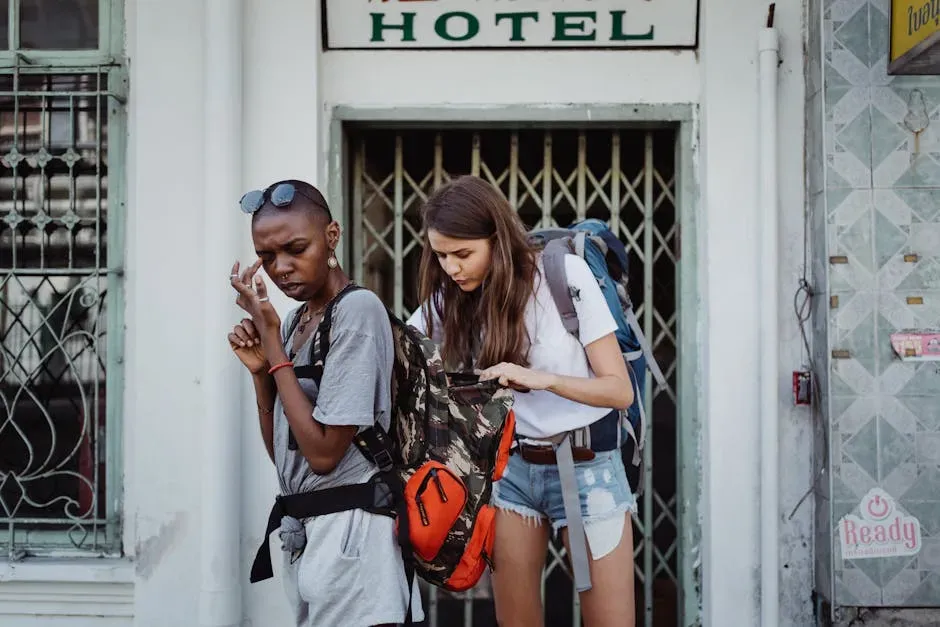
Traveling with someone who insists on making every decision can feel oddly unsafe, even if they are technically competent. People who truly make you feel secure tend to share control and invite your input. They ask what you are comfortable with, involve you in backup plans, and make sure you know what is going on rather than just dragging you from place to place. From a psychological standpoint, having some sense of agency – some ability to choose and influence events – is closely tied to feeling safe, especially in unpredictable environments.
This does not mean they never take the lead. In a crisis, they might naturally step forward, talk to officials, or handle negotiations, but they will still loop you in rather than treating you like luggage. They might say, “Here are our two options, which feels better to you?” or hand you the map and walk beside you while you navigate. That kind of shared decision-making quietly tells your brain that you are part of a team, not just along for the ride. And teams, especially ones that communicate and distribute responsibility, tend to feel much safer than dictatorships dressed up as vacations.
They Treat Safety as a We Thing, Not a Me Thing
If there is one pattern that runs through all of this, it is that the safest-feeling people treat travel as a shared experience, not a solo performance with you as an accessory. They think in terms of we: our bags, our plan, our budget, our energy, our safety. They notice when you are fading, they adapt when your needs change, and they are willing to adjust the plan even when it is not convenient. That mindset is not about being overprotective; it is about mutual care, and it shows up in a hundred tiny decisions over the course of a trip.
My own most memorable trips have nothing to do with perfect itineraries and everything to do with who would have my back if things went sideways. Looking back, the people who made me feel safest were rarely the flashiest or the boldest; they were the steady ones, the good listeners, the quiet planners, the ones who combined curiosity with responsibility. In a world that glamorizes fearless solo travel and reckless spontaneity, it is easy to overlook how powerful it is to simply feel safe with someone. Maybe the real travel flex is not how wild your stories are, but how secure the people around you feel when they share those stories with you. Who in your life actually makes you feel that kind of safe when you travel – and what does that tell you about the relationships worth investing in?