
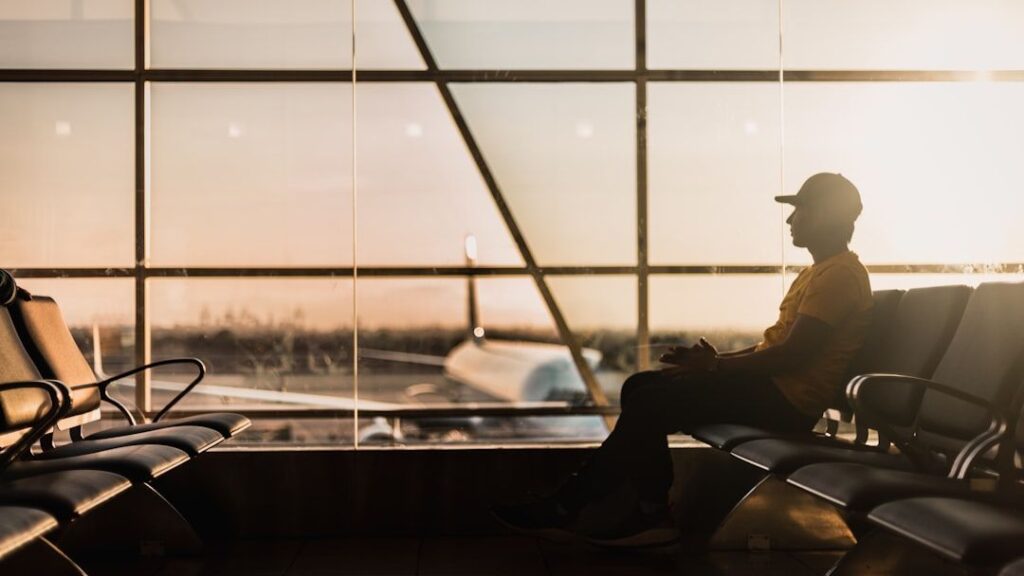
There is something strangely comforting about the low hum of departure boards, the clink of coffee cups at 5 a.m., and the sight of people dragging suitcases to somewhere else. If you secretly feel calmer walking through Gate 32 than sitting on your own couch, you are not weird or broken. In many ways, you are a product of a restless, hyperconnected world that has taught you to move fast, stay flexible, and keep your options open.
Feeling more at home in an airport than in your living room can say a lot about your personality, your nervous system, and even your values. It might mean you are wired for novelty, that you use motion to manage anxiety, or that your idea of “home” is more emotional and psychological than tied to a street address. Let’s unpack what that really means, and why the glow of a departure lounge might feel safer than the familiar walls of your own place.
You’re Wired for Novelty and Exploration
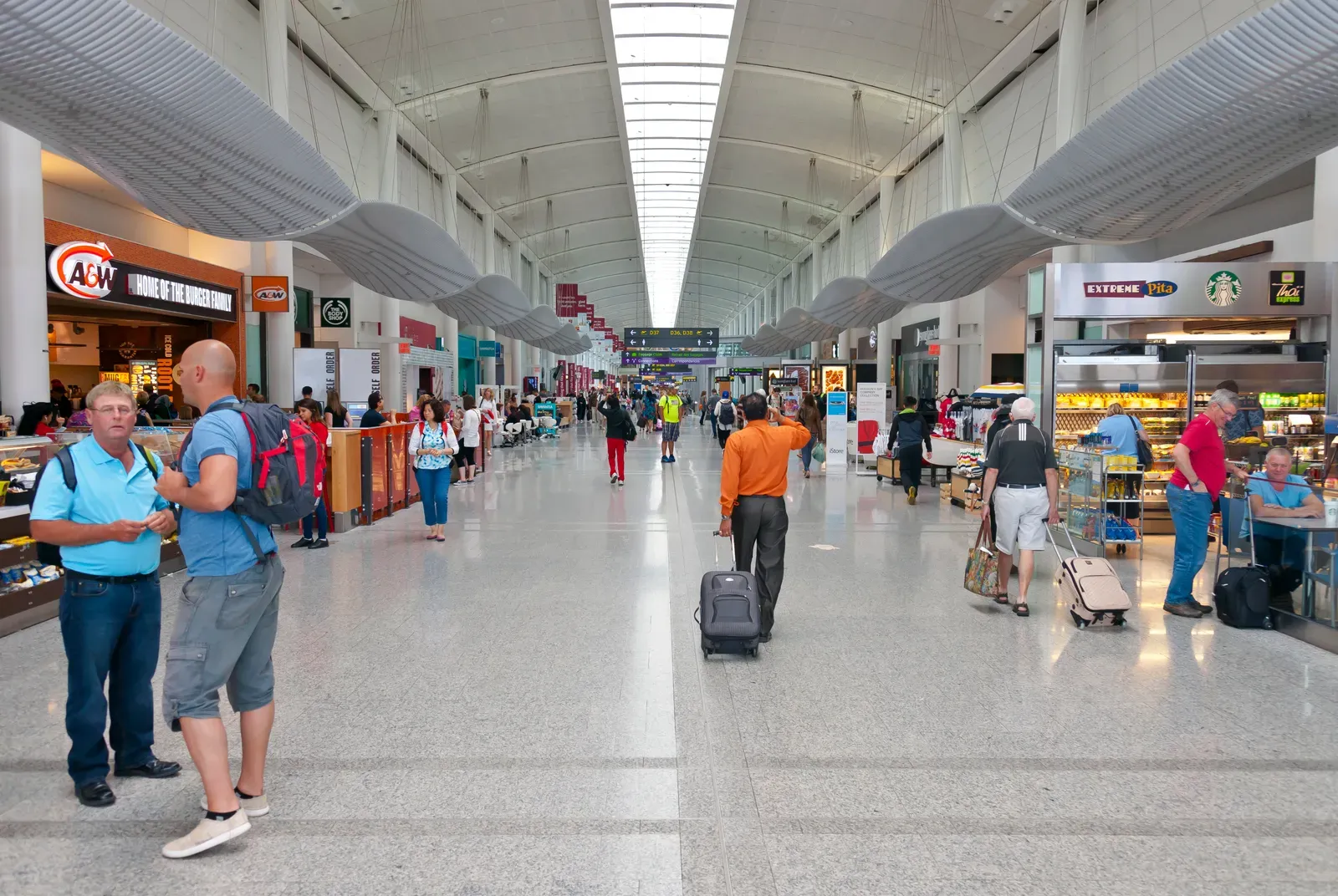
One of the biggest reasons people feel at peace in airports is that they are constant gateways to the new. Psychologists often talk about “novelty seeking,” a trait where your brain lights up more in response to change, challenge, and uncertainty than to routine and predictability. If airport terminals feel like home, there is a good chance your nervous system is more energized by possibility than by stability. Sitting in your living room might feel flat, but watching people rush to flights in ten directions gives your brain that sense of open horizons.
From a biological angle, this is not just poetic language; it is about how your reward systems respond to anticipation. Research has shown that the anticipation of a rewarding experience can be as powerful as the experience itself, and airports are basically buildings made of anticipation. You are surrounded by hints of future stories: beach vacations, new jobs, reunions, fresh starts. If your baseline self feels like an explorer trapped in everyday life, the airport terminal is the rare place where your inner mapmaker finally feels seen and validated.
Your Nervous System Feels Calmer in “In-Between” Spaces
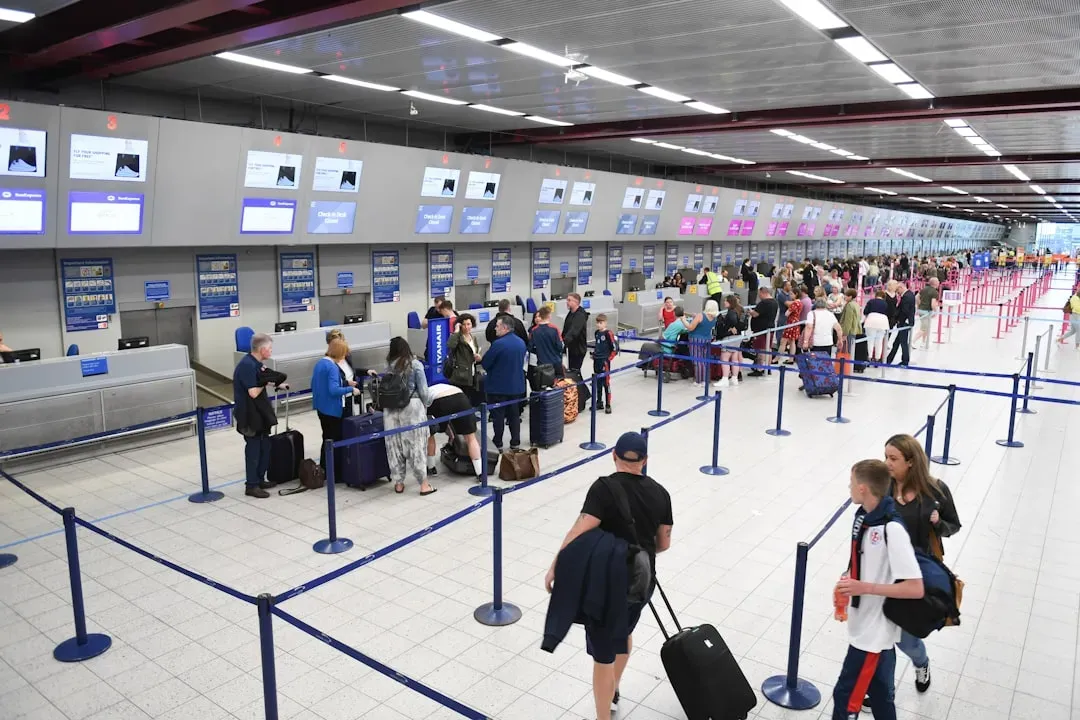
Oddly enough, a chaotic place like an airport can feel soothing if your mind struggles with the pressures of everyday life. In psychology, there is a growing appreciation for “liminal spaces” – those in-between places where you are not quite here, not quite there. Airports are the definition of liminal. You are temporarily free from the full responsibilities of home and not yet accountable to the demands of wherever you are going. For brains that are always on alert, this in-between zone can feel like a rare, pressure-free pause.
Think of it this way: in your living room, there is an invisible checklist staring at you – unread emails, laundry piles, relationship tensions, unfinished goals. At the airport, nobody expects you to be productive or put-together beyond making it to your gate. You just have to exist, maybe charge your phone, and wait. That narrow, clearly defined role gives your nervous system a break from endless decision-making and self-critique. If you feel oddly safe in terminals, it may be because your body loves environments where expectations are simple and time is temporarily suspended.
You Equate Movement With Control and Progress

Many of us have learned, often without noticing, that staying still feels like failure and moving feels like progress. If you are the kind of person who keeps a mental scoreboard of achievements, deadlines, and milestones, an airport terminal can become a symbol of forward motion. Even if you are just sitting at the gate scrolling your phone, you are still in transit, still “doing something,” still on the way. Your own living room, by contrast, can feel like a place where time disappears and you are uncomfortably face-to-face with everything that is not changing.
There is also a subtle psychological effect in being surrounded by visible movement and logistics. Planes take off, ground staff coordinate, screens update, people line up and disperse. You are physically inside a system built for coordination and progress, and your brain may latch onto that as proof that you, too, are moving forward. If you grew up in an environment where worth was tied to productivity or accomplishment, it makes perfect sense that a transit hub feels more aligned with your identity than a quiet living room where nothing appears to be happening.
Your Sense of “Home” Is Emotional, Not Geographical

We are often told that home is a specific place: a city, a neighborhood, a house. But for a lot of people, home is more about a feeling than a physical address. If you feel more at home in an airport than in your own living room, it could mean your internal definition of home is tied to freedom, curiosity, reinvention, and anonymity, rather than to roots, decor, or familiarity. In an airport, you can be anyone. You are not your job title, your family history, or the version of yourself your friends know. You are just a traveler with a boarding pass and a story nobody else has read yet.
That freedom from fixed identity can feel incredibly grounding if your everyday life feels too narrow or scripted. Some people feel trapped by the expectations that live inside their homes – how they should behave, what role they should play, what version of themselves is “acceptable” there. In an airport, those scripts loosen. You can sit alone without justifying it, dress however you want, and drift between languages and cultures without standing out. If that feels like home, it might be because your true sense of belonging is less about staying in one place and more about being allowed to keep evolving.
You Might Be Using Travel to Regulate Difficult Emotions
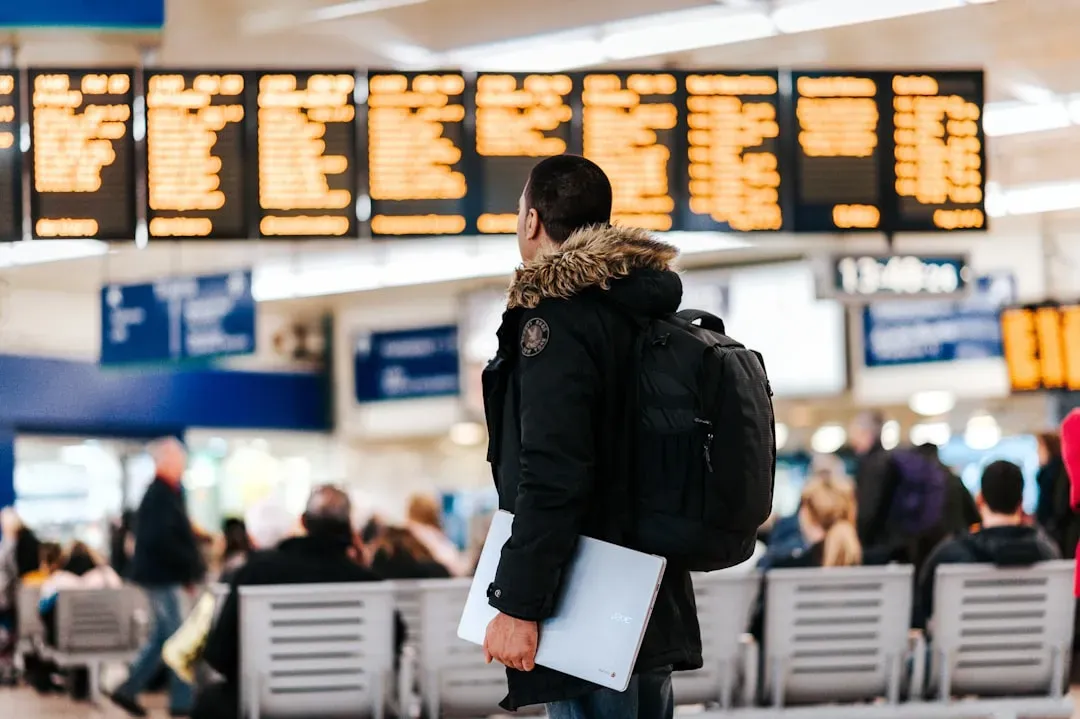
There is a more complicated layer to this, too. Constantly chasing airports and flights can sometimes be a clever, socially accepted way of avoiding hard emotions. Boarding a plane is a neat distraction from unresolved conflict, loneliness, dissatisfaction at work, or a nagging sense that your life at home does not quite fit. The noise, crowds, and logistics of travel can drown out inner discomfort. If your living room feels oddly unsettling or empty, your brain might be nudging you toward the airport because it is the one place where you do not have to sit quietly with your thoughts.
This does not mean travel is unhealthy or that loving airports is a problem. It simply means it is worth noticing whether “being on the move” has become your main coping tool. Psychologists often see patterns where people use external changes – new cities, new flights, new plans – to soothe internal chaos. If that resonates, it might be helpful to gently ask yourself what comes up emotionally when you finally stop moving. The goal is not to give up airports, but to build a life where your living room eventually feels like a safe place to land, not a scary place to avoid.
Your Lifestyle and Identity Are Built Around Global Connection
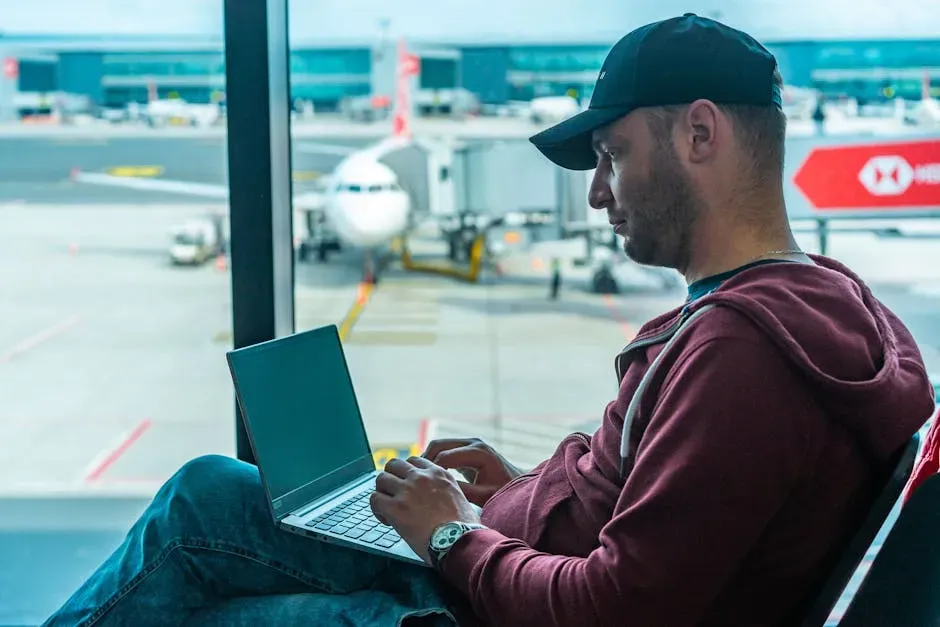
Feeling at home in terminals can also be a sign that your whole life is anchored in global connection. Maybe your friends live in three different time zones, your work happens on a laptop, and your relationships often begin or deepen in transit. For people like that, the airport is not a random building; it is the central station of their social and professional lives. Walking through security feels as normal as driving to the grocery store used to feel for earlier generations.
Modern research on work and culture shows a steady growth in remote jobs, digital nomadism, and cross-border collaboration. If you fall into those categories, it makes sense that your idea of routine comfort includes lounges, security lines, and boarding groups. Your rituals might be airport coffees, airplane playlists, and that familiar ritual of putting your belongings into the tray at security. When your identity is shaped around global mobility, your living room can start to feel like a storage unit you visit between chapters, while the airport feels like the real heartbeat of your life.
You Crave Community in Motion, Not Community in Place
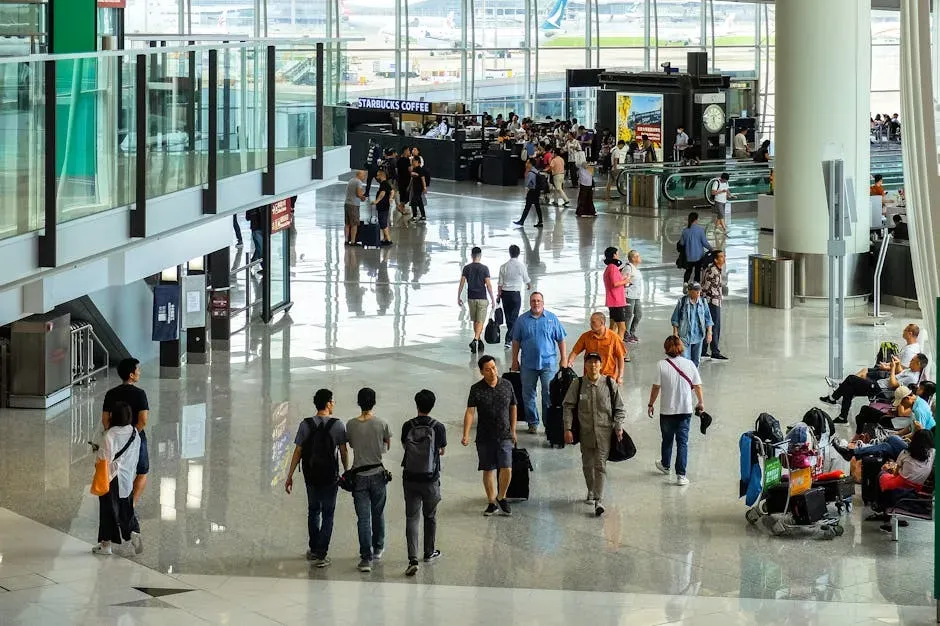
One underappreciated reason airports feel like home is the sense of being part of a moving crowd. You may not speak to most of the people passing you, but there is an unspoken feeling of shared purpose: everyone is going somewhere, everyone has a story mid-edit. For some, this fleeting, anonymous togetherness feels safer than the deep, sustained intimacy of a neighborhood or long-term group of friends. You are around people, but you do not owe anyone constant vulnerability or explanation. That balance can feel incredibly comforting if you are introverted, sensitive, or have been burned by close relationships in the past.
At home, community often means neighbors, long-term friendships, commitment, and being known over time. That can be beautiful, but it can also feel threatening if you associate permanence with judgment, disappointment, or pressure. In the airport, community is softer around the edges. People drift in and out. You witness small acts of kindness, frustration, joy, and reunion without needing to stay for the aftermath. If your heart feels safer in that kind of environment, it may mean you are still renegotiating what “being close to others” should look like in your life.
You’re Questioning the Traditional Script of Settling Down
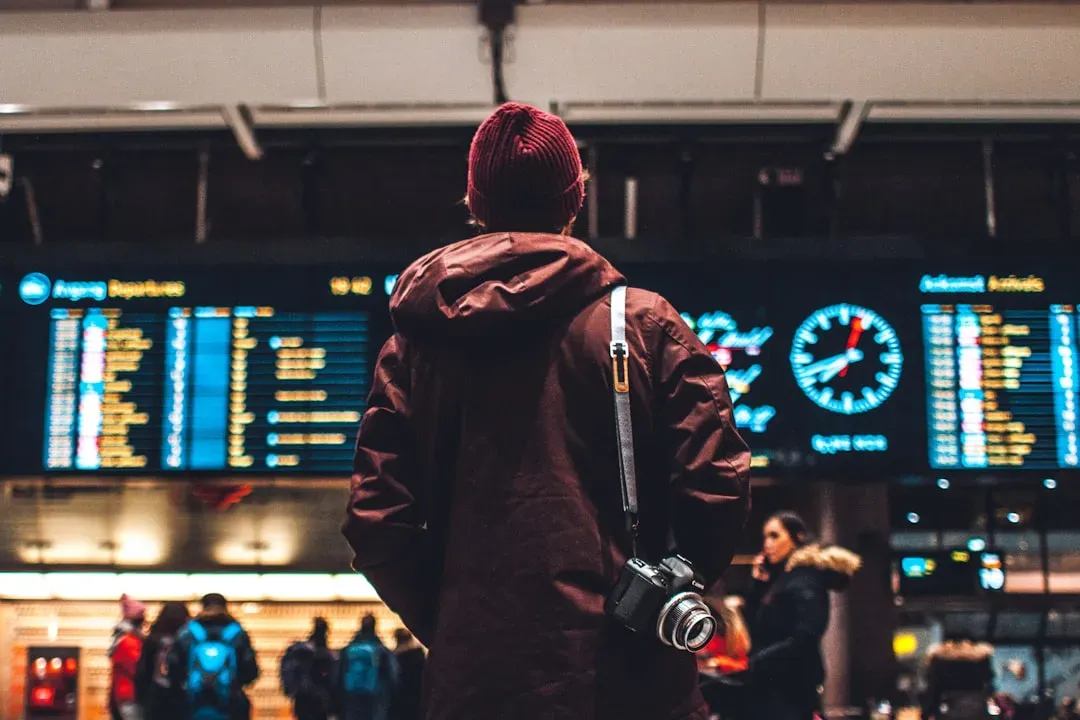
Finally, if you come alive more in airports than in your own living room, it may say something quietly radical about how you view adulthood. Culturally, there is still a heavy script that says success means owning a home, decorating it nicely, and gradually shrinking your world down to a comfortable, predictable radius. But more and more people are realizing that version of stability does not match their inner compass. Airports can feel like a quiet rebellion against that script, a reminder that your life can remain open-ended, flexible, and full of surprise for longer than previous generations were allowed.
This does not automatically mean you will never want a stable base or a cozy home. It might simply mean your path to feeling settled looks different: maybe you will value “roots” in relationships and passions rather than in a permanent address. Maybe your future living room that truly feels like yours will be shaped by experiences collected across years of boarding passes, rather than built all at once in one place. Feeling at home in terminals can be a sign that you are still in the beautiful, messy process of writing a new definition of adulthood that actually fits you.
Conclusion: The Airport Is a Mirror, Not a Problem

If you feel more at home in an airport terminal than in your own living room, it does not mean something is wrong with you. It means the parts of you that love novelty, motion, anonymity, and open possibility are loud enough to be heard. The terminal is simply the rare environment where those parts feel fully welcomed. As someone who has often felt more emotionally grounded in transit than sitting still, I see airports less as escape hatches and more as mirrors: they reflect what your nervous system, your values, and your desires are quietly trying to say.
The important question is not whether you should love airports less, but whether you can build a life where your living room eventually carries some of that same feeling of safety and possibility. Maybe that looks like rearranging your space, rethinking your routines, healing old wounds, or designing a lifestyle where “home” is allowed to be flexible and alive, not static and suffocating. The next time you feel unusually peaceful at Gate 17, instead of judging it, you might just ask yourself: what is this place giving me that I have not yet learned to give myself at home?