
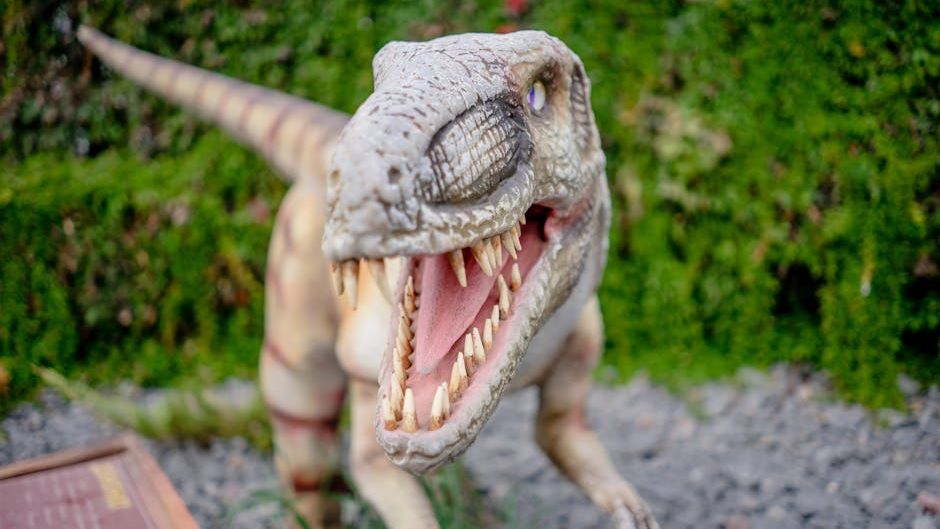
If you have ever watched a dinosaur documentary and secretly thought one of those sharp-clawed, feathered hunters felt a little too familiar, you are not alone. There is something strangely relatable about raptors: they are intelligent, social, strategic, and just a bit terrifying in the best way. Matching them with zodiac signs is not strict science, of course, but it can be a fun, surprisingly revealing way to explore both ancient ecosystems and your own personality. Think of it as cosmic paleontology: your star sign meets deep time.
In reality, raptors were a diverse group of predatory theropod dinosaurs, many of them small to medium in size, often feathered, and equipped with a signature sickle-shaped claw on each foot. They were not all like the Hollywood version, and that is exactly what makes this journey interesting. Each sign finds an echo in a different species’ hunting style, social structure, and survival strategy. As you read through, notice not just what flatters you, but what challenges you: sometimes the raptor that fits you best is the one that reveals the instincts you usually hide.
Aries – Utahraptor, the Fearless Trailblazer
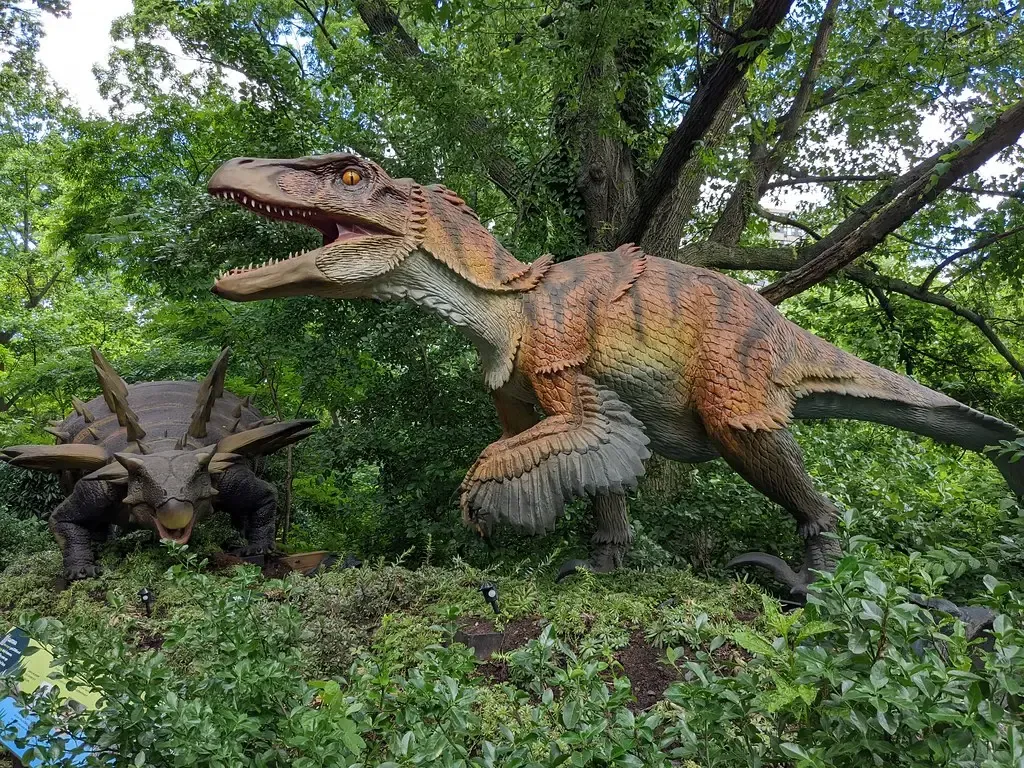
Aries is all about bold first moves, and that is why Utahraptor fits this sign almost too well. Utahraptor was one of the largest known dromaeosaurids, a powerfully built predator with serious muscle behind its claws and jaws. Where many raptors were small and agile, Utahraptor added brute strength to the formula, more like a living battering ram with feathers. That raw, direct force feels very Aries: you charge, you push, you test limits just to see what breaks.
Personality-wise, Utahraptor energy shows up when you are the first to volunteer, first to confront a problem, or first to say what others are thinking but are too polite to voice. You might not always fine-tune your approach, but you make things happen; a stagnant situation rarely survives an Aries atmosphere. Like Utahraptor, whose size would have demanded huge energy and constant hunting, you burn bright and fast, needing big goals and fresh challenges. The flip side is learning when not every conflict is worth a full-force attack. Sometimes the bravest move for an Aries-style raptor is choosing strategy over impact.
Taurus – Velociraptor, the Patient Strategist
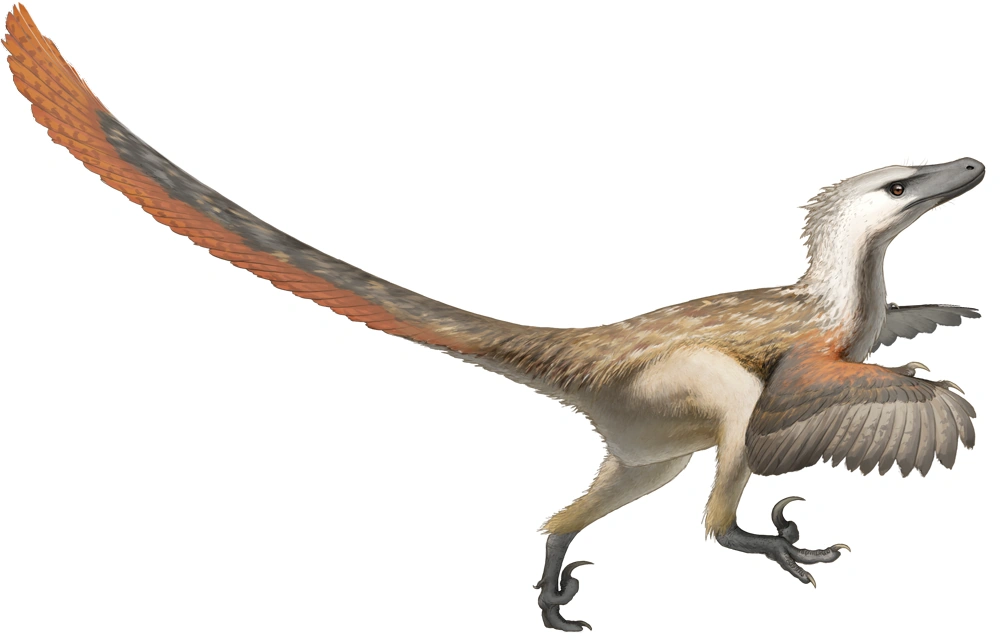
Taurus gets labeled as slow or stubborn, but that is only half the story; the deeper truth is steady, grounded persistence and a calm, almost sensual awareness of the environment. Velociraptor, the real one and not the movie monster, was actually smaller, lighter, and likely feathered, moving with calculated precision instead of reckless lunges. This raptor needed patience, timing, and efficient use of energy in a harsh landscape, and that controlled mindset mirrors Taurus effortlessly.
When you operate in your Velociraptor mode, you do not rush opportunity; you stalk it, measure it, and move only when you are sure it is worth your effort. Like a predator that cannot afford to waste energy on bad hunts, you protect your resources – time, money, emotions – with intense care. You may seem relaxed or even lazy to people who do not see the quiet calculations running in the background. But once you commit, you clamp down and do not let go easily, whether it is a relationship, a job, or a dream you have slowly been building toward for years.
Gemini – Microraptor, the Curious Sky-Dancer
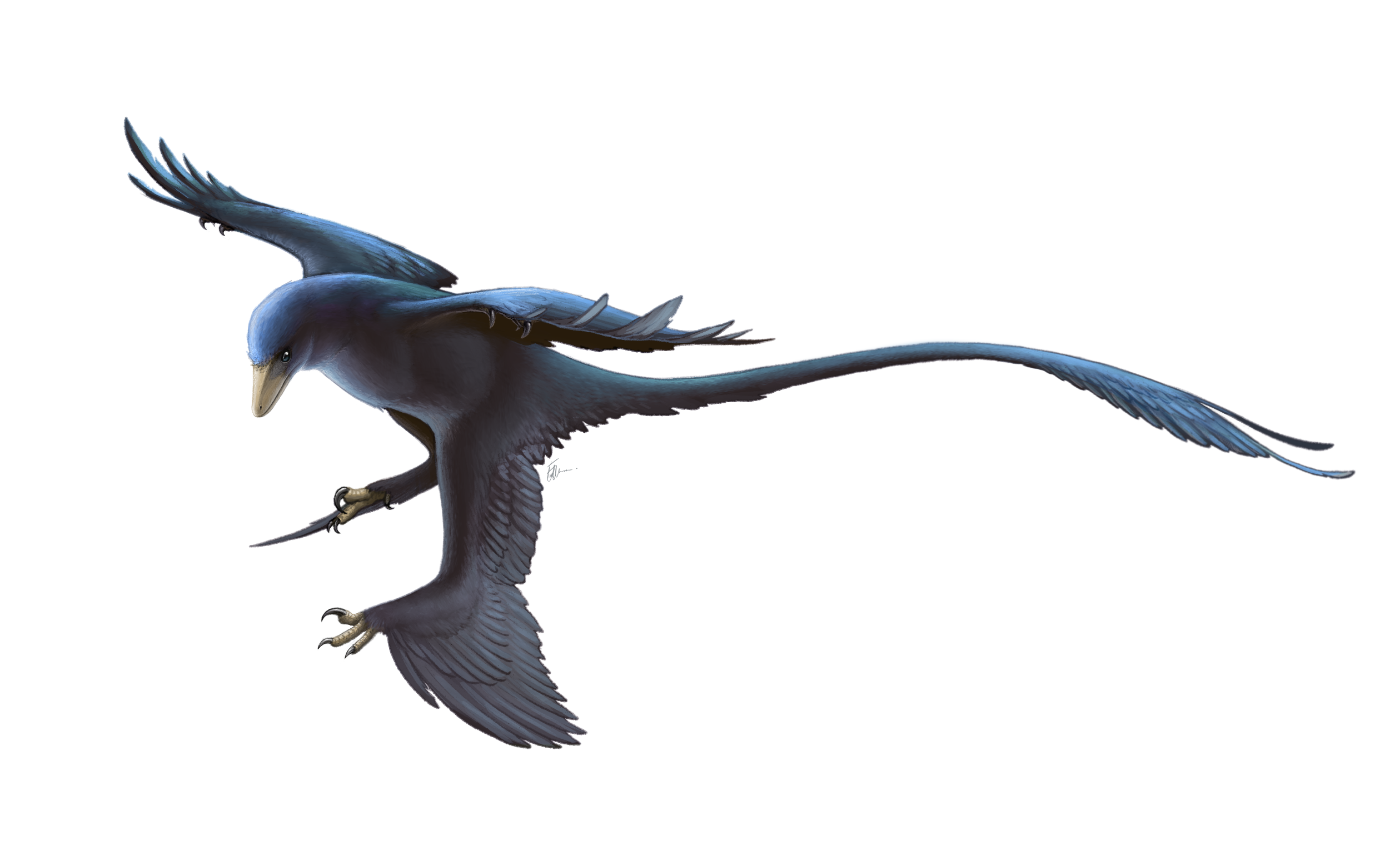
Gemini is ruled by air in astrology, but if you want a dinosaur version of restless curiosity, Microraptor is a nearly perfect parallel. This small, four-winged dromaeosaur had feathers not only on its arms but also on its legs, giving it a gliding, tree-hopping lifestyle somewhere between bird and classic raptor. Just imagine it flitting through prehistoric forests, exploring angles and heights others never even noticed. That is exactly how a Gemini mind moves: between ideas, conversations, and interests, never content with just one vantage point.
In your Microraptor phase, you are the person who wants to try everything at least once, even if it means never fully landing in one place. You jump between friend groups, hobbies, and topics the way Microraptor likely moved from tree to tree, always looking for a new angle or escape route. Some people might accuse you of being inconsistent, but your real superpower is adaptability and informational speed. You gather details from everywhere, connect them in surprising ways, and then glide on to the next branch before anyone else has even realized the landscape has changed.
Cancer – Troodontid, the Watchful Caretaker
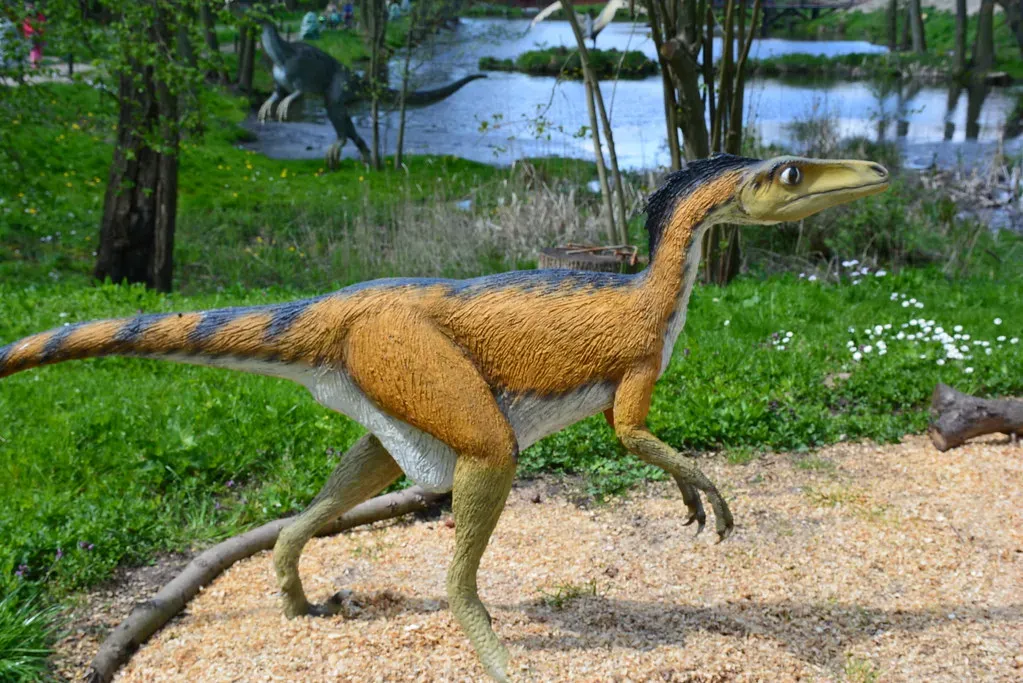
Cancer often gets framed only as emotional or sensitive, but that undersells the sign’s greatest strength: protective intelligence. Certain troodontids, a close relative group often discussed alongside raptors, had relatively large brain-to-body ratios, keen senses, and grasping hands, suggesting a complex awareness of their surroundings. Picture a watchful, wide-eyed predator tuned to every rustle in the dark. That mix of alertness and caution feels very Cancer, who silently tracks threats long before anyone else senses danger.
When your inner Troodontid is activated, you are the one scanning the emotional horizon, reading subtle changes in tone and body language the way a predator reads wind and shadow. You may avoid the spotlight, but you have a map in your head of who is safe, who is at risk, and how to protect your circle. Like a nocturnal hunter that relies on planning rather than brute force, you move with quiet, deliberate steps, preferring to prevent crises rather than clean them up afterward. Your challenge is not to let that heightened awareness slide into constant anxiety, remembering that you do not have to guard the entire forest alone.
Leo – Dakotaraptor, the Regal Showstopper
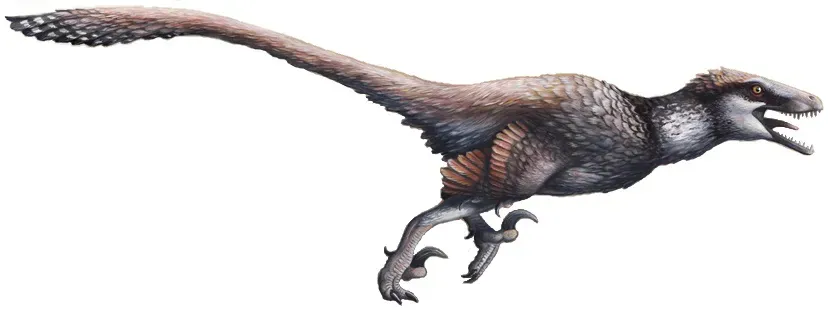
Leo needs a raptor that can hold a crowd’s attention even without trying, and Dakotaraptor fits the bill. Dakota formations have revealed a large, feathered dromaeosaur with impressive size and physical presence, combining the swift, deadly build of smaller raptors with a more imposing stature. Imagine a predator that could dominate a scene just by walking into it – there is a certain theatrical flair baked right into that anatomy. For Leo, this is familiar territory: you naturally occupy space as if you belong at the center of things.
In Dakotaraptor mode, you are not only confident, you are visually expressive – through style, body language, or the way you tell stories. You might not consciously seek attention, but you do understand the power of being seen and remembered. Like a top predator that needs territory and recognition, you thrive when people acknowledge your contributions and sense of self. The trick is learning to balance performance with authenticity, so your inner raptor is not just roaring for applause but hunting for real meaning and mutual respect.
Virgo – Bambiraptor, the Detail-Oriented Analyst
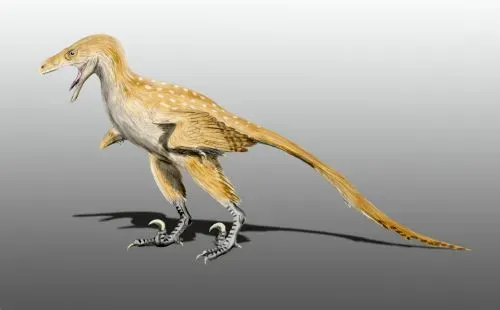
Virgo gets associated with analysis, perfectionism, and quiet competence, which pairs intriguingly with Bambiraptor. This small dromaeosaur is known from a specimen with well-preserved features that hint at agility, dexterity, and possibly a fairly advanced brain for its size. Think of a small, hyper-aware hunter moving through its environment like a living diagnostic tool, constantly adjusting and refining. That meticulous approach matches Virgo’s instinct to notice what others miss and to fine-tune until everything works just right.
When you slip into Bambiraptor mode, you are not loud or dramatic, but you are razor sharp. You dissect problems into manageable parts the way a precise predator breaks down a complex environment into opportunities and risks. While others get overwhelmed by chaos, you start sorting and aligning, even if it is just organizing your desk or structuring a project. The downside is that relentless analysis can turn inwards, making you pick yourself apart with the same intensity. Learning when to declare something “good enough” can be the difference between a life of constant hunting for flaws and one where your gifts actually get to shine.
Libra – Deinonychus, the Social Strategist
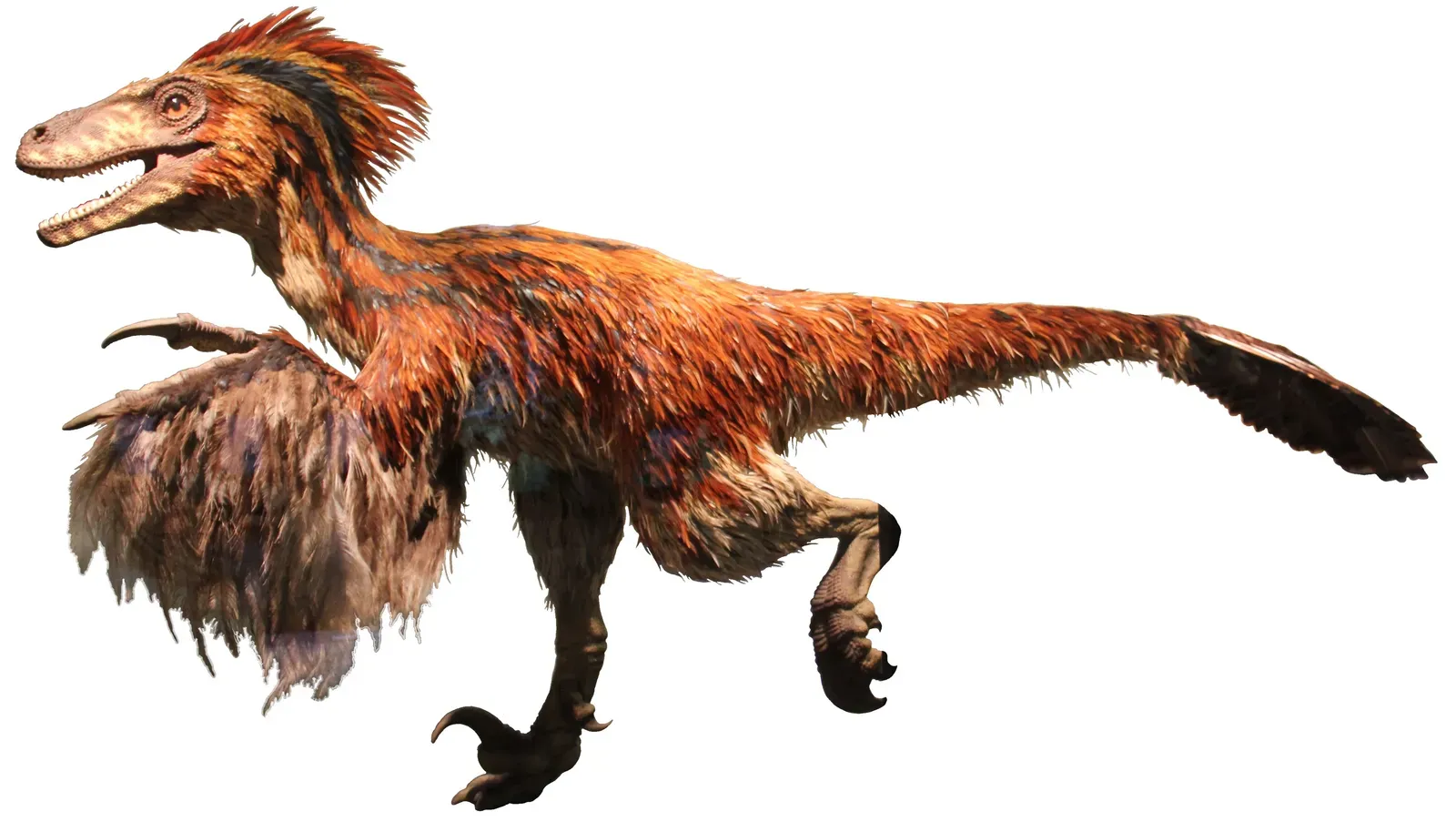
Libra is often simplified as the sign of balance and partnership, but underneath that is a sharp sense of social strategy. Deinonychus, a medium-sized dromaeosaurid, is frequently associated with evidence suggesting possible group behavior, or at least complex interactions around prey and environment. Whether or not it hunted in coordinated packs the way people once imagined, it clearly lived a life that required navigating competition, cooperation, and timing. That symphony of moves and counter-moves is pure Libra territory.
In your Deinonychus state, you understand that survival is rarely a solo act. You read dynamics in a room like a hunter reading the patterns of a herd, sensing when to advance, when to hold back, and when to form alliances. You may hate open conflict, but you excel at negotiation and subtle influence, adjusting your stance to maintain connection without losing your core values. The danger comes when your desire for harmony makes you stay too long in unfair arrangements. Even a socially aware raptor must sometimes step out of the group and reclaim its own hunting ground.
Scorpio – Dromaeosaurus, the Intense Shadow Hunter
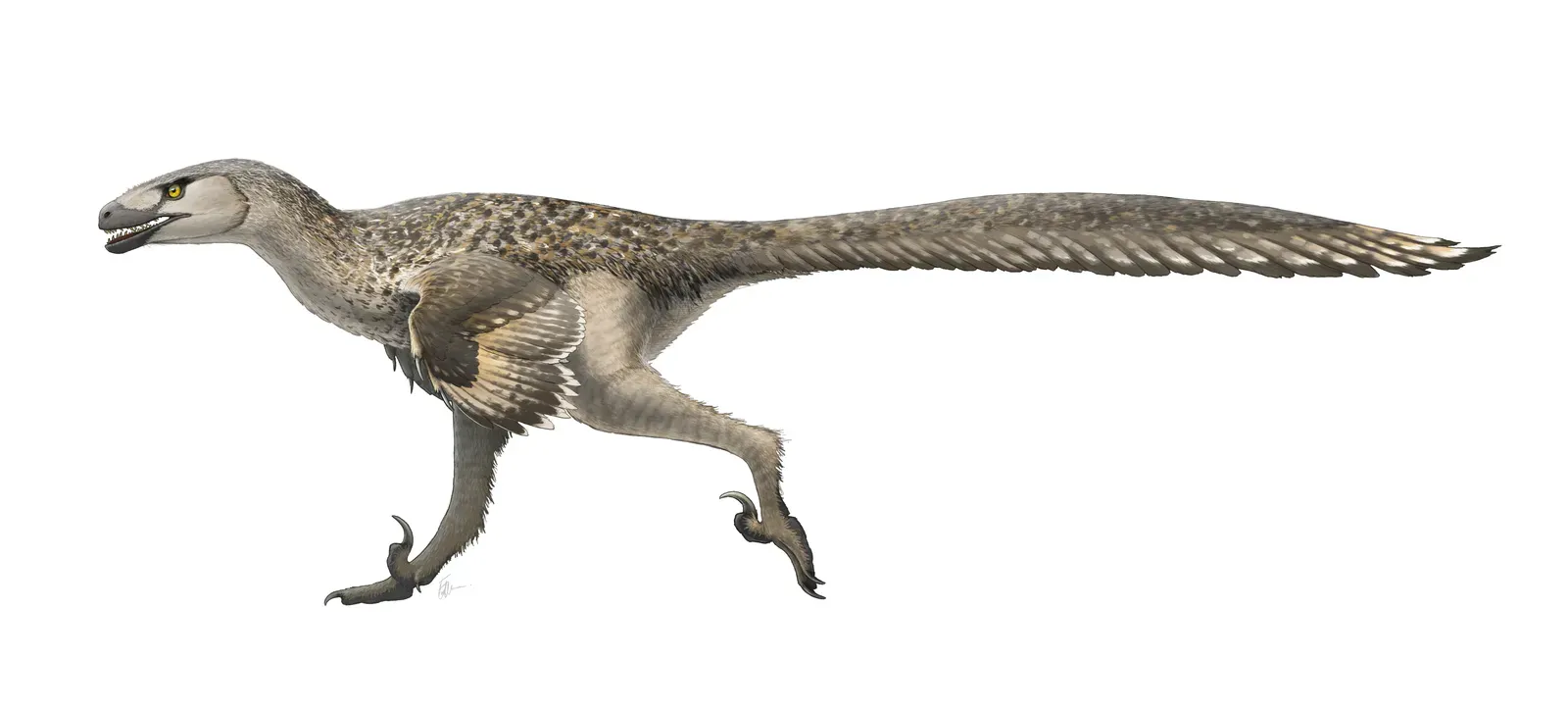
Scorpio has a reputation for depth, secrecy, and emotional x-ray vision, so it deserves a raptor with a reputation for raw, predatory seriousness. Dromaeosaurus, the namesake of the dromaeosaurid group, was a stout, powerful hunter with reinforced jaws that hint at a more bite-focused killing style compared to some of its relatives. Instead of relying only on slashing claws, it embraced a close-quarters, high-commitment approach. That is very Scorpio: once you engage, you go all in, no halfway measures.
When your inner Dromaeosaurus wakes up, you are operating from deep instinct and long memory. You do not forget slights easily, and you do not form genuine bonds without significant trust-testing first. Like a predator moving in dim light, you peer beneath surfaces, sensing hidden motives and secret fractures in people’s stories. The challenge is not to let that penetrating perception turn you into a permanent investigator or avenger. A Scorpio-style raptor is strongest when it uses its focus to transform, not just to stalk old wounds.
Sagittarius – Austroraptor, the Adventurous Explorer
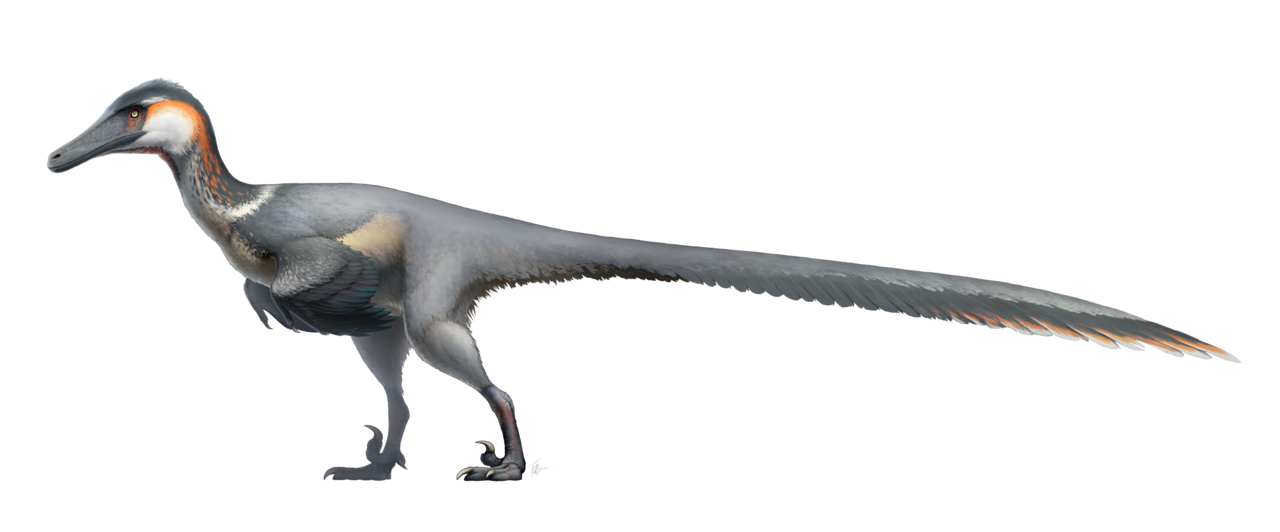
Sagittarius is the free-roaming explorer of the zodiac, always needing a horizon to chase. Austroraptor, a southern-hemisphere dromaeosaur with a long, low skull and adaptations that suggest a semi-aquatic or shoreline-influenced lifestyle, brings that sense of ecological wandering. It appears to have lived in environments shaped by water and wide open spaces, not just dense forests. There is a vibe of “edge of the map” living in this raptor, testing boundaries between land and water like a dinosaur philosopher on the move.
In your Austroraptor mode, you crave experiences more than outcomes. You are attracted to unfamiliar cultures, radical ideas, and literal or metaphorical journeys, even if the path is inconvenient or uncertain. Like a dinosaur adapting to mixed terrain, you learn by roaming and by pushing into environments that feel wild or unstructured. The tricky part is remembering that exploration is not an excuse to avoid commitment altogether. A Sagittarius-style raptor thrives when it can roam, but it grows deeper roots when it occasionally chooses a coastline to return to.
Capricorn – Achillobator, the Relentless Climber
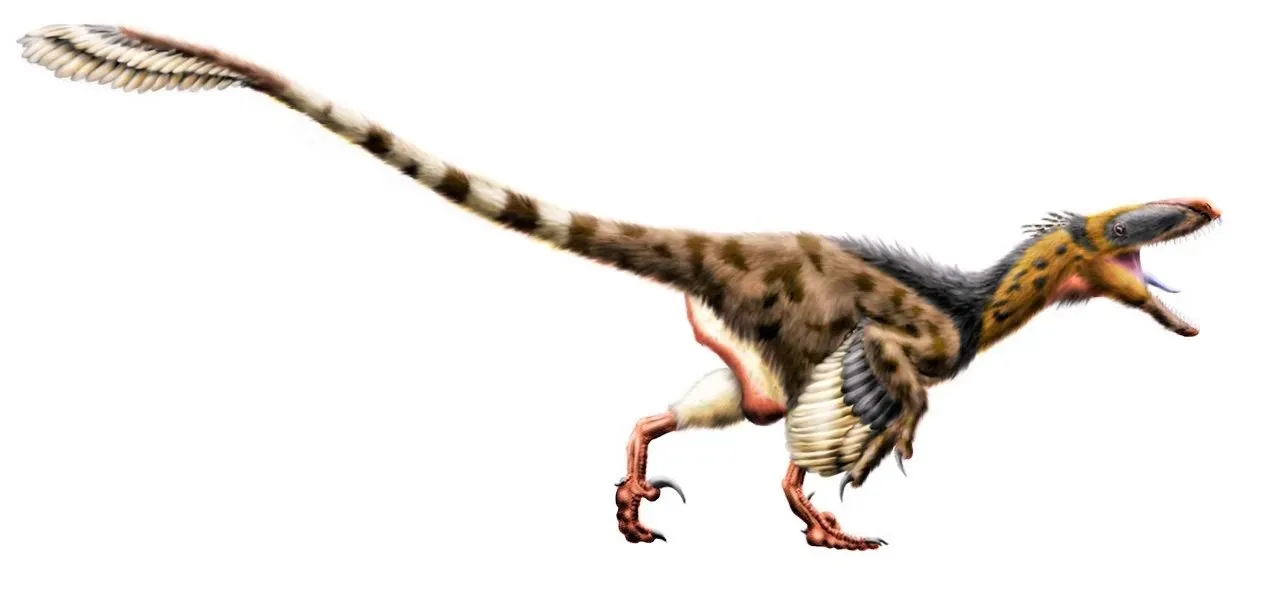
Capricorn is associated with ambition, structure, and long-range effort, and it needs a raptor that embodies power with endurance. Achillobator, a large dromaeosaur from Central Asia, combines the speed and agility typical of its group with a more robust build. It likely targeted serious prey and would have needed patience, strategy, and durability to succeed. Think of a predator that plays the long game rather than burning out in short, reckless bursts. That is how Capricorn works: slow, steady, unshakable when focused.
In your Achillobator state, you are the one who quietly works through setbacks, failures, and delays while other people give up. Your approach to career, relationships, and personal growth often involves invisible labor, the kind no one praises but everyone benefits from later. Like a hunter that cannot afford to panic if a chase goes wrong, you regroup, recalibrate, and come back with a better plan. The risk is forgetting to rest or connect with joy along the way. A Capricorn-style raptor does not have to live on a permanent cliff face; you are allowed to find softer ground sometimes too.
Aquarius – Sinornithosaurus, the Eccentric Innovator
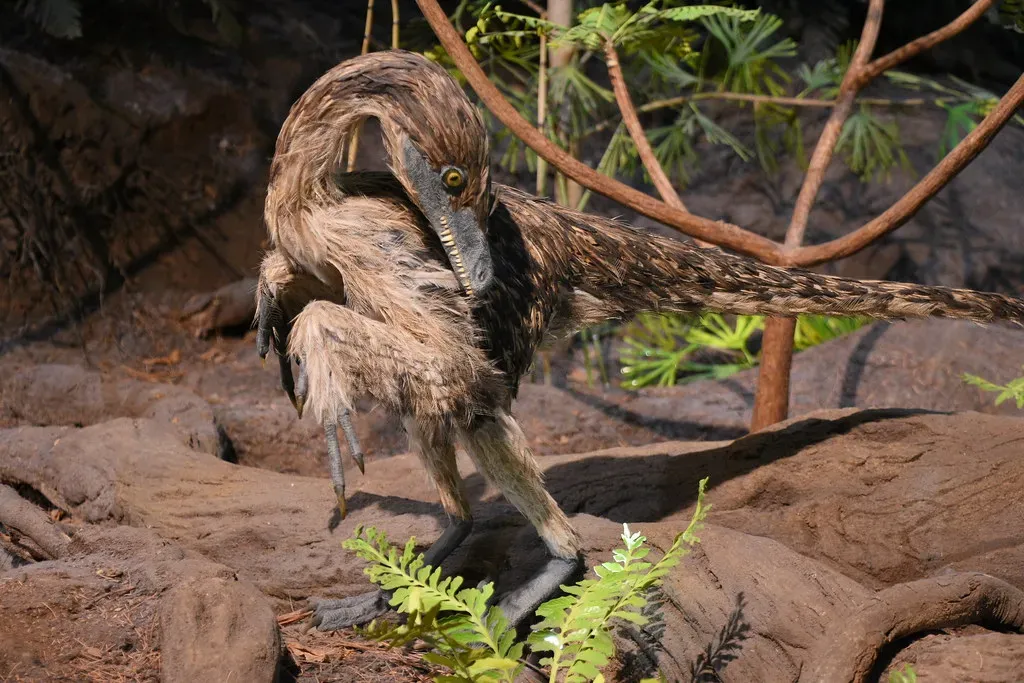
Aquarius is known for being unconventional, future-focused, and often a bit alien in the best possible way. Sinornithosaurus, a feathered dromaeosaur from China, has sparked various scientific debates over its possible adaptations, including unusual features in its teeth and skull that once led to speculation about atypical hunting strategies. Whether or not every theory holds up, the image of a raptor with experimental tools fits Aquarius perfectly: you are always tinkering with how things could be different.
When you tap into your Sinornithosaurus energy, you stop following social scripts and start building your own systems. You are drawn to oddball ideas, fringe communities, and radical solutions to old problems, the way a unique predator might exploit a niche no one else sees. People may not always understand you at first, but they often copy you later once your experiments prove useful. Your challenge is staying grounded enough that your innovations can actually be lived, not just imagined – an Aquarius-style raptor that combines vision with real-world claws is almost unstoppable.
Pisces – Unenlagia, the Dreamy Transitional Soul
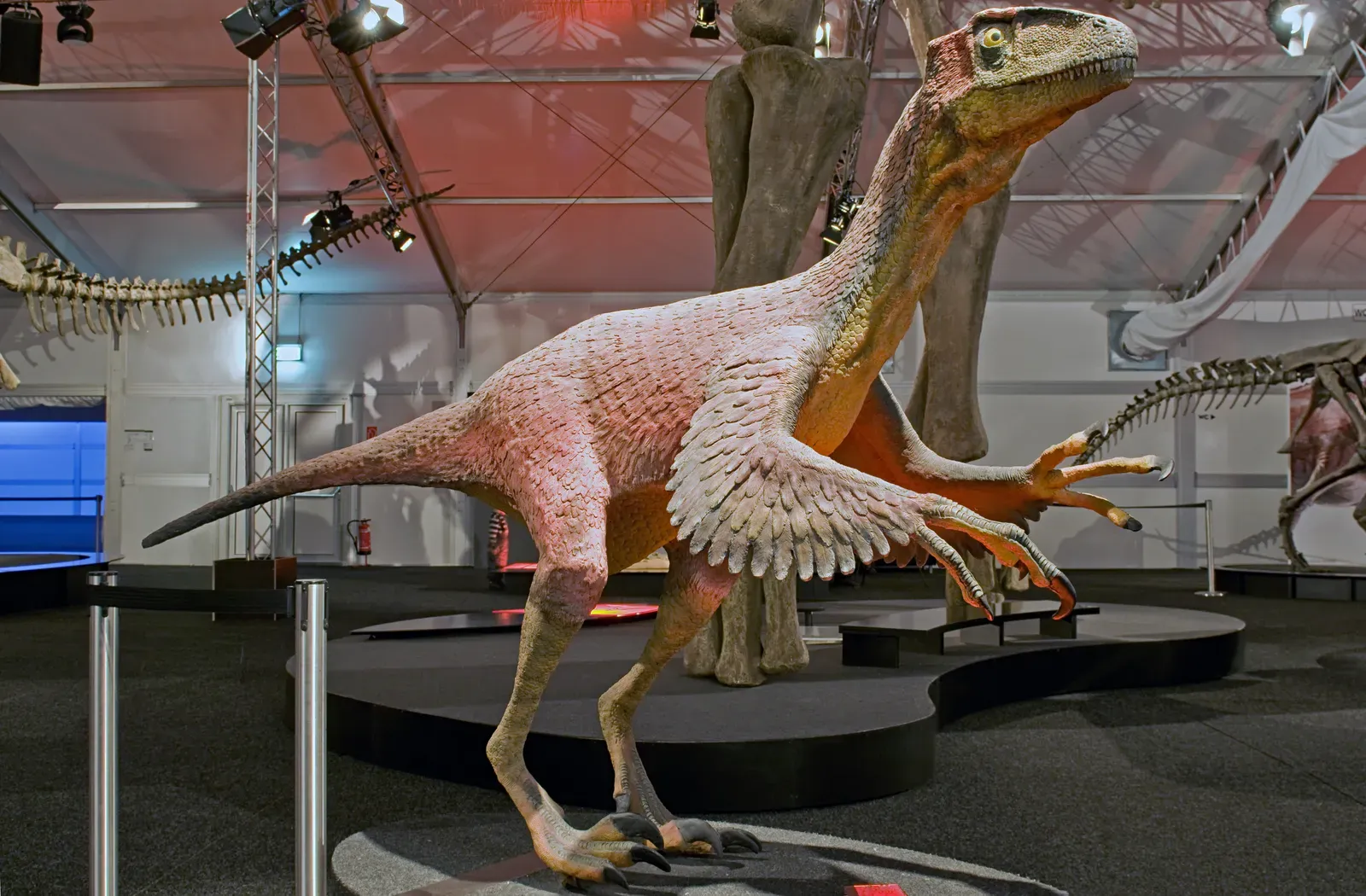
Pisces is often described as living between worlds – emotion and reality, past and future, self and collective. Unenlagia, a South American theropod closely related to raptors and birds, embodies a literal in-between state in evolutionary terms. Its anatomy has been interpreted as hinting at birdlike traits, suggesting a creature that sits near the blurry border between classic dinosaur and early avian forms. That liminality, that sense of being half in one era and half in another, is deeply Piscean.
When your Unenlagia side comes forward, you feel like you are always translating: feelings into words, dreams into plans, intuition into choices. You can move through emotional landscapes others find overwhelming, the way a transitional creature might navigate changing ecosystems. Your sensitivity is not weakness; it is a radar that picks up subtle undercurrents and spiritual or creative possibilities. The risk is drifting so far into imagination that you forget to anchor yourself. A Pisces-style raptor is at its best when it gives its visions talons and learns how to land.
Conclusion – Your Inner Raptor Is a Lens, Not a Cage
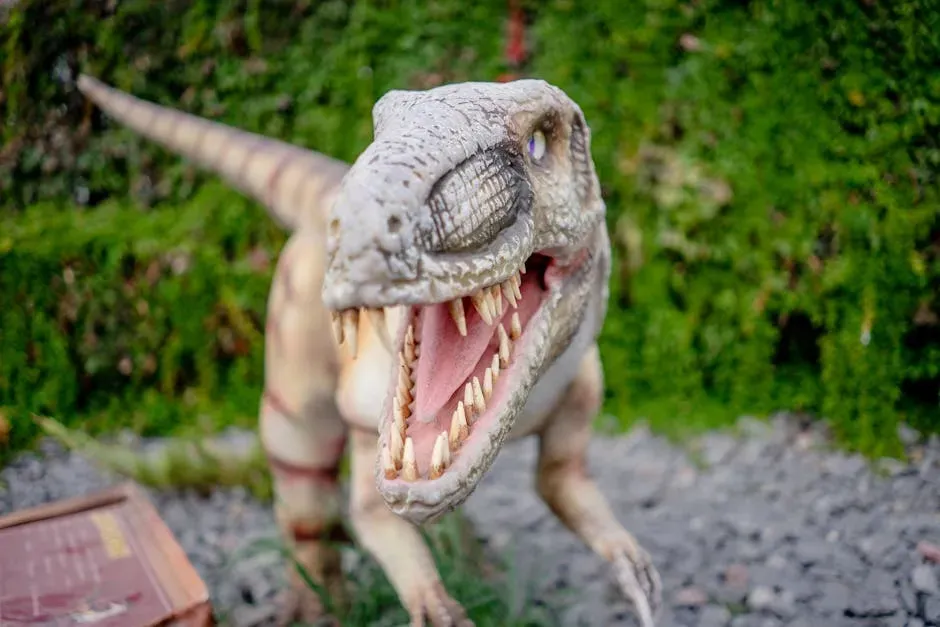
Seeing yourself as a prehistoric raptor is not about pretending there is a one-to-one scientific match between your birth chart and some fossil in a museum. It is about using these animals as mirrors for drives you already feel: the need to explore, to protect, to connect, to lead, to transform. Raptors were not just monsters; they were survivors, adapters, and specialists in their own niches. In a strange way, their stories underline how many different ways there are to be sharp, to be strong, and to stay alive in a demanding world.
My own opinion is that the most powerful part of this exercise is not finding the “right” match but noticing where you disagreed. Maybe as a quiet Cancer you resonated more with fierce Utahraptor than with watchful Troodontid, or as a flashy Leo you secretly vibed with introspective Dromaeosaurus. That tension is where the truth usually hides. So the real question is not just which prehistoric raptor matches your sign, but which one you are becoming as you grow, molt old habits, and step into a new ecological niche in your own life – if you had to choose again tomorrow, would you pick the same one?