
Here’s the twist no one expects at the start of this story: strictly speaking, there was no such thing as a true “marine dinosaur.” Dinosaurs ruled the land, not the oceans, and the giant sea monsters people picture were actually different kinds of reptiles entirely. But that technicality has never stopped our imaginations from fusing them together into one jaw‑dropping creature.
So when we ask about the largest “marine dinosaur” , what we really mean is: which ancient ocean predator, living alongside dinosaurs, was the absolute heavyweight champion of the seas? Once you peel back the terminology and dive into the science, the answer gets a lot more interesting – and a bit more uncertain – than the movie posters suggest.
Why “Marine Dinosaur” Is Technically Wrong (But Everyone Says It Anyway)
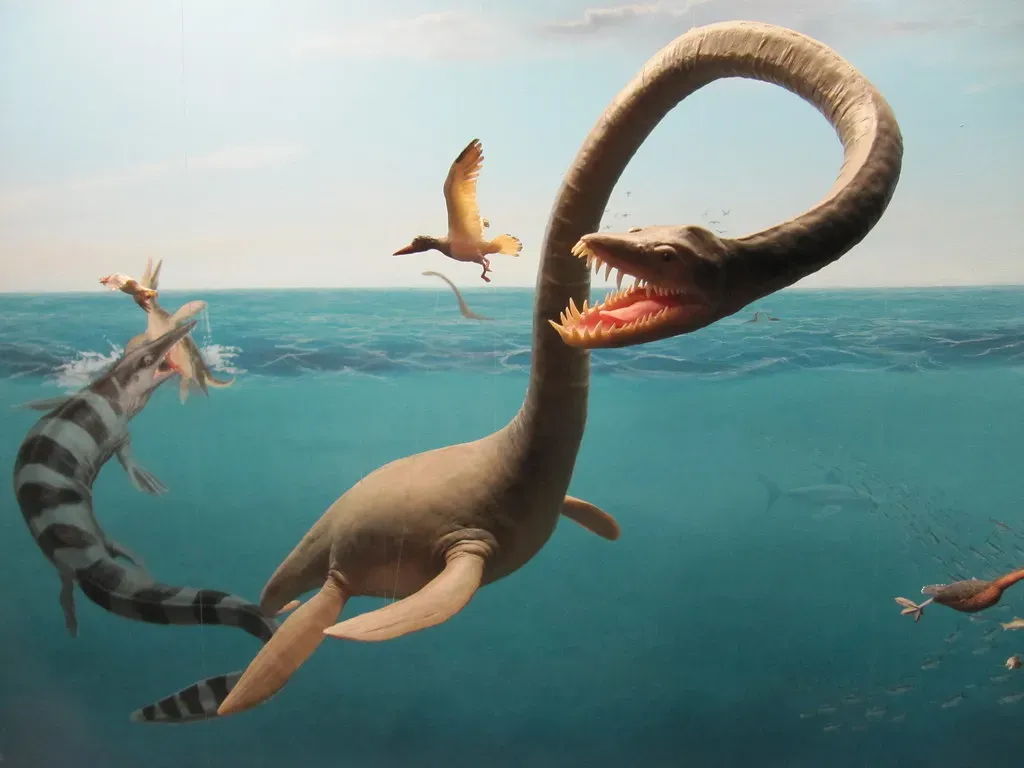
Here’s the slightly annoying, slightly funny truth: dinosaurs, by definition, were land-dwelling members of a specific group of reptiles with an upright stance. The classic ocean giants that people lump in with them – like mosasaurs, plesiosaurs, and ichthyosaurs – belong to separate branches of the reptile family tree. They lived during the same eras, shared the same planet, and sometimes the same food chains, but they weren’t dinosaurs in the strict scientific sense.
That said, language in everyday life is looser than in textbooks, and honestly, no one is going to casually say “largest non-dinosaurian marine reptile from the Mesozoic.” So scientists grit their teeth a little while the rest of us say “marine dinosaur” as shorthand. It is a bit like calling every smartphone an “iPhone” – technically wrong, but everyone understands what you mean.
The Main Contenders: Mosasaurs, Plesiosaurs, and Ichthyosaurs
If you throw all the big Mesozoic ocean predators into a single imaginary arena, three groups stand out. Mosasaurs were sleek, muscular lizard-like predators with powerful tails; plesiosaurs included long-necked forms and short-necked, big-headed brutes; and ichthyosaurs looked uncannily like modern dolphins but with reptilian twist and often much larger bodies. Each group produced species that reached genuinely enormous sizes.
Scientists do not fully agree on a single uncontested champion, partly because fossils are often incomplete and size estimates can be fuzzy. Still, several species have emerged as star candidates: Mosasaurus hoffmanni and Pliosaurus-like pliosaurs on one side, and gigantic ichthyosaurs such as Shonisaurus and some even larger, recently described forms on the other. Think of it as a heavyweight rivalry where new fossil discoveries occasionally rewrite the scorecard.
Mosasaurus: The Sea Monster People Picture After Watching Movies
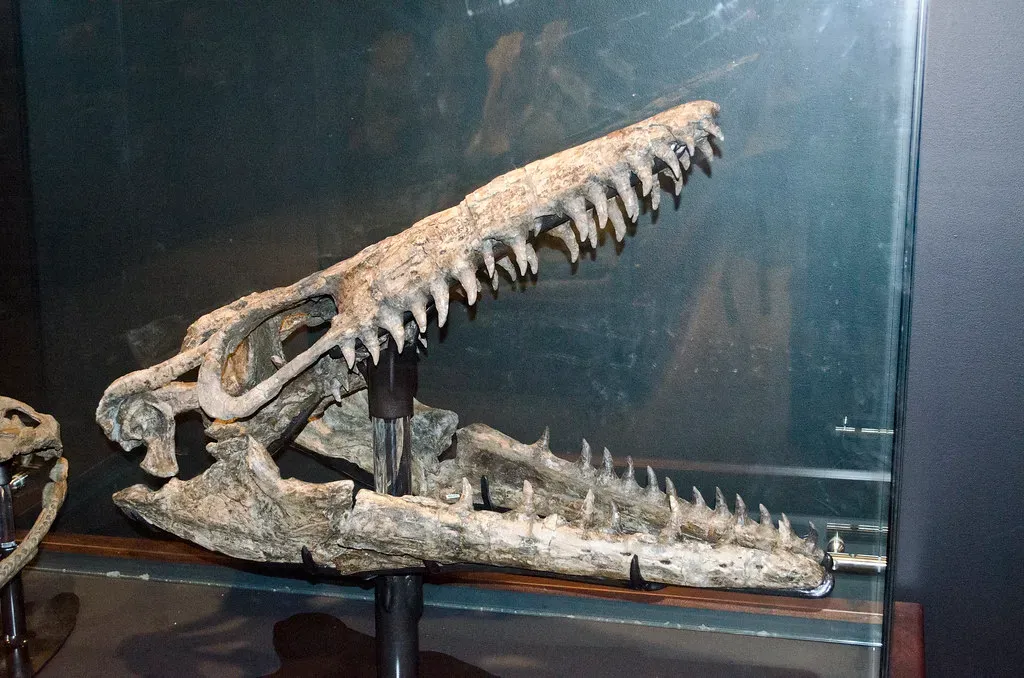
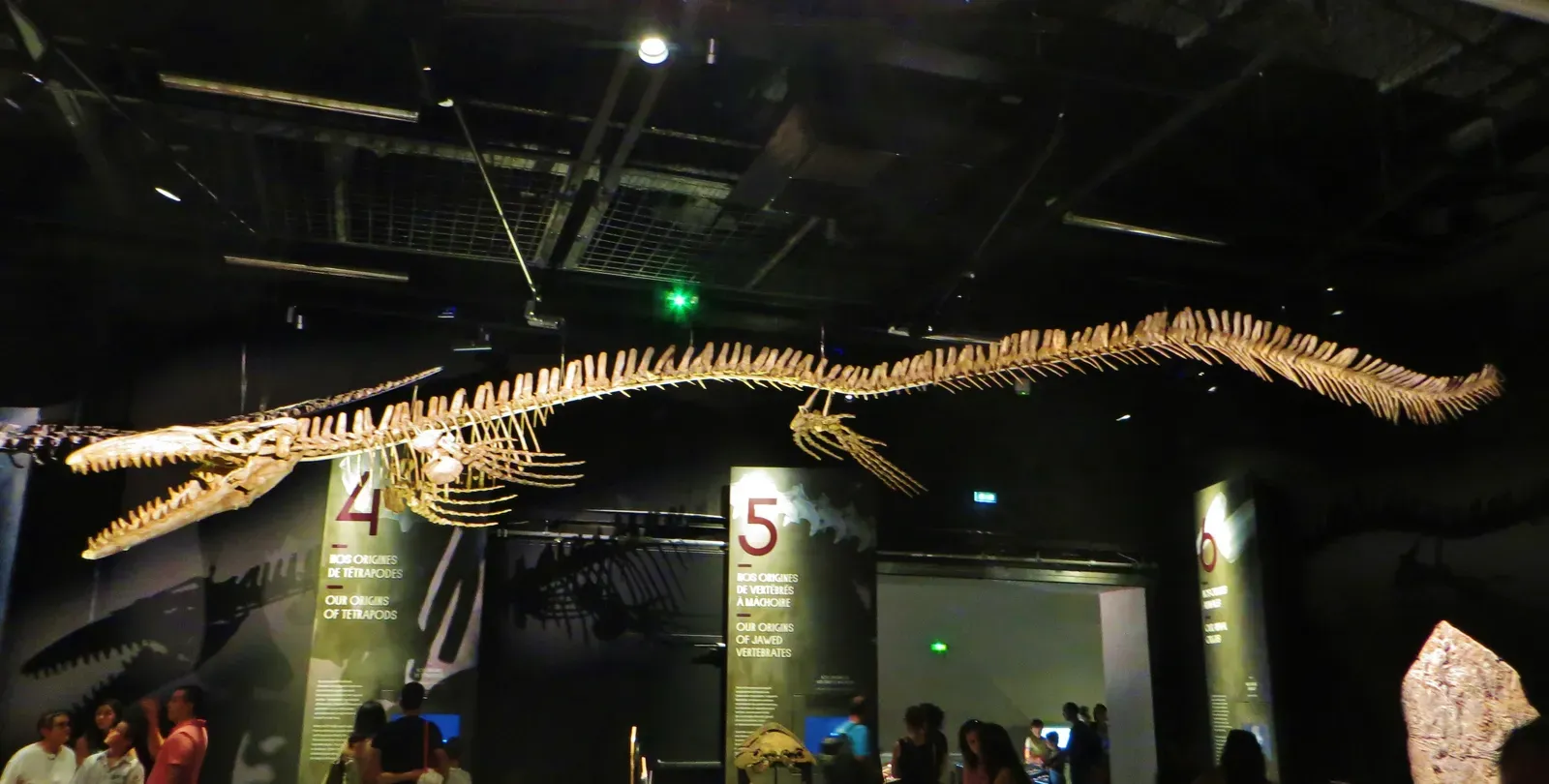
When most people imagine a “marine dinosaur,” they’re secretly picturing a mosasaur, probably thanks to a certain blockbuster where one explodes out of a lagoon to chomp a flying reptile. Mosasaurus hoffmanni, one of the largest known mosasaurs, lived near the end of the Cretaceous period and likely topped out at around fifteen to maybe eighteen meters in length, based on the best-supported estimates. That is longer than a city bus and roughly comparable to a modern baleen whale in overall length, though far leaner and more muscular.
Mosasaurus had a massive skull, a mouth full of conical teeth, and a strong, shark-like tail that powered it through the water as an apex predator. It likely fed on large fish, turtles, other marine reptiles, and pretty much anything it could overpower. In pop culture, it often gets portrayed as the undisputed ruler of ancient oceans, and emotionally, that image sticks – it just looks and feels like the boss monster. But scientifically, while it was huge, it probably was not the absolute largest marine reptile of all time.
Pliosaurs and the “Kronosaurus Problem”
![Pliosaurs and the “Kronosaurus Problem” (Flickr: Kronosaurus [217/366], CC BY-SA 2.0)](https://nvmwebsites-budwg5g9avh3epea.z03.azurefd.net/dinoworld/60176efca03a96667fd9c74009a10c00.webp)
Short-necked, big-headed plesiosaurs – called pliosaurs – were another terrifying design nature tried. Species like Kronosaurus and Pliosaurus had enormous skulls with powerful jaws capable of delivering crushing bites. Some older reconstructions suggested Kronosaurus might have been over twelve meters long, but more modern work has trimmed that estimate back, suggesting many of the classic numbers were based on overly generous reconstructions and missing body parts filled in too optimistically.
There are fragmentary fossils of gigantic pliosaurs that hint at truly extraordinary sizes, potentially exceeding the better-known mosasaurs. However, the key word there is “fragmentary.” When all you have is part of a jaw or a few vertebrae, scaling up to a full-body measurement is a bit like trying to estimate someone’s height from one shoe. Pliosaurs absolutely belong in the conversation for largest marine predators of their time, but the evidence is not quite solid enough yet to crown one of them the clear champion.
Gigantic Ichthyosaurs: The Overlooked Leviathans
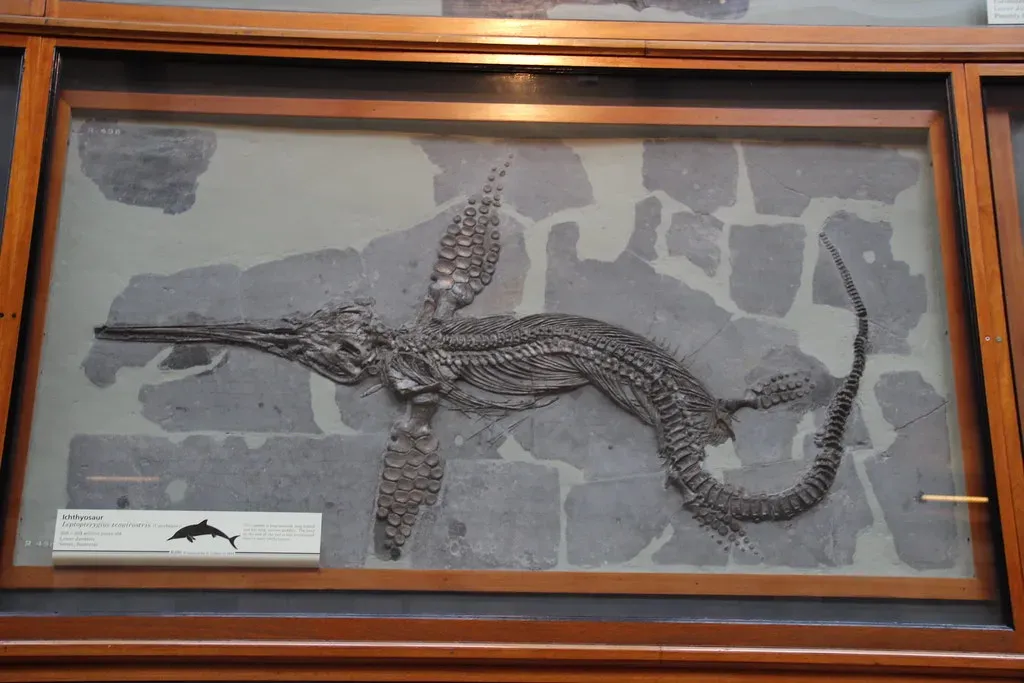
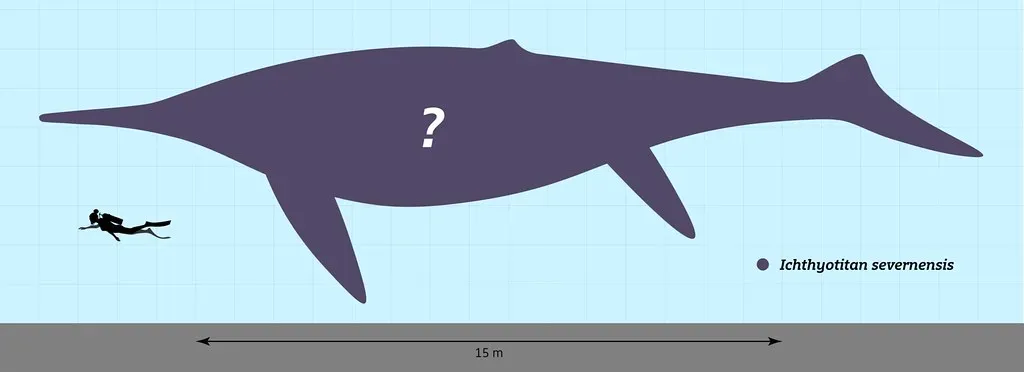
If there’s a group that quietly steals the “largest marine reptile” crown, it is probably the ichthyosaurs. These dolphin-shaped reptiles appeared early in the Mesozoic and some evolved into true giants. Species like Shonisaurus and others from Canada and Europe have been estimated at more than twenty meters in length, with some recent finds hinting at individuals that may have approached or even surpassed the size of modern blue whales in length, though likely not in sheer bulk.
What makes ichthyosaurs fascinating is how whale-like their evolutionary story is: land reptiles moved into the water, streamlined over millions of years, and ended up with torpedo-shaped bodies, flippers, and tail fins. The biggest ichthyosaurs probably cruised the open oceans, eating large quantities of cephalopods and fish. In terms of raw length, the best current evidence suggests that the largest ichthyosaurs edge out mosasaurs and pliosaurs, even if they were built more like massive, sleek cruisers than hulking, muscular brawlers.
So Which Giant Really Deserves the Title? A Cautious Verdict
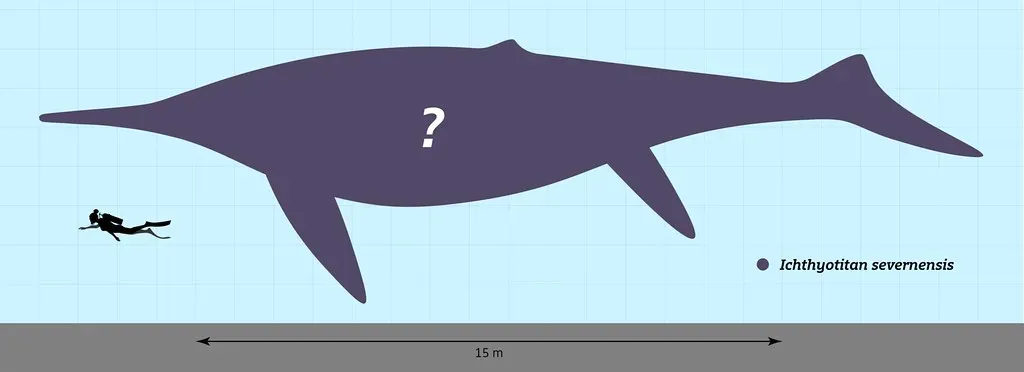
If you pin me down and force an answer, I’d say the title of “” – using that phrase the way people actually do – likely belongs to the biggest ichthyosaurs. The evidence for some species reaching truly astonishing lengths is stronger and more consistent than the most extreme claims made for mosasaurs and pliosaurs. In terms of sheer scale, these early ocean giants seem to have pushed size farther than their later Cretaceous cousins.
That said, this verdict comes with a big, scientist-style asterisk. Fossil records are patchy, measurements get revised, and new discoveries can overturn yesterday’s confident statements almost overnight. Personally, I like that uncertainty; it keeps the story alive. We can say with reasonable confidence that the largest marine reptiles, probably giant ichthyosaurs, rivaled or exceeded most modern whales in length – but we should also admit that the deep past still holds secrets we have not dug up yet.
Conclusion: Why This Debate Still Matters (And Why I Think the Ocean Wins)
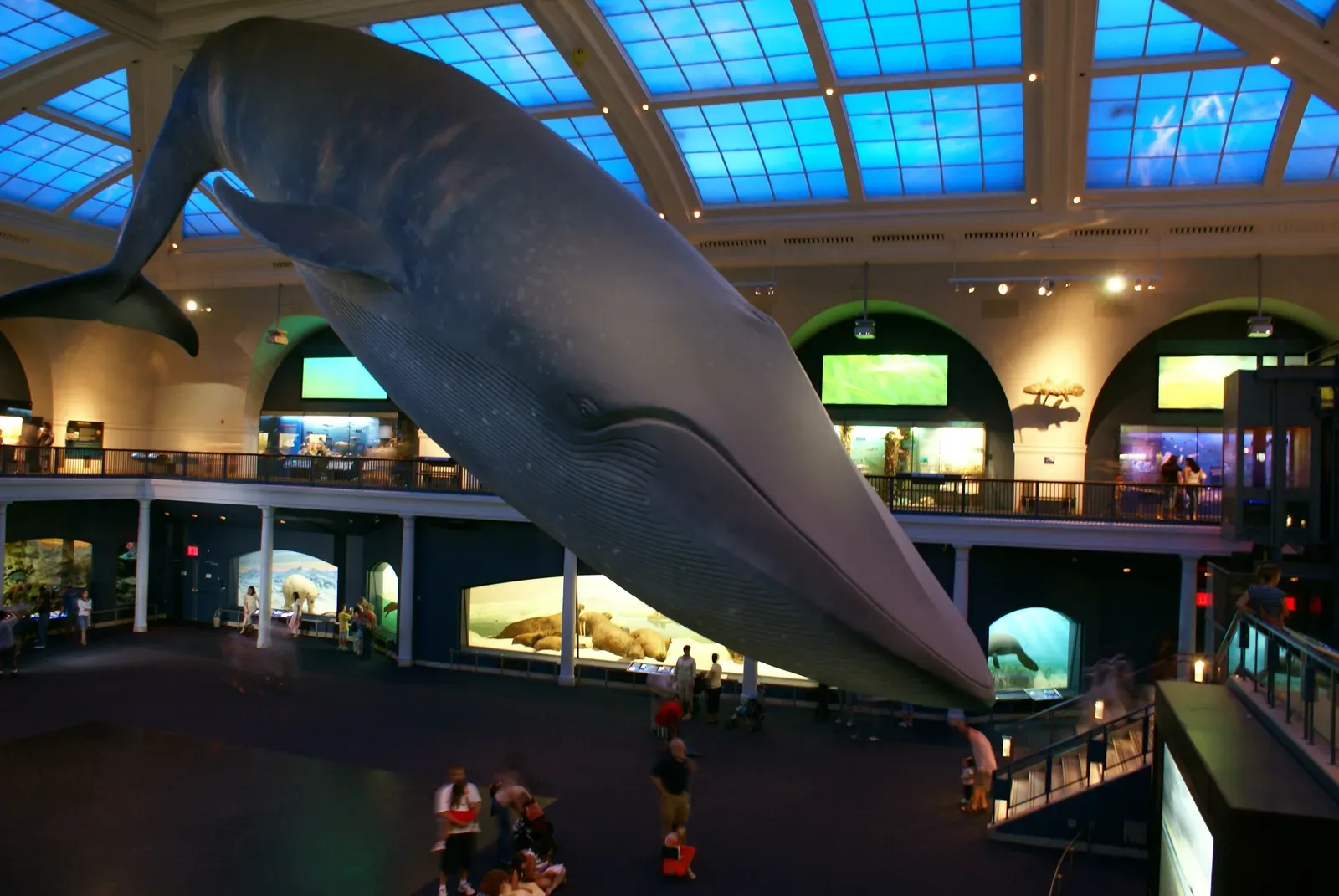
Here’s my honest take: arguing over the single largest “marine dinosaur” is a bit like debating whether the tallest skyscraper or the longest bridge is more impressive. The exact ranking is less important than the fact that Earth’s oceans have repeatedly produced creatures on a scale that feels almost unreal. From the biggest ichthyosaurs to the later mosasaurs, these animals show how far life will push the limits when given space, time, and a whole lot of food.
What sticks with me most is the emotional punch of realizing that we share the planet with that legacy. When a modern blue whale glides under a research boat, it is carrying the baton passed down from those ancient giants, reminding us that the ocean has always been the stage for some of evolution’s wildest experiments. So maybe the real answer is that the largest marine “dinosaur” is not just one species, but the idea of the ocean itself as the ultimate amplifier of size and power – and that, at least to me, is more impressive than any single name on a record list. Which ancient giant would you have guessed wore the crown before you knew any of this?