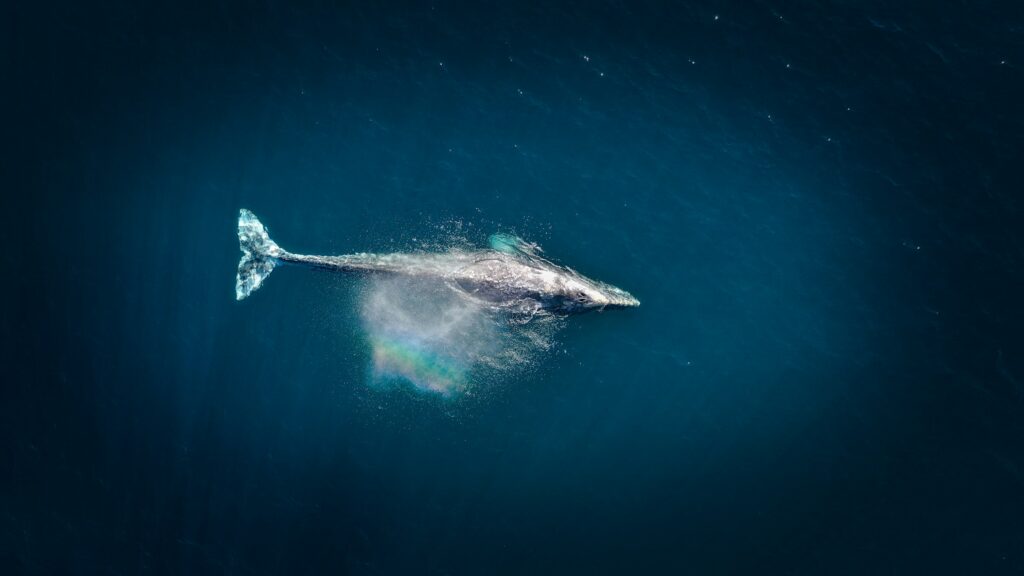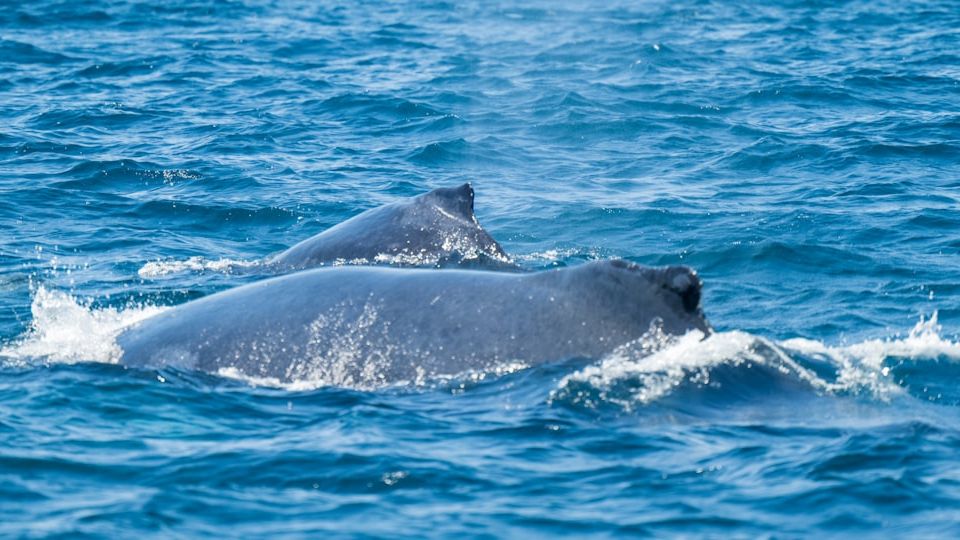
Twenty-two years and 15,000km later: fluke discovery sets new record for humpback whale journey – Image for illustrative purposes only (Image credits: Unsplash)
A humpback whale has completed the longest documented migration on record, covering 15,000 kilometers across a span of 22 years. Researchers identified the animal through distinctive markings on its tail fluke, confirming the extraordinary distance traveled between distant feeding and breeding grounds. The finding draws fresh attention to the physical demands placed on marine mammals during their seasonal movements.
Tracing the Path of a Single Whale
Scientists pieced together the journey from repeated sightings of the same individual over more than two decades. Each observation added another segment to the overall route, eventually totaling the record distance. The process relied on photographic identification rather than tracking devices, which highlights how traditional field methods can still yield major insights.
The whale’s movements took it between established summer feeding areas and winter breeding sites. Such routes are typical for the species, yet the cumulative length and duration stand out as exceptional. Confirmation came only after years of data collection and careful matching of images.
Why the Distance Matters
Long migrations test the limits of energy reserves and navigation skills in large marine animals. This particular case demonstrates that some individuals can sustain these efforts across multiple decades without apparent loss of capacity. The record therefore serves as a benchmark for understanding what is biologically possible.
Marine researchers note that such endurance reflects adaptations built over evolutionary time. Factors like ocean currents, food availability, and predator avoidance all influence whether a whale can complete these circuits repeatedly. The new measurement adds concrete evidence to existing models of migration efficiency.
Broader Lessons for Conservation
Documented records like this one help set realistic expectations for population recovery efforts. When individual animals prove capable of traveling vast distances over long periods, it underscores the need to protect wide stretches of ocean rather than isolated patches. Habitat connectivity becomes essential for maintaining these natural patterns.
Continued monitoring will determine whether similar journeys occur more often than previously recognized. Each verified case strengthens the case for international cooperation on ocean management. The focus remains on preserving the conditions that allow these migrations to continue uninterrupted.