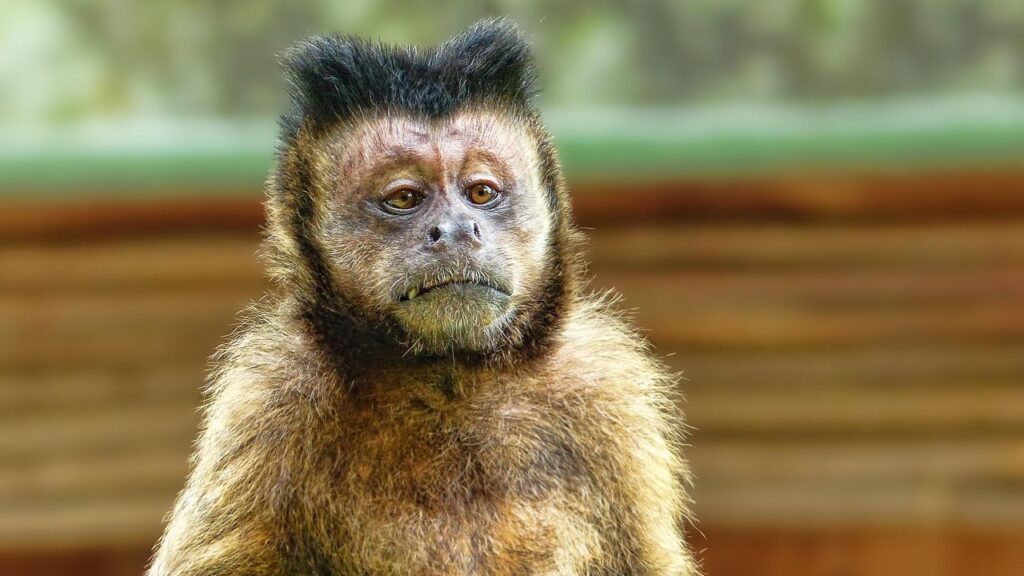
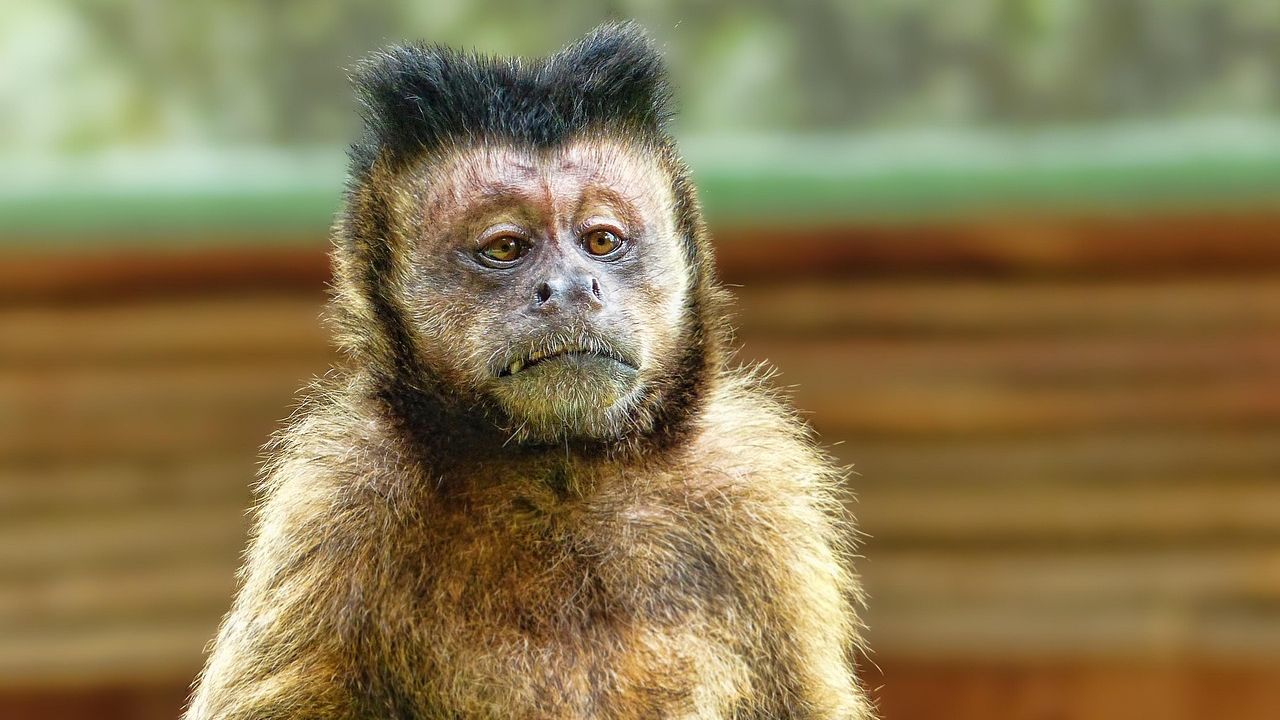
New report reveals sharp rise in online sale of primates on social media in US – Image for illustrative purposes only (Image credits: Pixabay)
A recent report has documented a clear uptick in the online sale of primates through social media platforms across the United States. The findings have drawn attention from specialists who track wildlife commerce and animal welfare. This shift highlights how digital spaces are reshaping access to exotic animals in ways that were less visible just a few years ago.
Why the Trend Matters Now
The increase comes at a time when social media continues to expand its role in everyday commerce. Platforms that once served mainly for personal connections now host active marketplaces for live animals. Specialists note that the ease of posting and connecting buyers with sellers has lowered barriers that once limited such exchanges. As a result, the volume of activity appears to have grown noticeably in a short period. This development carries weight because primates require specialized care that many private owners cannot provide. The report underscores how quickly these animals can move from one setting to another without proper oversight. Public awareness of the issue has also risen, prompting calls for closer monitoring of online activity.
Expert Reactions and Key Concerns
Those who study the primate trade point to several practical problems that accompany the rise in sales. Health risks to the animals themselves stand out, as transport and new environments can introduce stress and disease. Legal frameworks around ownership vary by state, creating gaps that online sellers may exploit. The report also draws attention to longer-term effects on wild populations. Even when animals are described as captive-bred, demand can indirectly fuel illegal capture. Experts emphasize that consistent enforcement and platform policies will be needed to address these patterns.
What Matters Now
The findings suggest that current approaches to regulating online animal sales may need updating. Platforms, regulators, and animal welfare groups each hold pieces of the solution. Coordinated steps could reduce the visibility of these listings while protecting legitimate conservation work. Continued observation of social media activity will help track whether the upward trend continues or levels off. The report serves as a reminder that digital marketplaces evolve rapidly and require ongoing attention from those responsible for oversight.