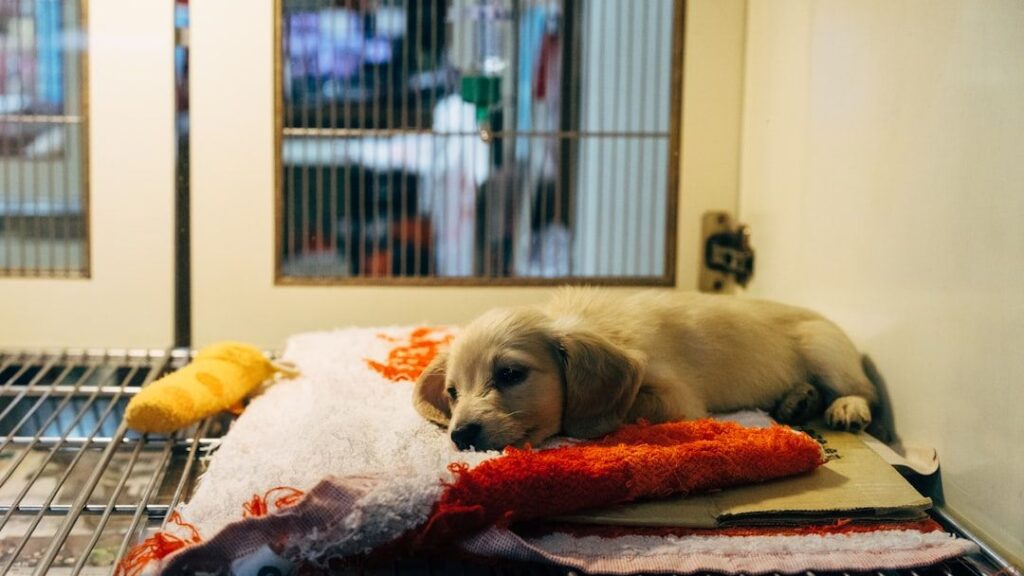
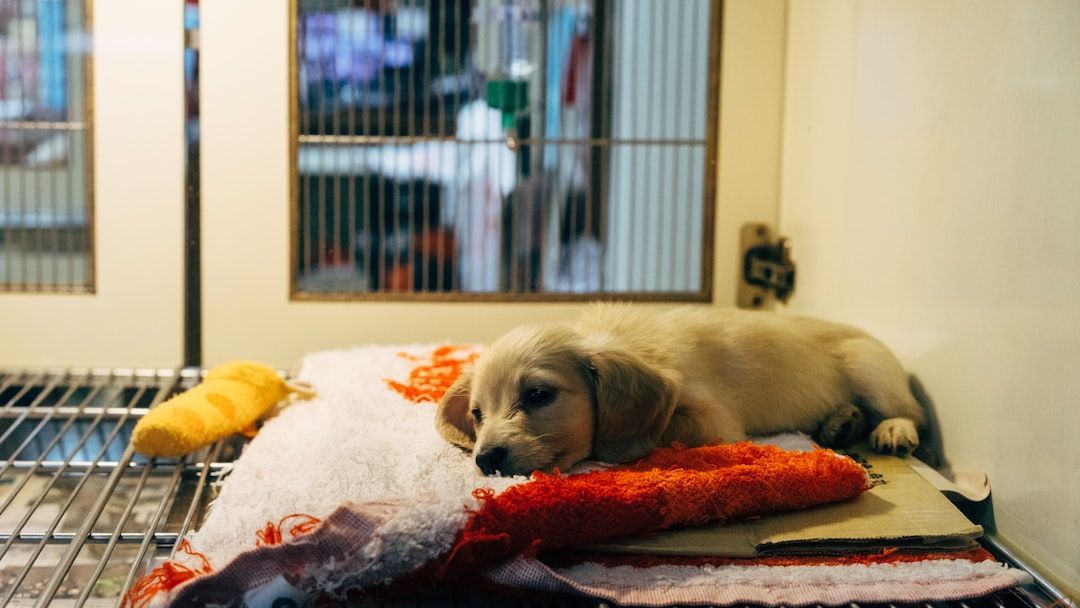
Fort Collins animal research lab closes, USDA reports dozens of dogs and cats rehomed – Image for illustrative purposes only (Image credits: Unsplash)
In Fort Collins, a research facility that once housed animals for testing has now ended its work. Federal officials with the U.S. Department of Agriculture canceled the site’s operations, bringing its activities to a close. Dozens of dogs and cats have since been transferred to a sanctuary in Wyoming, where staff are helping them adjust to new surroundings.
Federal Review Leads to Shutdown
The closure followed standard regulatory steps taken by the USDA. Officials determined that the facility no longer met the conditions needed to continue its research program. Once that decision was made, the site stopped all animal-related work and began the process of relocating the animals in its care.
This outcome aligns with how federal agencies manage research sites when contracts or approvals expire. The Fort Collins location, previously active in animal testing, now stands empty of its former residents. No further operations are planned at the address.
Transition to Sanctuary Care
The dogs and cats arrived at the Wyoming sanctuary in recent weeks. Caregivers there focus first on basic health checks and gradual introductions to quieter, more open spaces. Many of the animals had spent their lives in laboratory settings, so the shift requires patience and consistent routines.
Rehabilitation includes daily monitoring to track how each animal responds to the change. Staff provide enriched environments with toys, bedding, and social interaction where appropriate. Progress varies by individual, and some animals need more time than others to show signs of comfort.
Over time, the sanctuary aims to prepare the dogs and cats for potential adoption into private homes. This phase emphasizes building trust and reducing any stress carried over from earlier conditions. Updates from the facility indicate steady improvement across the group.
Observers familiar with similar transfers note that such moves often mark the start of longer-term recovery. The Wyoming location offers room for the animals to explore and rest without the constraints of a research environment. Continued observation will determine how fully each one adapts.
Looking Ahead for Research Facilities
Cases like this one illustrate the practical steps involved when a research operation ends. Agencies continue to oversee animal welfare standards at active sites across the country. The Fort Collins example shows one path forward when federal approval is withdrawn.
Attention now turns to how other facilities handle similar transitions if they arise. The focus remains on ensuring animals receive appropriate care during any relocation. This approach reflects ongoing efforts to balance research needs with responsible oversight.
The closure and rehoming underscore the role of federal oversight in protecting animals used in research settings.
The animals now settling into Wyoming represent a clear shift from laboratory life to sanctuary routines. Their progress will continue to be tracked as rehabilitation unfolds. This development offers a measured example of how such closures can conclude.