There’s a magical moment when a grandchild looks up at you with wide eyes and says something like, “Wait… how do you even know that?” Those are the moments this article is built for. You don’t need a degree in paleontology or a museum membership; you just need a few surprisingly powerful dinosaur facts that sound almost unbelievable but are solidly backed by science.
I’ve tried versions of these three facts on real kids at dinner tables, in back seats, and during “just one more story” bedtime talks. Every single time, conversation exploded into follow‑up questions, wild theories, and a kind of focused attention you rarely get once a tablet is nearby. Think of these as your secret little verbal fossils: compact, easy to remember, and guaranteed to make you look like the most interesting grown‑up in the room.
1. Some Dinosaurs Had Feathers (And Looked More Like Giant Angry Birds Than Lizards)
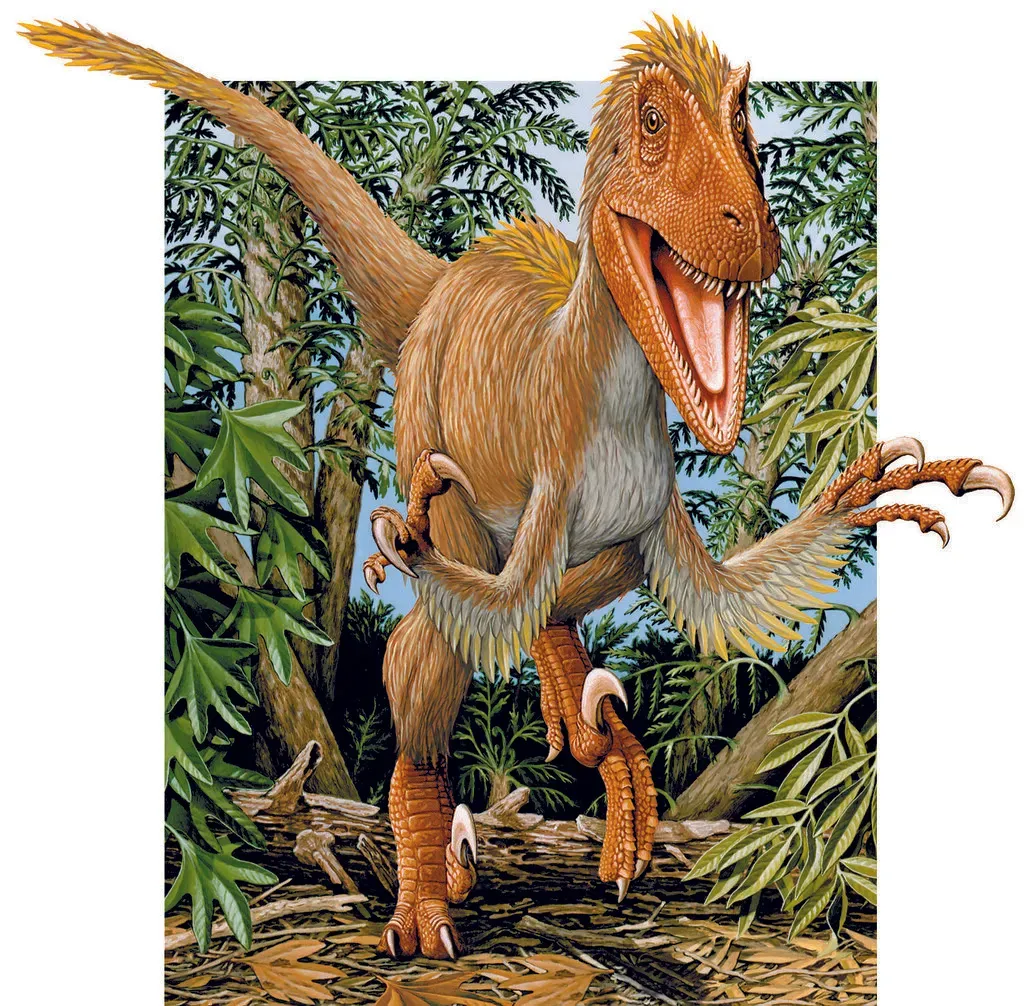
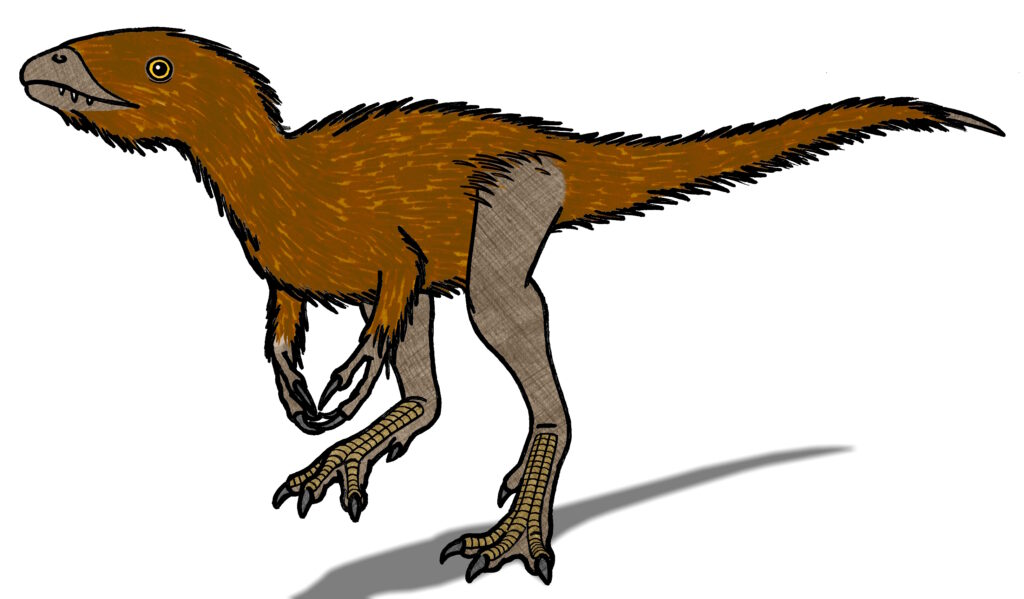
Kids still tend to imagine dinosaurs as giant scaly lizards, but scientists now know that many of them were actually covered in feathers, fuzz, or something in between. Paleontologists have found fossil impressions that clearly show feather‑like structures on several species, including raptor‑type dinosaurs related to Velociraptor. You can tell your grandchild that if you saw some of these dinosaurs in real life, they might look more like oversized, terrifying chickens than the smooth‑skinned monsters from old movies.
This is where you can really lean into the story: explain that birds today are actually living dinosaurs, not just “like” dinosaurs, but literally their surviving relatives. That chicken nugget? It is more closely related to T. rex than T. rex was to a crocodile. Suddenly the sparrows in the backyard are not boring at all; they’re tiny, high‑tech dinosaur descendants, walking and flying around your neighborhood as if nothing ever happened.
2. T. Rex Had a Bite So Powerful It Could Crush a Car (But Its Arms Were Almost Useless)
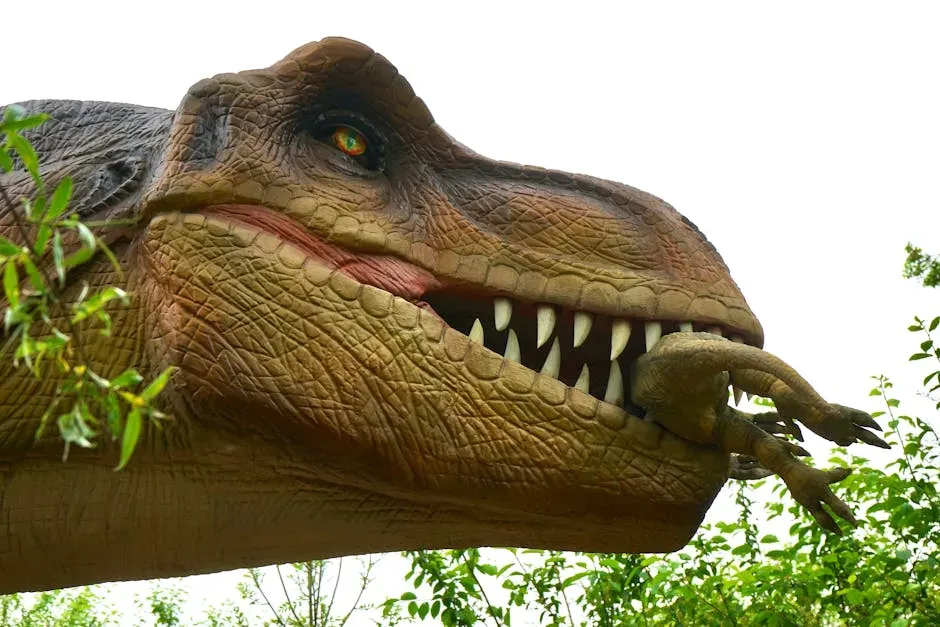
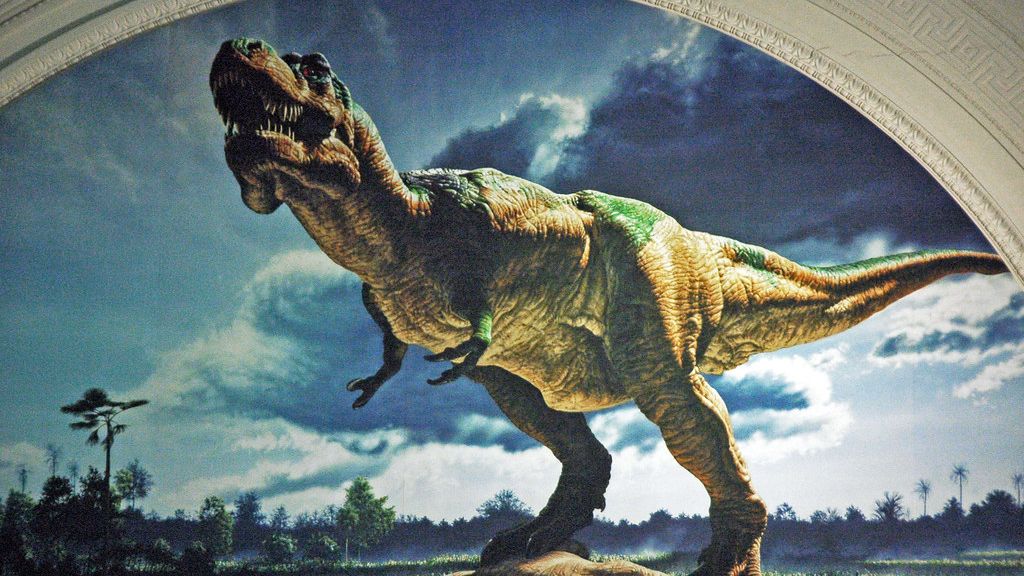
When kids think of T. rex, they imagine a roaring, unstoppable monster, and honestly, that’s not far off. Scientists estimate that the bite force of a Tyrannosaurus rex was among the strongest of any land animal that has ever lived. Its jaws and skull were built like a biological hydraulic press, able to crunch through bone as if it were a hard cookie. You can paint the picture: imagine something biting down with the force of a small truck slamming into you, but focused into a row of steak knives.
Then comes the twist that kids love: for all that power, T. rex had comically tiny arms that were not very useful. Each arm was short, had only two main fingers with claws, and probably could not even reach its own mouth. It is like nature built a super‑powered monster truck and then stuck toy arms on the front. Asking kids what they think T. rex actually used those arms for is a guaranteed conversation starter – scratching its sides, holding onto prey, or just doing useless little dinosaur push‑ups for show.
3. Dinosaurs Lived for So Long That T. Rex Is Closer to Us in Time Than to Many Other Dinosaurs
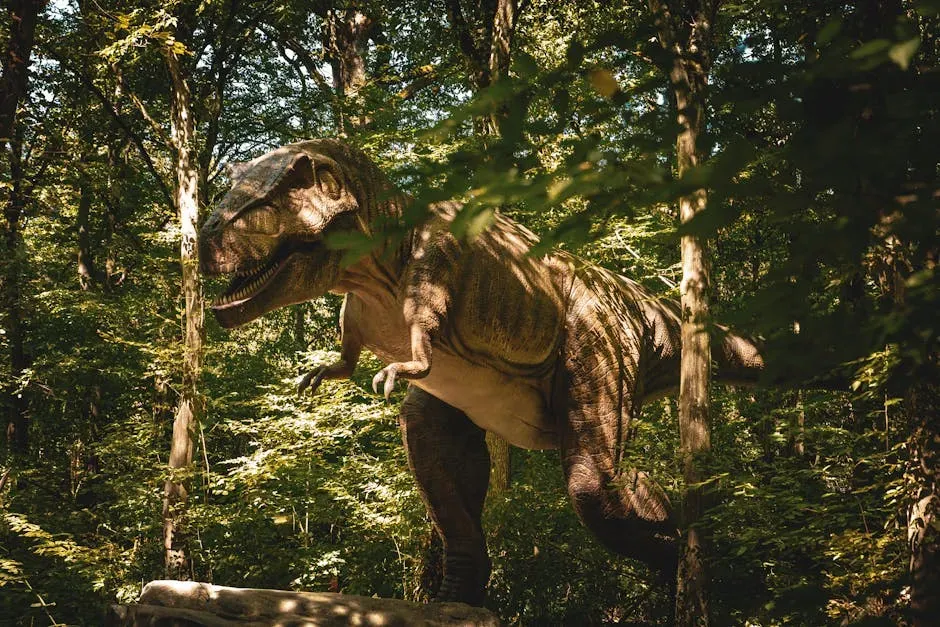
This one always blows kids’ minds because it scrambles their sense of time. We tend to lump “dinosaurs” into one big era in our heads, like they all lived together in a giant prehistoric neighborhood. In reality, dinosaurs ruled Earth for an incredibly long time, stretching across tens of millions upon tens of millions of years. If you lined up dinosaur history on a timeline, a lot of the famous species never even met.
The jaw‑dropper you can share: the time gap between some early dinosaurs and T. rex is actually bigger than the gap between T. rex and humans today. In other words, a T. rex is, in a rough sense, more of a “recent neighbor” to us than it was to many of the older dinosaur species. To a child, it is like realizing that their great‑great‑great‑grandparents and their best friend’s hamster are somehow on the same timeline, while other creatures they assumed were “together” are separated by almost unimaginable stretches of time.
Conclusion: You Don’t Need a Lab Coat to Be the Cool Dino Expert
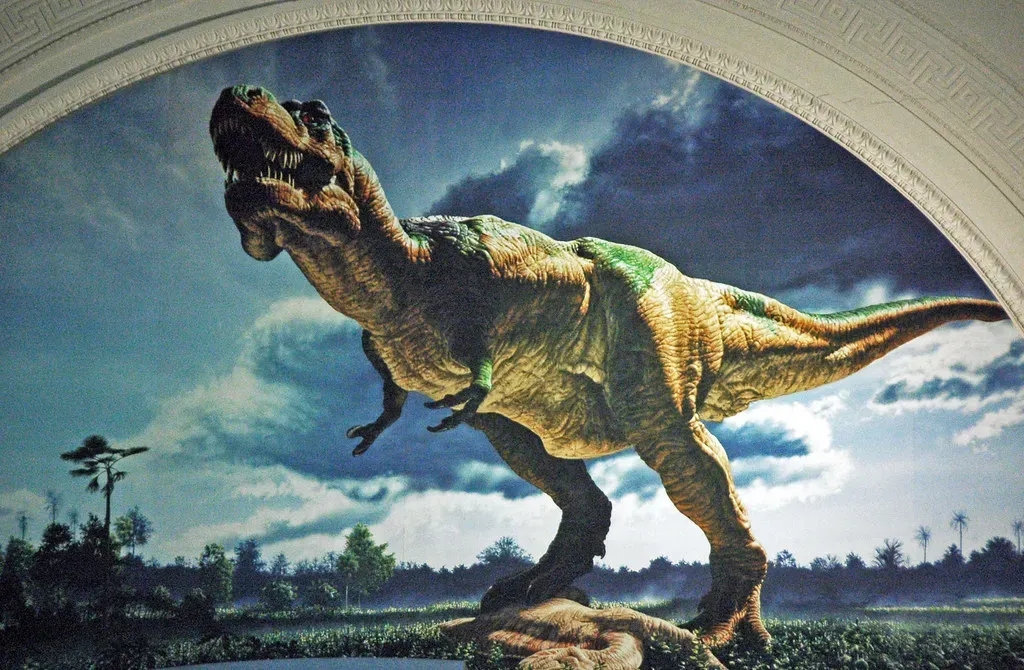
The best part of these three facts is that they turn you into a kind of dinosaur translator: you’re not just listing trivia, you’re reshaping how kids picture the ancient world. Suddenly dinosaurs are fluffy, weird, and unexpectedly related to the pigeons on the sidewalk. T. rex becomes both more terrifying and more ridiculous, with its bite‑through‑a‑car mouth and its tiny, almost useless arms. And that long stretch of deep time stops being a boring blur and becomes something mysterious, huge, and slightly humbling.
My opinion, after trying this with real kids, is that you do not need a huge list of facts to impress them – just a few carefully chosen ones that flip their assumptions upside down. When they realize that you know things their cartoons and school posters never mentioned, you stop being “just” the adult in the room and become the person who lets them in on the universe’s best secrets. So the next time you are stuck in line, in traffic, or at the dinner table, try dropping one of these dino bombs and see what happens – who knew a feathered T. rex could make you the star of the conversation?