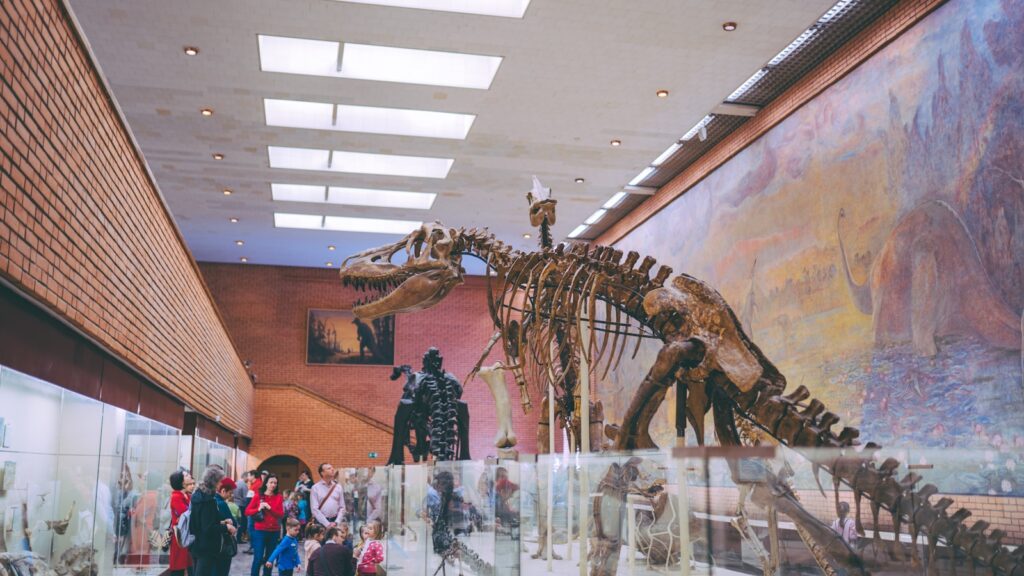
There’s something strangely magnetic about stories set before recorded history. No cities, no smartphones, no written language – just raw survival, sprawling landscapes, and creatures that look like they’ve escaped straight from a nightmare sketchbook. Prehistoric films tap into that deep, almost childlike curiosity we have about where humans came from and what it might have felt like to stand face to face with a towering dinosaur or a saber-toothed predator. Even when the science is a bit loose, the emotional pull can be huge.
What’s fascinating is how wildly different prehistoric movies can be. Some lean hard into spectacle and monster mayhem, others are surprisingly quiet, thoughtful, or emotionally devastating. A few even dare to strip away almost all dialogue and trust the audience to follow along with grunts, gestures, and pure visual storytelling. The ten films below are not just “caveman movies” or dinosaur showcases – they’re ten very different lenses on a world that existed long before us, but still says a lot about who we are today.
1. One Million Years B.C. (1966)
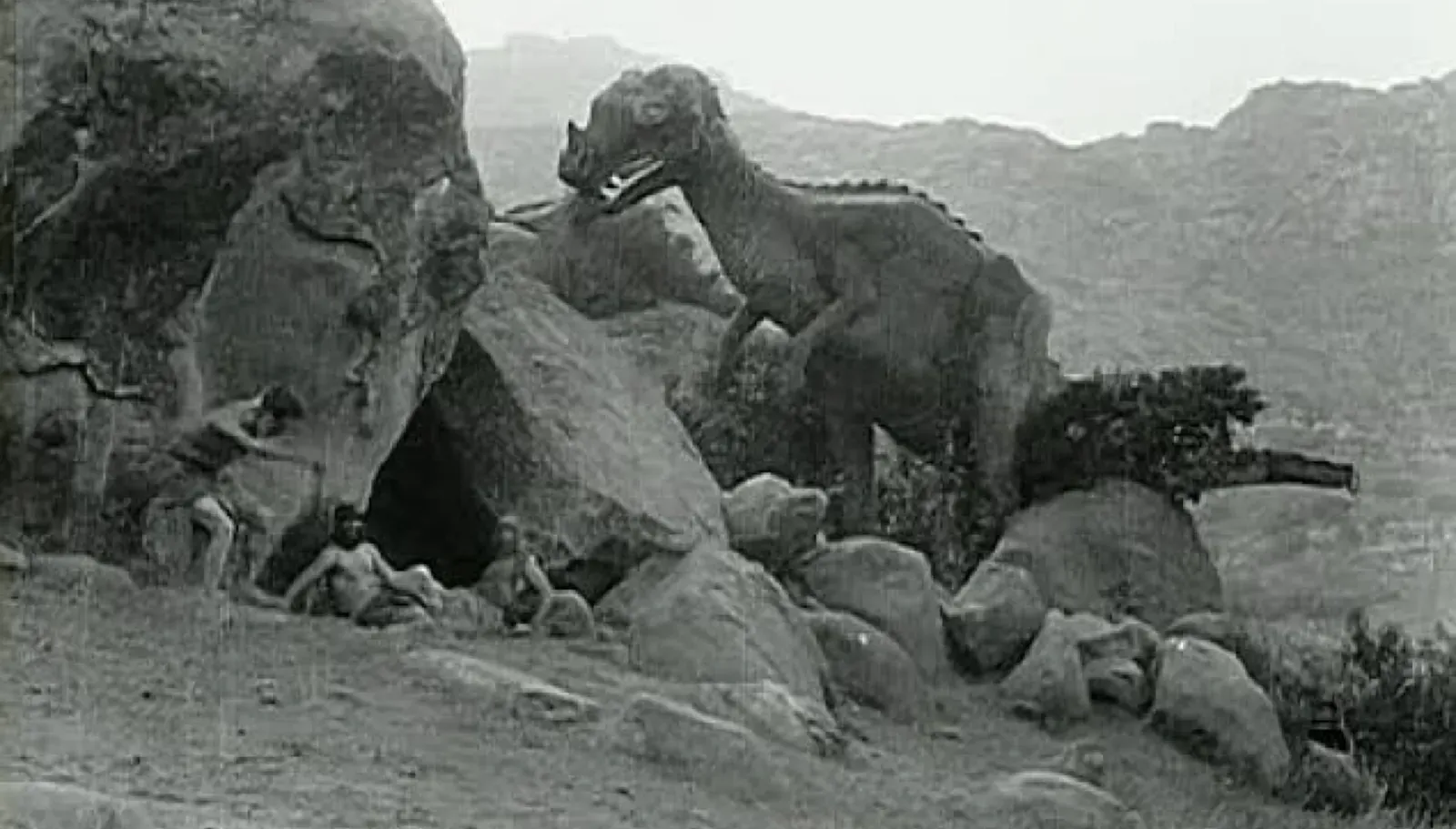
For a lot of people, this is the first movie that pops into their head when they think “prehistoric cinema,” and honestly, that alone makes it worth talking about. It’s wildly inaccurate – in reality, humans and dinosaurs never coexisted – but that has never stopped this film from being iconic. Between the lava flows, giant lizards, stop-motion monsters, and that famous fur bikini, it operates more like a pulpy fever dream than a natural history lesson.
What keeps it fun, even now, is how unashamedly big and operatic everything feels. The plot is simple: rival tribes, survival, and a constant barrage of deadly creatures and natural disasters. But beneath the kitsch and spectacle, there’s a strangely earnest energy, like a kid smashing toys together and sincerely believing the fate of the world hangs in the balance. If you go in expecting a documentary, you’ll roll your eyes; if you go in for vintage, larger-than-life prehistoric fantasy, you’ll understand why this film has stuck around in pop culture for decades.
2. The Land Before Time (1988)
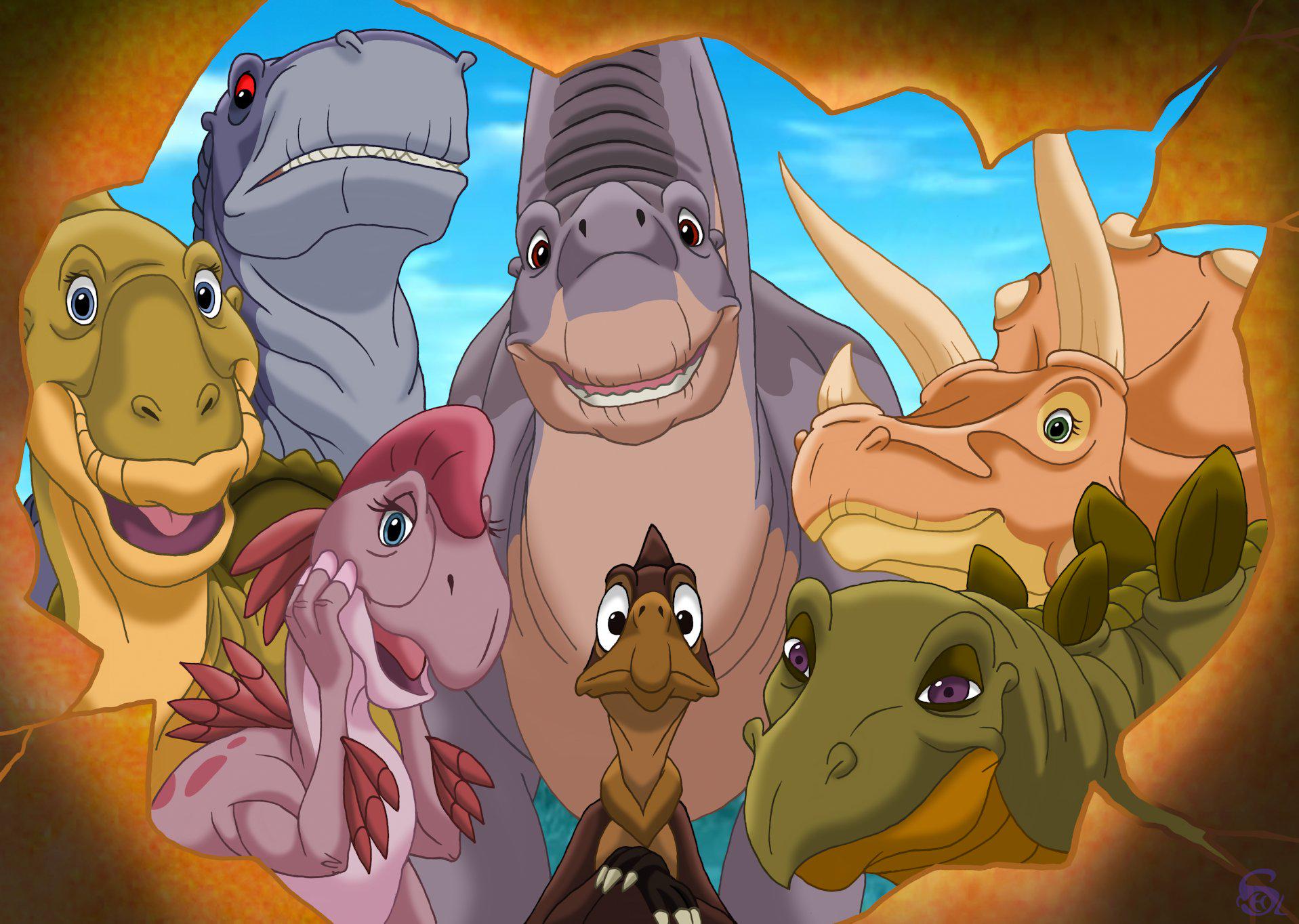
If you grew up in the late eighties or nineties, this movie probably hit you right in the chest. The Land Before Time looks like a charming dinosaur adventure for kids, but emotionally it goes much deeper than that. Through the eyes of Littlefoot and his friends, it turns the prehistoric world into a place of both wonder and painful loss, dealing head-on with grief, friendship, and the terrifying uncertainty of not knowing if your family or home will ever be the same again.
Animated films about dinosaurs can tilt easily into pure silliness, but here the tone is surprisingly grounded. The landscapes feel huge and dangerous, the predators are genuinely menacing, and the trek to the Great Valley has the weight of a real migration, echoing what we know from paleontology about ancient droughts and extinctions. Sure, the characters speak and sing, but the emotional core is believable enough that adults can revisit it and still feel that knot in the throat. This is one of those rare prehistoric films where the biggest impact comes not from teeth and claws, but from the honesty of its feelings.
3. Quest for Fire (1981)
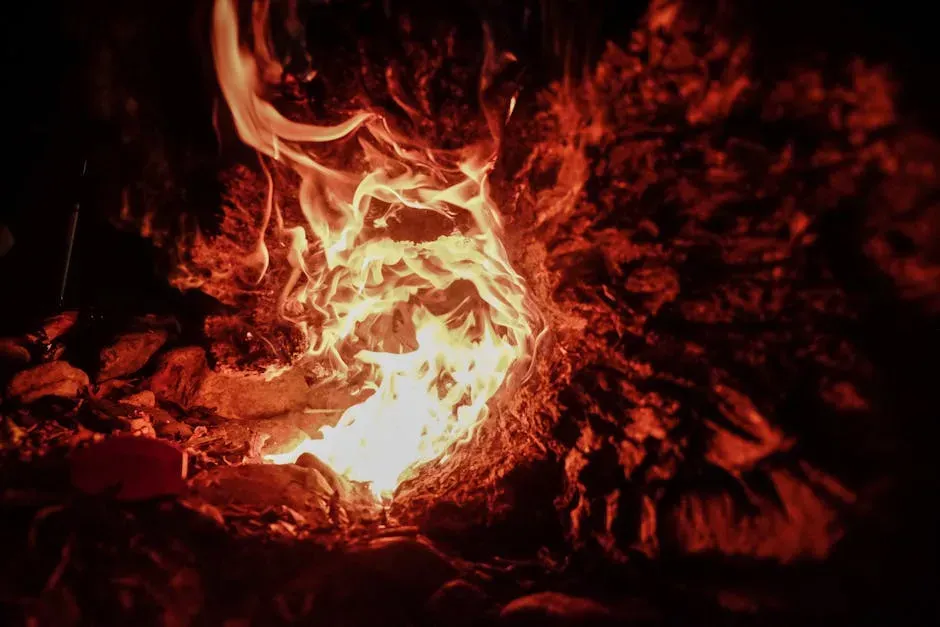
Quest for Fire is one of those movies that sounds like a risky experiment on paper but somehow works beautifully on screen. It follows early humans on a desperate mission to find and preserve fire, and the story is told with almost no modern language – just grunts, gestures, and visually driven storytelling. That choice forces you to pay attention to body language and small details, which ironically makes the characters feel more real than some talk-heavy dramas.
Scientifically, it definitely reflects the understanding of human evolution from the early eighties, and some aspects now feel a little dated. But there’s a serious, almost anthropological respect for these early humans, instead of treating them as punch lines. The film captures how overwhelming the world would have felt without tools, medicine, or reliable food, and how something as simple as holding a flame could mean the difference between life and extinction. It’s not a casual watch, but if you’re willing to lean in, it might be one of the most immersive prehistoric experiences on film.
4. The Croods (2013)
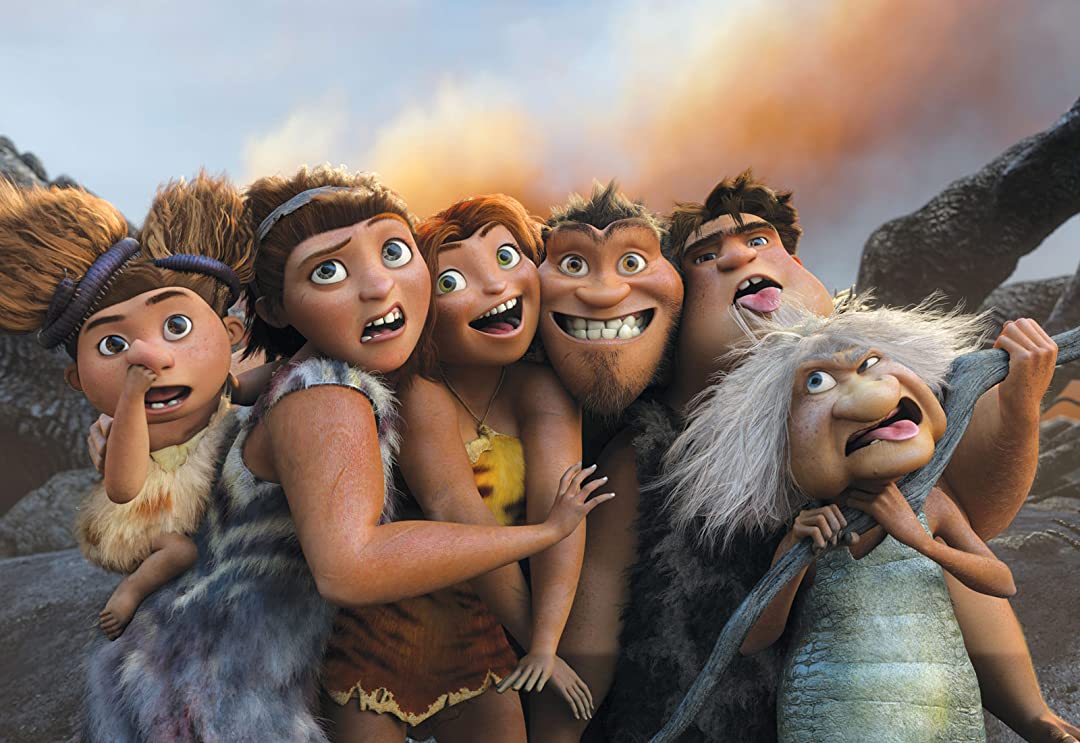
At first glance, The Croods looks like a goofy family comedy with slapstick caveman jokes, and in many ways, that’s exactly what it is. But underneath the bright colors and wild creature designs, there’s a surprisingly sharp story about fear, change, and what happens when your world literally cracks open beneath your feet. The overprotective father, the curious daughter, and the outsider with new ideas form a triangle that feels extremely modern despite the stone-age setting.
What makes The Croods stand out in the prehistoric lineup is how it plays with the idea of evolution as both a scientific and emotional process. New tools, new ways of thinking, new landscapes – they’re all terrifying at first, just like any major shift in human history or personal life. The movie basically says that being willing to climb out of the cave, even if you trip a few times, is what keeps a family – and a species – moving forward. It’s light and funny, but it quietly champions curiosity over fear in a way I really love.
5. Alpha (2018)
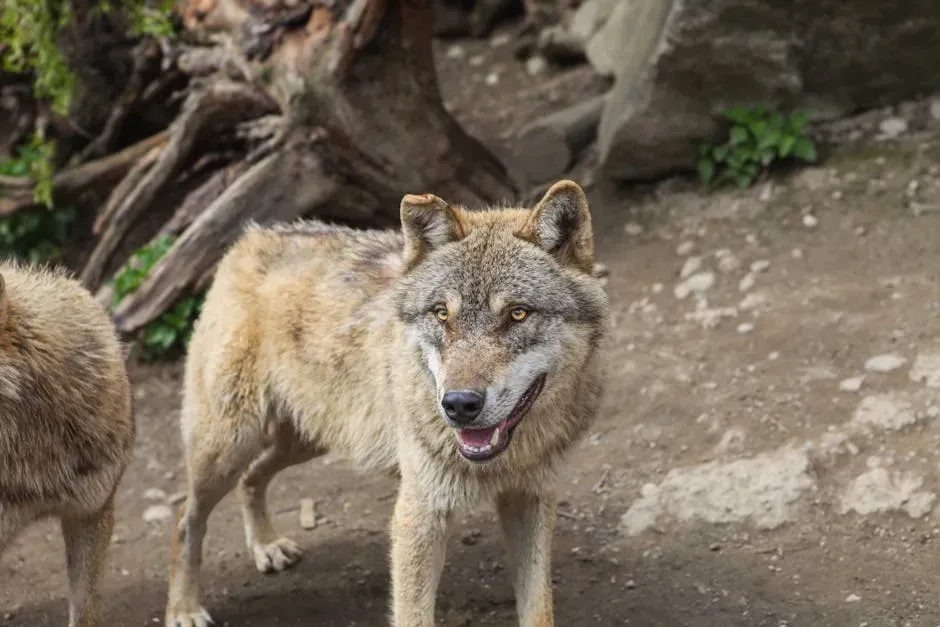
Alpha flies under the radar way more than it deserves to. Set roughly in the Upper Paleolithic era, it tells the story of a young hunter who is separated from his tribe and slowly forms a bond with an injured wolf. That simple premise taps into one of the most important transitions in human prehistory: the long, slow partnership between humans and canines that would eventually reshape both species. The film is not a documentary, but it treats that bond with real care and patience.
Visually, Alpha is stunning – icy landscapes, huge skies, and a constant sense that humans are tiny pieces in a much larger natural system. The invented language and stripped-back dialogue help it feel distant in time without alienating the viewer. Is it perfectly accurate in every archaeological detail? No, and I don’t think it needs to be. What it nails is the emotional truth that cooperation, empathy, and trust were as vital to our survival as sharp tools or strong muscles. In a genre often obsessed with brute force, Alpha dares to say that tenderness was just as revolutionary.
6. Ice Age (2002)
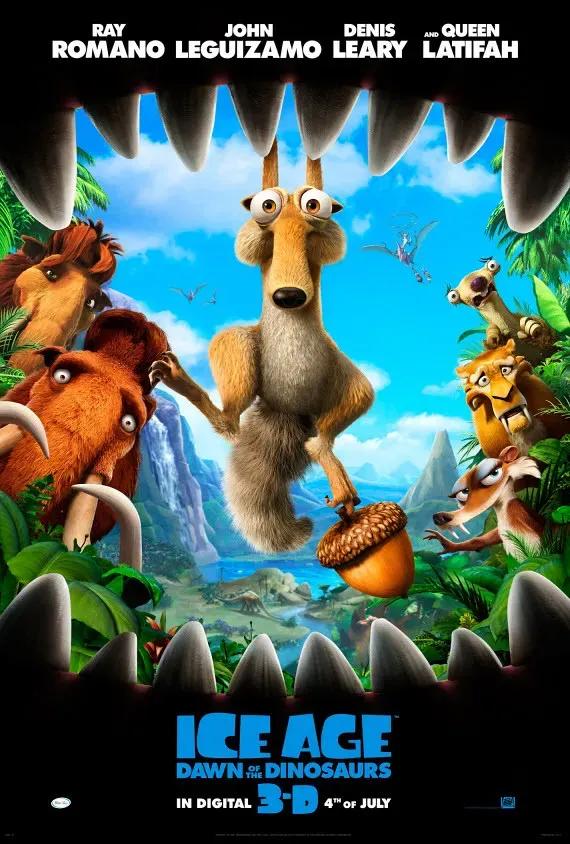
Ice Age is one of those movies that everyone treats like a punchy little comedy, but if you zoom out, it’s doing a few pretty clever things. Set during the Pleistocene glaciations, it throws together a motley group of prehistoric mammals and sends them on a reluctant rescue mission with a human baby. The animals talk, crack jokes, and defy time periods in all sorts of ways, but the backdrop – the advancing ice, the changing climate, the mass movements of herds – loosely echoes what we know about that era.
What really works, though, is how it turns extinction-level events into something kids can emotionally process. The characters are constantly on the edge of losing their homes, their families, and even their species, but they meet that instability with humor and oddball solidarity. It is absolutely not a textbook, yet it sneaks in basic ideas about migration, survival, and the deep time of Earth’s history. Plus, that little saber-toothed squirrel endlessly chasing his acorn might be the most relatable portrait of obsession ever put in a supposedly prehistoric setting.
7. Walking with Dinosaurs (1999)
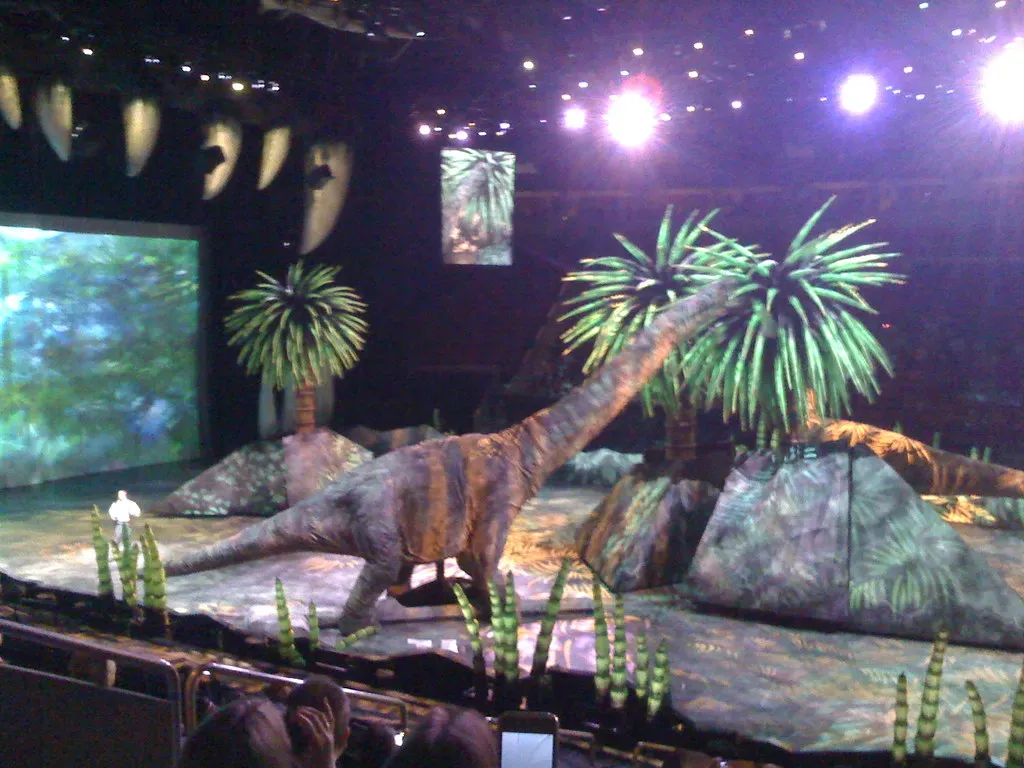
This one is a bit of a cheat, because it is technically a documentary-style series rather than a traditional narrative film, but its impact on prehistoric media is too big to skip. Walking with Dinosaurs used then cutting-edge visual effects and careful paleontological consulting to bring Mesozoic ecosystems to life with surprising realism for its time. Instead of just showing isolated animals, it painted a full picture: predator and prey dynamics, seasonal changes, disease, and the constant push and pull of survival.
What I’ve always appreciated is that it leans into the idea of dinosaurs as real, living animals, not movie monsters. They get sick, they raise young, they make mistakes, they struggle. The show is built like a nature documentary, complete with a calm voiceover, but emotionally it can hit as hard as any drama when a familiar creature succumbs to injury or environmental change. New discoveries have updated or corrected some of its depictions, but as a gateway into thinking of prehistoric life as complex and interconnected, it remains a milestone.
8. The Good Dinosaur (2015)
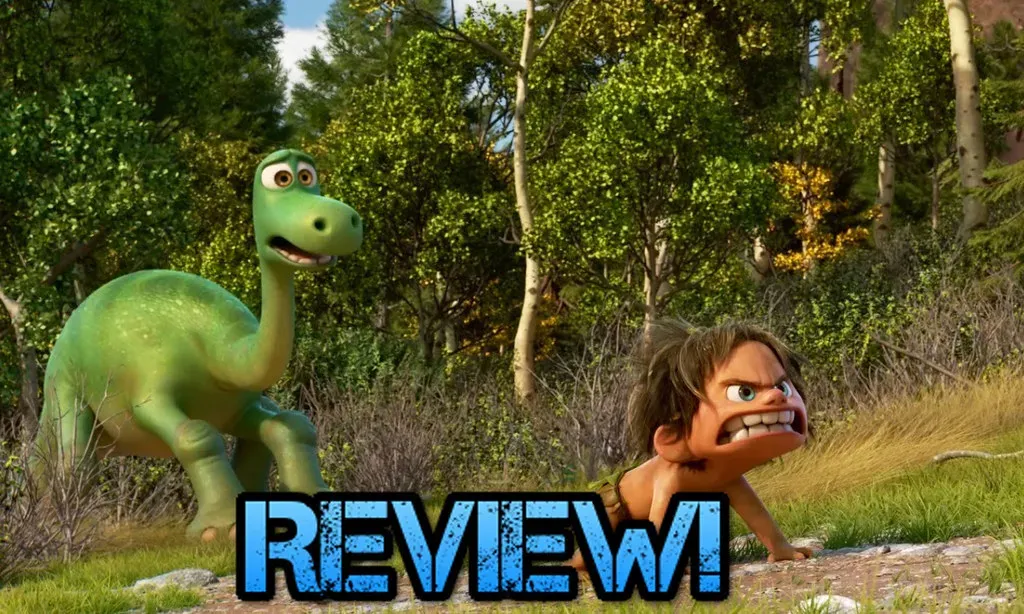
The Good Dinosaur starts with a bold “what if”: what if the asteroid that wiped out the dinosaurs simply missed? From there, it imagines an alternate prehistory where dinosaurs evolve into farmers and herders while humans remain more wild and animal-like. Scientifically, it is pure fantasy, but that playful reversal sets up a surprisingly touching story about fear, courage, and the messy process of growing up. The dinosaur Arlo and the feral human child Spot become an unlikely duo that flips the usual “civilized human, wild animal” dynamic on its head.
Visually, the film is breathtaking, with landscapes that feel photorealistic against more stylized characters. That contrast almost sells the idea that this could be some forgotten chapter of Earth’s past. What really sticks with me, though, is how honestly it treats anxiety and failure. Arlo is not a natural hero; he is scared, hesitant, and constantly pushed beyond his comfort zone. In a genre full of tough, stoic survivors, watching a prehistoric protagonist wobble, fall apart, and still get back up feels refreshingly human.
9. Clan of the Cave Bear (1986)
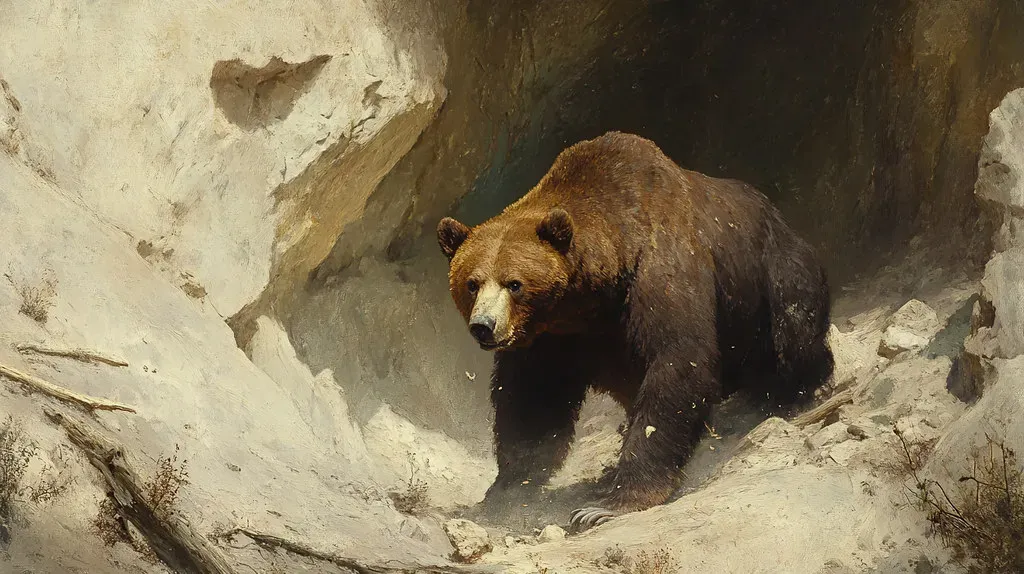
Based on the novel by Jean M. Auel, Clan of the Cave Bear dives into the tension between different human species in the prehistoric world, focusing on a young Homo sapiens girl raised by Neanderthals. The film had a tough time finding an audience and never became a mainstream hit, but its ambition is undeniable. It takes the social and spiritual lives of prehistoric people seriously, instead of treating them as background noise for monster attacks. That alone makes it stand out in a field obsessed with teeth and claws.
The movie uses sparse dialogue and invented languages, relying heavily on expressions and atmosphere to communicate complex relationships. Watching it today, some elements feel dated and the pacing is slower than modern audiences might prefer. But I think there’s real value in how it tries to imagine daily life, gender roles, and cultural conflicts tens of thousands of years ago. It may not be flawless, yet it’s one of the few prehistoric films that aims for emotional nuance rather than simple spectacle, and I respect it for swinging big.
10. The Flintstones (1994)
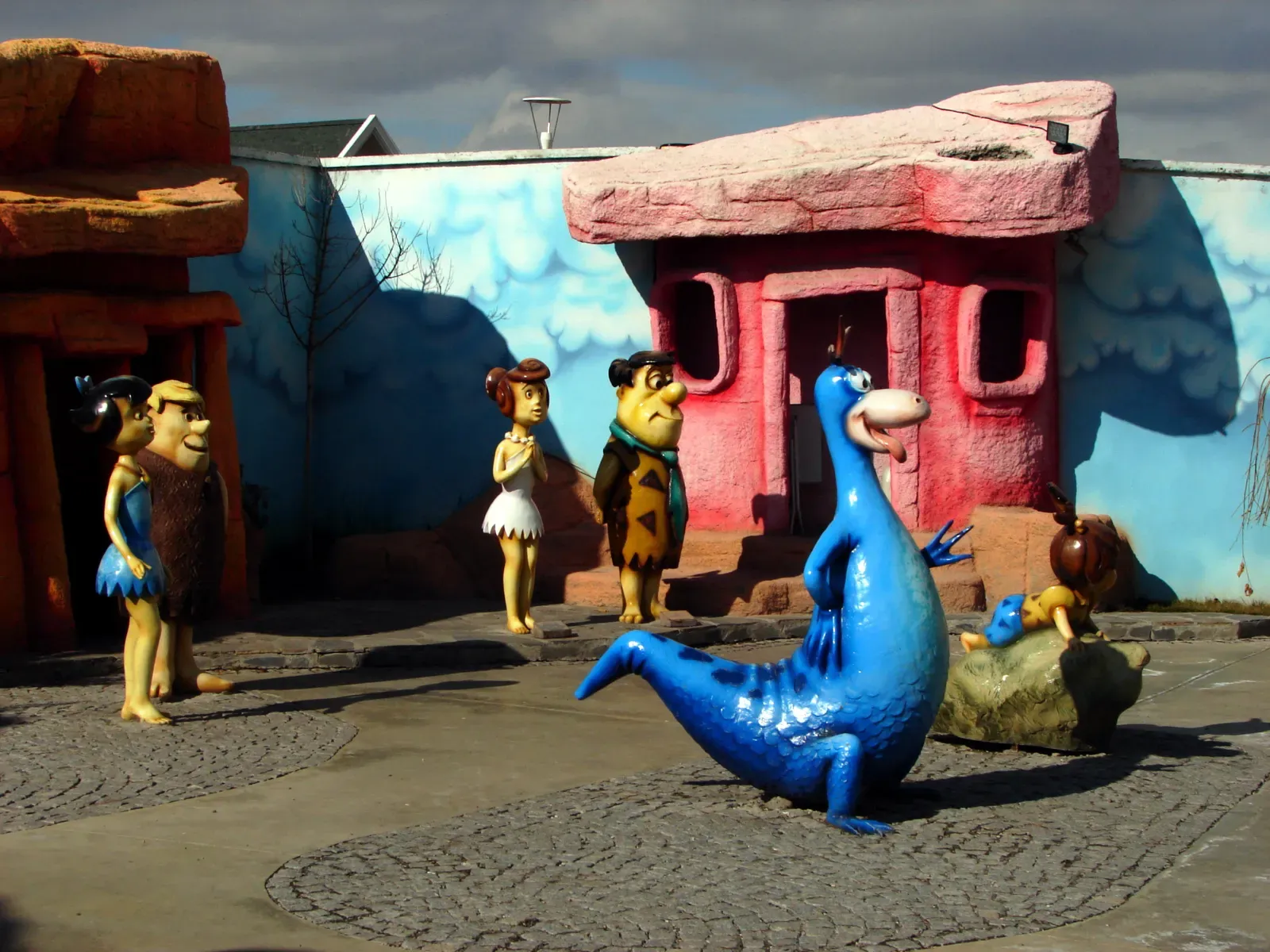
Is The Flintstones scientifically accurate? Not even close – and that’s exactly why it earns its place on this list. The live-action adaptation of the classic animated show is a cartoonish mash-up of stone-age aesthetics and mid-twentieth-century suburbia, stuffed with rock puns, dinosaur appliances, and fossil-fueled sight gags. It never pretends to be a real glimpse into prehistory, but it shows how prehistoric imagery has soaked into pop culture to the point where we casually blend it with whatever era we want.
What fascinates me about The Flintstones is that it turns into a kind of mirror for our own modern habits and absurdities. Cars powered by foot, living dinosaurs used as garbage disposals, bowling nights carved in stone – none of it makes sense, and that’s the joke. In a strange way, though, it proves that prehistoric settings are flexible enough to handle satire, nostalgia, and pure silliness as easily as they handle epic survival stories. Not every trip to the distant past has to be solemn or scientifically rigorous; sometimes it can just be a noisy, goofy reminder of how weird human life has always been.
Conclusion: Why We Keep Going Back to the Distant Past
Looking across these films, what jumps out is how little they agree on what “prehistoric” should look like – and how that disagreement is actually a strength. Some chase accuracy with careful reconstructions of species and tools, while others treat the era as a blank canvas for fantasy, comedy, or emotional allegory. Personally, I think both approaches have value. The scientifically grounded stories help us respect the reality of deep time, while the wilder ones reveal what we fear, hope, and dream about when we think of a world without modern safety nets.
For all their differences, these movies share a core obsession: what does it mean to be human when everything is dangerous and nothing is guaranteed? Whether it is a child dinosaur grieving a parent, a clan guarding a precious flame, or a family crawling out of a collapsing cave, the prehistoric setting strips life down to the basics in a way that feels oddly clarifying. That is why I keep coming back to this subgenre, flaws and all – it reminds me that our stories started long before history books and will probably outlast most of what we take for granted now. If you could step into just one of these worlds for a day, which age-old struggle would you choose to face first?