
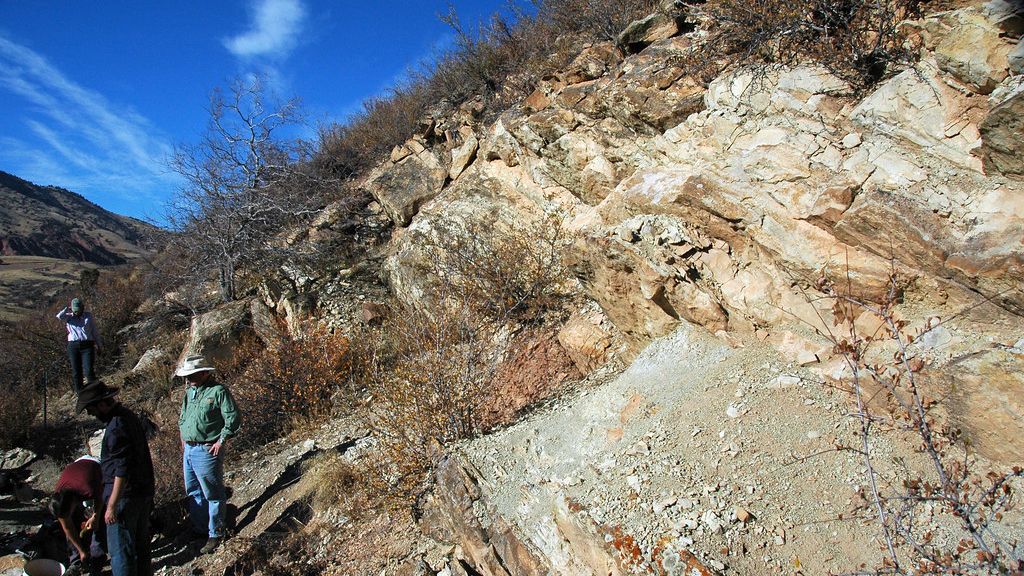
Somewhere right now in the United States, a paleontologist is brushing dirt away from a bone that has not seen daylight in more than sixty million years. That idea never really gets old. We tend to think of dinosaurs as something locked away in museum glass, but in a surprising number of places you can still walk the same hills where real skeletons are coming out of the rock today. Sometimes they are pulled out by professionals with million‑dollar labs, and sometimes by ranchers who just happen to notice a strange shape on a dusty slope.
What makes this even wilder is that many of these active bone beds are not in remote, off‑limits zones. Some are right off highways, hidden behind visitor centers, or even on land where kids on school trips can watch a fossil being uncovered. In this article, we will tour eight spots across the United States where dinosaur bones are not just stories from the past but ongoing discoveries. If you have ever stared at a skeleton in a museum and thought, “I wish I could see where that came from,” these are the places that bring that fantasy a lot closer to real life.
1. Hell Creek Formation, Montana – The Land of the Last Dinosaurs
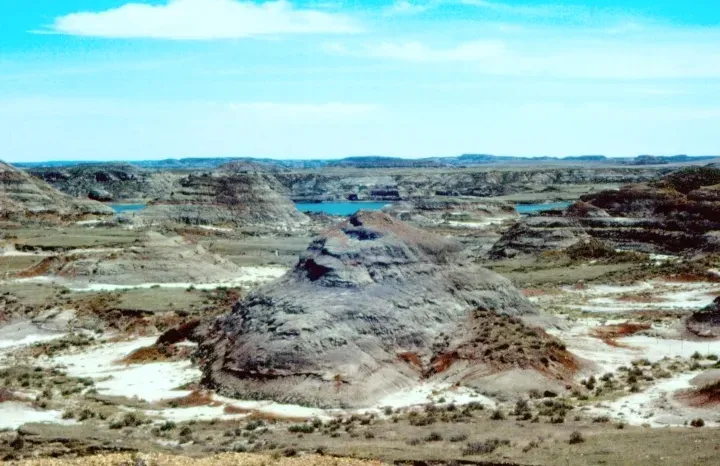
If you picture the final days of the dinosaurs, you are probably imagining something that actually looked a lot like the Hell Creek region of Montana. This rock formation, spread across parts of Montana, North Dakota, South Dakota, and Wyoming, preserves the very end of the age of dinosaurs, right up to the impact event that changed everything. In eastern Montana especially, ranch land and badlands hide bones of Tyrannosaurus, Triceratops, and duck‑billed hadrosaurs that are still being pulled out of the ground nearly every field season. It is not unusual for a single site here to produce dozens of partial skeletons and scattered bones all layered together like a prehistoric traffic jam.
Most of Hell Creek is not a public dig site; it is a patchwork of private lands, state properties, and research areas where universities and museums work under careful permits. But what makes this place so legendary is the pace of discoveries and the way it keeps rewriting what we thought we knew about these “last” dinosaurs. New Tyrannosaurus specimens with preserved skulls, elaborate frills on horned dinosaurs, and even hints of skin impressions have all come from these bluffs and gullies. The region shows that dinosaur hunting is not a closed chapter; it is more like a book where someone keeps sneaking in new pages at the end.
2. Dinosaur National Monument, Colorado–Utah – A Wall of Bones That Keeps Giving
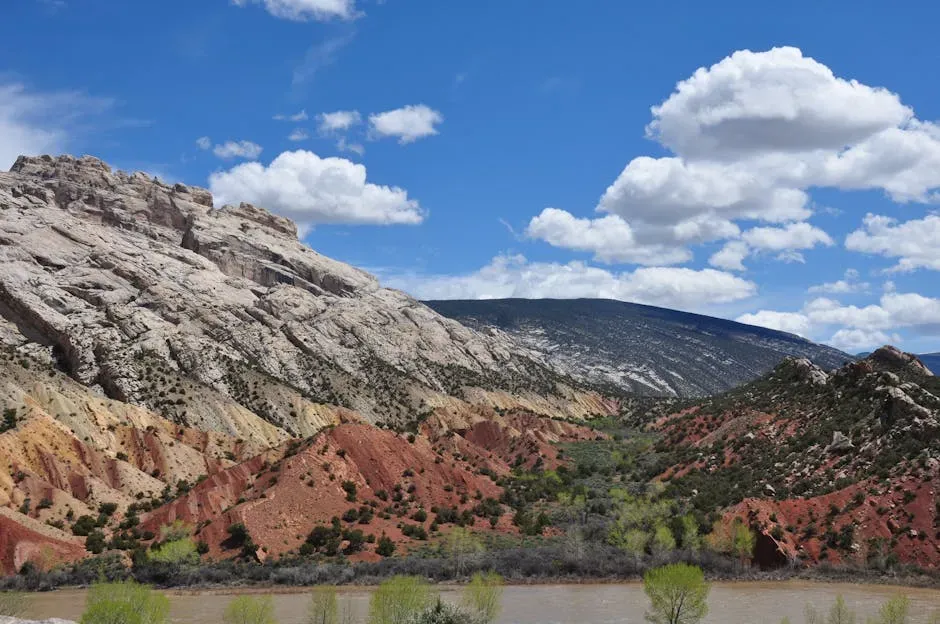
Most people know Dinosaur National Monument for its famous “Wall of Bones,” that tilted cliff face packed with fossil skeletons you can see under a huge glass pavilion. It is one of the rare places where you can literally stand in front of dozens of dinosaur bones still embedded in the rock exactly where they were found. The quarry, straddling the Colorado–Utah border, mostly preserves Jurassic dinosaurs such as Apatosaurus, Allosaurus, and Stegosaurus that died near an ancient river system. The bones you see in the wall are only a slice of a much larger deposit that has been feeding museums for generations.
What many visitors do not realize is that paleontology at Dinosaur National Monument is not just a historical story; it continues behind the scenes. Park paleontologists and outside researchers still survey new outcrops, stabilize eroding fossils, and occasionally excavate new bones when erosion exposes them. The monument also protects trackways, dinosaur egg fragments, and plant fossils that help scientists piece together the ecosystem rather than just the big skeletons. Walking the trails there, you get the strange feeling that the ground itself is loaded with secrets that just have not been brushed clean yet.
3. Morrison Formation, Colorado and Wyoming – The Classic Jurassic Bone Hunt
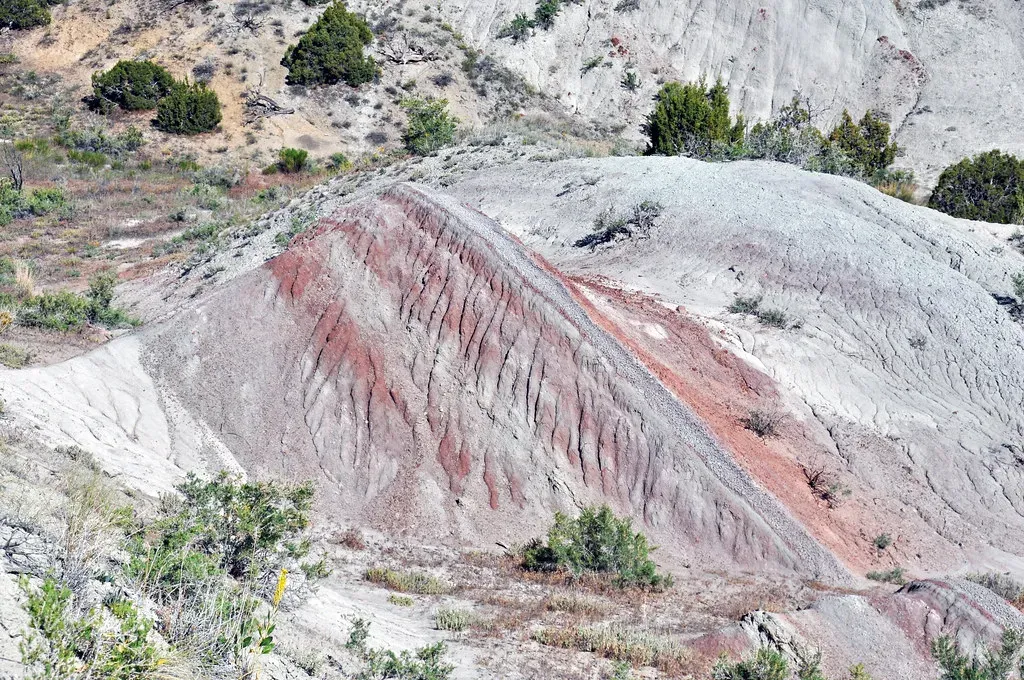
In the world of dinosaur fossil hunting, the Morrison Formation is like classic rock: old, famous, and still surprisingly powerful. Stretching across much of the American West, it is especially well exposed in Colorado and Wyoming, where quarries have been worked since the nineteenth century Bone Wars. Long‑necked giants such as Diplodocus and Brachiosaurus, along with predators like Allosaurus, have all come from these layered mudstones and sandstones. To this day, new localities and partial skeletons are being documented in road cuts, ranch properties, and protected sites.
Places like Dinosaur Ridge near Denver, the Garden Park Fossil Area near Cañon City, and various quarries in southern Wyoming sit on the Morrison and remain targets for new work. Sometimes the discoveries are small but scientifically huge, like juvenile skeletons that show how growth worked, or bones with bite marks that capture predator‑prey behavior. Other times, erosion simply reveals more of a long‑known fossil, forcing paleontologists to return and carefully remove additional bone. The Morrison is a reminder that even “famous” formations are not finished; they are continuing conversations between rock, weather, and whoever happens to be paying attention.
4. Badlands and Buttes of South Dakota – Bones in the Eroding Hills
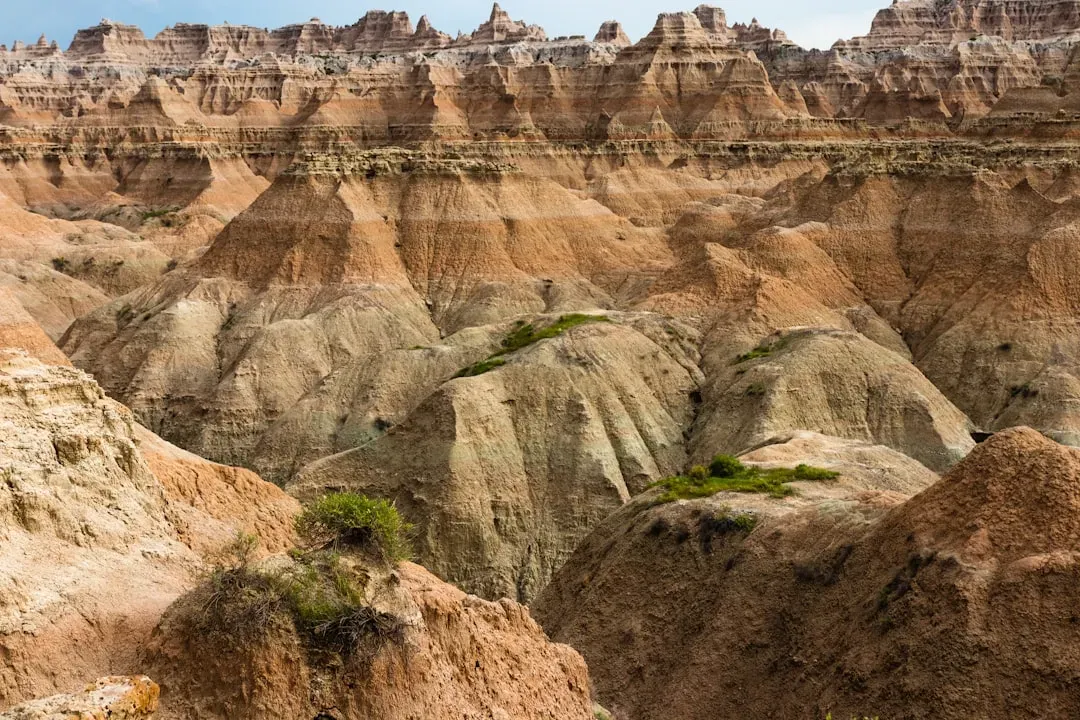
Drive through the eroded landscapes of western South Dakota, and the hills look almost unreal, like melted castles of rock and clay. It can be easy to forget that those soft‑looking layers are stacked pages of deep time, and in some of them, dinosaur bones are still surfacing. The state is most famous for mammal fossils from after the dinosaurs, but rocks of Late Cretaceous age also crop out, especially in parts of the western and southwestern regions. These layers have produced remains of duck‑billed dinosaurs, armored forms, and even fragments of large carnivores.
Because the rock weathers so quickly, new bone can emerge after a single brutal winter or a heavy storm season. Paleontologists working with universities and the federal government regularly patrol known exposures and keep an eye out for fresh material breaking free. That constant renewal makes the region feel like a fossil conveyor belt; some bones that were deeply buried a century ago are only now being exposed to sunlight. For visitors, it also comes with a lesson: in many of these public lands, you are allowed to pick up common invertebrate fossils but leaving vertebrate fossils, especially dinosaur bones, in place and reporting them is what keeps the science honest and ongoing.
5. Big Bend National Park, Texas – Dinosaurs of a Lost Coastal World
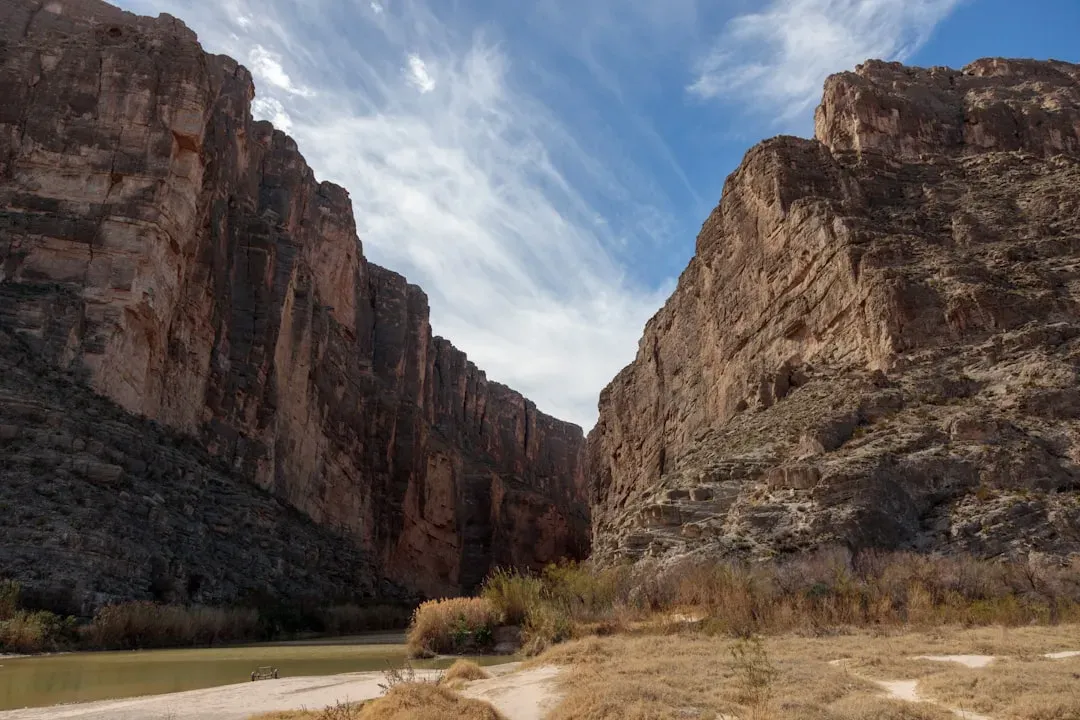
When people think of Texas and dinosaurs, they often picture trackways in riverbeds, but Big Bend National Park in the southwest corner of the state offers something different. Here, stacked sedimentary rocks preserve a Late Cretaceous world where rivers, deltas, and shallow seas met along a warm coastline. Dinosaurs such as the gigantic Alamosaurus, horned forms, and various hadrosaurs have all left bones in these rocky slopes. Several of these discoveries have only become widely appreciated in the last few decades as the park’s more remote areas have been surveyed in detail.
Scientists still conduct fieldwork in Big Bend, hiking into steep canyons with field packs and plaster to stabilize whatever the desert reveals next. What makes the area especially interesting is that it captures a time close to the end of the dinosaurs, but in a very different environment than the famous northern plains of Montana and the Dakotas. You get glimpses of coastal ecosystems with turtles, crocodile relatives, early birds, and flowering plants alongside the dinosaurs. For anyone visiting, the contrast is striking: vast open skies and quiet desert on the surface, with a buried record of a lush, humid, reptile‑filled shoreline just a few meters underfoot.
6. The Kaiparowits Plateau, Utah – A Dinosaur Hotspot Hidden in Plain Sight
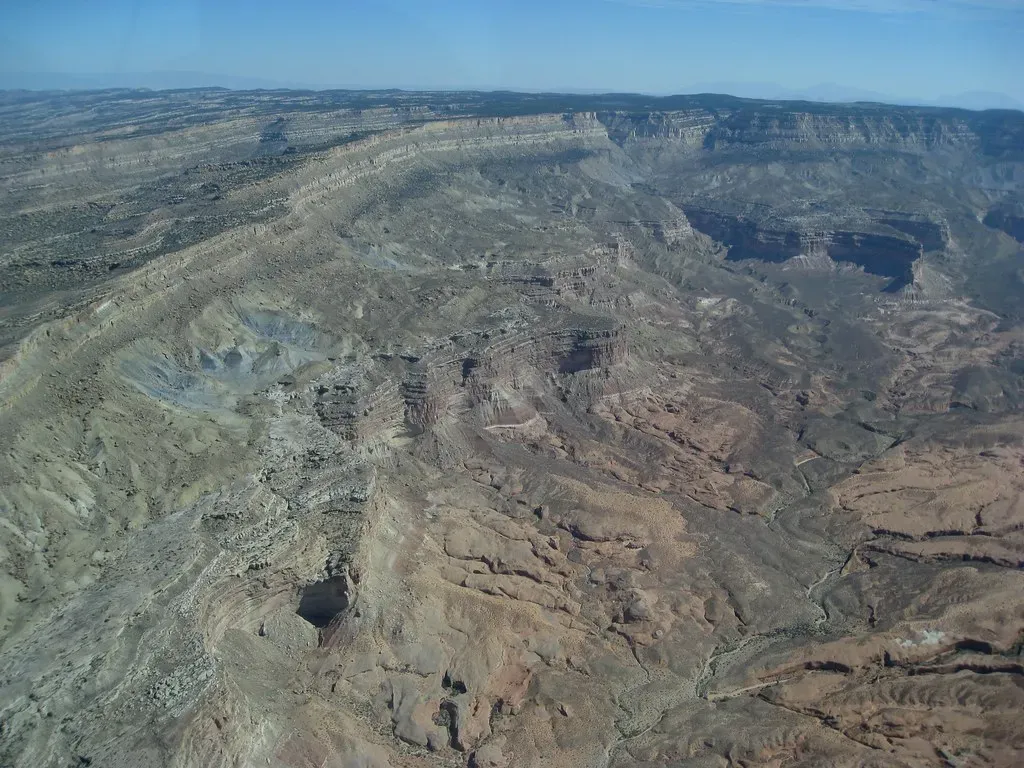
Southern Utah’s Kaiparowits Plateau is one of those places that looks empty at first glance but turns out to be overflowing with fossils once you know where to look. The plateau sits within a national monument and preserves Late Cretaceous rocks that have turned out to be astonishingly rich in dinosaur bones. In the last few decades, field teams have been hauling out new species of horned dinosaurs, duck‑bills with elaborate head crests, and smaller predators that help flesh out the food chain. Many of these finds have come from remote, hard‑to‑reach localities that require long hikes or helicopter access.
Even so, the work there is still very much in progress, almost like a long running series where new characters keep appearing each season. The plateau seems to have captured an ecosystem that was isolated by mountains and seas, leading to dinosaur communities that look different from those in Montana or Alberta at the same time. That makes every new skeleton or even a single skull fragment important, because it can signal yet another local species. From a distance, the Kaiparowits looks like a quiet mesa under the desert sun; close up, it is one of the most active dinosaur bone‑producing regions in the country.
7. Arlington Archosaur Site, Texas – Dinosaur Remains in a Growing Suburb
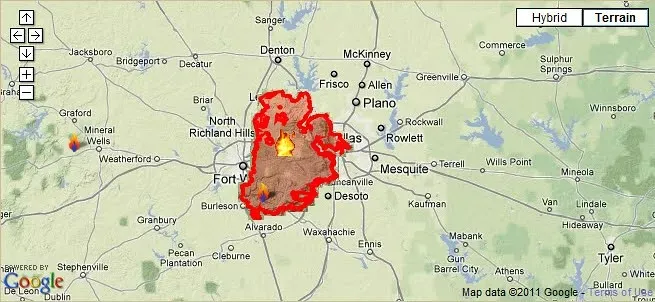
Not all dinosaur discoveries happen in the wilderness. The Arlington Archosaur Site, tucked between developments in the Dallas–Fort Worth area, shows how urban expansion can reveal buried prehistory. Exposed during construction work, the site preserves Cretaceous rocks that have yielded fossils of crocodile relatives, turtles, fish, and fragments of dinosaurs. It is not a place of towering skeletons laid out in perfect order, but rather a jumble of bones that helps scientists understand a coastal wetland ecosystem from long before the city existed.
What makes this spot so fascinating is that it has been actively studied while being practically embedded in a modern neighborhood. Volunteers, students, and researchers have all taken part in excavations, and new material has continued to come out as work progresses. For local kids, the idea that real dinosaur‑era bones are emerging a short drive from shopping centers and highways can feel almost unreal. It counters the idea that fossils only come from remote deserts and reminds us that the ground under nearly any major city once belonged to a very different set of residents.
8. Judith River and Two Medicine Formations, Montana – A Growing Cast of Cretaceous Characters
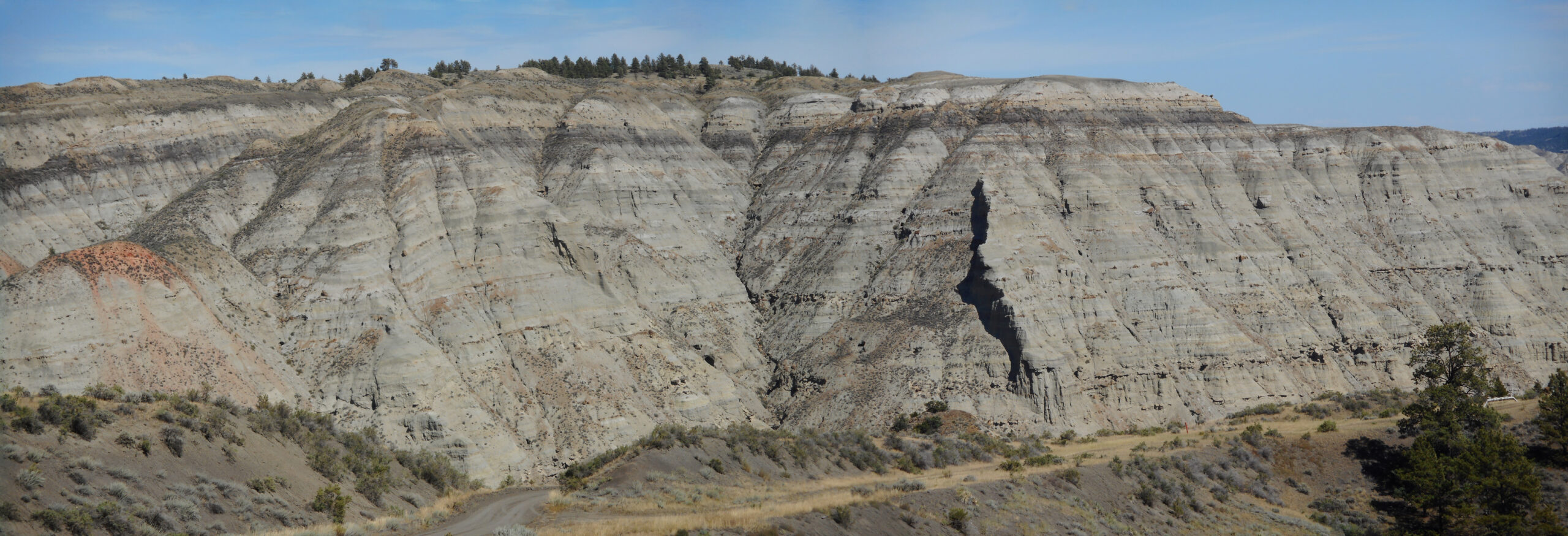
While the Hell Creek Formation grabs many headlines, Montana’s slightly older Judith River and Two Medicine formations are quietly delivering their own steady stream of dinosaur bones. These rocks preserve a time when horned dinosaurs, duck‑bills, raptors, and medium‑sized predators lived along river plains and coastal lowlands. Over the past few decades, new fieldwork in north‑central and northwestern Montana has uncovered everything from nesting sites with eggs to partial skeletons that show distinctive horns and crests. In many ways, these formations are where paleontologists go when they want to understand how dinosaur communities evolved before the final act.
Field crews still return to the same ridges and buttes year after year, expanding quarries as erosion reveals more bone or as new promising outcrops are spotted from a distance. Some of the fossils coming out of these rocks are helping scientists explore questions about growth, behavior, and even possible social structures in herbivorous dinosaurs. These formations also contribute to ongoing debates about how many dinosaur species there really were, as new skull shapes and body proportions are tracked and compared. It feels like watching a cast list grow longer and more complicated just when you thought you knew all the main characters.
Conclusion: Dinosaurs Are Gone, But the Hunt Is Very Much Alive
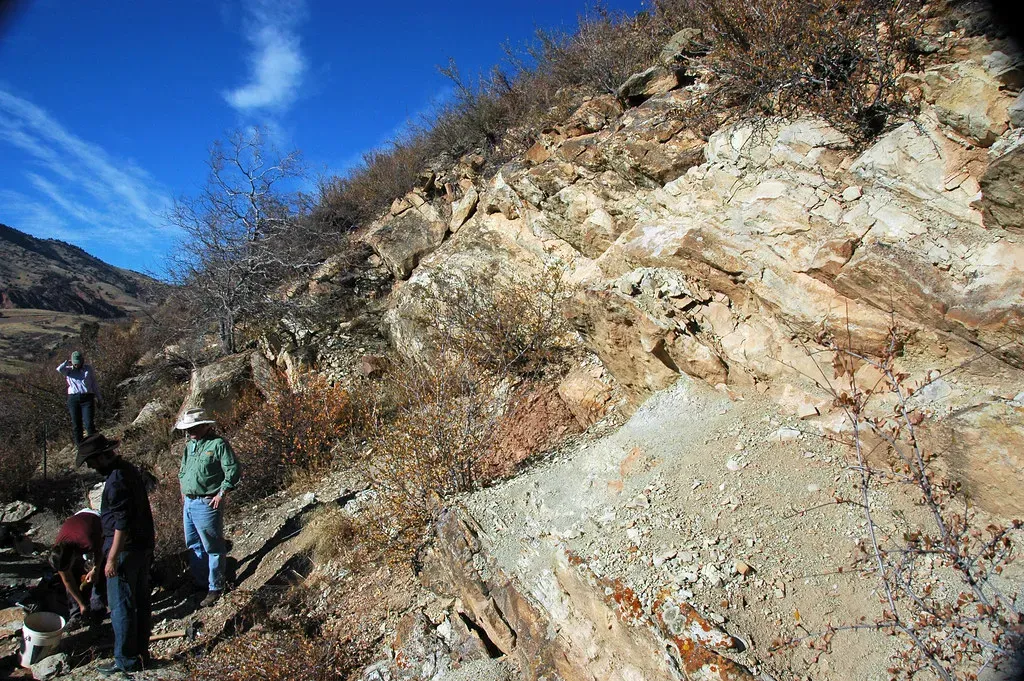
It is tempting to think that the age of big dinosaur discoveries ended a long time ago, that everything important is already sleeping in museum storage rooms. Looking across these eight places, that assumption really does not hold up. From remote desert plateaus to a quarry under a national monument roof and even a dig site in the suburbs, new pieces of the dinosaur story are still being pried out of stone every year. The idea that there are Tyrannosaurus teeth, horned dinosaur frills, or sauropod ribs quietly eroding toward the surface right now is both humbling and a little thrilling.
Personally, what strikes me most is how accidental many big finds are: a rancher spotting a strange shape, a construction crew cutting into a hillside, a hiker noticing bone where yesterday there was only dirt. That randomness is exactly why I think we should protect fossil‑rich lands more aggressively and treat any unexpected bone discovery as a chance to learn rather than a curiosity to pocket. Dinosaurs will never walk the Earth again, but the evidence of their lives is still emerging in real time. The real question is whether we will pay attention long enough, and carefully enough, to hear everything those old bones are trying to tell us – if you were the one to stumble across a new skeleton, would you recognize what you were looking at?