Imagine a horned dinosaur small enough to fit in your arms, trotting through ancient riverplains tens of millions of years before Triceratops ever showed up. That is Aquilops americanus in a nutshell: a tiny, sharp‑beaked pioneer that quietly rewrote the story of horned dinosaurs in North America. When paleontologists first studied its skull in detail, it did not just add another name to the dinosaur list; it opened a window into a time and place we barely understood.
What makes Aquilops so fascinating is how much it tells us despite being known mainly from a single skull. Its shape, its age, and even the way it resembles Asian dinosaurs have all become pieces of a bigger migration puzzle. As you read on, you will see that this little creature punches far above its weight class, reshaping how scientists think about dinosaur evolution, global travel, and life in a world on the brink of change.
1. Aquilops Was Tiny Compared To Its Famous Horned Cousins
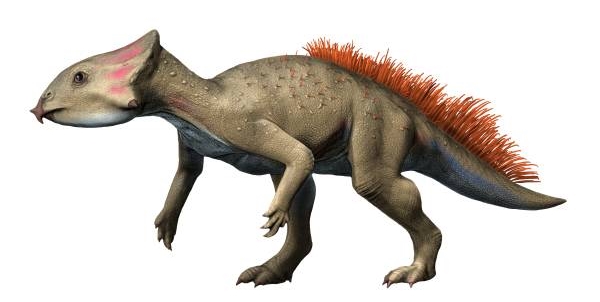
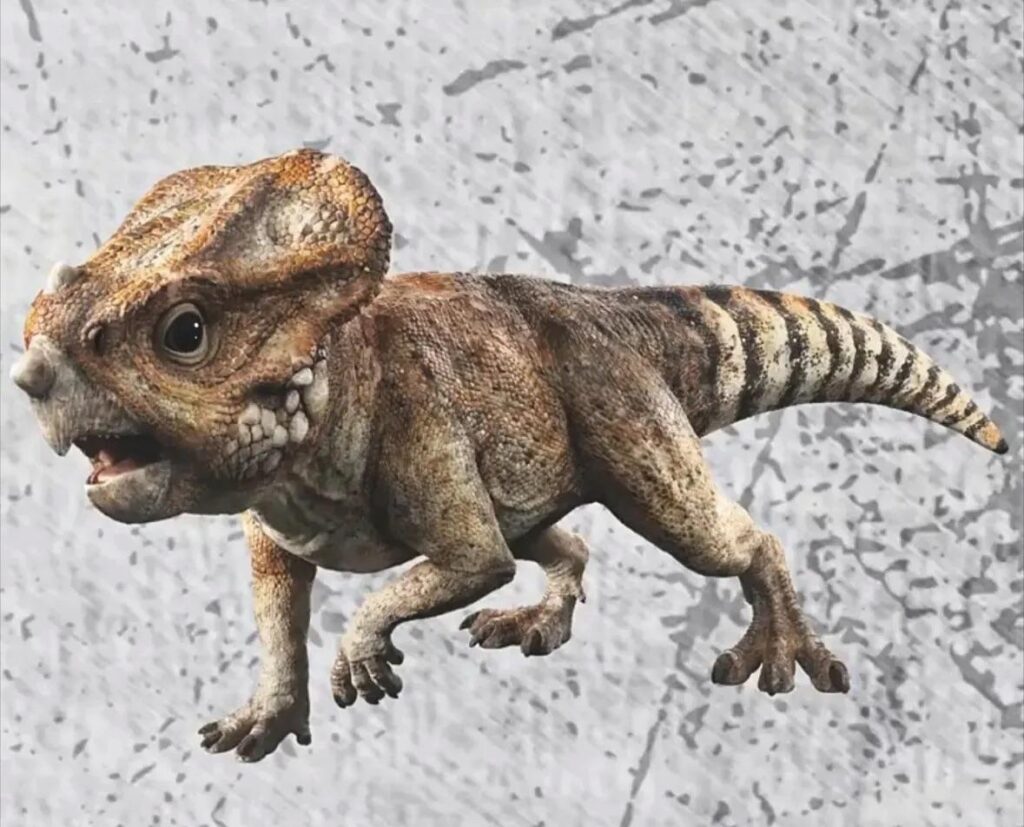
When people hear “horned dinosaur,” they usually picture massive beasts like Triceratops, as long as a bus and weighing several tons. Aquilops, on the other hand, was closer in size to a small dog or a large house cat. Its skull was only about the length of your hand, and the whole animal likely measured just under a meter from nose to tail, light enough that a strong person could probably lift it. That alone flips expectations about what a horned dinosaur is supposed to look like.
This small body size actually makes a lot of evolutionary sense. Early members of many dinosaur groups tended to be smaller and more agile before some lineages later evolved into giants. Aquilops fits right into that pattern, representing an early, lightly built stage of the horned dinosaur family tree. Instead of crashing through forests like a prehistoric tank, it probably moved with quick, nimble steps, ducking between plants and staying alert for predators that dwarfed it many times over.
2. It Lived Long Before Triceratops – By Tens Of Millions Of Years
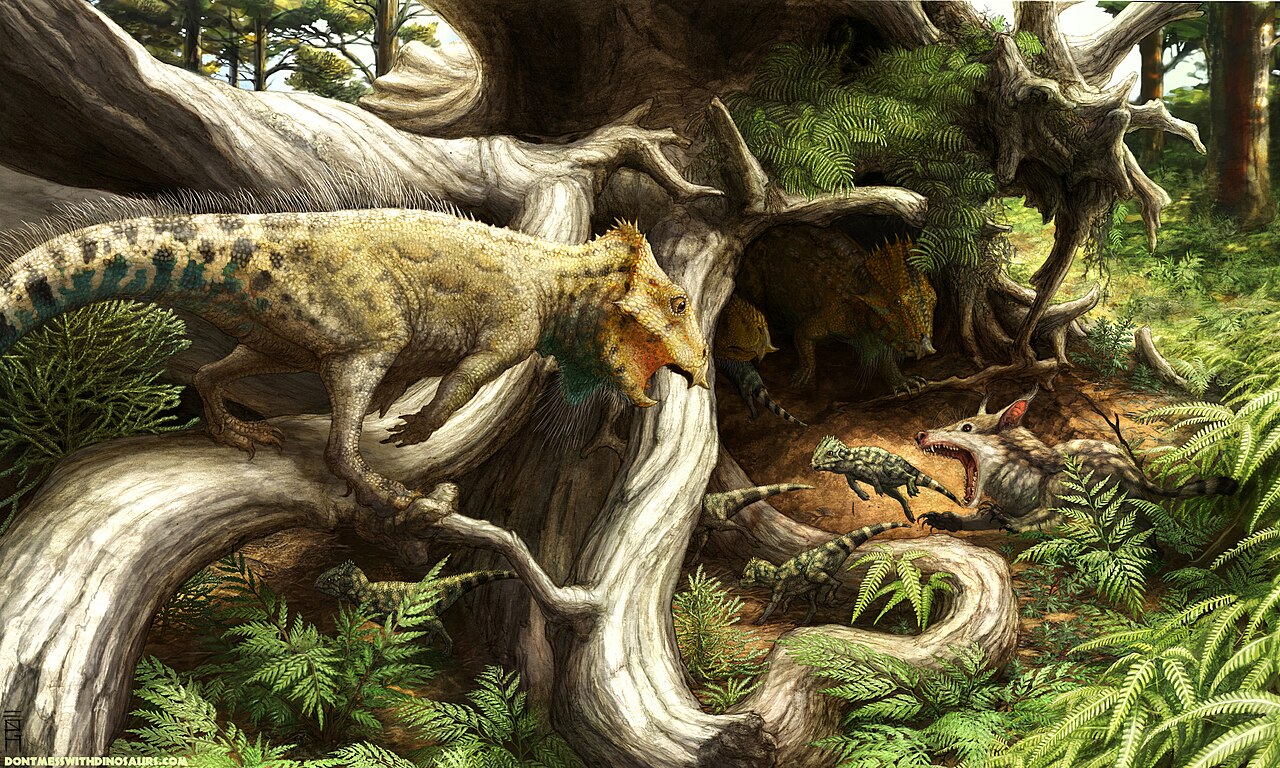
One of the most shocking things about Aquilops is just how old it is. It comes from rocks dating to the Early Cretaceous, roughly over one hundred million years ago, while famous ceratopsians like Triceratops only appear near the very end of the Cretaceous. That means Aquilops lived tens of millions of years earlier, making it the earliest known horned dinosaur in North America. In evolutionary terms, that is the difference between early sketches and the final painting.
This huge time gap changes how we picture the horned dinosaur story on the continent. Instead of horned dinosaurs showing up suddenly in the Late Cretaceous as big, elaborate, frill‑and‑horn showpieces, we now know they had a much longer, quieter prehistory here. Aquilops represents a humble opening chapter: small, simple, and easy to miss in the fossil record, but crucial for understanding how later, more famous species could evolve and diversify into all those wild horn and frill shapes.
3. Its Beak Looked Like An Eagle’s, And That Inspired Its Name
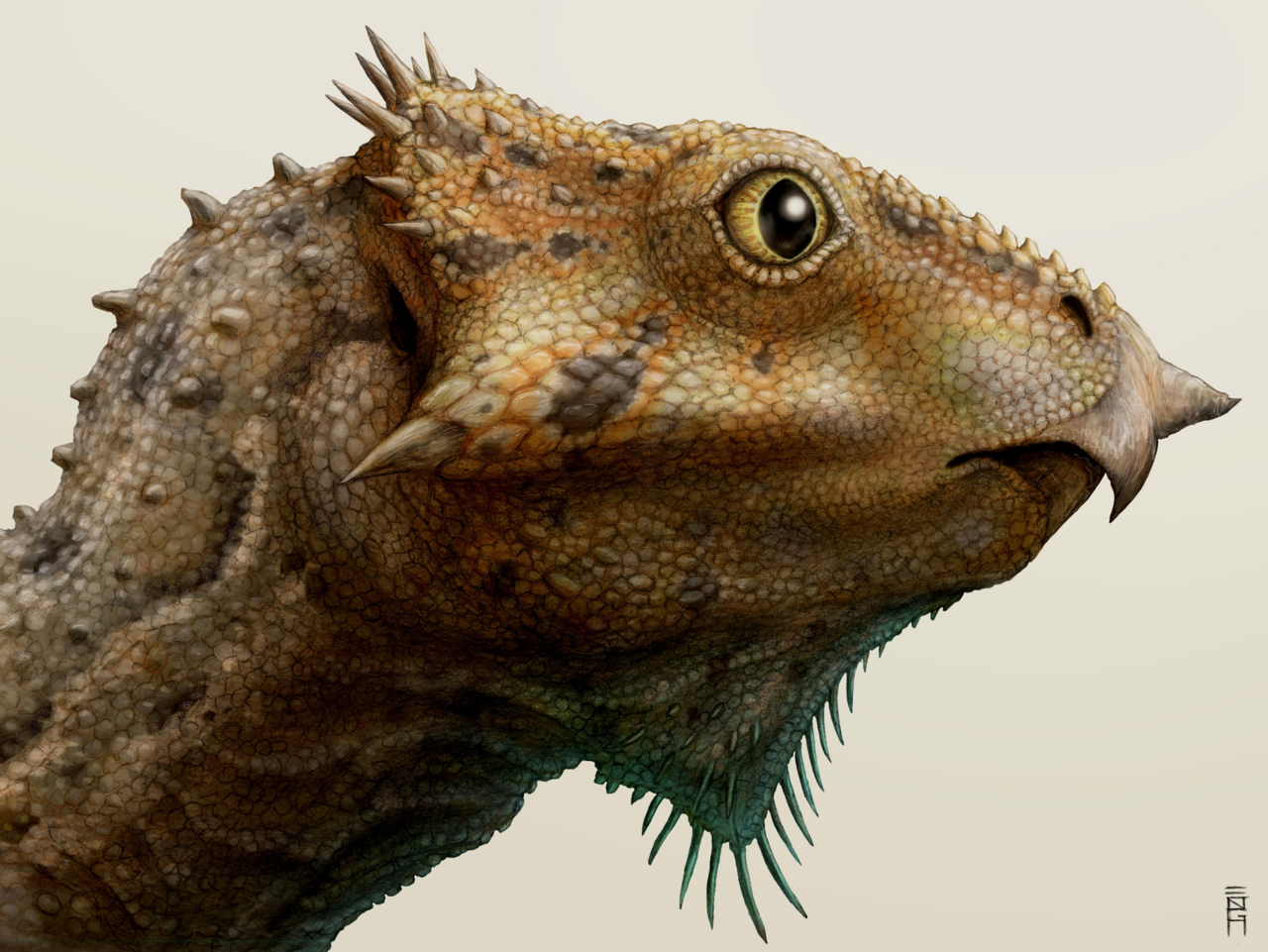
If you saw the skull of Aquilops laid out in a museum drawer, the first thing you would probably notice is the sharply hooked beak at the front. Paleontologists noticed that too, and it reminded them strongly of a bird of prey. That is why the name Aquilops literally combines a word for “eagle” with a word for “face.” Even without horns or a huge frill, that beak makes the skull instantly recognizable and gives the dinosaur a surprisingly fierce profile for such a small animal.
That hooked beak was not just for show; it was a serious tool for feeding. Like other ceratopsians, Aquilops was a plant‑eater, and the strong, curved front of its jaws would have been perfect for nipping and slicing tough vegetation. You can think of it as the prehistoric equivalent of a pair of heavy‑duty pruning shears. Even at this early stage in horned dinosaur evolution, the group already had a specialized, powerful bite that set them apart from many other small herbivores sharing their ecosystem.
4. It Reveals A Dinosaur Migration Route Between Asia And North America
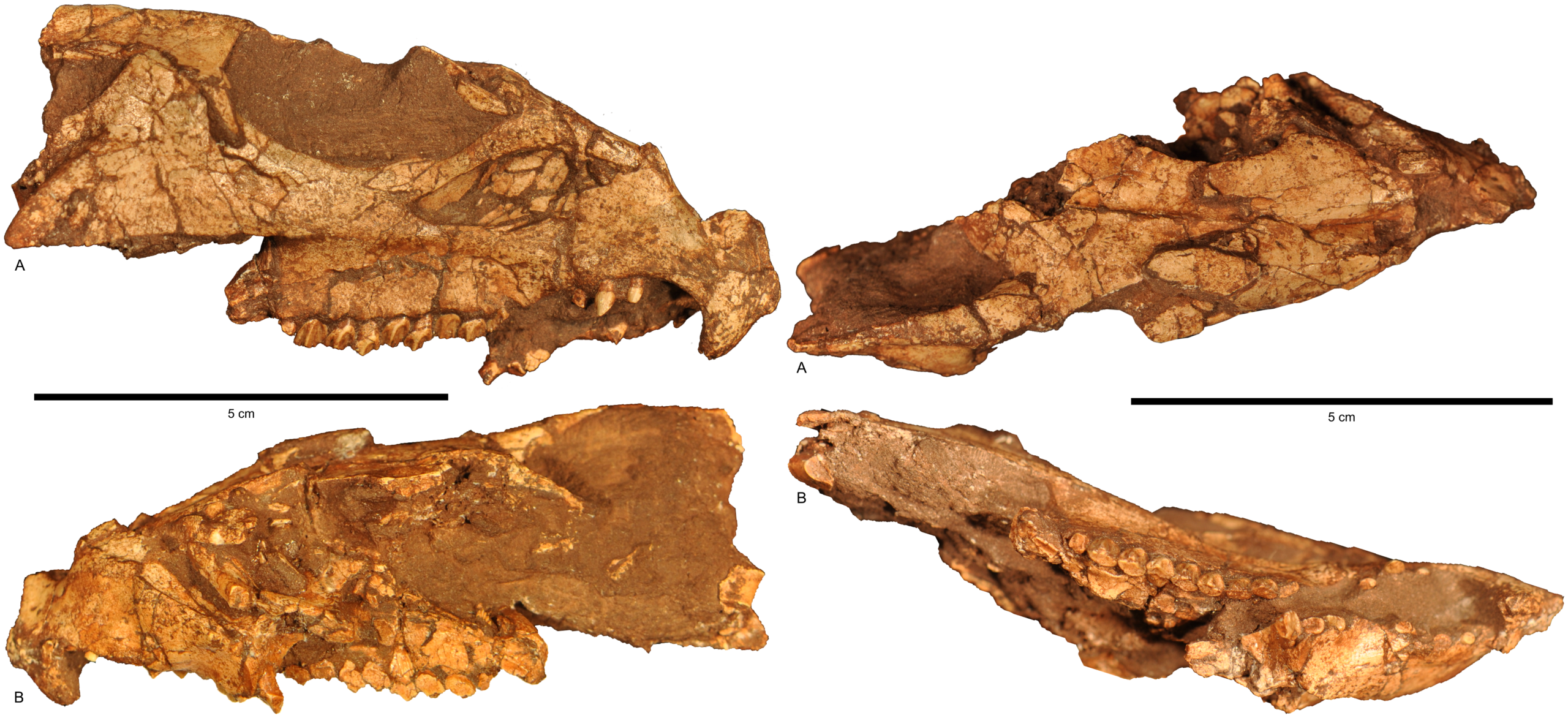
One of the coolest, and honestly most mind‑bending, facts about Aquilops is how much it looks like some small horned dinosaurs from Asia. When scientists compared its skull to those of Asian species, they found close similarities that are hard to dismiss as coincidence. The best explanation is that early horned dinosaurs evolved in Asia and later some of them made their way into North America. Aquilops is like a fossil passport stamp proving that journey really happened.
This idea ties right into the bigger picture of Earth during the Cretaceous. At that time, land connections in the far north allowed animals to cross between continents in ways that are impossible today. If you imagine a vast, cold but passable route connecting eastern Asia and western North America, you can start to see how a small, hardy dinosaur like Aquilops might migrate over generations. For me, that mental image – of tiny horned dinosaurs quietly trekking across prehistoric high latitudes – is one of the most unexpectedly cinematic scenes in Earth’s history.
5. It Lived In A Changing World That Set The Stage For Later Giants
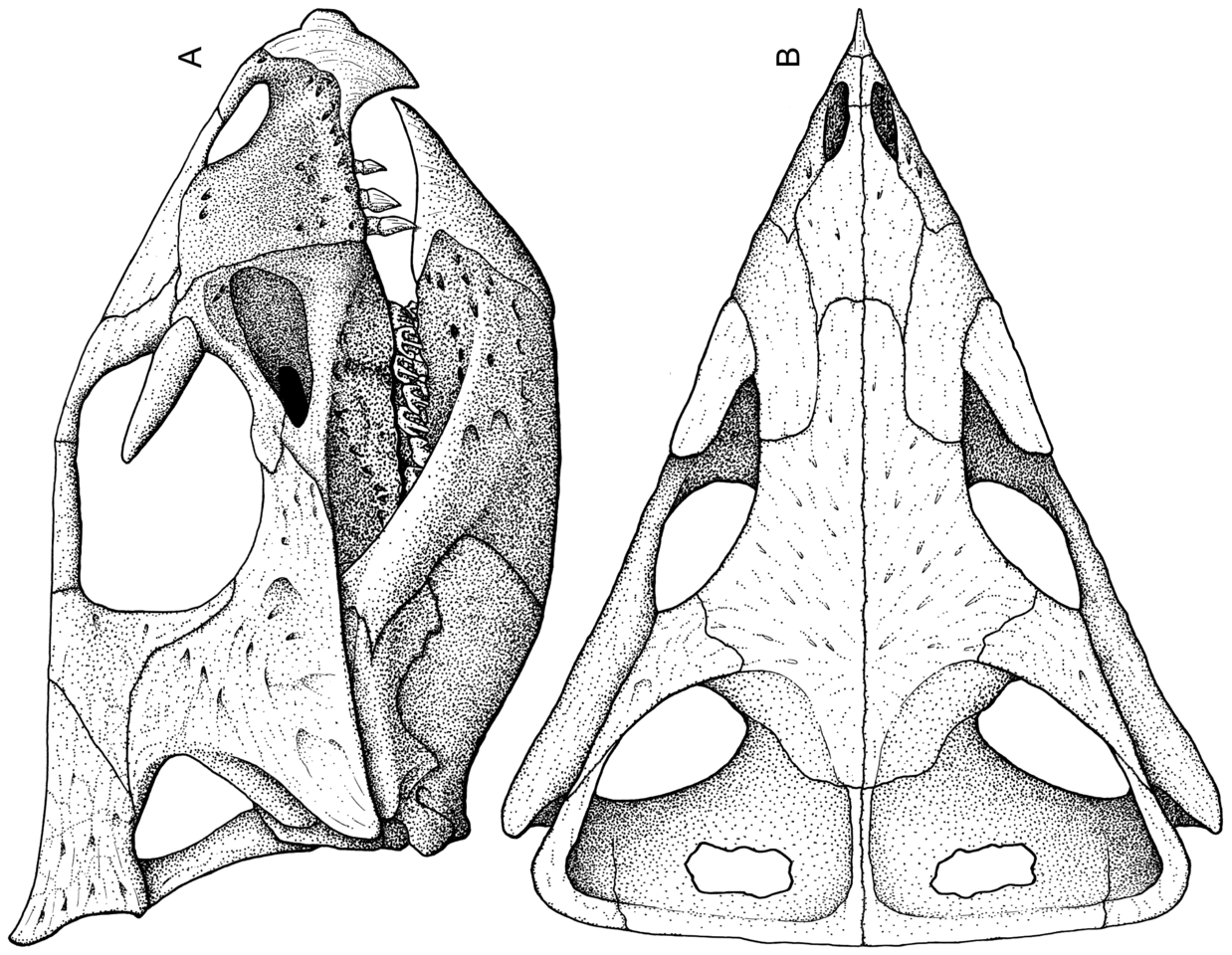
Aquilops did not live in a static, frozen moment; it lived in a world that was in the middle of big environmental and ecological shifts. The Early Cretaceous was a time of evolving plant communities, shifting climates, and rearranging continents. Aquilops navigated river systems, floodplains, and vegetated landscapes where new types of plants were starting to spread, setting the foundation for the lush habitats that would later support gigantic dinosaurs. In a sense, it was an early participant in ecosystems that were still under construction.
Because Aquilops is small and early in the timeline, it is tempting to see it as a minor side character, but I think that sells it short. Its presence shows that horned dinosaurs were already experimenting with body plans, diets, and lifestyles long before their more dramatic descendants appeared. It was part of the slow build‑up, the long rehearsal before the main show of the Late Cretaceous. Without early, adaptable species like Aquilops doing the quiet work of survival and dispersal, the spectacular horned giants that dominate museum halls today might never have had their chance.
Conclusion: A Small Dinosaur With A Big Story
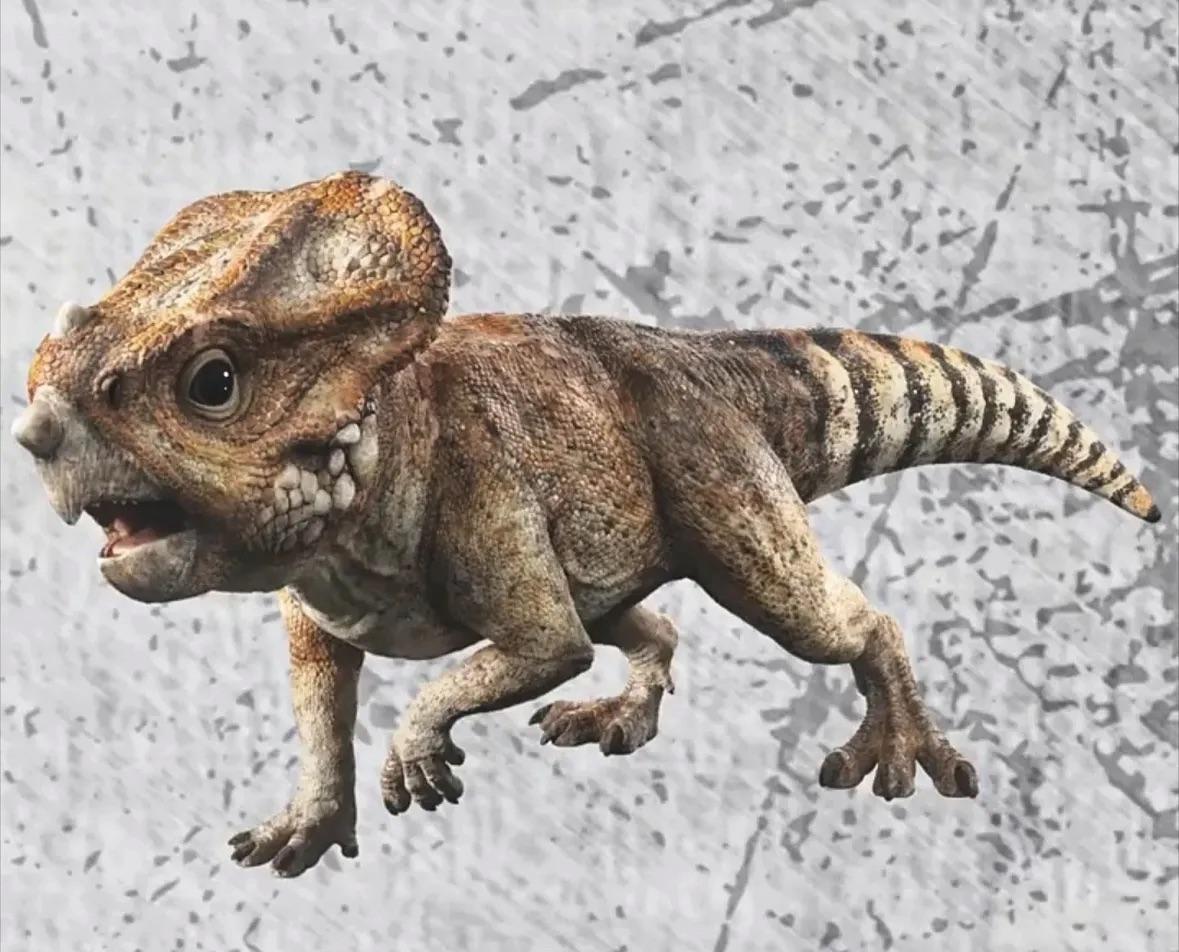
For me, the most striking thing about Aquilops americanus is how it upends the usual equation of size and importance. We are used to giving all the attention to the heaviest, flashiest dinosaurs, but here is a creature that could have darted between your legs yet reshapes how we think about horned dinosaur origins, migration, and deep time. It underscores a lesson that keeps popping up in paleontology: the fossils that change our minds the most are often the ones that look the least impressive at first glance.
In a way, Aquilops feels like the indie film that quietly influences an entire genre while blockbusters hog the spotlight. It is early, small, and unassuming, yet it anchors a whole chapter of North American dinosaur history and connects it back to Asia in a very real, physical way. That is why I think it deserves more than a footnote; it deserves a starring role in how we tell the story of horned dinosaurs. The next time you see a towering Triceratops skull, will you also picture the little eagle‑faced ancestor that helped open the door for it?