If you grew up thinking velociraptors were nine‑foot ninja lizards that could open doors and hunt you through your kitchen, you’re not alone. Pop culture burned that image into our brains so deeply that the real animal sounds like the fake one by comparison. But here’s the twist: the actual Velociraptor was closer to an angry turkey with knives for hands than a scaly monster the size of a horse.
Once you realize that, something clicks. You start asking what else the movies got wrong, how big these animals really were, and why paleontologists keep side‑eyeing Hollywood every time a new dinosaur blockbuster drops. Velociraptors are a perfect case study in how a good story can steamroll actual science – and why the truth, even when smaller, is often far more interesting.
The Real Velociraptor: Meet the Murder Turkey
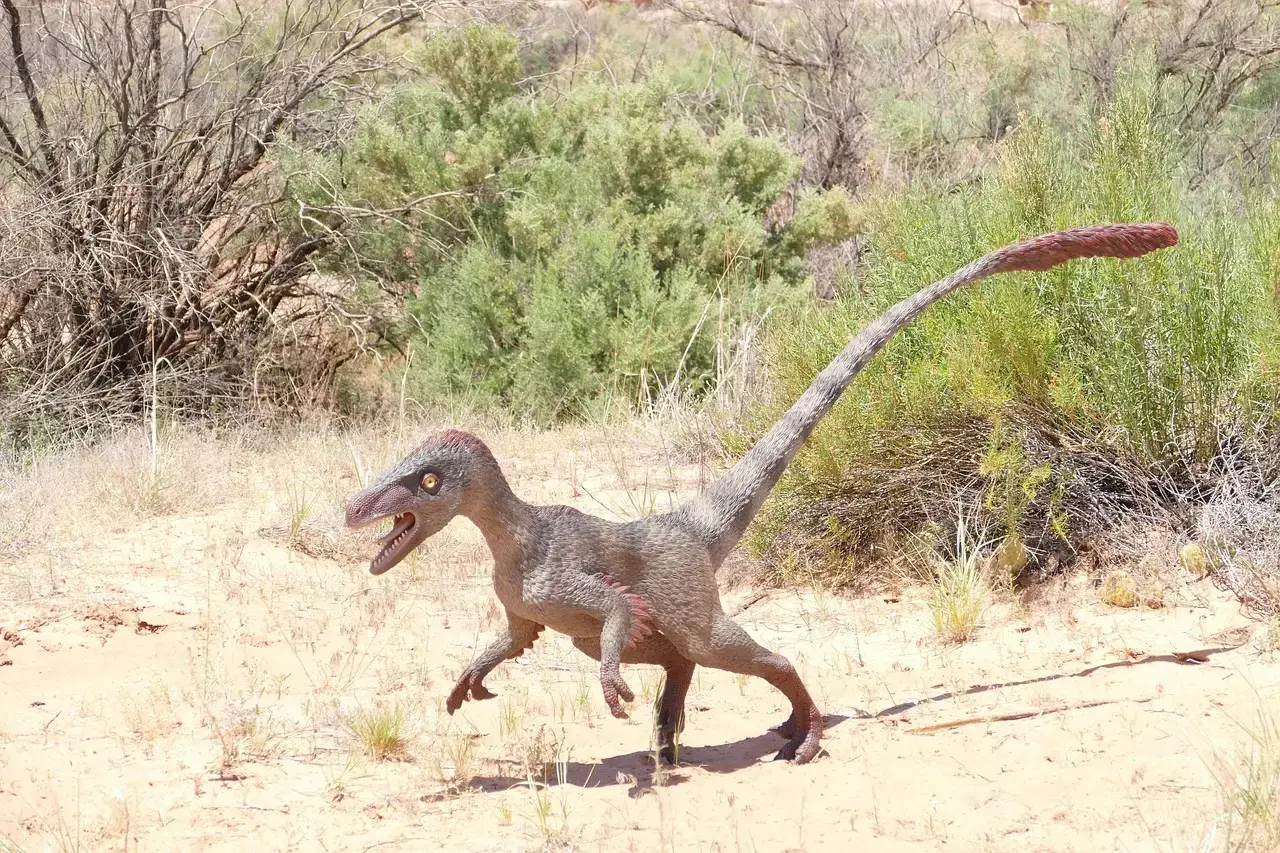
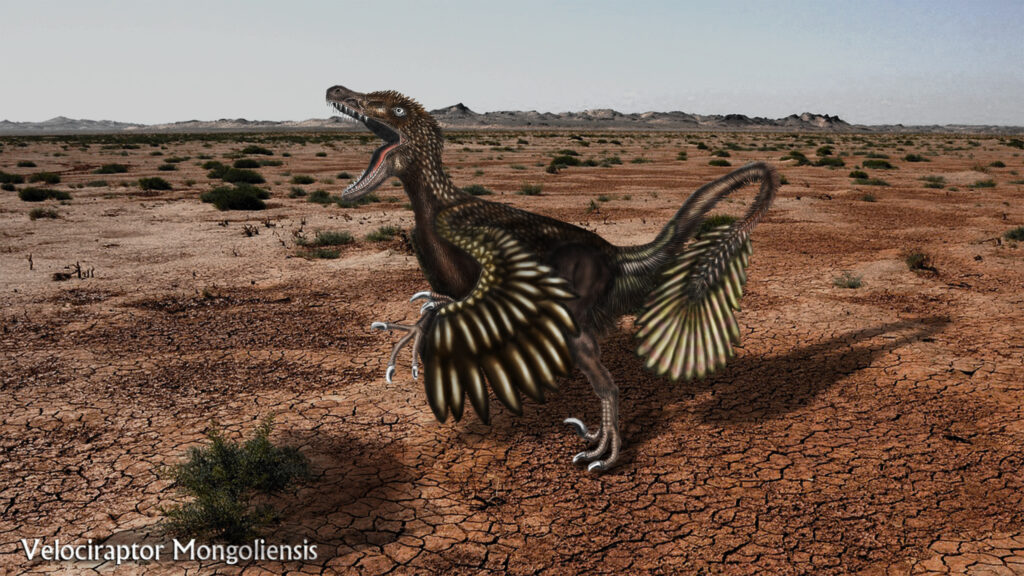
Here’s the blunt reality: a typical Velociraptor mongoliensis was roughly the size of a big turkey, not a basketball‑player‑tall terror. It stood about knee‑high to an adult human, with a body length around six feet from snout to tail, much of that being tail, not hulking muscle. Instead of towering over people, it would’ve been darting through underbrush, closer in vibe to a predatory ground bird than a lion on two legs.
The skull was long and narrow, with sharp, serrated teeth, but not the crocodile‑jawed beast pop culture promised. Its most iconic weapon was that sickle‑shaped claw on each hind foot, a curved blade a few inches long, deadly for small prey but a lot less cinematic when attached to something the size of farm poultry. Imagine the meanest rooster you’ve ever met, give it a hunting knife on each toe, and you’re closer to reality than any blockbuster has ever shown.
Feathers, Not Scales: The Raptor Fashion Crime
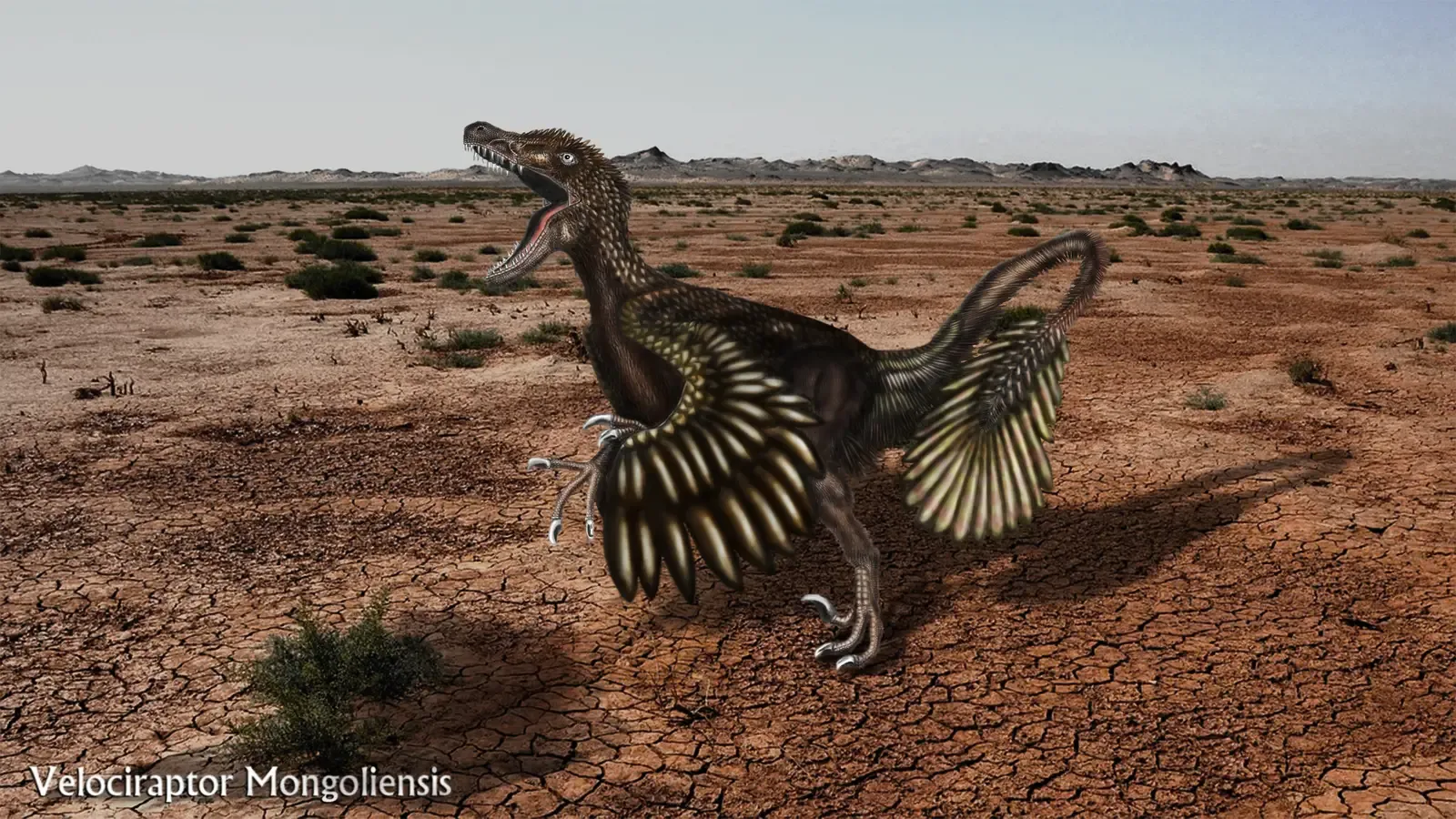
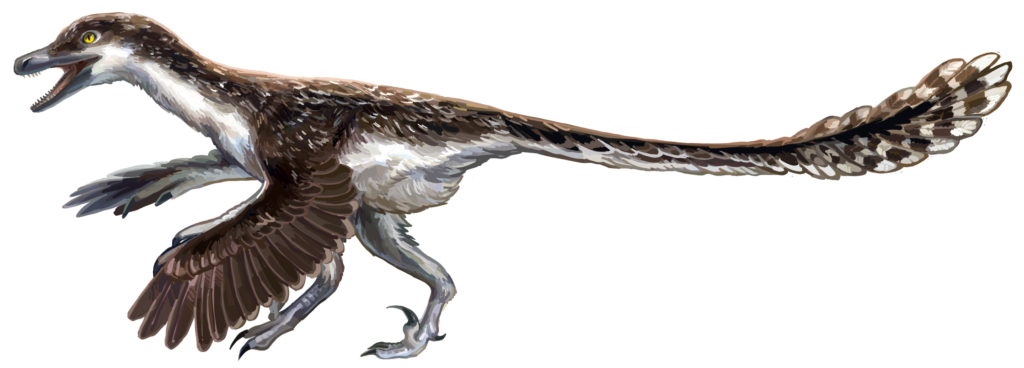
Another thing Hollywood quietly swept under the rug: velociraptors were feathered. Fossils from closely related raptors, like Microraptor and others from the same family, show clear evidence of feathers, including quill knobs on forearms where wing feathers attached. Velociraptor fossils from Mongolia also show features that strongly point to feathers, meaning this animal was more bird‑like than lizard‑like in appearance.
So no, it probably didn’t look like a naked, scaly reptile you’d find in an old monster movie. Think of something between a large bird of prey and a ground‑running predator, wrapped in a coat of feathers that might have helped with insulation, display, or even balance. If anything, the real animal would have looked unsettlingly familiar, like a hawk that decided it was done flying and wanted to chase things down on foot instead. Frankly, a feathery, knife‑toed murder bird is way scarier than a rubbery movie monster.
Speed, Smarts, and the Myth of the Super Genius Pack Hunter
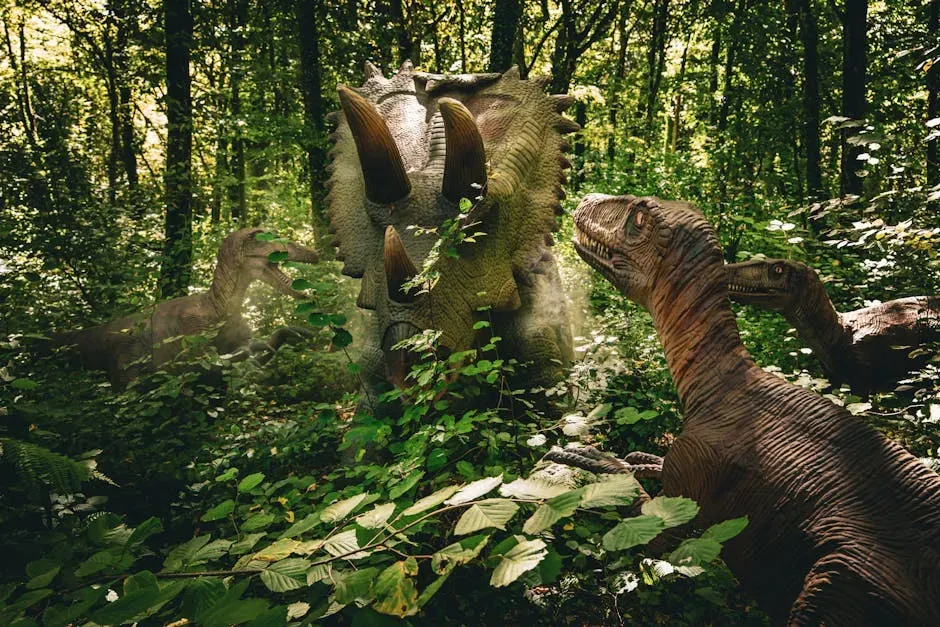
Hollywood turned velociraptors into hyper‑intelligent, door‑opening super predators that strategize like a special‑ops unit. The fossil record paints a more grounded picture. There is evidence that dromaeosaurs (the raptor family) were relatively intelligent compared with many other dinosaurs, with larger brains for their body size and keen senses. They were probably agile, alert, and very good at hunting smaller animals in their environment.
But were they plotting elaborate ambushes, testing fences, and running coordinated pack strategies like wolves? That’s where the science gets murky. Some trackways and bonebeds hint that certain raptor species may have hunted or at least fed in groups, but it’s not clear whether this was true cooperation or just opportunistic scavenging. The idea of them as ultra‑clever, almost human‑level tacticians makes for gripping cinema, but it’s largely creative license laid over a core truth: these were smart, fast, dangerous animals – just not the evil geniuses the movies sold us.
Blame the Name: How the Wrong Dinosaur Became a Star
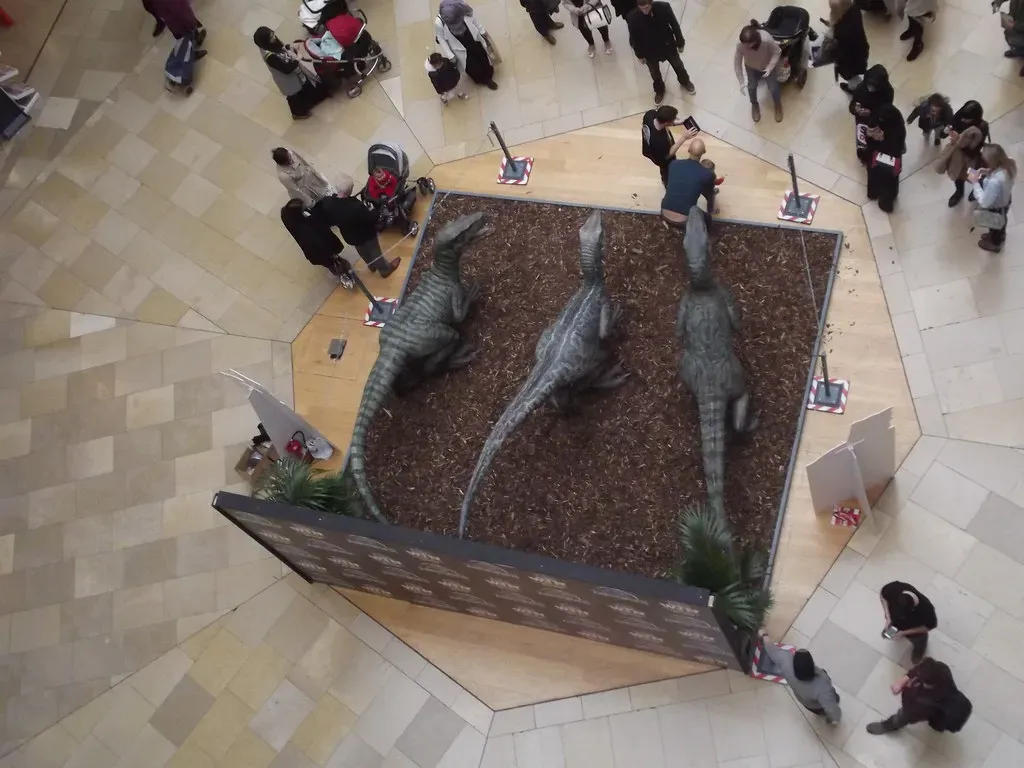
Here’s the plot twist that annoys paleontologists the most: the iconic “velociraptor” in many movies is basically not Velociraptor at all. It’s more like a beefed‑up mashup of larger dromaeosaurs, especially Deinonychus and Utahraptor. Deinonychus was significantly bigger and more intimidating, while Utahraptor was a true giant compared to the turkey‑sized Velociraptor. Hollywood essentially took the coolest traits, supersized them, shaved off the feathers, and slapped on a snappier name.
The name “Velociraptor” just sounds right on a movie poster – it’s sharp, fast, and menacing. Deinonychus, while scientifically important, doesn’t exactly roll off the tongue for blockbuster marketing. So the real Velociraptor got body‑swapped with its larger cousins, and the movie version became the default image in public imagination. That mismatch created a generation of people convinced that an animal from Mongolia was actually a giant door‑opening monster from somewhere between science and pure fantasy.
Size Still Matters: Why Scaling Up Distorts the Whole Story
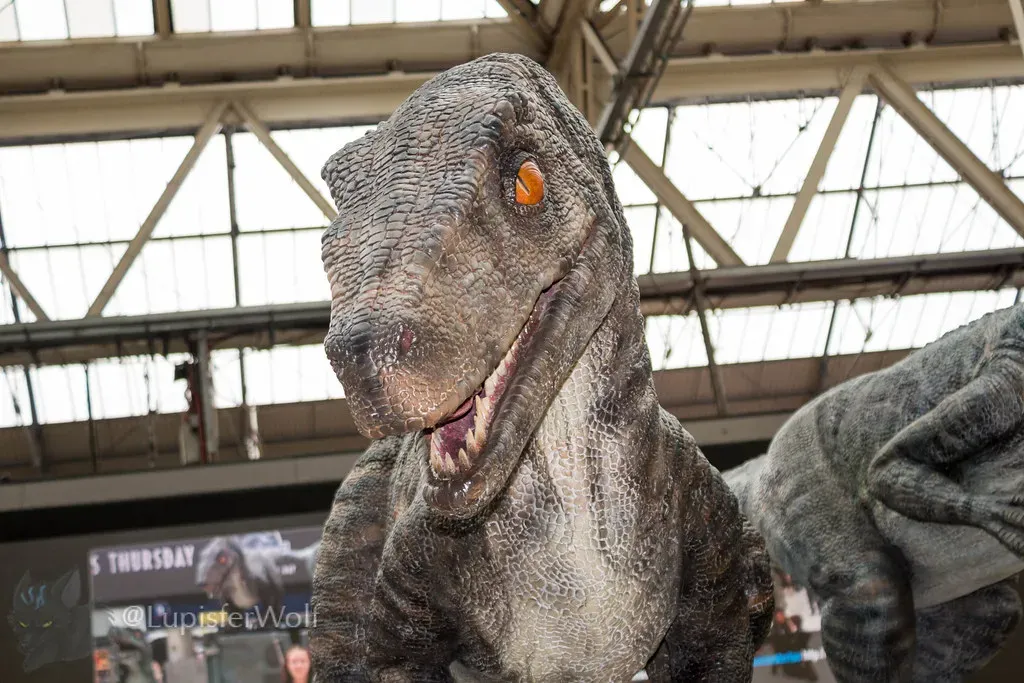
You might wonder why it even matters if the movie raptors are too big. After all, fiction is fiction, right? The problem is that size shapes how we think about behavior, risk, and ecology. A turkey‑sized predator goes after very different prey and lives a different lifestyle than an animal as tall as a person. By scaling up velociraptors into human‑sized monsters, the movies quietly rewrote their role in the Cretaceous ecosystem, turning them from agile mid‑sized hunters into apex terrors they probably never were.
When you exaggerate the body, you exaggerate everything else with it: the drama, the danger, even the social dynamics. A small, feathered predator that pinpoints vulnerable animals and strikes fast is a fascinating story in its own right, but it’s a more subtle kind of menace. Hollywood traded that nuance for immediate shock value, and in doing so, flattened the more complex – arguably more interesting – reality of how these animals actually survived. In a way, the real velociraptor’s story got lost under several feet of imaginary muscle.
Why Hollywood Owes Us an Apology (And a Feathered Makeover)
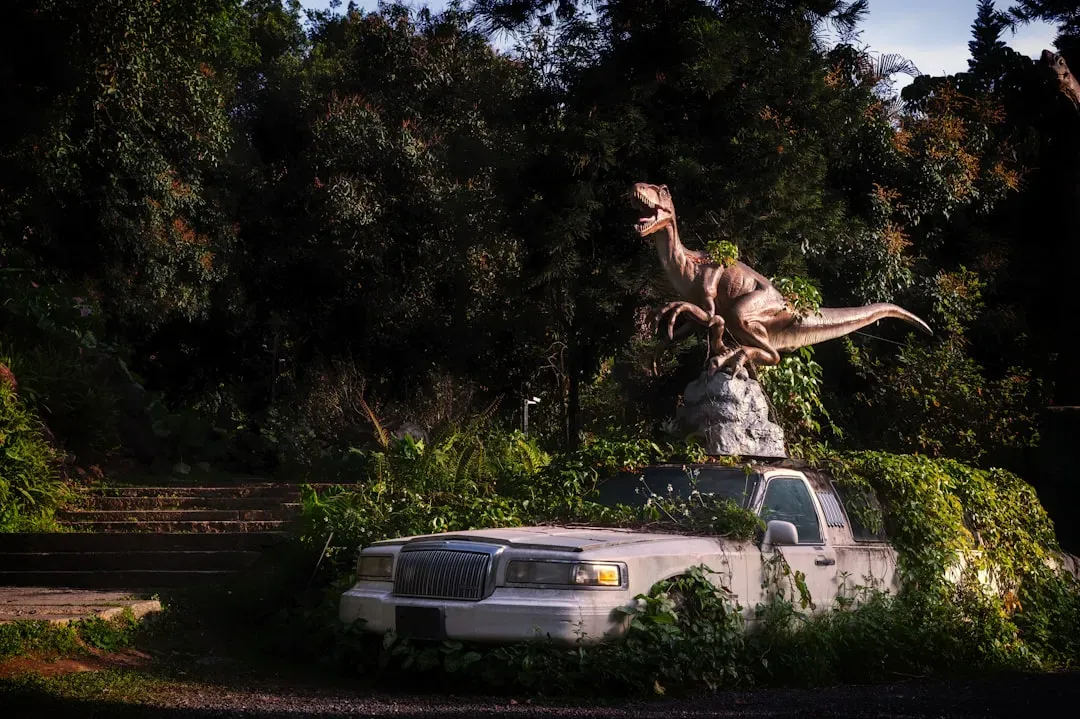
So does Hollywood literally owe us an apology? In a scientific sense, maybe not. But culturally, it definitely warped our understanding of one of the most intriguing dinosaur groups we’ve ever discovered. When people learn that velociraptors were feathered and turkey‑sized, there’s often a sense of disappointment, like the truth somehow “ruined” the dinosaur. That reaction is on the storytellers who sold a fantasy so hard that reality feels like a downgrade.
I’d argue the real animal deserved better. A fast, intelligent, feathered predator slicing through ancient landscapes is already incredible without needing to be made into a nightmare hallway stalker. An apology – symbolic or not – would look like this: commit to depicting dinosaurs as animals, not monsters, to show feathers without flinching, and to let true scale and behavior carry the awe. Stop being scared that science will make things less cool; more often than not, it makes them stranger and more wonderful than any scriptwriter could plan.
How Pop Culture Warps Science (And Why It Matters)
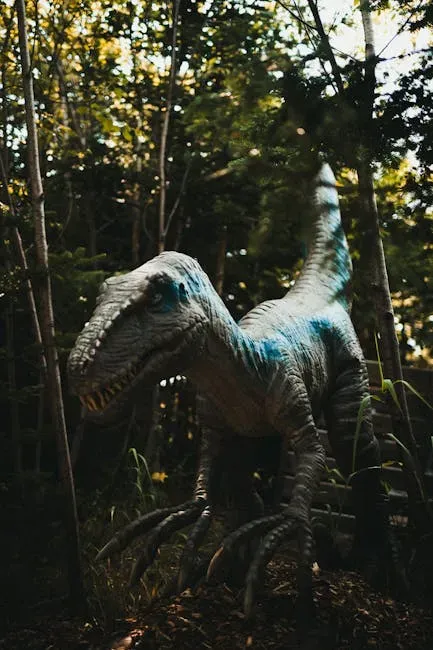
The velociraptor myth is a textbook example of how pop culture can freeze an outdated or incorrect image in the public mind for decades. Once enough people see something on screen, it becomes the mental template, and new discoveries have to fight uphill to replace it. You can update textbooks, write museum panels, and publish papers, but it’s hard to compete with a blockbuster franchise replaying in living rooms around the world. The result is a weird split: scientists talking about feathered, mid‑sized raptors, and everyone else picturing hairless nightmares that never really existed.
This gap matters beyond trivia. When people assume science is constantly contradicting itself – dinosaurs had scales, now they had feathers, what’s next? – they may start trusting it less, instead of seeing refinement as a strength. In reality, the picture of velociraptors has sharpened and improved as new fossils and techniques have come along. The problem is not the science changing; it’s mass media refusing to catch up, because accuracy feels riskier than nostalgia. That tension between evolving evidence and frozen pop images is exactly why we should care how raptors, and everything else, get portrayed.
Conclusion: The Small Truth Is Bigger Than the Big Lie
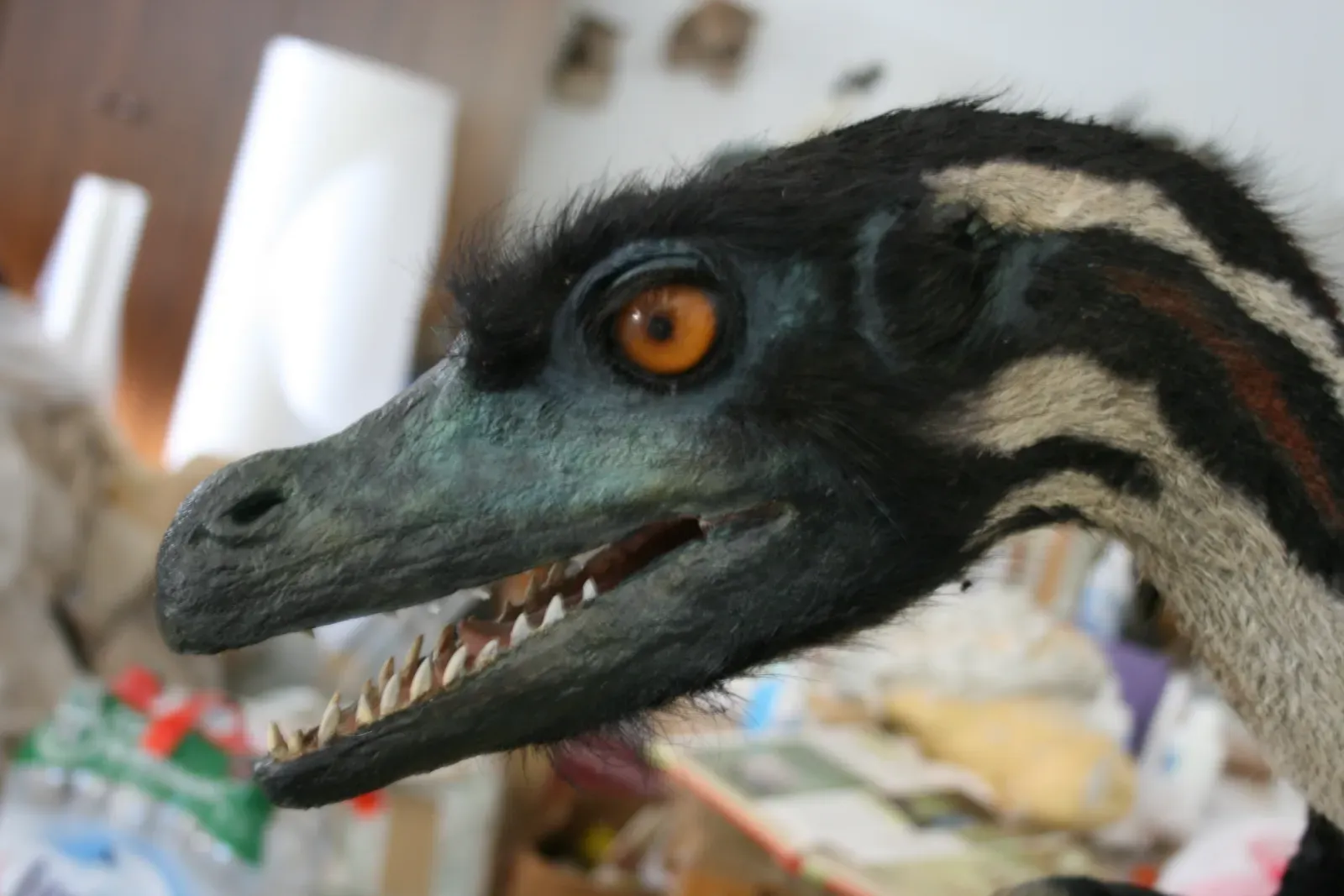
To me, the funniest part of this whole story is that the truth was never the boring option. A turkey‑sized, feathered, knife‑clawed predator zigzagging through the Cretaceous scrubland is wild all on its own. We didn’t need to turn it into a scaly hallway horror villain; we just needed to be willing to let reality be strange and surprising on its own terms. In chasing a more “cinematic” monster, Hollywood ended up flattening a genuinely bizarre creature into something more familiar and less honest.
So yes, in a cultural sense, Hollywood does owe us an apology – for stealing the spotlight from a real animal and replacing it with a funhouse reflection. The next time you watch a giant, naked “raptor” leap at a human on screen, picture instead a furious, feathered murder turkey doing its best to make a living in a dangerous world. That mental swap is a tiny rebellion, a way of giving the real Velociraptor its dignity back. And now that you know what it was actually like, which version do you honestly find more interesting?