If you’ve ever tried to read a dinosaur book out loud to a kid, you know the struggle is real. Your tongue twists, your eyes second-guess every vowel cluster, and you start wondering if paleontologists are secretly trolling us with names that look like autocorrect had a meltdown. Yet behind those chaotic strings of letters are real animals that once walked, swam, or flew across Earth, and their names actually follow surprisingly strict rules.
That’s what makes them fun: they sound completely ridiculous and yet are carefully built from Greek, Latin, and sometimes local languages to describe something precise about the animal. Let’s walk through ten dinosaur (and close dinosaur relatives) names that look like someone sneezed onto a keyboard, unpack what they mean, and appreciate both the science and the absurdity baked into each one.
Micropachycephalosaurus
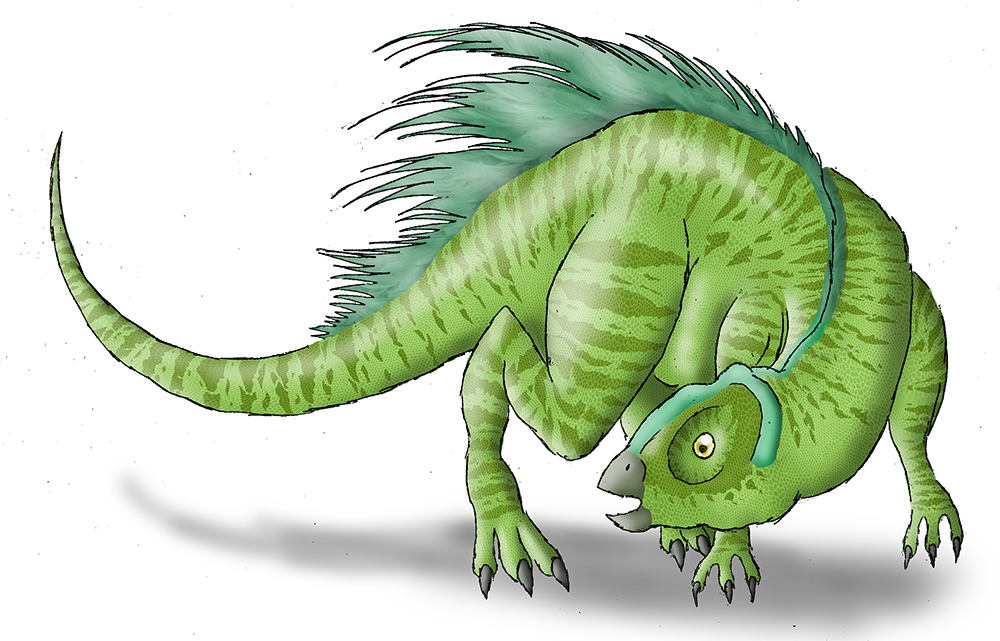
The name Micropachycephalosaurus looks like a dare someone lost, but it is perfectly logical once you break it down. It roughly translates to “small thick-headed lizard,” combining “micro” for small, “pachy” for thick, “cephalo” for head, and “saurus” for lizard. It belonged to a tiny herbivorous dinosaur discovered in China, and despite the tongue-twister name, it was probably about the size of a dog, not some massive tank of bone and armor.
Names like this come from a time when paleontologists loved descriptive compounds, and there was almost a quiet competition to see how much information they could pack into a single word. In practice, that often left the rest of us staring at labels in museums, muttering syllables under our breath and hoping no one was listening. Micropachycephalosaurus is a perfect example of how scientific precision can collide with everyday pronunciation and produce something that looks like a keyboard smash.
Dracopelta
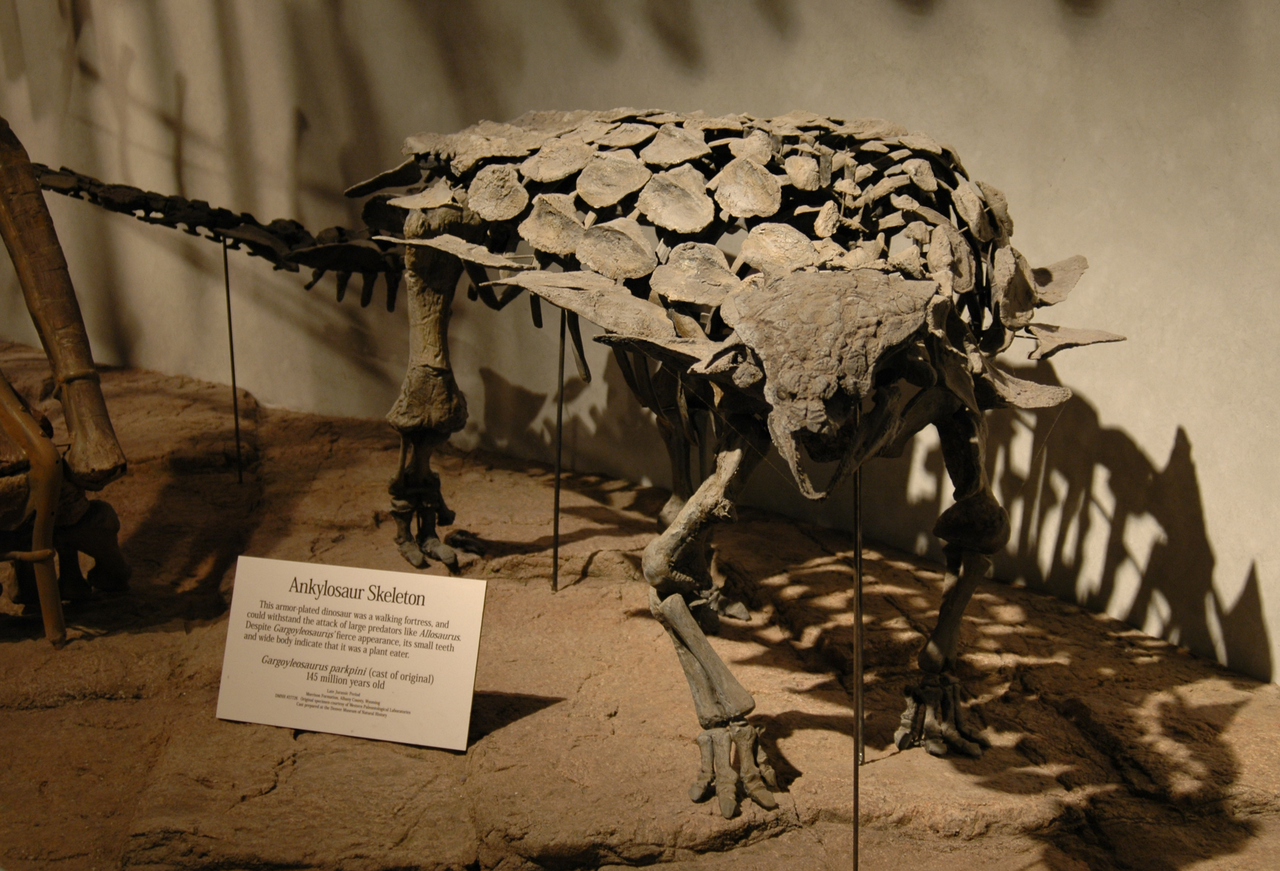
At first glance, Dracopelta looks less like a dinosaur and more like a password suggestion you’d get when your usual login is taken. In reality, it is a compact mashup meaning “dragon shield,” from the Latin “draco” for dragon and Greek “pelta” for shield. Dracopelta was an armored dinosaur from Portugal, and that name nods to its protective body plates, which acted like natural body armor.
What makes Dracopelta feel so strange is how short and punchy it is compared to the usual long-winded dinosaur names, and yet the consonant combo still feels oddly artificial. It almost sounds like the name of a video game boss or a fantasy armor set rather than a real animal that trundled along Jurassic or Cretaceous landscapes. That collision between mythology, military imagery, and genuine paleontology is exactly why names like this stick in your head.
Citipati osmolskae
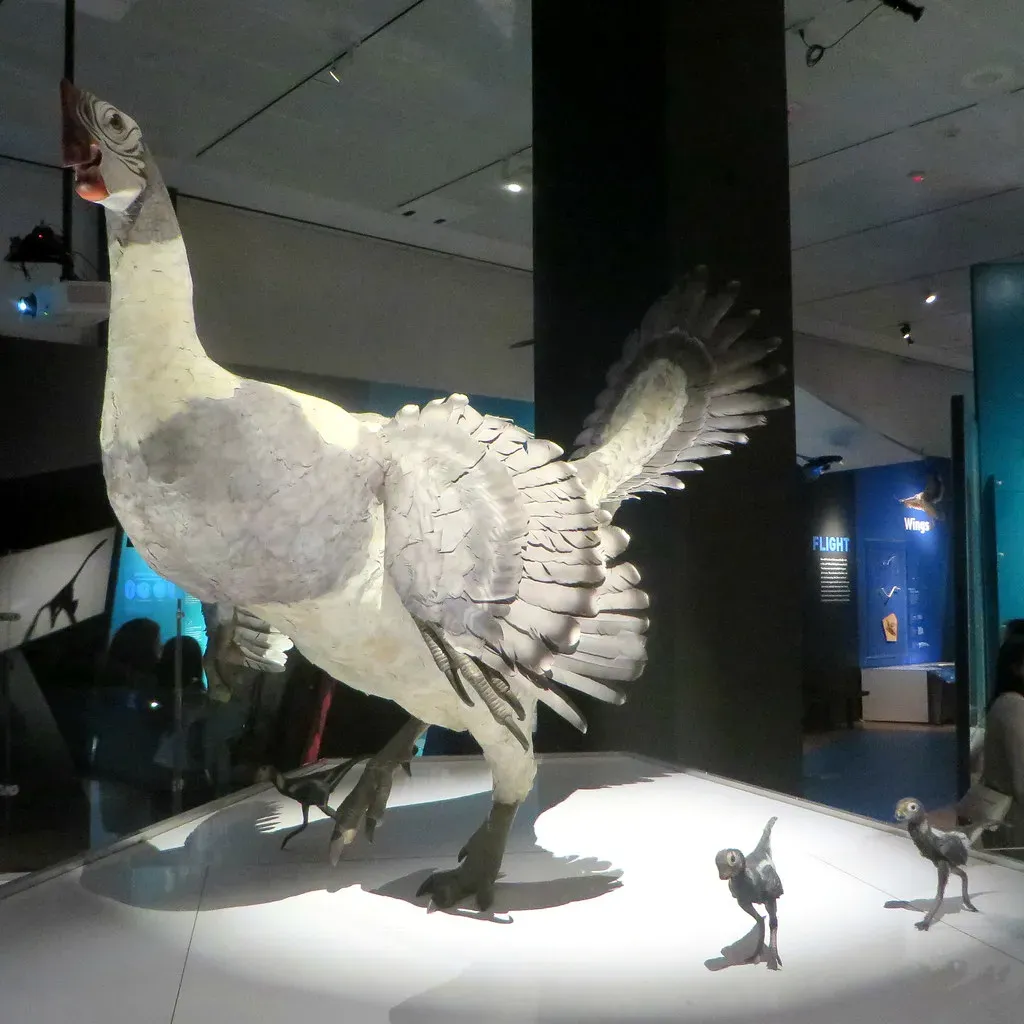
Citipati osmolskae looks, at first reading, like someone dropped a hand on the middle row of the keyboard and refused to fix it. But it actually comes from Tibetan and Latinized naming traditions and refers to a kind of skeletal guardian figure from Buddhist mythology. Citipati was an oviraptorosaur from Mongolia, a birdlike dinosaur with a crest and a beak, often preserved in dramatic, almost story-like fossil poses.
The species name “osmolskae” honors paleontologist Halszka Osmólska, which adds another layer of unfamiliar letters for English speakers. When you put it all together, you get a name that looks intimidating on the page but tells a story about culture, myth, and scientific history all at once. It is a reminder that dinosaur names are not only about anatomy; they also capture where and by whom these creatures were discovered.
Wiehenvenator albati
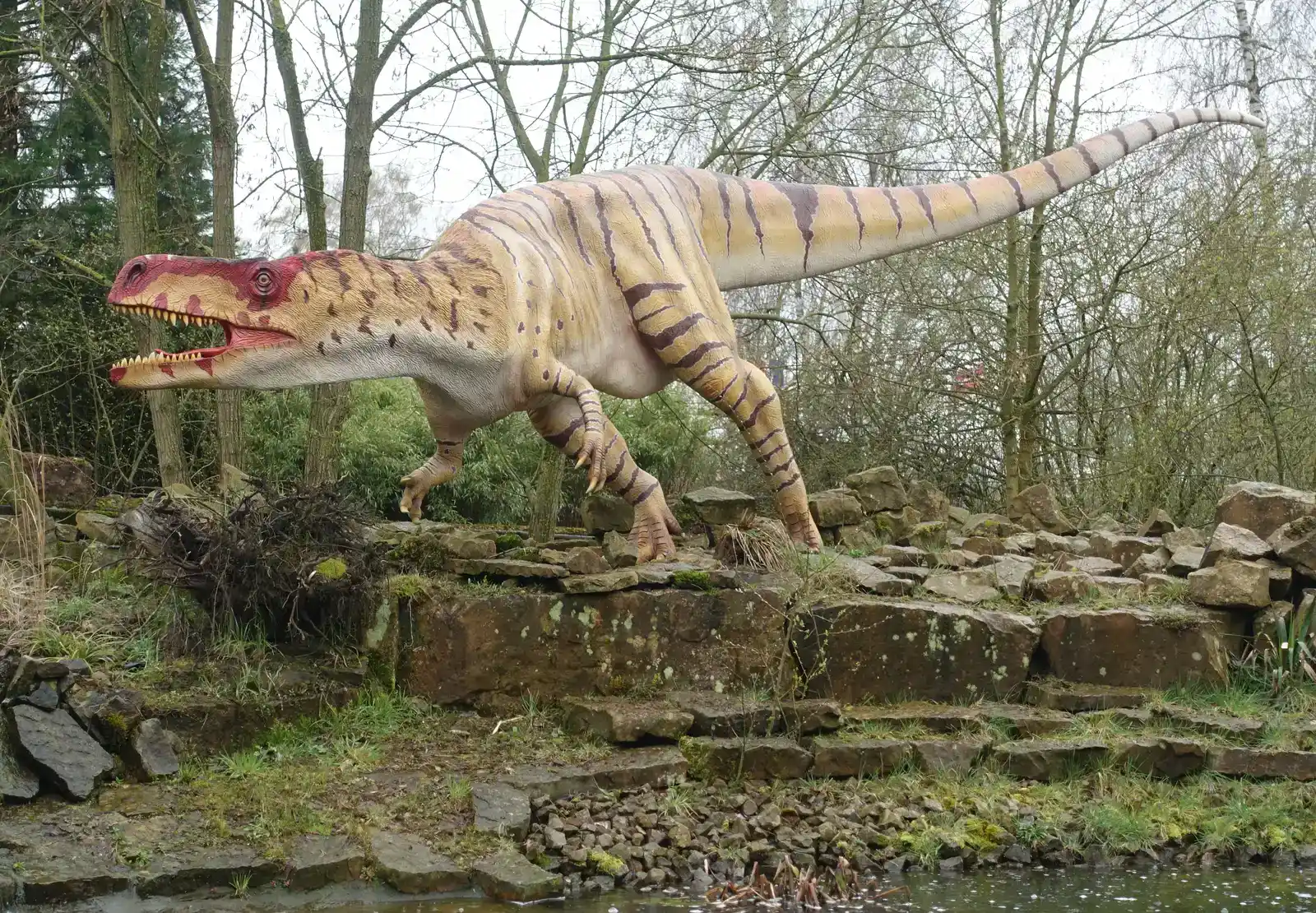
Wiehenvenator albati is one of those names that seems to be daring your spell-check to give up entirely. This carnivorous theropod’s name is built from the Wiehengebirge, a mountain range in Germany where it was found, plus “venator,” meaning hunter. So, stripped of the snarl of letters, it simply means “hunter from the Wiehen mountains,” which sounds almost poetic compared to how it looks written out.
The species name “albati” honors a fossil hunter, which once again stacks more unfamiliar syllables into a word that looks impossible to pronounce on the first try. European locality-based names often sound the weirdest to English speakers because they faithfully mirror regional spelling patterns. In this case, what looks like a random cluster of vowels and consonants is actually a pretty straightforward geographic tribute.
Fruitadens haagarorum
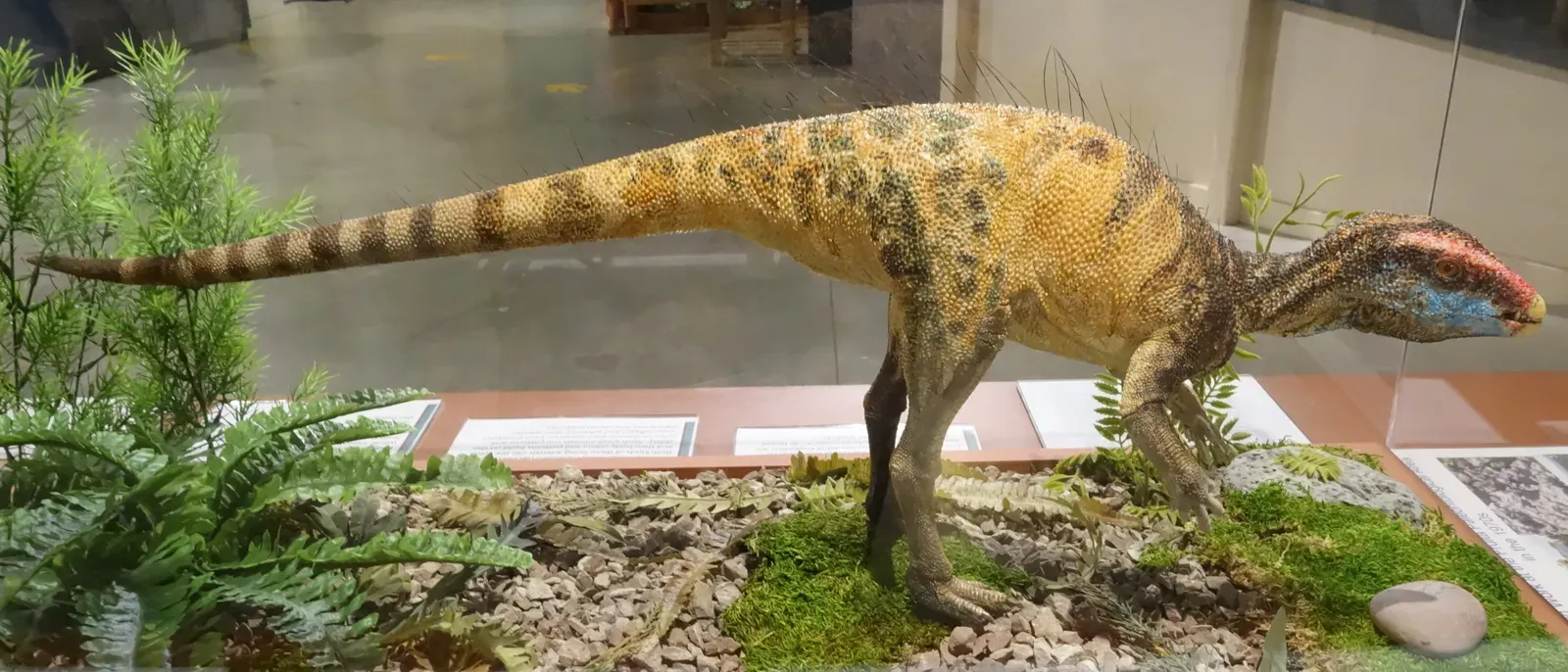
Fruitadens haagarorum is one of those names that makes you double-take because you see “fruit” and “dens” and assume someone is joking. But it is named after Fruita, a town in Colorado, and “dens,” Latin for tooth. Fruitadens was a very small dinosaur, one of the smallest known ornithischians, which already makes it endearing, as if the name itself is trying to shrink down to match its size.
The species name “haagarorum” honors the Haaga family, supporters of the museum that helped fund research, so suddenly this string of letters starts to feel less random and more like a thank-you card written in Latin. Still, the visual effect is wild: the word looks like a brand of toothpaste or a new health snack more than an ancient reptile. It is a reminder that naming often reflects people and places long after the dinosaur itself stopped roaming the planet.
Gryphoceratops morrisoni
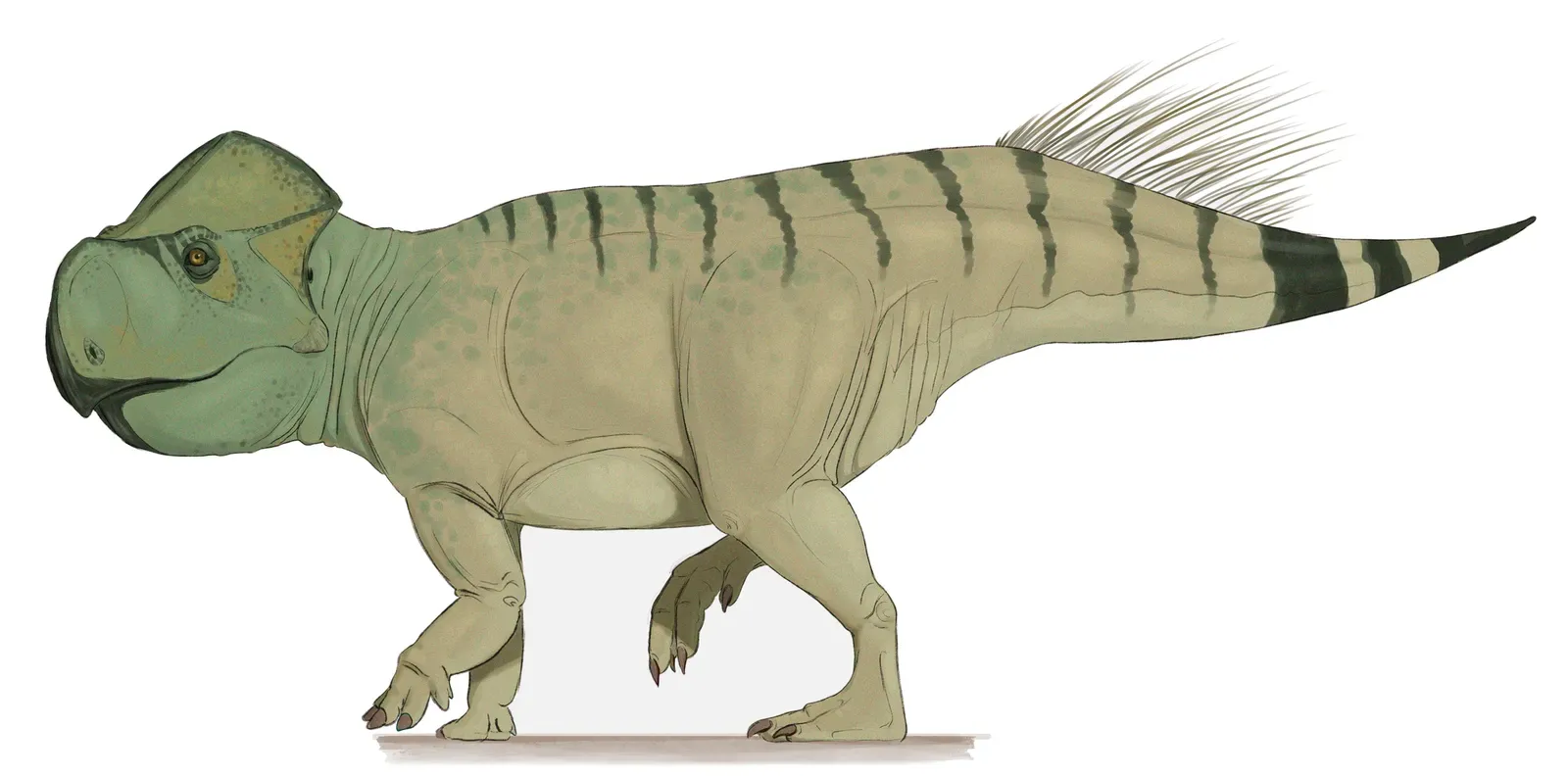
Gryphoceratops morrisoni sounds like what you would get if someone tried to name a dinosaur and a fantasy creature at the same time, then refused to choose. The name blends “grypho,” referencing a griffin-like mythic creature, with “ceratops,” the well-known horned-faced group that includes Triceratops. Gryphoceratops was a small horned dinosaur from Canada, and compared with its gigantic relatives, it probably looked more like a goat-sized oddball than a titanic horned beast.
The combination of mythical imagery and formal Greek roots gives the name an almost comic-book flair. The species name “morrisoni” honors a researcher, which is a common pattern in paleontology and adds yet another cluster of letters to navigate. When you read it out loud, Gryphoceratops feels like it should have wings and a backstory in some fantasy series, yet it is firmly grounded in real fossils and real rocks.
Qianzhousaurus sinensis
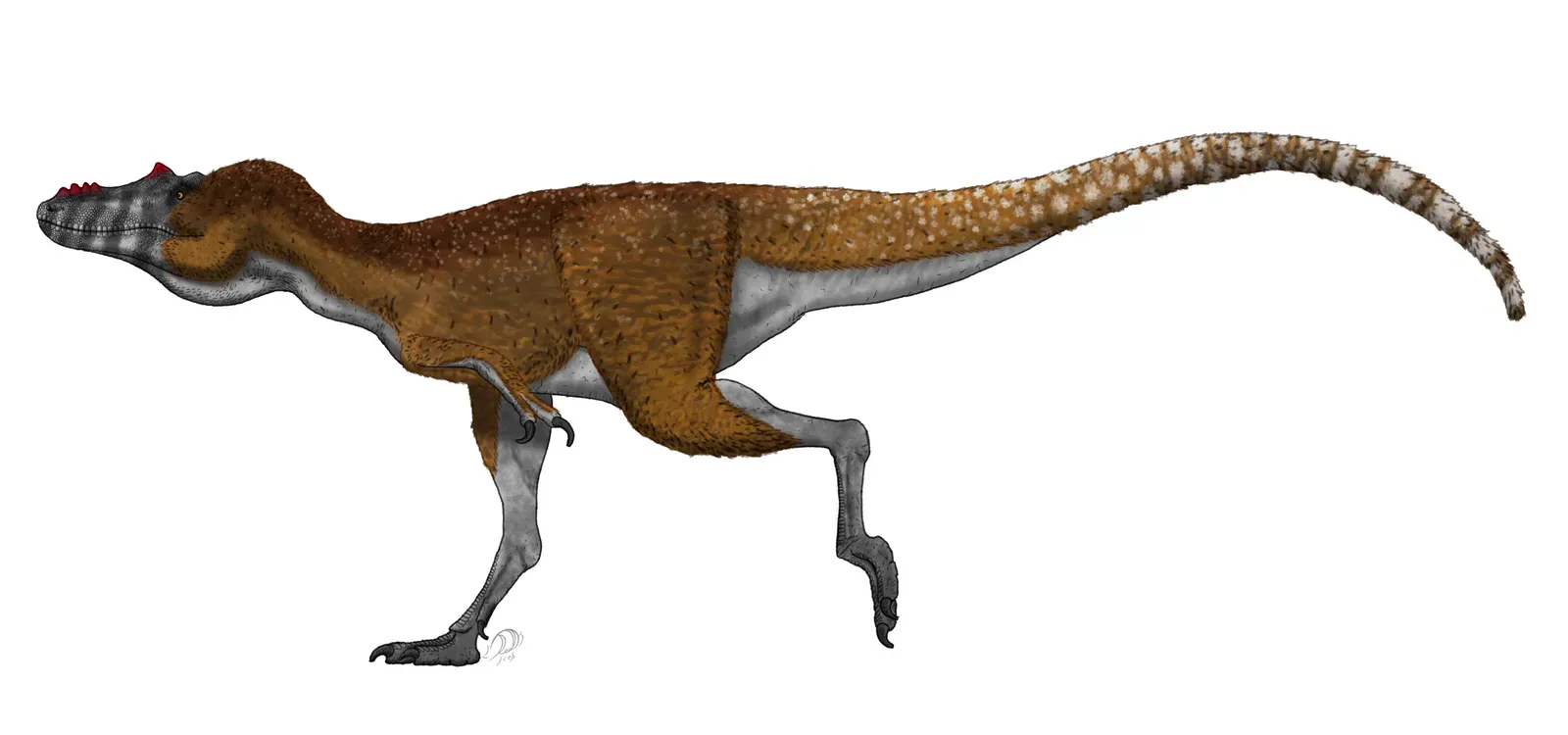
Qianzhousaurus sinensis is a perfect example of how local geography and scientific tradition can produce a name that looks utterly alien to most English readers. The genus name comes from Qianzhou, an old name or reference tied to the region in China where it was found, while “saurus” is the standard for lizard. The species name “sinensis” simply means “from China,” a very common Latin tag used across plant and animal naming.
This dinosaur was a long-snouted tyrannosaur nicknamed “Pinocchio rex,” which only makes the serious, formal name feel even more over-the-top. Many modern dinosaur discoveries from Asia include combinations of transliterated local place names and classical Greek or Latin, and Qianzhousaurus is a textbook case. It looks random until you remember that science is trying to honor both where something was found and how it fits into the larger family tree, all inside one unwieldy word.
Yutyrannus huali
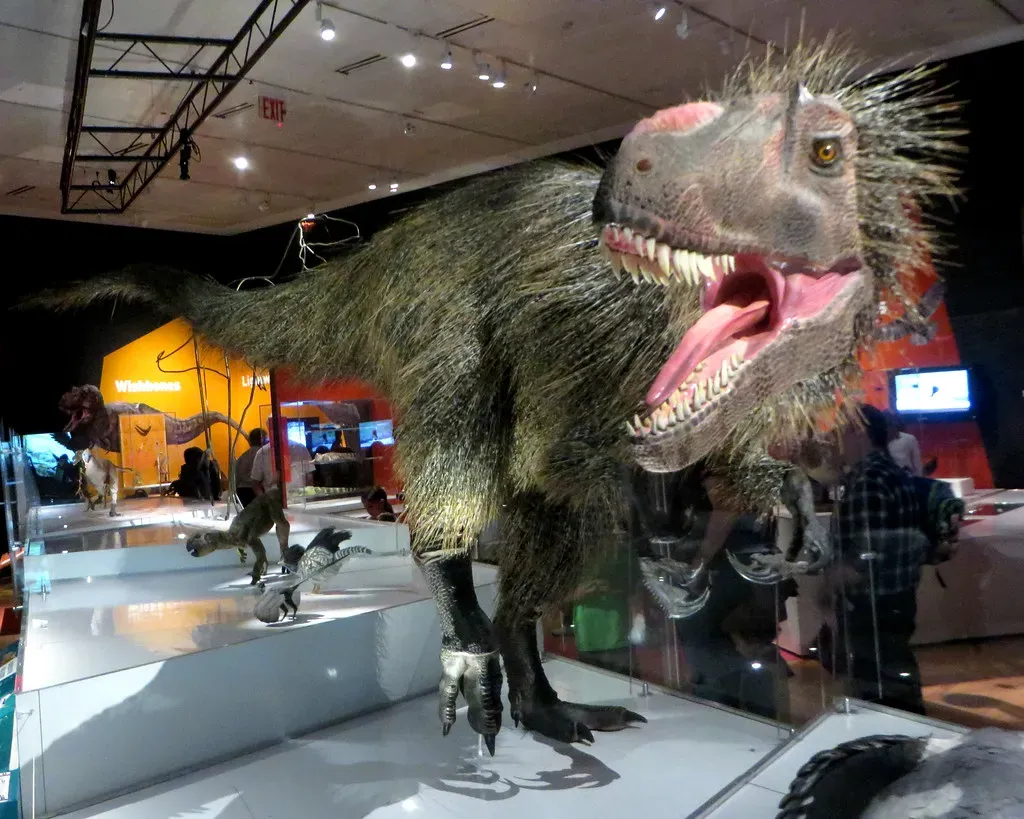
Yutyrannus huali somehow looks clean and chaotic at the same time, like a fantasy username that happens to be scientifically valid. The name translates roughly to “feathered tyrant,” with “Yu” drawing from a Chinese word related to feathers and “tyrannus” echoing the famous Tyrannosaurus. This dinosaur was a large, feathered relative of tyrannosaurs from northeastern China, and its discovery helped drive home the idea that many big predatory dinosaurs wore feathery coats.
The species name “huali” reflects a Chinese term that can be interpreted as beautiful or ornate, which ties back to the idea of impressive plumage. So the full name is not a random jumble at all; it is a compact description of a big, feathery, terrifyingly impressive animal. Seen through that lens, the name becomes less of a keyboard sneeze and more of a compressed story about appearance, behavior, and origin.
Rhinorex condrupus
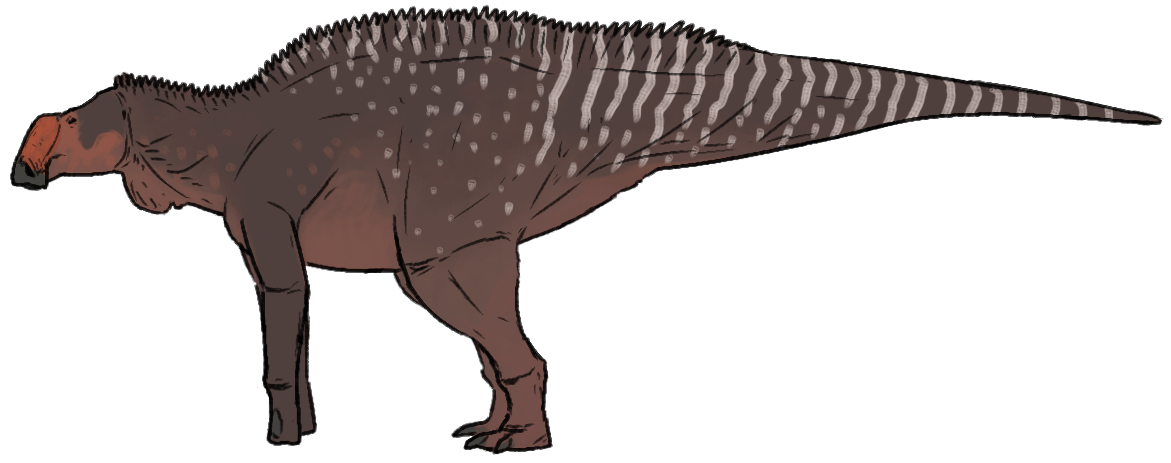
Rhinorex condrupus is one of those names where, once you know the meaning, you can’t unsee it. “Rhino” here refers to the nose and “rex” to king, so this is literally the “nose king,” a hadrosaur with a massive nasal area discovered in Utah. The name sounds like a medical term collided with a comic book villain, which is exactly the kind of bizarre charm that makes people remember it.
The species name “condrupus” references the site where it was dug up, stitching geography into the identity of the animal as usual. If you have ever joked about someone being the king of something ridiculously specific, this dinosaur is the fossil record’s version of that joke. Its name is scientific, descriptive, and yet still reads like someone mashed a couple of syllables together and just ran with it.
Yamatosaurus izanagii
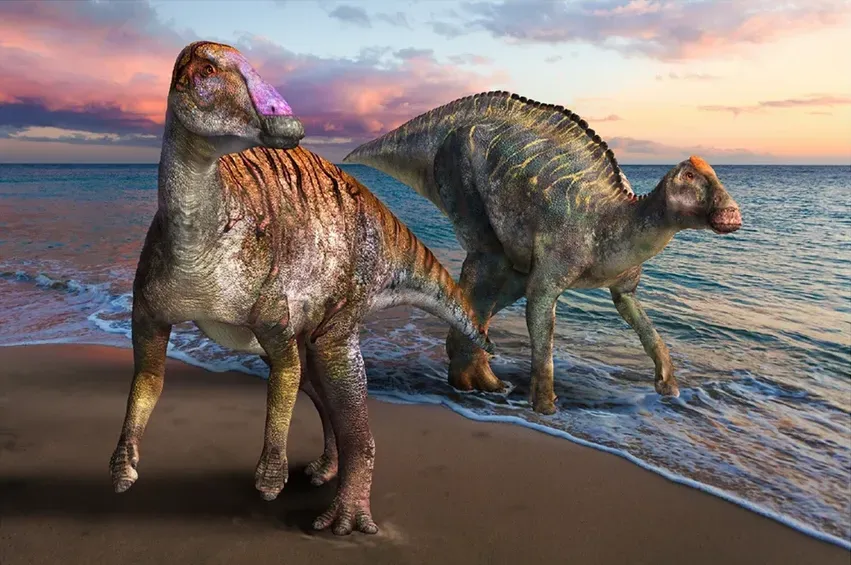
Yamatosaurus izanagii feels like it escaped from a mythological epic before being pinned to a fossil. “Yamato” is an old poetic name for Japan, and “saurus” brings in the usual “lizard,” grounding it as a dinosaur. The species name “izanagii” refers to Izanagi, a figure from Japanese mythology associated with creation, which adds a heavy cultural layer to this already dramatic label.
To an English speaker, the name looks like a fantasy game boss or a sci-fi spacecraft more than a plant-eating dinosaur that once roamed ancient Japan. But that is exactly the point: modern paleontology is increasingly comfortable weaving local language and myth into naming, rather than sticking strictly to Greek and Latin. The result is a name that looks wild on the page but preserves a link between ancient rocks and living cultural memory.
Conclusion: The Beauty in the Chaos of Dinosaur Names
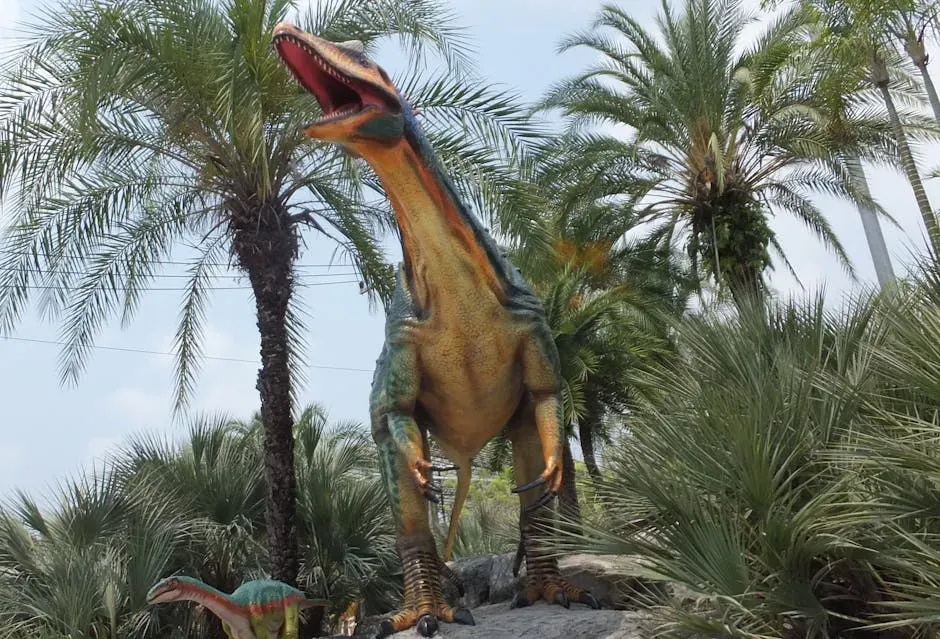
Looking at these names side by side, it is tempting to assume paleontologists just slam their hands onto the keyboard and pick whatever comes out. In truth, there are rules, traditions, inside jokes, and heartfelt tributes hidden in nearly every letter, from references to local geography and mythology to nods at anatomy and the people who made the discoveries possible. Personally, once I started digging into the meanings, I stopped seeing them as random nonsense and started seeing them as dense little time capsules of culture and science.
Are some of these names ridiculously hard to spell and even harder to say out loud? Absolutely, and that is part of their charm. They force us to slow down, to ask what the pieces mean, and to remember that naming is a deeply human act grafted onto creatures that lived millions of years before language existed. Next time you trip over a dinosaur name that looks like a keyboard sneeze, it might be worth asking yourself: is this really nonsense, or is it just a story I have not decoded yet?