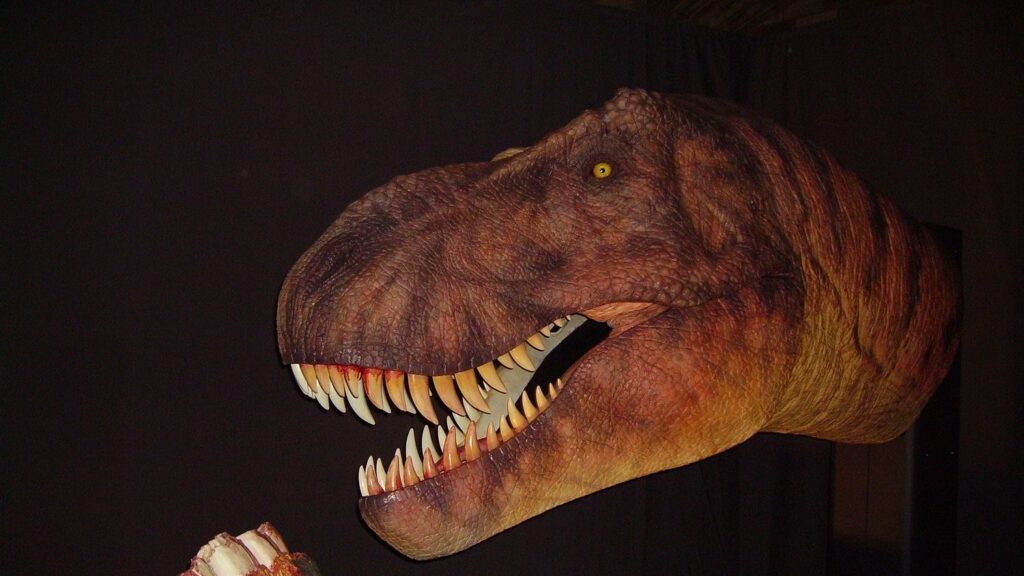
If your mental image of Tyrannosaurus rex comes straight from a popcorn-fueled movie marathon, you’re actually underestimating it. The real animal that walked Late Cretaceous floodplains about sixty-six million years ago was not just a giant movie monster; it was a highly evolved, brutally efficient, and weirdly sophisticated predator. The closer paleontologists look at T. rex bones, the more unsettling details they keep uncovering.
What makes it so eerie is that, the more the science advances, the less cartoonish and the more plausible T. rex becomes. This was not a clumsy brute that roared a lot and missed slow-moving jeeps; it was a sensory powerhouse with a bite that defies belief, a brain tuned for hunting, and a life history that reads like a survival horror script. Let’s walk through seven reasons the real T. rex was even more terrifying than the movies ever really admit.
1. A Bite Force Strong Enough To Turn Bone Into Dust
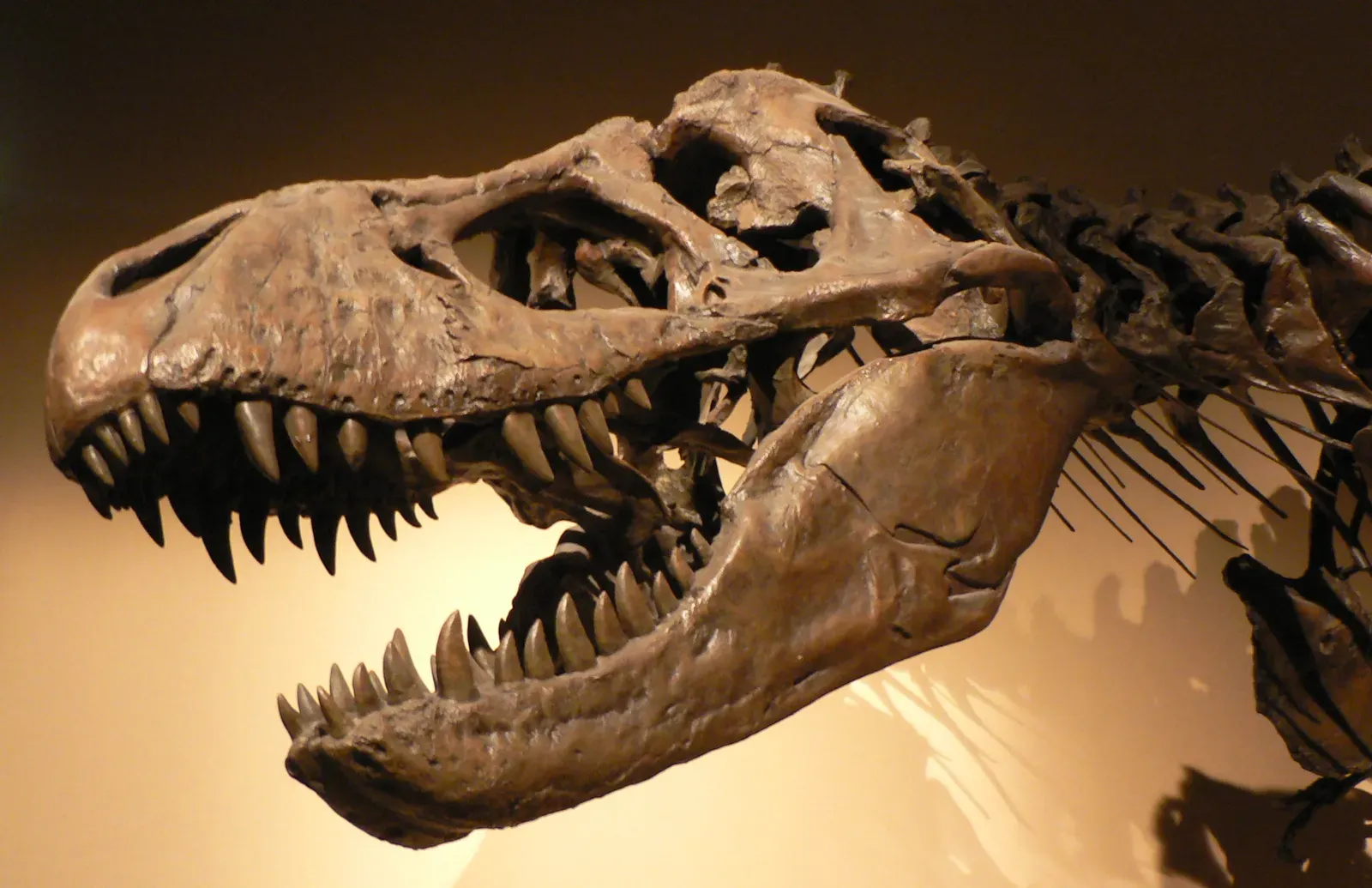
Most films show T. rex crunching cars, but real fossil evidence is even more disturbing: it could crush living bone with ease. Studies of skull mechanics and jaw muscles suggest its bite force reached several tons, far beyond what modern lions or crocodiles can muster. When paleontologists examine hadrosaur and ceratopsian fossils, they find deep, ragged T. rex tooth marks not just on flesh-bearing parts, but straight through thick bone. That means it was not politely nibbling around the skeleton; it was punching its teeth into the hardest parts and pulverizing them.
The teeth themselves were like sharpened railroad spikes, thick and banana-shaped rather than knife-thin. That stout shape helped them resist snapping, even when driving into dense bone, and replacement teeth grew throughout its life, so losing a few during a nasty encounter was just part of the job. Movies often treat its bite like a dramatic jump scare, but in reality, once a T. rex closed its jaws on you, the physics alone meant there was no coming back. It was not just a predator; it was a walking industrial press designed to turn living animals into shattered, digestible pieces.
2. Eyes And Brain Built For A Predator, Not A Mindless Brute
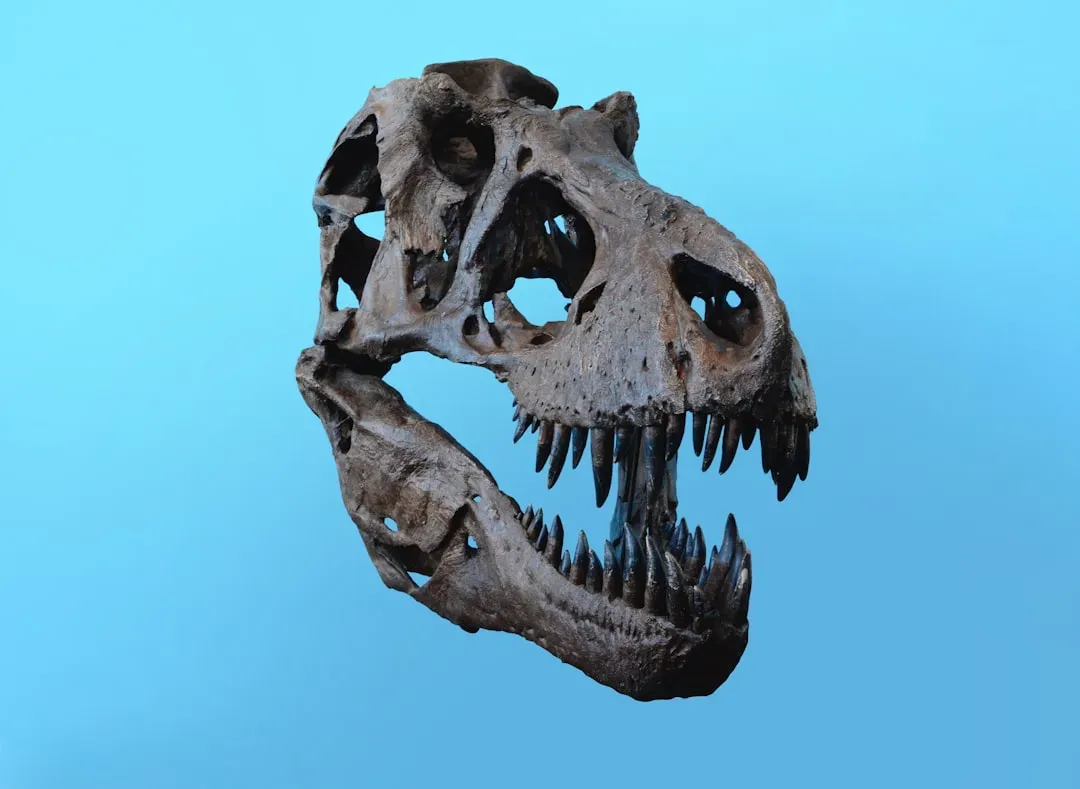
Hollywood loves portraying T. rex as powerful but a bit dumb, a kind of oversized reptilian bulldozer. The fossil record tells a different story: its brain, while not mammal-level, was relatively large for a reptile of its size and shows well-developed regions linked to vision and smell. The orientation of its eye sockets suggests its eyes faced somewhat forward, giving it decent binocular vision and depth perception, something you really do not want in a huge predator. Instead of a near-sighted monster, you get a hunter that could likely judge distance and track movement with unnerving accuracy.
Endocasts of its braincase also point to a strong sense of balance and coordination, great for a biped that needed to pivot, lunge, and keep control of a massive head at the end of a long neck. Its cognitive abilities were not on the level of birds like crows or parrots, but it probably was not the slow thinker movies imply either. Think of it more like a hyper-specialized reptilian athlete with a brain tuned for survival tasks: finding prey, tracking scents, navigating its territory, and maybe even dealing with social rivals. A huge apex predator that can see you clearly, process complex sensory input, and react quickly is far more unsettling than a lumbering movie prop.
3. A Nose That Could Track You For Miles
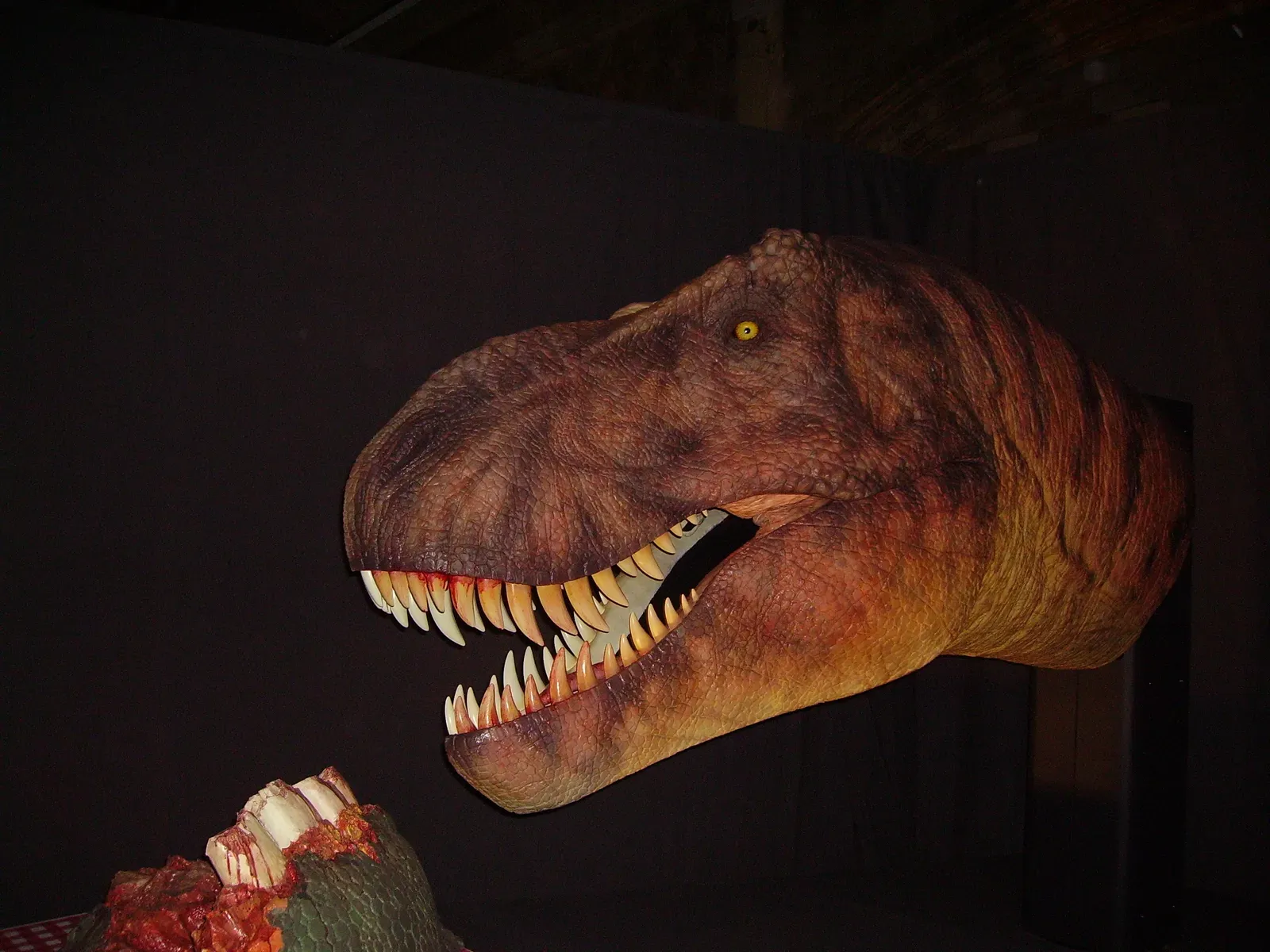
Some films lean into the idea that T. rex relied on movement to find you, as if you might cheat death by staying still and holding your breath. The science behind its olfactory system shatters that comforting illusion. The portion of its brain associated with smell was large, more like what we see in animals that heavily depend on scent in their daily lives. That suggests T. rex was not just sniffing vaguely; it was likely detecting and interpreting scents in fine detail, from the smell of decaying carcasses to the faint trace of a wounded animal.
In practical terms, that means you could not simply outrun or out-hide it by ducking behind a tree for a few minutes. A strong nose would have allowed T. rex to home in on dying animals from long distances or revisit old kills by following lingering odors. It also makes a compelling case that scavenging was a natural part of its lifestyle, alongside hunting, because the smell of a carcass would have been like an alarm bell ringing across the landscape. Far from being a vision-only predator, T. rex was more like a mobile sensory array, combining sharp sight with a nose that turned the entire environment into a readable map of opportunity.
4. Bone-Crunching, Infection-Spreading Teeth
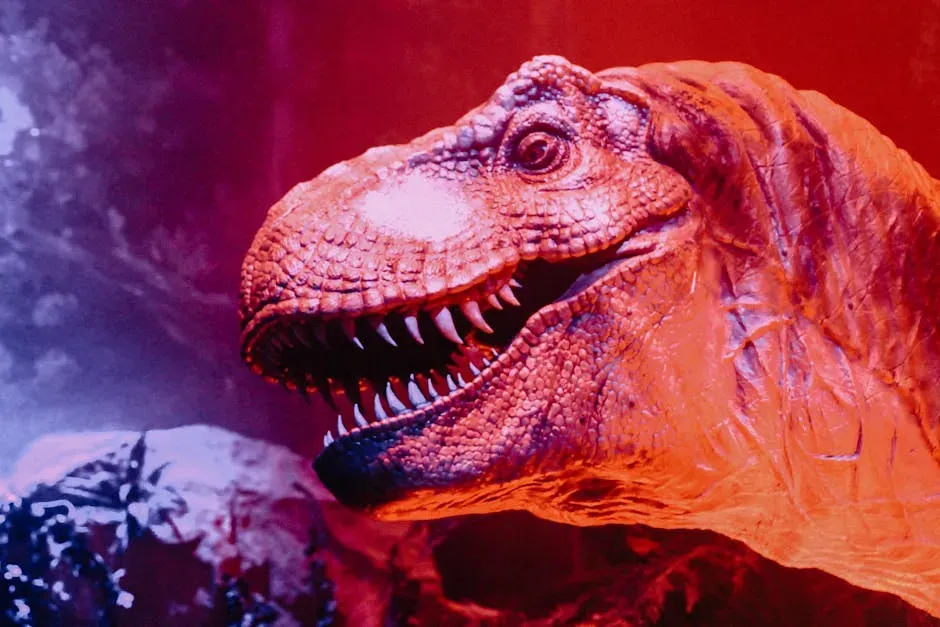
The teeth of T. rex were terrifying even when you strip away the Hollywood glamour. Their shape and size made them perfect tools for puncturing and tearing, but fossils show an even more macabre twist: the spacing and wear on those teeth allowed chunks of meat and bone to get trapped between them. In a warm, saliva-rich mouth, that leftover organic matter would have become a breeding ground for bacteria. So a bite from T. rex was probably not just mechanically devastating; it may also have delivered a nasty bacterial cocktail into the wound.
There is ongoing debate about how far this infection angle went, and it is important not to oversell it into a fantasy venom story. Still, when you combine massive tissue damage, shattered bone, and the high likelihood of infection in a prehistoric environment with no clean water or wound care, the odds of surviving a serious bite were slim. Some prey animals did survive attacks from big theropods, as indicated by healed bite marks, but many would have died later from complications. Movies show the instant kill; the reality might have been worse, involving lingering suffering as bacterial infections took over after a brutal encounter with a T. rex.
5. A Tank-Like Body That Could Still Move Shockingly Fast
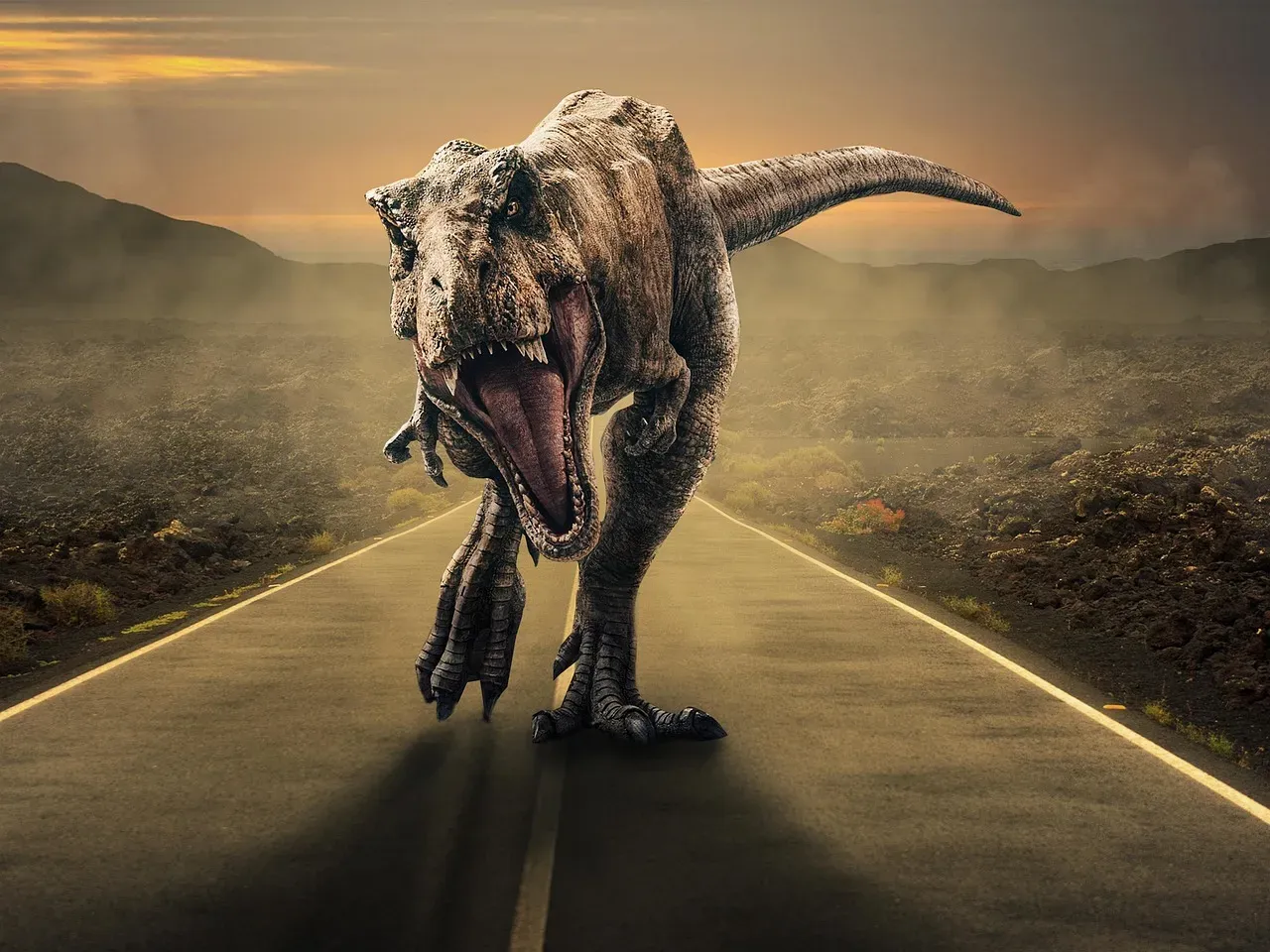
On screen, T. rex sometimes sprints like a cheetah, sometimes lumbers like a slow tank, depending on what the plot needs. Scientific estimates suggest it was not a sprinter in the sense of outrunning fast, small animals, but it likely moved faster and more efficiently than most people imagine for something that heavy. Biomechanical studies generally place its top speed in a moderate but still horrifying range for a multi-ton animal, fast enough that no human would stand a realistic chance in an open chase. Even a quick jog from a creature towering over you and weighing several tons is nightmare fuel.
Its build was not a random pile of muscles on legs; the skeleton shows a balance of strength and agility. The tail acted as a counterweight, helping stabilize the body and allowing relatively sharp turns for such a massive predator. Powerful hindlimbs meant it could cover ground efficiently, whether it was walking for long distances or surging forward during a pursuit. The idea of a living bulldozer that can also pivot, accelerate, and close distance faster than you can run is far scarier than the inconsistent speeds we see on screen. In reality, once a T. rex decided to come your way, the landscape itself became your enemy.
6. A Violent Life Of Battles, Injuries, And Survival
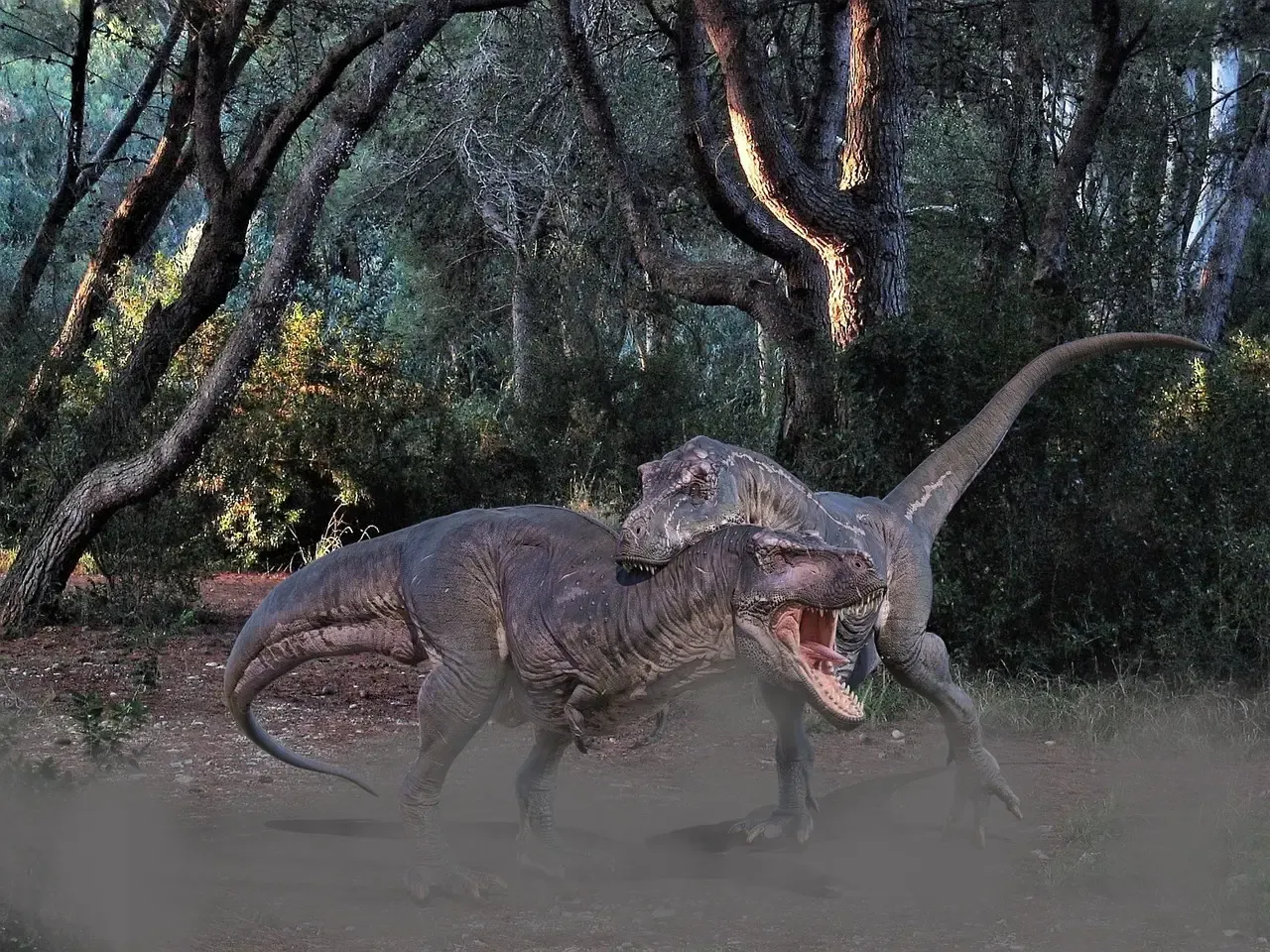
Movies focus on T. rex fighting other dinosaurs in carefully choreographed showdowns, but real fossils tell a rawer, almost gritty story. Many T. rex skeletons show healed injuries: broken ribs, damaged vertebrae, bite marks that match T. rex jaws, and signs of chronic wear and tear. That means these animals were not only inflicting brutal harm, they were surviving it and continuing to function. Imagine a predator already at the top of its game, walking around with old fractures and scars, having learned from hard fights over territory, mates, or food.
This battle-hardened lifestyle makes T. rex feel less like a movie monster and more like a seasoned fighter that has seen almost everything and lived to tell the tale. Injuries that would cripple or kill many animals today were sometimes absorbed into its normal life, leaving marks on the bones as proof. It likely wrestled with horned dinosaurs, clashed with other big theropods, and even fought its own kind, using those bone-crushing jaws and massive skull like a living battering ram. A population of predators shaped by constant violence and survival pressure is far more chilling than a single cinematic villain; it suggests a whole ecosystem where brutality was routine.
7. Not Just A Loner: Possible Social Behavior And Complex Lives
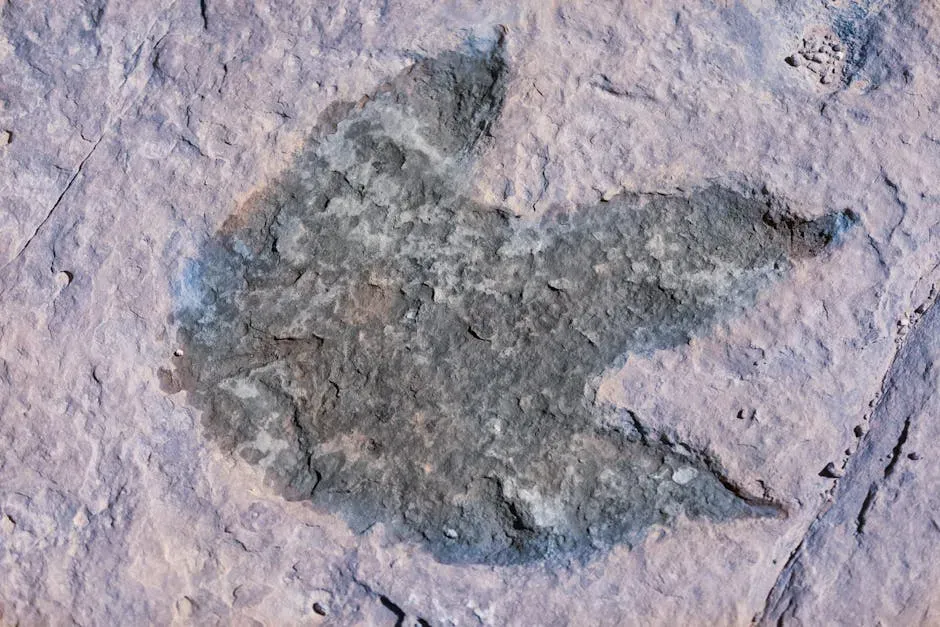
The classic movie image of T. rex is a solitary roamer, appearing alone on screen as an isolated threat. Some paleontologists, however, have floated evidence that hints at more complex behavior, including the possibility that juveniles and adults sometimes interacted in ways beyond casual encounters. Trackways of large theropods, bite marks from intraspecific conflicts, and growth studies of T. rex bones paint a picture of animals that lived long enough and in high enough numbers to regularly cross paths. Whether that translates to stable packs is still under debate, but the idea that they were socially aware of each other is hard to avoid.
There is also an eerie angle to their growth: young T. rexes were more lightly built and probably faster, occupying a different ecological role than the heavy adults. This sort of age-based division of labor, even if informal, could mean juveniles and adults affected the landscape in coordinated ways, simply by being present. Picture an ecosystem where nimble teenage tyrannosaurs harass prey and drive them into areas where older, bulkier adults dominate kills. Even if they did not cooperate like wolves, their overlapping presence and shared instincts would have made the world around them unbelievably dangerous. To me, that suggestion of complex, layered lives is scarier than any solitary monster roaring at a helicopter.
Conclusion: The Real Horror Is How Efficient T. Rex Actually Was
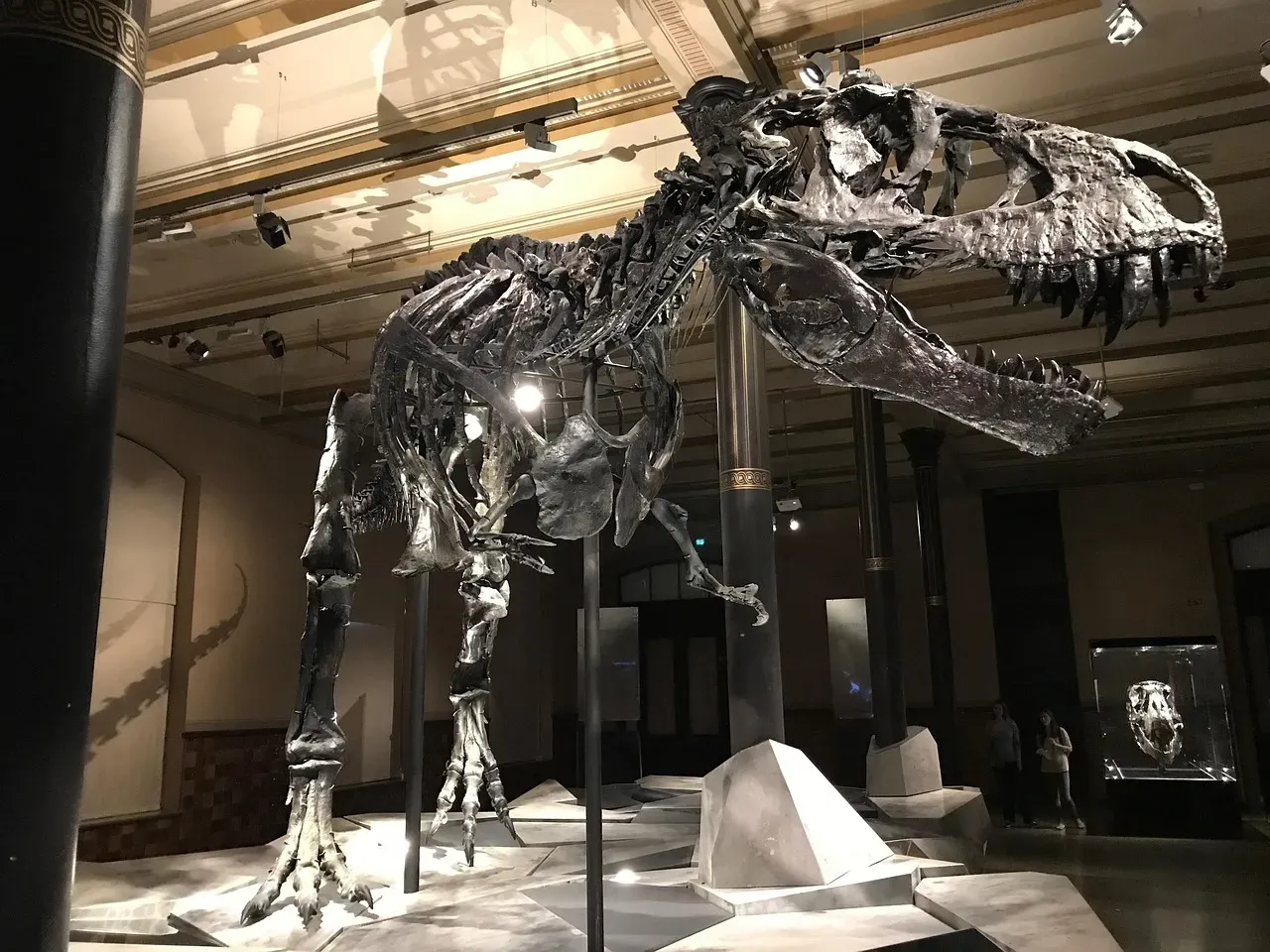
The more I read the science, the less T. rex feels like a fantasy monster and the more it feels like a brutally real animal that simply happened to be enormous. It had a bite strong enough to obliterate bone, senses tuned to track you even if you held perfectly still, and a body that combined tank-like power with sinister speed. On top of that, it lived a life of constant violence, injury, and survival, and may have had social and ecological complexity that movies barely touch. You do not need to exaggerate anything to make T. rex terrifying; you just need to describe it honestly.
Personally, I find that reality more unnerving than any dramatic roar or car-flipping stunt on screen. The actual T. rex was not supernatural, but it was horrifyingly good at being what it was: the apex predator at the end of the dinosaur age. If the movies undersell anything, it is how cold, efficient, and relentless natural selection can be when it shapes a creature for the top of the food chain. Next time you see a T. rex in a film, ask yourself: are they really making it scary enough, or is the truth still lurking just out of frame?