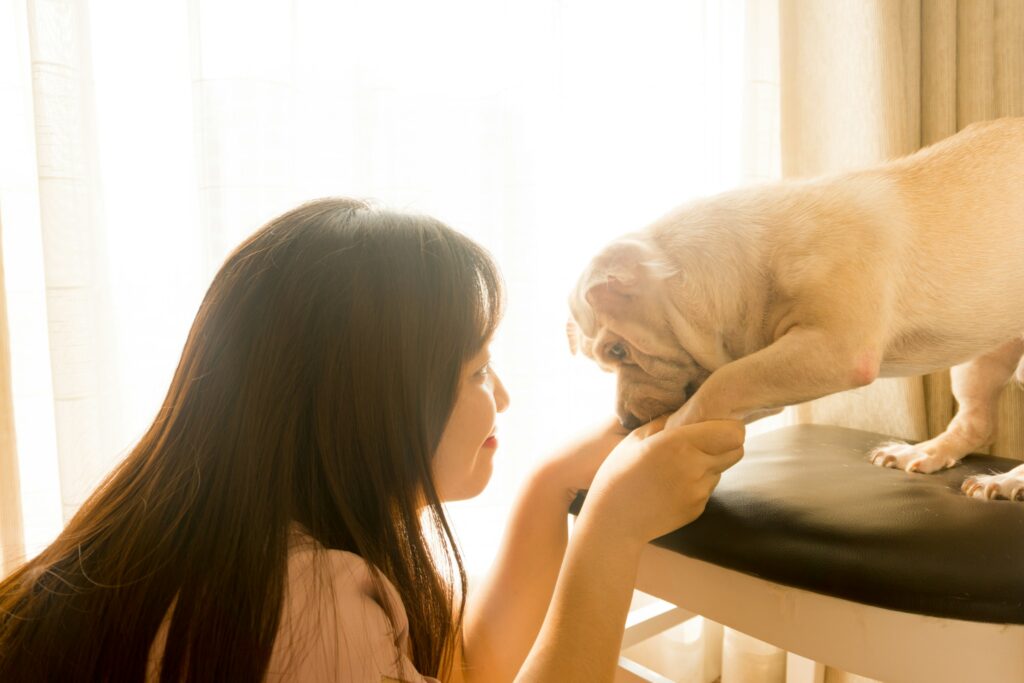
If you’ve ever caught yourself baby-talking your dog in the kitchen or giving your cat a full motivational speech before work, you might’ve wondered if you were losing it. The surprising answer from psychology is almost the opposite: you may actually be tapping into a kind of social and emotional intelligence that many adults slowly abandon. What looks silly from the outside is often a sign of a brain that’s flexible, highly empathetic, and remarkably good at reading subtle cues.
I still remember the first time I realized I spoke to my dog the way some people talk to toddlers, complete with nicknames, questions, and little life updates he absolutely could not understand. I felt a bit ridiculous – until I dug into the research and discovered that this “ridiculous” behavior actually overlaps with how our brains build connection, calm stress, and sharpen social skills. Once you see what is really going on under the surface, talking to your pet like they’re your furry child stops feeling weird and starts looking strangely wise.
The Science of “Pet-Directed Speech” and Why It Mirrors Baby Talk
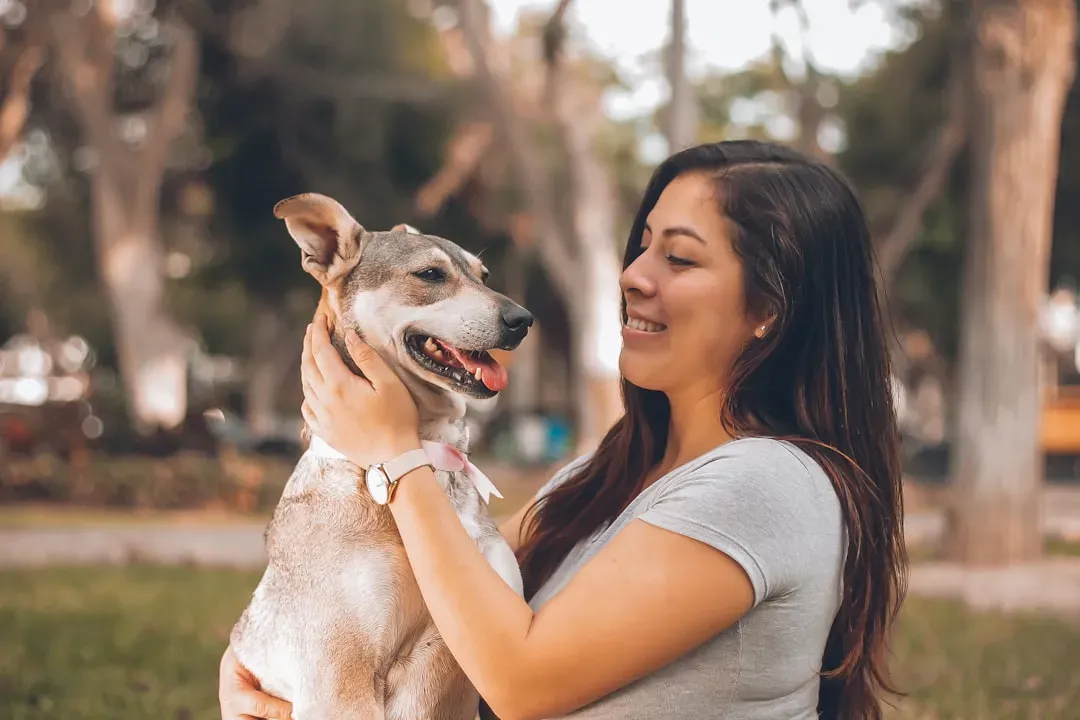
Psychologists and linguists have a name for the way we talk to animals: pet-directed speech. It has a lot in common with infant-directed speech – what most of us would just call baby talk. Both styles usually involve a higher pitch, exaggerated intonation, and simpler, more repetitive phrases. Far from being pointless, this way of speaking helps human brains focus on the social interaction itself, marking it as special, safe, and emotionally loaded.
Studies using recordings have shown that people naturally adjust their speech pattern for puppies and kittens, especially when they are young, almost as if their brains are flipping into a caregiving mode. This is not just childish play; it reflects a deeply wired system for nurturing, teaching, and bonding. When you slide into that “aww, who’s a good boy” voice, you’re not turning off your intelligence – you’re using a finely tuned social tool that evolved for sensitive communication with beings who can’t answer in words.
Empathy on Display: Reading Silent Cues Like a Social Superpower
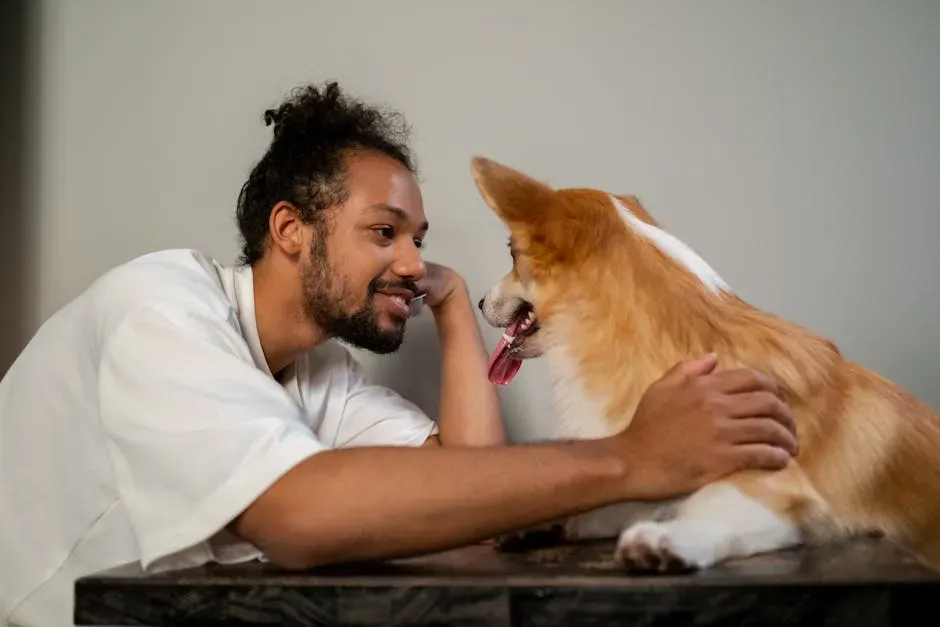
Talking to your pet like a child usually goes hand in hand with something else: watching them closely. You interpret tail wags, ear twitches, blinking patterns, posture shifts, and tiny changes in breathing. That constant micro-reading of signals is pure social intelligence. Many people barely notice their human coworkers’ subtle expressions, yet they can instantly tell when their dog is nervous or their cat is offended by a new brand of food.
This kind of attunement takes effort and practice. You learn that a slight change in your tone calms your puppy, or that using a softer voice stops your anxious rescue cat from bolting under the bed. That is essentially advanced nonverbal communication, just with fur instead of words. The adults who maintain this skill are exercising neural circuits for empathy that too many people let go numb in the name of being serious or “grown up.”
Emotional Intelligence: Naming Feelings Out Loud (Even for Animals)
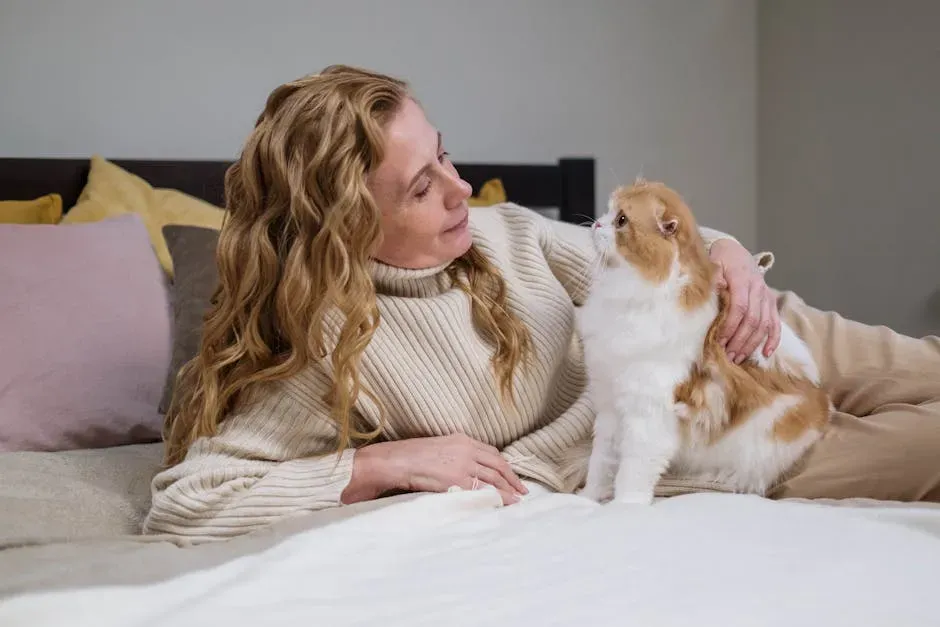
When we speak to pets like children, we often put words to their imagined feelings: “You’re scared of the thunder, huh?” or “You’re excited because I grabbed the leash.” Even if the animal does not fully understand the language, the act of labeling emotions has a powerful effect on the human mind. Psychological research on emotion regulation shows that naming feelings, even in simple words, tends to reduce their intensity and make them easier to manage.
By narrating your pet’s inner world, you quietly train your own brain to see and respect emotional states – both theirs and your own. That habit is a hallmark of emotional intelligence: the capacity to recognize, understand, and respond thoughtfully to feelings. Adults who refuse to “humanize” animals often also avoid talking about emotions at all, as if feelings were something to push away. The person who kneels down and gently says, “You’re okay, that was a loud noise,” is practicing a kind of gentle literacy that transfers back into human relationships.
The Cognitive Flexibility to Treat a Non-Human as a Conversation Partner

From a cognitive point of view, it’s actually quite sophisticated to treat an animal as a conversational partner. You know perfectly well that your cat cannot answer in words, yet you hold a kind of imagined dialogue in your mind, filling in possible responses with expressions and behaviors. This requires what psychologists call theory of mind – the ability to imagine another being’s perspective, desires, and thoughts – even when that being is very different from you.
Many children do this effortlessly with stuffed animals or imaginary friends, but adults often shut that part of their cognition down, filing it under childish fantasy. People who keep talking to pets in a respectful, childlike way are quietly refusing to give up that mental flexibility. They are willing to blur the edge between strict logic and intuitive imagination, which is exactly the space where creativity, humor, and deep interpersonal understanding tend to live.
Attachment and Secure Bonding: Why Your “Baby Voice” Is Actually Strategic
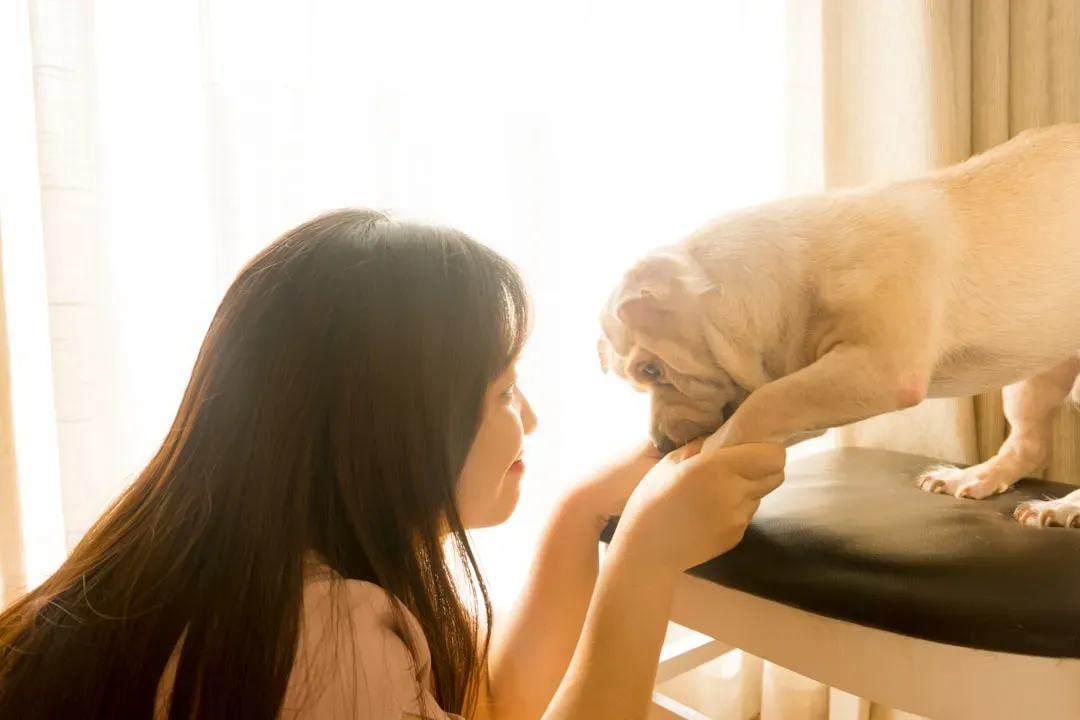
Attachment theory usually shows up in conversations about parents and children or romantic partners, but it applies to our pets too. The sing-song, soothing tone many people reserve for their animals is remarkably similar to the way securely attached caregivers talk to infants. It signals safety, warmth, and predictability. Over time, pets learn that this voice often means comfort, food, play, or reassurance, and they respond with trust and closeness.
For the human, this back-and-forth creates what feels like a secure bond, complete with rituals, shared routines, and a sense of mutual reliance. That is not a sign of immaturity; it’s a sign that your attachment system is capable of forming stable, caring relationships beyond strict self-interest. In a world where plenty of adults struggle to maintain healthy human connections, the person kneeling on the floor, calmly telling their trembling dog that the vet is almost done, is showing a form of relational wisdom many people never master.
Stress Relief, Co-Regulation, and the Calming Power of Talking to Pets
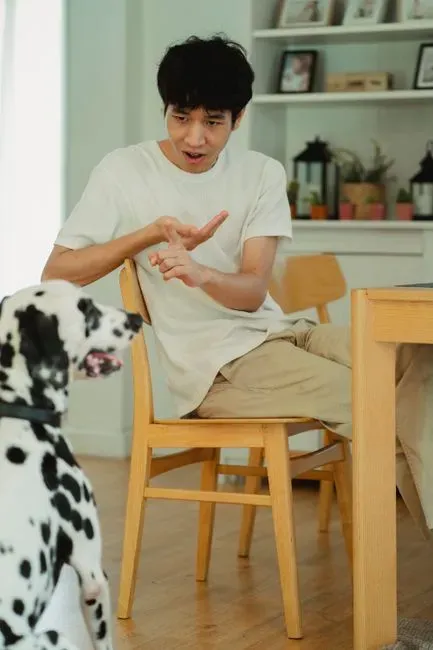
There is a growing body of research showing that interacting with animals can lower stress hormones and blood pressure, and can help people feel less lonely. Adding speech to that interaction – especially warm, gentle, affectionate speech – seems to amplify the effect. You are not just stroking fur; you are regulating your own nervous system through rhythm, tone, and predictable responses. For the pet, your familiar voice can act as a signal that the world is safe right now.
From an intelligence standpoint, using this interaction deliberately is a bit like knowing how to reset your own emotional circuitry without a fancy mindfulness app. It requires self-awareness: you notice your stress, you seek out your pet, you shift your voice, and you let the interaction soften your mood. Lots of adults blunt their stress with substances or distraction; the person who sits on the floor and tells their dog about a hard day is drawing on an instinctive, highly adaptive method of co-regulation.
Why Children Do This Naturally – and Many Adults Unlearn It
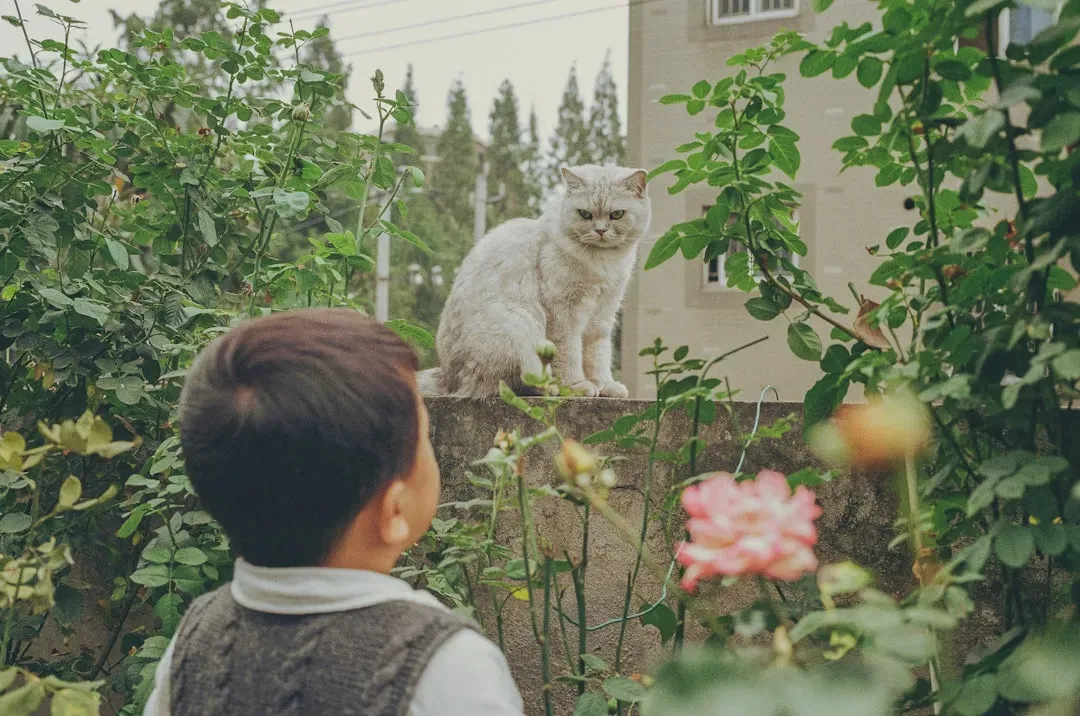
Watch a young child with a pet and you’ll almost always see the same pattern: running commentary, high-pitched questions, invented backstories, and endless gentle chatter. Kids rarely stop to wonder if this looks silly. They instinctively treat the animal as a full character in their world, deserving of explanation, comfort, and conversation. This behavior reflects a raw, undiluted version of social and imaginative intelligence that has not yet been restrained by self-consciousness.
As people grow up, social pressures push them toward a cooler, more detached way of acting. We start to associate seriousness with competence and silence with maturity. Many adults feel an almost physical cringe if someone hears them baby-talking a cat. The rare adults who keep doing it anyway are often the ones willing to protect their empathic, playful instincts from that pressure. They have not lost the ability to act on kindness and curiosity just because someone might roll their eyes.
The Creativity Link: Playful Talk, Storytelling, and Mental Flexibility
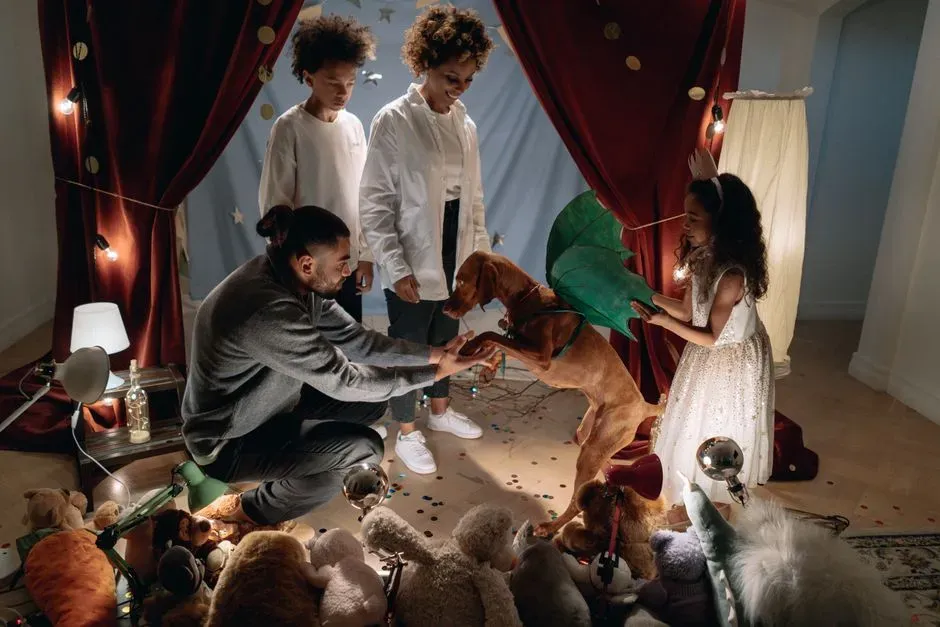
There is also a strong overlap between talking to pets like children and having a naturally creative mind. When you give your dog a pretend job title, narrate your cat’s “opinions” on the neighbors, or jokingly assign a backstory to the squirrel outside, you’re engaging in spontaneous storytelling. This kind of everyday improvisation exercises imagination, linguistic agility, and the ability to switch perspectives quickly. Those are all cognitive skills that support problem solving in much more serious contexts.
Adults who keep that sense of play alive often show more openness to new ideas and less rigidity in their thinking. In that sense, your goofy pet monologue at 7 a.m. might be closer to a creative warm-up than a sign of immaturity. Rather than dulling your mind, it’s like stretching a muscle that too many people let stiffen with age. You’re practicing the art of seeing the world as a bit more alive, responsive, and full of possibilities than a strictly literal mindset would allow.
When It Becomes Unhealthy – and When It’s a Quiet Superpower
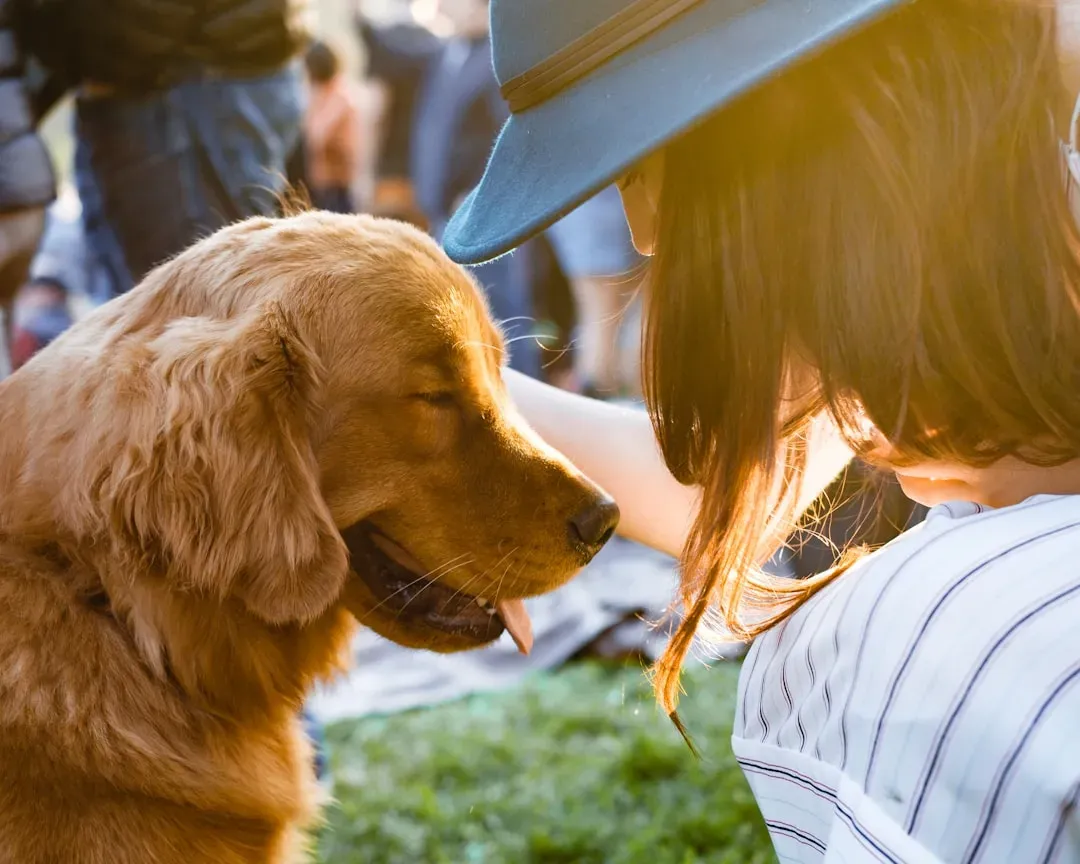
Of course, there is a line. If someone is relying on their pet as their only emotional support, avoiding all human relationships, or expecting an animal to meet complex needs that really require other people, that can be a sign of deeper struggles. Psychology does recognize that some people may use pets as their sole emotional outlet because human connections feel too risky, and that pattern can keep them isolated. Like any coping strategy, pet-directed speech can become unhealthy if it replaces every other form of connection.
But for most people, talking to a pet like a beloved child sits firmly in the healthy zone. It is a low-stakes way to express affection, practice empathy, soften your own stress, and keep your capacity for play alive. It shows that your intelligence is not limited to test scores or job titles; it extends into the way you treat vulnerable beings who depend on you. In a culture that often confuses cynicism with sophistication, the ability to kneel down, look a creature in the eyes, and speak with gentle respect is a quiet superpower.
Conclusion: The “Silly” Habit That Might Mean You’re More Emotionally Advanced
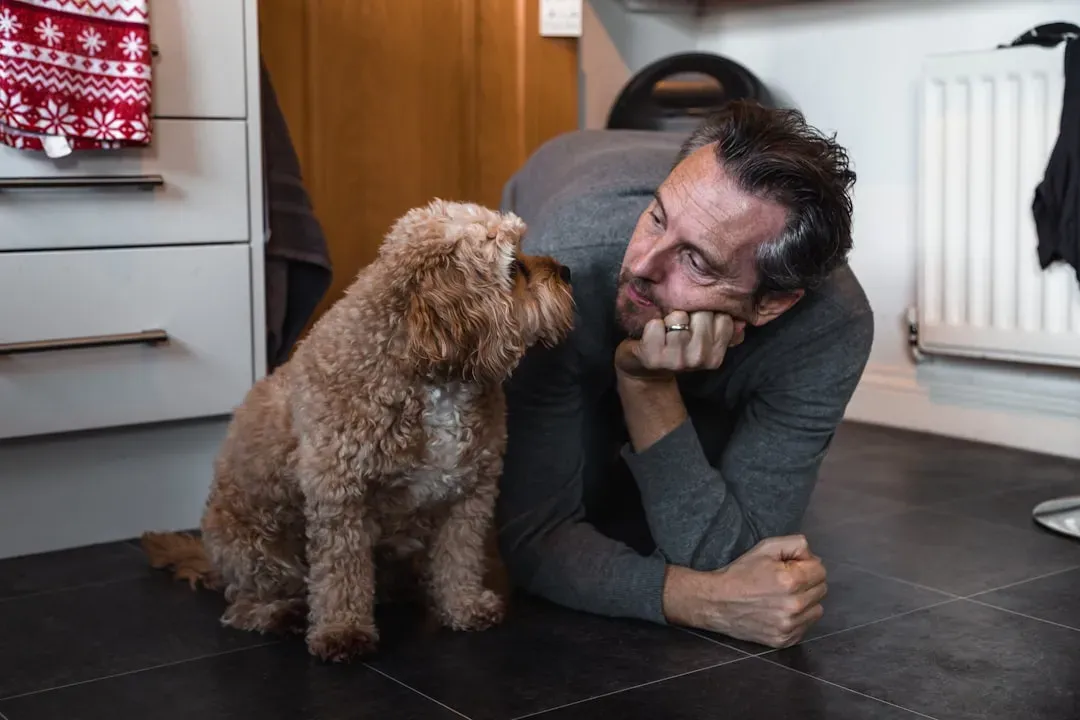
When you step back and look at the evidence, the idea that only foolish or lonely people talk to their pets like children starts to fall apart. Underneath the baby voice and the playful nicknames lies a complex mix of empathy, theory of mind, secure attachment, stress regulation, and creative flexibility. The adults who hold onto this behavior are not stuck in childhood; they’re carrying forward some of the most adaptive parts of it, while many others trade those parts away for a tougher, flatter version of adulthood.
If anything, I’ve come to think that feeling free to talk to your pet like a little furry person is a sign that you trust your own humanity more than the performative seriousness the world demands. You’re willing to look “silly” in order to be kind, present, and emotionally awake. That is not a lack of intelligence; it is intelligence with a heart attached. So the next time you catch yourself asking your dog about his day, maybe the real question is this: in a world that desperately needs more warmth and connection, why would you ever want to unlearn that?