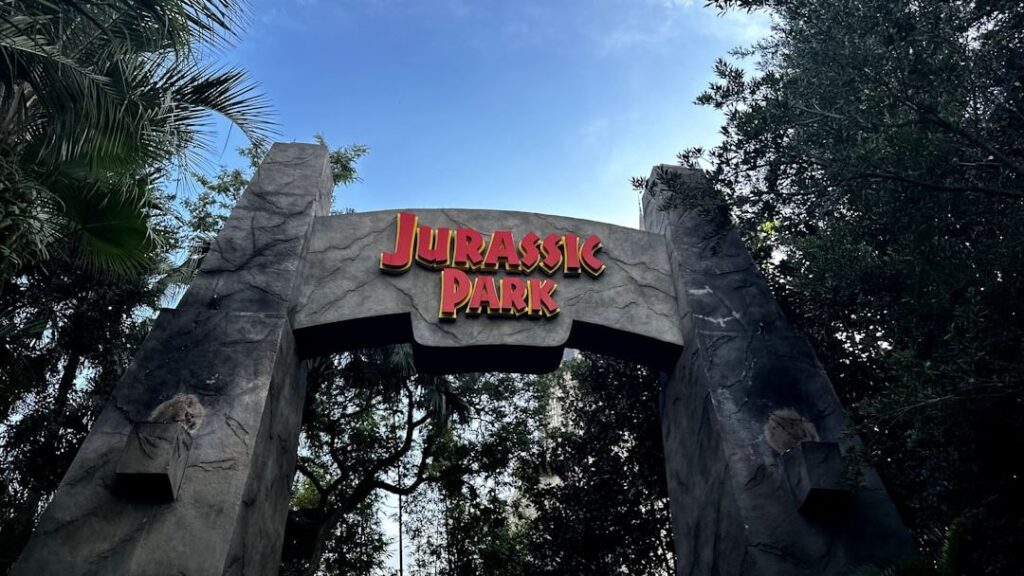
You can love Jurassic Park and still admit it: scientifically, parts of it are a beautiful disaster. The franchise inspired a whole generation to care about dinosaurs, but it also bent reality so hard that actual paleontologists probably needed a neck brace. When you start comparing what we see on screen with what the fossils actually tell us, the gap can be jaw‑dropping in a way no T. rex roar can fully cover up.
That tension is exactly what makes revisiting these movies so fun today. We get to enjoy the suspense and spectacle while also saying, “Okay, that’s cool, but that’s not how any of this works.” From oversized monsters to impossible behaviors, the films play fast and loose with real science. Let’s dig into seven of the biggest moments where Jurassic Park threw paleontology out the window and hoped nobody would notice.
The T. rex That Could Outrun a Jeep (And Physics)
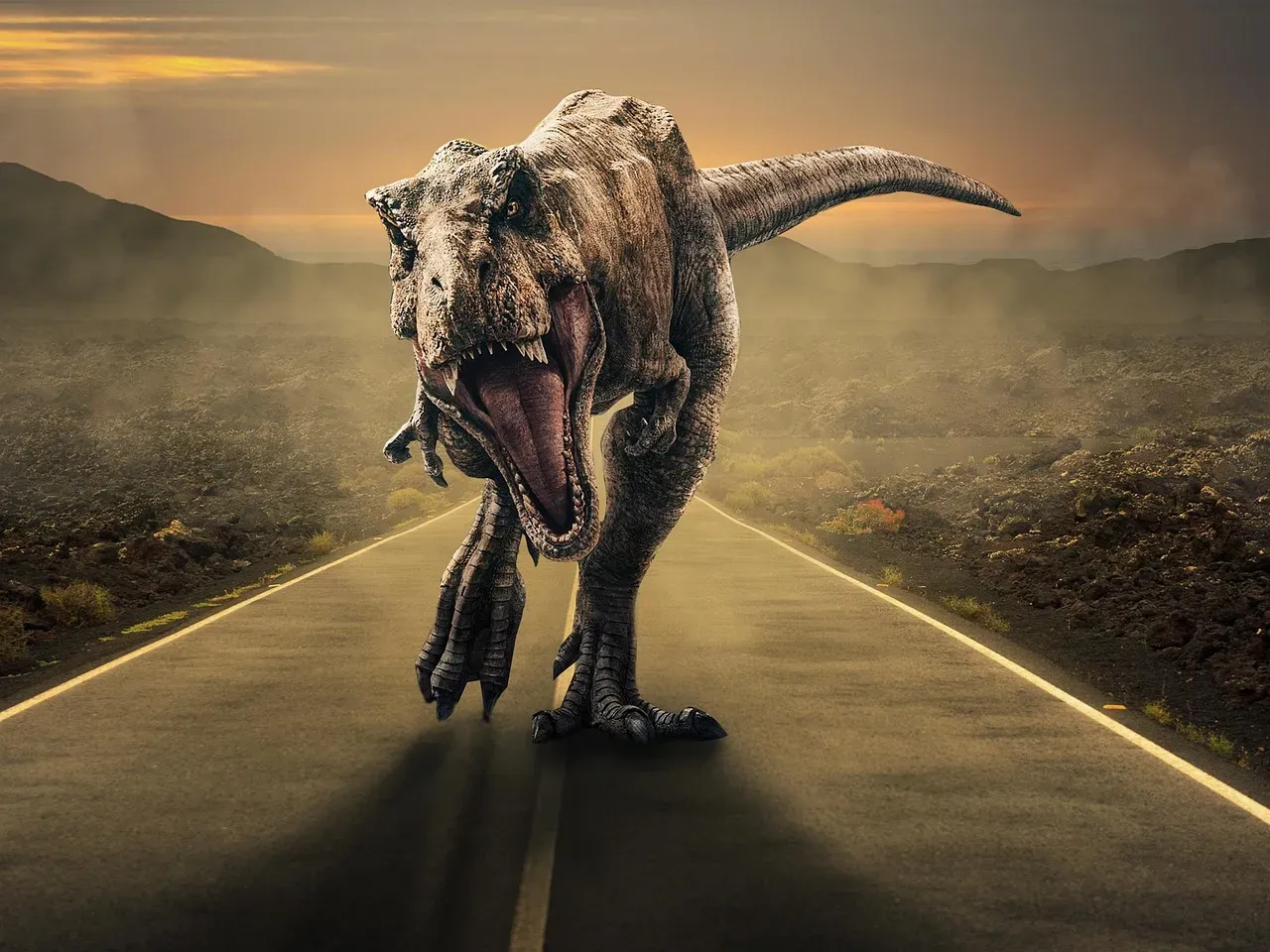
One of the most iconic scenes in Jurassic Park is the T. rex sprinting after a speeding Jeep, teeth bared, while the characters scream for the driver to go faster. It is pure cinema magic and pure scientific nonsense at the same time. Realistic estimates based on T. rex bone strength and biomechanics suggest that it probably moved at a moderate pace, more like a fast jog than a racehorse. If the animal ran as fast as the film implies, the stress on its bones and joints would have been enormous, likely enough to injure or even break them.
Most studies point toward top speeds in the ballpark of a decent human sprinter, not a highway‑ready SUV. Add in the sheer mass of a T. rex and you have a creature that needed to be careful with its own momentum, not fling itself around like a giant greyhound. The real animal was still terrifying: huge jaws, crushing bite, and the element of surprise are scary enough. But Hollywood decided that a looming, methodical predator was not quite as thrilling as a dino drag race, even if that choice leaves paleontologists covering their eyes.
Velociraptors: Tiny Turkeys Turned Into Nightmare Ninjas
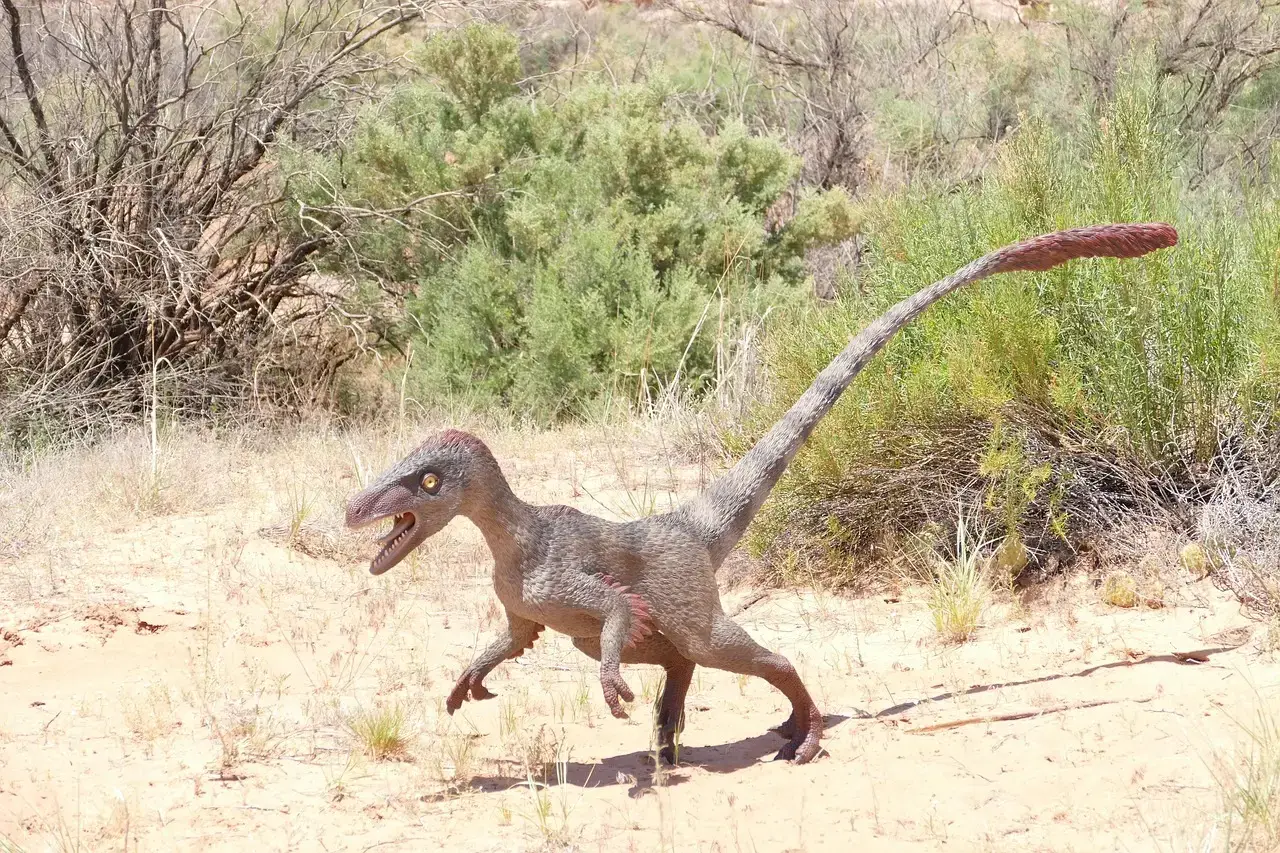
The Jurassic Park “raptors” are legendary: door‑opening, kitchen‑stalking, hyper‑intelligent pack hunters the size of small humans. The problem is, real Velociraptors were closer in size to a large turkey, not a person. The animals the movies show us are much closer in scale and look to a different dinosaur called Deinonychus, but the script went with the name Velociraptor because it sounds cooler and more menacing. For dinosaur nerds, it was like calling a house cat a tiger and hoping nobody brought a measuring tape.
Beyond the size issue, their behavior is amped up beyond anything supported by direct fossil evidence. There is no compelling proof that Velociraptors opened complex doors, hunted with near‑human strategy, or executed coordinated flanking maneuvers like special forces. They were almost certainly smart for dinosaurs, with good senses and nasty claws, but the franchise turns them into horror movie villains with specialized problem‑solving skills. It makes for unforgettable cinema, but it also means a lot of young fans grew up thinking an animal roughly the size of a dog was a seven‑foot super predator.
The Naked Dinosaurs: Where Did All the Feathers Go?
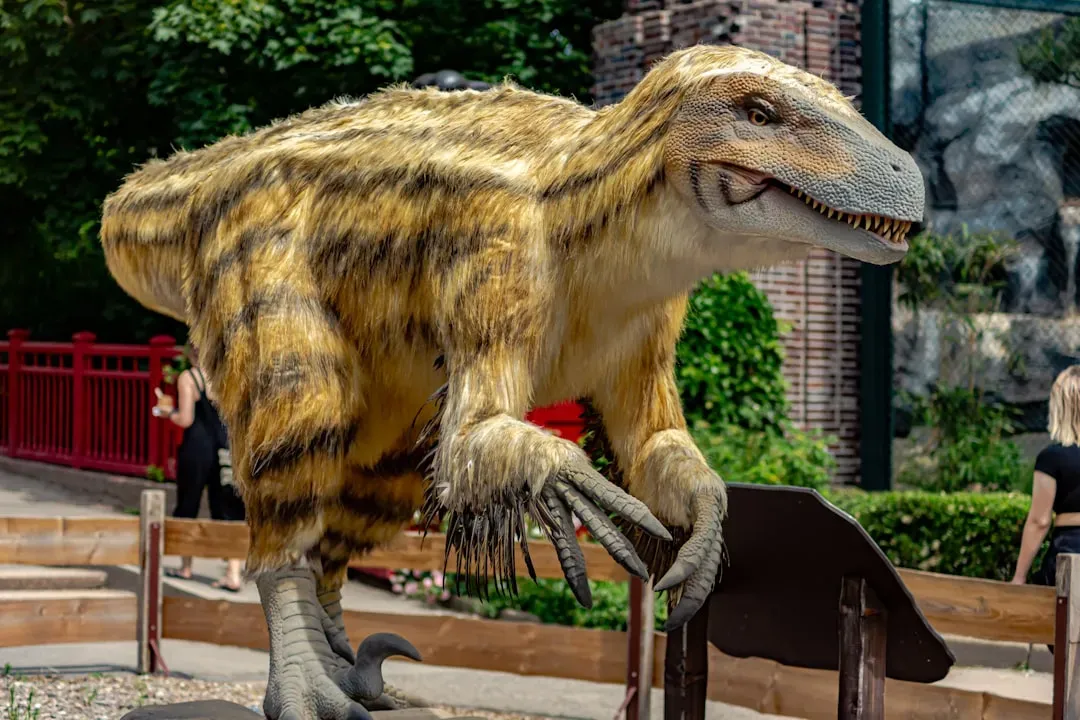
By the time some of the later Jurassic Park and Jurassic World films were released, paleontologists already had solid evidence that many theropod dinosaurs, including close relatives of Velociraptor, had feathers. Fossils from places like China show detailed impressions of feathered limbs, tails, and even complex plumage. In other words, a fair number of dinosaurs did not look like giant scaly lizards but more like weird, oversized, murder‑chickens. Yet for years, the films largely ignored this and stuck with the familiar reptilian look audiences were used to.
There is a small nod to this science in the franchise, with some dialogue about genetic tinkering and filling DNA gaps with other animals, but visually the films cling to the early‑1990s vision. From a business point of view, it is understandable: changing the appearance of beloved creatures risks upsetting fans. From a scientific point of view, it is like pretending smartphones do not exist and insisting everyone still uses pagers. Paleontologists watched as more and more feathered fossils were discovered in the real world while the movie dinosaurs stayed stuck in a scaly, outdated past.
“They Can’t See You If You Don’t Move” – The T. rex Vision Myth
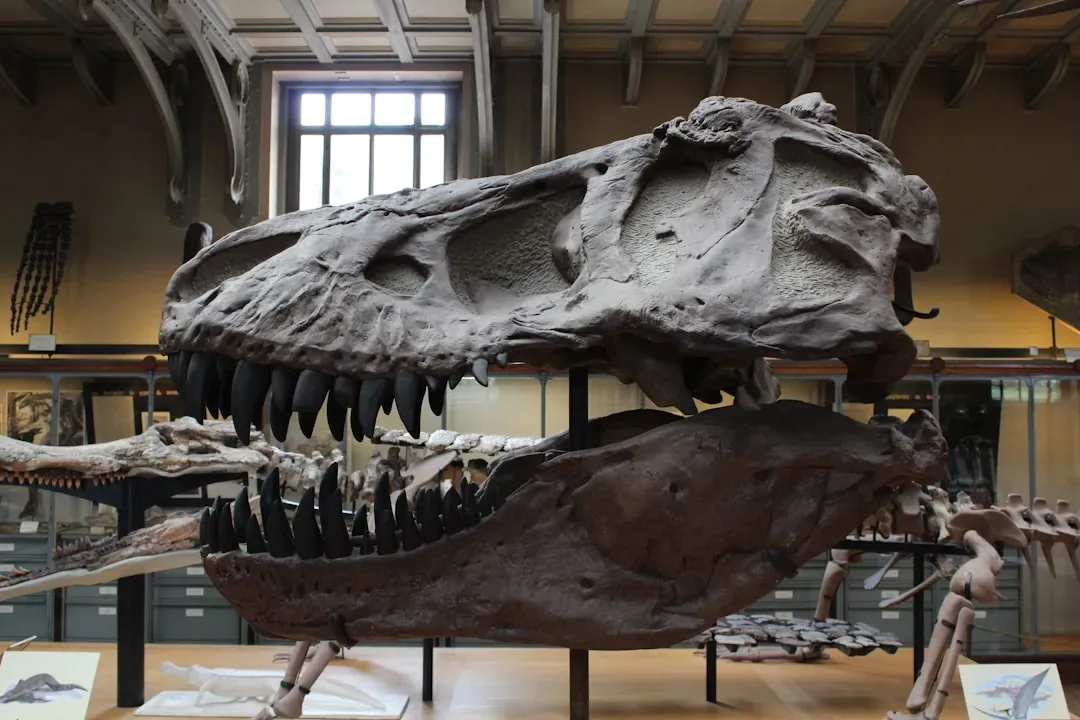
Another famous claim in Jurassic Park is that the T. rex cannot see you if you stay perfectly still, turning one of the biggest predators in Earth’s history into a sort of giant, near‑sighted frog. This idea makes for incredibly tense scenes, but it is wildly inconsistent with what we know about T. rex skulls and eye placement. The animal had forward‑facing eyes, which usually means strong depth perception and a decent field of view, the kind of setup you expect in a serious predator, not a creature that loses track of a snack for holding still.
Detailed studies of T. rex skulls suggest it probably had very good binocular vision, potentially better than many modern large animals. Its sense of smell also appears to have been strong based on braincase anatomy, adding another way to detect prey. So the notion that this massive hunter would be defeated by a statue‑still human is basically fantasy. That scene where the characters stand frozen in terror might be emotionally true to how we would react, but scientifically, the dinosaur would almost certainly still know they were there, and that makes the sequence tough for experts to watch without cringing.
Dino DNA From Mosquitoes: A Cool Idea With Big Holes
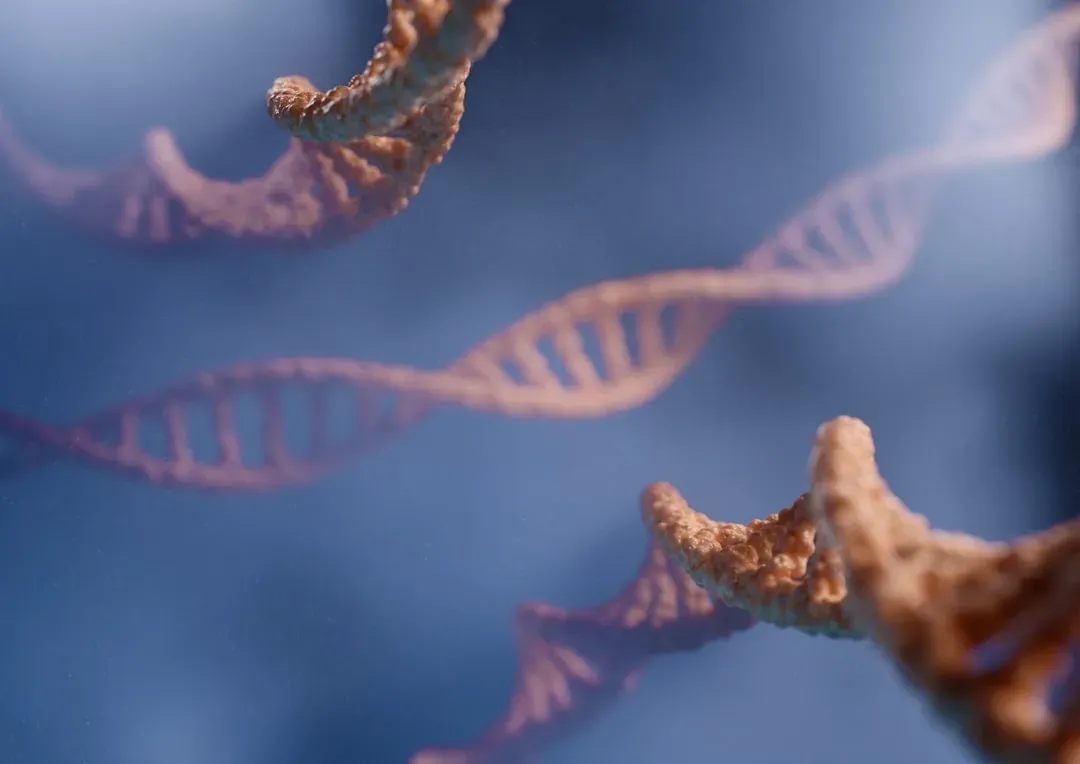
The entire premise of Jurassic Park rests on the idea that you can pull dinosaur DNA from mosquitoes trapped in amber and then fill in the missing pieces with other animals’ genes. It is clever storytelling and genuinely sparked interest in genetics for a lot of people, but the scientific reality is mostly a hard stop. DNA is a fragile molecule that breaks down over time, especially over tens of millions of years. Research so far suggests that genetic material simply does not survive anywhere near the ages required to reach back to the time of non‑avian dinosaurs.
Even if you somehow found a trace of ancient DNA, reconstructing an entire genome from shattered fragments would be an almost impossible puzzle. It would be like having a handful of burned confetti and trying to recreate a thousand‑page book out of it. On top of that, cross‑species patching with things like frog DNA would not just conveniently plug the gaps; it would likely create nonviable, messy outcomes, if anything survived at all. The amber‑mosquito concept is a brilliant narrative hook, but it is one of the clearest points where genetic science and movie magic part ways so sharply that anyone who works with DNA can only shake their head.
Dinosaur Roars That Sound Great But Make No Sense
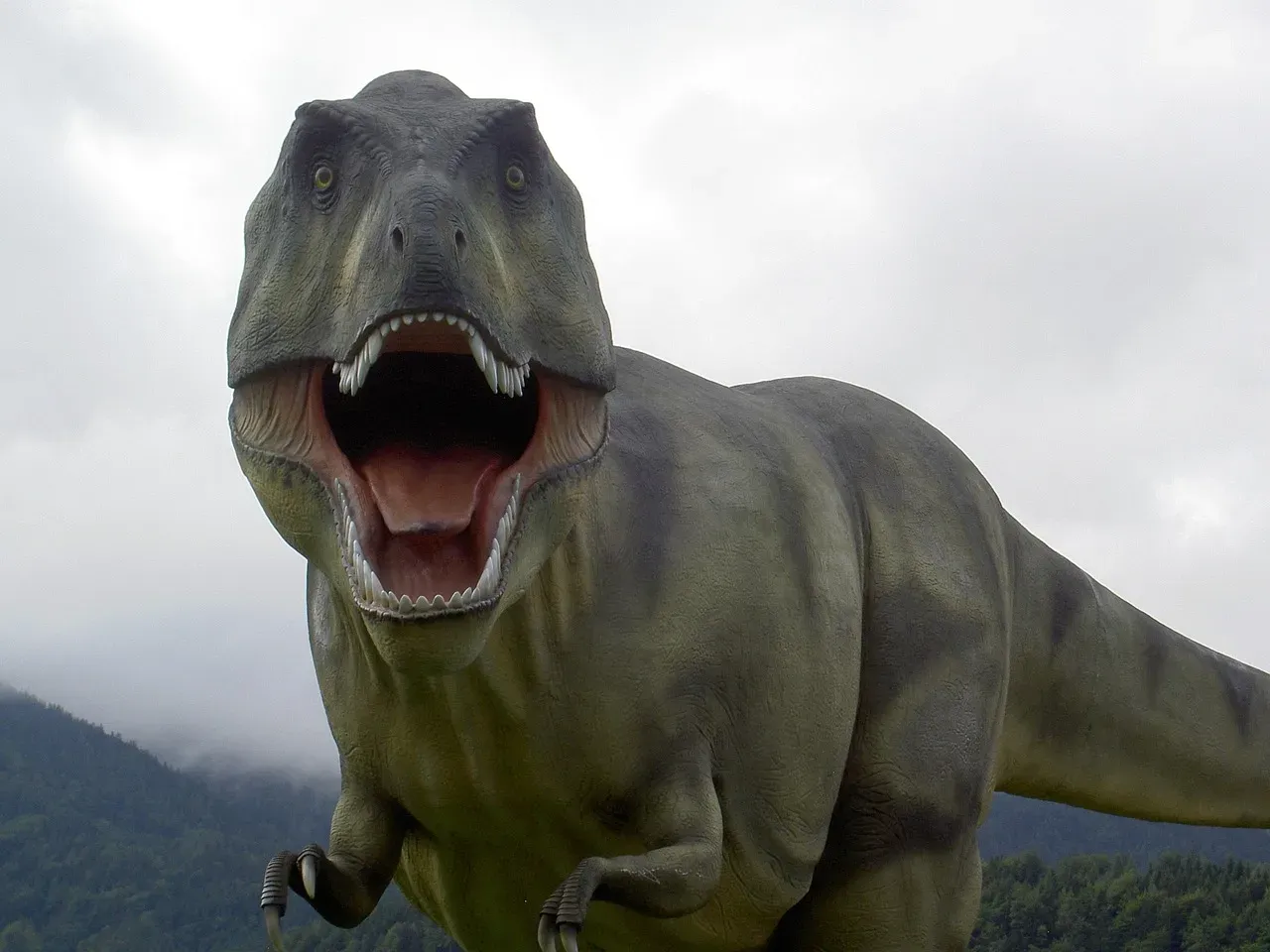
The sound design in Jurassic Park is unforgettable: the T. rex roar echoes in your chest, the raptors’ screams feel like pure panic, and every stomp seems to shake the ground. But the truth is, we have no idea what those animals actually sounded like, and many of the noises in the films are stitched together from modern animals that have very different anatomies. Some paleontologists suspect that large dinosaurs might have produced lower, more resonant, even rumbling sounds, more like alligators or certain birds, rather than the dramatic roars we hear on screen.
There is also reason to think some dinosaur sounds might have been less about high‑pitched screaming and more about deep, low‑frequency communication that could travel far through the ground and air. Fossil evidence of some dinosaur skulls and crests suggests complex vocal abilities, but not in the cinematic, lion‑plus‑tiger‑plus‑jet‑engine way the film uses. The result is that the iconic roars, as cool as they are, probably tell us more about human sound design than about dinosaur behavior. For specialists who study modern animal calls and fossil anatomy, these scenes can feel like listening to a rock concert when you were promised a natural history lecture.
Behavior Straight Out of a Soap Opera, Not a Fossil Record
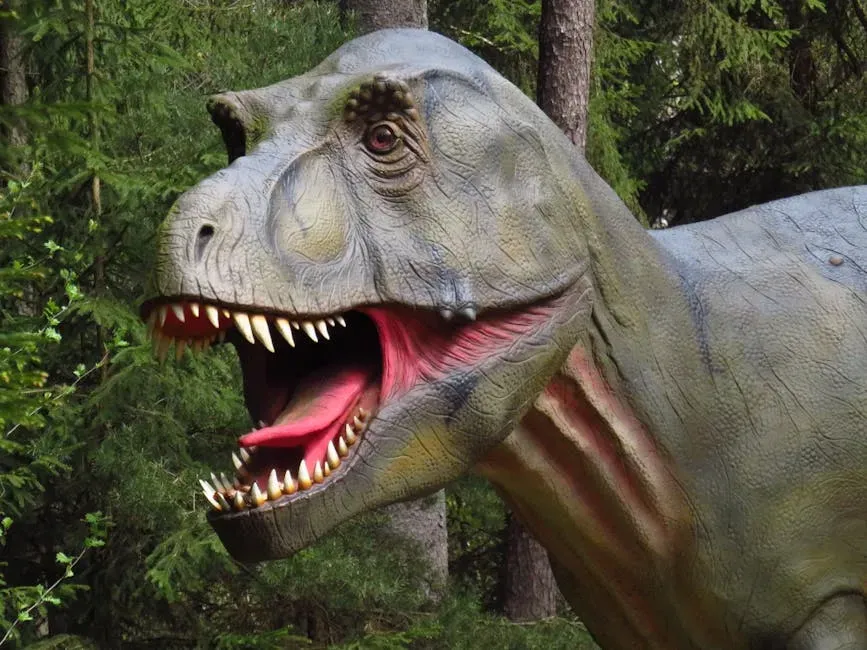
Across the franchise, dinosaurs display behaviors that are more like human drama than animal instinct: calculated revenge, theatrical dominance displays perfectly timed for the camera, and alliances that feel suspiciously like character arcs. Real animals do show complex behaviors, but they are grounded in survival, reproduction, and social structure, not cinematic flair. Fossils can hint at some of this through trackways, nesting sites, and bonebeds, yet they do not support ultra‑specific personality traits like long‑planned grudges or carefully plotted vendettas.
Take the way some predators in the films seem to kill simply for the thrill, tearing through multiple victims with no clear feeding motive, like villains in an action movie. While animals can certainly behave in ways that look chaotic or wasteful to us, consistent, deliberate “evil” behavior belongs to storytelling, not ecology. Paleontologists can make educated guesses about herd dynamics or parental care, but the deeply humanized behavior patterns we see in the films go far beyond that. It makes the dinosaurs feel like characters we can emotionally invest in, but it also pushes the science so far into the background that many experts just wince and let the fiction roll.
Conclusion: Why the Science Still Matters Even When the Movie Is Great
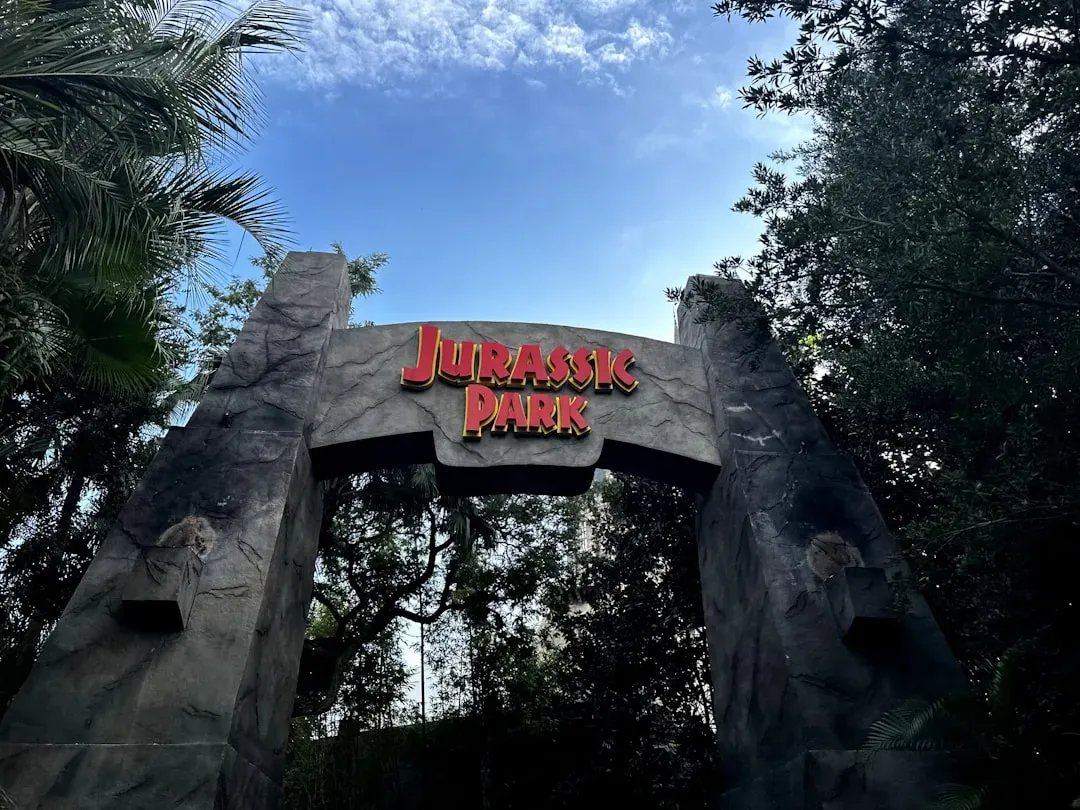
I remember watching Jurassic Park as a kid and walking out of the theater convinced I had just seen the closest thing to real dinosaurs anyone would ever get. Years later, learning how much the filmmakers bent and broke the rules of paleontology felt a bit like finding out a magic trick relied on very obvious wires. Yet the older I get, the more I see the films as a strange mix of love letter and bad breakup with science: endlessly inspiring, but also stubbornly inaccurate in ways that can be frustrating.
There is nothing wrong with enjoying these movies; they are genuinely important cultural touchstones that pushed dinosaur science into the mainstream. The problem comes when people treat them as documentaries instead of blockbusters that picked spectacle over accuracy again and again. If anything, the fact that paleontologists cringe at certain scenes shows how much we have actually learned since the films first roared onto screens. Maybe the best way to honor both the franchise and the science is to let the movies thrill us, then go read what the fossils really say afterward. Knowing all this, does it make you like Jurassic Park less, or does it secretly make you want to learn even more about the real animals behind the myth?