
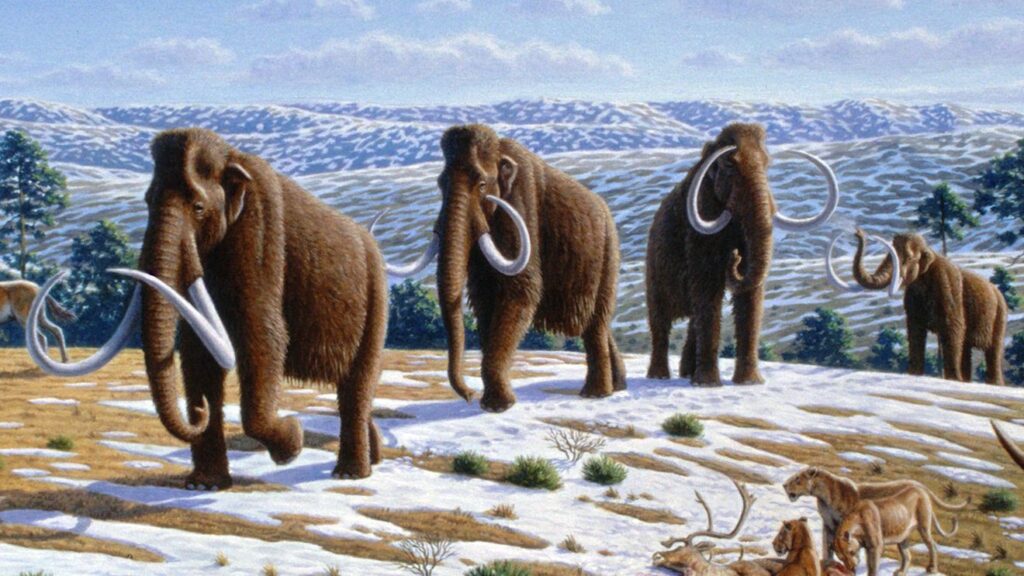
If you grew up loving the Ice Age movies, you probably feel like you already know mammoths pretty well: big, shaggy, slightly grumpy, secretly soft-hearted. But the real woolly mammoth was even stranger, tougher, and more surprising than anything Hollywood ever animated. Picture an animal that survived blizzards that would freeze modern elephants solid, walked across entire continents, and then vanished so recently that some of your distant human ancestors might have actually seen one.
The wild part? We are still discovering new things about mammoths today, from DNA pulled out of frozen bones to tiny clues hidden in their teeth and hair. Scientists are even talking about bringing something very mammoth-like back. So if you think you know these Ice Age icons, buckle up: the real story is much more jaw‑dropping than the movie version.
1. Woolly mammoths were about the size of a modern elephant, not a giant movie monster
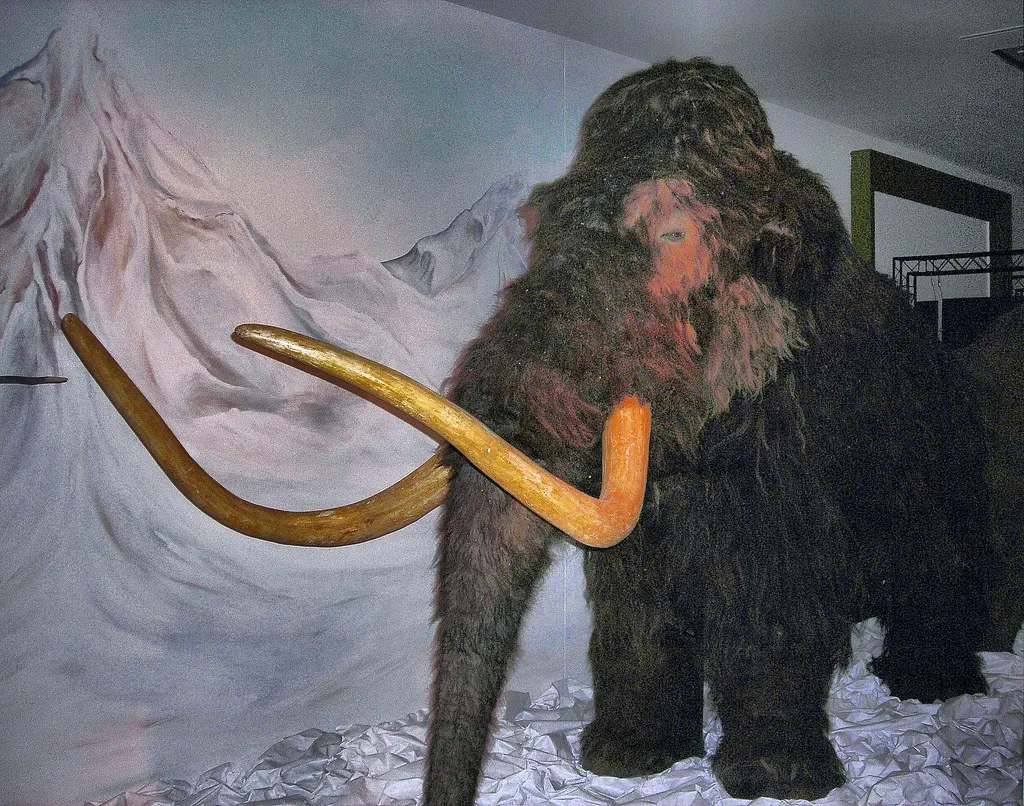
One of the biggest surprises for a lot of Ice Age fans is that woolly mammoths were not towering kaiju-sized beasts stomping over everything. Adult males were roughly as tall as modern African elephants, usually around ten to eleven feet at the shoulder, with females a bit smaller. That is still enormous if you imagine one standing next to a person, but it is not the out-of-control skyscraper scale that pop culture sometimes suggests.
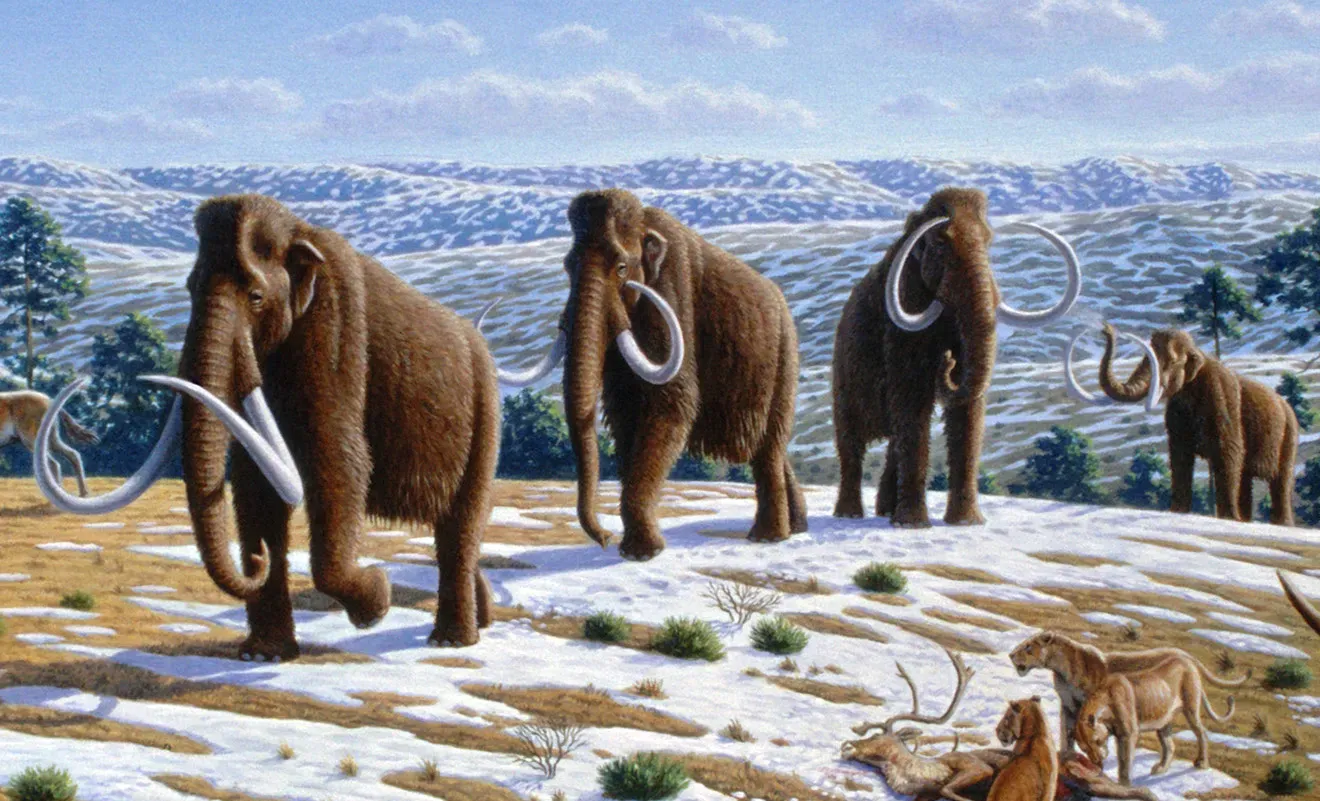
What really made them look huge was the thick shaggy fur, the fat layer underneath, and those long curved tusks that framed their bodies like giant parentheses. If you stripped away the hair (which you thankfully do not have to picture in too much detail), their body shape was surprisingly familiar and compact. It is a good reminder that what makes an animal iconic is not always size alone, but the whole package of features that hit your brain at once.
2. They were walking cold-weather tanks built for brutal Ice Age winters
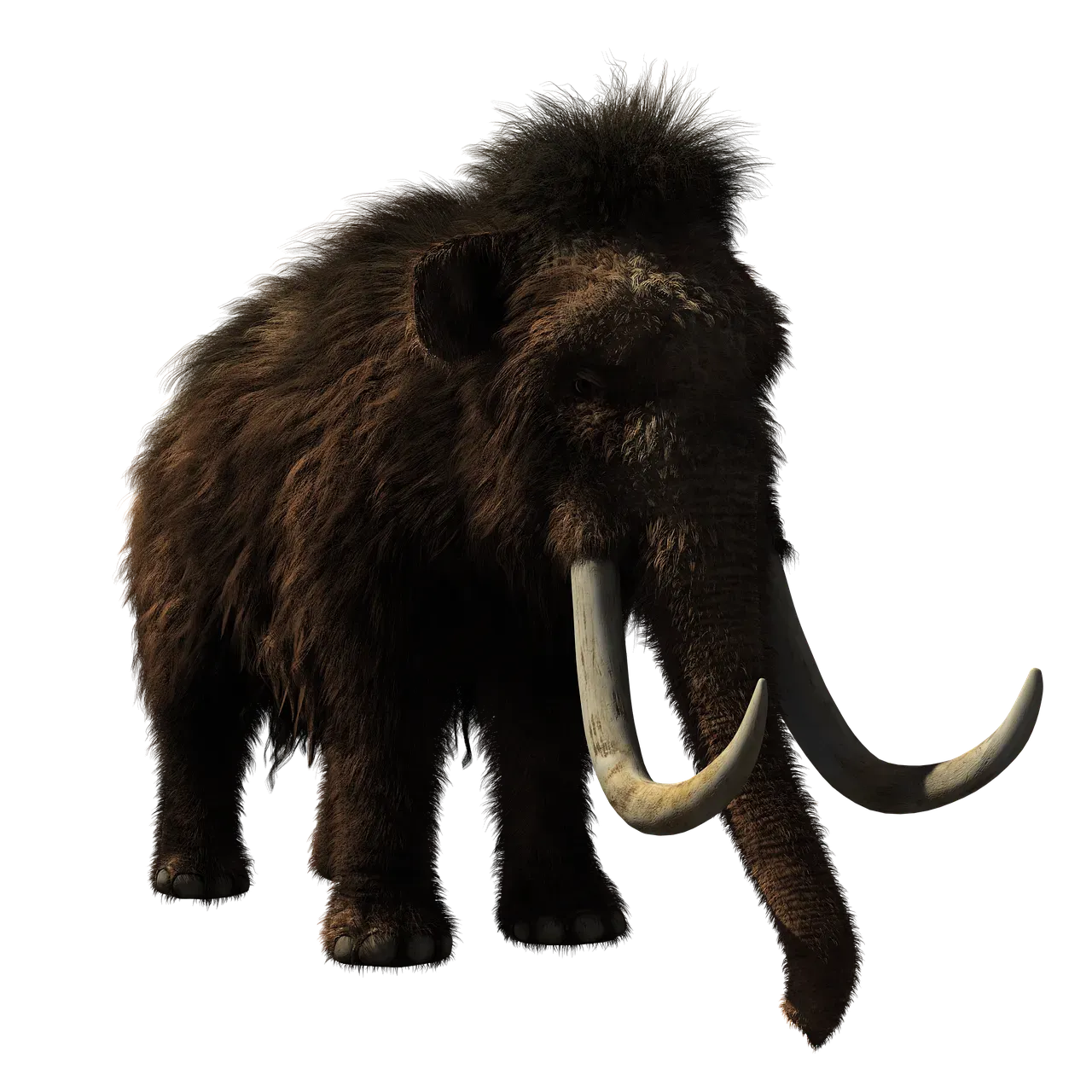
Woolly mammoths were not just elephants in fur coats; they were fully upgraded winter machines. They carried a dense undercoat topped with long guard hairs that could hang more than a foot in length, creating a layered, insulating system a winter hiker would be jealous of. Under the skin, they had a thick fat layer that worked like natural thermal armor, helping them hold onto precious body heat in wind and snow.
Even their ears and tails were redesigned for the cold, shrunk down so they would not lose as much heat or freeze off in blizzards. Their skin produced special oils that helped protect the hair and fur from icy moisture. When you put all that together, you get an animal that could stand in a snowstorm that would shut down modern cities and just calmly keep grazing like it was a mildly chilly afternoon.
3. Their tusks were insanely long and shaped like giant spirals
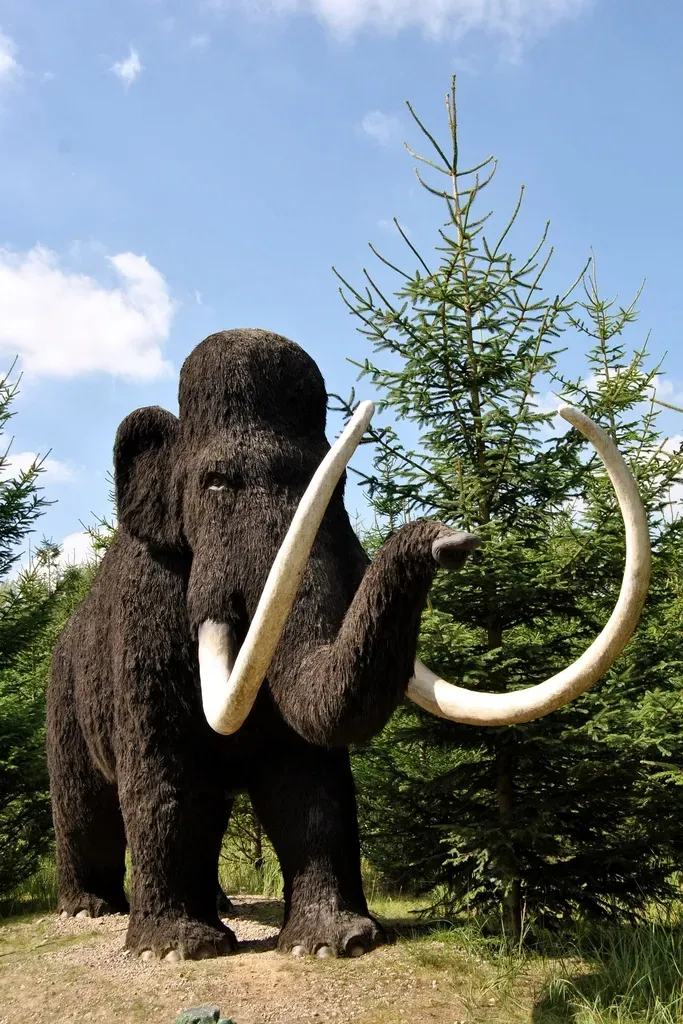
Those famous tusks were not just long; they were dramatically curved, sometimes forming wide spirals that could stretch more than ten or even twelve feet from tip to tip. The curve was not random decoration. It helped them shovel snow aside to reach buried grass and shrubs, and likely played a role in showy displays between males, a bit like peacocks but with heavy ivory instead of feathers. In fights, those curves could lock together, turning a clash into a powerful wrestling match.
If you look closely at fossil tusks, you can often see scratches, breaks, and wear patterns that tell a story of how each mammoth used them. One side might be more worn from constantly scraping ice or defending against predators. In some cases, tusks even grew unevenly when an injury or stress affected one side of the animal’s body. They were not just weapons or tools; they were living diaries written in ivory.
4. Woolly mammoths and humans shared the planet for thousands of years
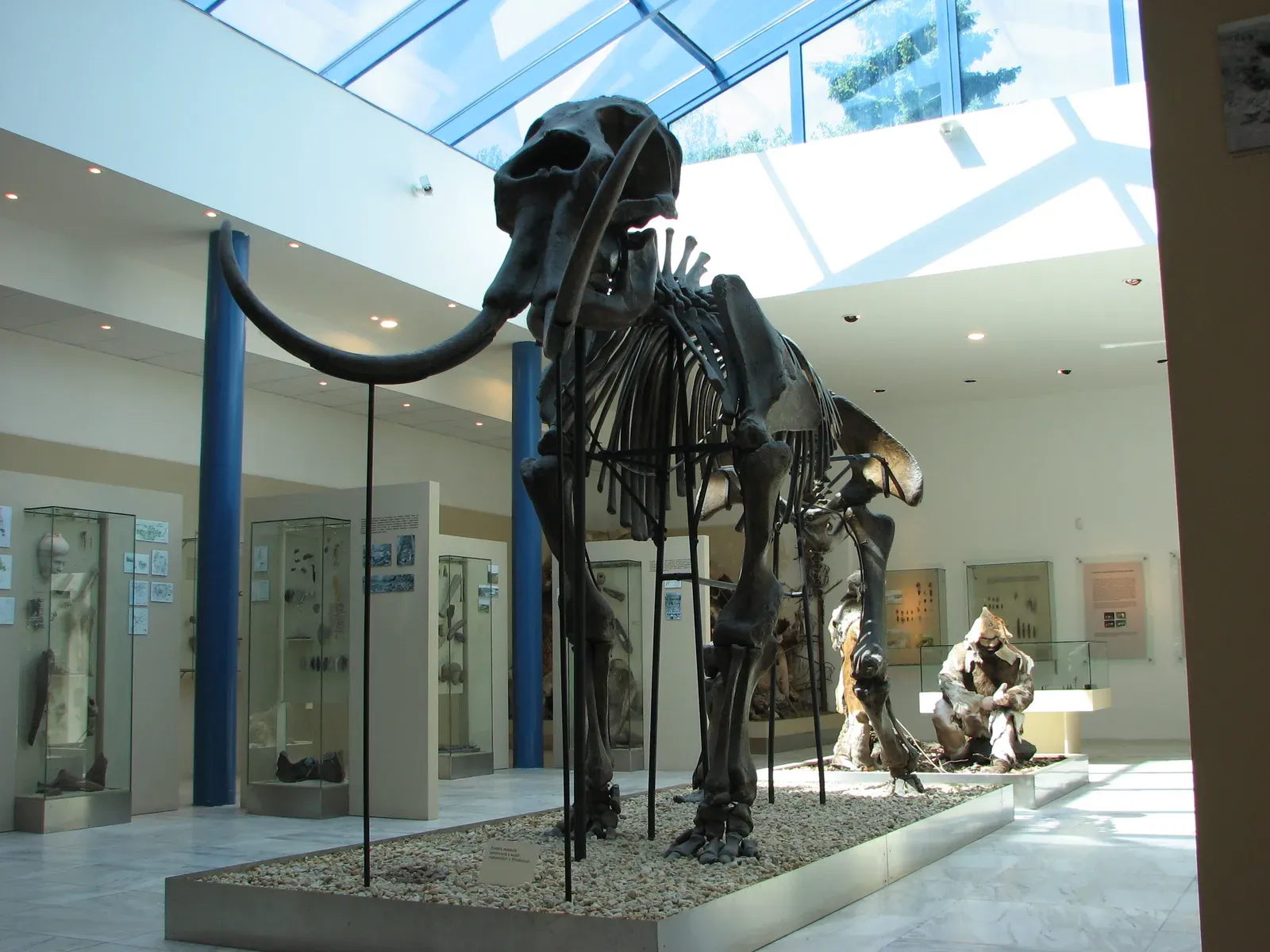
For a lot of people, mammoths feel like distant dinosaur-era creatures, but the timeline is way more intimate than that. Humans and woolly mammoths overlapped for tens of thousands of years, and many early human communities depended on them the way some cultures later relied on cattle or reindeer. Bones became building material, tusks turned into tools and art, and meat was a crucial source of calories in freezing landscapes.
There are Ice Age sites where archaeologists have found what are essentially mammoth-bone shelters, with huge ribs and tusks arranged like frameworks for tents. That means some families literally lived inside the remains of these animals, warmed by fires and protected from the wind by bones of the very creatures they hunted. It is haunting and powerful to imagine a child growing up in a home whose walls were once a living, breathing mammoth.
5. The last mammoths were still alive when the Egyptian pyramids were being built
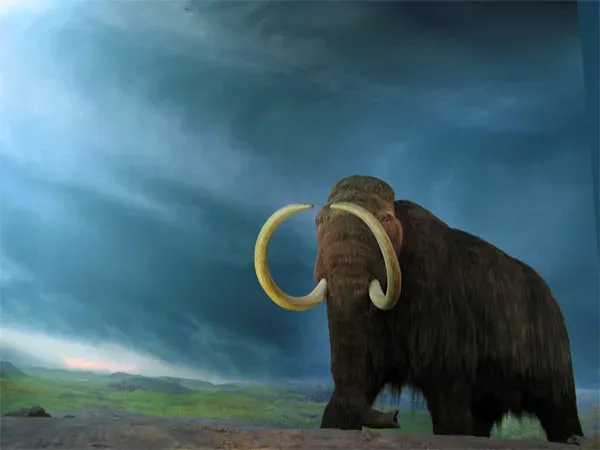
This is the fact that usually makes people stop mid-sentence. While most woolly mammoths disappeared at the end of the last Ice Age, a small isolated population survived on Wrangel Island, off the coast of Siberia, until just a few thousand years ago. That means there were real mammoths walking around on a remote Arctic island while early civilizations were rising in the Near East and North Africa.
When you picture workers hauling stones to build pyramids in ancient Egypt, somewhere far to the north there were shaggy mammoths trudging through snow. They were not movie creatures or deep-prehistory beasts at that point; they were late holdouts of a fading world, clinging to a shrinking refuge. It compresses time in a weird way and makes the Ice Age feel uncomfortably close to our own era.
6. Their trunks were shorter and more specialized than a modern elephant’s
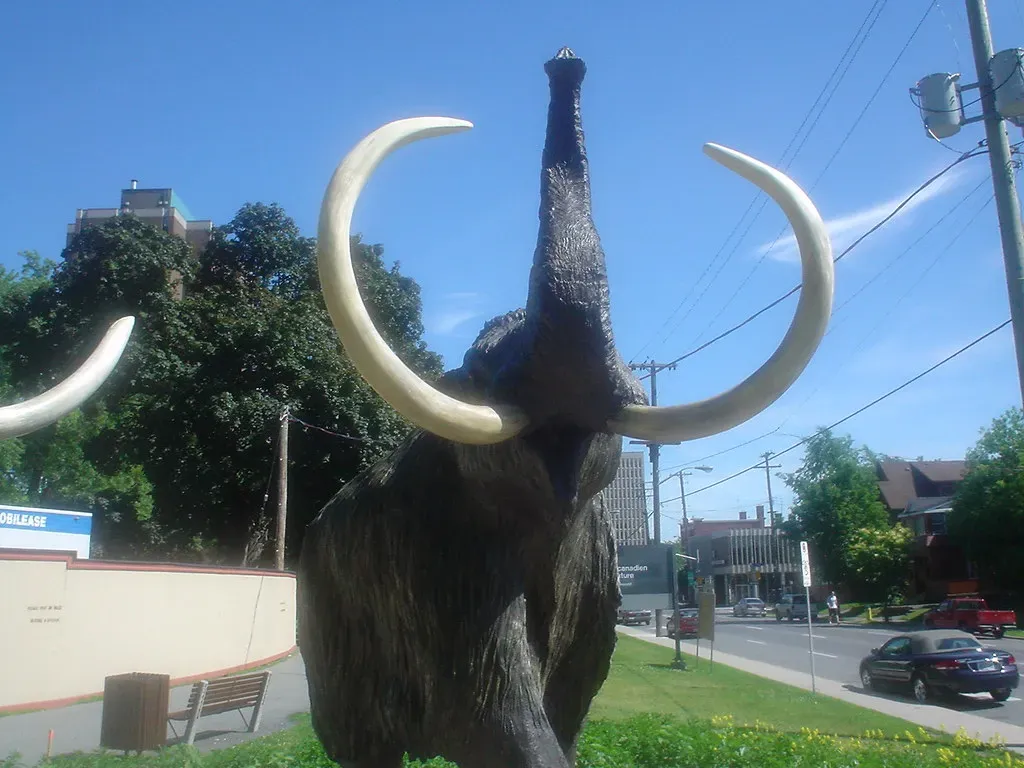
Woolly mammoths had trunks, of course, but they were shaped a bit differently from those of modern elephants. Fossil skulls, preserved soft tissue, and comparisons with relatives suggest their trunks were somewhat shorter and more compact, an adaptation that probably helped reduce heat loss in bitter cold. That shorter reach was likely balanced out by extreme dexterity at the tip, allowing them to pluck, pull, and hold food or objects with impressive control.
Think of their trunk as a multi-tool that was constantly exposed to frostbite-level weather, so evolution tightened it up and made it more efficient. Some reconstructions suggest a distinct split or finger-like extensions at the end to grab grasses and twigs. Even though we will never see a living mammoth pick something up, the shape of their bones and the traces left in frozen tissue give us a surprisingly detailed picture of how they might have used this flexible, sensitive organ.
7. Mammoth hair has helped scientists read their life stories like barcodes
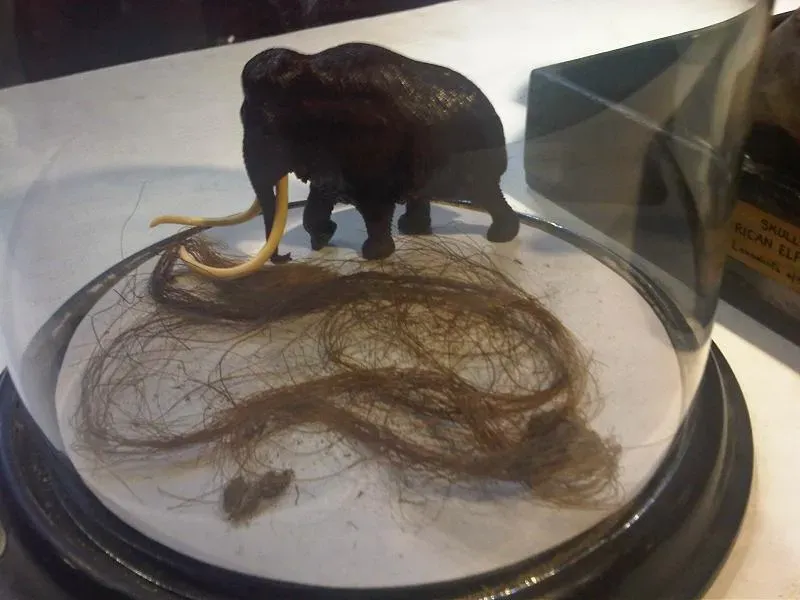
Because so many mammoth remains froze in permafrost, some still have intact hair, and that has turned out to be an absolute gold mine for scientists. Hair can trap chemical signatures from the environment, including what the animal ate and drank over time. By analyzing different sections of a single hair strand, researchers can trace seasonal changes, migration patterns, and even periods of stress or illness across months or years.
It is a bit like scanning a barcode of their life, except the lines are made of atoms instead of ink. When you combine hair data with tooth growth rings and bone chemistry, a rough biography of a single mammoth starts to emerge: where it roamed, when it struggled, what seasons were hardest. It is strangely intimate to realize that something as simple as a clump of old fur can still whisper about the ups and downs of a life lived in the Ice Age tundra.
8. They were mostly grass-eaters living in a vanished “mammoth steppe” ecosystem
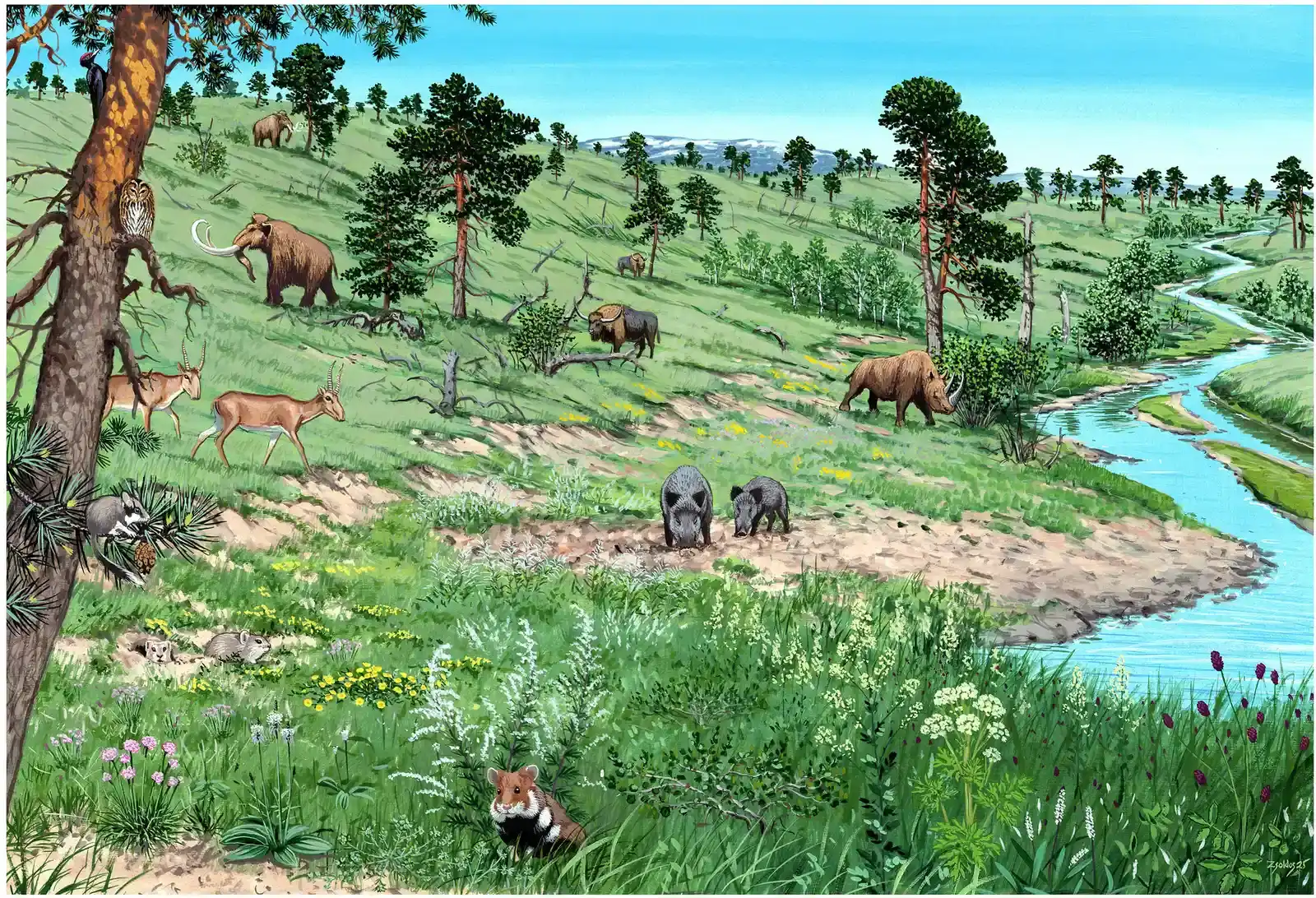
Despite their fearsome size and tusks, woolly mammoths were not out there attacking giant predators or smashing trees for fun. Their main obsession was grass, and they lived in an open, cold, but surprisingly productive grassland ecosystem that scientists call the mammoth steppe. This environment stretched across huge parts of Eurasia and North America, with hardy grasses, herbs, and small shrubs that could survive intense cold.
Their teeth were built for this lifestyle: big, flat molars with complex ridges, perfect for grinding down tough, fibrous plants. The more we study their stomach contents and dung from frozen remains, the clearer it becomes that they were basically oversized, fur-covered lawnmowers. When that grassland system collapsed and shifted into wetlands, forests, and tundra, the world that mammoths were designed for simply faded away beneath their feet.
9. Woolly mammoths had a special “cold version” of hemoglobin in their blood
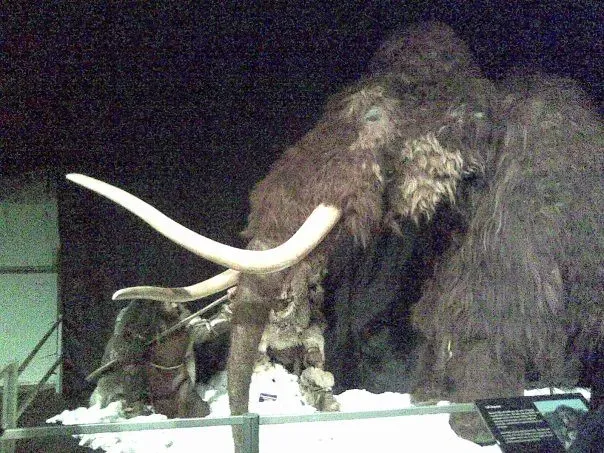
Surviving in the Arctic is not just about fur and fat; your blood chemistry has to cooperate too. Genetic studies of mammoth DNA have revealed that their hemoglobin, the molecule that carries oxygen in the blood, had unique tweaks that helped it release oxygen more easily at low temperatures. In plain language, their blood stayed efficient even when it was bitterly cold, instead of tightening up and holding onto oxygen like human blood would.
This is like having a built-in physiological winter jacket around your circulatory system. It meant that tissues like muscles and organs could keep getting enough oxygen even when the animal’s extremities were freezing. That kind of microscopic adaptation is invisible in museum skeletons, but it might have been just as important for survival as the thickest coat of fur. It shows how deeply the cold shaped mammoths, right down to the molecules shuttling oxygen through their bodies.
10. Some mammoth carcasses are so well preserved you can still see skin and stomach contents
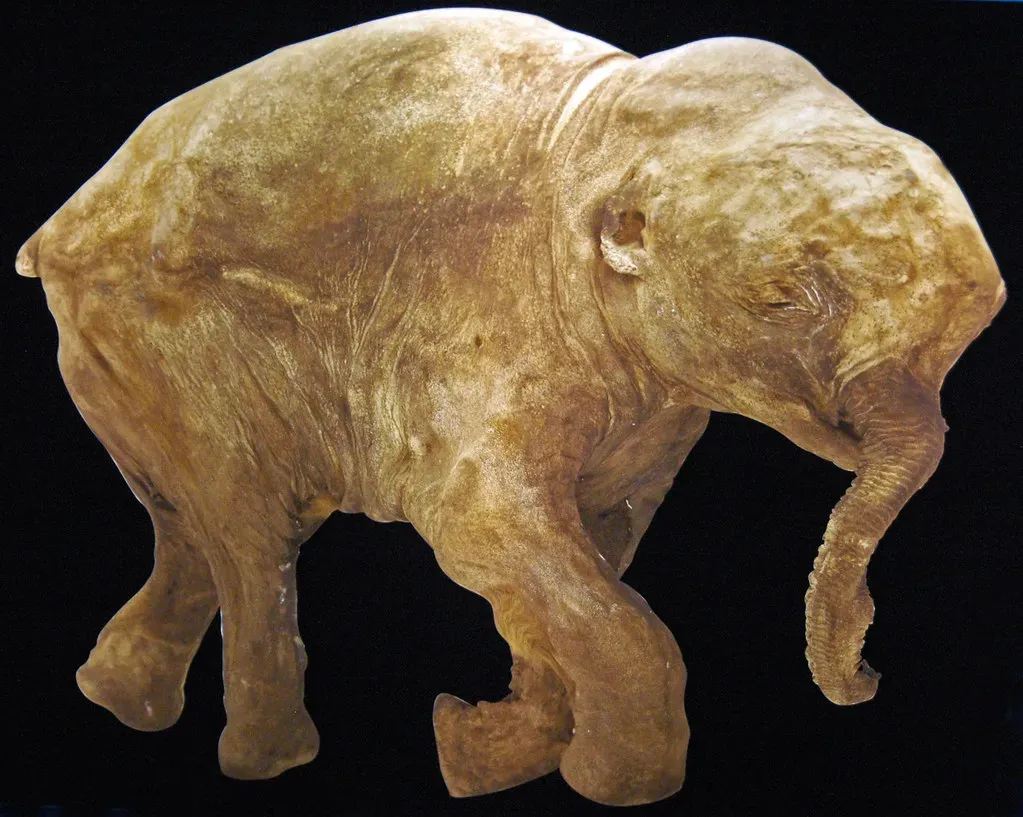
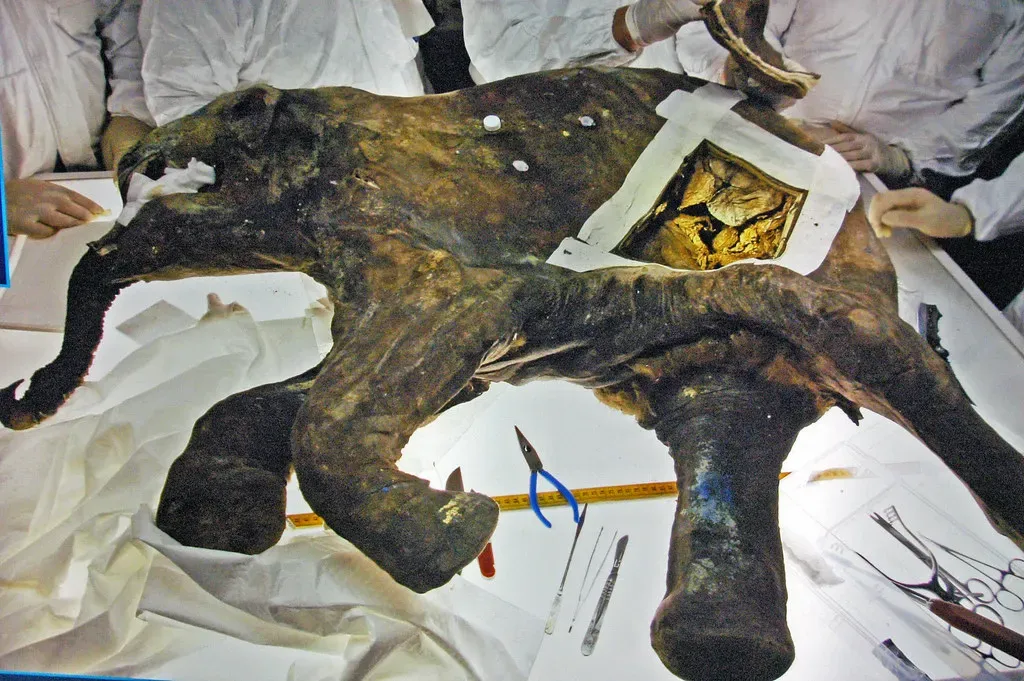
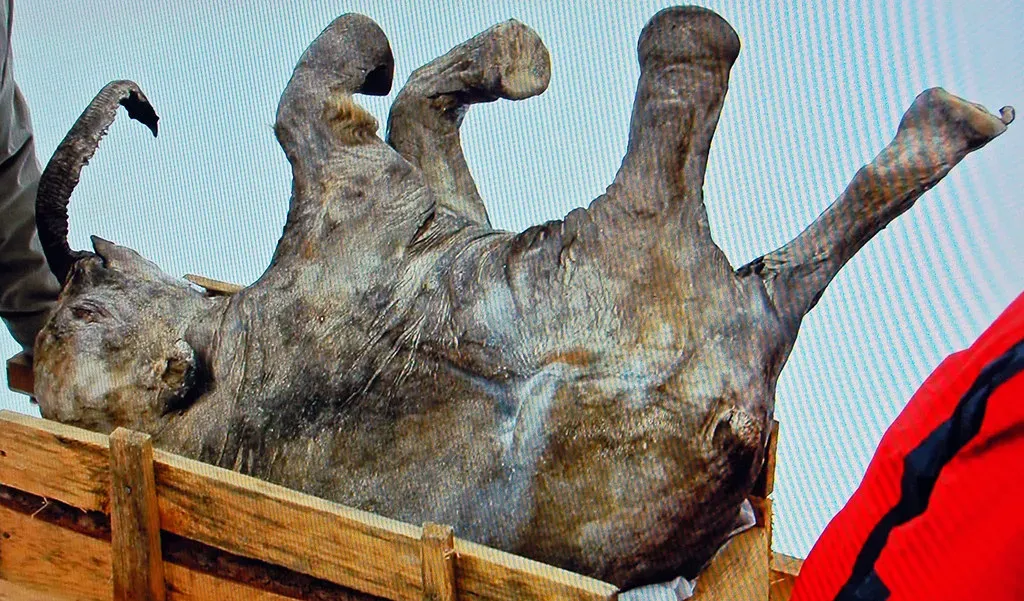
Every once in a while, thawing permafrost in Siberia or the Arctic reveals something almost too wild to believe: a mammoth so well preserved that skin, soft tissues, and sometimes even the last meal in its stomach are still there. These are not dusty bones in a desert; they are time capsules that look disturbingly fresh, with hair, flesh, and sometimes even the pinkish color of underlying tissues. For scientists, it is like being handed a frozen patient instead of a fossil.
From these remains, researchers can study everything from parasites in their guts to microscopic structures in their muscles. They can tell what that individual was eating on the day it died, what season it probably was, and whether it was malnourished or healthy. It is hard not to feel a jolt of emotion when you realize you are looking at a face that last saw the world thousands of years ago and then went to sleep in ice until we were ready to understand it.
11. Their extinction was likely a messy mix of climate change and human pressure
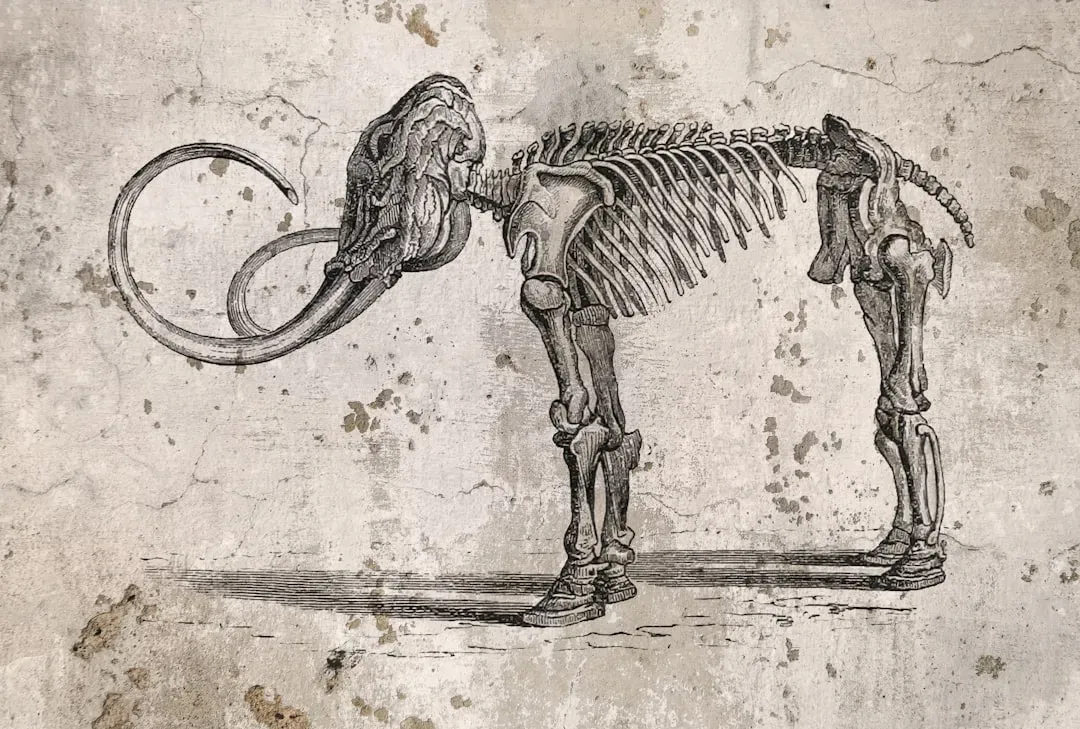
People often want a single simple explanation for why mammoths vanished, but the reality looks more like a tangled knot than a clean story. As the Ice Age ended, their grassland habitat shrank and splintered, turning into forests and wetlands that did not suit them as well. At the same time, humans were spreading into more and more of their range, and there is solid evidence that people hunted mammoths and used their carcasses intensively.
Were humans the main cause or the last straw on top of climate stress? The evidence points toward a combination, varying by region and time. In some places, habitat change might have been the dominant problem; in others, hunting may have pushed already vulnerable populations over the edge. It is not a neat moral tale, but it does feel uncomfortably familiar: a big, specialized animal gets squeezed from both sides and slowly disappears.
12. We have decoded huge parts of the mammoth genome from frozen remains
One of the most futuristic twists in the mammoth story is how much of their DNA has been pieced together from bones, teeth, and even bits of tissue. Ancient DNA is fragile and breaks into tiny fragments over time, but advances in sequencing technology have allowed scientists to reconstruct most of the woolly mammoth genome. That means we have a detailed genetic blueprint of what made a mammoth a mammoth, from its cold-adapted blood to hair growth patterns.
Comparing their DNA to that of modern elephants has revealed specific genes linked to traits like fat storage, ear size, and temperature sensitivity. It is like opening their code and finding the settings for “Ice Age mode” written across certain chunks of genetic text. This does not mean we can just press a button and get a mammoth, but it does mean we understand them on a level that would have seemed like science fiction a few decades ago.
13. Scientists are seriously trying to create mammoth-like elephants
The idea of “bringing back” the woolly mammoth sounds like a movie plot, but there are real research groups trying to produce mammoth-like elephants using genetic engineering. The general concept is to edit the DNA of Asian elephants, their closest living relatives, to add in key mammoth genes for cold adaptation. The goal is not a perfect clone from the past, but a hybrid animal that behaves and survives like a mammoth in cold environments.
Opinions on this are all over the map. Some see it as a bold step in conservation and ecosystem restoration, while others worry about ethics, animal welfare, and playing god with extinct species. Personally, I think the most important question is not whether we can technically grow a mammoth-style calf, but whether we are truly ready to be responsible for the world we would release it into. Reviving pieces of the past sounds thrilling, but it also forces us to look hard at how we treat the huge animals still alive today.
14. Mammoths shaped their landscape the way beavers shape rivers
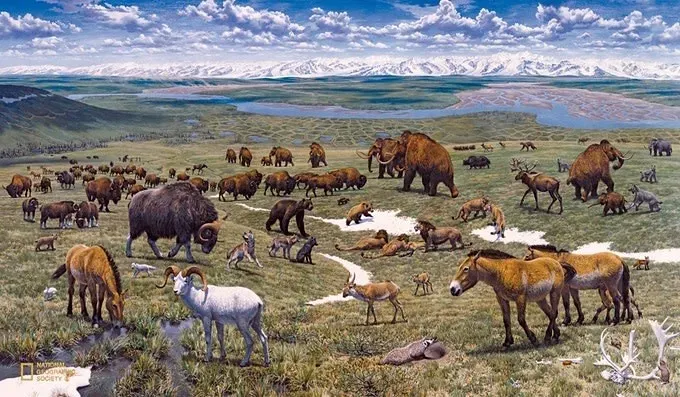
Mammoths were not passive background creatures just wandering around on someone else’s stage; they were ecosystem engineers. As heavy grazers and tramplers, they helped keep large areas open and grassy, pushing back shrubs and young trees. Their constant foraging, movement, and even dung spread nutrients and seeds, maintaining the mammoth steppe as a distinct, productive environment that supported many other species.
Some researchers have argued that when mammoths and other large herbivores vanished, the land itself shifted toward more closed, wooded, or boggy conditions. In that sense, their disappearance was not just a loss of one charismatic animal, but a fundamental change in how entire regions worked. It is a humbling thought: remove a few thousand shaggy giants, and over time the land forgets what it once was.
15. There might still be undiscovered mammoths waiting in the ice
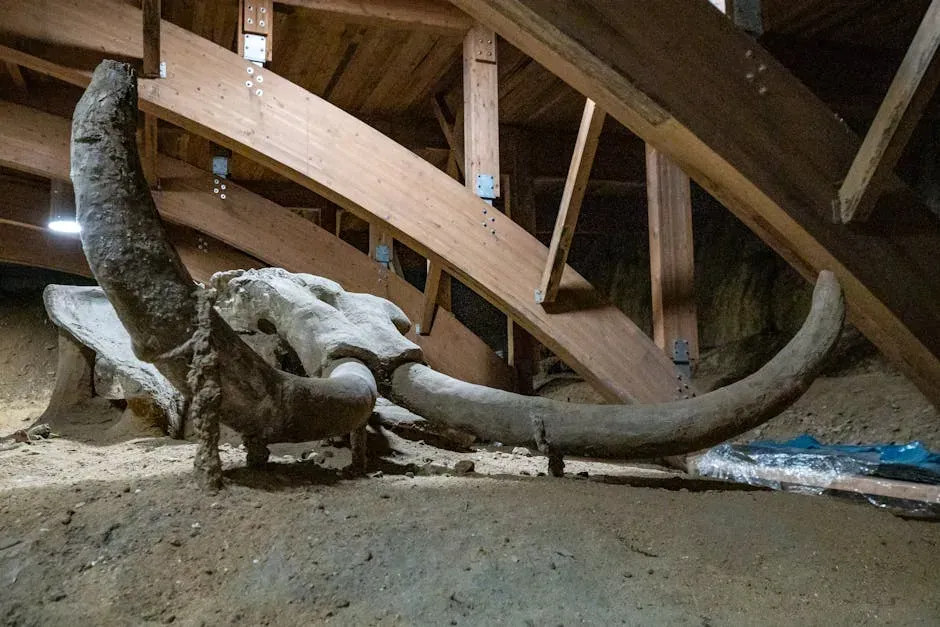
As the Arctic warms and permafrost melts, more and more mammoth remains are turning up, sometimes so suddenly that local people literally stumble over tusks or bones jutting out of thawing ground. Every new find has the potential to change how we see these animals: a better-preserved calf, a previously unknown population, or even traces of diseases that may have affected them. It feels like an ongoing detective story where the clues keep bubbling up from a frozen archive.
There is a bittersweet edge to this, because the very process that reveals these remains – rapid warming – is also a crisis for our own time. The ice that protected mammoths for thousands of years is vanishing, and with it the conditions that make their preservation possible. Still, each new discovery is a last chance to listen to what they can tell us before the record melts away for good.
Conclusion: Mammoths are a mirror, not just a memory
The more you learn about woolly mammoths, the harder it is to see them as distant, safe, cartoonish relics. They were tough, intelligent, social animals that walked the same planet we do, lived alongside humans, and then ran into a lethal mix of changing climate and human expansion. To me, the most unsettling part is how their story echoes the pressures facing today’s elephants, rhinos, and other big mammals. It is not just a tale of what once was; it is a warning about what could happen again if we sleepwalk through the present.
At the same time, there is something undeniably inspiring about how much we have managed to learn from bones, hair, and frozen scraps of tissue. We can reconstruct their faces, decode their blood, and even argue about the ethics of bringing a version of them back. That mix of wonder and responsibility is exactly where I think we need to live now: amazed by what science can do, but brutally honest about what we owe the living world. When you picture a woolly mammoth next time, do you see a cute movie character, or do you see a future we are still choosing between?