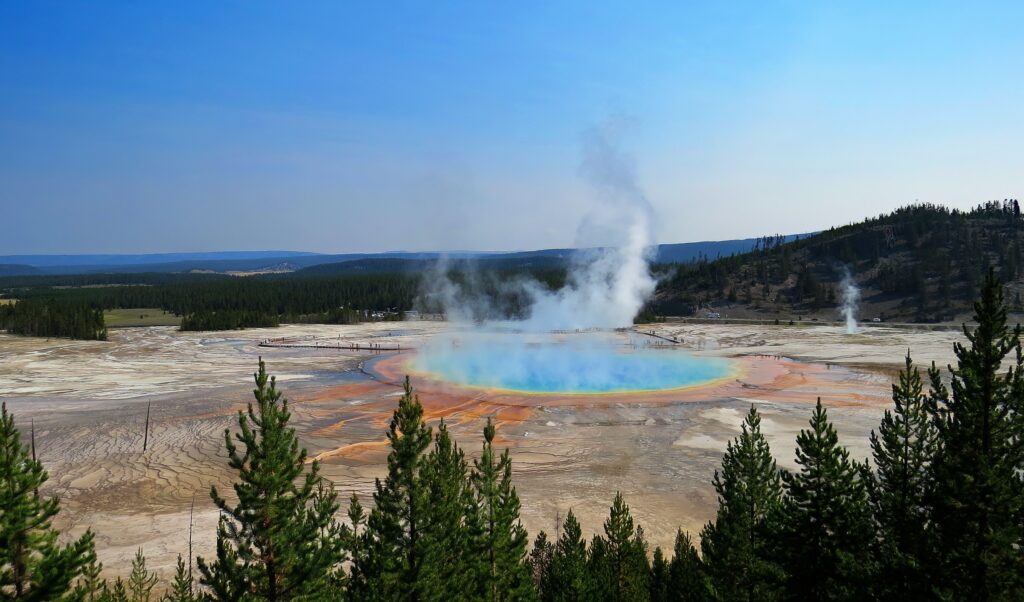
Stand on the boardwalk at Yellowstone, watch a geyser explode into the sky, and it all feels playful and harmless, like the planet blowing off a little steam for the tourists. But just beneath your feet sits one of the largest active volcanic systems on Earth, a hidden giant that has shaped continents, changed climates, and left scars you can still see from space. The last time it fully erupted, around six hundred and forty thousand years ago, the blast was so intense that the shockwaves would have rippled through the atmosphere across the globe.
That sounds dramatic because it is. Yet the real story of Yellowstone is not just about doom and disaster; it is about how a supervolcano quietly breathes, how scientists read its signals, and how our fears often outrun the facts. If you have ever wondered whether Yellowstone is a ticking time bomb or just an overhyped headline, this is where we dig into the layers, one by one, and see what the rocks actually say.
A supervolcano hiding in plain sight
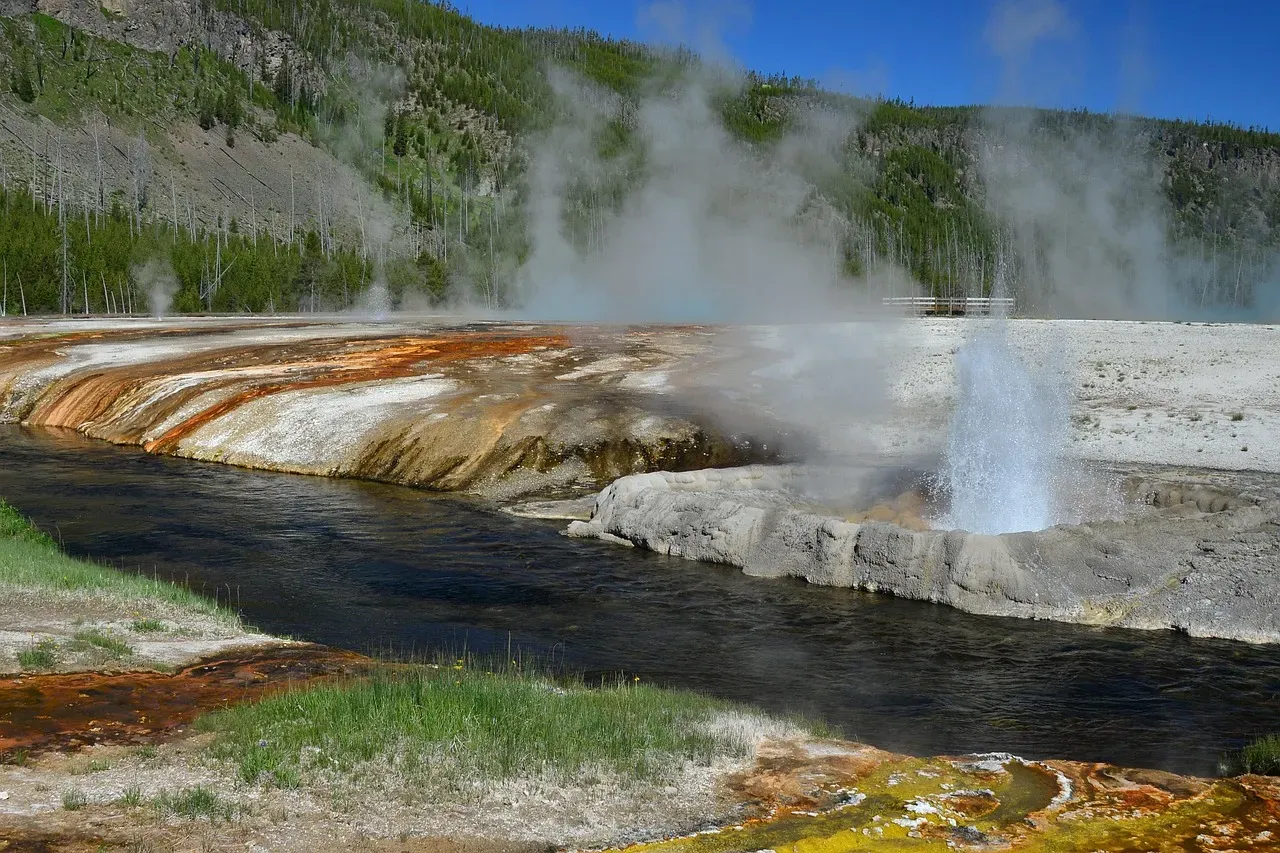
The wildest thing about Yellowstone is that the volcano is not a typical cone-shaped mountain looming over the landscape; it is an enormous, subtle depression called a caldera, so big that most people do not realize they are standing inside it. This caldera, roughly the size of a small U.S. state, was carved out by colossal eruptions that emptied underground magma chambers and caused the surface to collapse. Instead of one peak, you get a broad, uplifted plateau full of hot springs, geyser basins, and steaming ground that hint at the fire below.
When geologists call Yellowstone a supervolcano, they are not being dramatic for fun; they are describing a volcanic system capable of eruptions that are thousands of times more powerful than a typical volcanic event. The rocks around Yellowstone preserve the story of these past outbursts, from thick ash layers to volcanic tuffs welded together by incredible heat. If you flew over the park and its surroundings, you would see overlapping scars from ancient eruptions stitched into the landscape like giant, burnt fingerprints.
The last colossal eruption and its global echo
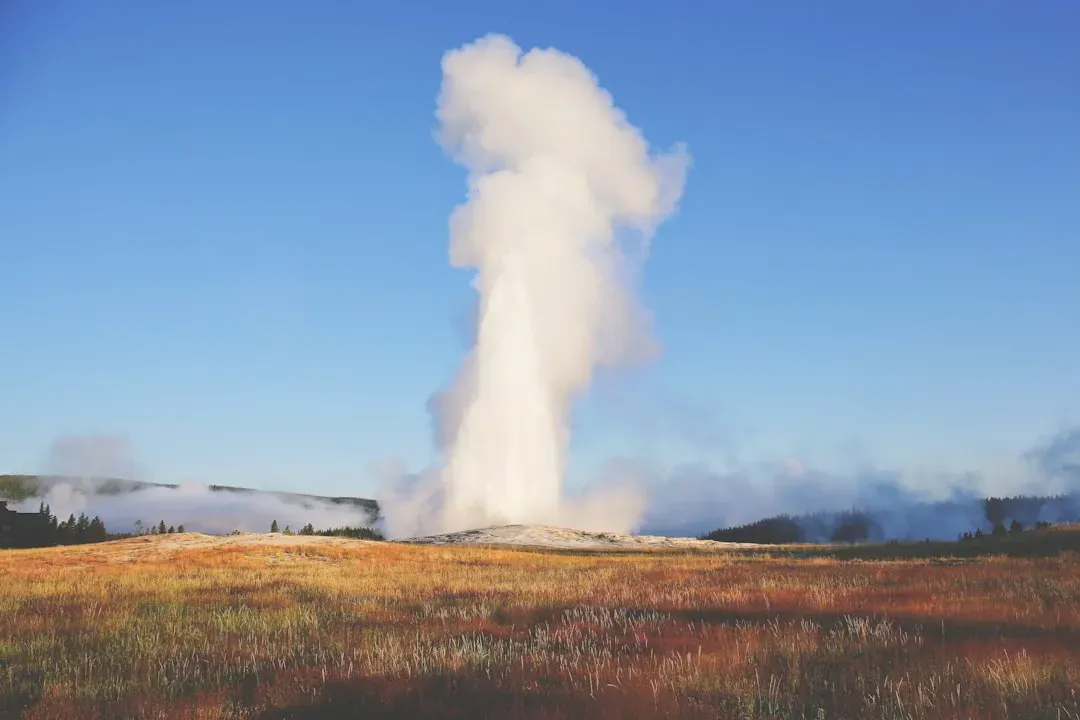
About six hundred and forty thousand years ago, Yellowstone unleashed one of its largest known eruptions, blasting ash and gas high into the atmosphere and across a huge area of North America. The volume of material erupted was so enormous that if you tried to imagine it as a mountain, it would tower beyond anything on the continent today. That kind of event sends shockwaves into the air and across the ground, and the energy released would have been powerful enough that its acoustic and atmospheric effects could have been detectable far across the planet.
Along with the noise and shock, the ash cloud from such a blast would have wrapped much of the globe, drifting with winds, settling into oceans, and dusting continents thousands of miles away. Layers of microscopic glass shards from ancient Yellowstone eruptions have been found deep in sediments far beyond the park, quiet evidence of a day when the sky went dark and the climate blinked. For early humans and ecosystems alive at the time, this would not have been a local inconvenience; it would have been a crisis that reshaped entire regions for years.
The restless hotspot beneath the North American Plate
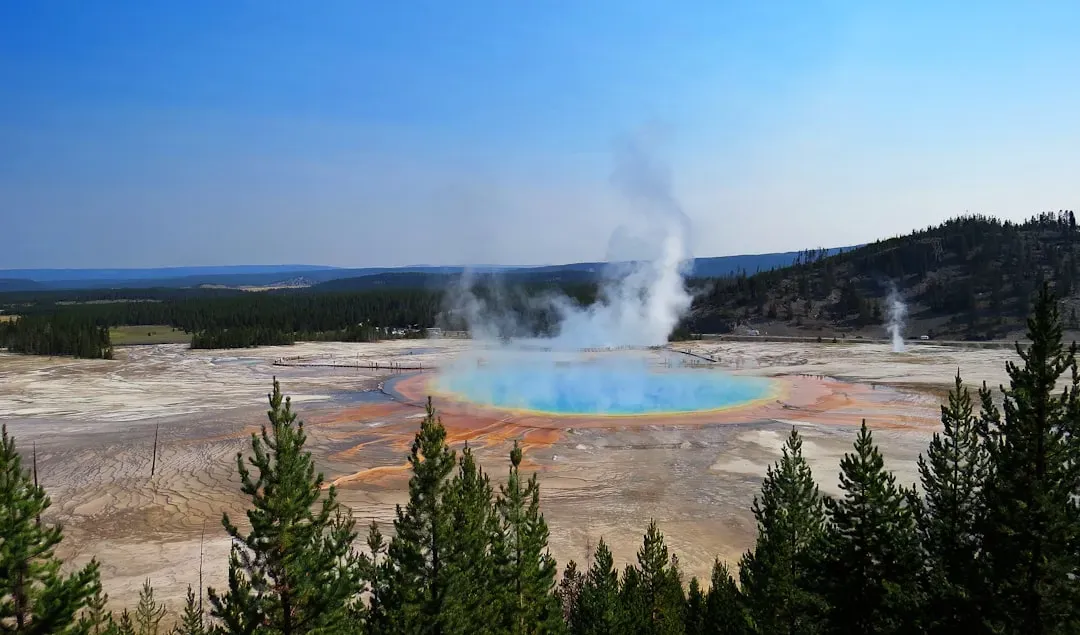
Yellowstone owes its existence to what geologists call a hotspot, a region where unusually hot material rises from deep within the Earth’s mantle toward the surface. Think of it like a blowtorch slowly aimed at the bottom of a moving conveyor belt: as the North American Plate drifts over the hotspot, a chain of ancient calderas and volcanic fields is left behind. If you trace these old volcanic scars from west to east, you are basically tracing the past positions of the continent over millions of years.
This hotspot is not something that suddenly switched on in the middle of Wyoming; it has been burning for a very long time, with its earliest known activity far to the west near what is now Oregon and Nevada. Over time, as the plate slid above it, the active volcanic centers marched eastward to the region we call Yellowstone today. That slow-motion journey is part of why geologists are so confident this is a long-lived, deeply rooted system, not a temporary or random cluster of volcanoes that could just disappear overnight.
A landscape built by fire, sculpted by ice and water
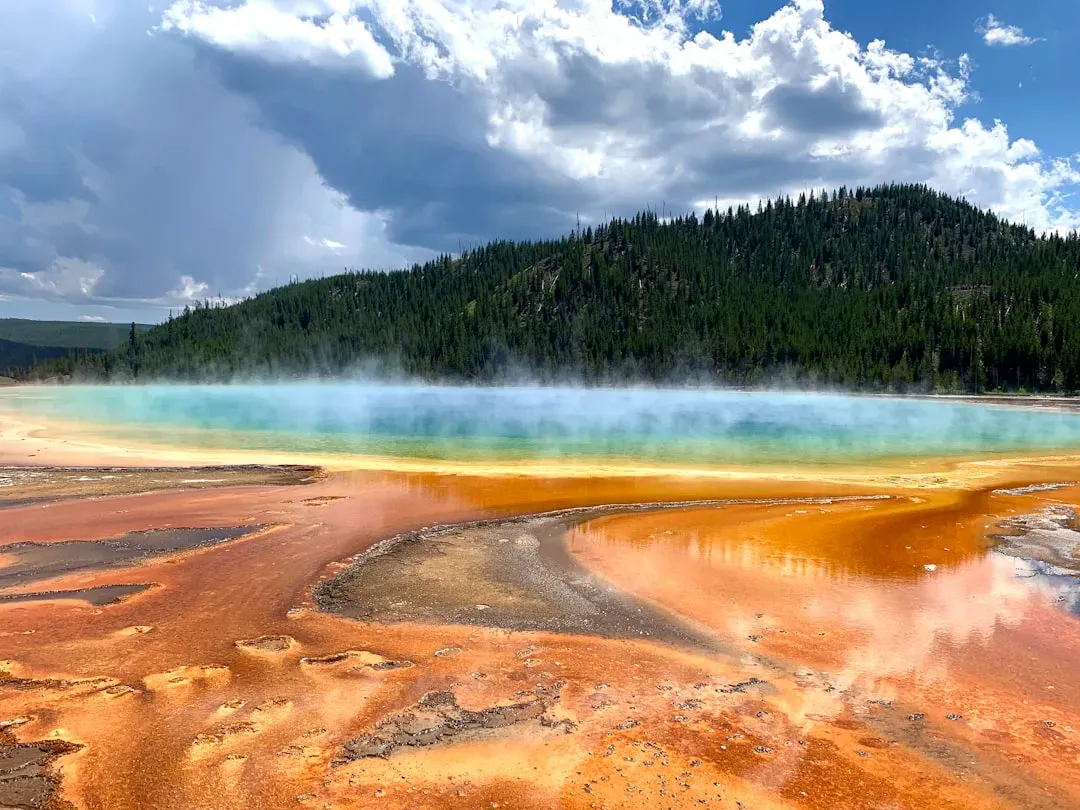
The Yellowstone you see today is not just a volcanic scar; it is a landscape shaped by a constant tug-of-war between fire below and ice, water, and erosion above. After each huge eruption, the caldera does not just sit there like a lifeless crater; it slowly uplifts and fills with lava flows, lakes, sediments, and eventually forests and wildlife. Later, ice ages carve into that surface, glaciers scrape valleys into U-shapes, and rivers rework the debris into sweeping canyons and waterfalls.
That is why the park feels both raw and strangely gentle at the same time. You can stand at the Grand Canyon of the Yellowstone, staring at golden cliffs and thundering falls, without realizing how much of that beauty was unlocked by volcanic heat and subsequent erosion. The hydrothermal features – colorful pools, roaring geysers, bubbling mud pots – are powered by hot rock at depth, but they are controlled by fractures, groundwater, and surface geology that have evolved over hundreds of thousands of years. The result is a landscape that is both dangerous and delicate, a masterpiece built from repeated catastrophe.
How scientists monitor a giant we cannot see
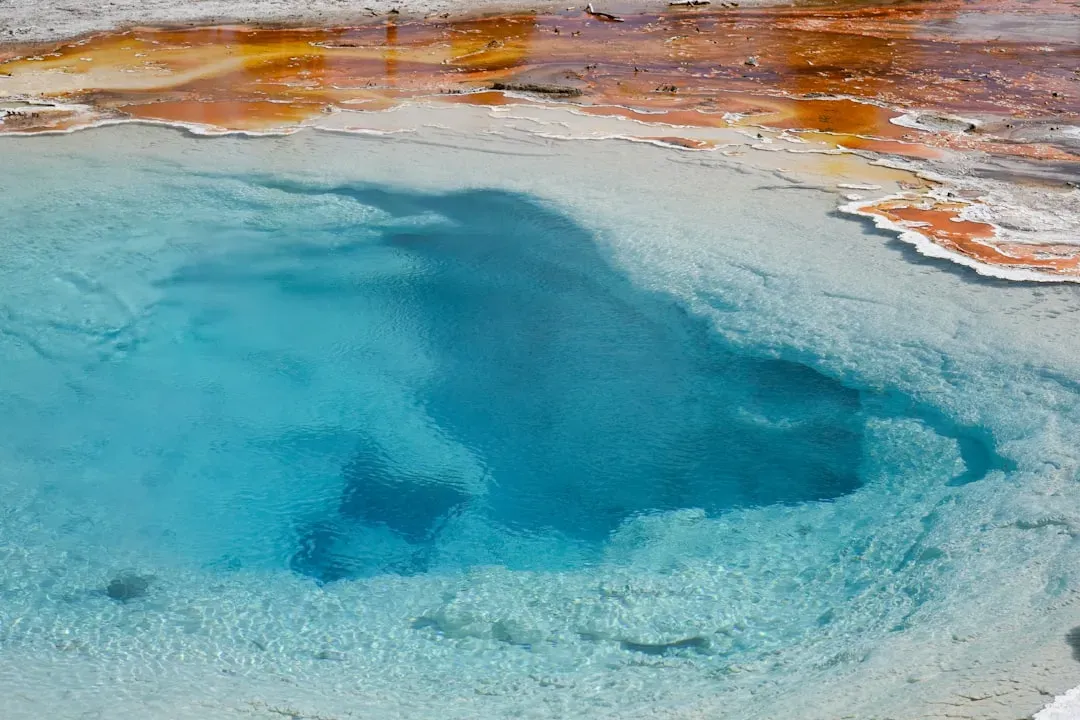
Because Yellowstone does not wear a classic volcanic cone, scientists rely on a network of instruments to track what is happening beneath the surface. Seismometers record tiny earthquakes as rock fractures or magma and hot water move through the crust, like a stethoscope listening for a giant’s heartbeat. GPS stations and satellite measurements track subtle uplift and sinking of the ground, sometimes only a few millimeters a year, but enough to tell researchers that the system is breathing.
Scientists also measure the temperature and chemistry of hot springs and gases, watching for changes that might signal shifts in heat or magma at depth. Each of these signals on its own can be noisy or misleading, but together they form a pattern that volcanologists can interpret with growing confidence. The reality is that Yellowstone is among the most closely watched volcanic systems on Earth, and any serious change in behavior would likely come with months or years of detectable warning signs, not a sudden surprise explosion out of nowhere.
Super-eruption fears versus everyday volcanic reality
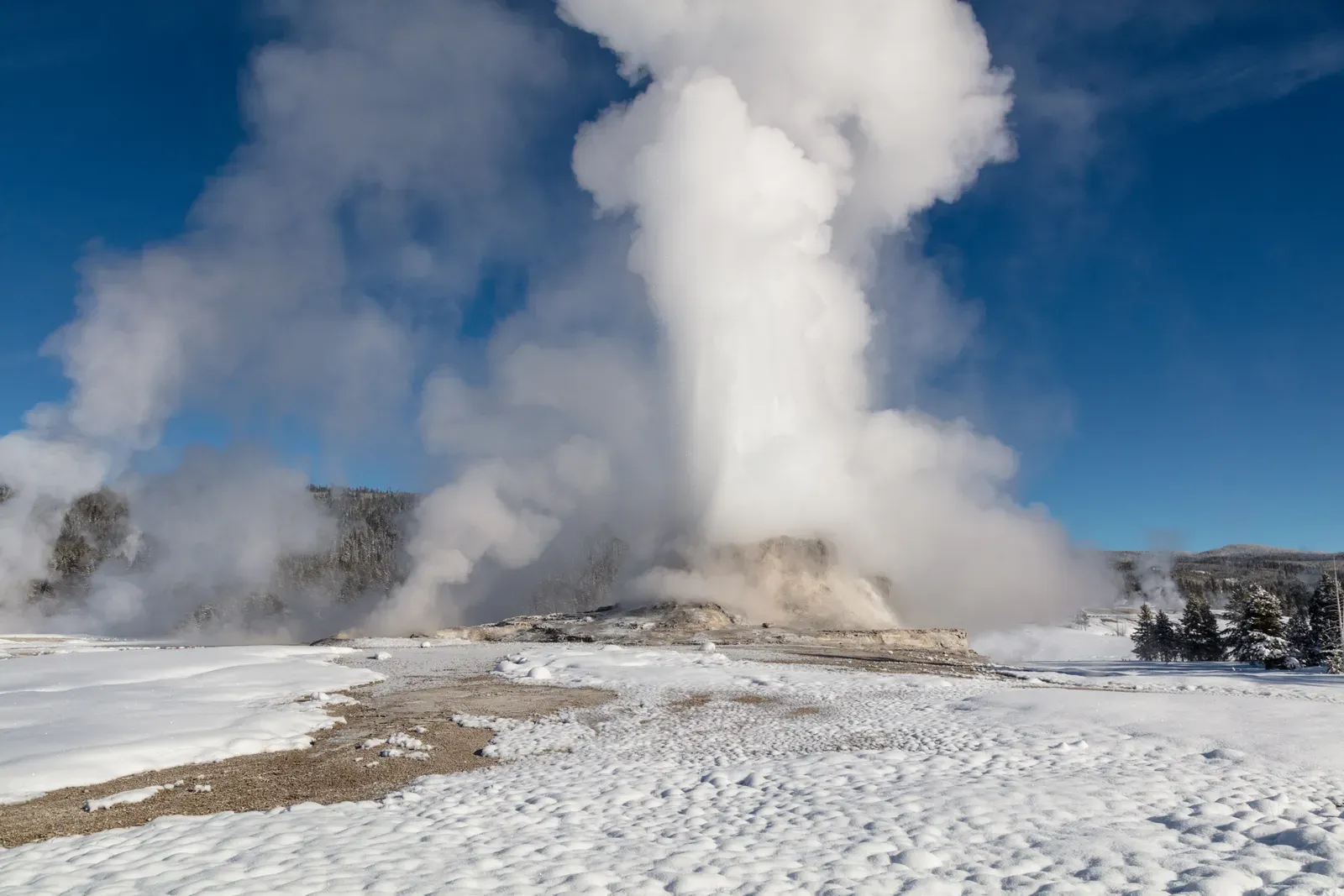
It is tempting to focus on the scariest scenario – the massive, continent-altering super-eruption – because it makes for dramatic headlines and anxiety-inducing videos. But geologically speaking, that kind of event is extremely rare, and there is no solid evidence that Yellowstone is gearing up for anything similar in our lifetimes or even for many human generations. The volcano’s recent behavior suggests it is more likely to produce smaller eruptions, lava flows, or hydrothermal explosions that, while serious, are much more local in impact than the apocalyptic narratives suggest.
The tough truth is that our brains are not great at judging slow, low-probability risks, so we either ignore them or obsess over them. With Yellowstone, a healthier approach is to treat it as a powerful but mostly well-behaved neighbor: respected, monitored, and understood through science rather than myth. It is absolutely an active volcanic system, and that matters for planning and safety, but the idea that it is overdue or about to blow without warning is simply not supported by the evidence. Fear sells, but careful monitoring and boring daily data are what actually keep us safe.
What a future eruption would really mean
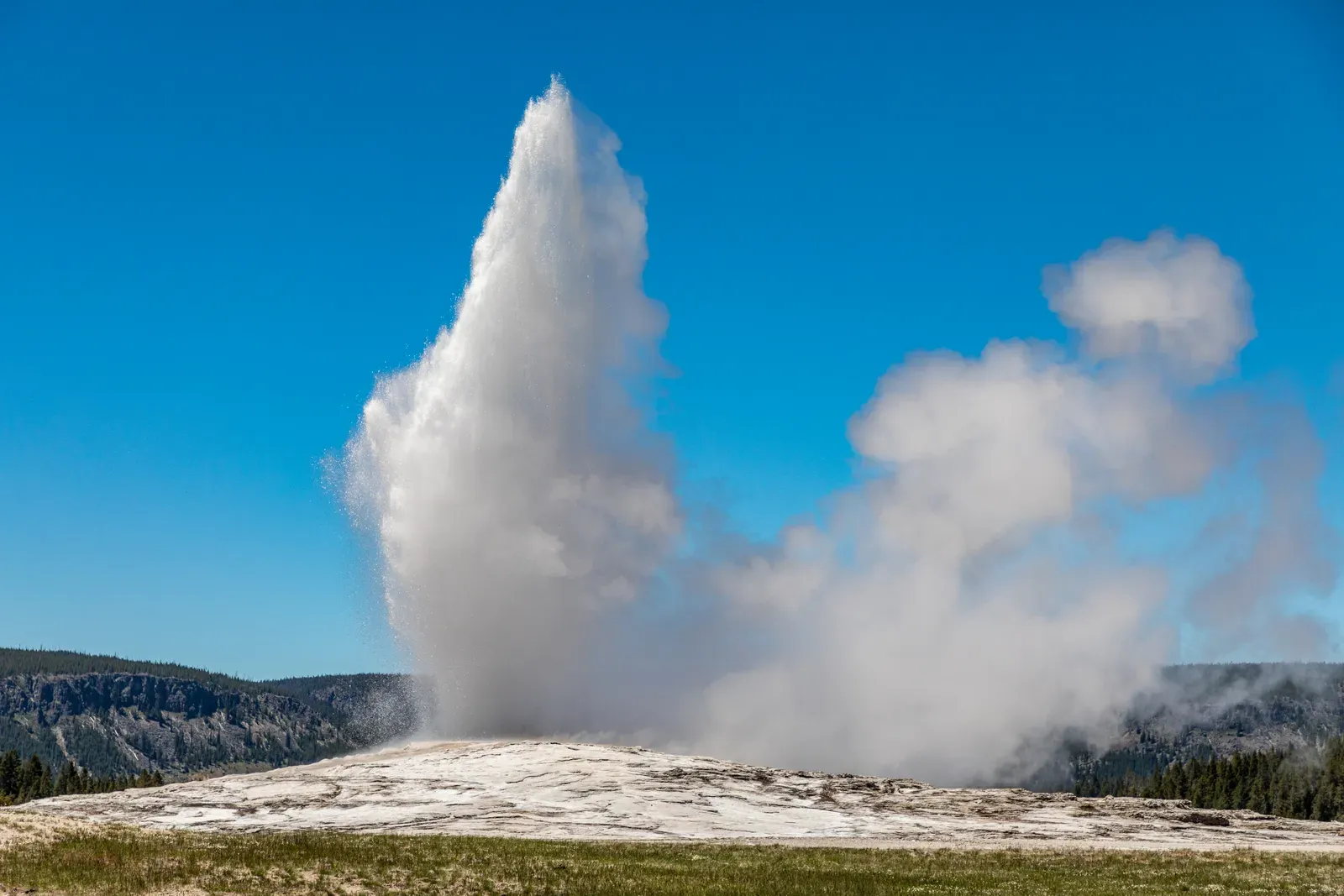
If Yellowstone did erupt again, the most likely scenarios are not global doomsday events but smaller volcanic episodes confined to the region. These might involve lava flows that reshape parts of the park, ash falling across neighboring states, or explosive activity that forces evacuations and long-term closures. For people living in the American West, it would be disruptive and potentially dangerous, especially for aviation and infrastructure, but it would not automatically shut down modern civilization.
Even a larger eruption on the high end of realistic possibilities would play out in stages, with warnings, changing activity, and intense scientific focus. Emergency planning already considers hazards like ash fall on cities, contamination of water supplies, and the effects on agriculture and power grids. It would be a rough chapter, no doubt, but humans are far better equipped now – with technology, communication, and global cooperation – than any previous species that has lived through Yellowstone’s tantrums. The key is sober preparation, not Hollywood-style panic.
Why Yellowstone still inspires awe, not just anxiety
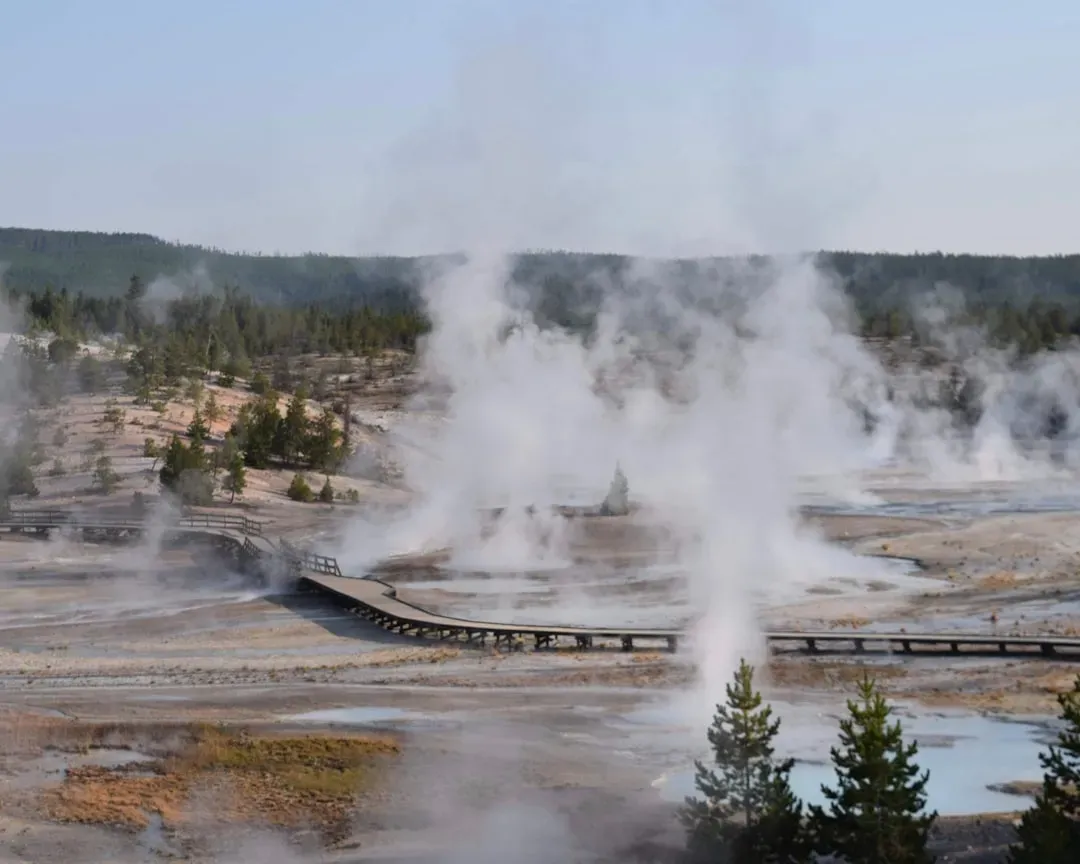
For all the talk of super-eruptions and global ash clouds, Yellowstone’s most immediate power is emotional, not destructive. The first time I walked through a geyser basin, the ground thumped beneath my feet with each eruption, and the air smelled like hot metal and eggs; it felt less like a national park and more like the backstage of the planet. There is something humbling about realizing you are a tiny visitor on top of a system that has been cycling through destruction and renewal long before your species existed.
This sense of awe is not just poetic fluff; it is a reminder that geology connects our everyday lives to deep time. The smartphone in your hand, the metals in your car, the landscapes you hike through – all of it depends on processes like the ones still at work under Yellowstone. When you see a hot spring shimmering in impossible colors, you are looking at chemistry, heat, and life interacting in ways that could teach us about early Earth and maybe even other planets. Instead of only asking when it will blow, we should be asking what it can teach us while it quietly simmers.
How to think about Yellowstone without losing sleep
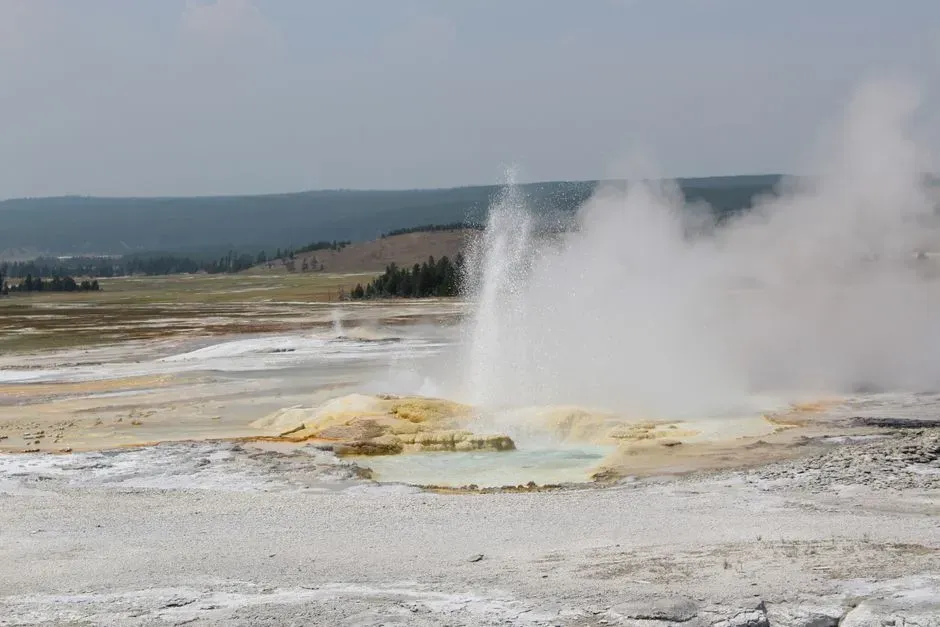
Trying to make sense of Yellowstone means holding two ideas at once: it is both one of the largest active volcanic systems on the planet and, on human timescales, relatively calm. That tension can be hard to live with, especially if you are someone who tends to spiral through worst-case scenarios at two in the morning. The healthier perspective is to recognize that life is full of low-probability, high-impact risks, and Yellowstone is just one of many – dramatic, yes, but not uniquely out to get us.
Personally, I would rather we pour our collective anxiety into supporting the boring, meticulous science that keeps track of systems like this. Funding monitoring networks, training volcanologists, and improving emergency response might not trend on social media, but they are far more useful than arguing about end-of-the-world countdowns online. If you ever get the chance to visit Yellowstone, go, look down at the fragile, steaming crust and up at the calm sky, and let both truths sit side by side. You are walking over an ancient, powerful engine of the planet – and right now, it is mostly just breathing.
Conclusion: A giant worth respecting, not fearing
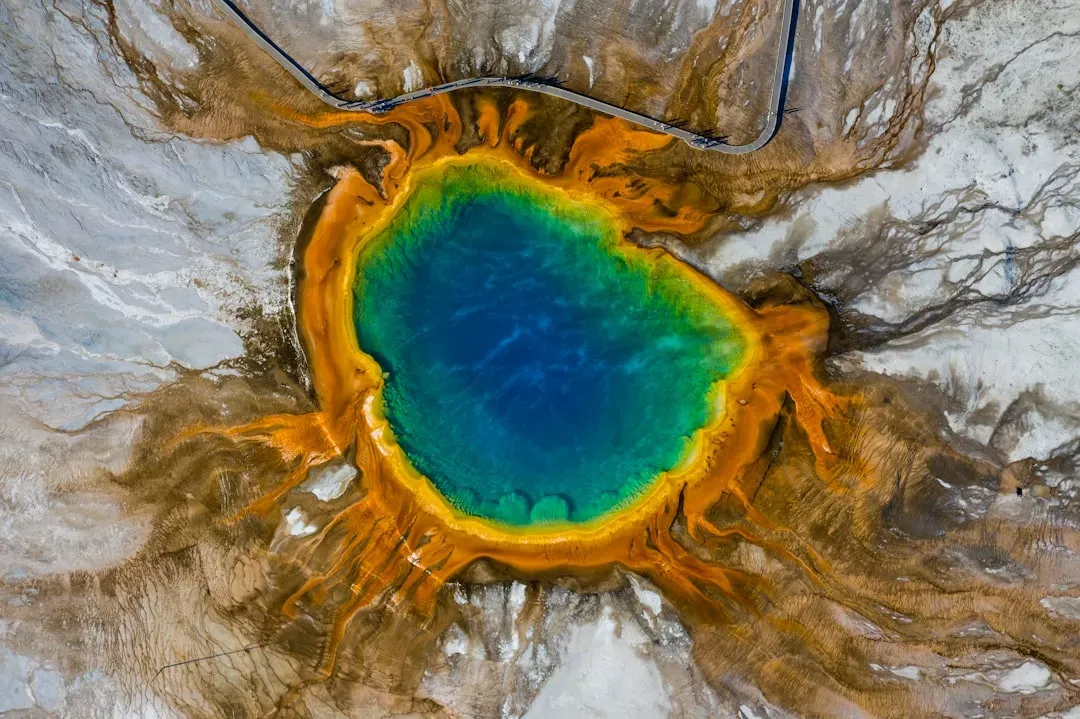
Yellowstone’s story is dramatic enough without the embellishments. Geology really does say that it sits on one of the largest active volcanic systems on Earth, and its last full eruption roughly six hundred and forty thousand years ago was the kind of event that could send a sonic and atmospheric punch around the globe. But turning that reality into a constant source of dread does not make us safer; it only distracts us from what the evidence actually shows and what we can reasonably prepare for. In my view, the obsession with an imminent super-eruption says more about our hunger for spectacle than it does about Yellowstone’s current behavior.
If anything, we should treat Yellowstone as a stern but fascinating teacher rather than a villain lurking under our feet. It reminds us that the Earth is still alive, still reshaping itself in slow, powerful ways that do not care about our schedules or fears. Visiting, learning, and supporting the science around it is a way of making peace with that reality instead of fighting it. In the end, the most honest stance is simple: respect the giant, listen to the data, and keep your curiosity sharper than your fears – when you hear Yellowstone’s name now, which of those will rise first for you?