Every time Hollywood puts a dinosaur on screen, there’s a tiny war going on in the background. On one side, you’ve got paleontologists quietly grinding their teeth; on the other, studio execs asking whether the creature can just be a little bigger, a little scarier, and maybe roar louder than anything that’s ever lived. The result is a long, messy history of dinos that look amazing, sell toys, and make absolutely no sense if you’ve cracked open even one modern science article.
What makes this so fascinating is that dinosaur science has exploded since the early 1990s. We now know that many “classic” movie dinos were fluffy, colorful, and stranger than the reptilian monsters we grew up with. Yet the old designs keep lumbering back onto the screen like undead lizards in a billion‑dollar Halloween costume. Let’s walk through the most embarrassing dinosaur blunders in the biggest blockbusters, ranked not just by how wrong they are, but by how stubbornly the movies cling to them.
1. Jurassic Park’s “Velociraptors”: The Wrong Dinosaur, the Wrong Look, Forever
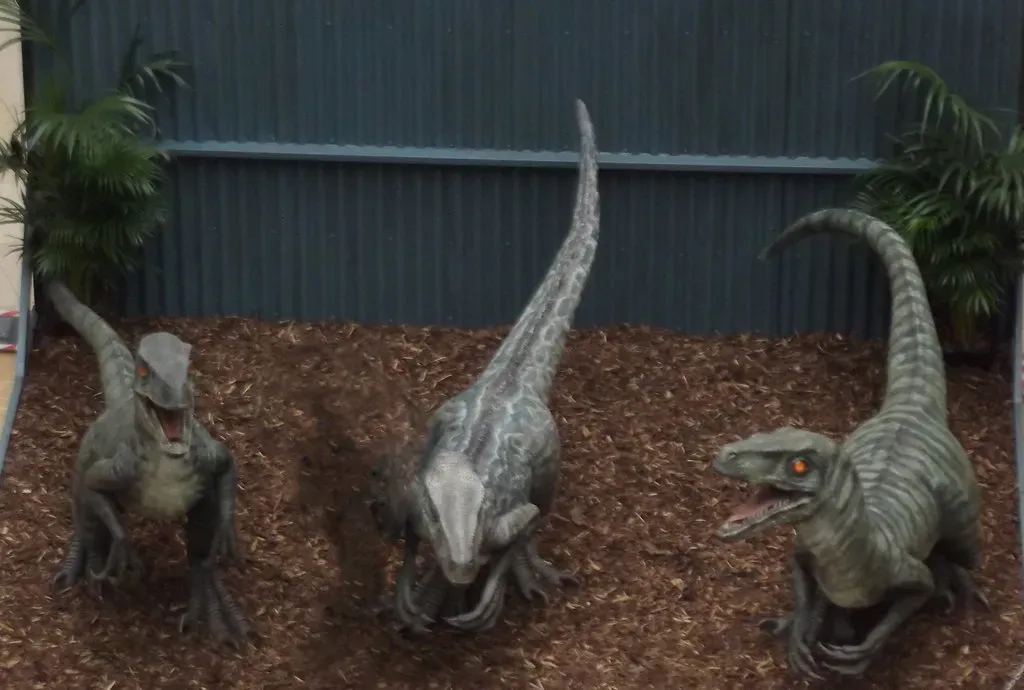
Here’s the big one: the raptors that terrified an entire generation in Jurassic Park are not actually Velociraptors in any meaningful scientific sense. The real Velociraptor was roughly turkey‑sized, lean and lightly built, nowhere near the six‑foot, door‑opening monsters of the film. They also almost certainly sported feathers or at least a fuzzy coat, not the sleek crocodile skin the franchise made iconic, and their stiff tails and posture would have looked more bird‑like than lizard‑like in motion. As if that weren’t enough, the movie animals’ anatomy and size line up far better with Deinonychus, a related but larger dromaeosaur that had already been known for decades.
By the time Jurassic World rolled around in 2015, the scientific community was very clear that feathered raptors were the norm, not fringe speculation, and paleontologists had been grumbling about this specific issue for years. The filmmakers even acknowledged that they knew they were wrong but kept the old design anyway for “continuity,” baking in an outdated model as the permanent brand identity of the series. At that point, it stops being an innocent mistake and becomes almost a deliberate miseducation: the single most famous movie dinosaur of the last thirty years is essentially a completely different animal, dressed up as a scaly super‑villain.
2. The T. rex With Bad Vision and a Lion’s Roar
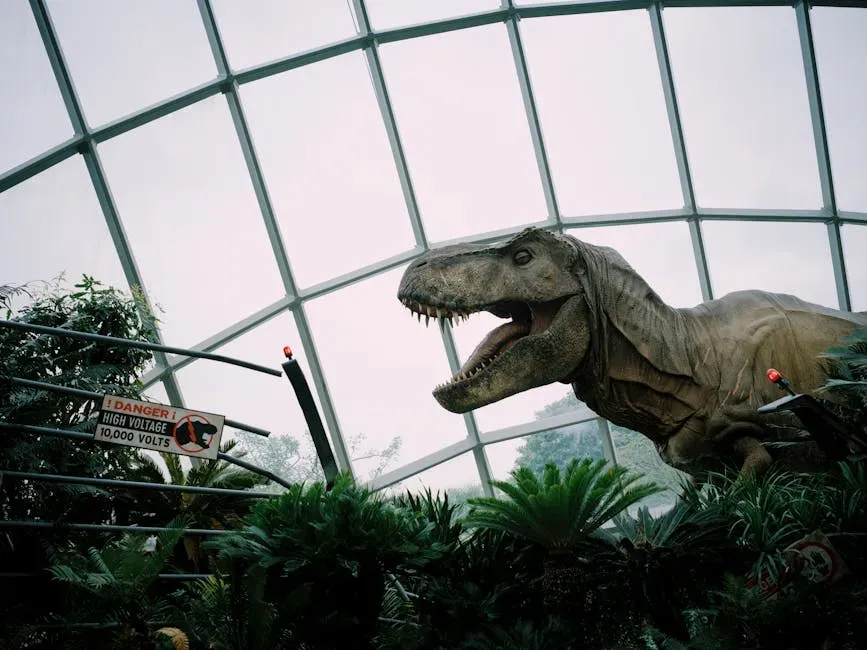
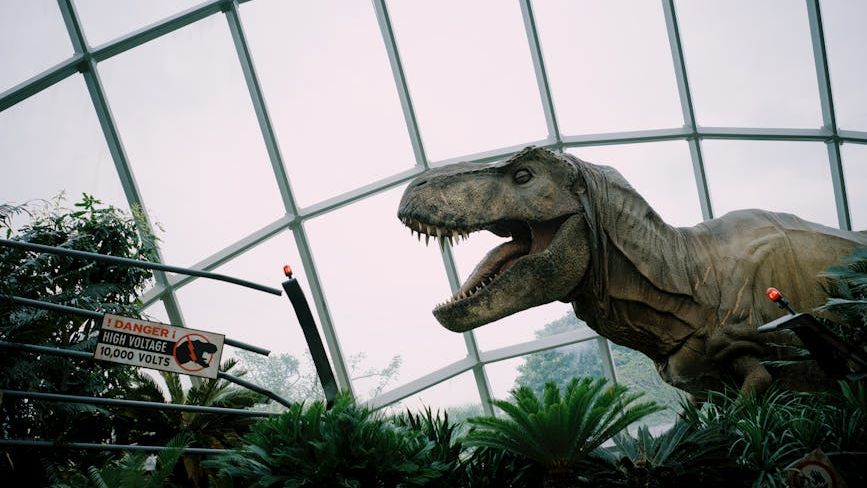
The Tyrannosaurus rex in Jurassic Park is still one of the greatest movie monsters ever put on screen, but scientifically it is a glorious mess. The script leans hard on the idea that T. rex can only see movement, turning stillness into a survival trick; in reality, its forward‑facing eyes and binocular vision likely gave it excellent depth perception and the ability to track prey that did not happen to be flailing around. Add to that a posture that, especially in early promotional art, shaded back toward the old tail‑dragging look, rather than the horizontal, balanced stance now widely accepted for large theropods. Then there’s the infamous roar, stitched together from modern mammal sounds rather than anything we’d expect a huge theropod to produce, given newer research on crocodilian‑style low‑frequency calls.
What makes this embarrassing today is that T. rex has been one of the most intensely studied dinosaurs on Earth, and modern reconstructions often show it with at least some kind of filamentous covering, especially in juveniles. Yet for decades, blockbuster films have doubled down on the same leathery, purely scaly tyrant lizard stereotype, occasionally flirting with the idea of adding “proto‑feathers” and then retreating back to the familiar look. By the time recent research suggested that a fully sprinting T. rex would probably risk shattering its own bones under the stress, the old image of a super‑fast, vision‑impaired, lion‑roaring chase predator was already locked in for audiences. The movies essentially froze a 1990s snapshot of T. rex in amber and never let it evolve.
3. Dilophosaurus: The Spitting, Frilled Gremlin That Never Was
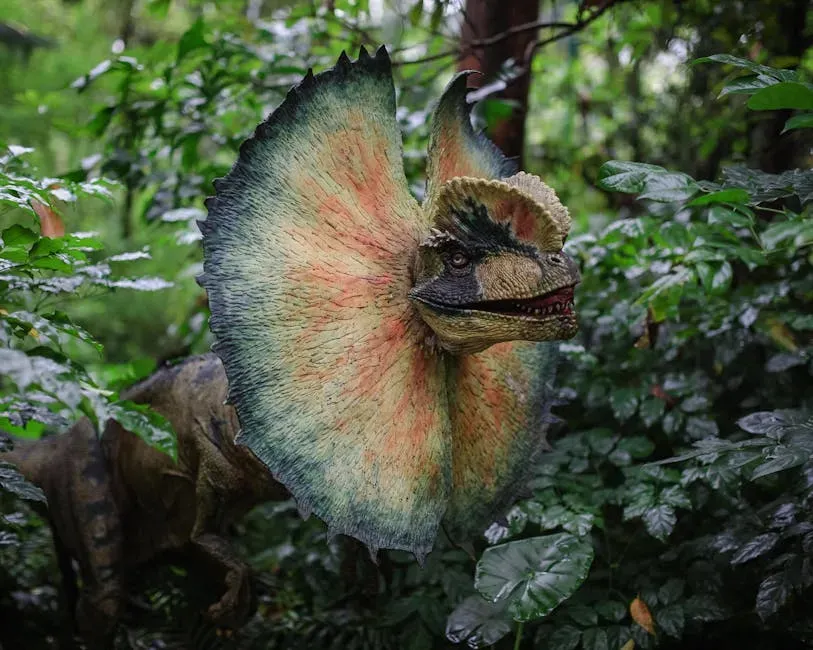
If there were an award for most shamelessly invented dinosaur features, Jurassic Park’s Dilophosaurus would win by a mile. In the film, it’s a small, squat creature with a giant expanding neck frill and the ability to spit blinding venom like a reptilian sniper. None of that gimmickry has any support in the fossil record. The real Dilophosaurus was a much larger, lankier predator, closer in size to a big car than a dog, and recent careful re‑analysis of its bones has overturned a lot of old assumptions about its build and anatomy. The double crest on its head is legit; practically everything else the movie added was pure horror‑movie invention.
Paleontologists have been pretty blunt that the on‑screen version is almost a total fabrication, to the point where real scientific reconstructions look like an entirely different animal. The movie’s choice to miniaturize it for plot convenience and then pile on imaginary soft‑tissue structures and venom makes it a poster child for the “rule of cool” trumping reality. I still remember being a kid and thinking this thing was real, which is exactly why it ranks so high on the embarrassment scale: not because filmmakers can’t have fun, but because this particular fun misled an entire generation about a genuinely fascinating early Jurassic predator.
4. Featherless, Shrink‑Wrapped Monsters in the Jurassic World Era
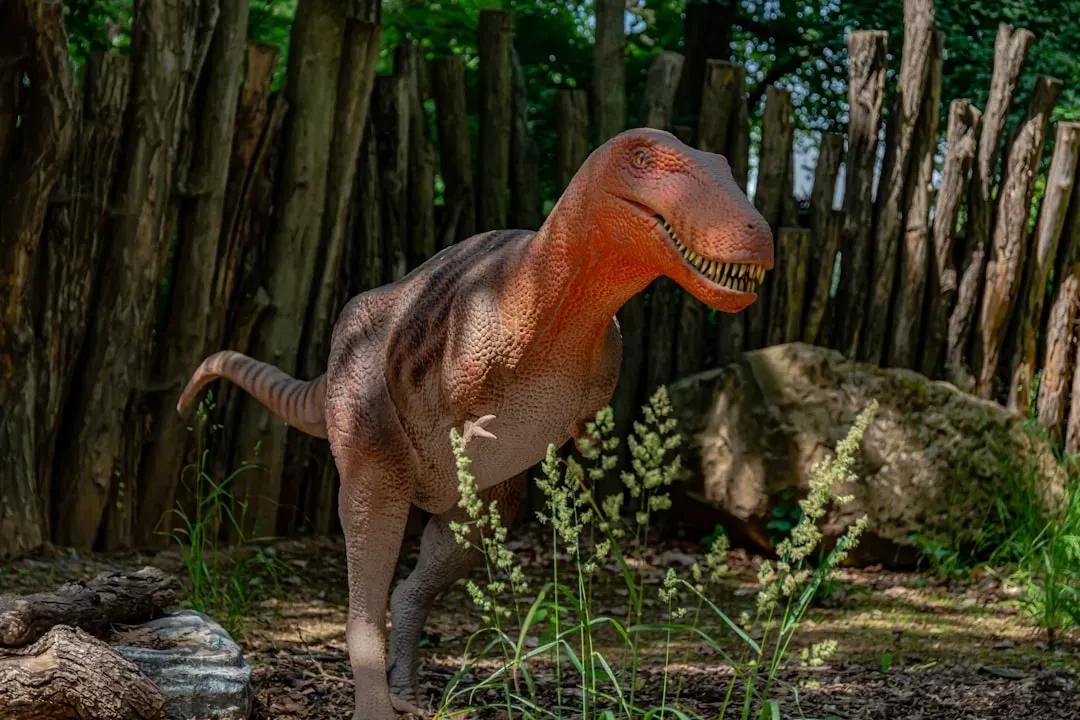
By the time Jurassic World and its sequels stomped into theaters, scientists had amassed a mountain of evidence that many theropods – and possibly even some larger species at certain life stages – carried feathers or filamentous coverings. Yet the films made a very conscious decision to keep almost everything smooth‑skinned and reptilian, doubling down on a style that was state‑of‑the‑art back in 1993 but decidedly retro by the 2010s. The in‑universe excuse is that the park’s geneticists filled in dino DNA with other animals, so these are “fictional” creatures anyway, which is clever as dialogue but also a convenient way to ignore decades of research for the sake of brand recognition.
Ironically, when the later entry Jurassic World Dominion finally showed some fully feathered creatures in a prehistoric prologue and in species like Pyroraptor and Therizinosaurus, those scenes instantly felt fresher, stranger, and more grounded. It was a glimpse of how mind‑blowing a truly modern dinosaur movie could look if it took current science seriously instead of treating it like an optional extra. Instead, the core stars – T. rex, blue‑gray raptors, various mega‑predators – kept their old “shrink‑wrapped” profiles, all tendons and scales with barely any soft tissue or insulation. It is like watching a franchise that forever insists wolves should look like hairless monitor lizards because that is how the merch department drew them in the nineties.
5. The Mosasaurus That Could Eat the Entire Ocean
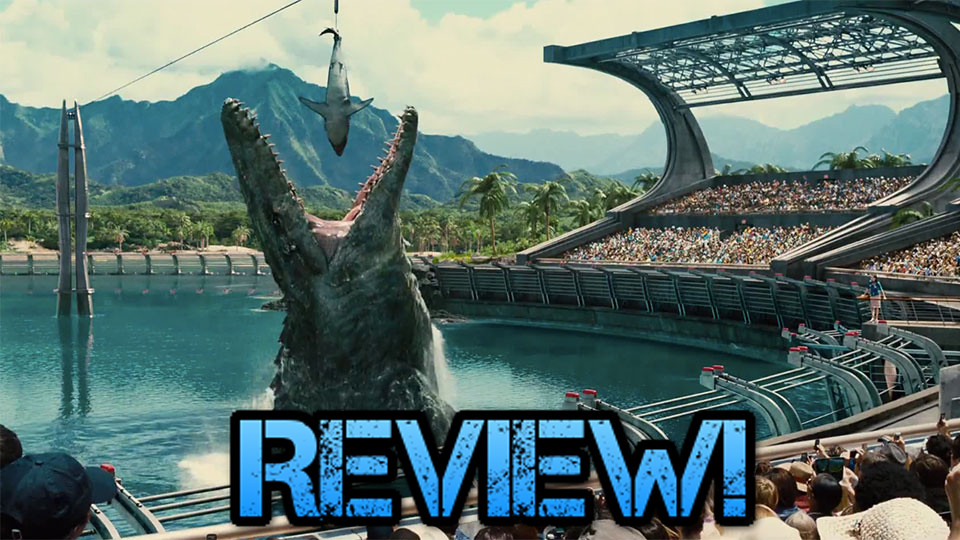
Jurassic World’s Mosasaurus is pure spectacle: a titanic marine reptile breaching like a whale, swallowing sharks and, eventually, other dinosaurs as if it were snacking on popcorn. The problem is that the creature on screen is scaled up to almost absurd proportions, closer to a moving sea cliff than any plausible animal ecology could support. Actual mosasaurs were indeed impressive apex predators, but turning one into a mega‑kaiju so large it dominates everything in the water pushes it solidly into fantasy territory. There’s also the issue of how it moves and behaves; the movie’s version bursts entirely out of the water in ways that put modern physics on life support.
This is one of those cases where the science is not thin or controversial: we know enough about mosasaur size ranges, body plans, and the limits of marine ecosystems to say with confidence that the film’s giant is essentially impossible. Even in the context of a franchise that mutates genomes for fun, the Mosasaurus feels like it belongs more in a Godzilla crossover than a story that still name‑drops real species and digs up actual fossil sites. When you start imagining how much prey biomass an animal like that would need to survive, the park’s lagoon might as well be a decorative birdbath trying to keep a blue whale alive on goldfish.
6. The Good Dinosaur’s Alternate Timeline, Same Old Dino Myths
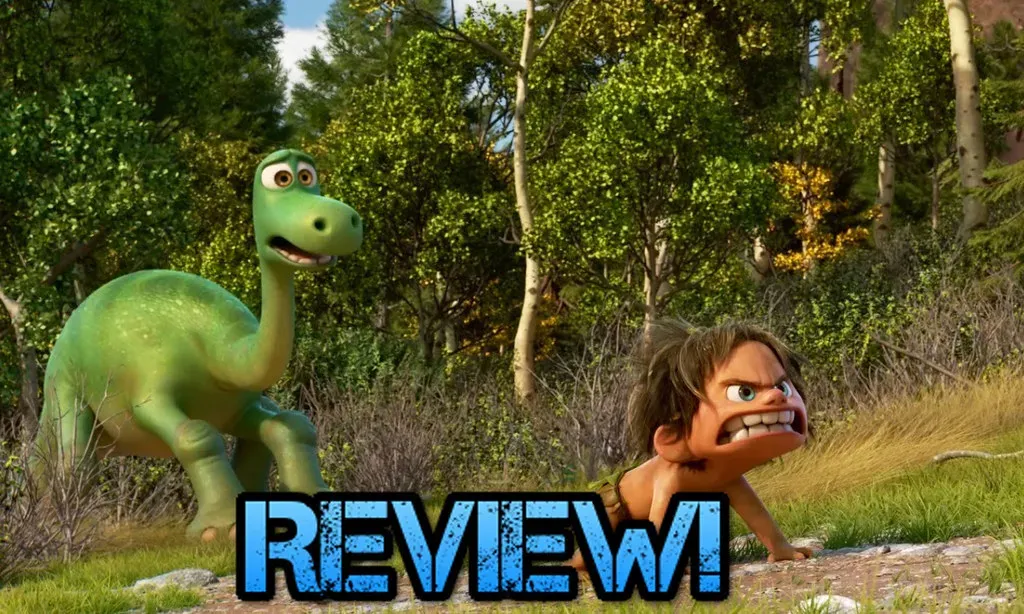
Pixar’s The Good Dinosaur leans openly into fantasy by imagining a world where the asteroid never hit and dinosaurs evolved alongside early humans. On that level, it deserves a little slack; nobody is pretending this is a documentary. But even within that playful premise, the designs and behaviors of its main dinosaur cast lean heavily on outdated pop‑culture tropes instead of the weirder, wilder possibilities modern paleontology offers. The main sauropod family, for instance, leans toward the classic elephant‑like giants rather than the more biomechanically nuanced shapes and postures scientists now reconstruct for long‑necked dinosaurs. Predatory species also get the usual big‑toothed, lizard‑faced treatment with only a light dusting of bird influence.
What makes this a bit embarrassing is that Pixar is famous for obsessive research; they once studied fish locomotion and robot eyes for other films with almost ridiculous care. With dinosaurs, though, they landed on a safer hybrid that feels more like a tribute to cowboy Westerns and old children’s books than a chance to show kids something genuinely new. Personally, I remember watching it and wishing they had embraced feathered theropods and oddball body plans as part of the film’s charm. Instead of pushing the cultural needle toward updated dinosaurs, the movie mostly repeats the familiar pattern: dinos as big reptiles with a dash of personality, living in a world that simply swaps cars and phones for cliffs and fireflies.
7. Anachronistic Mashups: Jurassic “Park” Full of Cretaceous All‑Stars
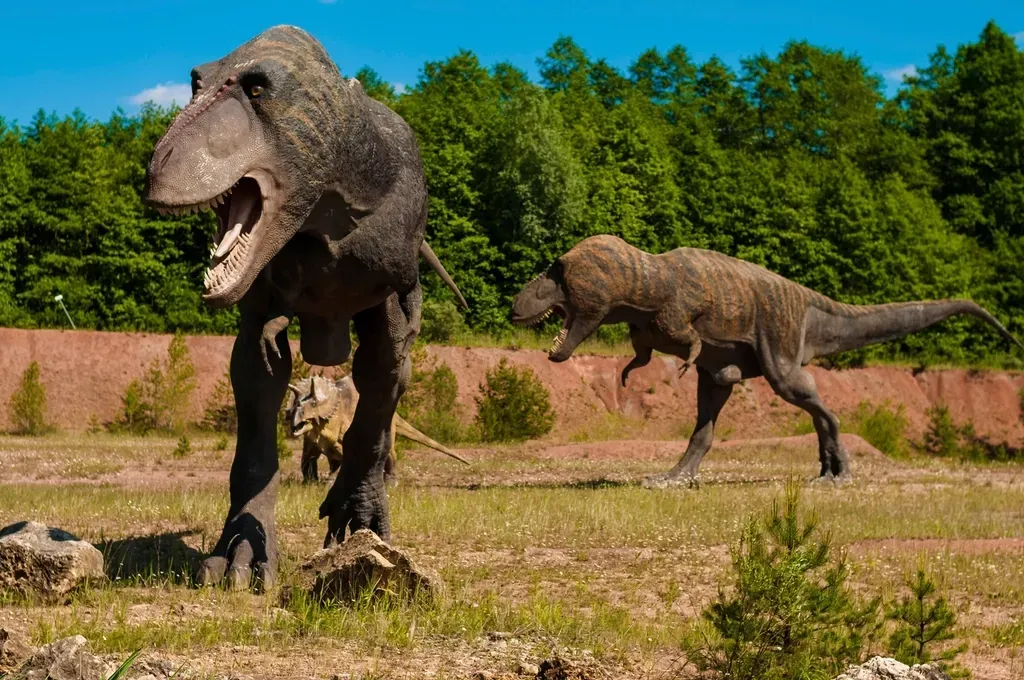
Even if you accept all the design liberties, there is a quieter, nerdier mistake running through most dino blockbusters: time periods mashed together like a greatest‑hits playlist. Jurassic Park uses the Jurassic name while housing a lineup dominated by Cretaceous heavyweights such as T. rex and Velociraptor, with creatures that would never have shared the same ecosystems all stomping around as if they were neighbors. This is not just a naming nitpick; it flattens roughly one hundred and sixty million years of evolutionary history into a single blurry snapshot, erasing the fact that many of these animals are more separated in time from each other than we are from them.
Other films fall into similar traps, tossing pterosaurs, sauropods, and various theropods together with zero regard for when or where they actually lived. It is the prehistoric version of making a movie about “ancient humans” and casually mixing Roman soldiers, Viking longships, and Bronze Age farmers in the same village. Once you start paying attention to it, you realize how thoroughly big movies have taught audiences that “dinosaur” is a single homogenous era rather than a staggeringly long, ever‑changing span of lineages rising, falling, and diversifying. That missed opportunity to spark some sense of deep time might be one of the most quietly frustrating errors of all.
8. When Spectacle Beats Science: Why These Mistakes Still Matter
Here’s the uncomfortable truth: most of these mistakes persist not because filmmakers do not know better, but because the wrong versions sell. Studio logic says people want the Jurassic Park raptor they grew up with, not some fluffy, crow‑colored predator with wing‑like arms, even if the latter is closer to reality. As someone who fell in love with dinosaurs through movies and then had to unlearn half of what I thought I knew, I have mixed feelings about this. The classics genuinely shifted public perception away from lumbering swamp beasts toward active, dynamic animals – but then they froze that new image in place while the science kept racing ahead without them.
In my view, that is the real embarrassment: not that older films made honest mistakes with the best knowledge available at the time, but that newer blockbusters keep recycling those same errors as if nothing has changed. We live in a moment when paleontology is revealing creatures stranger than any studio brainstorm, from parrot‑beaked giants with sickle‑claws to iridescent, multi‑colored feathered hunters, and yet mainstream cinema mostly sticks to the same leathery monsters from thirty years ago. Imagine how different our idea of dinosaurs would be if the next mega‑franchise fully embraced modern science and made accuracy part of the spectacle instead of something to apologize away with a line of dialogue. Wouldn’t that be a plot twist worth watching?