Every time a new dinosaur blockbuster drops, paleontologists start bracing themselves. They know what’s coming: gorgeous special effects, thunderous roars, and a parade of prehistoric animals that would probably get laughed out of their own ecosystems if they really behaved that way. Movie studios have access to experts, up‑to‑date research, and stunning CGI. Yet again and again, they cling to older, outdated images because they look cooler on screen or are easier for audiences to recognize.
I still remember walking out of a huge dinosaur movie as a kid, buzzing with excitement, only to pick up a book later and realize almost everything I’d just seen was wrong. It felt a bit like discovering your favorite superhero has been misusing their powers the entire time. The funny thing is, that disconnect between science and cinema has only grown as our knowledge explodes. Let’s dig into some of the repeat offenders Hollywood cannot seem to stop mangling, no matter how many times researchers politely raise an eyebrow.
Tyrannosaurus rex: The Eternal Villain With a Broken Nose
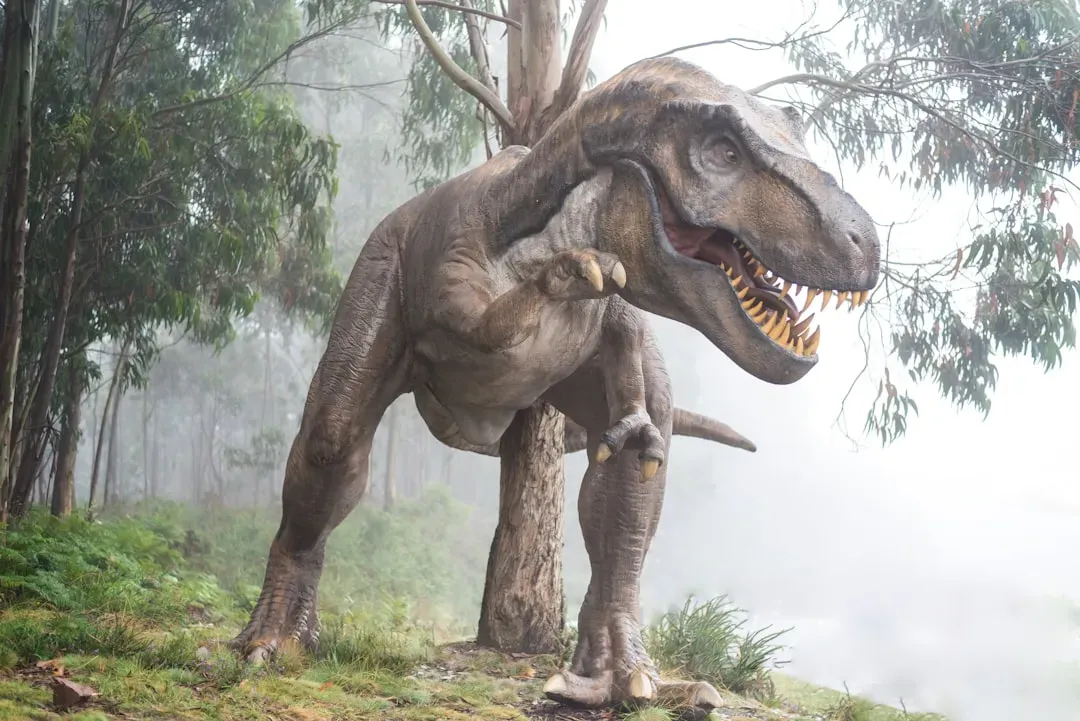
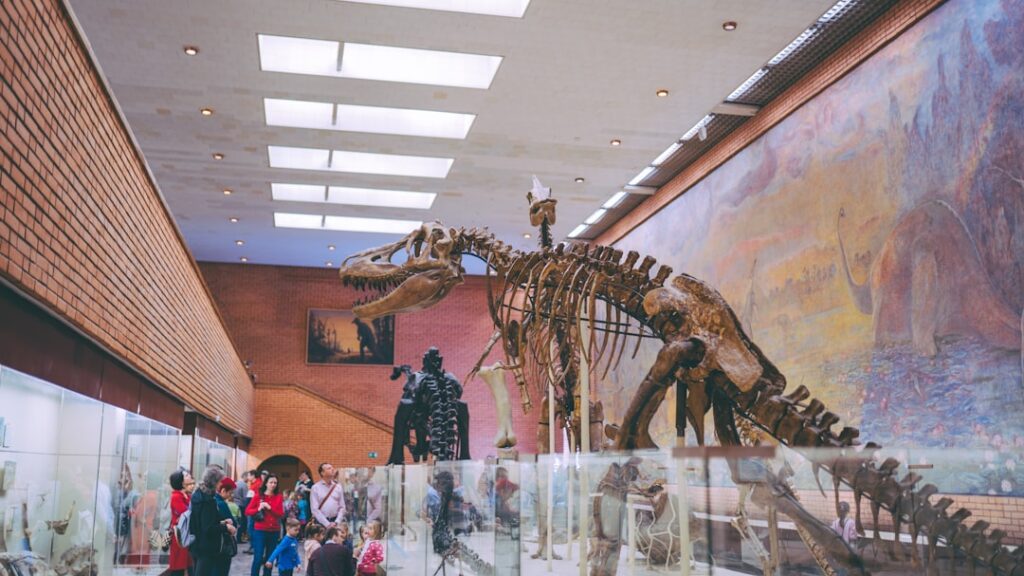
The T. rex that stomps across movie screens is one of the most successful monster designs ever created: giant, scaly, permanently roaring, and somehow able to see only moving targets. It is pure cinematic perfection and scientific nonsense rolled into one. Real T. rex likely had excellent vision, including depth perception from forward‑facing eyes, and there’s no good evidence it was blind to still objects. That classic line about “if you don’t move, it can’t see you” makes for great tension, but in reality you’d just be an oddly calm snack.
There’s also the endless growling and bellowing, as if T. rex spent its entire life shouting at the world. Modern research suggests big theropods might have produced lower, more closed‑mouth sounds, closer to the booming calls some large birds and crocodilians use, not the lion‑meets‑truck‑engine roars we hear in films. On top of that, skin impressions from related species point to a mix of scales and possible patches of simple feathering in relatives, but Hollywood usually clings to the smooth lizard look. The real animal was likely more nuanced: a top predator, yes, but not a mindless, eternally screaming movie monster that only notices you when you flail.
Velociraptor: The Naked, Human‑Sized Ninja That Never Was
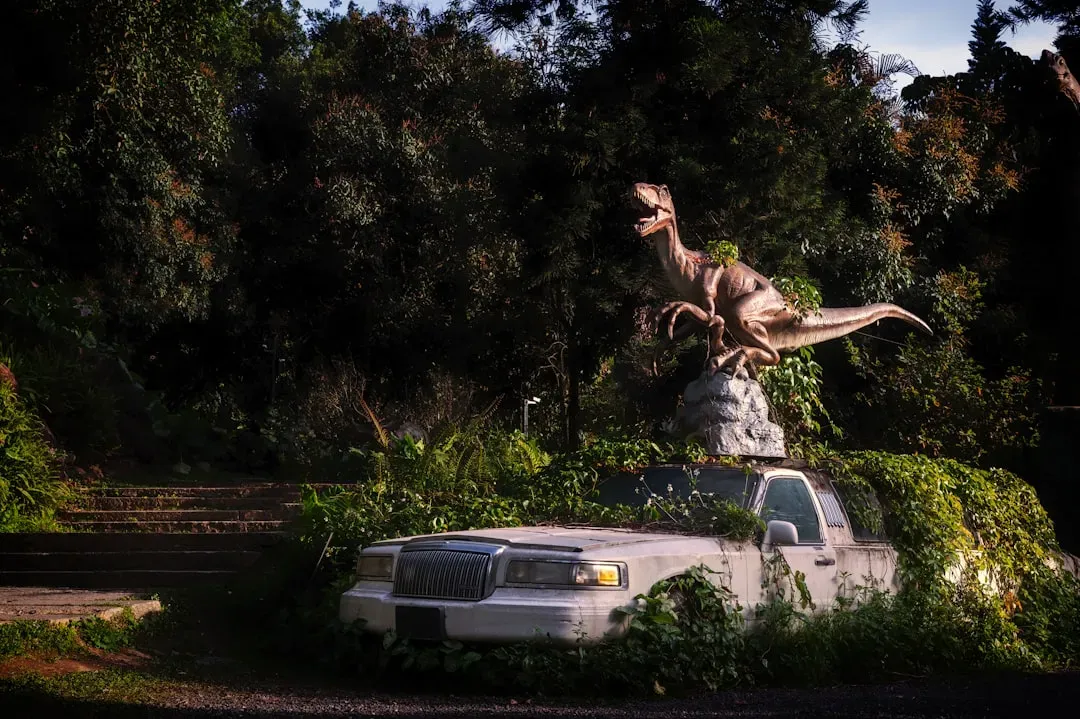
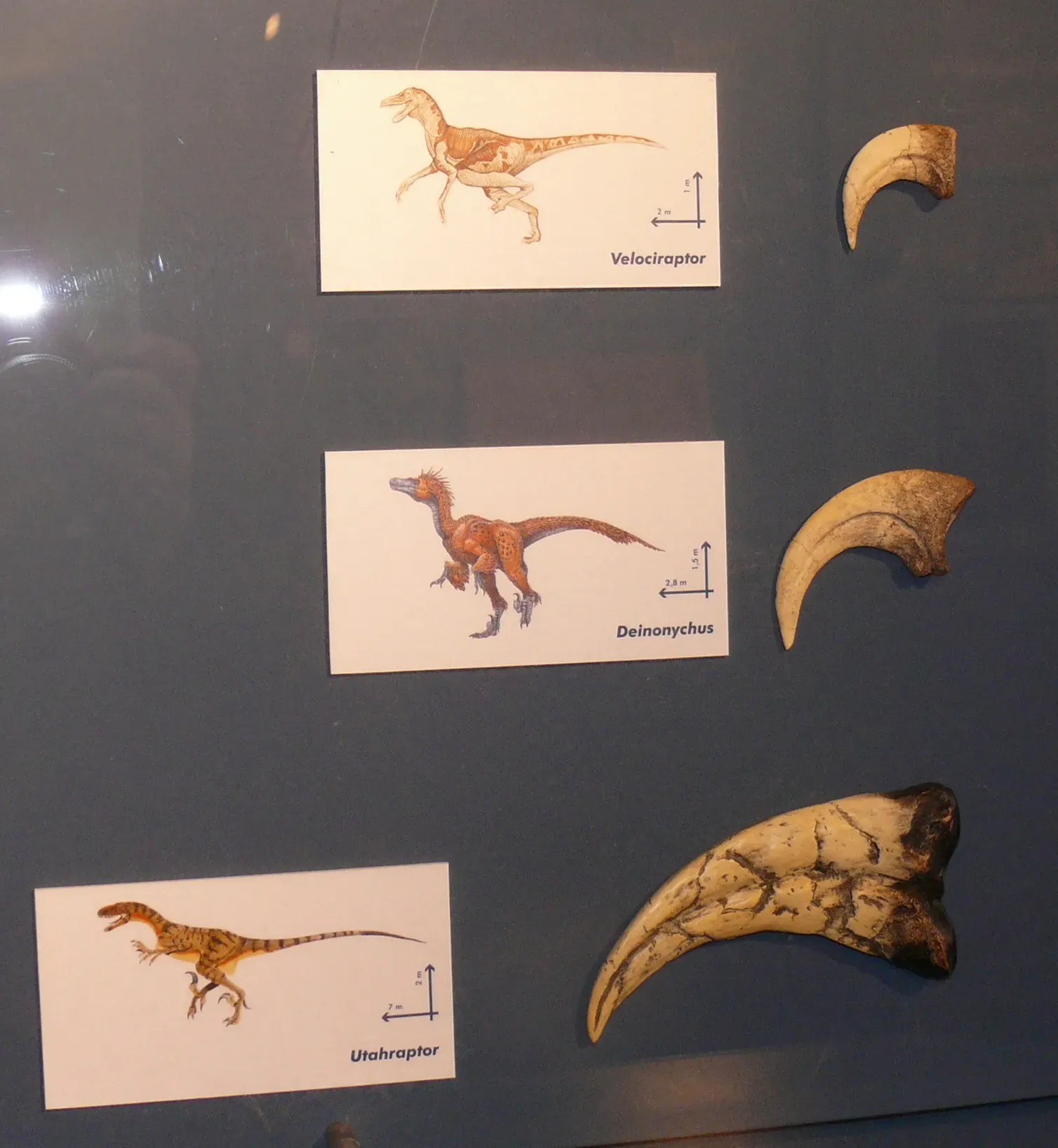
If there’s one prehistoric creature Hollywood has turned into an A‑list action star, it’s Velociraptor. On screen, it’s a tall, scaly pack hunter, opening doors, communicating with complex calls, and essentially acting like a horror movie villain with a built‑in switchblade on each foot. The twist is that real Velociraptor was about the size of a turkey, not a human, and it almost certainly came covered in feathers. Fossils have revealed quill knobs on their forearms, structures that in modern birds anchor wing feathers, which is about as subtle as nature can get while yelling that this was a feathered animal.
The Hollywood raptor is also usually depicted as hyper‑intelligent in a very human way, coordinating elaborate tactics, dramatically hissing at its enemies, and basically running a small military operation. While dromaeosaurs were probably quite smart for dinosaurs, equating them with near‑human strategic thinking goes beyond our evidence. The pack‑hunting idea is still debated, and even if they did cooperate, it was likely more in line with what we see in some birds or crocodiles, not full‑blown tactical squads. Feathers get stripped away on screen because they “look silly,” but in doing so, we lose the most mind‑bending part of their story: that these were terrifying, bird‑like predators, not just scaly movie reptiles.
Spinosaurus: From Godzilla River Monster to Real‑World Oddball
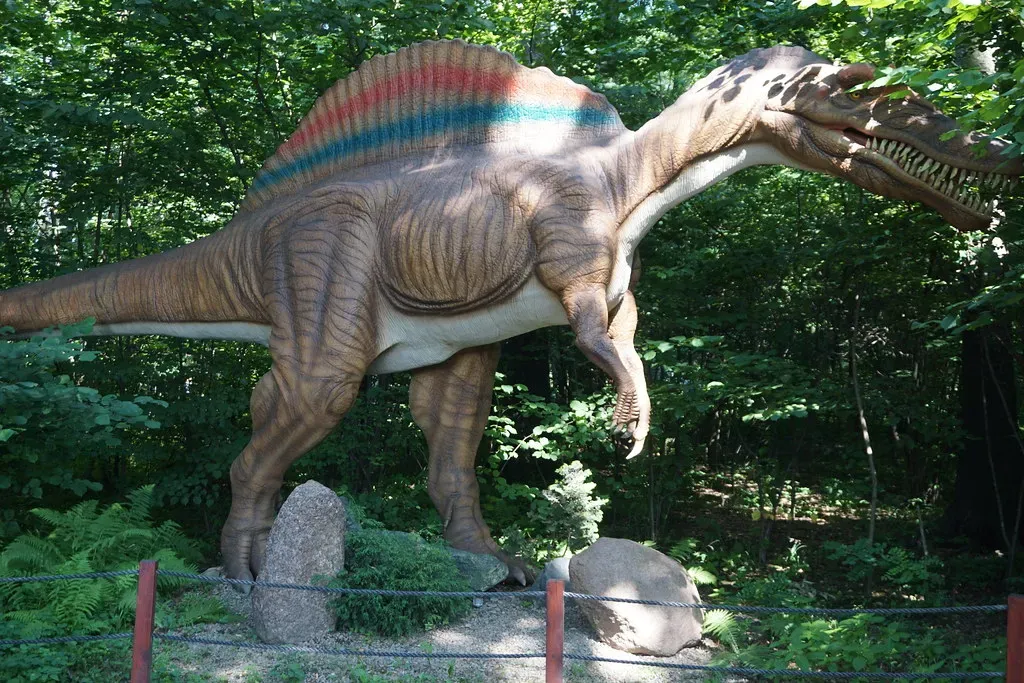
Spinosaurus might be the poster child for how fast paleontology can change our picture of an animal. For years, it was known mostly from partial remains and portrayed as a slightly weirder, sail‑backed version of T. rex, stomping around on land and body‑slamming other predators like a pro wrestler. A particularly famous film even had it killing a T. rex in a dramatic, tooth‑filled showdown, cementing its image as the new heavyweight champ of the dinosaur world. The issue is that this entire rivalry is a human story imposed on fossils that never met in real life.
More recent discoveries suggest Spinosaurus was heavily adapted to a semi‑aquatic lifestyle, with a body suited for life in and around rivers, and possibly a very different way of moving than other giant theropods. Its long snout, conical teeth, and crocodile‑like features point to a fish‑eating specialist rather than a constant land‑based duelist. Hollywood loves to plop it on dry ground and make it chase people like a scaly tank, because that’s visually familiar. The truth is far stranger and more interesting: a massive, sail‑backed predator lurking in water, more river monster than land tyrant, and probably spending more time hunting fish than fighting other giant dinosaurs just to impress audiences ninety million years later.
Pterosaurs: Not Dinosaurs, Not Dragons, and Definitely Not Flapping Messes
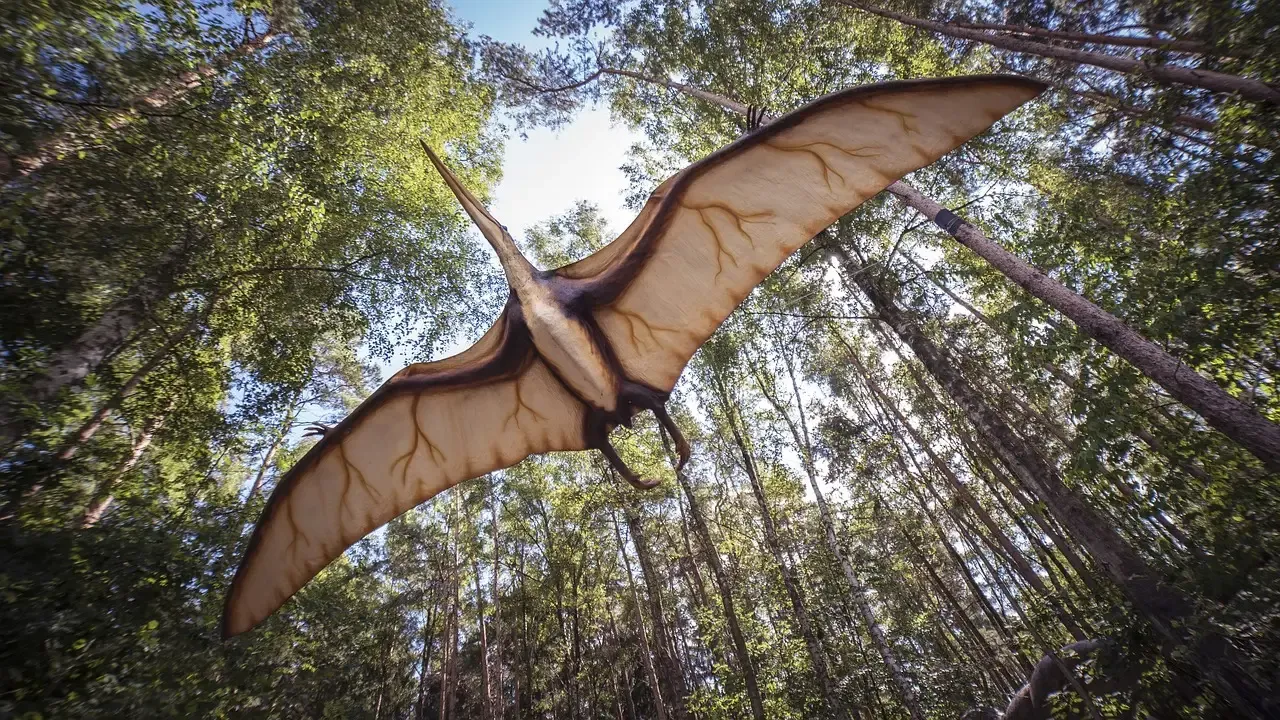
Movies love to unleash pterosaurs as chaotic aerial piranhas, swooping in flocks over beaches and cityscapes, snatching people like seagulls grabbing fries. They are often drawn as leathery, awkward fliers that look more like rubber bats than sophisticated flying reptiles. Scientifically, pterosaurs were a separate group from dinosaurs altogether, and some of them were masters of the sky with wingspans rivaling small planes. Their wing membranes were complex structures supported by a single elongated finger, not simply thin sheets of skin glued to stick‑like limbs.
On screen, they’re frequently made to fly in clumsy, constant flapping, or to carry full‑grown humans with one foot as if they were weightless. That is physically absurd when you look at estimates of strength, body mass, and wing loading. Some of the largest pterosaurs probably took off with powerful lunges and short flights rather than acrobatic maneuvers through city skyscrapers. Many researchers also suspect at least some pterosaurs had fuzzy body coverings, often called pycnofibers, giving them an almost fuzzy or hairy look rather than the slick, reptilian leather we see in films. Hollywood keeps repainting them as dragon stand‑ins, because admitting they were strange, fuzzy, technically demanding animals requires a bit more nuance than a quick monster attack scene usually allows.
Triceratops: The Perpetual Gladiator With a Misunderstood Life
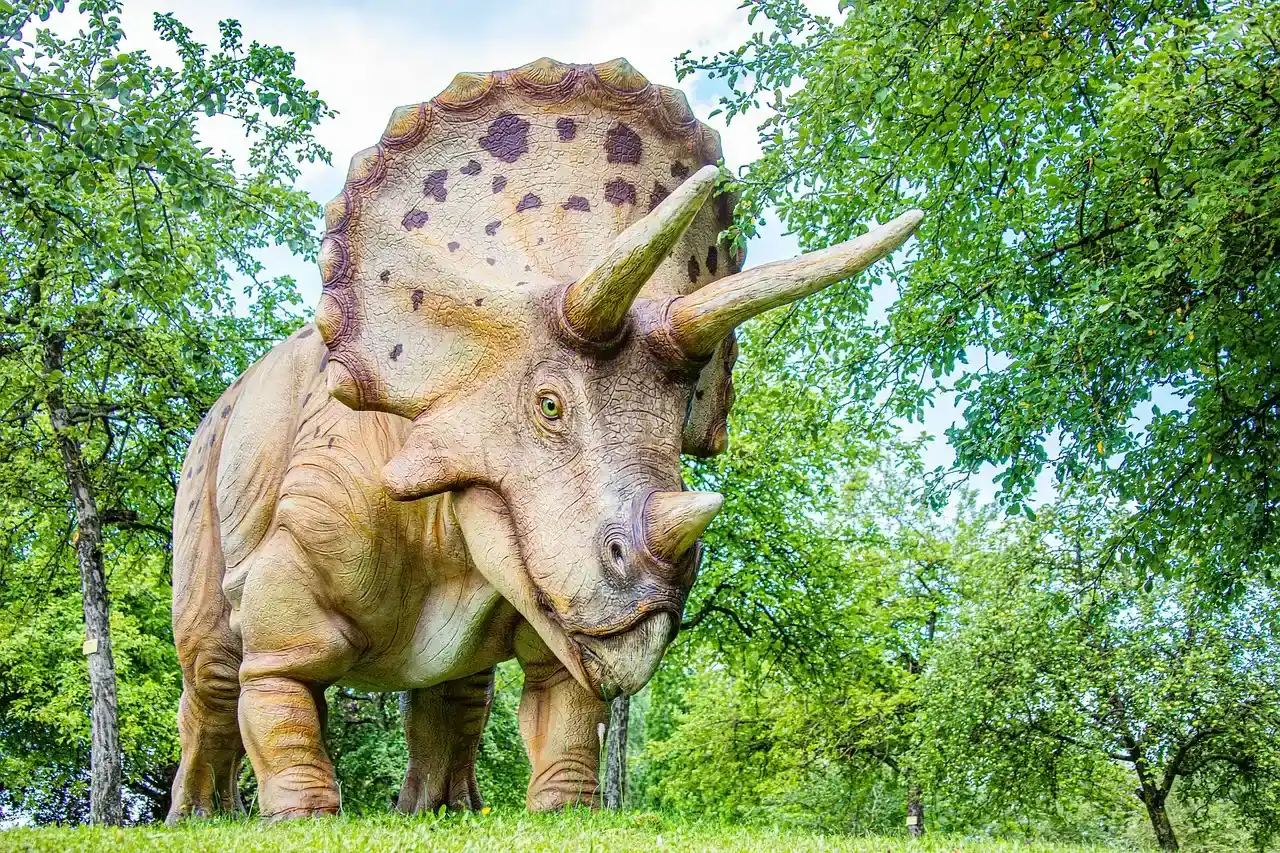
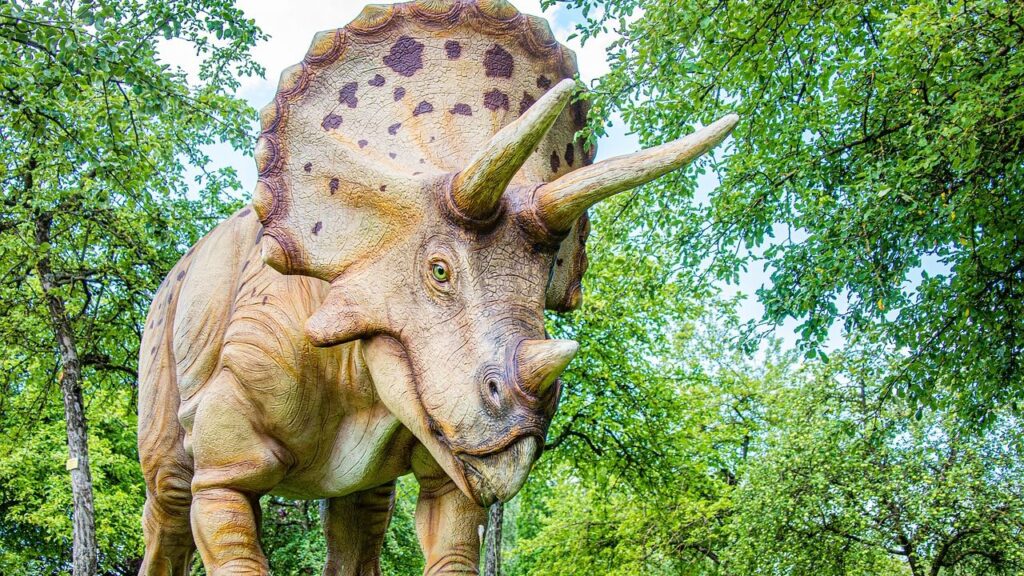
Triceratops is almost always cast as the noble gladiator, eternally locked in combat with T. rex, horns clashing, roaring in defiance as it charges like a prehistoric tank. While there is some fossil evidence that horned dinosaurs might have fought each other or defended themselves, the idea that every encounter was a dramatic one‑on‑one duel is more Hollywood storytelling than science. In reality, Triceratops spent much of its life doing what big herbivores do: eating, migrating, nesting, and constantly trying not to die from environmental stress, disease, and smaller annoyances long before a predator showed up.
There is also ongoing research into how their frills and horns were used, and it is not as simple as “just weapons.” They could have played roles in display, species recognition, or mating rituals, similar to how modern animals use antlers or bright plumage. In many films, Triceratops shows up as a single, isolated tank‑like beast, often badly wounded and doomed, there merely to show a predator’s power. That makes for a quick emotional punch, but it overlooks the possibility that these were complex animals living in social contexts and landscapes we are still piecing together. Turning them into background props in predator fight scenes sells short just how intricate their biology and behavior likely were.
Sabertooth Cats: Glamorous Ice Age Superkillers With Oversimplified Lives
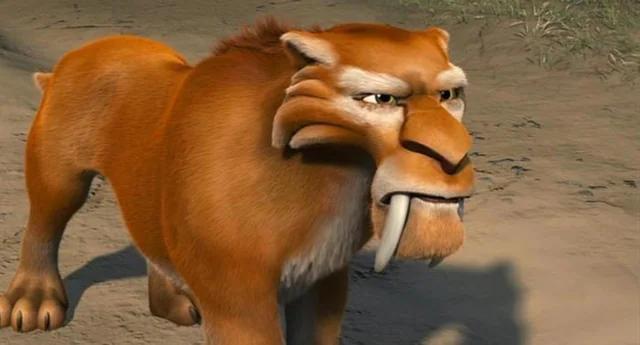
When sabertooth cats appear in movies, they’re usually sleek, oversized versions of modern big cats with a pair of exaggerated fangs slapped on, stalking Ice Age humans like specialized human hunters. Real sabertooths, like Smilodon, were built quite differently, with robust bodies, powerful forelimbs, and jaws adapted for a very particular style of killing. Those famous long canine teeth were not just extra‑big lion fangs; they likely required carefully targeted bites, and the animals may have relied on strength and precision rather than the bone‑crushing power some films suggest.
Hollywood often frames sabertooths as near‑mythical man‑stalkers, always lurking at the edge of the campfire. In truth, their primary prey were probably large herbivores, and while they certainly could have been dangerous to humans, our species was just one small part of a much broader ecosystem. On screen, they appear as lone, snarling predators, but real populations may have had more complex social behavior, with some evidence hinting that at least certain species might have lived or hunted in groups. Reducing them to singular movie monsters chasing protagonists across ice sheets flattens a rich, evolving story about how these animals lived, competed, and eventually vanished in a rapidly changing world.
Megalodon: The Overgrown Shark That Refuses to Stay Extinct
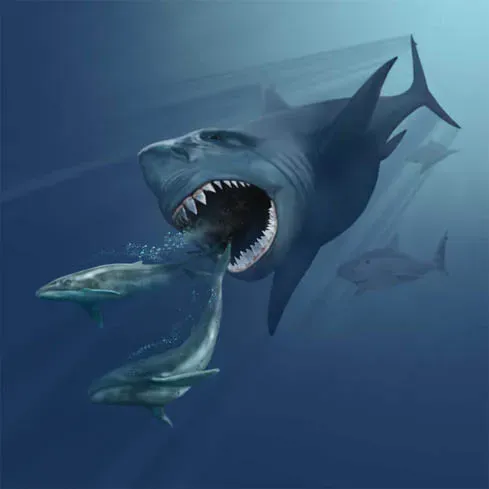
Modern shark thrillers have turned Megalodon into a sort of underwater kaiju, a gigantic, indestructible super‑shark that makes great whites look like goldfish. These films love to hint that maybe, just maybe, this ancient giant is still out there, dodging sonar and casually swallowing submarines. Scientifically, there is no credible evidence that Megalodon survived past several million years ago, and the idea that an animal of that size could hide from all modern ocean monitoring is less plausible the more you know about marine ecosystems. A predator that big leaves traces: carcasses, bite marks, and massive ecological footprints.
Hollywood also tends to exaggerate its size into something beyond current estimates, turning it into a living island with teeth. While Megalodon was indeed enormous, likely much larger than any living shark, its life would have been governed by energy budgets, prey availability, and evolutionary trade‑offs, not unlimited monster fuel. By constantly resurrecting it as a living horror, movies quietly sidestep a more powerful, sobering story: even the apex of apex predators can and do go extinct. That reality, that nothing is too big to fail in evolutionary time, is less flashy than a surprise third‑act attack, but far more meaningful when you think about the state of modern oceans.
Why Hollywood Won’t Let the Science Win (And Why That Actually Matters)
At some point, you have to admit something slightly uncomfortable: Hollywood is not misrepresenting prehistoric animals by accident. Studios have had decades of access to experts, updated reconstructions, and fresh fossil discoveries. When they still serve up naked Velociraptors and roaring T. rexes with magic movement‑only vision, it’s a choice. Familiar monsters sell tickets, and feathered, fuzz‑covered, behaviorally complex animals are seen as a risk. I get it on a business level, but as a fan of both movies and science, it feels like seeing the same outdated phone model in every film while the real world has already moved to something far more interesting.
The problem is not just nerdy nitpicking over feathers or frills. These films shape how millions of people picture the deep past, often for life. When the gap between screen and science stays wide, we teach people that accuracy is optional and that the real story of life on Earth is somehow less exciting than the simplified one. That is flat‑out wrong. The truth is weirder, wilder, and more humbling than any glossy reboot could ever hope to be. Maybe the real question is this: the next time a prehistoric blockbuster rolls around, do we actually want the same old monsters again, or are we finally ready to see how astonishing reality really is?