If you have ever stood in front of the ocean and felt suddenly small but strangely calm, or hiked up a mountain and felt like your entire brain got scrubbed clean, you are not imagining it. Different landscapes really do seem to switch different emotional lights on and off inside us. What is wild is that these feelings are not just poetic; they are deeply tied to how our ancestors survived, found food, avoided predators, and formed social bonds.
In a way, your nervous system is an ancient operating system running on very modern hardware. Oceans, mountains, and forests were not backdrops for vacations thousands of years ago; they were full-blown survival challenges and opportunities. That means the emotional reactions you have around them today are echoes of very old calculations: Can I live here? Can I eat here? Will I die here? Once you start seeing landscapes through that evolutionary lens, your moods outdoors suddenly make a lot more sense.
Our Brains Are Not Designed For “Nature” In General, But For Specific Landscapes
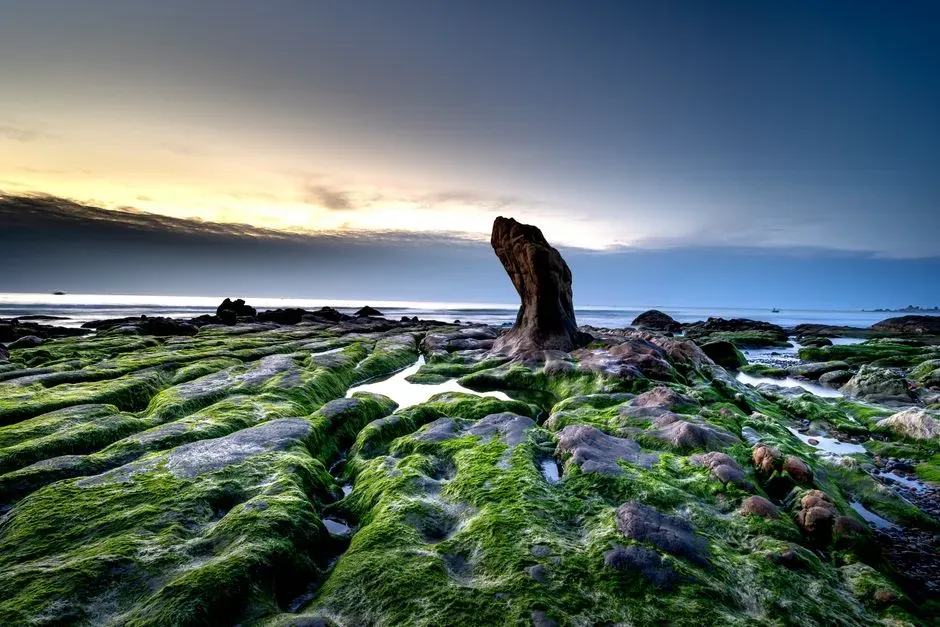
Here is a slightly shocking thought: there is no single thing in your brain that responds to “nature” as one big category. Instead, evolution shaped different emotional and sensory responses to very specific environments, because each came with its own risks and resources. Open water, dense forest, and high ground meant very different things if you were trying to keep your children alive without grocery stores, maps, or weather apps. The modern idea that nature is just peaceful and green is a kind of Instagram simplification layered over something much older and messier inside us.
From an evolutionary point of view, your emotions work a bit like a rapid‑response forecasting system. They tell you whether to approach or avoid, explore or retreat, rest or stay hyper‑alert. Oceans once shouted “fish, trade routes, storms, drowning,” forests signaled “food, shelter, ambush,” and mountains whispered “safety, visibility, thin air, cold.” Today, those same environments still trigger pattern‑matched responses in your body and mind, even though you might just be holding a latte instead of a spear. That is why the same person can feel grounded near trees, exhilarated on a ridge, and timelessly reflective beside the sea.
Why Oceans Make Us Feel Calm, Tiny, And Weirdly Philosophical

Many people report feeling oddly peaceful and reflective near the ocean, and evolution gives a few solid reasons why this might be baked into us. For early coastal humans, the sea was a huge source of calories in the form of fish, shellfish, and seaweed, and coastal diets are thought to have supported brain development thanks to nutrient‑rich marine foods. A place that reliably feeds you and your group is more likely to be associated with safety and reward, even if it carries its own dangers. Your nervous system may, on some level, recognize vast, predictable water as a landscape where life can be sustained.
At the same time, the ocean is immense, rhythmic, and largely beyond our control. Staring at an endless horizon gives your visual system a steady, low‑complexity field, which reduces the need for constant scanning and detail processing. That can ease mental load and encourage a kind of soft, drifting attention that feels like meditation. The sound of waves is also low‑frequency and repetitive, which can nudge the autonomic nervous system toward a more relaxed state. Put together, you get this mix of ancient resource‑rich comfort and gentle sensory input that makes your mind wander into big life questions: Who am I in comparison to all of this, and what actually matters?
Mountains Trigger Our Inner Sentinel: Risk, Reward, And The High‑Ground Instinct
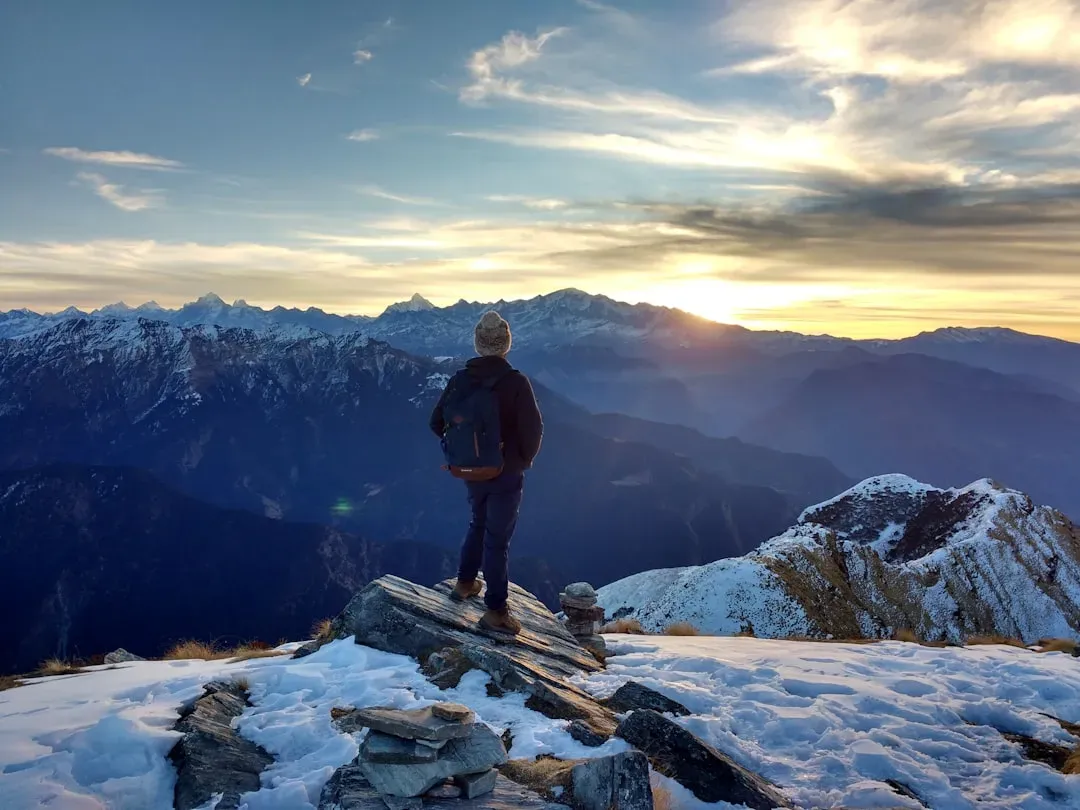
Mountains feel different from the ocean almost immediately: sharper air, exposed rock, long drops, and a sweeping view that makes your heart pick up. Evolutionarily, high ground is a powerful advantage. From elevated terrain, our ancestors could spot prey, enemies, weather changes, and new paths long before those things reached them. That visibility is priceless if the alternative is being surprised by a predator in the tall grass. So the combination of slight tension and excitement that many people feel on a peak can be seen as the brain saying, “You are in a powerful but precarious spot; stay alert, enjoy the advantage, do not fall.”
The physical effort it usually takes to get up a mountain matters too. Intense movement changes your chemistry – releasing endorphins and increasing blood flow – which can amplify feelings of achievement and even euphoria once you reach a summit. That emotional high is not random flair; bodies that learned to associate hard climbs with reward were more willing to seek out good vantage points and safe refuges. Even now, when you look down at a valley from above and feel both proud and slightly invincible, you are tapping into that same mixture of effort, safety, and expanded perspective that once gave your ancestors a literal edge over everything below.
Forests Calm Some People And Spook Others – Both Reactions Make Sense
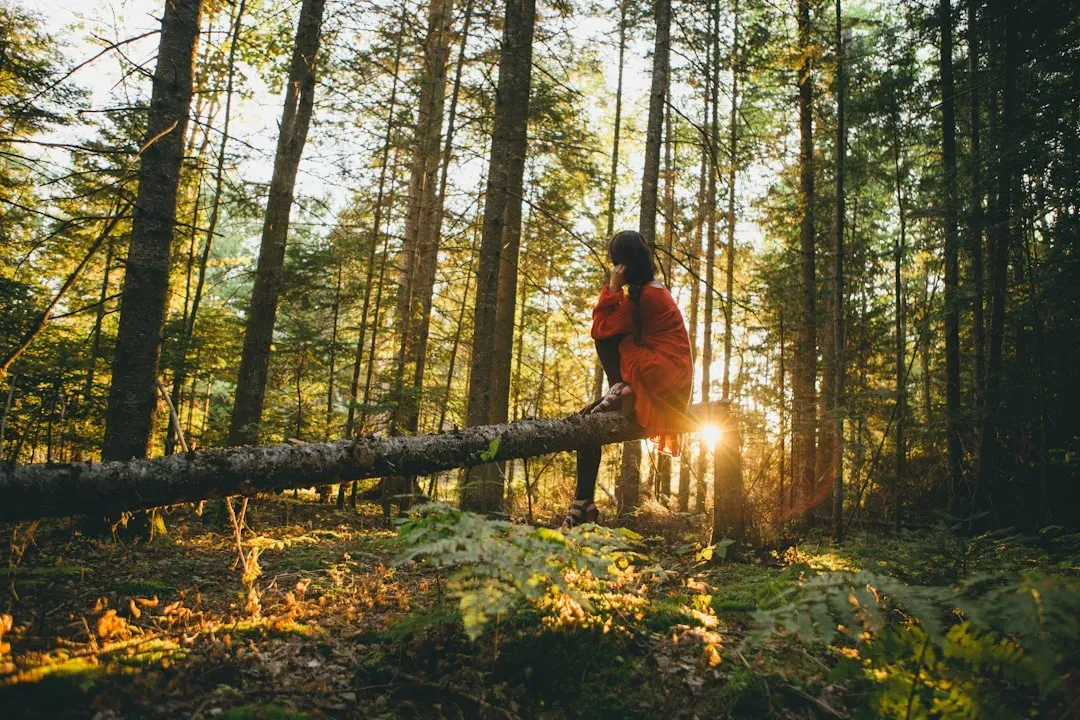
Walk into a dense forest and two people can have completely opposite reactions. One might instantly relax among the trees, while the other feels trapped and on edge. Both responses have evolutionary logic. Forests offered early humans firewood, building material, fruits, nuts, game, and shelter from sun and wind. They also concealed predators and rival groups. Being tuned either toward the resource side or the danger side could both be adaptive, depending on what threats were common in your region and how your social group lived and hunted.
From a sensory perspective, forests bombard your brain with complex detail: overlapping leaves, textured bark, shadows, and constant small sounds. That richness can be soothing if you interpret it as life and abundance, like being inside a protective cocoon. It can feel claustrophobic if your brain is more attuned to potential ambush or confusion, since your line of sight is short and your escape paths are not obvious. That is why some people describe forests as sacred and others as eerie. Evolution did not pick one unified emotional script; it preserved a range of sensitivities, which means your personal forest reaction is part biology, part history, and part learned story about what those trees represent.
Water, Height, And Shelter: The Three Big Survival Signals Underneath Our Feelings

Underneath the emotional poetry of oceans, mountains, and forests, there are three survival signals that keep showing up: access to water, access to height, and access to shelter. Oceans and lakes obviously dominate the water category, and humans are strongly drawn to shorelines even today when choosing where to live or vacation. High ground – ridges, hills, and mountains – offers protection and foresight, while enclosed or semi‑enclosed spaces like forests or caves offer shelter. If a landscape has one of these features, your nervous system tends to classify it quickly as promising, dangerous, or intriguingly mixed.
Think of these three signals as evolutionary filters that color your mood before you have time to think it through. Water often brings emotional relaxation and a sense of continuity, because groups that stayed near water had more stable food and less risk of dehydration. Height tends to evoke awe, vigilance, and a rush of accomplishment, since being elevated combined thrill and safety. Shelter cues – like the dense trunks of a forest – can create a sense of coziness or make you feel cornered, depending on whether your mind leans toward belonging or threat. So when you notice your mood change simply by turning from beach to cliff, or edge of town to wooded path, you are watching these old filters quietly adjust their settings.
Awe, Smallness, And The Helpful Shock To Our Ego
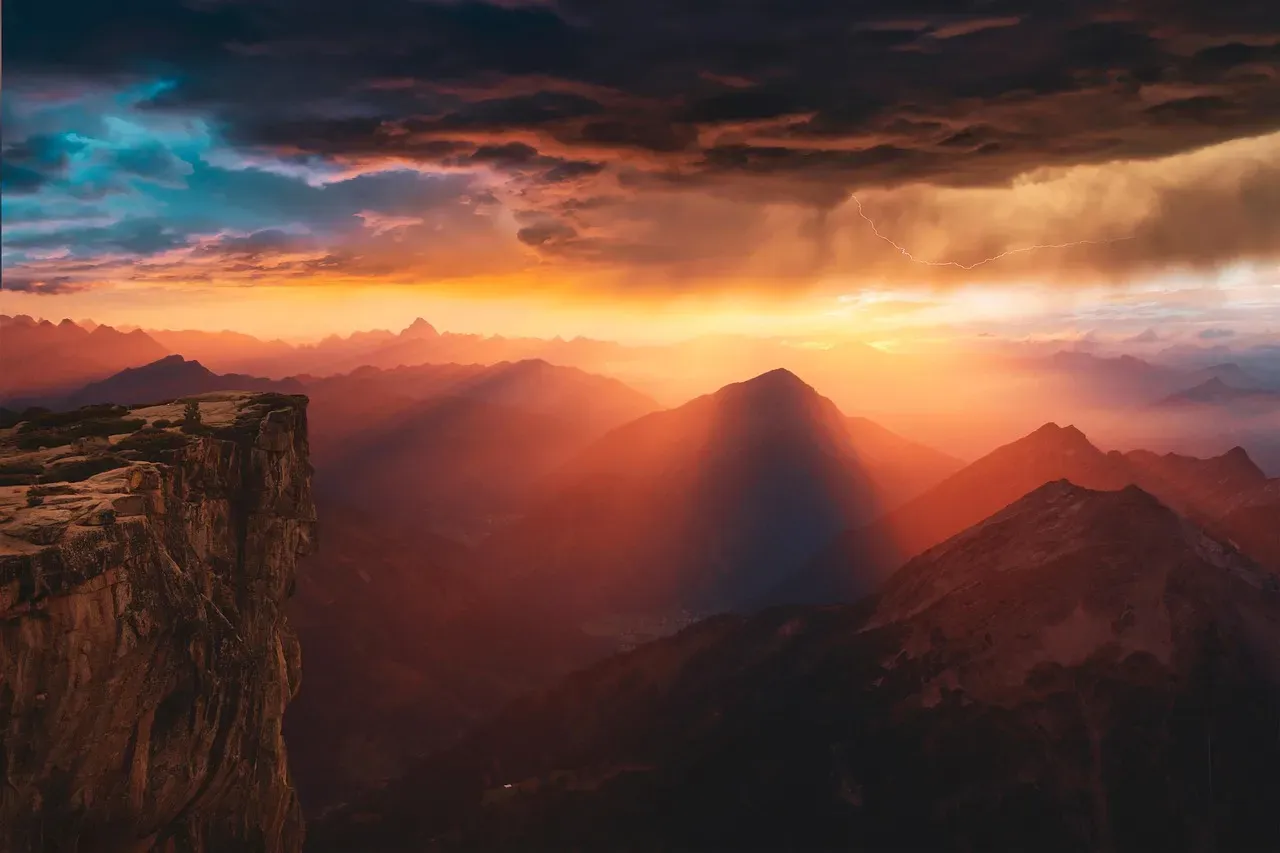
One of the most powerful emotions people report in grand landscapes is awe – that feeling that something is so big, beautiful, or intense that your normal mental categories do not quite fit. Oceans stretching to the horizon, peaks towering above the clouds, or forests that feel ancient can all trigger this reaction. From an evolutionary angle, awe may have helped us pause, pay attention, and learn from things much bigger than ourselves, whether that was dangerous weather, migrating herds, or the patterns of the seasons. Feeling emotionally “small” can be adaptive if it makes you more receptive and less reckless.
Modern research suggests that awe often makes people feel more connected to others and less obsessed with their own problems, which is a neat side effect for social species like us. When your ego steps back for a moment, you may be more likely to share, cooperate, and act in ways that help the group, not just yourself. Grand natural environments are perfect awe triggers because they were the original theaters where life‑and‑death lessons played out in front of early humans. Today, that same emotion can make a mountain overlook or a forest cathedral feel like a reset button for your priorities, reminding you that you are both tiny and still part of something enormous.
Why Some Of Us Are “Ocean People,” Others “Mountain People,” And Others “Forest Souls”
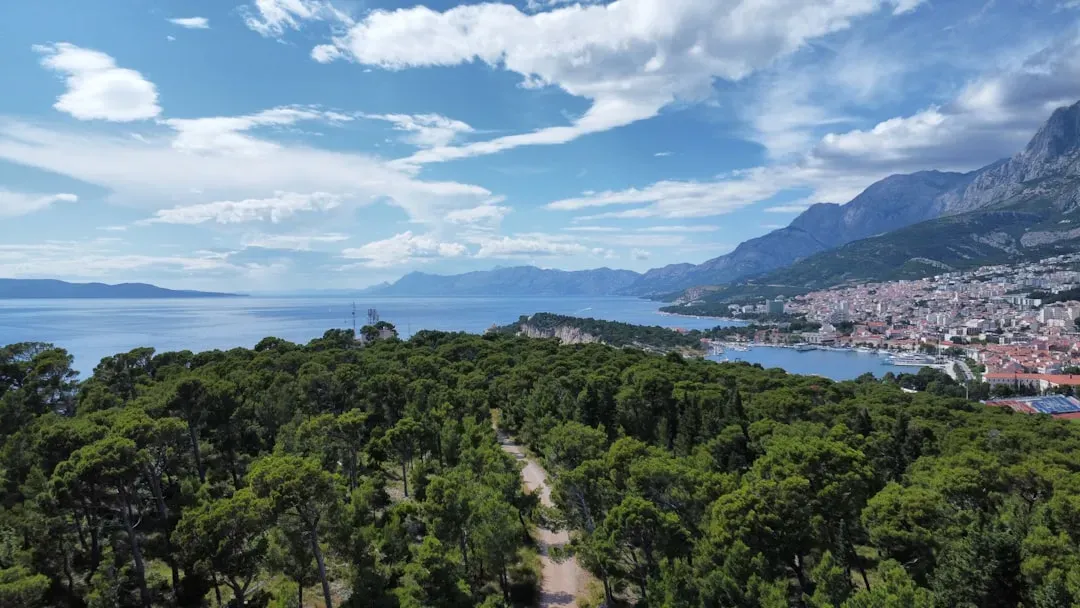
If you have ever argued with friends about whether the perfect trip is a beach escape, a cabin in the woods, or a climb in the high country, you have already bumped into another evolutionary reality: humans are not all wired the same way. Different genetic backgrounds, childhood experiences, and cultural stories shape how your brain reads each landscape. If you grew up in a coastal town, your nervous system might associate the ocean with family, play, and predictable rhythms. Someone raised near steep terrain might feel most alive and at home when there is a horizon full of peaks.
Evolution tends to preserve a diversity of temperaments within a species, because groups with a mix of explorers, homebodies, risk‑takers, and cautious planners are more resilient. Some of us feel drawn to the vast openness of the sea, others to the layered intimacy of a forest, and others to the clean exposure of mountain ridges. None of these preferences is objectively better; they are like different strategies within the same species playbook. So when you say you are an “ocean person” or a “mountain person,” you are really describing how your unique mind and body negotiate ancient survival trade‑offs in a very modern world.
How Modern Life Warps, Numbs, Or Supercharges These Ancient Responses

Our ancestors spent almost every waking moment in direct conversation with landforms and weather, but most modern humans live surrounded by walls, screens, and straight lines. That does not switch off the old code in your nervous system; it just means it often runs in the background or gets misdirected. Stress that would once have been processed while walking, scanning horizons, and reading the wind now piles up under fluorescent lights and constant notifications. When you finally step into a wild place – the crash of waves, the thin mountain air, the smell of pine – your system can react with an outsized emotional release because it has been waiting for those cues without knowing it.
At the same time, tourism, social media, and idealized images of nature can distort expectations. The ocean is framed as romantic, mountains as Instagram‑heroic, forests as mystical retreats. These stories overlay real evolutionary reactions with cultural pressure about how you are supposed to feel. If you do not feel instantly blissful at the beach, you might think something is wrong with you, when in reality your nervous system might just be more sensitive to exposure or deep water. Recognizing that your emotional responses come from an ancient, protective logic instead of some personal flaw can be surprisingly freeing – and it might help you choose the environments that genuinely refill you instead of the ones that just look good in photos.
Conclusion: Your Feelings In Nature Are Not Random – They Are A Living Fossil Of Human Survival
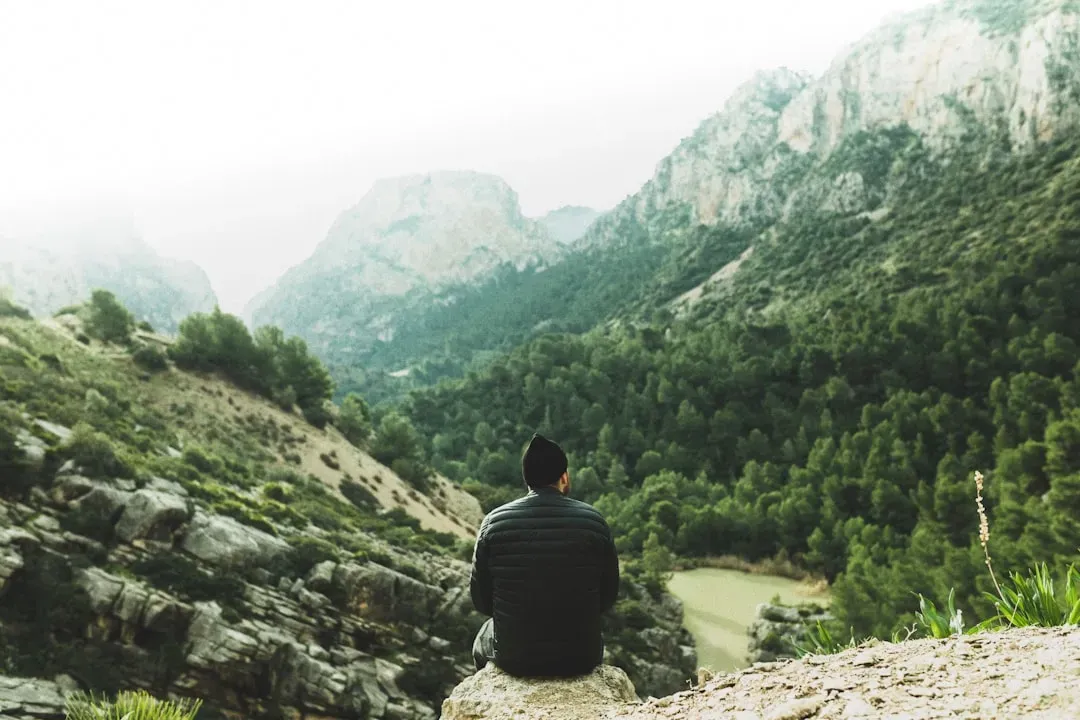
Stepping back, it is hard not to take a strong stance here: we seriously underestimate how much our emotional life in nature is shaped by evolution. Those sudden waves of calm by the sea, the electric jolt of standing on a narrow ridge, the mix of comfort and unease under a forest canopy – these are not soft, optional vibes. They are the living fossil of countless generations learning, often the hard way, which landscapes feed us, which protect us, and which might end us if we are careless. Ignoring that is a bit like ignoring pain signals from your own body; you can do it for a while, but you miss crucial information about what you need.
Personally, I find it humbling that a walk along the shore or a climb through switchbacks is, in some quiet sense, a conversation with every human who came before us. Your emotions outdoors are not embarrassing, irrational, or overdramatic; they are data with thousands of years behind them. In a world that keeps dragging us indoors and away from real horizons, listening to those responses feels less like a luxury and more like a responsibility to your own biology. The real question is not whether oceans, mountains, and forests change how you feel – they clearly do – but whether you are willing to treat those feelings as wise signals instead of background noise. Which landscape do you think your ancient brain is secretly asking you to visit next?