Every once in a while, archaeology coughs up something so bizarre you have to double‑check it isn’t just the teaser for a new sci‑fi franchise. We expect dusty bones, broken pots, maybe a crumbling temple or two. We don’t expect hundred‑thousand‑year‑old footprints in volcanic ash, mysterious metal‑rich artifacts where metallurgy “shouldn’t” exist yet, or entire cities swallowed in an afternoon and frozen in time like a cinematic freeze‑frame. Yet those are exactly the kinds of discoveries that keep turning up.
The wild part is this: the real stories are usually stranger, more tangled, and more human than anything a screenwriter could get away with. When archaeologists dig into the ground, they’re not just collecting objects; they’re bumping into plots about climate disasters, mass sacrifices, secret knowledge, and cultures that rose and vanished faster than our history books ever suggested. Let’s walk through six discoveries that sound suspiciously like movie scripts – but are very real, and still reshaping how we think about the past.
The Ghost City Buried in a Single Day: Pompeii’s Frozen Drama
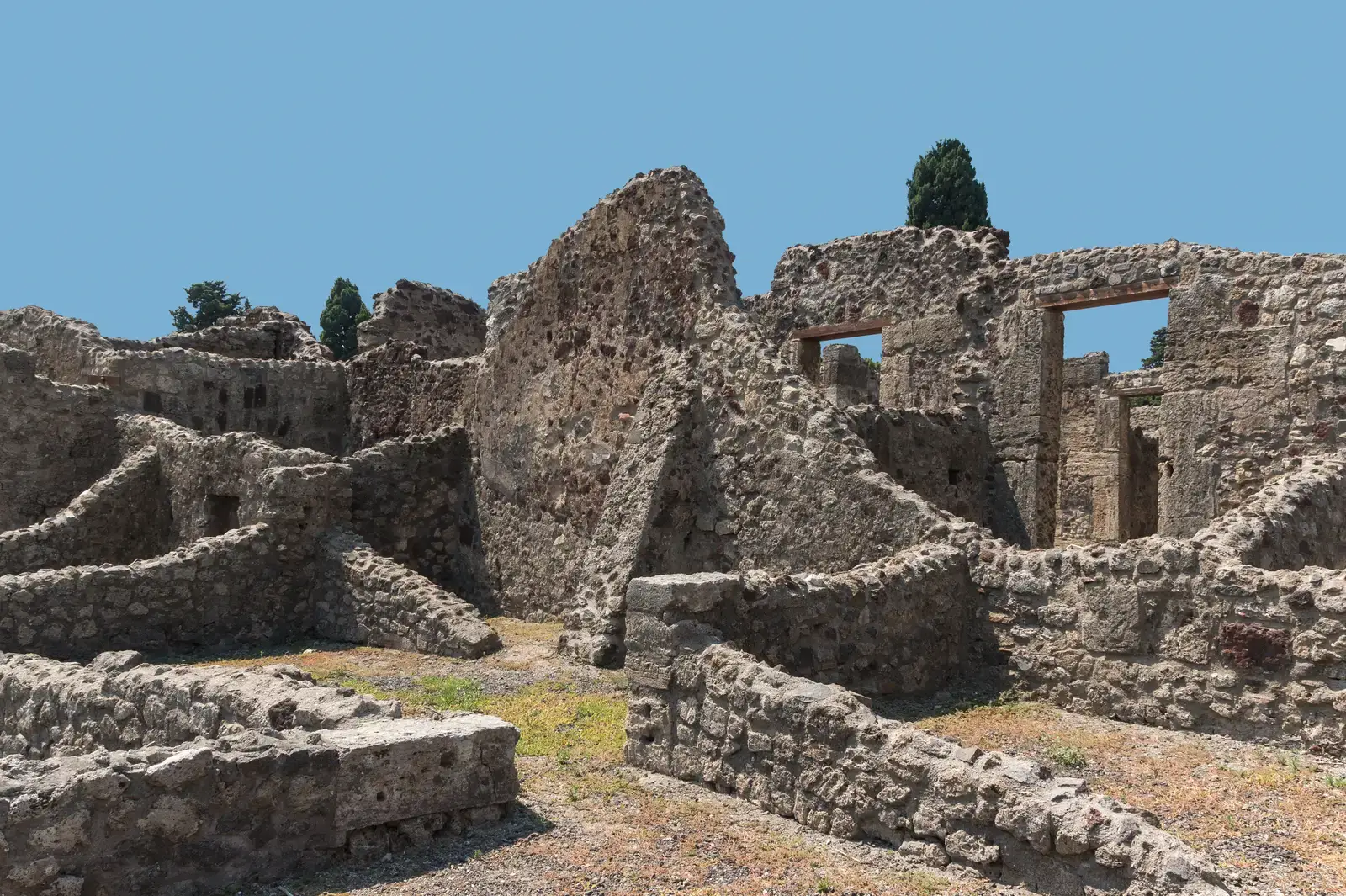
Imagine waking up in a bustling Roman town and ending the day as a perfectly preserved statue beneath meters of volcanic ash. That’s essentially what happened in Pompeii in the year 79, when Mount Vesuvius exploded and buried the city so fast it captured an entire society mid‑scene. Archaeologists have uncovered streets where bread was still baking, counters in fast‑food‑style snack bars, graffiti on walls, and people in their final, heartbreaking positions as they tried to flee. It feels less like distant history and more like a paused video of an ordinary day gone catastrophically wrong.
What makes Pompeii so movie‑like isn’t just the tragedy; it’s the outrageous level of detail. You can stand in front of painted walls that still glow with color, walk into elegant villas with mosaic floors and garden courtyards, or peer into workshops that look like their owners just stepped out for lunch and never came back. We get to see what rich and poor Romans ate, how they decorated their homes, how they relaxed and flirted and gossiped. In a world where the past usually arrives as fragments, Pompeii is almost too complete, like an over‑funded period drama set that someone forgot to dismantle.
The Human Sacrifice City: Teotihuacan and Its Ruthless Mystery
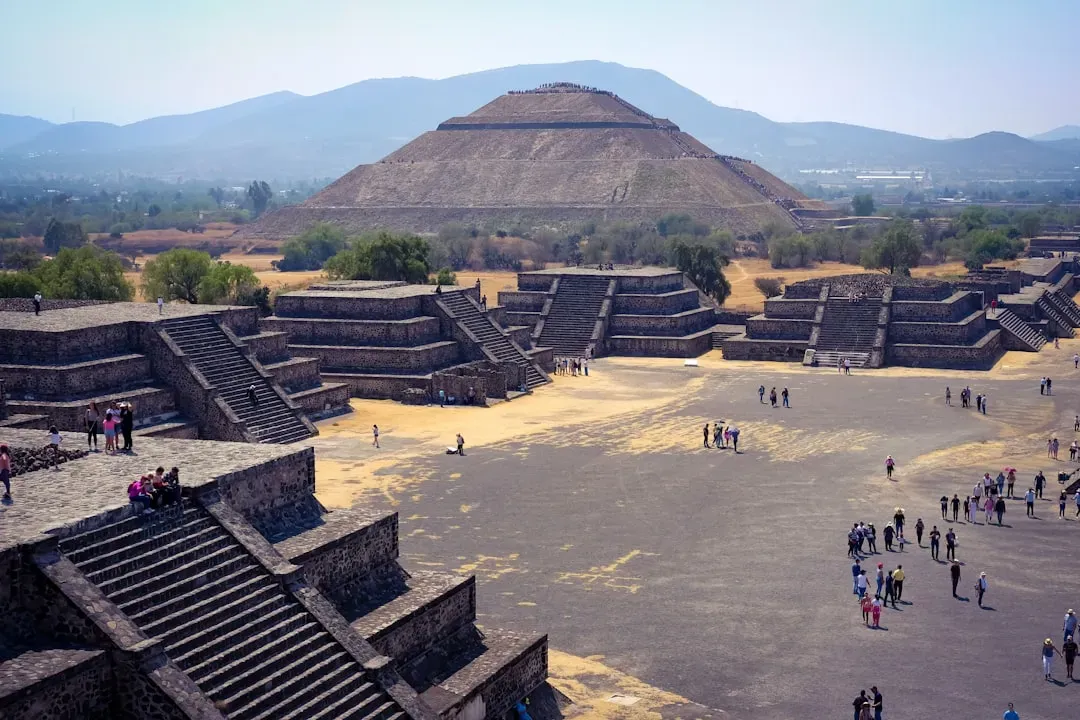
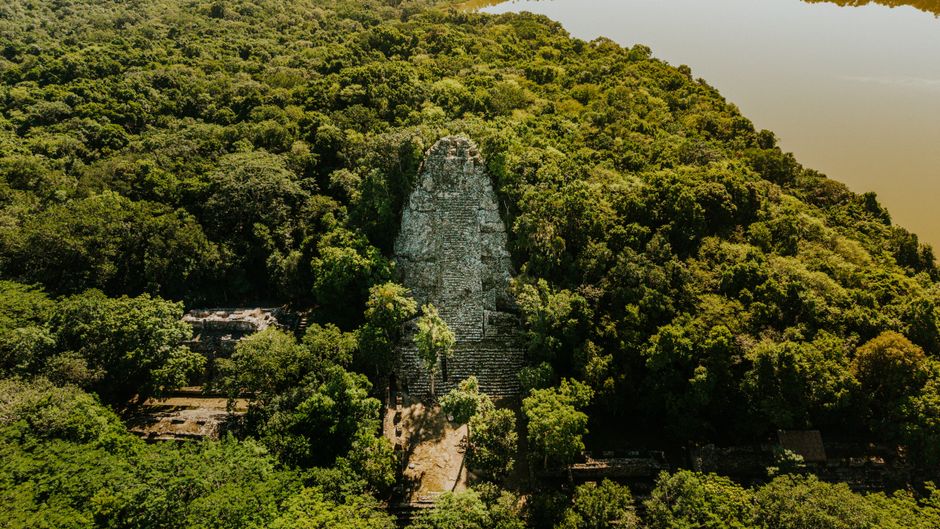
North of modern‑day Mexico City lies Teotihuacan, an enormous ancient city that feels like it was built to impress the gods and intimidate everyone else. At its peak, this metropolis had grand pyramids, a long ceremonial avenue, colorful murals, and neighborhoods packed with people from different regions. The city was so influential that others copied its art and architecture, even if they didn’t fully understand the belief system behind it. The weird twist? We still don’t actually know who founded Teotihuacan or what language they spoke, which makes the place feel like a civilization‑sized riddle.
Archaeologists have found something even darker beneath the impressive stone: mass graves of sacrificed humans and animals, especially around key monuments. High‑status warriors, jaguars, wolves, and eagles were buried in carefully staged ritual deposits, suggesting a belief system where power was literally fed by blood. Tunnels under the pyramids once glimmered with reflective materials that might have been used to simulate a shimmering underworld. If you wrote a film about a mysterious empire with unknown rulers who filled sacred tunnels with offerings and bones to keep cosmic order in balance, it might sound over the top – until you realize Teotihuacan actually did it.
A Lost Army Vanished in the Desert: Legend Meets the Sand
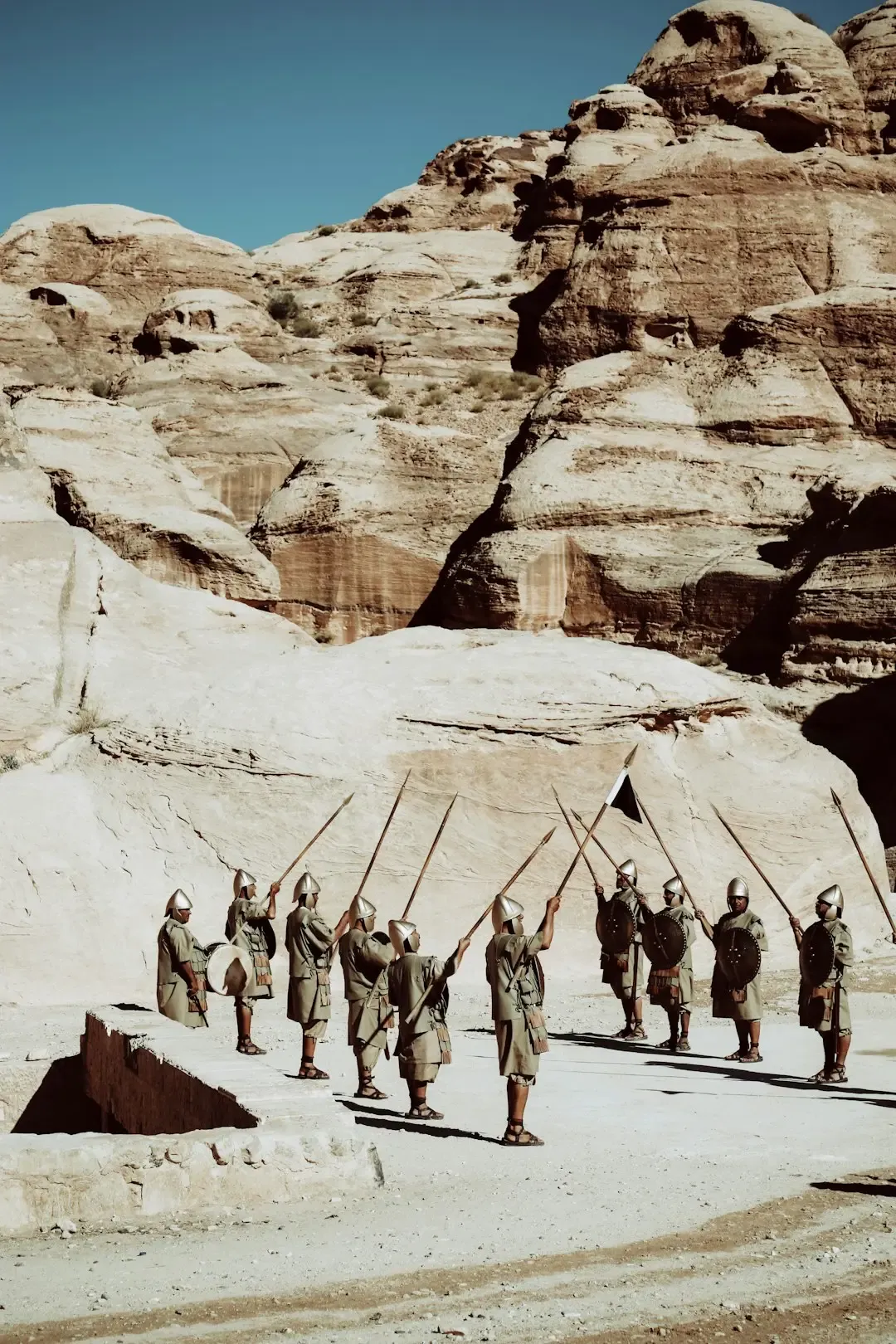
Ancient writers told a haunting story about a massive army – tens of thousands of Persian soldiers – marching through the desert and disappearing when a violent sandstorm supposedly swallowed them whole. For centuries, this tale sounded like pure legend, the kind of exaggerated anecdote you tell to dramatize how dangerous the desert can be. Yet in more recent decades, scattered remains of ancient camps, weapons, and bones in harsh desert regions have fueled speculation that at least some part of the story might echo a real military disaster. The idea of an entire force erased by wind and sand feels like something straight from an epic historical thriller.
What fascinates researchers is how these fragments of reality and myth blur together. Did a storm really engulf thousands at once, or did a grueling campaign slowly collapse under starvation, conflict, and environment, later retold as a single terrifying event? Either way, the desert has a cruel way of hiding and revealing evidence, like a set designer that keeps rearranging the props. The mystery forces us to confront an uncomfortable truth: even large, powerful groups, armed and organized, can vanish almost without a trace when nature decides to write the script.
The Shattered City Under the Sea: Real‑Life Atlantis Without the Fantasy
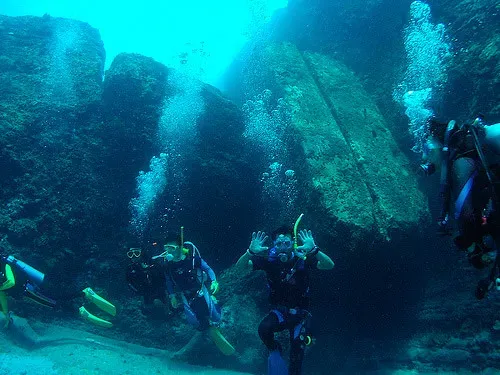
Whenever people hear about cities under the water, they instantly jump to Atlantis. The reality is less mythic but arguably more haunting: along coastlines from the Mediterranean to Asia, archaeologists have found real submerged settlements, streets, and temples. Some were swallowed by earthquakes and tsunamis, others by slow sea‑level rise or ground subsidence, and many just quietly slipped into the waves as shorelines shifted. Entire neighborhoods now sit on the seafloor, where divers can move through toppled columns, staircases, and courtyards that once bustled with daily life.
One of the strangest feelings is seeing stone structures that look like they belong on land but are wrapped in seaweed and surrounded by fish, as if two completely different worlds accidentally overlapped. These underwater ruins are powerful reminders that our coasts are not as stable as they seem, and that climate and geology have always been rewriting the map. When we talk now about rising seas threatening coastal cities, we sometimes act like it’s uncharted territory. In reality, there’s a long, drowned archive of past communities that already went through the disaster scenario we still like to think of as hypothetical.
The Lines No One Was Supposed to See: Nazca’s Giant Geoglyphs
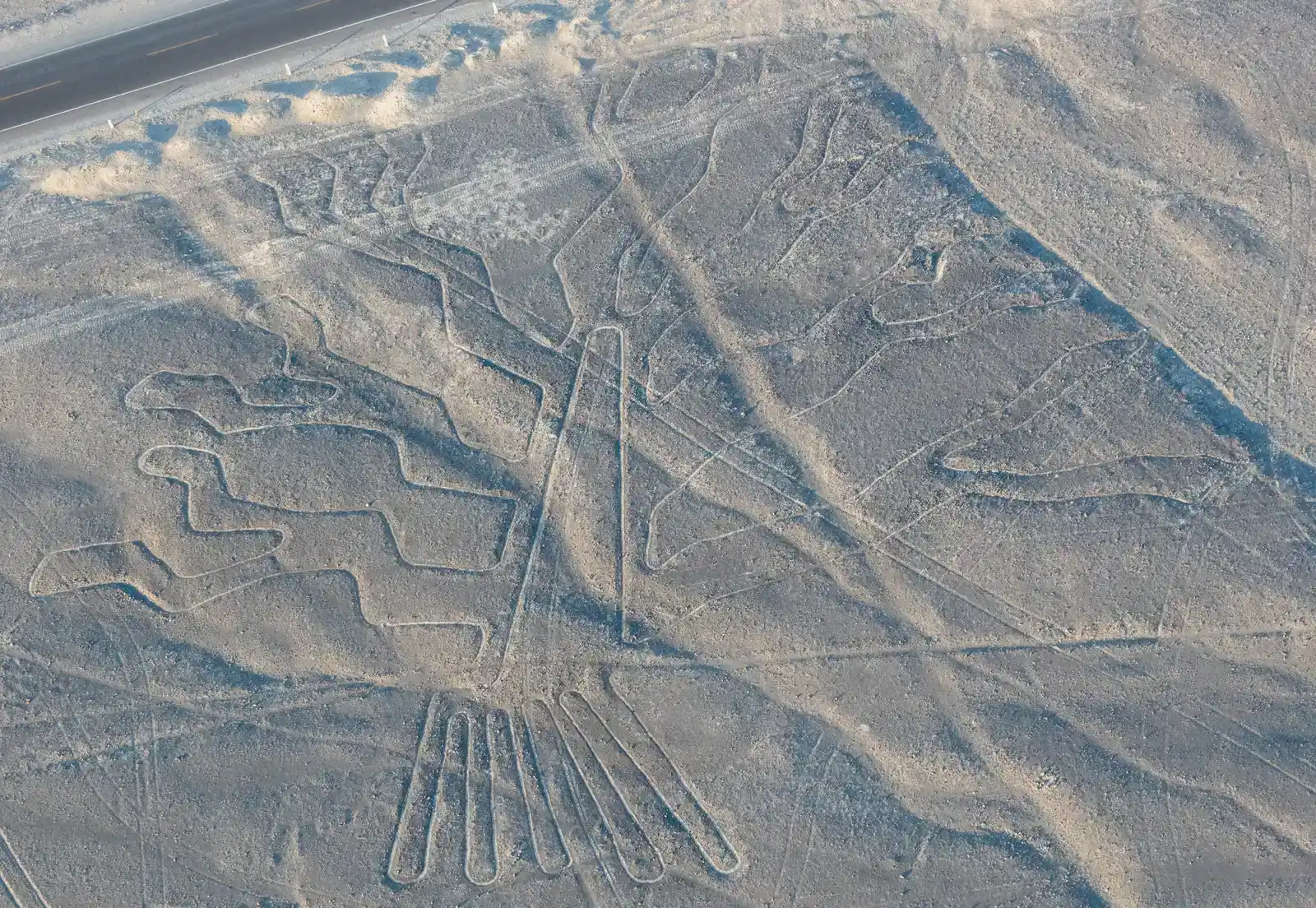
High in the dry plateaus of southern Peru lies one of the most surreal works of ancient landscape art on Earth: the Nazca Lines. From the ground, you mostly see simple pathways carved into the desert, not all that dramatic. But from the air – something the original creators never had – the lines become huge figures: hummingbirds, monkeys, spiders, straight lines that stretch farther than a city block. The scale is so massive that the first time pilots flew overhead and noticed them, the whole thing sounded less like archaeology and more like a plot twist in an adventure film.
So why were they made, and who were they meant for? The best evidence suggests combinations of ritual processions, astronomical alignments, water symbolism, and social performances, rather than secret aliens or coded messages. The drama isn’t in cheap conspiracy theories; it’s in the idea of entire communities coordinating huge, long‑term designs that only really make sense from an impossible vantage point. It’s as if they were creating patterns for the gods, or for a story they assumed the universe itself was watching. The Nazca Lines feel like proof that humans are willing to put insane amounts of effort into ideas that can’t be fully seen or understood in the moment.
The Mysterious Sea People and the Bronze Age Collapse
About three thousand years ago, a cluster of powerful kingdoms around the eastern Mediterranean fell apart in a relatively short span: palaces burned, cities were abandoned, trade routes collapsed. Inscriptions from some of these societies hint at invaders from the sea – now called the “Sea Peoples” – as one major factor in the chaos. Ships full of warriors attacking coastal cities while empires are already weakened by drought, rebellion, and shifting economies sounds like the pitch for a sprawling historical drama. But this was a very real turning point where whole ways of life unraveled.
The strangest part is that we still do not know exactly who these Sea Peoples were or where they came from. They appear like a shadowy coalition in the records of those who fought them, then mostly vanish from history, leaving scholars to piece together clues from broken pottery, ruined fortifications, and fragmentary texts. This uncertainty turns the Bronze Age collapse into less of a tidy story and more of a messy, ensemble disaster film where nobody has the full script. For our own time, it is a grim reminder that complex systems can fail for many reasons at once – and that the survivors may only half understand what really happened.
Conclusion: The Past Is Wilder, and Less Comforting, Than We Like to Admit
There’s a tempting belief that the past was simpler, slower, and easier to understand, like a low‑budget prequel to modern life. These discoveries shred that illusion. From cities flash‑frozen by volcanoes to deserts that erase armies, from submerged metropolises to geoglyphs no one on the ground could fully see, ancient history keeps insisting that reality has always been more bizarre than our tidy timelines suggest. In my view, the most unsettling part is not the strangeness itself; it is how quickly entire worlds can vanish and be misremembered as legend.
If anything, these stories make our current moment feel less unique and more precarious. We are not the first people to build complex societies on fragile coastlines, to depend on global networks, or to tell ourselves that large systems are too big to fail. The archaeological record quietly disagrees. The real question is whether we treat these discoveries as spooky entertainment – background noise like a movie plot – or as uncomfortable mirrors we are willing to look into. When you picture those lost cities and vanished armies now, do they feel as distant as they used to, or a little too close for comfort?