On the surface, ancient trash piles sound boring, even a little gross. It is hard to imagine someone spending their career sifting through broken pottery, animal bones, and ashes and calling that a dream job. Yet for archaeologists, these old heaps of discarded stuff are treasure chests, time capsules, and confession booths all rolled into one. If you want to know how people really lived in the past, you do not look at their monuments first. You look at their garbage.
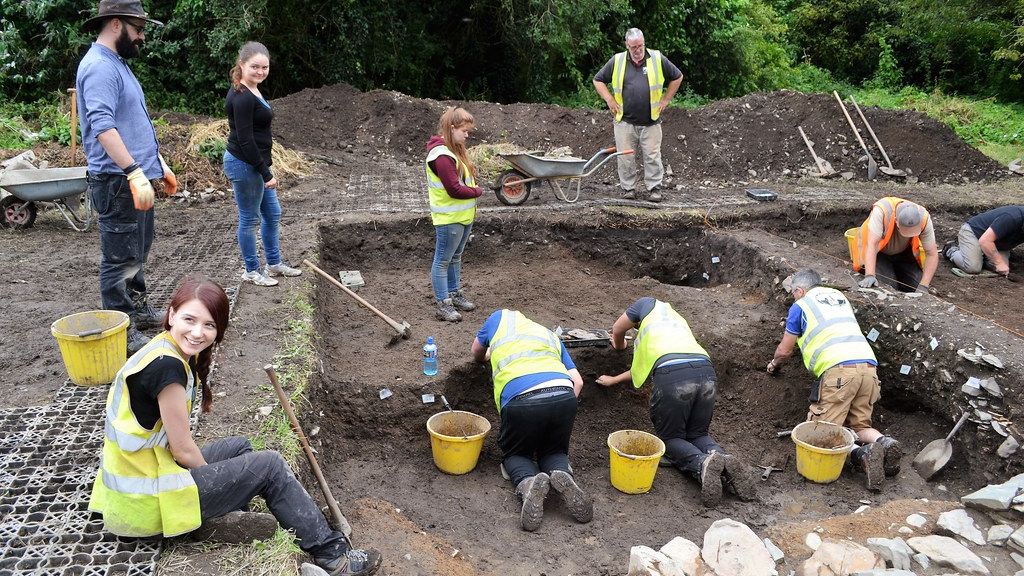
I remember the first time I saw a dig photo where the “big find” was a dark, crumbly layer of dirt peppered with shells and bone. It looked like nothing. But the archaeologist talking about it sounded as thrilled as if they had uncovered a golden crown. That contrast sticks with you. Ancient trash piles strip away the glamour and force you to confront ordinary life: what people ate, what they valued, what they hid, and what they quietly threw away. And that is exactly why experts still get genuinely excited about them.
The Unfiltered Diary Of Everyday Life
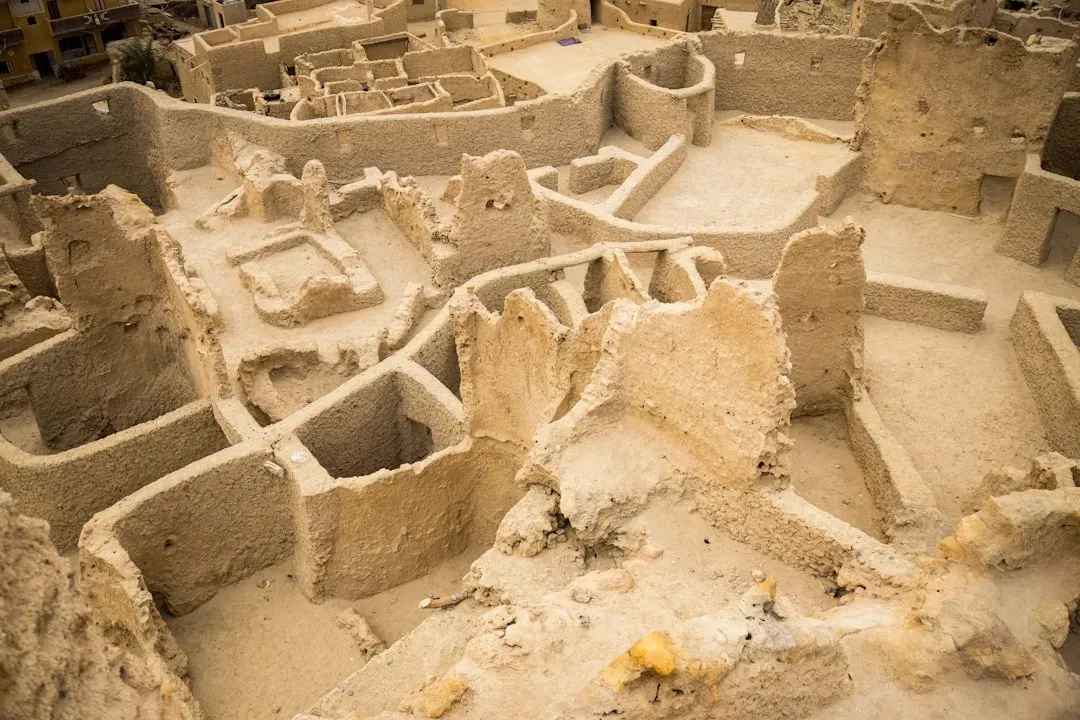
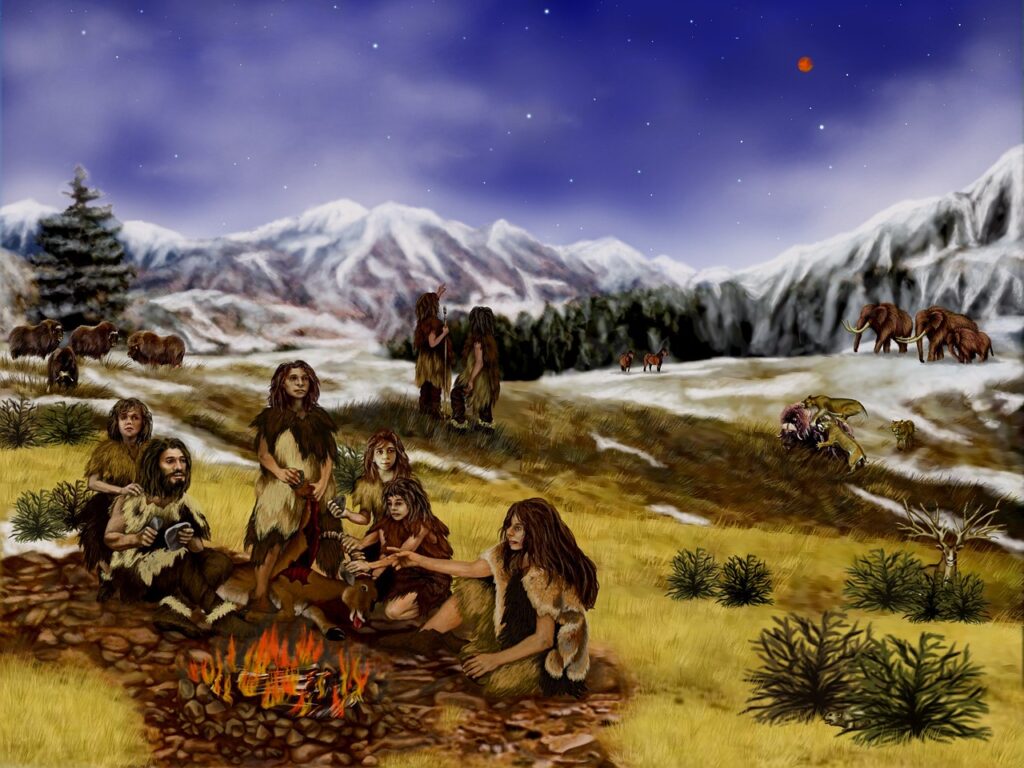
Imagine trying to understand our world two thousand years from now using only presidential speeches, museum pieces, and luxury homes. You would end up with a distorted, almost cartoonish picture of how most people actually lived. Ancient trash piles, often called middens, are the antidote to that problem. They are messy, unfiltered diaries written not with words, but with shells, broken cups, charred seeds, and cracked animal bones.
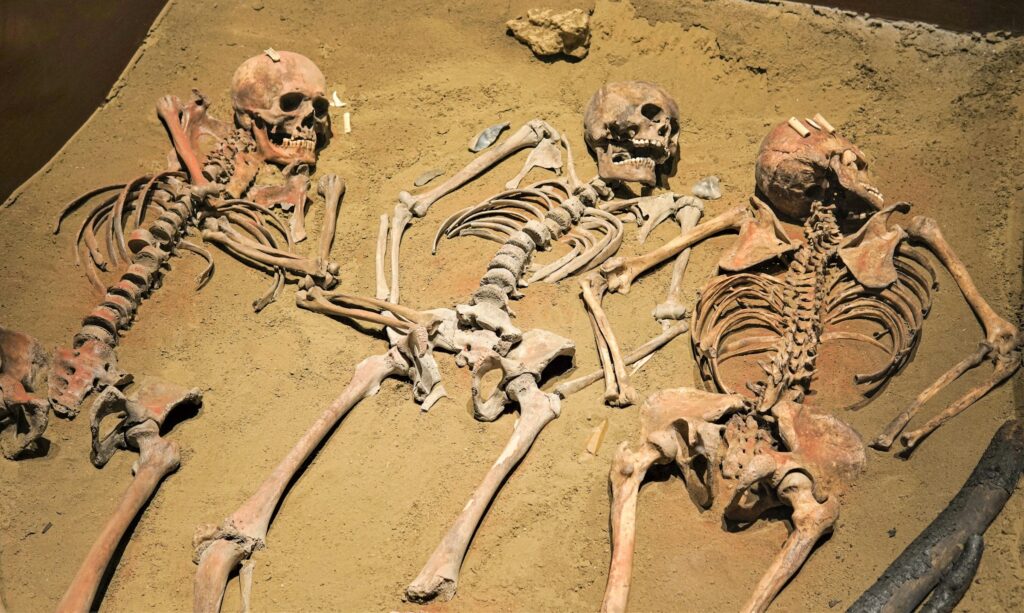
What makes them so powerful is their honesty. People rarely curate their garbage; they throw it out when it is broken, boring, or embarrassing. That means middens preserve the parts of life no one thought were worth recording at the time. Archaeologists can see which foods were everyday staples instead of rare feasts, which household objects fell apart quickly, and which tools were repaired again and again. In a way, these piles are like the browser history of ancient communities: revealing, mundane, and sometimes uncomfortably candid.
How Trash Piles Turn Into Time Capsules
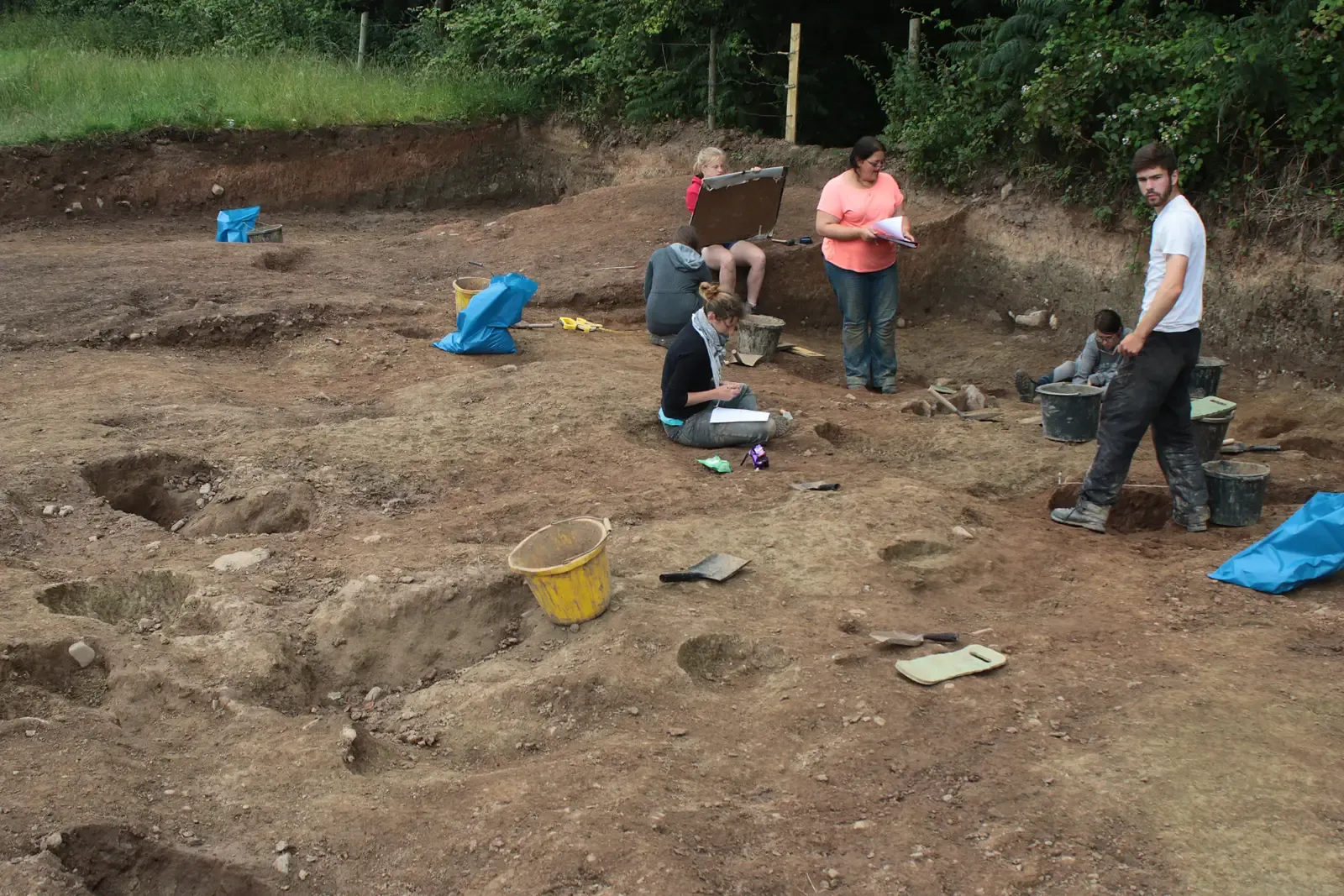
At first glance, a trash heap just looks like a random jumble, but archaeologists see layers, not chaos. Over time, people throw out different things as fashions change, new crops appear, or communities grow richer or poorer. Dirt, ash, and natural sediments settle on top, sealing each layer like a page in a scrapbook. When archaeologists carefully excavate these layers, they can literally move downward through time, from the most recent activity at the top to the oldest at the bottom.
This vertical story makes middens similar to the rings of a tree. Just as wider or narrower rings can signal good years or drought, thick or thin trash layers can signal moments of abundance, crisis, or major change. A sudden spike in fish bones, for example, might point to a shift in diet or a new trade network. A layer thick with ash and rubble can hint at a fire, a war, or a ritual clean-out of the settlement. Instead of a single static snapshot, a mature trash pile offers a movie reel of a community evolving over generations.
Reconstructing Ancient Diets, Meal By Meal
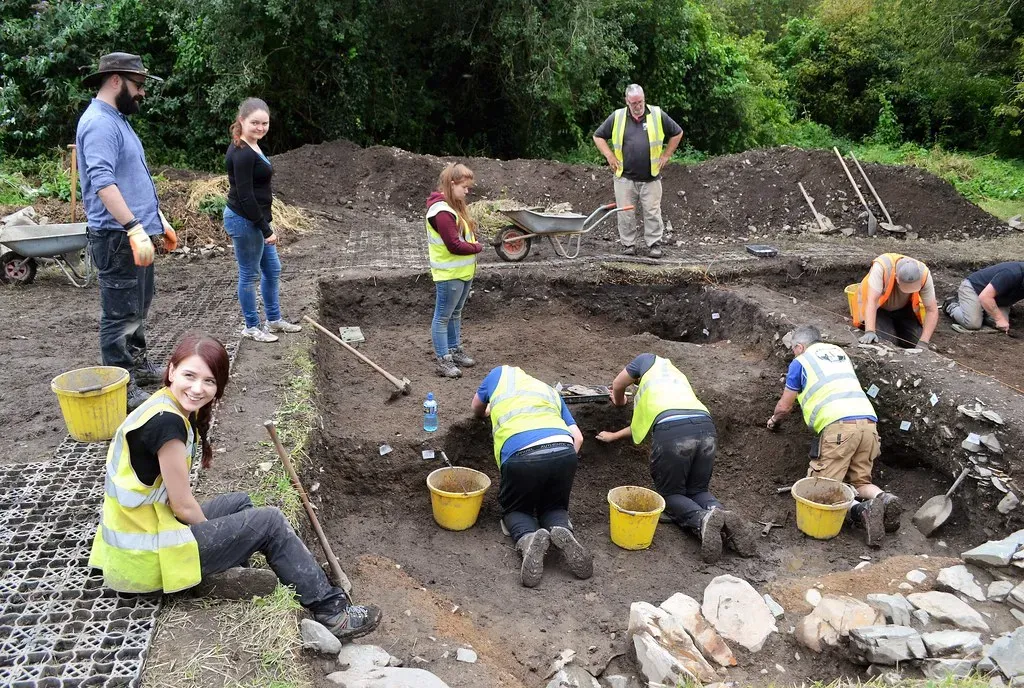
If you want to know what people really ate, do not trust their artwork or myths first; look at their leftovers. Ancient trash piles often hold a shocking amount of food waste: burnt seeds, nutshells, fish scales, animal bones, fruit pits, and discarded shells. By sorting, counting, and sometimes even chemically analyzing these remains, archaeologists can piece together ancient menus far more accurately than from texts alone. It is the difference between reading a recipe book and rummaging through someone’s kitchen bin after a dinner party.
These food traces also reveal subtle but important details: who had access to meat versus cheaper grains, whether people were eating mostly local products or imported delicacies, how they coped with seasonal shortages, and how their diets changed when climate or politics shifted. For instance, a gradual increase in drought-resistant crops in a midden can quietly point to worsening environmental conditions or water stress. When you realize each pile of shells or bones might represent dozens of meals shared by real people, it suddenly feels much less like trash and much more like a dining table frozen in time.
Following Trade Routes Through Discarded Objects
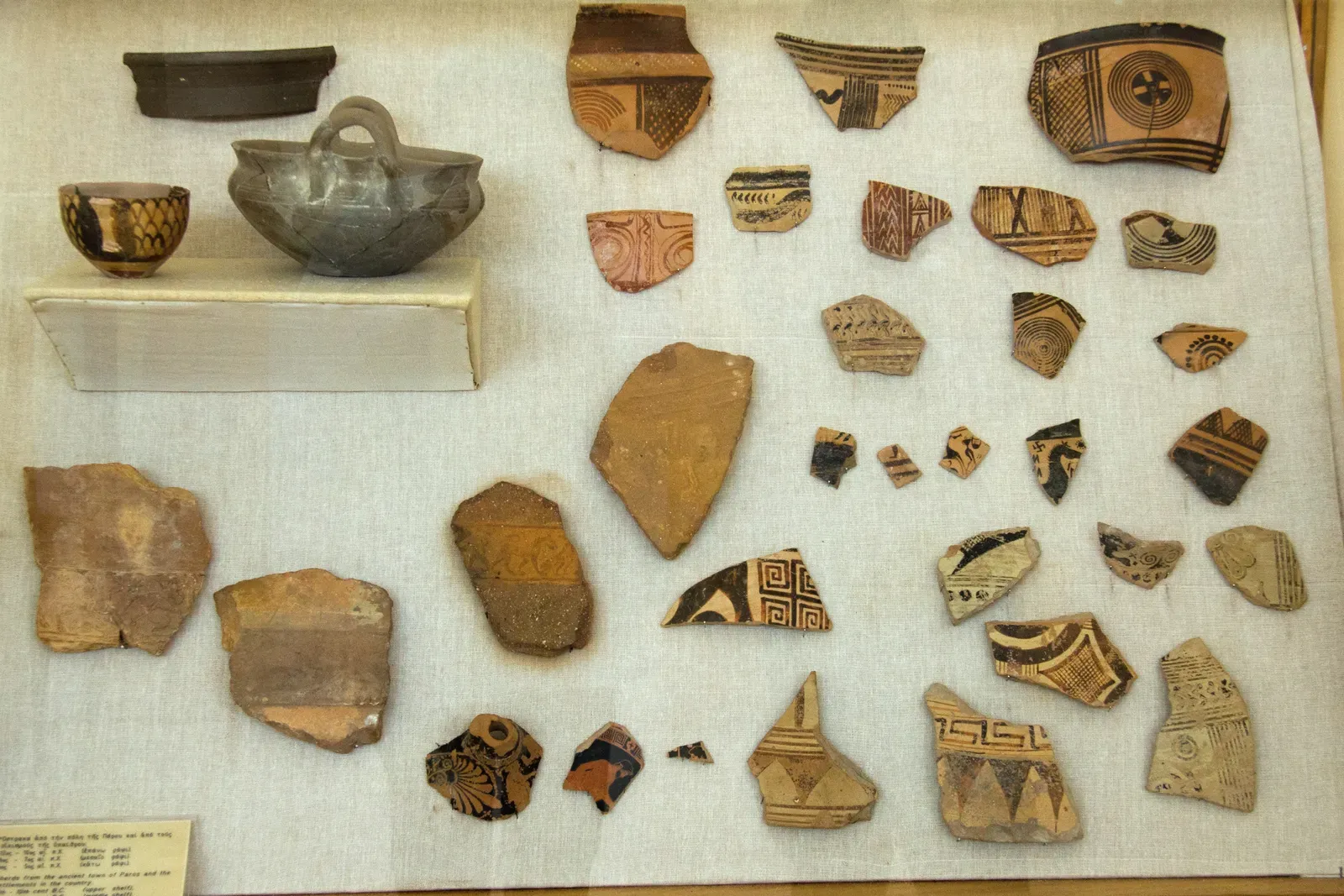
One of the surprisingly glamorous sides of garbage is what it reveals about long-distance connections. A single broken piece of imported pottery, tossed into a local trash heap, can prove that a supposedly isolated village was tied into regional or even global trade networks. The same goes for exotic shells, unusual stone types, or glass fragments that simply do not match the local geology or craft traditions. These “out of place” objects are like lost luggage tags from ancient trade routes.
By mapping where such items turn up in trash layers, archaeologists can trace how goods, ideas, and maybe even people moved across vast distances. Not every imported object was a carefully treasured heirloom; many were everyday containers, cheap trinkets, or functional tools that eventually broke and were thrown away. That actually helps, because it shows that foreign goods were common and integrated, not just rare trophies of the elite. In that sense, trade leaves one of its clearest fingerprints in places no one meant to preserve at all.
Trash As A Window Into Inequality And Power
Garbage can be brutally honest about social hierarchies. In wealthier households or elite compounds, trash piles might contain more meat bones, imported pottery, decorative items, and high-quality tools. In poorer areas, the middens may be dominated by coarse ceramics, cheap local materials, and bones from less desirable cuts of meat, or from animals eaten only when times were tough. These differences are rarely spelled out in ancient texts, but they become obvious when you compare piles from different parts of a site.
Even the way trash is handled can reflect power structures. Some elites might have used servants to carry refuse far away, creating neatly managed dumps, while others forced lower-status neighbors to live closer to shared waste areas. Sometimes the poorest residents are buried in the shadow of massive communal trash heaps, their daily lives literally layered next to society’s discards. When archaeologists study these patterns, they are not just cataloging objects; they are reading stories about who got the good stuff, who dealt with the mess, and who got written out of official history.
Unexpected Clues About Health, Disease, And Environment
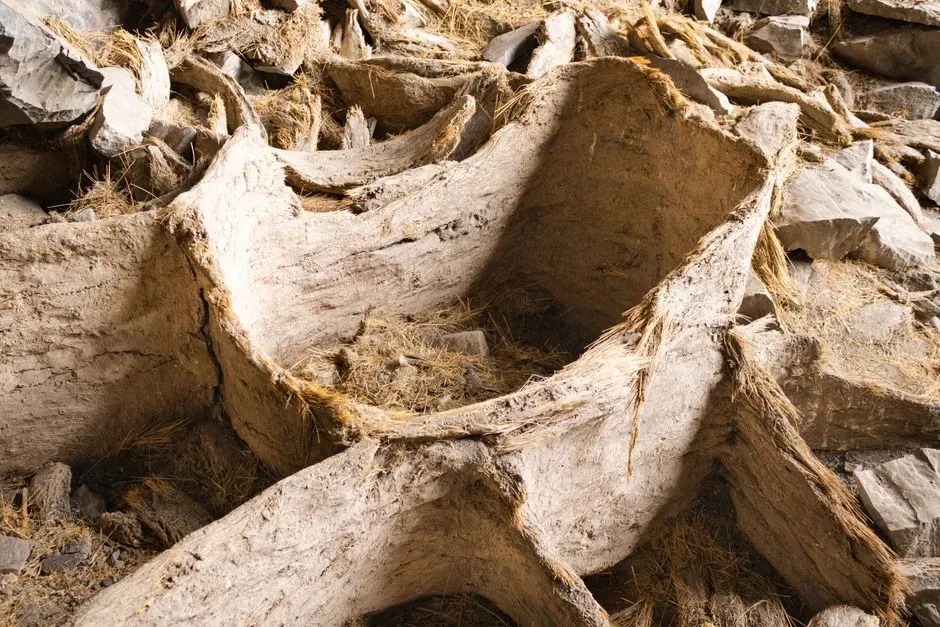
Ancient trash piles also double as accidental medical and environmental archives. Tiny fragments of human and animal waste, for instance, can contain parasite eggs that survive for centuries under the right conditions. When specialists examine these under a microscope, they can tell which diseases were common, how widespread sanitation problems were, and how health differed between neighborhoods or time periods. It is not glamorous work, but it is one of the most direct ways to measure everyday suffering and resilience in the past.
Beyond health, middens capture how people shaped and responded to their surroundings. Pollen grains and seeds trapped in the trash tell which plants were cultivated or gathered, while charcoal fragments hint at what kinds of wood were burned for fuel. Changes in the mix of species over time can signal deforestation, overgrazing, soil exhaustion, or shifts to more sustainable practices. In a world dealing with climate change and environmental collapse, these long-term records from other civilizations’ trash feel like quiet warnings and, occasionally, like manuals for how to adapt.
Decoding Rituals And Beliefs From What Got Thrown Away
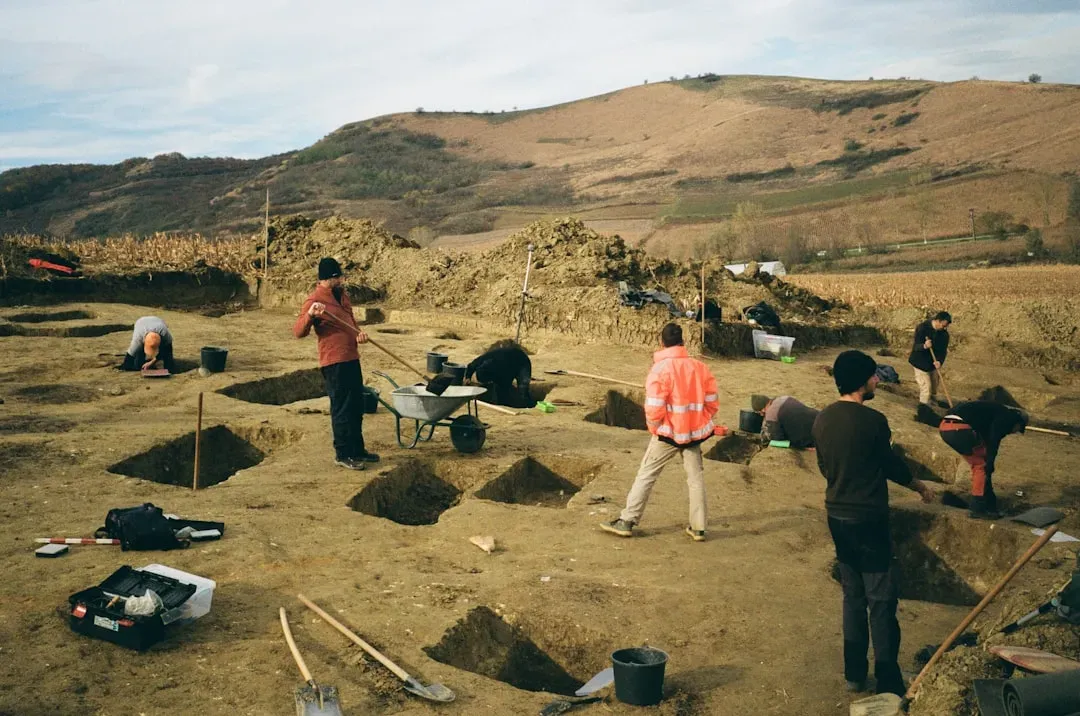
Not everything in a trash pile is there because it was worthless. Sometimes people deliberately buried objects, animal remains, or broken vessels in places that look like dumps today but were meaningful deposits in their own time. Archaeologists have found clusters of carefully arranged bones, shattered pottery placed under house floors, or repeated offerings left in pits that eventually filled up with everyday waste. To a modern eye it might look like random garbage, but patterns of repetition and placement suggest ritual behavior.
This is where archaeology starts to feel a little like detective work mixed with psychology. Why break a perfectly good pot during a house foundation ceremony and then cover it? Why bury special items where only the household or community will ever know they are there? By comparing “ordinary” trash with these more structured deposits, researchers can separate routine discard from symbolic acts. In the end, even the boundary between sacred and mundane shows up in where things were thrown, buried, or carefully destroyed.
Why Ancient Trash Still Feels Weirdly Personal
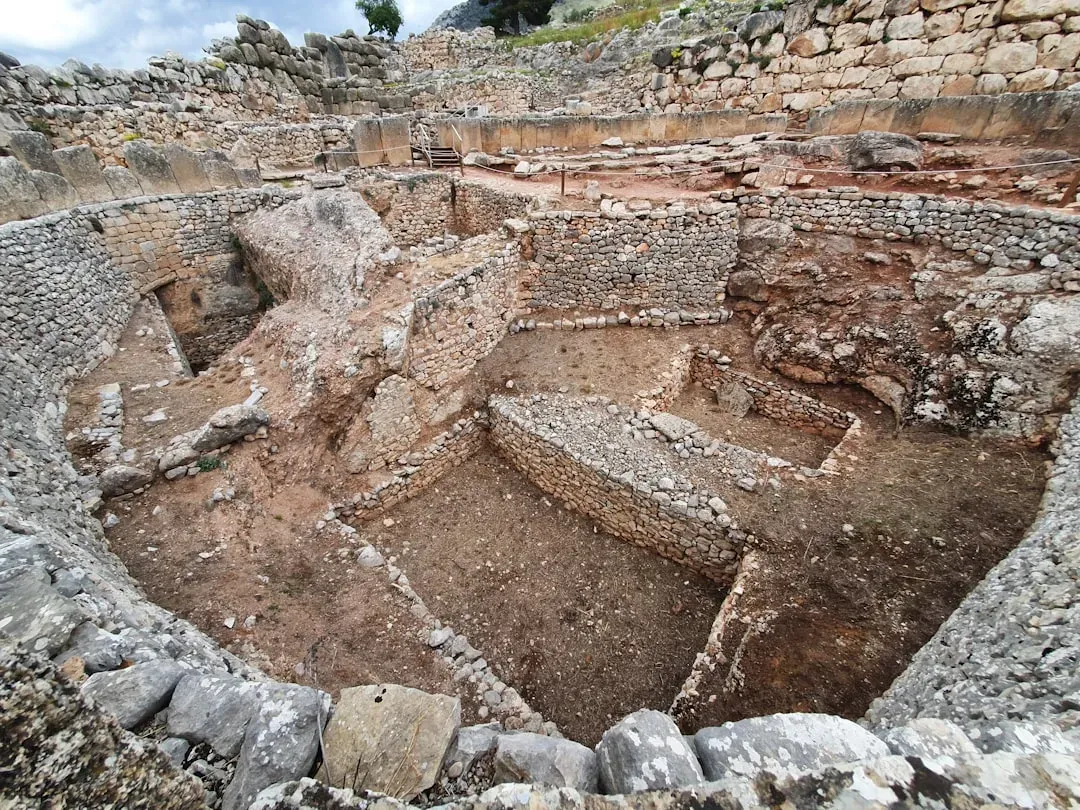
One of the strangest things about ancient middens is how oddly intimate they can feel. When you see a cracked child’s toy, a repeatedly mended cooking pot finally tossed aside, or a pile of animal bones showing someone gnawed every last bit of marrow during hard times, it hits differently than standing in front of a marble statue. You suddenly feel closer to the people who left these traces, not as distant “ancients” but as families trying to get through the week, leaking their habits and worries into their trash.
Modern landfills are not so different; they silently record our obsessions with plastic, fast fashion, and convenience, whether we like it or not. That parallel can be uncomfortable. It means that future archaeologists will probably get a painfully clear picture of our priorities by digging through our waste. Maybe that is part of why archaeologists are so drawn to ancient trash: it reminds us that civilizations are not defined only by what they build, but by what they choose to discard. In that messy overlap, the past feels abruptly, almost disturbingly, close.
Conclusion: The Humbling Power Of Other People’s Garbage
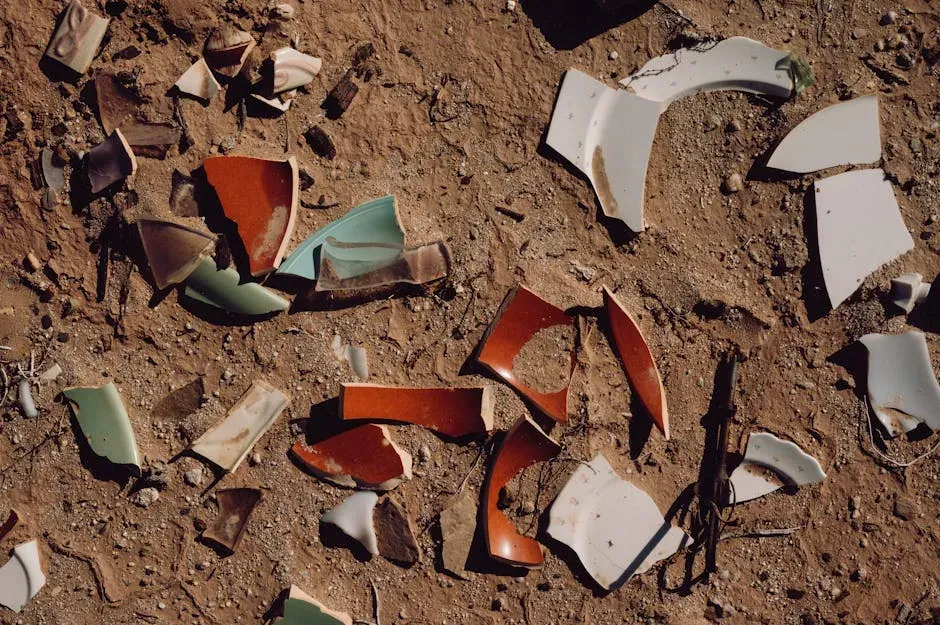
I have always thought it was telling that the most glamorous images of archaeology rarely match the work that experts themselves get most excited about. When you learn that a heap of broken shells or a dark stripe of soil can overturn a neat historical story, it changes how you see both the past and your own daily life. Ancient trash piles are humbling because they strip away the polished version of history and force us to confront the ordinary, the repetitive, and the inconvenient truths people never thought would matter.
If anything, I think we underestimate how radical it is to treat garbage as evidence instead of an embarrassment. It is a quiet, stubborn statement that every life leaves traces worth reading, not just the lives of leaders and builders of monuments. The next time you picture an archaeologist celebrating a new discovery, do not just imagine gold and statues; imagine someone kneeling over a layer of crumbs, bones, and broken pots, grinning because a story just clicked into place. In the end, what better reminder is there that history is built from small, messy moments than the fact that our most honest records are still our trash piles?