If you could sit down at a Paleolithic dinner table, you’d probably recognize almost nothing on your plate. The colors, textures, and even the smells of the food would feel slightly wrong, like a dream where something is familiar but not quite. Ancient humans ate plants and animals that have either gone fully extinct or changed so much under farming and industry that they are basically strangers to us now.
What fascinates me is this quiet culinary extinction. We talk a lot about vanishing tigers or shrinking rainforests, but rarely about the flavors that have vanished forever. Some foods disappeared because their habitats collapsed, others because we bred them into something more profitable, prettier, or easier to ship. A few may still be out there in tiny pockets, clinging on in remote valleys or riverbanks. Let’s walk through some of those lost foods, as far as we can trace them from fossils, ancient DNA, and what is left in Indigenous knowledge and wild landscapes.
1. Wild Mega-Fruits That Made Modern Produce Look Tiny
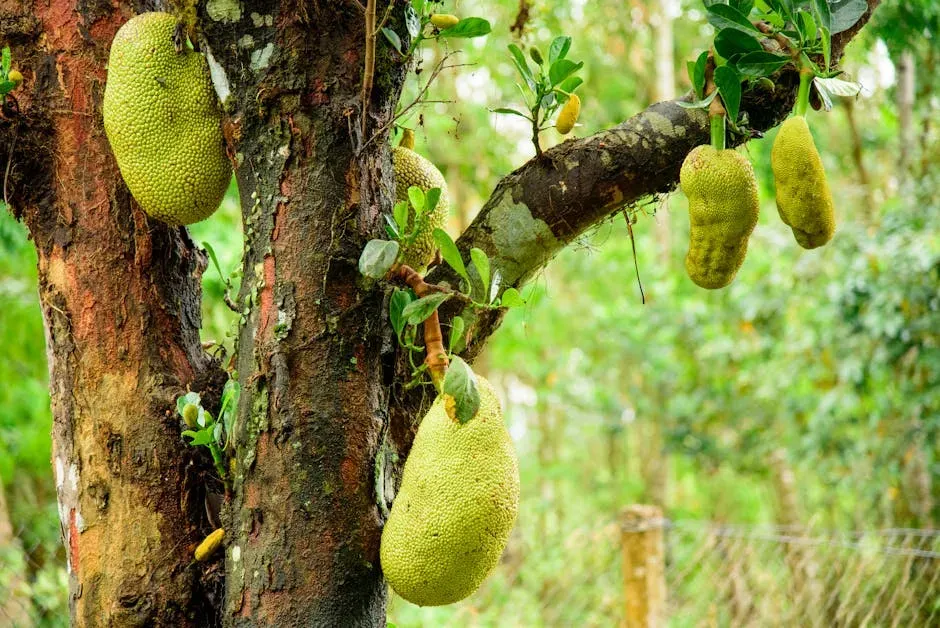
It sounds like science fiction, but many ancient fruits were probably larger, tougher, and wildly different from the ones in your fridge. Before humans started domesticating crops, fruit-bearing plants evolved alongside huge animals like giant ground sloths, mastodons, and massive prehistoric tapirs. Their fruits were often sized and structured for these giant herbivores to swallow whole and spread their seeds, a partnership sometimes called “megafaunal dispersal.” When those big animals went extinct, many of the exact wild fruit forms either followed or shrank and changed under new ecological pressures.
Researchers think some now-lost wild versions of avocados, gourds, and possibly wild citrus were once far more varied, with strange shapes, thick rinds, or bitter flesh designed for non-human palates. Over time, the line between extinction and transformation got blurry: did those fruits disappear, or did they just get absorbed into the modern varieties we bred for sweetness and shelf life? I like to imagine a forest where a now-extinct avocado relative drops massive, oily fruits that only a towering sloth can handle. We do not have firm names or photographs, just scattered seeds, fossil pollen, and hints from genetics. But it is clear that entire fruit “personalities” have vanished, leaving us with their tamed descendants.
2. True Wild Cereals Before We Turned Them Into Crops
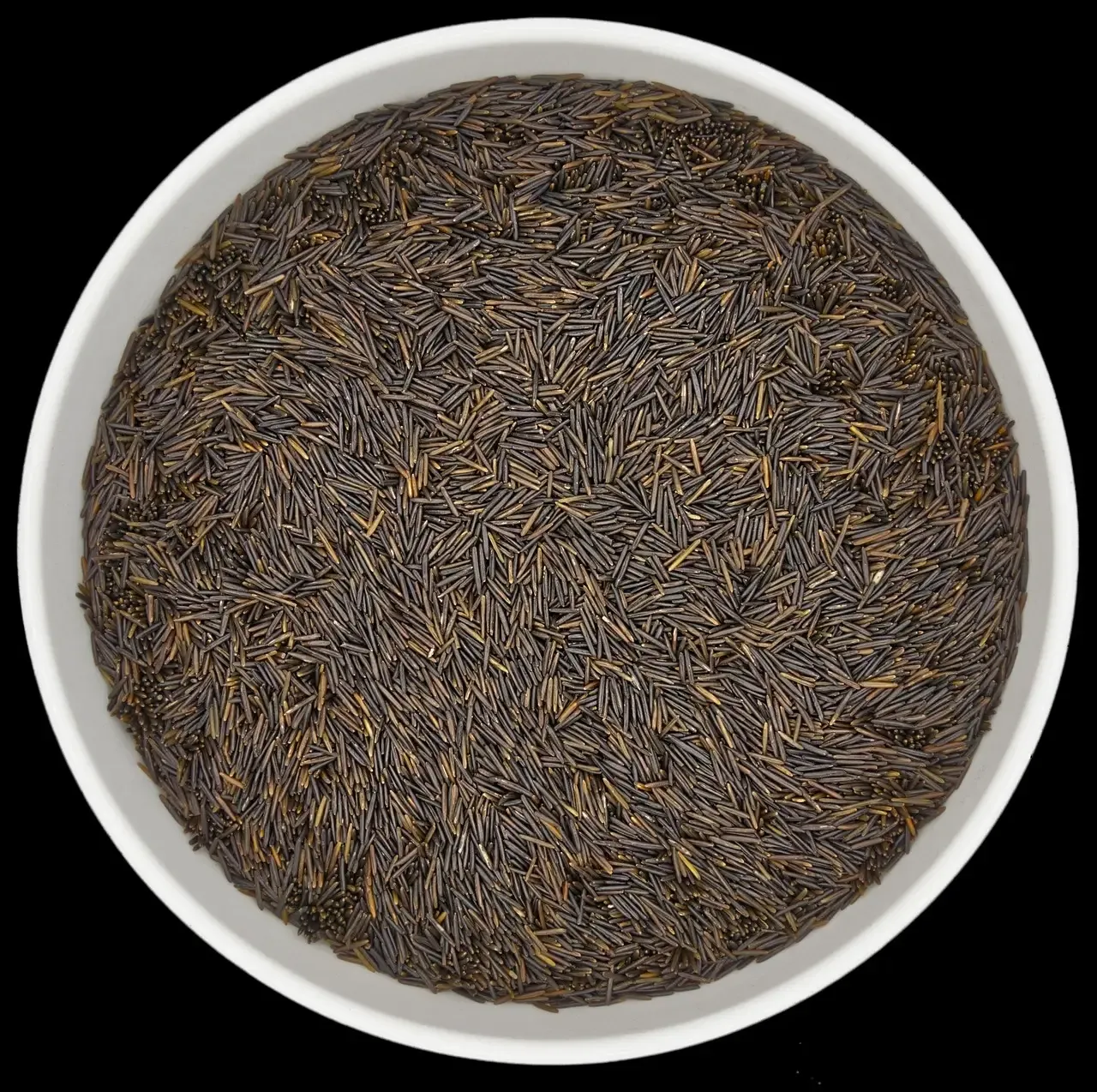
When we think of grains today, we picture neat rows of golden wheat or big fields of rice. Ancient humans, long before farming, ate a much messier and more diverse set of wild grasses and cereals. Many of those wild species no longer exist in their original form. Some died out completely, while others hybridized and blurred into the ancestors of modern wheat, barley, and rye. The shift from foraging to farming locked in a narrow slice of that older diversity, and the rest faded away quietly in the background.
Archaeologists have found remains of wild grasses in prehistoric grinding stones and hearths that do not perfectly match any grain we know today. They were probably small-seeded, hard to harvest, and not particularly glamorous, but they were calorie-dense lifelines in tough seasons. Over thousands of years, humans strongly favored plants with larger seeds, less bitterness, and seeds that stayed attached until harvest. The wild types that shattered too easily, ripened too fast, or grew in inconvenient habitats simply lost the evolutionary game once farming took over. In a sense, they were victims of our success: when people stopped needing them, they had nowhere left to go.
3. Massive Prehistoric Shellfish From Cleaner, Colder Seas
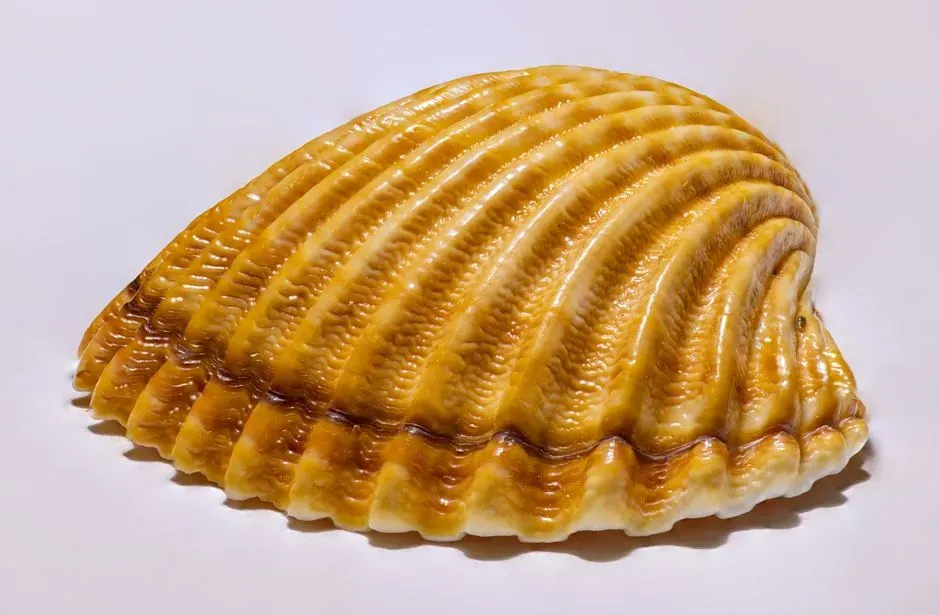
Imagine an oyster so large it could barely fit in two hands, or clams that lived for centuries in cold, pristine waters. Ancient coastal peoples feasted on shellfish that grew in ecosystems very different from the heavily fished, polluted coastlines many of us know now. Some mollusk lineages have disappeared entirely, while others survive only in much smaller, stunted forms. You can actually see this in archaeological shell middens, where older layers sometimes show bigger, thicker shells than the younger ones above.
Overharvesting, warming oceans, and habitat destruction have taken a serious toll on these animals. Many of the exact species and local populations that ancient humans relied on as staple proteins are just gone. What is left are distant cousins, selectively bred aquaculture strains, or stressed remnants clinging to marginal habitats. When I stand at a modern seafood counter, I sometimes think about the gap between what we see now and what a coastal hunter-gatherer might have pulled out of the water ten thousand years ago. Their shellfish feasts were built on wild richness that feels almost mythical today.
4. Giant Game Animals With Completely Lost Flavors
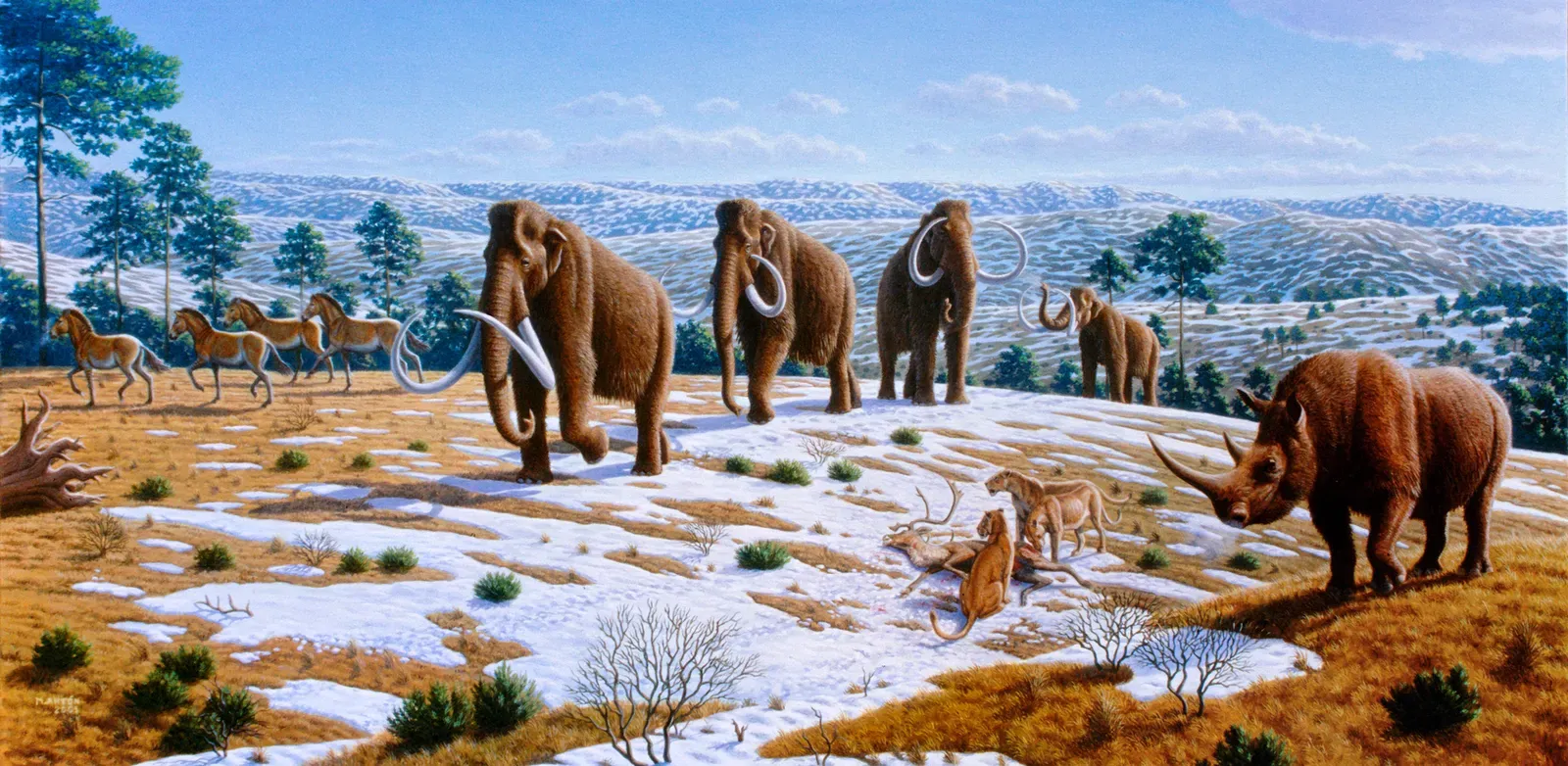
Our ancestors ate animals we will never taste, and honestly, that hits me harder than I expected the first time I thought about it. Woolly mammoths, giant ground sloths, enormous kangaroos, and massive prehistoric bovids were not just abstract creatures in a museum. For ancient humans, they were meat, fat, marrow, and hide. Entire cooking traditions would have formed around their carcasses, even if those traditions never got written down. The flavors of these meats, shaped by cold climates, wild diets, and slow growth, are gone forever.
We can make educated guesses by comparing them to modern relatives, like elephants or bison, but that is all they are: guesses. The specific taste of mammoth fat, the texture of a giant sloth’s muscle fibers, or the aroma of roasting meat from an extinct deer species are out of our reach. Overhunting and rapid climate shifts likely teamed up to wipe many of these animals out, disrupting both ecosystems and food cultures. In a world where people now pay a small fortune for rare cuts of beef, it is wild to think ancient hunters once had access to meat so unusual we can no longer even truly imagine it.
5. Lost Varieties of Edible Insects and Grubs
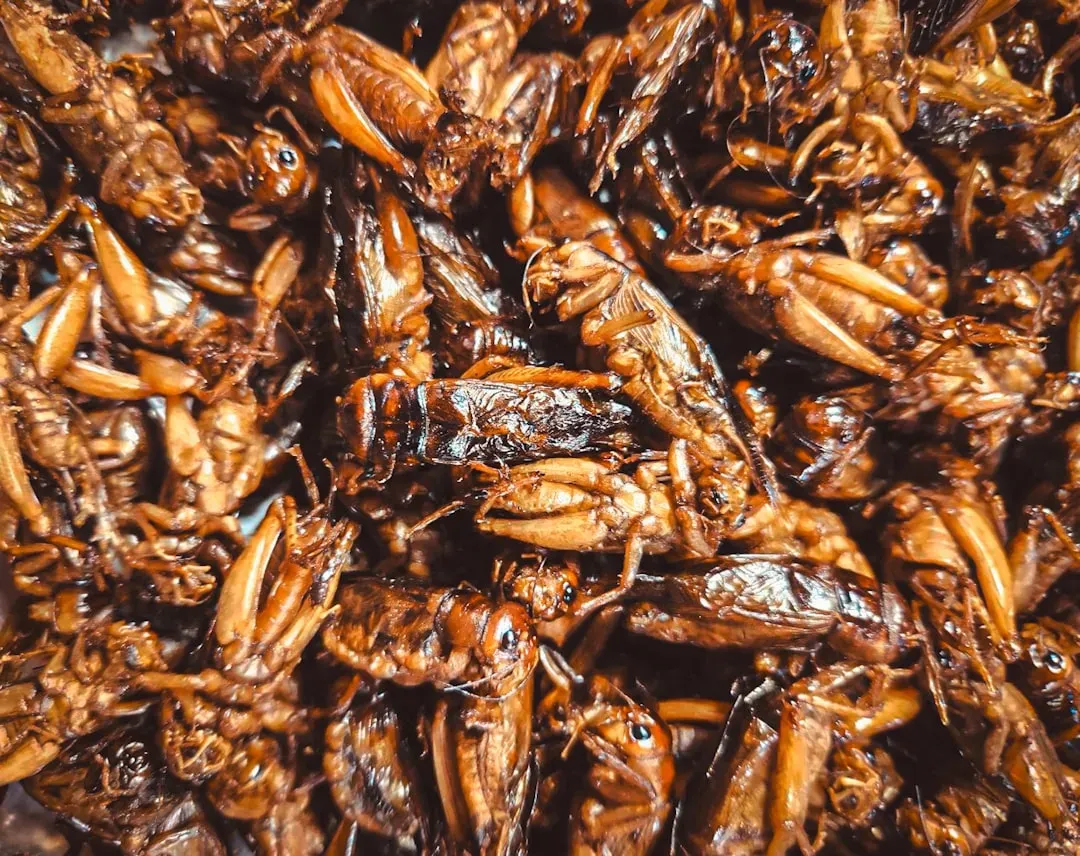
Insects are having a bit of a trendy comeback as a sustainable protein, but ancient humans were way ahead of us. They ate a wide spectrum of edible insects and grubs, many of which lived in specific forests, river systems, or grasslands that have been heavily altered or destroyed. Some of those insect species probably went extinct along with their host plants and trees. Others may persist in reduced numbers in places that no longer support large-scale foraging, making them practically unreachable as a common food.
For early humans, these insects were compact packages of protein and fat, often available seasonally when other foods were scarce. Think of brightly colored caterpillars fattened on wild plants, or beetle larvae tucked into ancient rotting logs. Many such micro-habitats have vanished under modern agriculture, deforestation, and urbanization. While people in some cultures still harvest remarkable insect foods today, the exact combination of species once eaten by our distant ancestors can never be fully recreated. In a way, the planet’s shrinking insect diversity is not just an ecological crisis but also a quiet loss of potential flavors and survival strategies.
6. Bitter, Thorny Wild Greens We Softened Out of Existence
![6. Bitter, Thorny Wild Greens We Softened Out of Existence (EraPhernalia Vintage . . . [''playin' hook-y''] ;o, Flickr, CC BY-SA 2.0)](https://nvmwebsites-budwg5g9avh3epea.z03.azurefd.net/dinoworld/74b6d0b0c07a9b8f1c5ffed453c58441.webp)
Before we bred salads into tender, mild leaves you can eat straight from a plastic box, ancient humans relied on wild greens that fought back. Many were tough, fibrous, bitter, and sometimes mildly toxic unless cooked or carefully processed. Over time, we either domesticated their friendlier relatives or stopped bothering with the truly difficult ones. Those original, hardcore wild greens either disappeared as habitats changed or were pushed aside by more aggressive plants in disturbed, human-shaped landscapes.
It is likely that some of these greens had intense flavors we would find almost shocking today, closer to strong herbal teas or medicinal brews than a side salad. They were probably packed with unusual phytochemicals, micronutrients, and compounds that shaped local health in ways we only dimly grasp. When I think about my own diet, I realize how standardized and gentle most of my plant foods are. Our ancestors’ palates were trained on a very different botanical world, and some of those plant lineages simply did not make it into the age of supermarkets and monocultures.
7. Ancient Pulses and Wild Legumes Lost in the Shadow of Beans
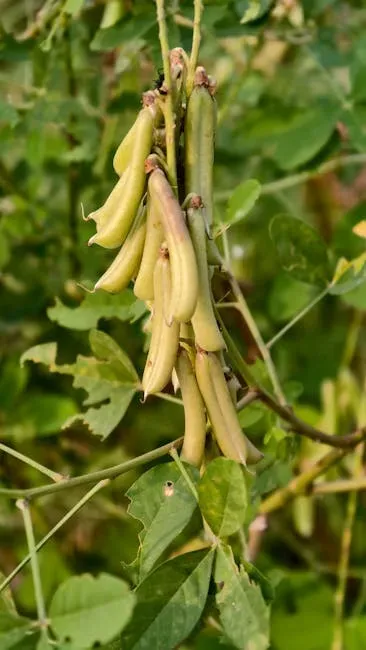
Today, a handful of beans and lentils dominate shelves, but early humans likely experimented with a broad range of wild legumes. Some of these were bitter, some had toxins that needed careful soaking or heating, and others grew only in specific, fragile niches. As agriculture spread, people focused on the few species that were easy to grow, safe to eat, and worth storing. The more finicky or low-yield wild legumes fell out of use and, in many cases, out of existence as their habitats were plowed, grazed, or paved over.
Archaeobotanical remains hint at legumes and pulses that do not neatly match any living crop, suggesting lineages that have faded away or merged through hybridization. I find this strangely moving, because legumes are such quiet heroes of the human diet: they fix nitrogen in the soil, feed us protein, and help communities survive rough seasons. Losing entire varieties is like deleting pages from a cookbook written by evolution and culture together. Modern efforts to rediscover “forgotten” crops are exciting, but they can only work with what is still alive; the truly lost wild pulses are gone for good.
8. Region-Specific Foods Erased With Their Ecosystems
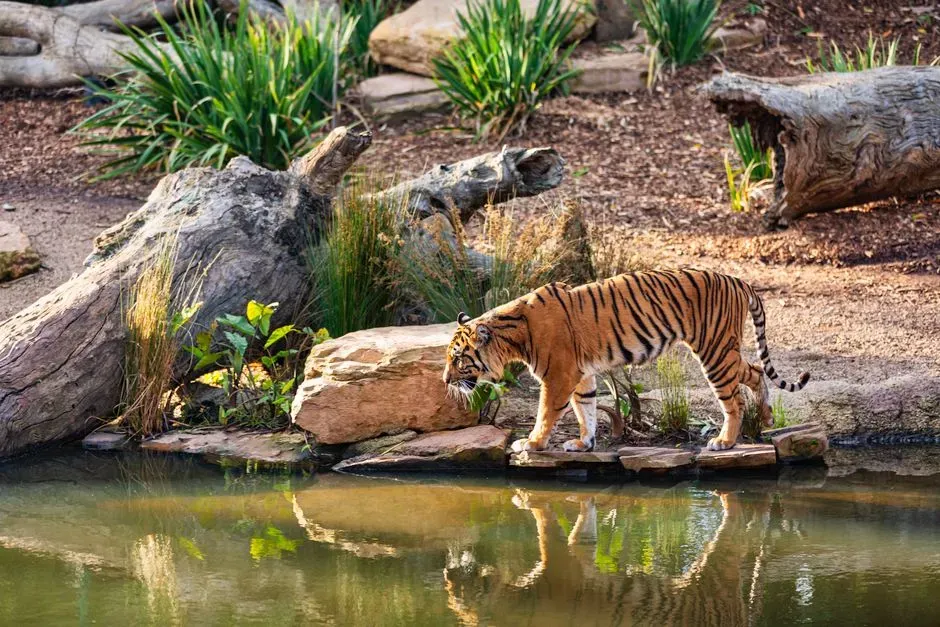
Some of the foods ancient humans ate did not disappear because they were bad or inferior. They vanished because the very ecosystems that produced them collapsed or transformed beyond recognition. Think of river fish that only spawned in certain gravel beds, mountain fruits tied to a narrow climate band, or marsh plants that needed flood cycles that no longer occur. When we dam rivers, drain wetlands, or heat entire regions, we erase not just species but food traditions built around them.
This is where the story becomes personal for me. Every lost habitat is also a lost menu, a set of flavors that will never again be tasted by human mouths. Indigenous and local communities sometimes retain memories of foods that used to grow or swim in particular places, now altered by logging, mining, or climate change. Those memories are often the last fragile evidence that these foods ever existed at all. When we talk about conservation, maybe we should also be talking about saving the desserts, snacks, and humble stews that future generations will otherwise never know.
Conclusion: Mourning Lost Flavors While Protecting What Is Left
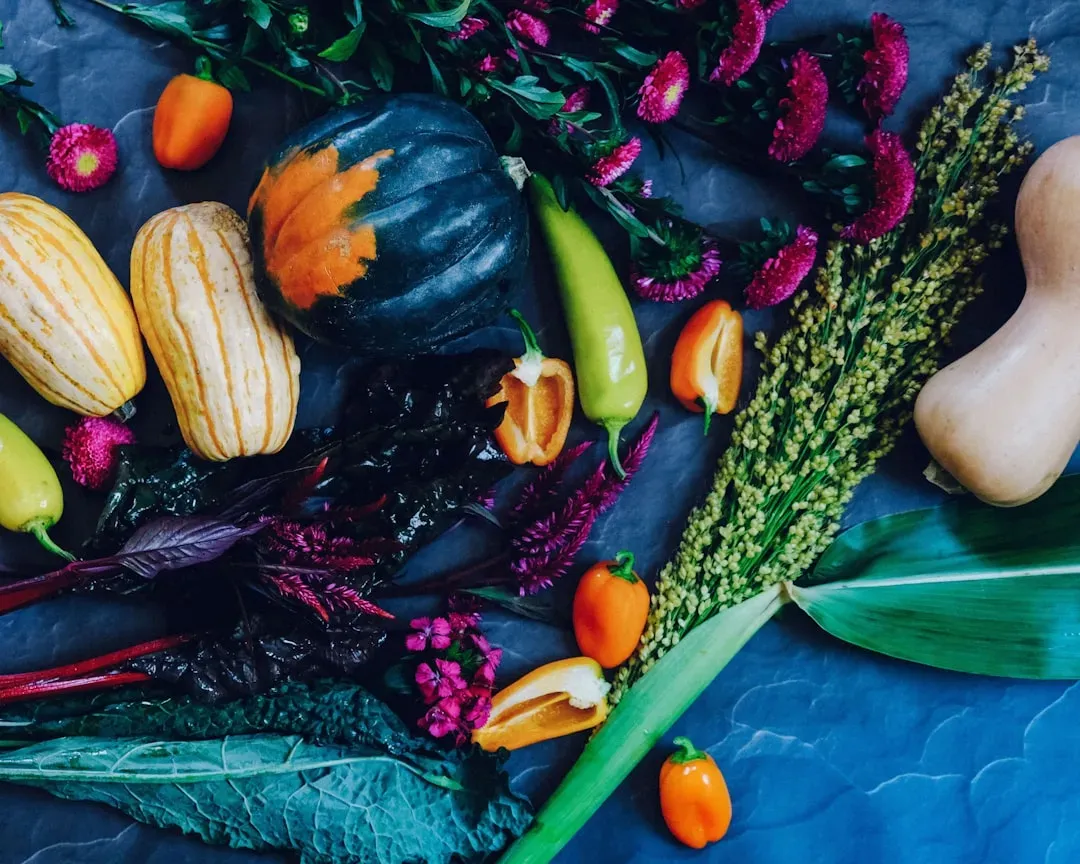
I think the most unsettling thing about this topic is realizing how much has disappeared without a name, a recipe, or a photograph. The foods ancient humans ate and lost forever are not just curiosities; they are missing chapters in our shared story. Every extinct fruit, shellfish, insect, or wild green carried possibilities for taste, nutrition, and resilience that we will never get back. If anything, it makes our current food system feel both powerful and fragile, like a narrow bridge built over the ruins of forgotten banquets.
At the same time, this realization is a nudge to treat today’s remaining wild foods and diverse crops less like background scenery and more like treasures. We cannot resurrect mammoth steaks or mystery wild grains, but we can choose to protect the habitats, heirloom varieties, and traditional knowledge that still exist. Personally, I see it as a quiet responsibility: to eat in a way that does not erase even more. When you look at your next meal, it is worth asking yourself a simple question: how many invisible extinctions are already baked into this plate, and how many more are we willing to accept?