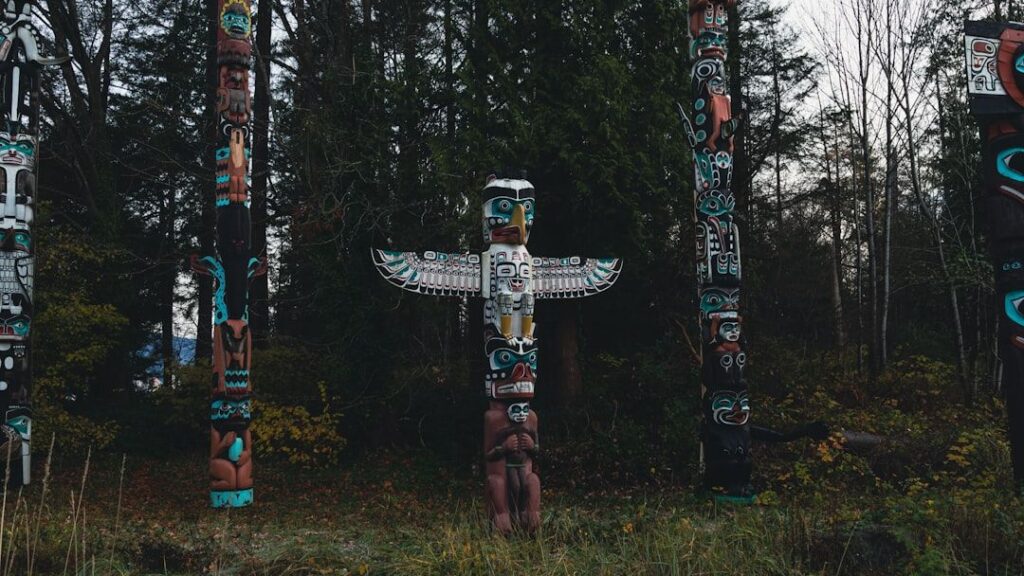
Every time a rugged explorer steps into a jungle and “discovers” a mysterious tribe, a real anthropologist somewhere quietly winces. Movies love big, dramatic stories about human origins, “primitive” people, and lost civilizations, but they usually throw actual anthropology out the window. The result is a fun couple of hours on the couch and a stubborn pile of myths that refuse to die, no matter how many times researchers debunk them. If you have ever walked out of a cinema thinking early humans were basically violent cavemen or that remote communities exist just to be “rescued,” you have seen these myths in action.
Anthropology, at its core, is the study of humans in all our messy, creative, contradictory glory. That reality is far more interesting than the simplistic stories Hollywood loves to recycle. In this article, we will unpack some of the biggest anthropology myths that movies just cannot let go of: from the eternal “noble savage” to the fantasy of pure, untouched cultures. You might be surprised by how often these stories contradict what we actually know about human societies – and how deeply they shape the way we see one another without us even noticing.
The Myth of the “Primitive Tribe” Frozen in Time
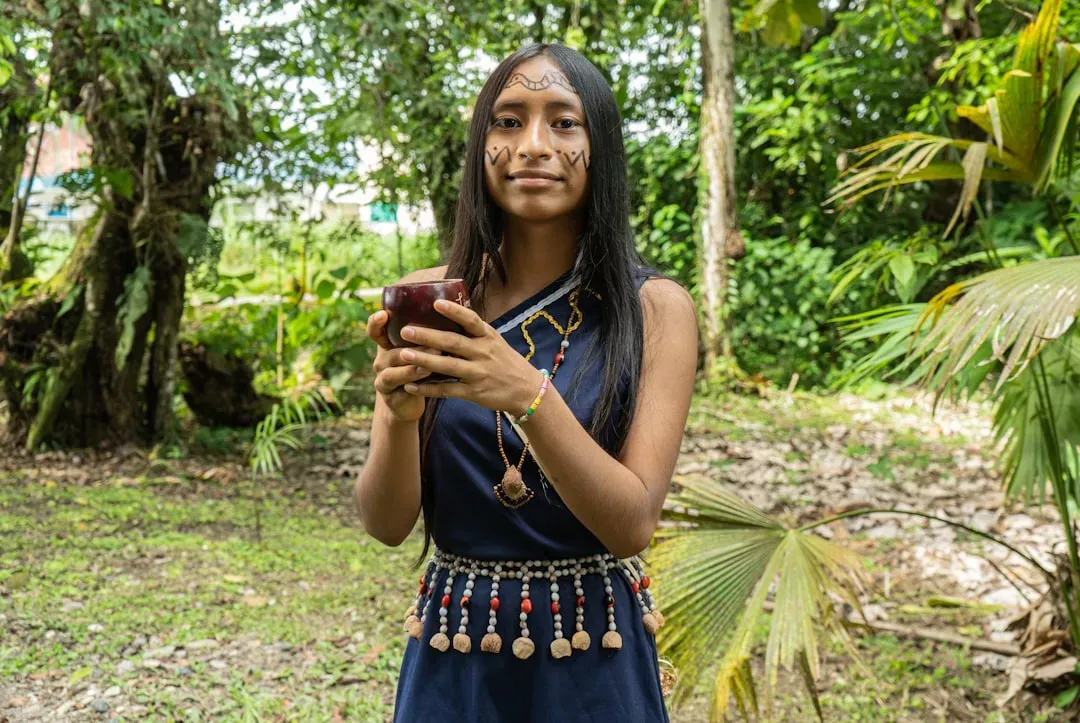
One of the most stubborn movie myths is the idea of a “primitive tribe” living exactly as humans supposedly did thousands of years ago, untouched by history, technology, or change. In these stories, a group in a forest, desert, or island lives in some kind of time bubble, as if the rest of the world evolved while they stayed stuck in the distant past. This creates a false ladder of progress, with Western societies at the “top” and everyone else unfairly placed on lower rungs. Real anthropology is crystal clear on this: there are no living fossils of humanity, and every community today is fully modern and shaped by the same global history.
In reality, even the most remote groups have long histories of trade, exchange, conflict, cooperation, and adaptation with neighbors and outsiders. People in Amazonian villages use smartphones, Indigenous herders track weather reports, and small-scale farmers follow global commodity prices; they are not frozen in time, they are navigating the same spinning world from different positions. The “primitive tribe” narrative is not just inaccurate; it is dangerous, because it quietly suggests that some people are less developed or less evolved. That idea has been used to justify land grabs, forced assimilation, and brutal colonial policies for generations, and movies that repeat it – no matter how pretty the scenery – help keep those old hierarchies alive.
The “Noble Savage” and the Fantasy of Pure Innocence
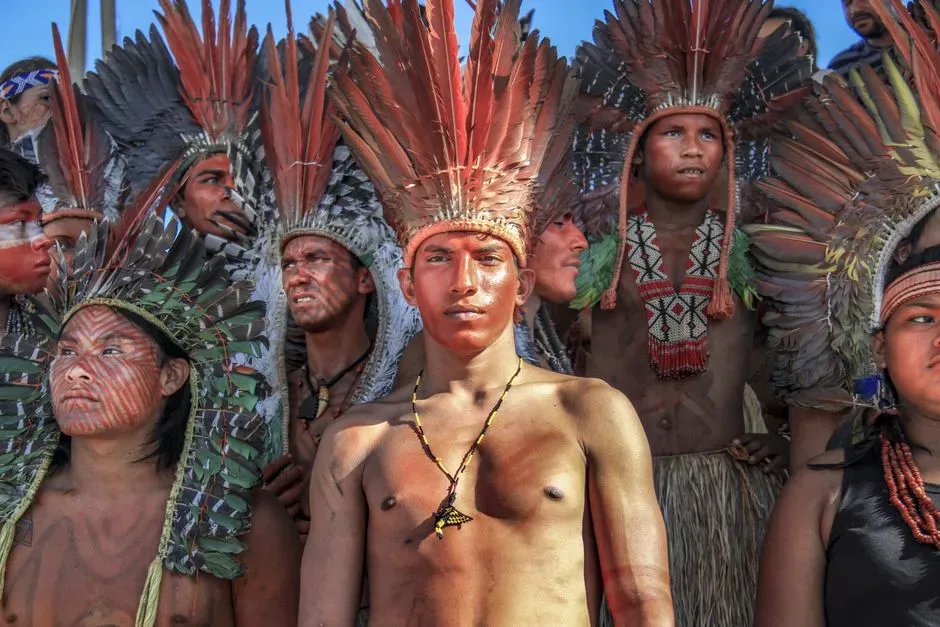
On the flip side, when films try to be respectful, they often stumble into another trap: the “noble savage.” In this myth, Indigenous or small-scale societies are portrayed as perfectly wise, peaceful, spiritual, and in total harmony with nature, as if they are morally pure in a way “modern” people can never be. It sounds flattering on the surface, but it still reduces real people to a flat stereotype. Actual communities are full of disagreements, jokes, creativity, rivalries, love stories, and yes, conflicts; they are not moral symbols invented to teach outsiders a lesson about how to live better.
This romantic lens creates huge problems. It sets an impossible standard: if people do not match the peaceful, eco-perfect fantasy, they are seen as failures or “corrupted.” It also erases the fact that many Indigenous groups actively negotiate technology, politics, and markets on their own terms, rather than living as static guardians of some pristine wilderness. Anthropologists who work with communities repeatedly emphasize that respect means taking people seriously as complex human beings, not as props representing innocence or wisdom. When movies cling to the noble savage myth, they feel progressive but still deny people the right to be complicated, flawed, and fully real.
The Caveman Myth: Early Humans as Grunting Brutes
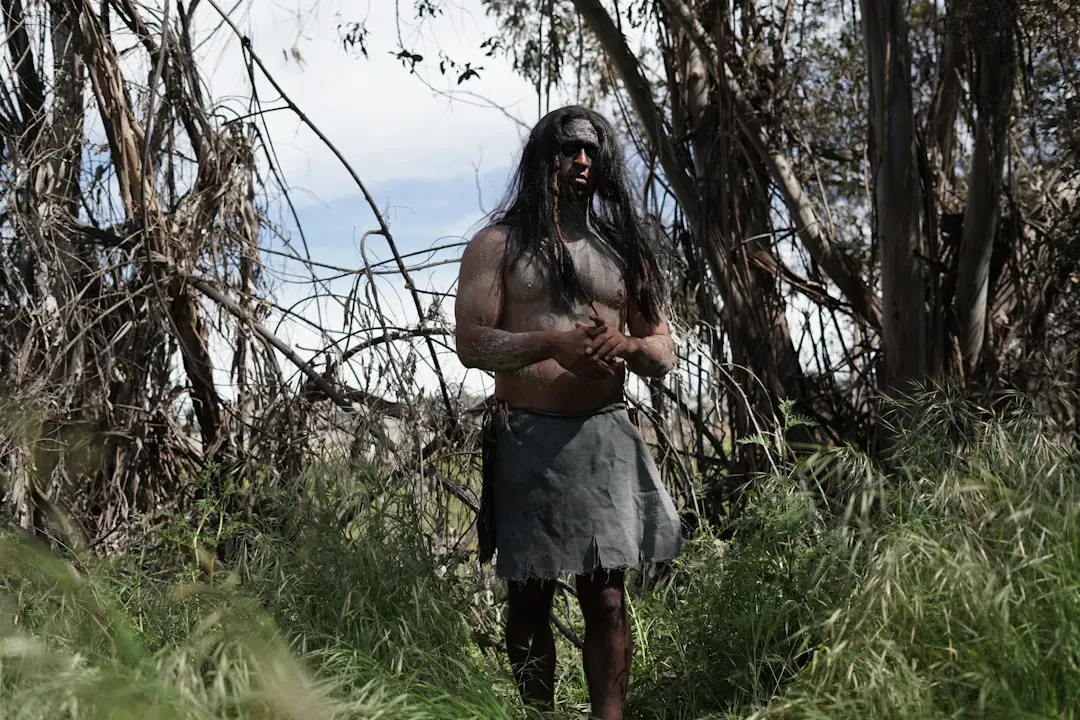
If you only learned prehistory from movies, you would think early humans spent their days bonking each other with clubs, dragging mates by the hair, and discovering fire by accident in a lightning storm. The “caveman” stereotype paints our ancestors as half-animals stumbling toward civilization, with creativity and intelligence arriving only when cities and writing show up. Modern research paints a very different picture: early humans were skilled toolmakers, navigators, artists, and problem-solvers, surviving in harsh environments that would crush most people today.
Archaeological finds like elaborate stone tools, pigments, jewelry, and rock art show that symbolic thinking and social complexity emerged far earlier than movies usually admit. Evidence of long-distance trade and shared styles suggests that groups communicated and exchanged goods across surprisingly large regions. Instead of isolated, dim-witted bands, we are looking at networks of communities experimenting, cooperating, and innovating over tens of thousands of years. The caveman myth is popular because it flatters modern audiences; it lets us believe we are vastly superior to our ancestors. The truth is less comforting and more inspiring: the people who came before us were not crude prototypes, they were already incredibly resourceful humans facing down ice ages with imagination and grit.
The Single “Lost Civilization” Behind Every Mystery
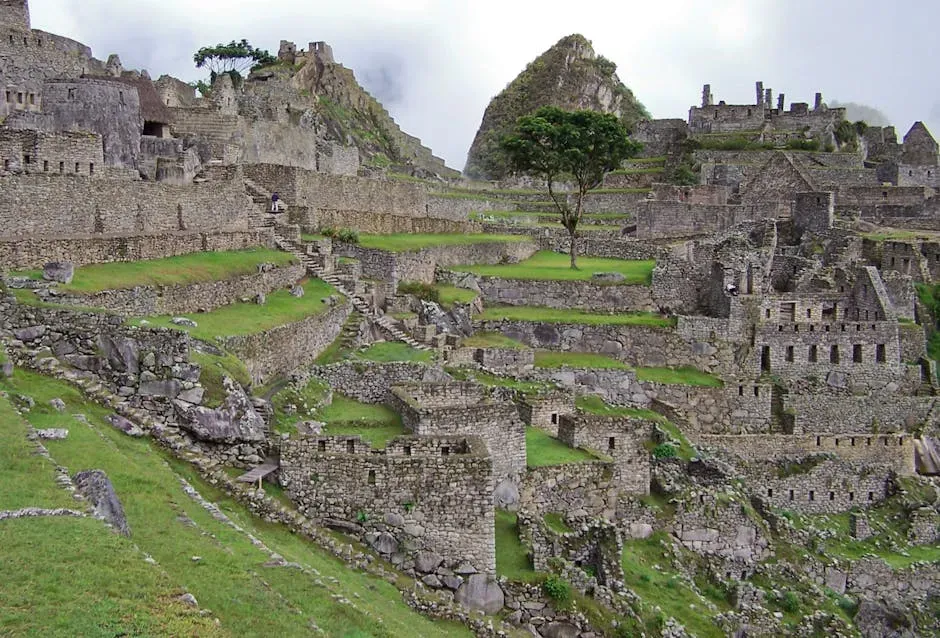
Another familiar storyline is the great lost civilization that secretly did everything: built the pyramids, mapped the stars, carved every mysterious monument, and maybe even seeded all human knowledge before vanishing without a trace. Whether it is Atlantis, some advanced desert city, or a hidden mountain kingdom, the pattern is always the same: complex achievements are credited to one mysterious source, not to the long, patient work of many different cultures over time. This makes for dramatic movies but terrible anthropology. Human history is messy, local, and diverse, not a puzzle solved by a single magic key.
What is particularly harmful about this myth is how it often sidelines the people who actually built these structures and systems. When films imply that ancient Egyptians, Maya, or other civilizations needed help from a super-advanced lost culture (or even aliens), they subtly suggest those societies were incapable of their own achievements. Archaeology, by contrast, shows step-by-step developments: trial and error, regional variations, and creative leaps rooted in specific environments and social needs. It is frankly more astonishing that humans in many regions independently developed writing, astronomy, architecture, and complex farming without any secret mastermind in the background. The lost civilization story is gripping, but it underestimates ordinary people doing extraordinary work over generations.
The Myth of Pure, Isolated Cultures Untouched by Contact

Movies love the reveal of a “hidden culture” unknown to the rest of the world, sealed off for centuries behind mountains, forests, or seas. This fantasy suggests that somewhere out there are perfectly pure traditions, untouched languages, and customs that have never changed. In reality, human groups have traded, migrated, intermarried, fought, allied, and borrowed from one another for as long as we can trace. Even islands and remote valleys usually have a history of contact, whether sporadic or continuous. Cultures are more like constantly evolving playlists than locked museum cases; people remix what they find useful and meaningful.
The myth of purity can sound respectful, but it leads to strange expectations. Outsiders may demand that communities stay “authentic” and reject new technologies or practices, as if adopting cell phones, new music, or different crops somehow ruins their identity. Anthropologists have seen again and again that people can incorporate outside influences while still maintaining a strong sense of who they are. A ceremony might include both ancestral songs and modern instruments; a traditional healer might use both plants and hospital medicine. Real cultures are hybrids by nature, and pretending otherwise turns living societies into static exhibits for outsiders’ emotional comfort.
The Heroic Outsider Who Understands “The Natives” Better Than They Do

A classic movie pattern goes like this: an outsider stumbles into an unfamiliar community, gradually earns trust, and then becomes the one person who truly understands or leads them. Often, this outsider interprets their rituals, explains their beliefs, negotiates on their behalf, or even saves them from themselves. It makes for a satisfying hero’s journey, but it quietly centers the story around the newcomer and sidelines the knowledge and agency of the people who actually live there. In real anthropological work, the goal is the opposite: to listen, observe, and collaborate, not to take over or speak for others.
This myth can bleed into real life, where journalists, aid workers, or even researchers are treated as experts after very short visits, while local voices are ignored or treated as background color. It also feeds the fantasy that one clever outsider can quickly decode a culture that has taken generations to develop from the inside. Actual understanding comes slowly, with mistakes, corrections, and long-term relationships, and even then it is always partial. The most responsible approach is not heroic rescue but mutual learning, where people define their own priorities and futures. Movies keep handing the microphone to the outsider; anthropology keeps insisting it belongs first to the people whose lives are actually on the line.
Conclusion: Why These Myths Matter More Than We Think
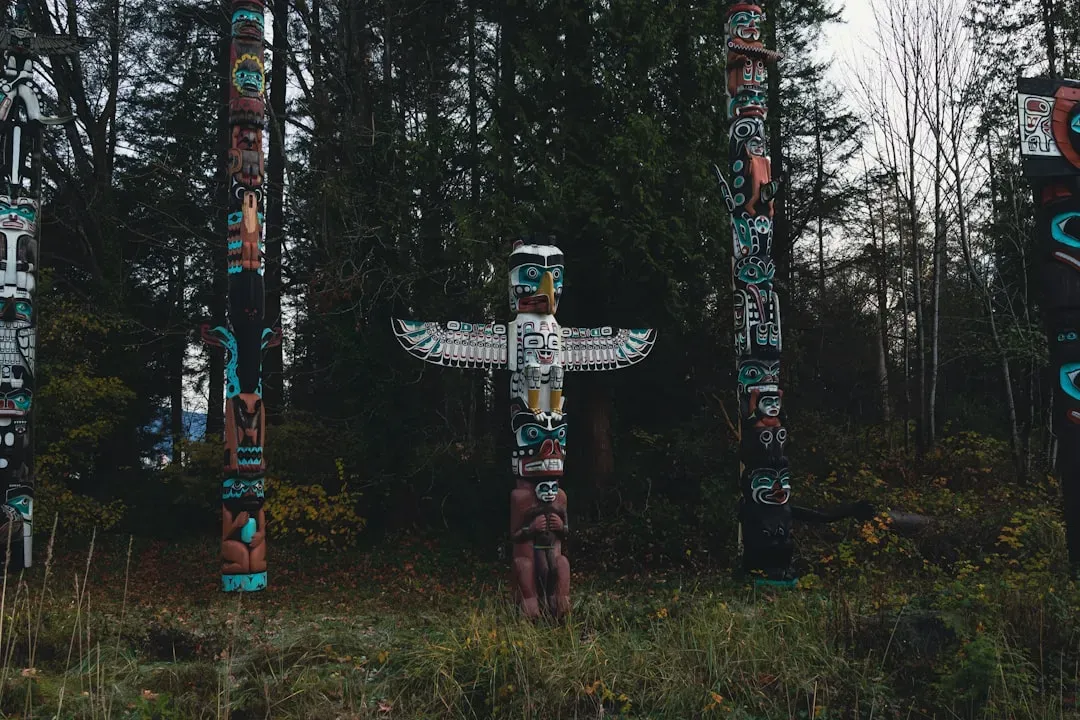
These movie myths are not just harmless storytelling habits; they quietly shape how we imagine other people, past and present. When we absorb stereotypes about “primitive tribes,” noble savages, lost civilizations, and heroic outsiders, we learn to see some humans as less capable, less complex, or less real than ourselves. That way of seeing makes it easier to excuse inequality, ignore Indigenous rights, or gloss over the hard histories of colonialism and exploitation. In my view, the biggest problem is not that films get the details wrong, but that they keep repeating the same lopsided story about who drives history and who merely decorates it.
The good news is that once you start noticing these patterns, you cannot unsee them – and that awareness is a kind of power. You can still enjoy the spectacle while asking sharper questions: Who is missing from this story? Whose knowledge is being sidelined? Which people are flattened into symbols instead of being treated as full characters? Anthropology at its best does not kill the magic of human stories; it reveals just how inventive, unpredictable, and interconnected we really are. The next time you watch a sweeping adventure about “ancient peoples,” will you accept the myth, or will you look for the real humans hiding underneath the script?