
If you’ve ever stepped off a quiet hiking trail straight into a downtown rush hour and felt like your brain got hit by a truck, you’re not imagining it. Your nervous system really was built for something far slower, simpler, and more predictable than a modern city. For most of human history, our eyes scanned horizons, not subway maps; our ears tracked birds and wind, not sirens and notification pings. Today, a single city block can demand more tiny decisions from your brain than an entire day on the savanna would have.
This mismatch between what our nervous system evolved to handle and what urban life throws at it every second is at the heart of why cities feel draining to so many people. It is not that cities are bad or that nature is magic. It is that our built environments often ignore the biological limits of attention, perception, and stress recovery. Once you see cities through that ecological and neurological lens, a lot of modern fatigue suddenly makes sense – and it also points toward practical ways to feel less fried.
The Human Brain Evolved for Low‑Complexity, High‑Meaning Landscapes
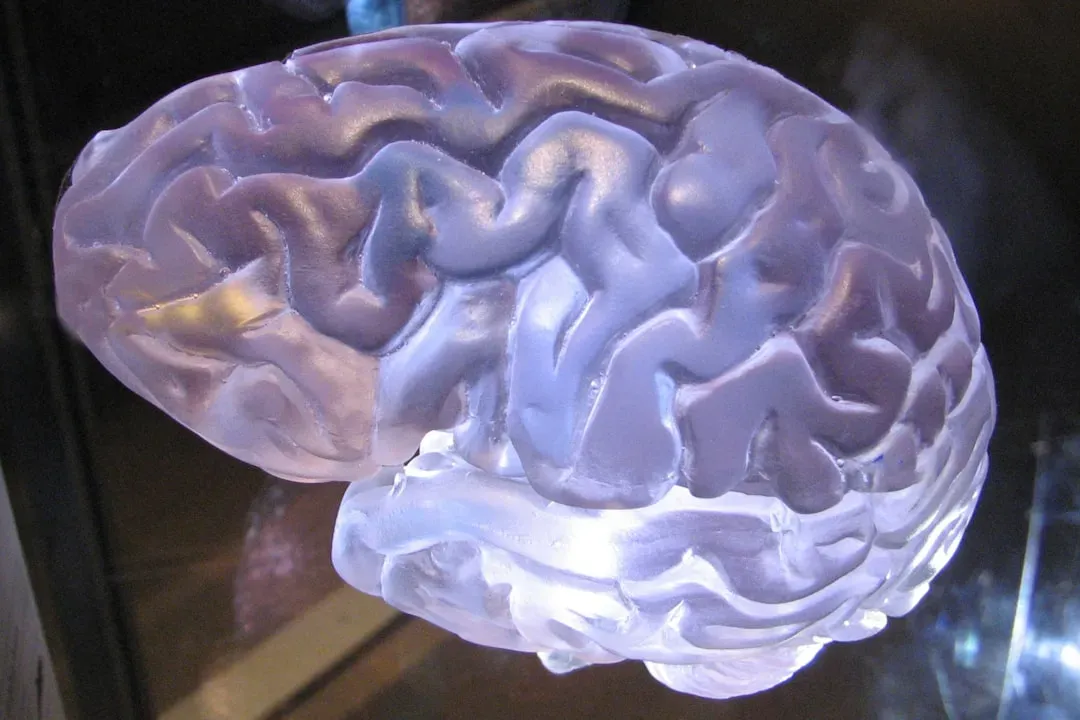
Imagine the environment your distant ancestors navigated: open fields, scattered trees, a river, maybe a small path worn into the ground. The number of things changing each second was relatively small, but the significance of those changes was huge. A rustle in the grass could mean food or danger. A faint trail could be the difference between getting lost and getting home. The brain evolved to notice a few key signals in a mostly stable background, not to sift through a storm of visual and social noise.
Ecologists and evolutionary psychologists often describe this as a low information-load but high meaning-load environment. You did not need to track a hundred unrelated details at once; you needed to identify the few that mattered for survival and relationships. The nervous system became very good at scanning horizons, recognizing patterns in skies, plants, and animal movements, and moving through spaces where choices were limited but consequential. Now compare that with hitting an urban intersection where your brain has to handle traffic lights, crosswalk countdowns, billboards, shop fronts, crowds, sounds, and your phone buzzing in your pocket, all in about ten seconds.
Decision Fatigue: Cities as Constant Micro‑Choice Machines

In a city, you make far more micro-decisions per minute than you consciously realize. Do you step left around that person or right? Do you answer this notification or ignore it? Do you scan the menu or just order what you had last time? Even crossing the street can feel like a tiny strategy game: watch the light, judge the speed of cars, read other pedestrians’ body language, check the bike lane, track the turning truck. Each of these is a small mental cost, and the costs quietly add up.
Cognitive science has a name for this: decision fatigue. The more choices we have to make, the more our mental energy drains, especially when the stakes feel uncertain or ambiguous. Ancestral environments rarely forced hundreds of micro-decisions in quick succession; most choices were embedded in routines, seasons, and well-known routes. Cities, by contrast, bombard us with branching paths and constant options – what to buy, where to go, which route to take, who to pay attention to – so our brains end up running a marathon of tiny yes/no questions all day long. No wonder people feel mysteriously wiped out after “just walking around” downtown.
Sensory Overload: Too Many Signals, Not Enough Filters

Our sensory systems are powerful, but they are not infinite. The brain evolved to filter out stable background noise – like wind or distant waves – so it could focus on novel, important changes. Urban environments, however, are packed with novelty everywhere: flashing signs, car horns, overlapping conversations, sirens, music leaking from shops, the rumble of trains, shifting light from screens and headlights. In a forest, a sudden loud sound probably means something worth noticing; in a city, it might just be another truck.
When almost everything looks or sounds like an alert, the nervous system can get stuck in a semi-alarmed state, constantly braced for what might matter next. People differ widely in their tolerance for this; some thrive on the buzz, while others feel physically tense and mentally scattered. If you are more sensitive to sound, light, or motion, a busy street can feel like trying to read a book during a fireworks display. That doesn’t mean you’re weak or overly dramatic – it means your filters and thresholds were tuned for a quieter ecological context than the one you’re standing in.
Attention as a Limited Resource: Why Urban Life Feels Like Tab Overload

Modern neuroscience treats attention like a limited resource, almost like a battery that gets drained across the day. Cities are attention magnets: every advertisement, notification, and bright storefront is designed to pull your gaze and thoughts. When I first moved to a large city, I noticed that after a day of errands, I had the same mental fog I usually got from back-to-back online meetings. It felt like having twenty browser tabs open in my head, each playing a different video at low volume.
In nature, by contrast, attention often settles into what researchers sometimes call soft fascination. Watching leaves move, waves roll, or clouds shift gently holds your focus without aggressively grabbing it, allowing deeper mental processes to rest and reset. Urban environments tend to push the opposite state: sharp, constantly shifting attention that never gets a break. Even when you think you are relaxing by scrolling your phone in a café, you might simply be swapping one attention-hungry environment (the street) for another (your feed).
Stress Systems Misfiring: When the City Feels Like a Permanent “Near Threat”
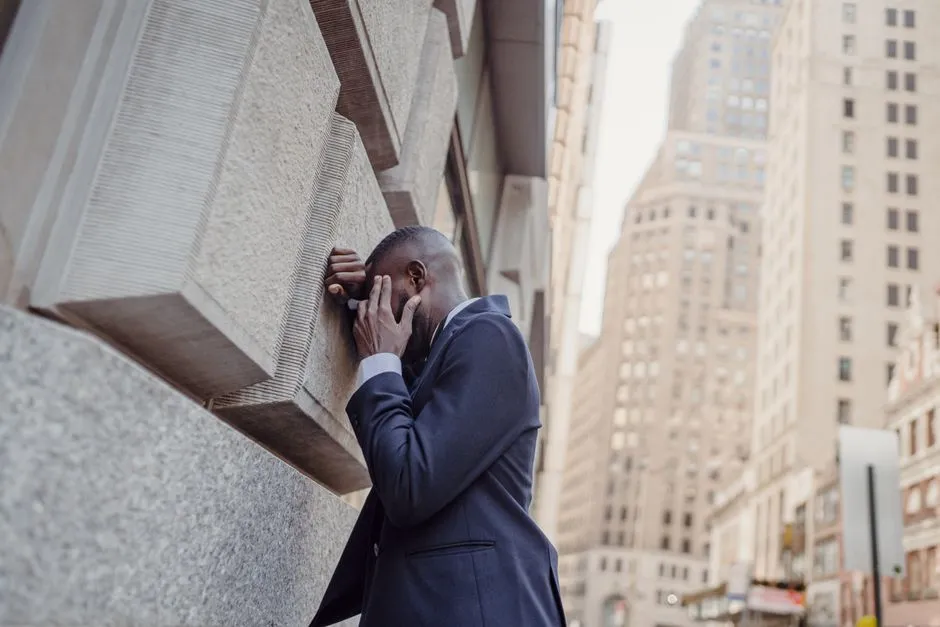
The human stress response is an amazing survival tool when danger is occasional. Your heart rate climbs, your senses sharpen, and energy floods your muscles so you can fight or flee. In a city, though, the body often encounters a dozen “almost threats” every hour: a bike whooshing past a bit too close, a car braking loudly, a stranger shouting, a door slamming, a notification from work at night. None of these are true emergencies, but your nervous system still reacts as if they might be.
Over time, this pattern of constant low-level activation can leave people feeling wired but tired – too keyed up to fully relax, but too drained to feel motivated. Ancestral settings had stress, of course – predators, storms, conflicts – but these events were typically separated by longer stretches of relative calm. City life often inverts that ratio: frequent small jolts, rare genuine downtime. If your nervous system was calibrated for short, sharp spikes followed by wide open quiet, it makes sense that a steady drip of “almost danger” would wear you down.
Social Density and the Invisible Work of Reading People
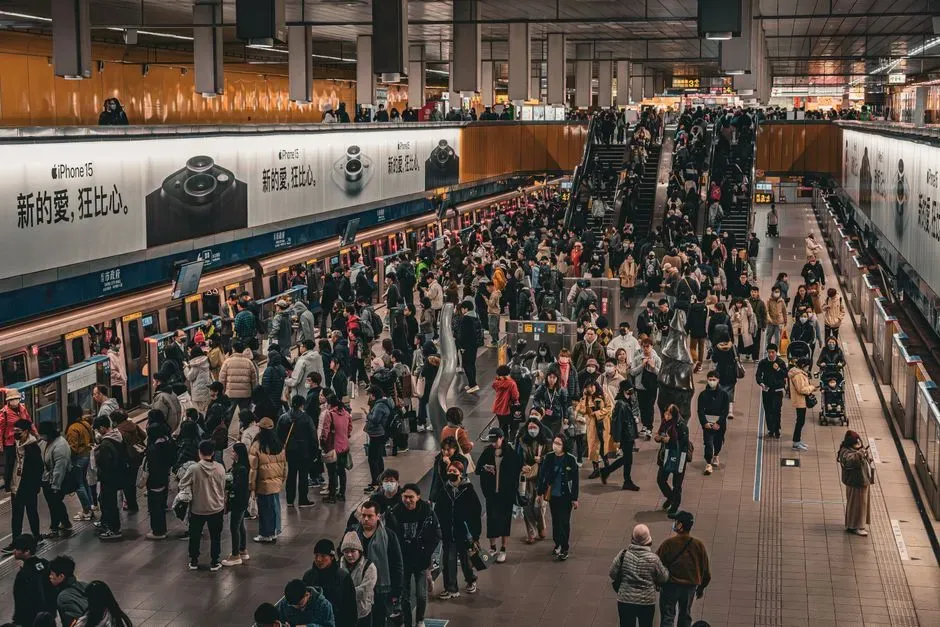
One of the biggest differences between urban and ancestral environments is social density. For most of human history, people mainly interacted with a small, stable group whose faces, histories, and intentions were familiar. Today, a single subway ride can expose you to more strangers than your great-great-grandparents might have seen in a month. Even if you never speak to them, your brain is silently reading posture, expression, tone, and movement, scanning for safety and norms.
This constant low-level social monitoring is invisible but exhausting. You are checking: Is that group arguing or just loud? Is that person following me or just walking the same way? Is it safe to make eye contact here? You do not consciously list these questions; your nervous system runs them in the background. Some people love the feeling of being surrounded by others, but for many, the density of strangers keeps their social radar on high alert. Again, if your system was calibrated for a small village and you regularly find yourself in a crowd the size of that entire village packed into one train car, feeling drained makes a lot of sense.
Why Some People Thrive in Cities (and Others Don’t)
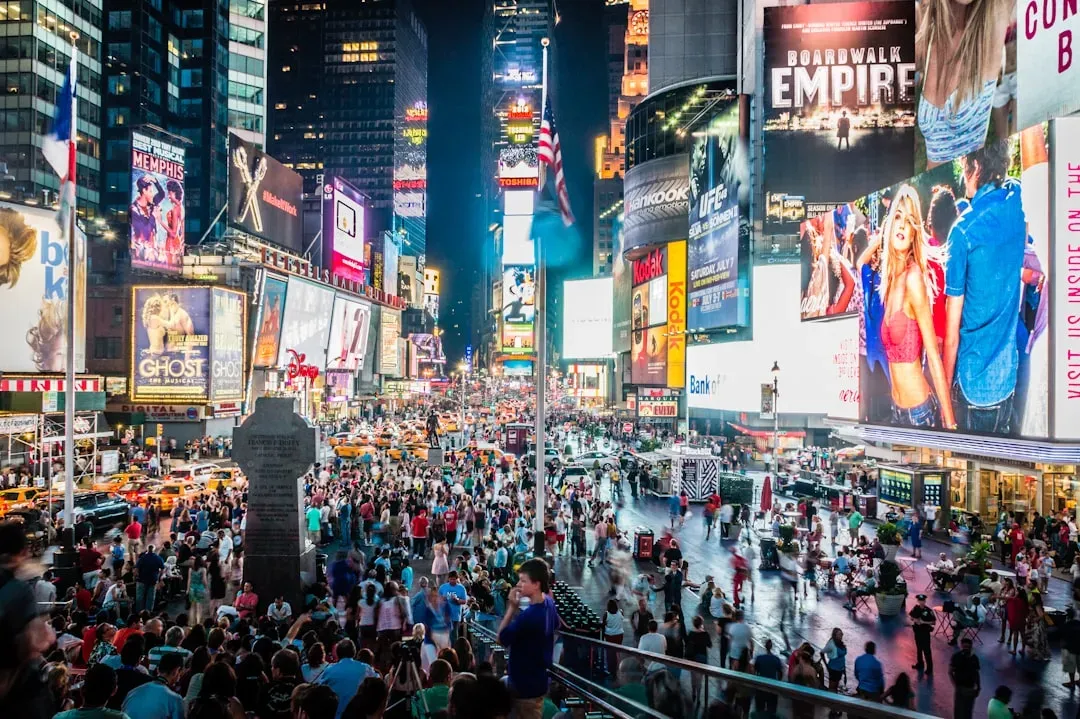
It is tempting to think cities are universally exhausting, but that is not true. Some people come alive in dense, fast environments; they describe the city as energizing, inspiring, even soothing in its own chaotic rhythm. They may have higher sensory thresholds, different temperamental traits, or simply a learned skill set that lets them filter noise and novelty more efficiently. For them, the variety of faces, smells, and sounds is stimulating rather than overwhelming, like being at a constant festival.
Others, however, find that the same environment pushes them into near-burnout within a few hours. They might be more introverted, more sensitive to light or noise, or living with neurodivergent traits that make decision overload and unpredictability particularly hard. The key point is that neither reaction is a moral failing. Cities are not neutral spaces; they are landscapes built with certain nervous systems and lifestyles in mind more than others. If your brain feels constantly overclocked in an urban setting, the problem is not that you are “too sensitive,” but that the environment is asking more of your biology than it was designed to give.
Designing Urban Life to Match Our Nervous System Better
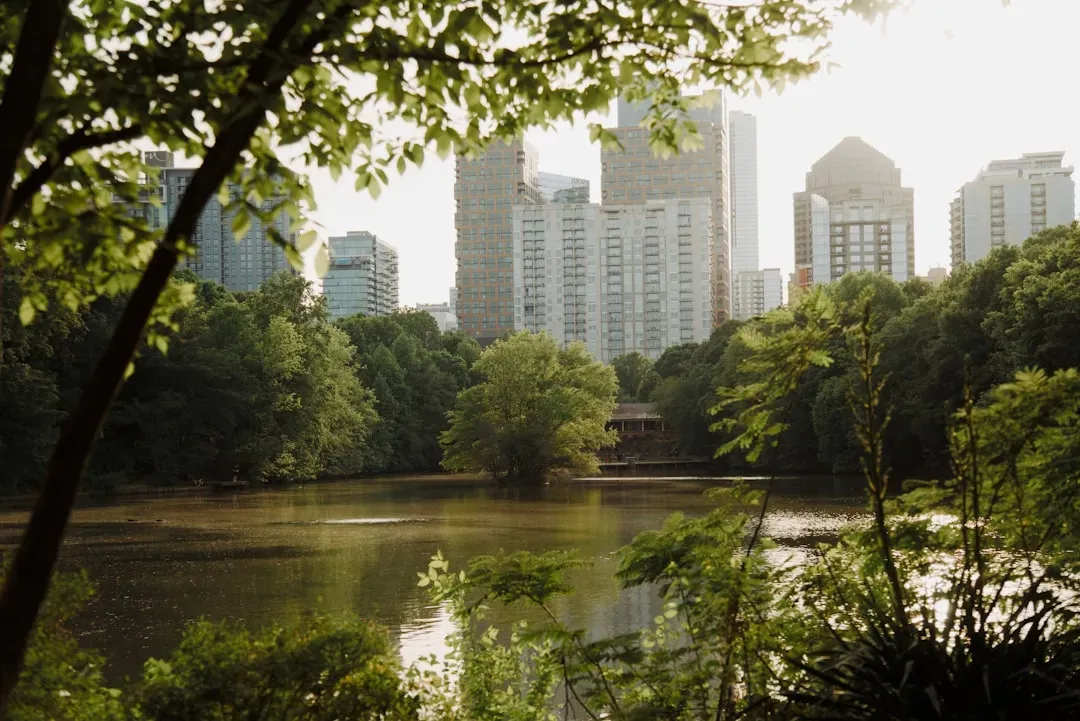
The hopeful news is that once we admit our nervous systems were not built for endless micro-decisions and sensory clutter, we can start designing cities – and personal routines – that respect those limits. Urban planners and environmental psychologists are increasingly talking about things like pockets of green space, calmer side streets, noise-reducing materials, and clearer visual cues in public spaces. A single tree-lined block or small park can function like a reset button for an overloaded brain, offering a brief return to the slower, softer informational landscape we evolved in.
On an individual level, small choices matter more than most people realize. Walking the quieter parallel street instead of the main avenue, turning off nonessential notifications, using noise-cancelling headphones, or visiting a nearby park for ten minutes between errands can all reduce the number of decisions and alarms your system has to handle. Personally, I’ve learned that if I treat the city like a sprint, I crash; but if I treat it like a hike with rest spots, I can enjoy the variety without frying my circuits. The city may not change overnight, but how you move through it can.
Conclusion: The City Is Not Broken, but Our Expectations Might Be

When we see cities through an ecological lens, the puzzle of urban exhaustion stops looking like a personal weakness and starts looking like a design problem. Our nervous systems were calibrated for landscapes with fewer decisions per minute, gentler sensory input, and more predictable social circles. Modern cities, for all their opportunity and excitement, often ignore that calibration and then quietly blame individuals when they struggle. I think that is backwards: it is the environment that is unrealistic, not the nervous system that is defective.
That does not mean we should abandon cities; it means we should stop pretending that everyone can or should thrive in the same kind of high-intensity urban setting. A more honest, humane approach would accept that biological limits are real and build environments that work with them instead of against them. If you feel wiped out after a day in the city, maybe you are not fragile at all – maybe you are just a finely tuned organism being asked to run on the wrong terrain. The real question is not whether you can toughen up, but how far we are willing to go to make our cities feel more like places a human nervous system can call home.