Think about the last time you climbed something just to look out: a rooftop bar, a hotel balcony, a lookout point on a hike, even a parking garage. You did not need to be up there. There was no practical reason you had to see the city lights or the distant hills. And yet, it felt strangely satisfying, even calming, to be above it all. That quiet rush you get from a high vantage point is not just aesthetics or Instagram culture; some scientists think it may be the echo of something far older and far more serious than a pretty view.
According to a growing body of research in evolutionary psychology and environmental preference, our love for elevated outlooks may trace back to early humans scanning the African savannas for predators, prey, and safe routes. The idea is not fully settled science, but it is compelling: we might be wired to seek higher ground because, for millions of years, the people who did that were more likely to live long enough to pass on their genes. So when you pay extra for a high-floor apartment or hike an extra mile for that summit panorama, you may be acting out a survival script written long before skyscrapers and scenic overlooks existed.
The Savanna Brain: Why Height Meant Survival
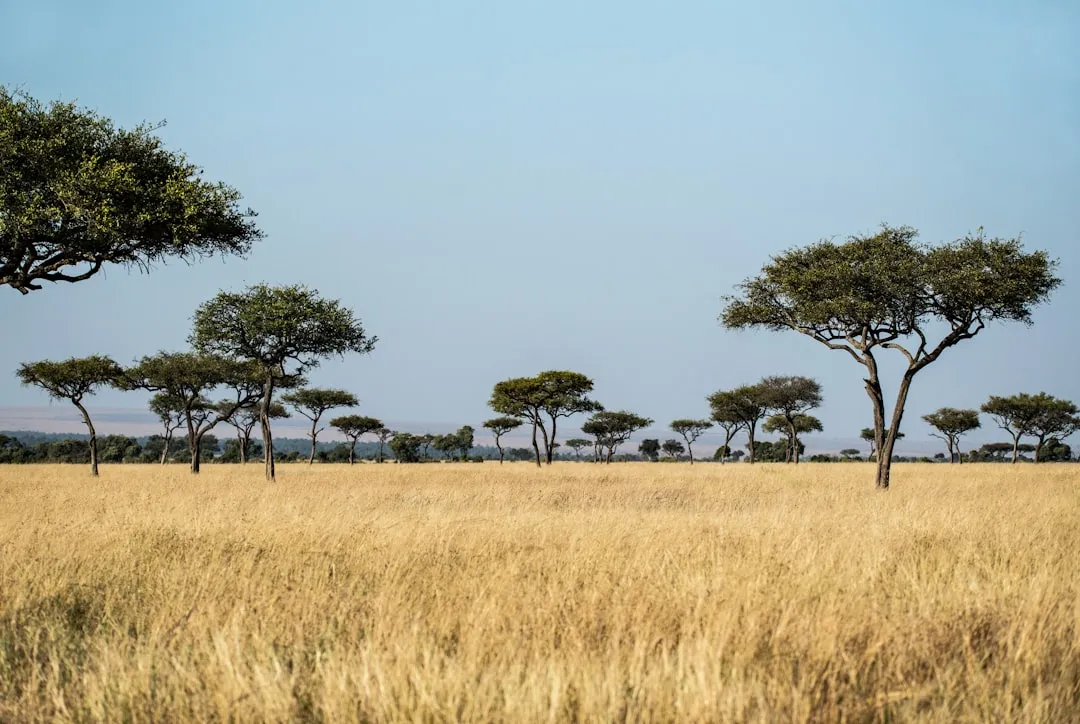
Imagine yourself not as a city dweller or office worker, but as a hominin on an open savanna a million years ago. There are no fences, no cameras, no weather apps, and no phones – just grasslands, scattered trees, and threats that can appear with terrifying speed. In that world, seeing danger even a few seconds earlier could be the difference between being lunch and making it back to camp. A termite mound, a low ridge, or a rocky outcrop that gave you a clearer line of sight was not a scenic bonus; it was a survival tool.
Over countless generations, individuals who instinctively sought vantage points would have had a tiny but consistent edge. They would have spotted lions farther away, located water sources across the plain, or tracked migrating herds more efficiently. These advantages are small in the moment, but evolution runs on small advantages repeated over huge stretches of time. The result is what some researchers call a “savanna brain” – a mind tuned to favor places where you can see without being easily seen, where information comes early and threats come late.
Prospect and Refuge: The Psychology Behind a “Perfect” View
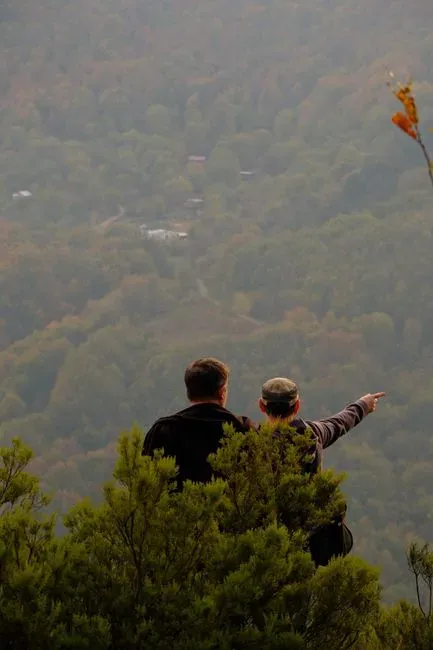
Environmental psychologists have a name for the kinds of spaces humans reliably prefer: they talk about “prospect” and “refuge.” Prospect is the ability to see far and wide – open vistas, long sightlines, sweeping horizons. Refuge is the sense that you are somewhat enclosed, sheltered, or protected while you are looking out. Think of a hilltop with a boulder behind you, a balcony with a solid railing, or a rooftop bar protected by glass: you can look out at everything, but not everything can reach you easily.
This pairing of prospect and refuge shows up again and again in what people call beautiful or relaxing environments. Parks with elevated overlooks, cafés with second-story windows, homes with bay windows looking down on a street – they all blend exposure and safety. From an evolutionary angle, this makes sense: our ancestors needed to gather information about the world without constantly risking being ambushed. A vantage point that gives you an informational advantage while reducing your vulnerability is exactly what a nervous primate on an open savanna would crave, and we appear to have carried that craving forward into skyscraper cities and mountain resorts.
From Watchtowers to Rooftop Bars: Culture Built on Instinct
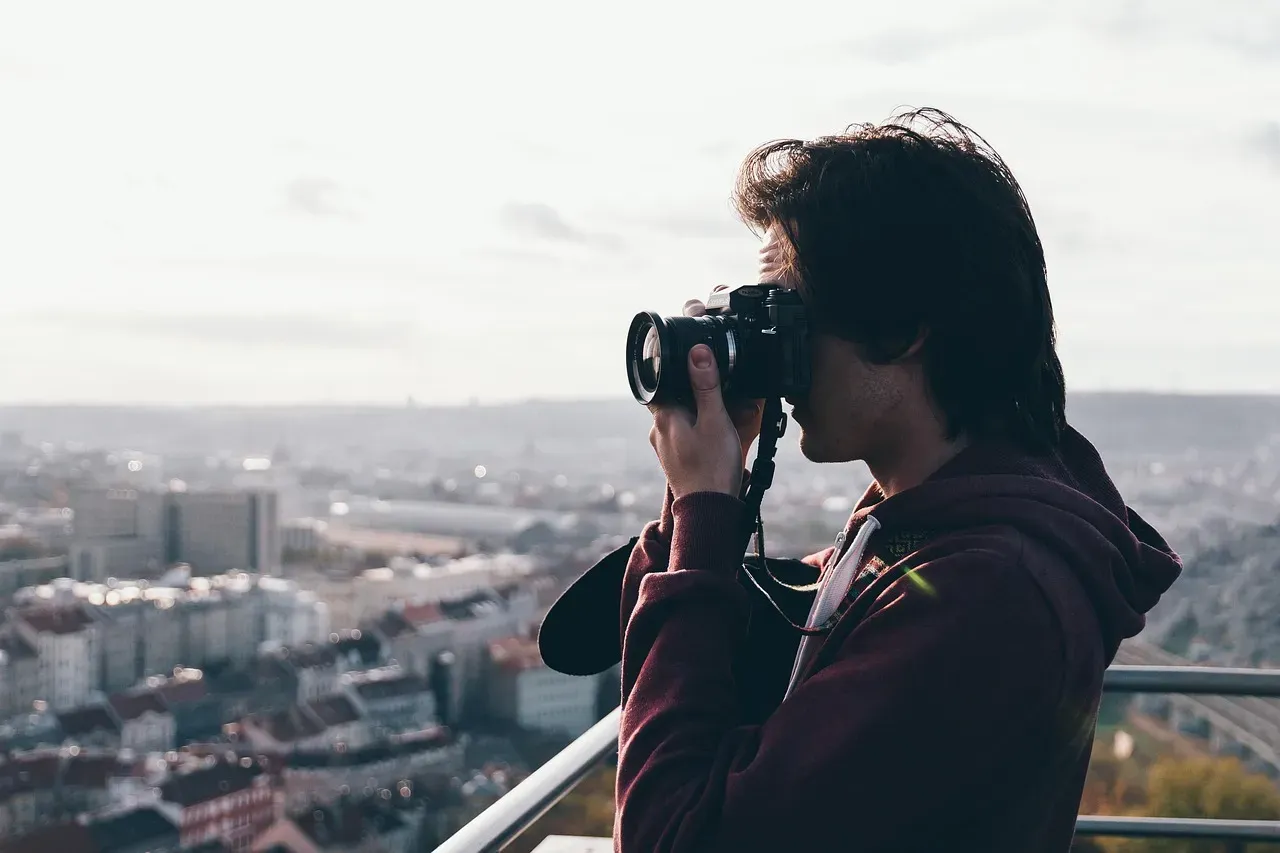
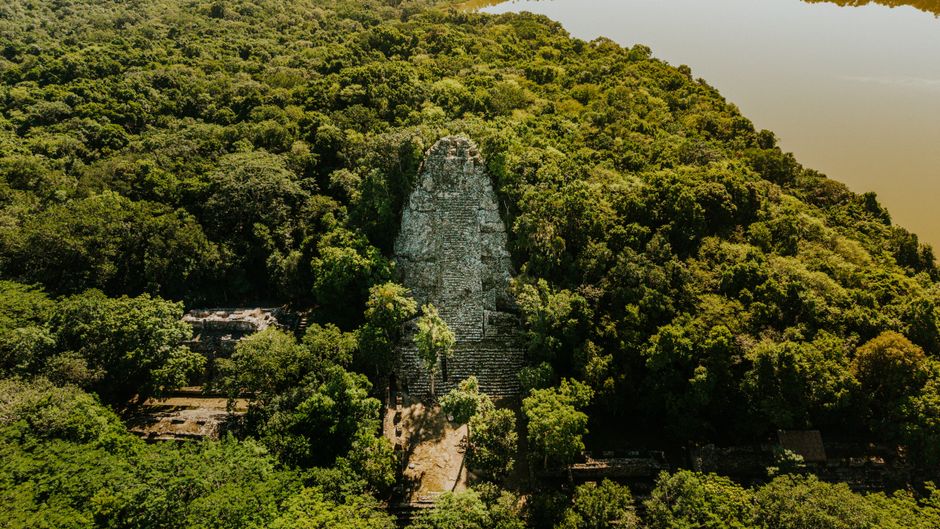
Once you start looking for it, you see this bias toward height everywhere in human culture and design. Ancient cities built on hills, fortified castles on ridges, watchtowers overlooking coastlines, church steeples, lighthouses – humans have always pushed upward when it really matters. Even when the military or spiritual justification is stripped away, the pattern persists. Modern cities compete to build taller and taller buildings, and people willingly pay more for penthouse apartments, skyline restaurants, and hotel rooms with a view.
In a way, we have domesticated an ancient survival instinct and turned it into a lifestyle feature. What used to be the urgent need to see approaching enemies is now the quiet desire to see the sunset over the bay or the glow of a city at night. Yet the emotional payoff feels strangely similar: a mix of control, clarity, and calm. It is as if our nervous systems still hum with satisfaction when they are put back into the elevated settings they were originally shaped for, even though the threats we face today are more likely to be email overload than stalking predators.
Why Heights Feel Powerful: Control, Status, and the Big Picture
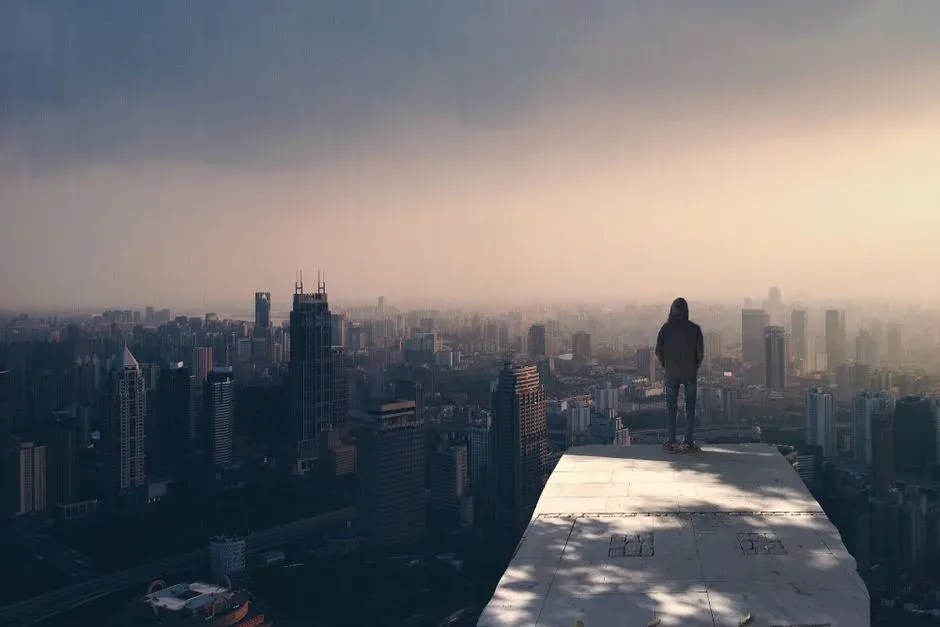
Standing above your surroundings does not just feel pretty; it feels powerful. From an evolutionary perspective, being higher up means you literally see more than others around you – and information is power. On the savanna, the one who saw the storm first or spotted the approaching herd could guide the group, choose when to move, or warn others. That mix of insight and responsibility can easily translate into a sense of elevated status, even if no one consciously thinks of it that way today.
Modern life has layered its own meanings onto that ancient association. Corner offices, rooftop parties, VIP terraces at stadiums – high places are consistently linked to privilege and influence. But the psychological core may be less about luxury and more about perspective. From above, traffic jams look like patterns, not frustrations; crowded streets turn into abstract flows; personal problems can feel a bit smaller when you literally see the world spread out beneath you. It is tempting to romanticize that feeling, but it might just be our old survival brain enjoying a moment where it finally has the full map again.
Nature’s Overlooks: Mountains, Cliffs, and the Pull of the Summit
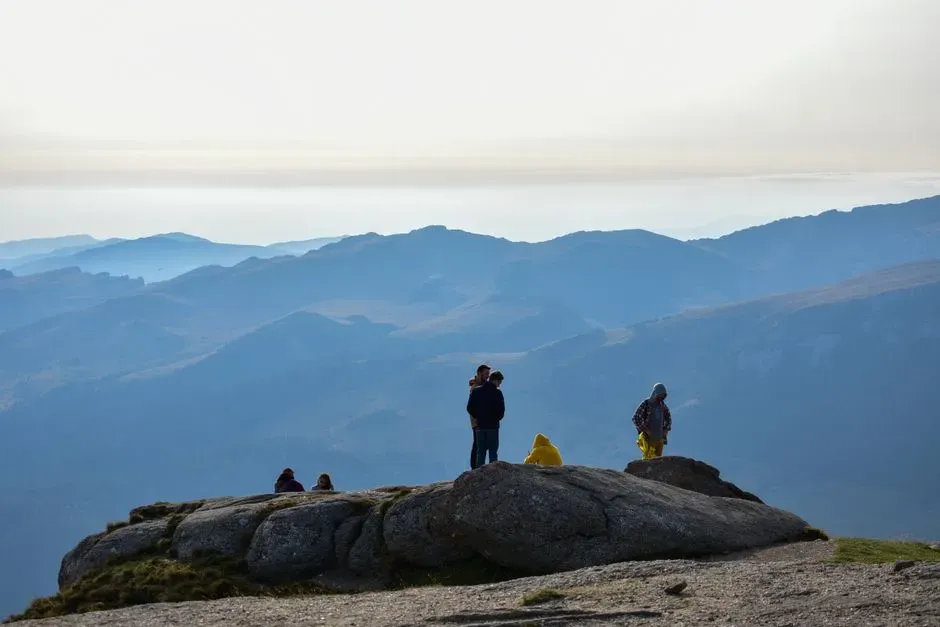
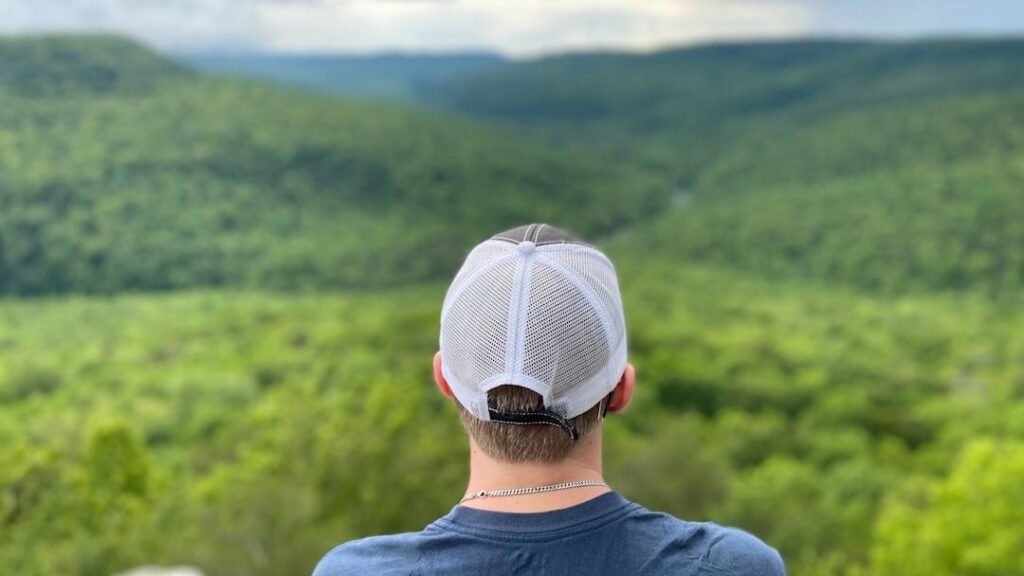
If this craving for height is wired into us, it makes sense that hiking culture and mountaintop tourism are so globally popular. People willingly put in hours of effort, sweat, and discomfort just to stand at a high point for a few minutes and say, “Look at that.” The summit selfie is modern, but the satisfaction behind it is ancient. When you reach the top of a mountain or a cliffside lookout, your body is exhausted, but your brain is flooded with the same kind of information-rich vista that would have been priceless to an ancestor scanning for herds and hazards.
Even in places where there are no giant mountains, humans create their own overlooks. Scenic pullouts along highways, viewing platforms in national parks, glass-floor observation decks jutting out from tall buildings – all of them promise essentially the same thing: the world, but from above. Personally, I find that the moment I step out onto a high viewpoint, my mind quiets a little. The noise of daily life drops away, and everything simplifies into shapes, colors, and movement far below. That calm is not mystical; it is just the relief of a brain finally getting a clear, wide shot of the environment it feels responsible for understanding.
Urban Heights: Why We Love Balconies, Skylines, and High Floors
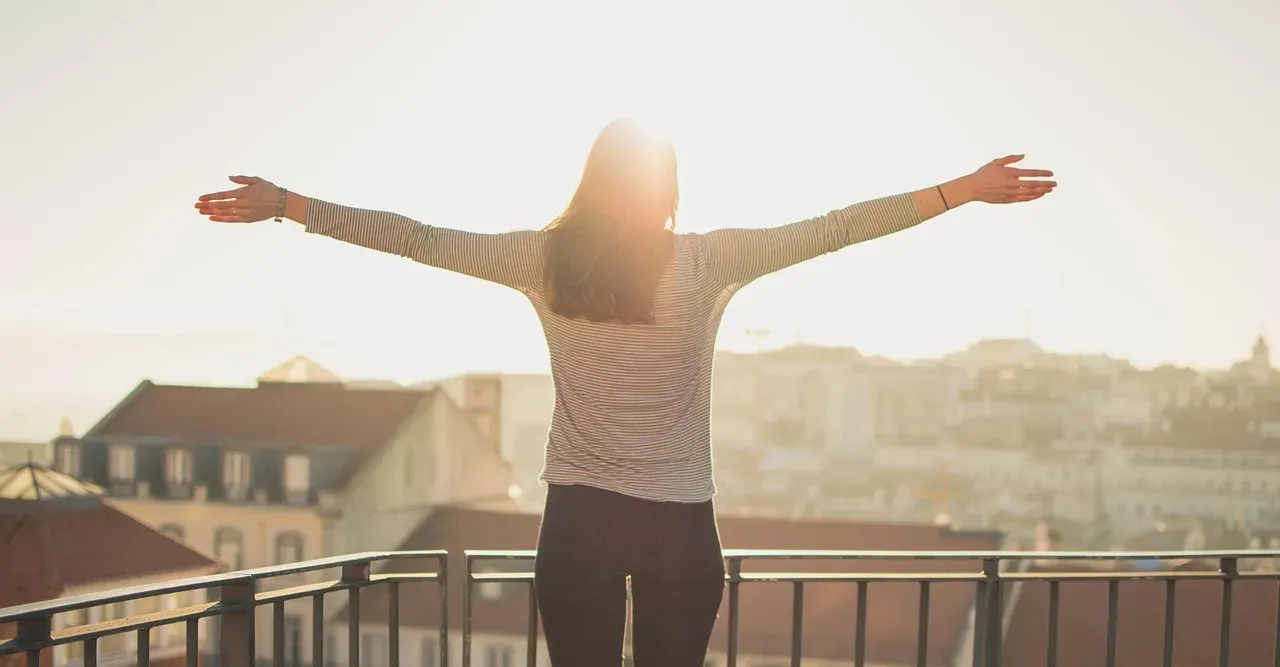
You do not have to be outdoors to feel this pull; cities are full of man-made savannas viewed from above. Real estate markets quietly reflect our deep preferences: people usually pay more for top floors and skyline views than for identical units lower down, even if the floor plans are the same. A small balcony on the twentieth floor will often beat a slightly bigger space on the second floor, because that slice of elevated perspective feels like a bigger reward than a few extra square feet on the ground.
Rooftop restaurants, sky lounges, and high-rise observation decks are marketed as special experiences, but they are really just formal invitations to indulge an old instinct. There is also an interesting contradiction here: many people claim to fear heights, yet those same people still enjoy sitting near a big window on a high floor or gazing out from a plane. The fear shows that our brains take potential falls very seriously, but the pleasure we get from safely protected heights suggests that the reward of an expansive view is worth courting that risk – at least as long as there is a solid railing or thick glass between us and the edge.
The View and the Nervous System: How Height Calms and Alerts Us
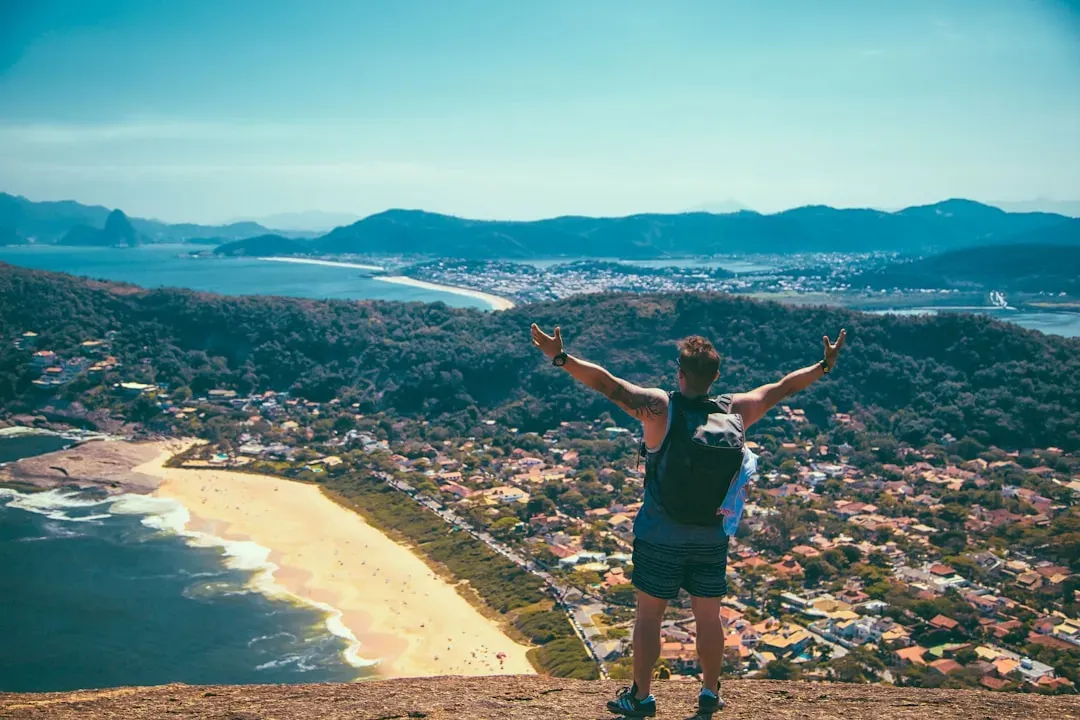
High places often create a weird combination of tension and relaxation. Your body might feel slightly on edge – heart rate up, palms a bit sweaty – while your mind feels oddly clear and spacious. One way to understand this is that your nervous system is running a primal script: being in an exposed location demands vigilance, but having a commanding view satisfies the need for information. You are alert, but not overwhelmed, because you can see what is coming from a long way off, even if what is actually coming is just a flock of birds or a cluster of headlights.
Some studies in environmental psychology suggest that views of nature, water, and open spaces can ease mental fatigue and stress. Elevated views tend to amplify this effect, because they compress what would be a long walk into a single visual moment. From one vantage point you get trees, sky, water, maybe a horizon. It is like giving your brain a rich data download of “the state of the world” in a few seconds. No wonder people step onto a hotel balcony after a long travel day, take one slow look, and feel their shoulders drop. The brain recognizes, however dimly, that it finally has the lay of the land.
When the Instinct Misfires: Heights, Phobias, and Modern Risks
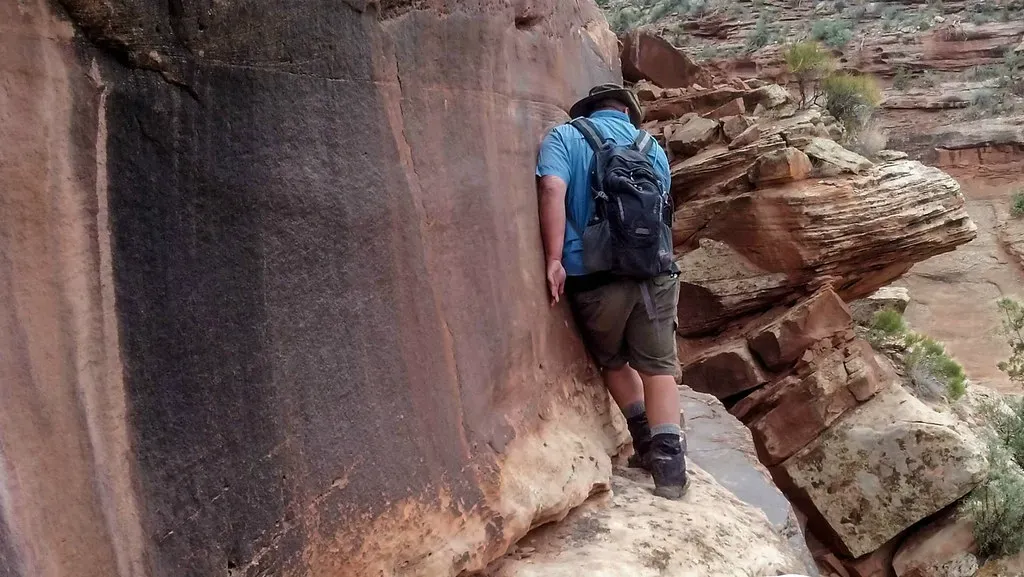
Of course, if height-seeking is an evolved instinct, it is not a perfectly tuned one, and it can misfire in modern contexts. Our ancestors rarely dealt with the kind of extreme vertical drops offered by skyscrapers, suspension bridges, or open glass balconies hundreds of meters above the ground. A fear of heights can be seen as a cautious overreaction from a nervous system that would rather freak out than risk a fatal fall. From an evolutionary standpoint, being a bit too scared is usually safer than being a bit too casual when gravity is involved.
Modern life also creates situations where the old instincts do not really map onto actual risk. Looking over a city from a structurally sound rooftop bar is vastly safer than walking on an uneven path a few feet above the ground, yet many people feel the opposite. Our brains are still reading visual cues – distance, depth, apparent exposure – that once reliably signaled danger, even though engineering has changed the reality. The irony is that the same instinct that pushes us toward vantage points for safety can, in exaggerated form, make us feel deeply unsafe in places that are objectively well protected.
Beyond Predators: How Elevated Views Shape Modern Decisions
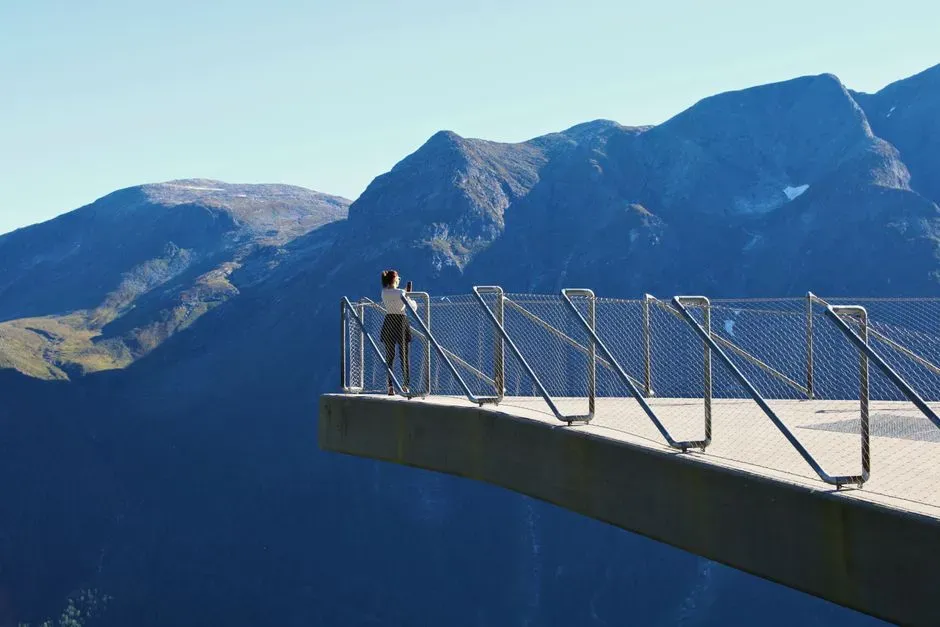
Even when we are not consciously thinking about safety, elevated views still quietly guide our decisions. Urban planners, architects, and designers often talk about sightlines: how people can see streets, paths, and public spaces from homes, offices, and elevated walkways. Neighborhoods with good natural surveillance – where many eyes can look out over shared areas – tend to feel safer, and sometimes actually are safer. This is an updated version of our savanna logic: a watchful group on higher ground is harder to surprise, whether the threat is a lion or a would-be thief.
On a more personal level, many of us instinctively seek elevation when we are thinking something through. People pace on balconies, wander up to rooftops, or head for a lookout point when deciding about relationships, careers, or major life changes. This habit can sound poetic, but it may just be practical psychology. When the world is literally spread out beneath you, your problems feel like part of a wider landscape instead of the entire universe. You get perspective in the most literal sense, and that visual zoom-out can nudge your thinking away from panic and toward long-term pattern recognition – something our ancestors needed just as much as we do.
Conclusion: The Ancient Logic Hiding in Our Love of a Good View
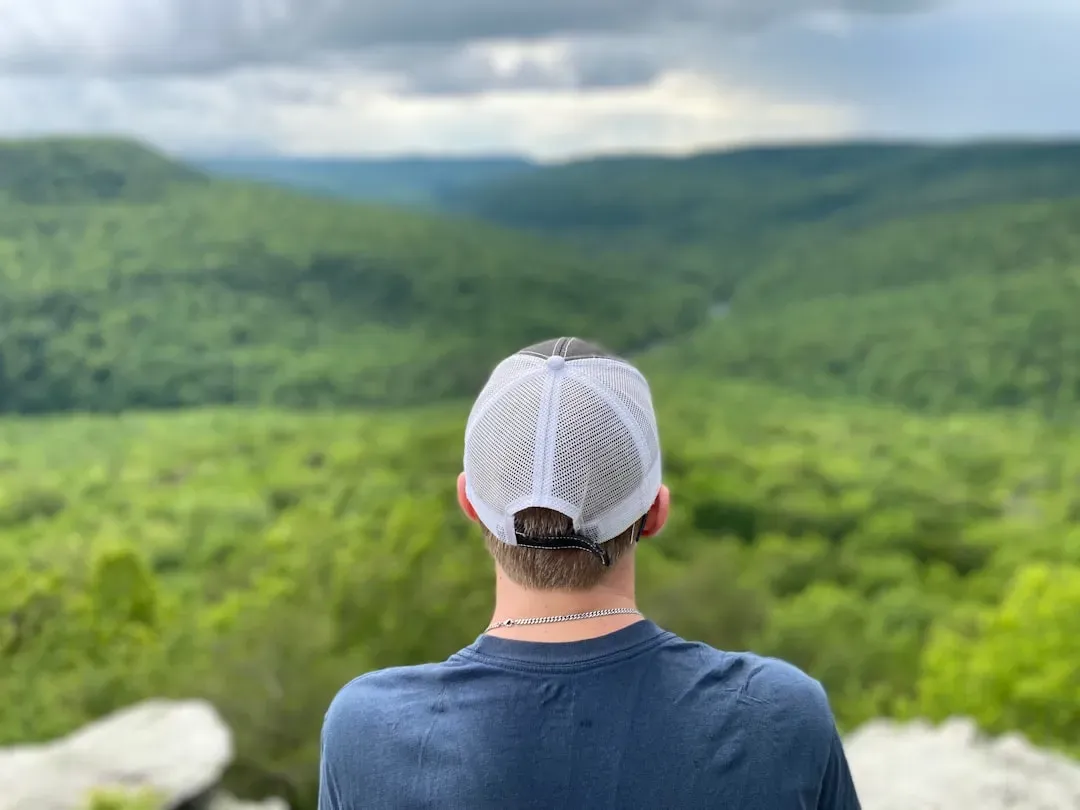
I think the most honest way to describe our craving for elevated views is this: it is an old survival program running underneath a very modern user interface. We dress it up in rooftop cocktails, scenic overlooks, and high-rise luxury, but the core feeling – that subtle relief when you can see far and wide – belongs to a nervous system that once faced teeth and claws instead of busy schedules and rent. The evidence is not flawless or final, and it is fair to be skeptical of overly neat evolutionary stories, but the patterns in our preferences are hard to ignore. We reliably seek places where we can watch without being easily watched, where we are high enough to survey but sheltered enough to relax.
To me, that makes our love of mountains, rooftops, and hilltops feel less like a random aesthetic quirk and more like quiet proof that our bodies remember where they came from, even when our conscious minds do not. The next time you feel drawn to climb a staircase just to look out over a city, or you notice yourself breathing a little easier at a scenic overlook, you might be reenacting an ancient safety check in a world that rarely demands it. And honestly, I do not think that is something to fight; it is a small, harmless way our history still speaks through us. When you lean on a railing, gaze out over the horizon, and feel a strange, unearned sense of control – are you just enjoying the view, or is some distant ancestor quietly nodding in approval?