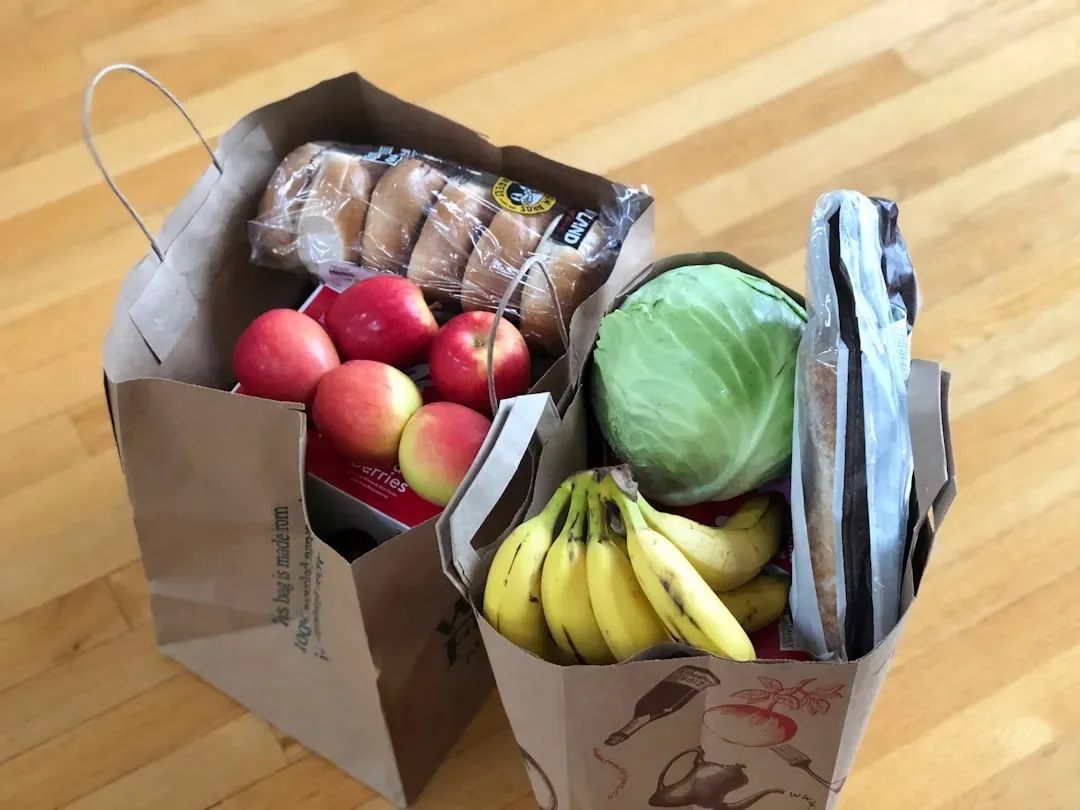
When life feels like it is spinning out of control, many people do the same oddly specific thing: they start stockpiling. Groceries, cash, canned goods, toiletries, random supplies from online orders that suddenly feel urgent. It is easy to laugh at the overflowing pantry or the drawer full of “just in case” items, but tucked behind that behavior is something deeply ancient and surprisingly rational: a survival program written into our biology long before anyone invented bank accounts or big-box stores.
Evolutionary biology suggests that this instinct to grab, keep, and over-prepare under pressure is not a personal flaw or a modern quirk, but the echo of Ice Age winters and famine seasons carved into our nervous system. The same stress chemistry that once helped our ancestors survive long, brutal shortages now gets triggered by layoffs, scary headlines, or even a broken relationship. Once you see how hormones like cortisol shape this reflex to hoard, it becomes a lot easier to understand your own behavior – and a lot easier to steer it instead of being dragged around by it.
From Mammoth Steaks to Mega Sales: How Ancient Scarcity Still Lives in Our Brains
Imagine living in a world where a single bad hunting season or a stretch of frozen ground could mean the difference between your family living or dying. For much of human evolution, that was not a dramatic exaggeration; it was daily reality. Food came in unpredictable pulses: sudden abundance after a successful hunt, long stretches of near-nothing when herds moved on or the weather turned vicious. In that world, grabbing and storing as much as possible when times were good was not greedy – it was wise.
Over many generations, behaviors that made survival more likely tended to stick around. Individuals who instinctively took advantage of short windows of plenty – by eating more when food was available, hiding extra food, or guarding valuable tools – were more likely to survive hard winters, pass on their genes, and shape the traits of future generations. Today, most of us are not watching the horizon for mammoths, but we still carry nervous systems tuned for those boom-and-bust cycles. When modern life feels uncertain, those ancient programs fire up, and suddenly the urge to “just make sure we have enough” feels overwhelming, even if we live minutes from a well-stocked store.
Cortisol: The Stress Hormone That Quietly Pushes You to Stockpile

At the heart of this instinct sits cortisol, a hormone released when the brain senses threat, uncertainty, or pressure. Cortisol is often labeled as the villain of stress, but in evolutionary terms it is a survival accelerator: it shifts your metabolism, sharpens your attention to risk, and nudges your body and mind to prepare for lean times. During real famine risk, that would mean holding onto fat, craving calorie-dense foods, and feeling unusually protective of whatever supplies you already had.
In a modern context, those same cortisol-driven shifts play out differently but follow the same logic. Under chronic stress – financial worries, looming deadlines, social instability – people often eat more comfort food, find it harder to let go of belongings, or feel a strong compulsion to check their bank balance obsessively and stash “extra” money if they can. Cortisol did not evolve with grocery reward cards or savings accounts in mind; it simply pushes you toward behaviors that, historically, made it more likely you would be alive when things improved. Hoarding is one of those behaviors wearing new clothes.
Ice Age Winters and Famine Cycles: Why Our Ancestors Could Not Afford Minimalism

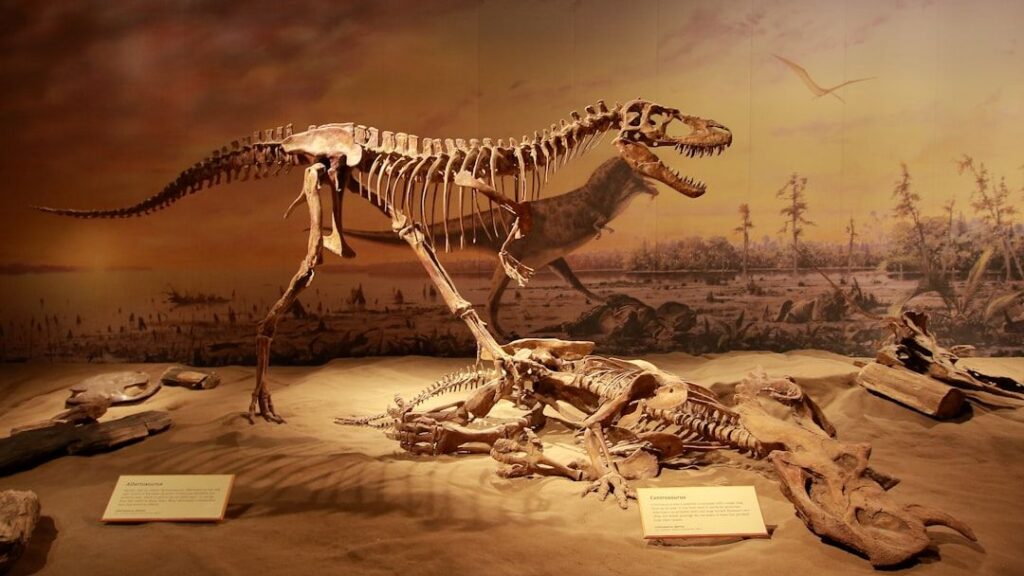
During the Ice Age, huge swings in climate, long winters, and unpredictable game patterns meant that famine was not some rare, once-in-a-century event – it was a recurring threat woven into life. Archaeological and paleoecological evidence points toward repeated cycles of scarcity and abundance, with humans relying heavily on stored food, preserved meat, and stashes of crucial tools to make it through the worst months. In that environment, an instinct to accumulate when possible was not neurotic; it was a life-or-death adaptation.
If your ancestors erred on the side of “we probably have enough” and failed to store food, their lineage likely ended in the snow. The lineages that made it to you were disproportionately those that favored caution, preparation, and sometimes downright over-collection. That means our brains today are descended from the ones that defaulted to over-preparing for disaster. So when modern stressors – like threats to status, income, or safety – light up the same fear circuits, the ancient famine logic kicks in automatically, even if your “famine” is a bad news cycle instead of a frozen landscape.
Why We Hoard More Than Food: Money, Gadgets, and the Modern Shape of Security
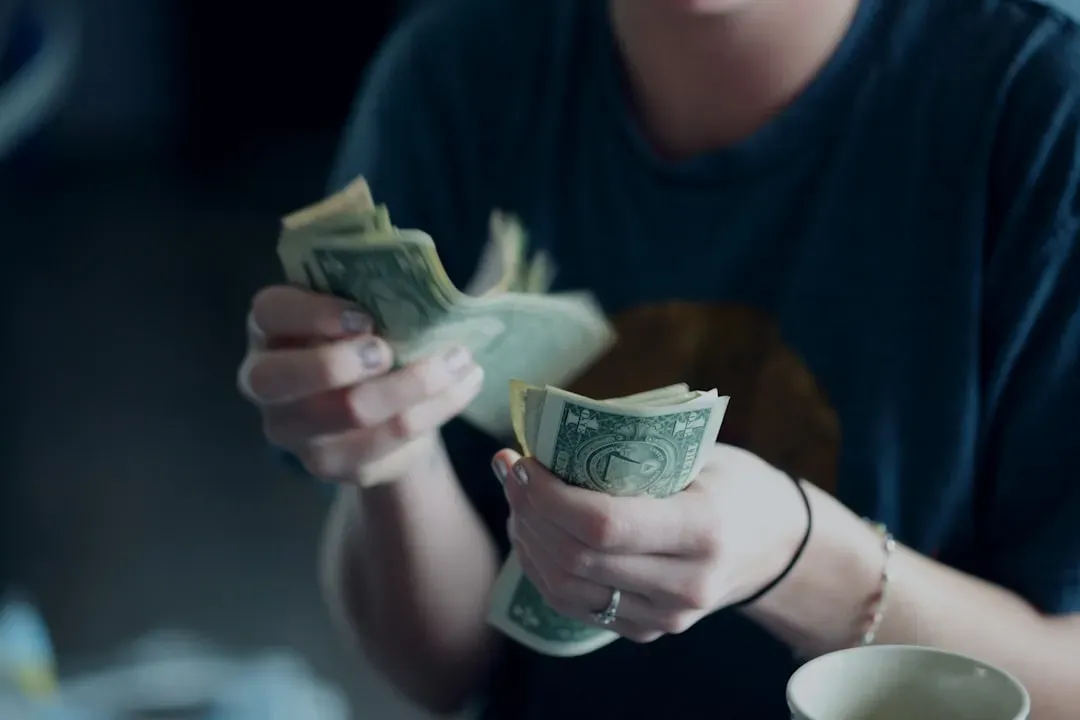
Our brains did not evolve with credit scores, bank accounts, stock markets, or online shopping carts, but they map these things onto much older categories: food, tools, and shelter. Money becomes a kind of universal symbolic food, a stand-in for calories and resources. When cortisol rises, the brain’s old “secure more resources” directive easily extends to cash, investments, loyalty points, even digital subscriptions that feel like future safety blankets. Hoarding money in a savings account might simply be your nervous system trying to build a modern equivalent of a full granary.
The same goes for objects. Tools were once extremely costly to make and utterly essential: a good blade, sewing needle, or fire-starting kit could mean survival. Today, that pattern shows up as junk drawers stuffed with cables, closets full of “backup” gear, and shelves stacked with things you might need someday. Under stress, you might suddenly feel a surge of relief from buying a multi-tool, extra batteries, or yet another storage container. It is not that your rational mind truly believes you will starve without that third flashlight; it is that your survival wiring has mistaken it for a security upgrade.
Hoarding is rarely a pure survival instinct operating in a vacuum; it often tangles with culture, personality, and lived experience. In cultures that emphasize individual responsibility and self-reliance, the drive to accumulate “just in case” can be amplified, especially if people have lived through economic crashes, war, or sudden loss. If your grandparents talked about growing up hungry, losing homes, or standing in ration lines, that history does more than supply family stories – it shapes how safe or unsafe your nervous system feels about letting things go, even generations later.
Psychologically, early experiences of instability leave a deep imprint. Children who grow up in chaotic or resource-scarce environments sometimes carry a persistent sense that everything could disappear at any moment. As adults, that can look like clinging to clothes they no longer wear, stocking up on sales beyond any realistic need, or refusing to throw out broken items because they may be “useful someday.” This is not just sentimentality or stubbornness; it is often a learned strategy to quiet a nervous system that never fully trusts that abundance will last.
When Hoarding Helps – and When It Quietly Starts to Hurt

It is important to admit that a mild version of this hoarding instinct is not only normal, but sometimes smart. Keeping emergency supplies, building a financial cushion, or having a small stash of essentials for disruptions is simply modern preparedness. A little bit of that Ice Age caution can genuinely reduce anxiety and buffer you against real-world shocks, from job loss to natural disasters. In that sense, your cortisol-fueled readiness is doing its job.
The trouble starts when the system never switches off. If stress is chronic and cortisol levels stay elevated, the urge to accumulate can creep past practicality into compulsion. Pantries overflow, credit cards swell from endless “safety” purchases, living spaces fill with objects that become more burden than backup. Instead of feeling safer, people feel trapped, ashamed, or overwhelmed by the very piles that were supposed to protect them. The survival instinct flips into something that costs energy, money, and peace of mind instead of saving them.
Managing a Stone Age Stress Response in a Supermarket World

You cannot negotiate with evolution, but you can learn to work with it. The first step is noticing when you are in a cortisol-driven state: racing thoughts, tense muscles, poor sleep, and that tight, urgent feeling that you need to “do something” or “get more” right now. When that urgency shows up at the exact same time you feel like filling a cart – physical or digital – that is a signal that ancient famine code may be running in the background. Naming it as a biological pattern rather than a personal failure can take a surprising amount of shame out of the equation.
Practically, it helps to build intentional safety in ways that satisfy the survival brain without letting it run wild. That might mean setting a specific, reasonable limit on emergency supplies or savings goals and treating them like a checklist: once you hit that target, you consciously switch focus to maintenance instead of endless accumulation. You can also pause before “stress purchases” with simple rules, like waiting twenty-four hours before buying non-essentials. Techniques that lower cortisol – sleep, physical movement, social connection, basic breathing exercises – do not just feel good; they literally reduce the hormonal push behind the hoarding impulse.
Conclusion: Respect the Instinct, But Do Not Let It Drive the Car
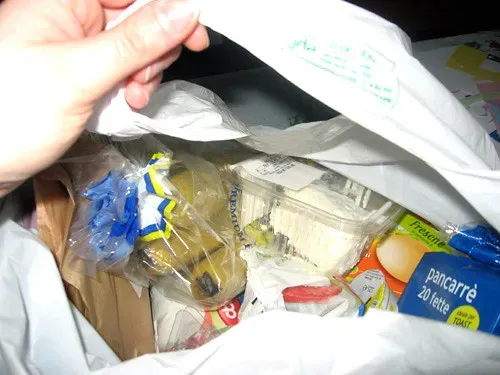
Blaming yourself for the urge to hoard during stressful times is a bit like blaming your heart for beating faster when you run. The instinct to stockpile food, money, or objects under pressure is not some modern moral failure; it is your cortisol-fueled, Ice Age-tested survival system roaring to life, convincing you that more stuff equals more safety. But while that was often true on the tundra, it is much more complicated in a world of automatic deliveries, bank transfers, and 24-hour stores. Our biology is old, but our environment is radically new, and the fit is not always clean.
My own view is that we should treat this instinct with respect, not ridicule – but also with clear boundaries. Let it remind you to prepare, to save, to think about the future, but do not let it quietly turn your home into a storage unit or your bank account into a monument to fear. The goal is not to erase the hoarder within, but to put it in the passenger seat while your more reflective, present-day self drives. When you feel that familiar pull to pile up just a little more, it is worth asking: is this real safety I am building – or am I feeding an ancient anxiety that no longer rules my world?