
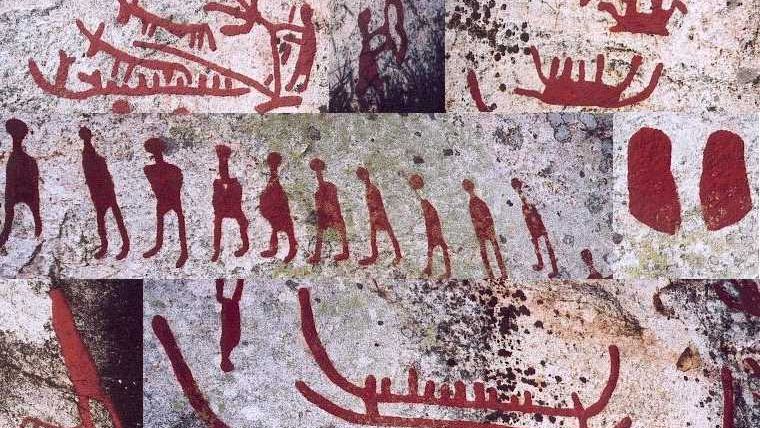
Walk into a paleolithic cave, even in photos, and it hits you: this does not feel like interior design. The animals race across ceilings you can barely stand up under, hand stencils hover in the dark, and strange signs repeat again and again, as if someone was trying very hard to say something important. It is hard to imagine that people crawled deep into cold, dangerous tunnels for the prehistoric equivalent of wallpaper. Something else was going on down there.
Over the last few decades, archaeologists, anthropologists, and even neuroscientists have been trying to decode that “something else.” The honest answer is that no one knows for sure, and probably never will. But a handful of serious, testable ideas have emerged that fit both the evidence and common sense. When you put them together, a clear picture starts to form: cave art was probably a tool, not a decoration – a way to think, remember, teach, and connect in a world that was harsh, risky, and deeply spiritual.
Going Deep Underground: Why Would Anyone Decorate a Place They Rarely Lived In?
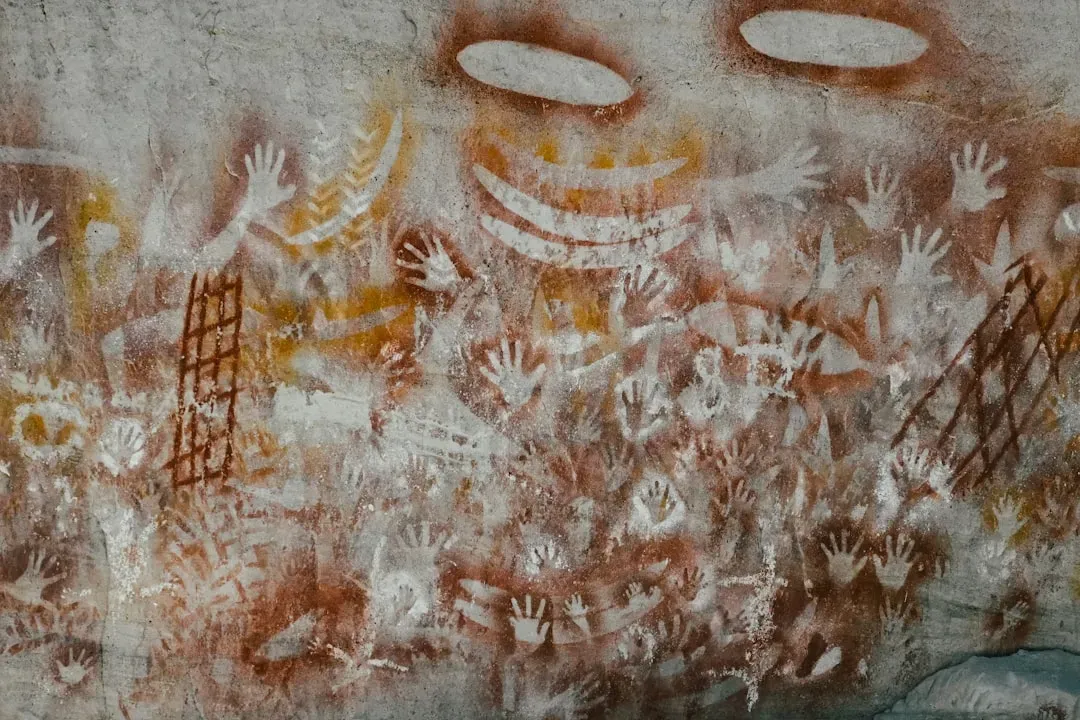
One of the strangest things about famous cave sites is where the art is. A lot of it is not sitting at the comfortable front of the cave where people cooked, slept, and worked. Instead, the most spectacular paintings often appear far inside, in tight passageways and deep chambers that require crawling, climbing, and a good sense of direction. That choice alone is a big clue that this was not about everyday decor. You do not drag pigments, tools, and fire into cramped, risky spaces just to make a nicer backdrop for dinner.
Think about your own life: you decorate places you use and see all the time – your bedroom, living room, phone screen. You do not usually trek into a basement crawlspace with a paint set unless you are doing something very specific, maybe even a bit ritualistic or weirdly meaningful. The same logic applies to prehistoric people. The sheer effort needed to reach those painting spots tells us they were chasing something more than visual comfort: maybe secrecy, drama, sacredness, or an environment where darkness and echoes added emotional punch to whatever they were doing.
Cave Walls as Prehistoric Classrooms: Teaching Skills and Stories
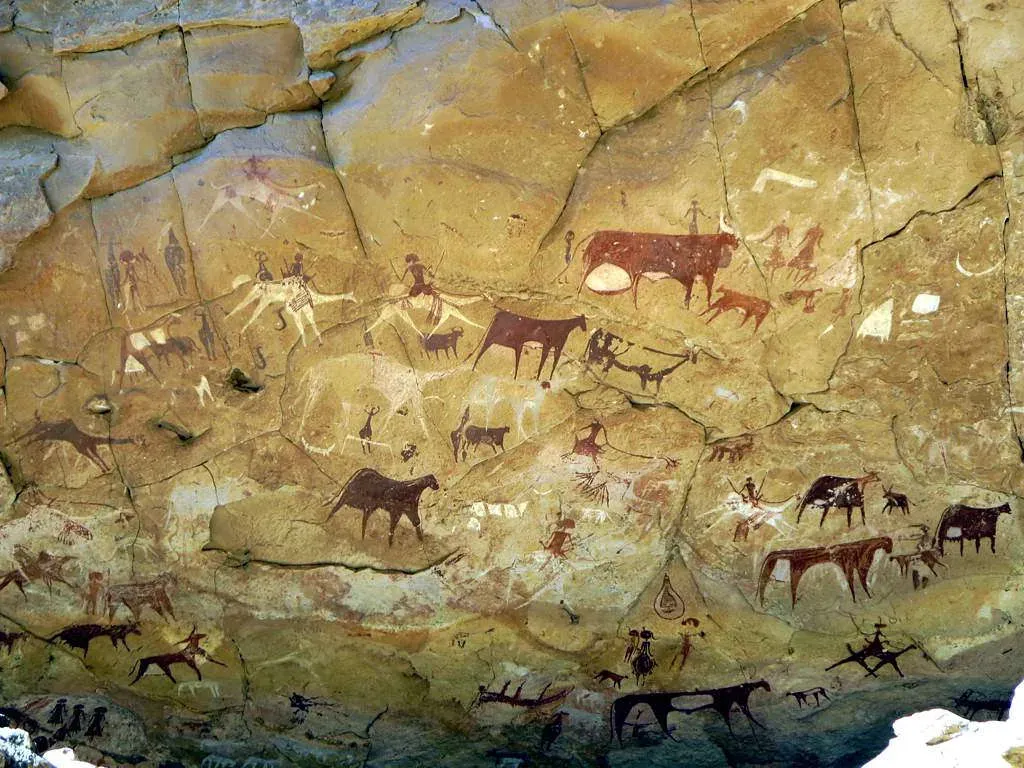
When you look closely at many cave paintings, you see more than pretty animals. In some panels, herds are shown in movement, with multiple legs suggesting different running positions. In others, hunters and prey interact in ways that look suspiciously like step‑by‑step scenes. These are not random doodles; they look like visual breakdowns of how animals behave and how people might approach them. For communities who survived by hunting and gathering, this kind of knowledge was life or death, and pictures are a powerful way to pass it on.
Imagine trying to teach a teenager how a herd of bison moves when startled, without video, paper, or even writing. A wall filled with layered animals suddenly makes sense: it becomes a frozen lesson, a way to say, “Look, this is where they group, this is where you should stand.” Parents and elders could gather younger people around these panels and use them almost like diagrams. In that sense, cave art becomes less like gallery art and more like the world’s earliest slideshow: a visual teaching tool for complex, hard‑to‑describe behavior.
Memory Palaces in Stone: Art as a Way to Track Time and Place
Some researchers have noticed that certain signs and animals appear again and again in patterns that seem too consistent to be random. These repetitive motifs have led to the idea that cave art might have functioned as an early memory system, something like a “memory palace” pinned to the rock. In a world with no calendars on the wall or maps on a screen, people still needed ways to remember migration routes, dangerous seasons, or special places. Fixing those memories to dramatic images in memorable locations would have been a smart hack.
Think about how you remember things now. Maybe you imagine a path through your childhood home and attach each task to a room. That modern memory trick is eerily similar to what caves naturally provide: a structured sequence of spaces, each with its own visual cue. An animal could remind you of a particular valley, a series of dots might echo the phases of the moon, and a cluster of handprints could stand for the people who had the right to use that place. The cave becomes a three‑dimensional notebook, and the art is the code that unlocks it.
Ritual, Danger, and Drama: Caves as Stages for Sacred Performances
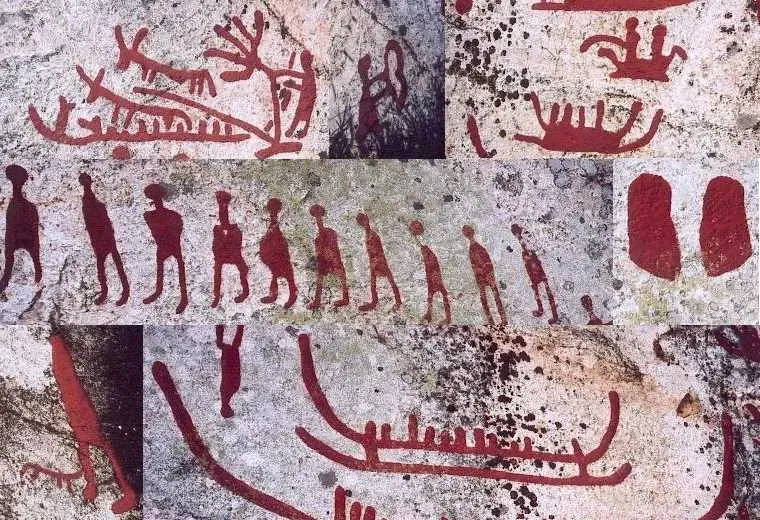
It is very hard to separate prehistoric art from prehistoric ritual. Many painted chambers are acoustically striking; sounds echo and vibrate in ways that feel otherworldly. Combine flickering firelight with vivid, moving animal shapes on uneven walls, and you get a natural special‑effects studio. It is not hard to picture small groups gathering there for ceremonies that mixed chanting, storytelling, and the slow revelation of painted images in the dark. In that context, the paintings are not passive decoration but active props in a performance.
There is also the element of risk. Caves can flood, collapse, or get you lost. Choosing them as ritual spaces adds a layer of intensity that you simply do not get in an open field. It is like choosing to hold a graduation ceremony on a mountain ledge instead of in a school gym: the place itself changes how the event feels. The art, then, might have helped structure those dangerous, charged experiences – marking where to stop, where to chant, or where a key story moment happened. The images and the rituals would feed into each other, each making the other more powerful and unforgettable.
Spirit Worlds and Animal Beings: Art as a Tool for Negotiating With the Unseen
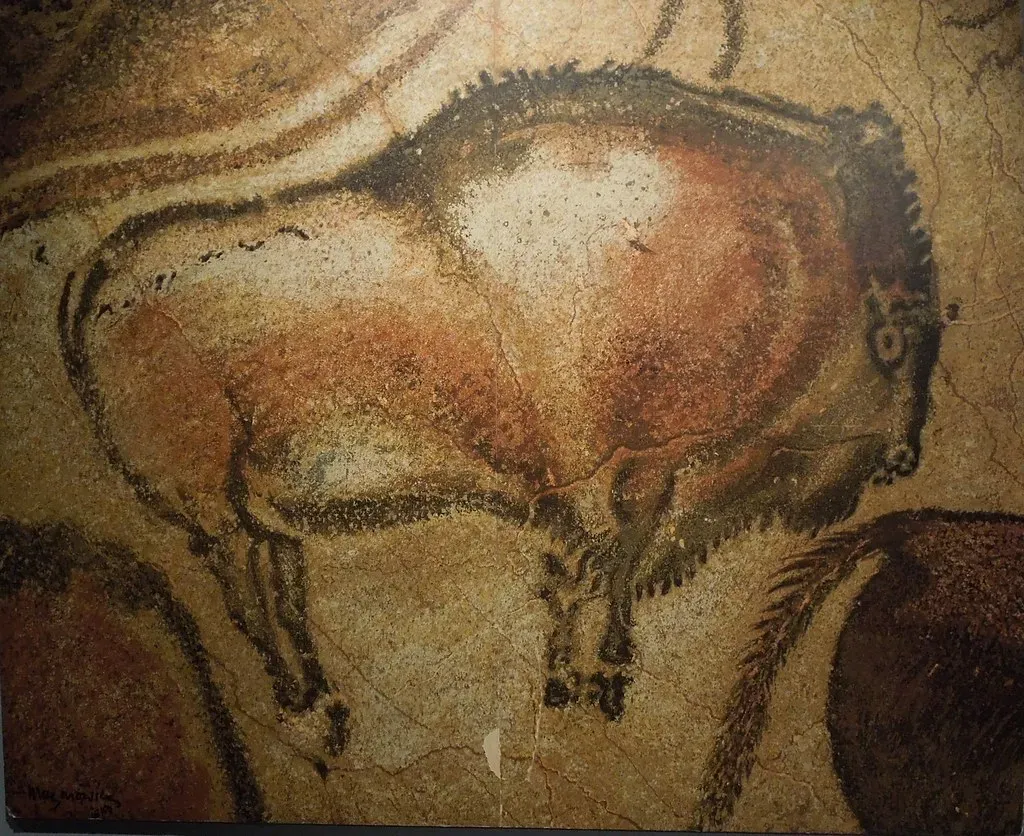
For many Indigenous cultures today, animals are more than food or scenery; they are beings with powers, personalities, and sometimes spiritual rights. It is very plausible that prehistoric people saw animals the same way. In that light, painting bison, horses, deer, or predators deep underground might have been about more than recording a hunt. It could be a way to speak to those animal powers, to show respect, or even to ask permission before taking their lives. The cave becomes a diplomatic chamber between humans and the more‑than‑human world.
Notice how many of the animals depicted are huge, dangerous, or vitally important for survival. This selectivity makes sense if the goal is to focus on powerful beings rather than every creature that wandered by. Placing them in special, hidden spaces amplifies their status, a bit like keeping sacred objects in a locked shrine instead of leaving them on a kitchen shelf. From this angle, the art looks like an active technology for managing anxiety, gratitude, and fear about the animals people depended on – a prehistoric way of negotiating with fate.
Altered States and Underground Vision Quests
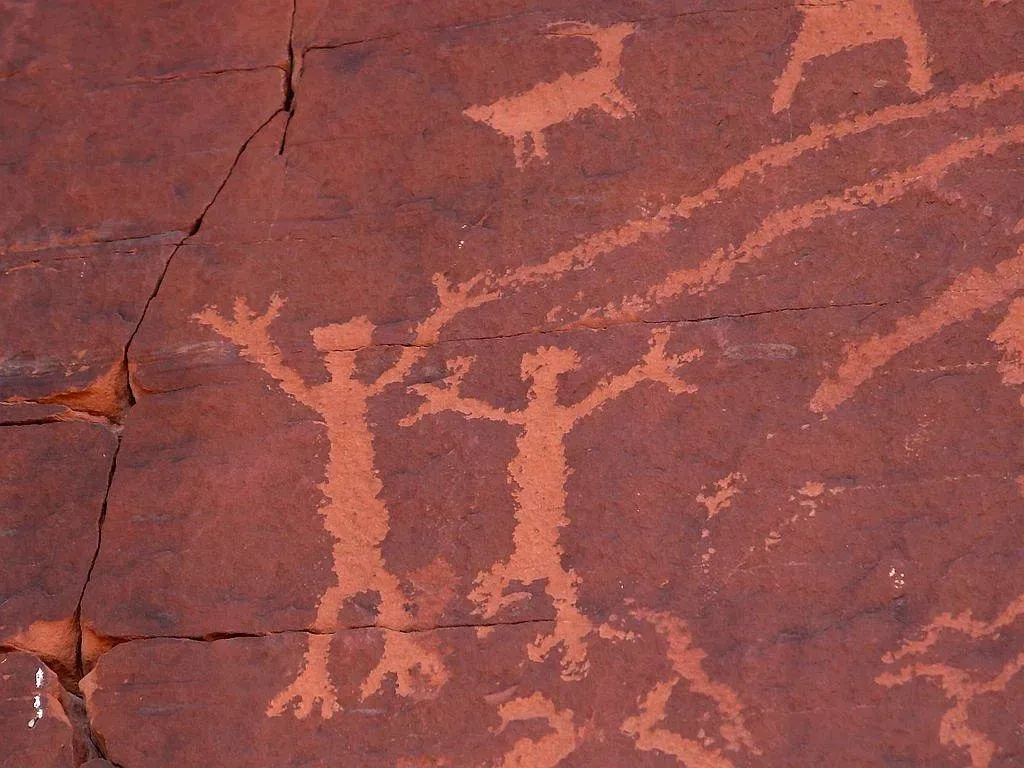
Anyone who has spent time in the dark knows that your mind starts doing strange things. Add flickering torchlight, rhythmic sounds, maybe some plant substances, and you have a recipe for powerful altered states of consciousness. Some archaeologists have suggested that at least part of cave art arose from these states – either as a record of visions or as a way to trigger them again. The twisting rock walls and natural formations sometimes blend with painted shapes in ways that feel dreamlike, as if artists were deliberately working with the brain’s tendency to see patterns in shadows.
I remember walking through a dim cave exhibit once and catching myself feeling oddly detached, like I was half in a movie, half in my own head. That was just a safe, modern reconstruction, but it gave me a tiny glimpse of how intense the real thing could be. In that light, cave paintings stop looking like simple pictures and start looking like gateways, tools for moving people into a different mental space. They may have helped shamans, healers, or entire groups feel they were crossing into another world, and that psychological shift could have been central to how they understood health, luck, and meaning.
Social Glue on Stone: Identity, Territory, and Belonging
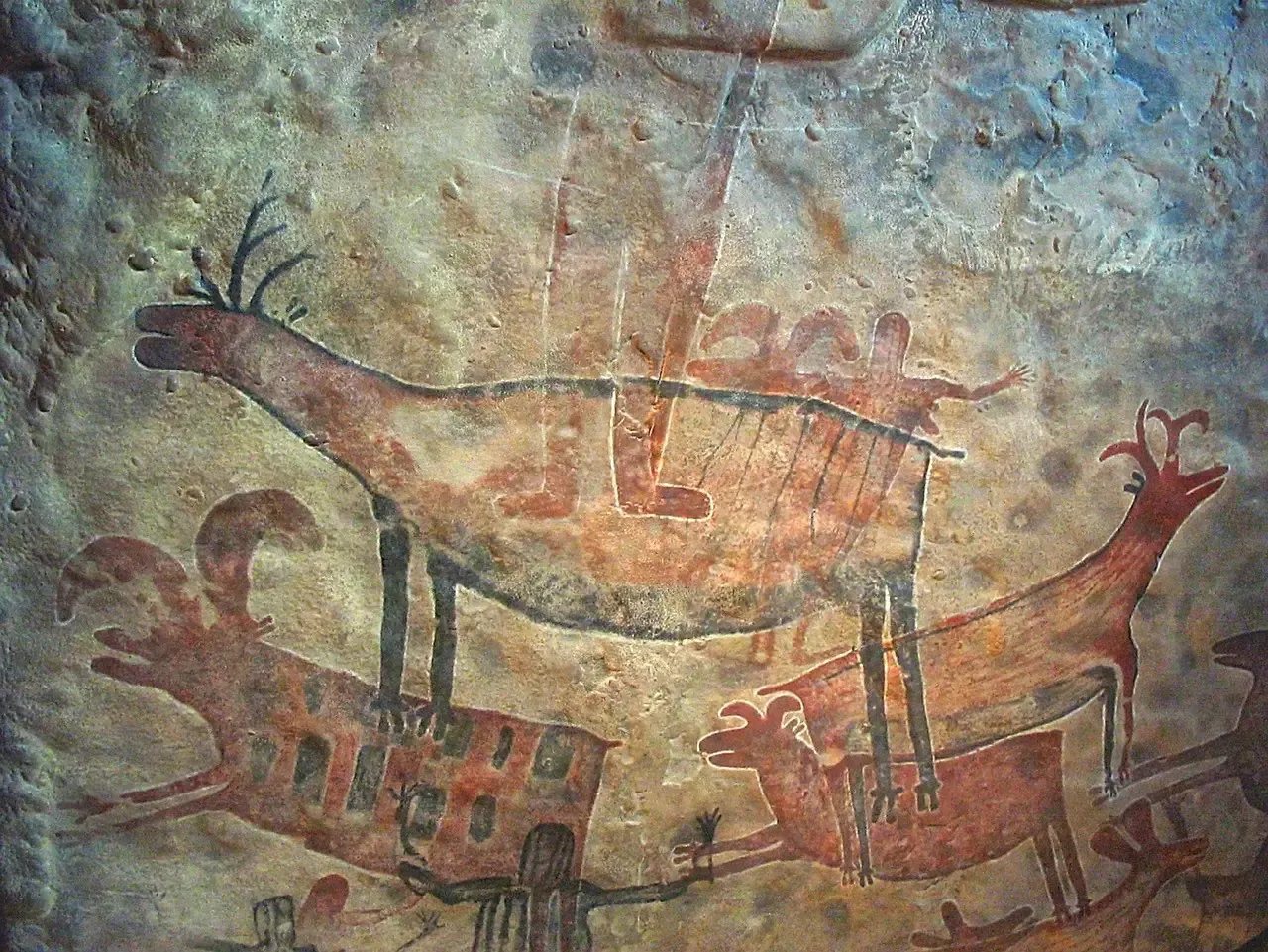
Art is rarely just about the image itself; it is also about the people who made it and the people allowed to see it. Many cave sites show signs that not everyone in a community had equal access. Some passages are so narrow or awkward that only a few determined individuals would go there. That limited access suggests that certain images may have been linked to specific groups, roles, or lineages. The act of entering, painting, or even just viewing those images might have been a powerful way to signal who you were and who you belonged with.
At the same time, some motifs repeat across multiple caves and regions, hinting at shared traditions or alliances. In a world without passports or written treaties, repeating a particular style, animal, or sign could work like a badge, saying, “We are the people who do this.” The art, then, is not just private or spiritual; it is political in a quiet, prehistoric way. It helps mark territory, confirm relationships, and keep stories of origin alive, functioning less like a decorative border and more like an engraved group identity card spread across the landscape.
A Hybrid Purpose: Why the “Just Decorative” Idea Misses the Point
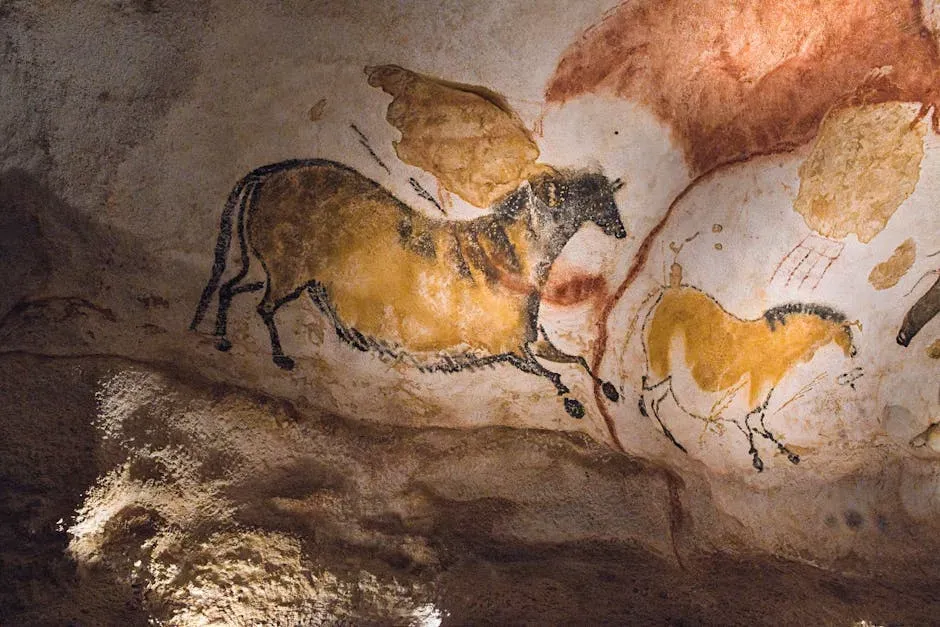
It is tempting to want one single answer: cave art was for religion, or for teaching, or for magic, and that is that. Reality is almost certainly messier. Human beings are perfectly capable of doing something that is beautiful, meaningful, useful, and emotional all at once. Think about a modern church mural, or a championship banner in a stadium. Those images are decorative, yes, but they also teach, inspire, intimidate, and claim space. It would be strange if our Ice Age ancestors were any less complex than we are.
When you stack up the evidence – the remote locations, the repeated symbols, the links to hunting, the potential ties to ritual and identity – the idea that this was “just” decoration starts to feel thin. A better way to see it is as a multi‑tool: a flexible system that helped people remember, negotiate danger, connect with spirits, teach the young, and bind communities together. Decoration might have been a side effect, but it was almost certainly not the main point. The art mattered too much, and cost too much effort, to be only about making the walls look nice.
Conclusion: Seeing Ancient Art With Modern Eyes (and Admitting What We Do Not Know)
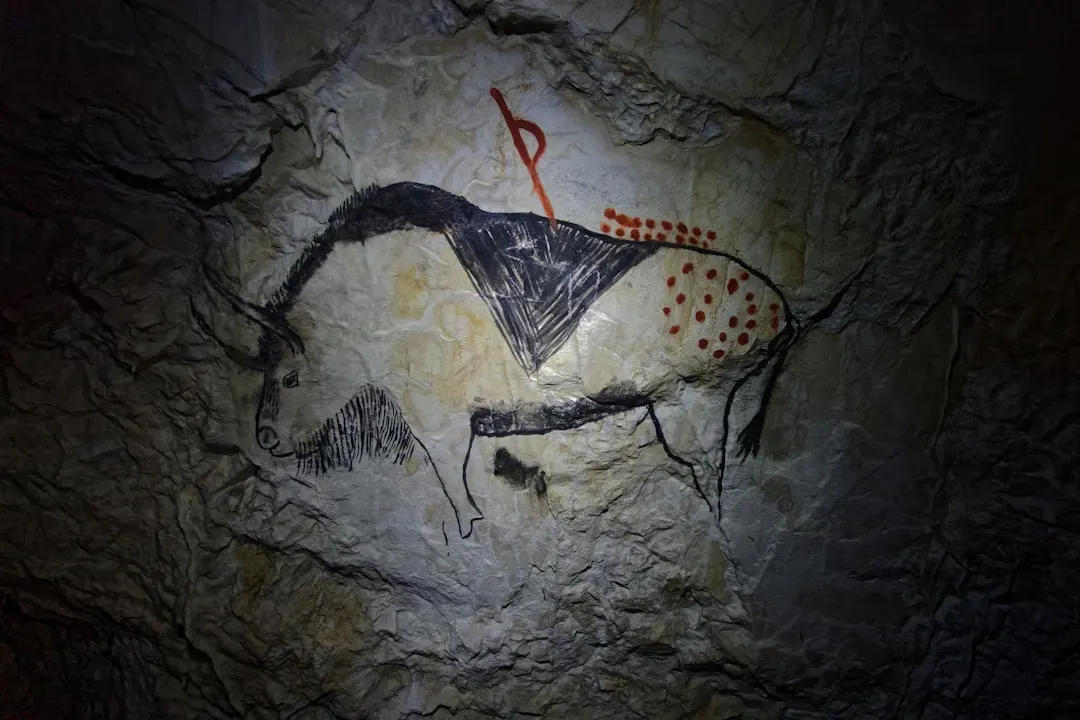
Looking at cave art from twenty‑first‑century couches, it is easy to project our own ideas of “art for art’s sake” onto people who lived in a completely different mental universe. The more we learn, though, the more that modern, decorative lens feels off. These paintings and engravings look far more like tools than ornaments: tools for thinking in pictures, tools for stepping into sacred space, tools for holding a community’s memories in stone. Pretending they were just pretty pictures undersells the intelligence and emotional depth of the people who made them.
Personally, I find it more honest, and more moving, to sit with uncertainty. We will probably never know exactly what a particular bison or handprint meant on the day it was painted, but we can be almost sure it meant more than “this would look nice here.” When I imagine someone crawling deep into the dark, heart pounding, torch in hand, to add one more figure to a wall already alive with animals, I do not see a decorator. I see a person trying to talk to time, to the unseen, to their own fears and hopes – using the only canvas they had. When you look at those walls now, do you really see wallpaper, or do you see a conversation that started tens of thousands of years ago and is still quietly calling to us?