
Somewhere under the modern sky, maybe on a beach or beneath a desert full of stars, an ancient story might still be echoing from one human voice to another. Not in a museum, not on a crumbling tablet, but alive in people’s mouths, shaped by breath and memory the way it has been for thousands of years. The idea sounds almost impossible at first, like finding a living dinosaur wandering through a city park.
But when you look closely at the oldest surviving myths, rock art, and star lore, a strange pattern appears: certain stories are so old, so widespread, and so stubbornly persistent that they may stretch all the way back to the last Ice Age. If that’s true, then the oldest human story ever told is not a fossil at all. It’s more like a fire that has never quite gone out, passed from hand to hand across the ages. And in a quiet, unsettling way, that means a piece of the people who first told it might still be here with us today.
The Shocking Age Of Our Stories
Most of us think of “old stories” and picture ancient Greece, the Bible, or maybe some early epics from Mesopotamia. Those are indeed old by written standards, going back a few thousand years. Yet human storytelling is far older than writing, older even than agriculture. Anatomically modern humans have been talking for tens of thousands of years, telling each other what the world is, what to fear, what to hope for, and how to be a person in the middle of it all.
When researchers started comparing myths across distant cultures, they noticed that some tales seem to share a common ancestor that predates nations, empires, and even farming. Stories about great floods, trickster animals, cosmic hunts in the sky, and fiery rocks falling from above show up in places that have been separated for incredibly long periods. It is not proof that every matching element is ancient, but it strongly suggests that at least a few narrative “skeletons” could go back to when our ancestors still followed herds and camped under open skies. If that’s correct, then some living stories are not just old; they are unimaginably ancient.
Myths That Look Suspiciously Like Prehistoric Memories
There is a growing body of work that treats myths not just as entertainment, but as memory systems. Think of a myth as a rugged backpack for carrying knowledge through time: lightweight enough to be told by the fire, durable enough to survive generations, and vivid enough that no one forgets it. Elders in some Indigenous cultures still pass down detailed navigation instructions, ecological warnings, and disaster histories encoded in stories that are dramatic, emotional, and easy to remember.
For example, traditional tales in Australia, the Pacific, and parts of the Indian Ocean describe coastlines, reefs, and islands that no longer exist, matching what scientists now reconstruct from sea-level changes after the Ice Age. In some cases, the environmental events described may go back many millennia. The stories survived because they mattered; they warned people where not to build, where waves could rise too high, or where the sea might swallow the land. When a community’s survival depends on not forgetting, myth becomes less like fantasy and more like a long-term, living memory bank.
The Night Sky As Humanity’s First Library
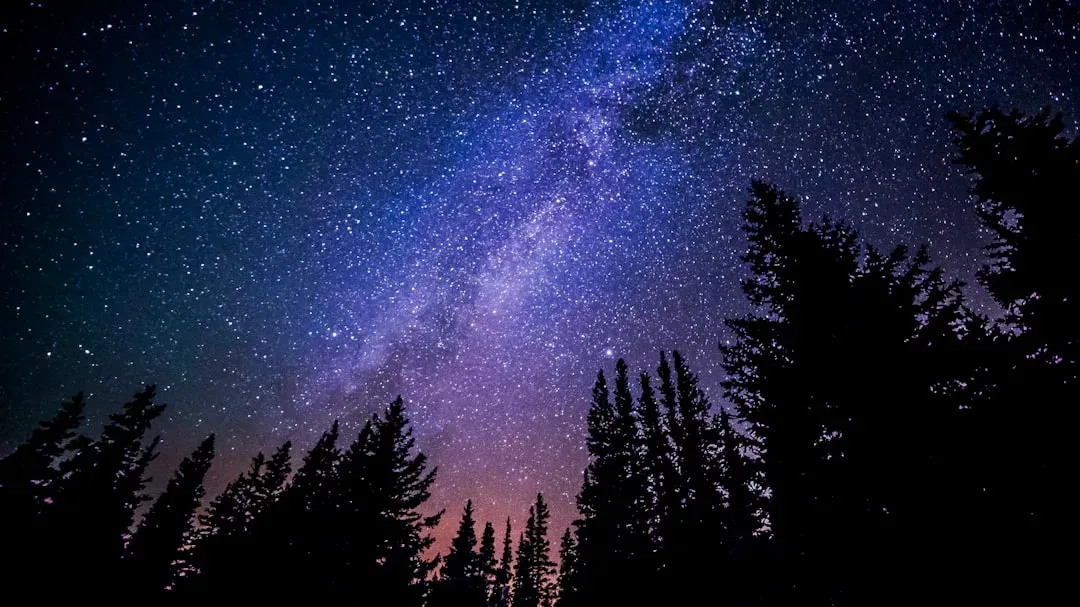
One of the most compelling clues that the oldest stories may still live among us comes from the stars. Long before books or databases, the night sky acted as a kind of cosmic shelf: permanent, predictable, and shared by everyone on Earth. People projected stories onto constellations so they could be retold, night after night, always in the same layout. The sky made a perfect mnemonic device, a giant mental map where characters, moral lessons, and seasonal warnings could all be pinned in place.
Some astronomers and anthropologists argue that certain star myths may be far older than most of our recorded history. Constellations such as Orion, the Pleiades, and the Milky Way appear in widely separated cultures with stories that sometimes share uncanny similarities: a hunter in the sky, a group of young women or sisters, a path of spilled light across the heavens. While details change, the basic narrative shapes remain recognizable. That suggests at least some of these stories might trace back to times when human populations were smaller and more interconnected, before later migrations scattered us around the planet. If that’s true, then every time someone points up and says, “That’s the hunter,” they might be speaking in an echo of a language older than cities.
Survivors From The Ice Age: Rock Art, Floods, And Fire From The Sky
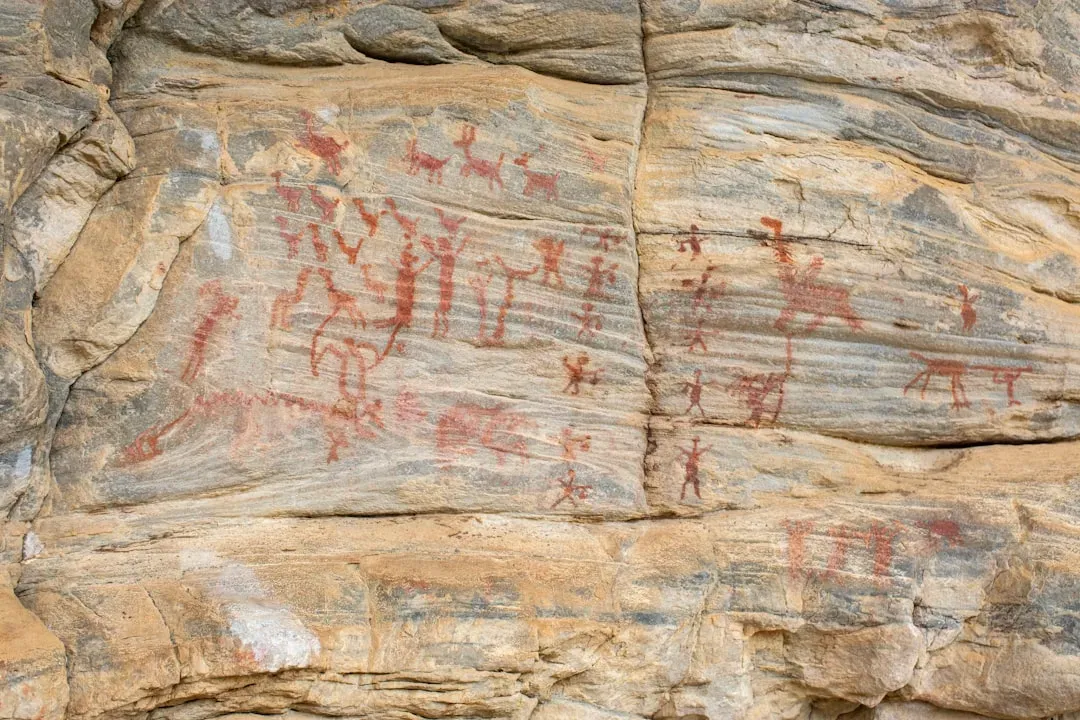
If the sky is our first library, rock faces and cave walls might be our first screens. Across Europe, Africa, Australia, and the Americas, ancient images show animals, hunting scenes, unusual symbols, and sometimes what look like celestial or catastrophic events. Some researchers see these as snapshots of stories that were also spoken aloud: people would gather, point at the paintings, and use them as prompts to retell shared myths about how the world came to be and what had happened in the deep past.
Take the nearly global presence of great flood narratives, or tales of fiery stones falling from the heavens. On their own, these myths could just be coincidences or intuitive fears. But in a world where sea levels once rose dramatically and comets or meteor impacts were real experiences, it’s hard not to see a connection. When storytellers describe mountains swallowed, coastlines erased, or the sky tearing open with fire, they may be elaborating on real, traumatic events that left an imprint on cultural memory. Even if the details have drifted and blurred, the core emotional truth of those stories may come from Ice Age or early post-Ice Age disasters that no one alive today can remember firsthand – but that our stories still stubbornly refuse to forget.
Why Oral Traditions Are Tougher Than We Think
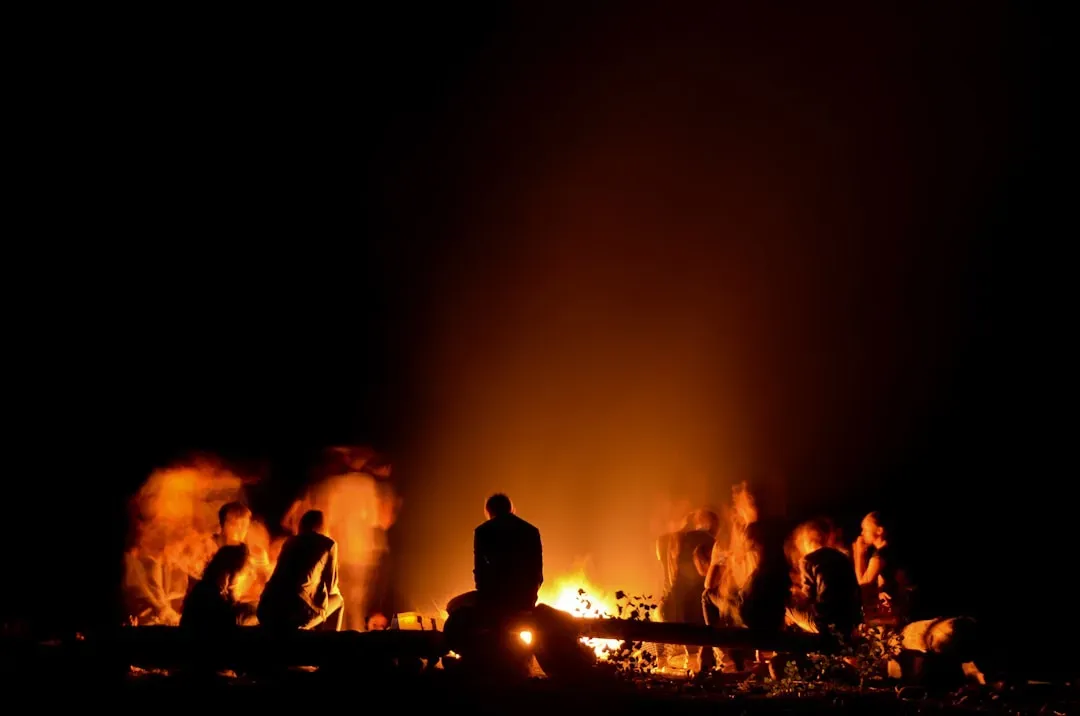
Modern people often assume that anything unwritten is fragile and unreliable, like a rumor passed along at a noisy party. Yet careful studies of oral cultures show that, under the right conditions, communities can preserve core storylines with astonishing stability. Repetition, formal training for storytellers, performance rules, and social pressure all act like quality control filters. It is not that every detail stays fixed forever; names, settings, and decorations can change. But the underlying structure – the sequence of key events, the moral lessons, the warnings – can remain remarkably intact.
In some societies, storytellers are corrected in public if they stray too far from the accepted version. Ritual contexts, such as ceremonies or seasonal gatherings, add another layer of discipline: people expect certain stories to be told in specific ways at particular times of year. There is good evidence that this kind of cultural scaffolding can preserve accurate information about landscapes, hazards, and climate shifts over long periods. To me, that makes oral traditions less like a game of careless whispers and more like a collectively maintained open-source codebase, where everyone knows the rules and bad changes tend to get rolled back fast.
Is The Oldest Story Still Walking Around Inside Us?
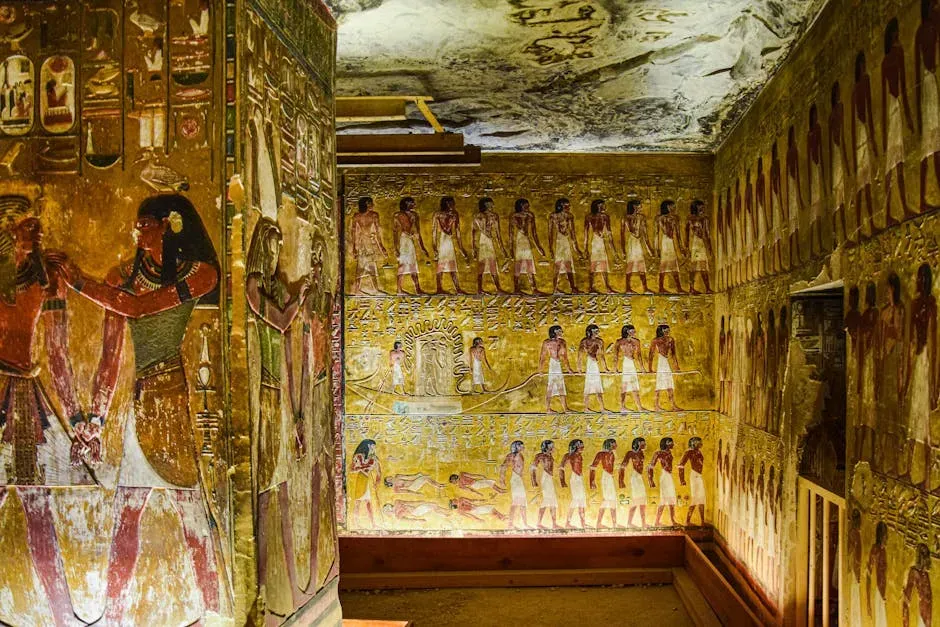
So is there literally one single “oldest story” that started somewhere in the deep past and has been told in an unbroken chain ever since? Honestly, that’s probably too neat and too romantic. Human stories blend, split, merge, and mutate over time. Rather than one pristine narrative surviving intact, what we’re more likely seeing are ancient narrative genes – recurring patterns, archetypes, and motifs – still expressing themselves inside modern myths, movies, and memes.
When we watch a disaster film about a city drowned by waves, or a sci‑fi saga about a chosen hero guided by a mysterious light in the sky, we might be replaying story structures that our ancestors used to make sense of floods, eclipses, comets, and the raw terror of the unknown. In that sense, the oldest human story ever told is not safely preserved in a single tale. It’s alive in our entire storytelling instinct: our refusal to let frightening events remain random, our need to trace meaning across the stars, our habit of turning danger into lesson and chaos into narrative. I think the real “oldest story” is the one where humans, again and again, stand under a vast, confusing universe and say, “This is what it means,” then pass that meaning on.
Conclusion: The Oldest Story Is Not Behind Us, It’s Becoming Us
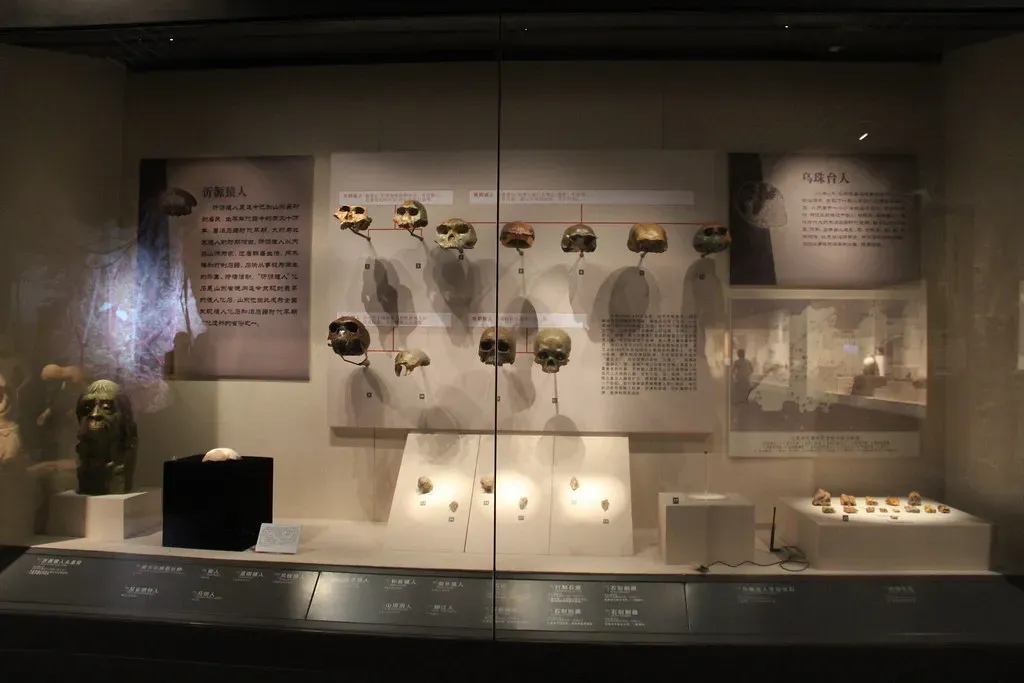
If you put all this together – Ice Age memories hidden in myths, star stories that cross continents, oral traditions that quietly outlast empires – the idea that the oldest human story may still be alive today stops sounding like fantasy and starts feeling almost obvious. We are not separate from those first storytellers around Paleolithic fires; we are the continuation of their experiment. They discovered that wrapping experience in narrative made it stick, and we are still using that same trick every time we binge a show, share a conspiracy theory, or tell a child a bedtime tale meant to keep them safe.
My own opinion is that chasing a single oldest story misses the real miracle. What amazes me is that the same basic narrative engine has been running inside our species for tens of thousands of years, updated with new skins and settings but powered by the same old fears, hopes, and curious questions. The story is not locked in the past; it is rewriting itself through us right now. So maybe the better question is not whether the oldest human story is still alive, but which parts of your own favorite stories might be carrying its ancient DNA. When you feel that strange tug of familiarity in a myth, a movie, or a childhood legend, could that be a voice from the Ice Age still whispering in your ear?