
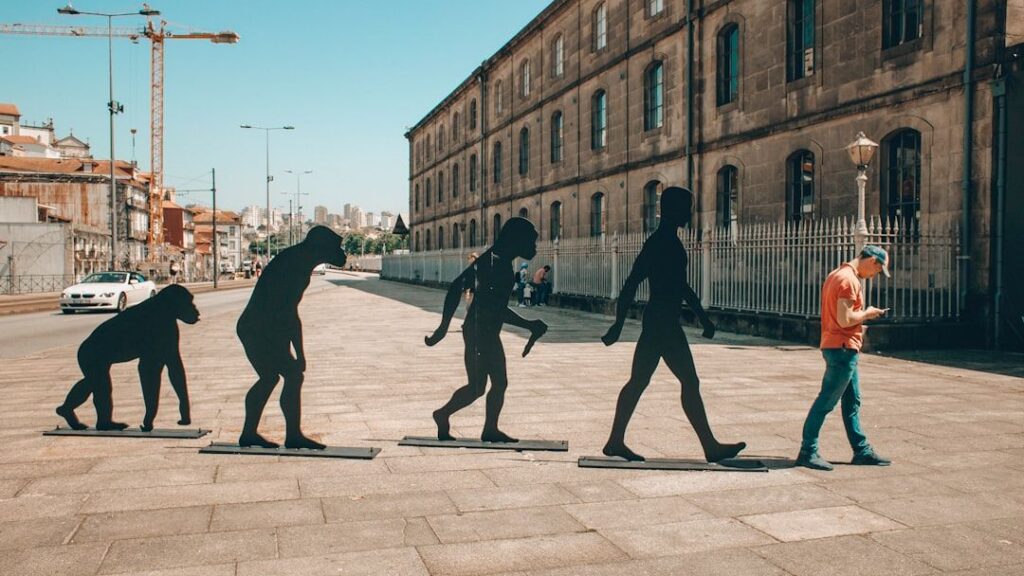
Human evolution is often taught like a neat staircase: ape-like ancestors at the bottom, sleek modern humans at the top, with a few polite intermediates in between. In reality, the story is wilder, messier, and far more surprising than anything a sci‑fi writer could get away with. Our family tree is more like a tangled bush full of dead ends, side branches, and unexpected hybrids that would sound ridiculous if they were not backed up by fossils and DNA.
What makes it even more unsettling is how much of that story is still written in our bones, our brains, and even the bacteria living inside us. We are walking mash‑ups of ancient species, half‑finished experiments, and freak evolutionary hacks that just happened to work well enough to survive. Once you see how strange the real history is, a lot of the myths about what is “natural” for humans start to fall apart.
We Are Not a Straight Line, We Are a Tangled Family Drama
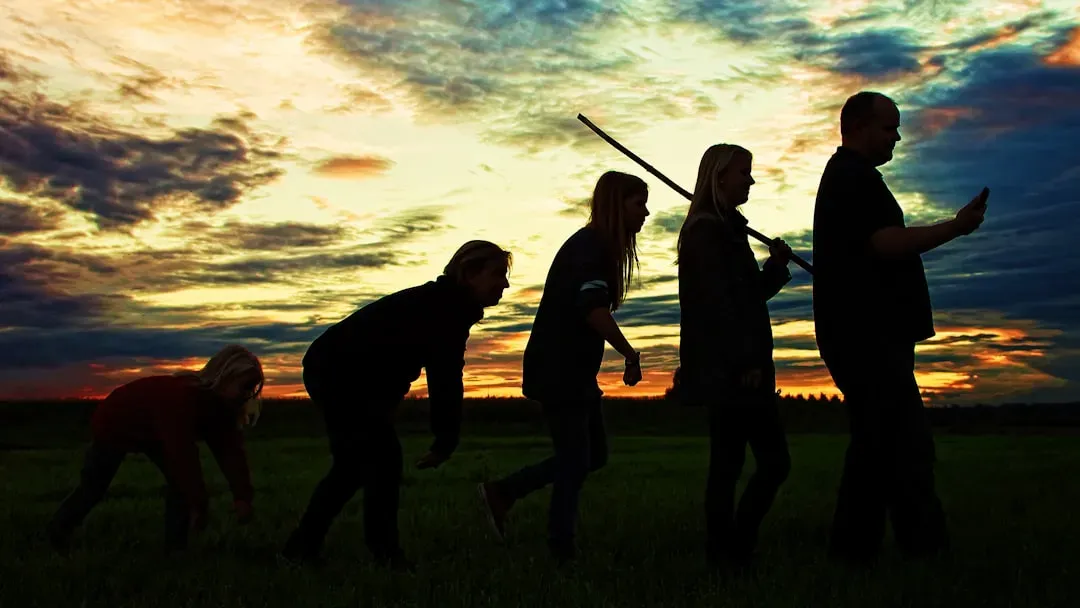
One of the strangest truths about human evolution is that we did not evolve in a tidy, linear sequence from one species to the next. For long stretches of time, several different kinds of humans were walking the planet at once, each with its own combination of traits and lifestyles. In Africa alone, species like Homo habilis, Homo erectus, Homo heidelbergensis, and others overlapped in ways that look more like a crowded family reunion than a simple progression. Imagine living in a world where your cousins were actually a different human species, with slightly different bodies, brains, and behaviors.
Outside Africa, the story gets even messier. Neanderthals, Denisovans, and at least one mysterious Asian lineage all shared the planet with early Homo sapiens, sometimes in the same regions at the same time. Instead of a lonely hero species marching toward modernity, our lineage was just one of several experiments running in parallel. The weirdest part is that we are the only one left, which makes it easy to forget how busy and competitive that ancient stage really was.
Modern Humans Carry Ghost DNA From Other Human Species
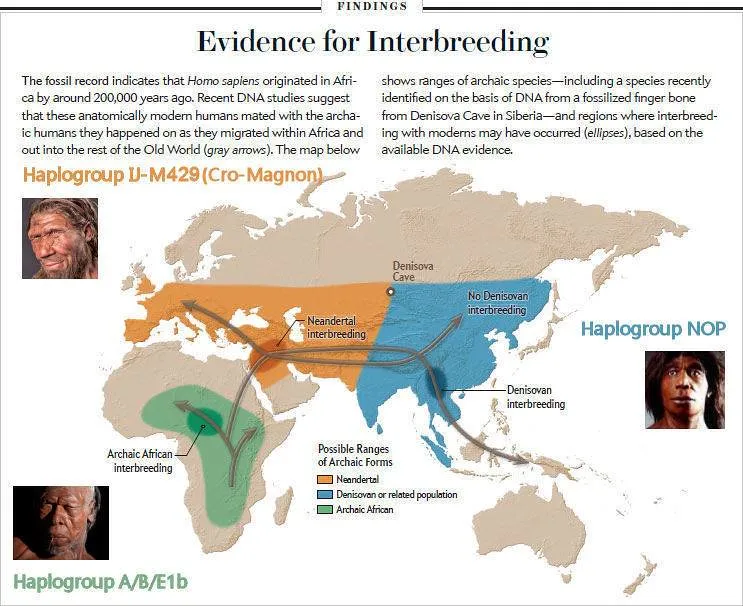
If this sounds like science fiction, here’s the twist: many people alive today still carry genetic fragments from those other humans. People with ancestry from outside sub‑Saharan Africa usually have a small but real amount of Neanderthal DNA embedded in their genomes, left over from ancient interbreeding. Populations in parts of Asia and Oceania often carry Denisovan DNA as well, from another archaic group that was identified first through genetics before we even had a complete fossil picture. That means your immune system, your skin, and even how your body handles altitude or cold may be influenced by genes picked up during brief but intense encounters between different human species.
Even stranger, there are hints of “ghost” populations that we know only through their genetic fingerprints, not through clearly identified skeletons. It is as if you read a family autobiography and discovered whole branches of relatives edited out, but still visible in the DNA. I remember the first time I learned this; it felt like discovering that humans are not a pure, polished endpoint but a patchwork quilt sewn together by evolution. We are literally hybrids, and our success as a species might actually depend on that messy mixing rather than some mythical genetic purity.
We Almost Went Extinct More Than Once
Another chilling, almost cinematic twist in our story is how close Homo sapiens may have come to disappearing entirely. Genetic studies suggest there were times in our deep past when the total human population might have shrunk to something closer to a small town or a tiny city than a global species. Whether because of climate swings, volcanic eruptions, or changes in food availability, our numbers appear to have crashed and then recovered, leaving signs in our DNA of old bottlenecks. When you think about that, it makes our current dominance feel less inevitable and more like a series of narrow escapes.
Some researchers have even pointed to specific events, like massive eruptions or ice age shifts, that would have made survival brutally hard for small, scattered communities of early humans. Picture a world where just a few thousand people are clinging on, hunting, gathering, and hoping the weather will ease before their children starve. From that perspective, our modern billions are the descendants of a thin thread that somehow did not snap. It is a humbling thought: the entire modern world may rest on luck stacked on top of adaptability.
Our Brains Got Huge, But With a Cost
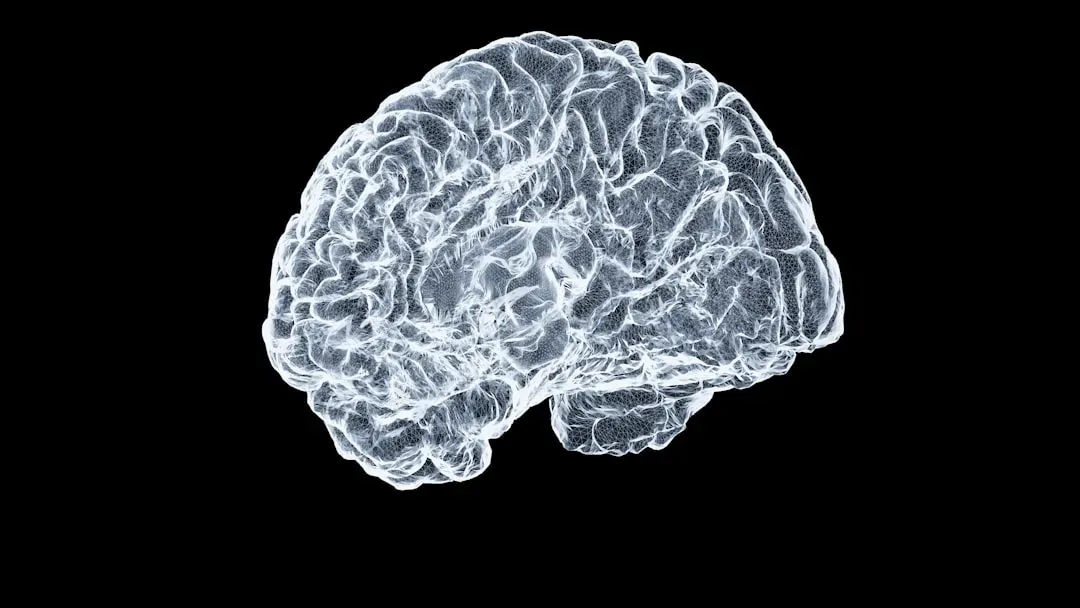
One of the most iconic facts about human evolution is our oversized brain, but the trade‑offs that came with it are just as fascinating and a bit disturbing. Brain tissue is energetically expensive, meaning it eats up a huge share of the calories we consume every day. To afford that upgrade, evolution had to find ways to cut costs elsewhere, like shrinking our digestive system compared to other primates and pushing us toward high‑quality, energy‑dense foods such as meat and cooked plants. In a sense, we traded gut for brain, outsourcing some of our digestion to fire and tools.
The price did not stop there. Our enlarged heads made childbirth far riskier and more complicated, forcing human babies to be born earlier and more helpless than most other mammals. That is why human infants are so dependent for such a long time: their brains are effectively still under construction in the first years of life. It is a bizarre solution – give birth to half‑finished brains and rely on intense parenting and social support to keep them alive while they grow. Fiction often imagines super‑intelligent aliens as sleek and effortless; our reality is far more awkward and fragile, yet it worked well enough to take over the planet.
We Evolved to Be Endurance Weirdos, Not Just Tool Users
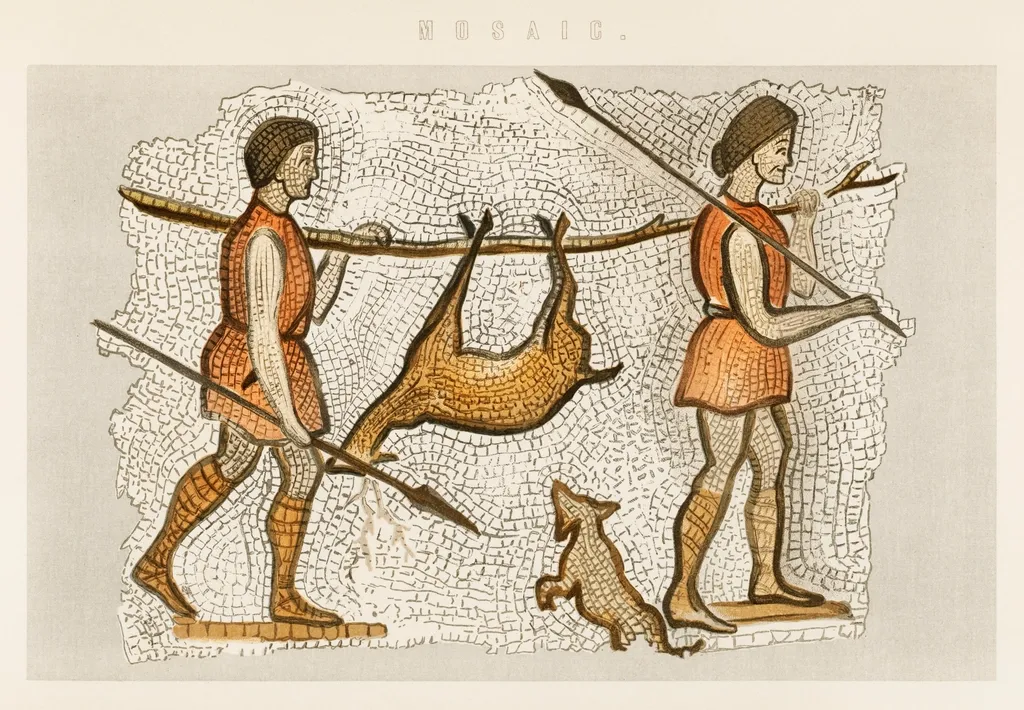
When people imagine early humans, they often picture them as clever tool users more than anything else. But one of the stranger, more underappreciated facts is that we are also endurance specialists in a way that borders on bizarre. Compared to many animals, humans are surprisingly good at running long distances in the heat, thanks to features like sweat glands, relatively hairless skin, springy tendons, and the ability to stabilize our heads while we move. Some scientists have argued that this made persistence hunting possible, where our ancestors could literally run prey into exhaustion over many hours.
Even if you never run, your body still carries those evolutionary signatures of a long‑distance engine. The short toes, the large gluteal muscles, the way our breathing can sync with our stride – these are not just side effects of walking upright; they look like refinements for sustained locomotion. I find it ironic that in a world where many of us sit most of the day, our bodies are descended from marathon‑ready foragers who treated distance as a survival tool. It adds a twist to those weekend jogs: you are tapping into a very old, very strange superpower.
Culture Became an Evolutionary Force of Its Own
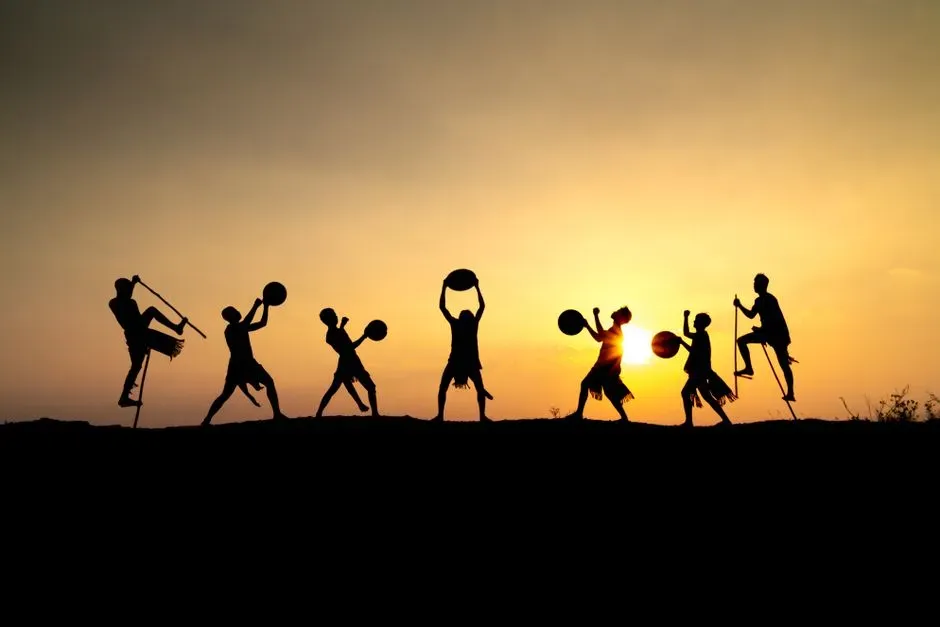
One of the wildest turns in human evolution is that we eventually built a feedback loop between our biology and our culture. Unlike most species, we do not just adapt genetically to our environments; we also change our environments faster than genes alone could ever keep up. When humans started herding animals and drinking their milk, for instance, some populations evolved the ability to digest lactose into adulthood. Our cultural shift toward dairying created a new niche, and natural selection then favored people whose genes could exploit it.
Language, tools, cooking, social norms – they all started to shape who survived and reproduced, turning culture into a kind of second evolutionary system. It is almost like we hacked the rules of the game and began writing upgrades on top of our own operating system. Today, our technologies and social structures influence everything from who we meet to how long we live, which loops right back into evolution. Fiction likes to imagine sudden mutations or alien interventions; in reality, the strangest force changing humans may be the beliefs and behaviors we teach our children.
The Microbiome Means We Are Not Fully “Us”
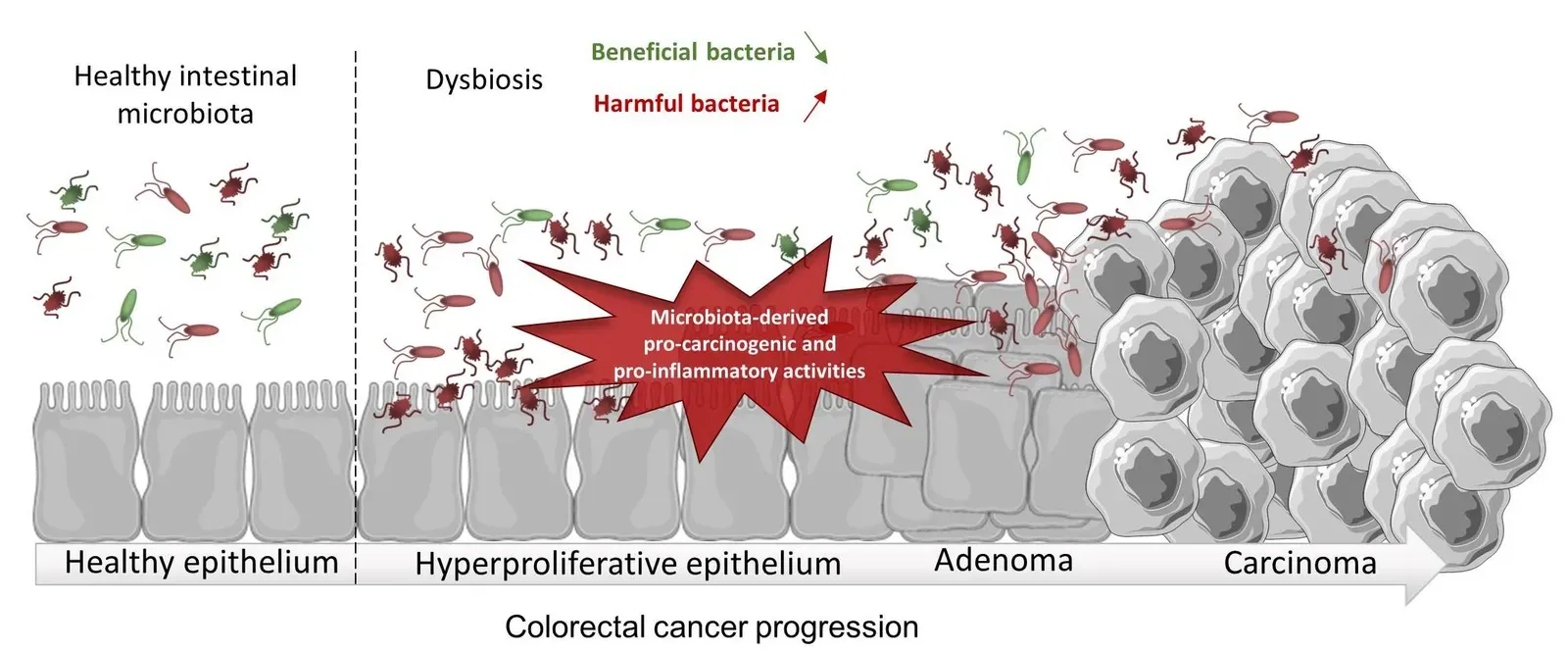
Here’s a twist that still feels unsettling no matter how many times you think about it: your body is not just you. It is also home to vast communities of bacteria, viruses, and other microbes that have evolved alongside humans for countless generations. These microbial passengers live in your gut, on your skin, in your mouth, and they help digest food, train your immune system, and even influence your mood and metabolism. In evolutionary terms, humans and their microbiomes have formed a tight partnership, sometimes called a superorganism.
When our environments and diets changed – through cooking, agriculture, antibiotics, and modern hygiene – those microbial ecosystems shifted too, with consequences we are still trying to understand. Some researchers think that mismatches between our ancient microbial relationships and modern lifestyles may be linked to allergies, autoimmune conditions, or even mental health struggles. That means evolution is not just about our own genes; it is also about the shifting alliances with the tiny lifeforms we carry around. The idea that “I” is actually “we” might be stranger than any fictional parasite story, and yet it is just daily biology.
Conclusion: The Real Story Is Messier, Scarier, and More Hopeful
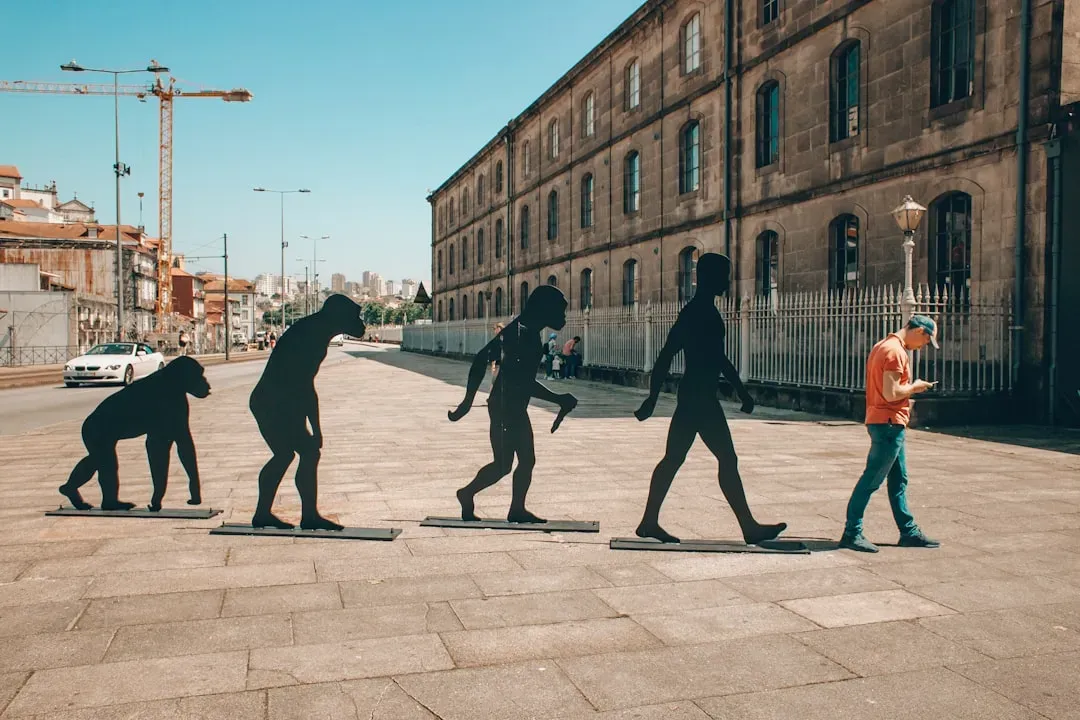
When you pull all these threads together – hybrid origins, near‑extinctions, painful trade‑offs, cultural hacks, microbial partners – the picture of human evolution that emerges is not clean or comforting. It is chaotic, contingent, and full of close calls and weird detours. Personally, I think that is a good thing. It undermines the arrogant idea that humans were destined to sit at the top of some neat pyramid, as if history was built to deliver smartphones and streaming services. Instead, it shows us as survivors of a long, uncertain experiment that could easily have turned out differently.
At the same time, this messy reality feels oddly hopeful. If our past is full of surprising adaptations and unlikely solutions, maybe our future does not have to be locked into doom or stagnation. We have already reinvented ourselves many times, blending biology and culture in ways no other species has managed. The real question is whether we will use that strange inheritance wisely or just burn through it. Knowing what you know now, does the truth about our origins feel stranger – or more inspiring – than you would have guessed?