The 1980s gave us some of the strangest creatures to ever stomp across a stage or a TV screen. Neon-soaked rock gods, cartoon punks, wrestling maniacs, and animatronic nightmares all fought for our attention before the internet existed, and somehow a lot of it stuck. Today, in 2026, we are still remixing the decade’s sound and style, still arguing online about which icons deserve a comeback and which ones should stay locked in the VHS vault forever.
What makes an 80s entertainer feel “prehistoric” is not just that they are old. It is that they belong to a media ecosystem that no longer exists: three TV channels, appointment watching, physical mixtapes, and kids mainlining culture without a safety net or a skip button. Some of those performers were genuinely visionary; others were pure chaos in a can of hair spray. Let’s talk about eight we could really use right now – and two that can stay fossilized in the amber of nostalgia.
1. Madonna – the shape‑shifting pop rebel we still need
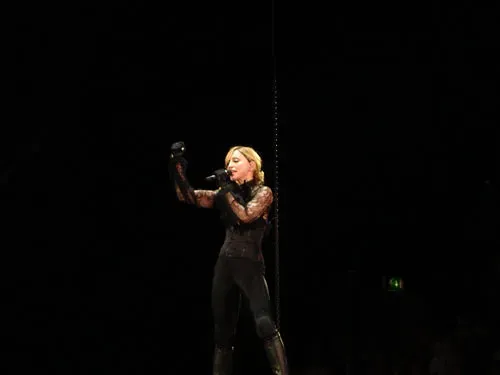
Madonna is technically still here, still touring, still sparking debates, but the hungry, disruptive entertainer she was in the 80s feels like a different species. Back then, she turned every music video into a mini-cultural earthquake, blending fashion, Catholic imagery, club culture, and street style into something nobody had a name for yet. She pushed the boundaries of what a female pop star could say, wear, and own, long before “brand” and “era” became marketing buzzwords.
In a world where a lot of pop feels algorithm-optimized and carefully tested, that early Madonna energy is exactly what we are missing. The 80s version was messy, risk-taking, and sometimes clumsy, but she forced uncomfortable conversations about gender, sexuality, and power onto living room TVs. Bringing back that spirit would mean more stars willing to take real risks rather than safely “engaging” around the edges. The culture does not need a nostalgia tour; it needs the raw nerve of a young Madonna kicking at the walls again.
2. Prince – the fearless studio wizard who made weird feel cool
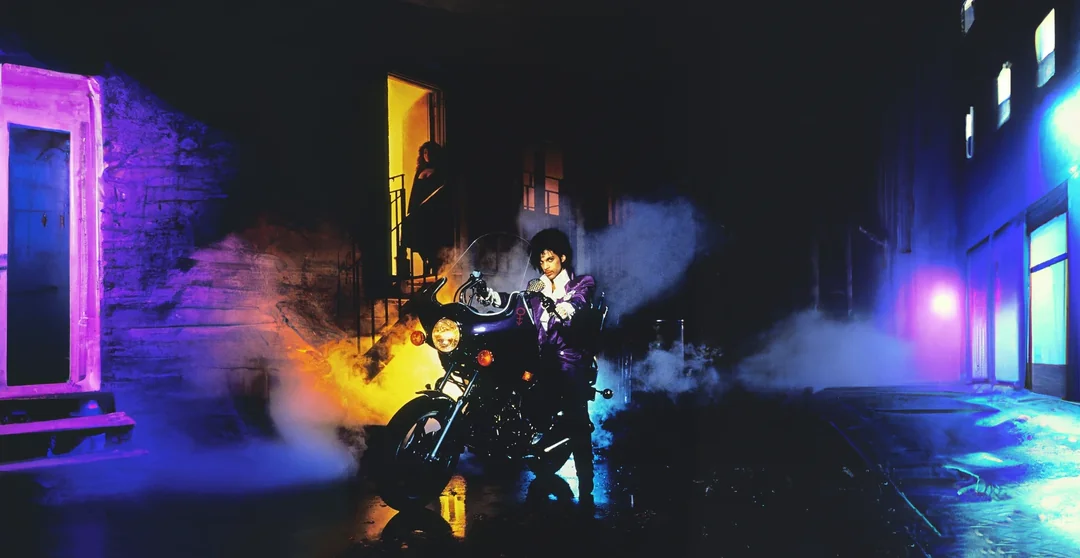
Prince in the 80s was an entire universe housed inside one small, flamboyant human. He wrote, produced, and played most of the instruments on his records, blurring lines between rock, funk, R&B, and pop like it was nothing. Albums and films like “Purple Rain” turned him into a mythic figure: a guitar hero, a fashion deviant, and a master showman who made virtuosity feel sexy instead of academic. Even now, it is hard to find anyone who combines that level of technical skill and theatricality.
What we desperately need back is not just his songs, but his attitude toward creativity. Prince treated the studio like a laboratory and refused to be pinned down by genre or identity, long before that became a hashtag. Imagine a TikTok era where artists take half as many risks as he did with every new record. If there were such a thing as a cultural fossil fuel, the 80s Prince catalogue would be it, still radiating enough energy to power generations of weird kids with guitars and cheap drum machines.
3. Eddie Murphy – the stand‑up comet who rewrote comedy’s rules
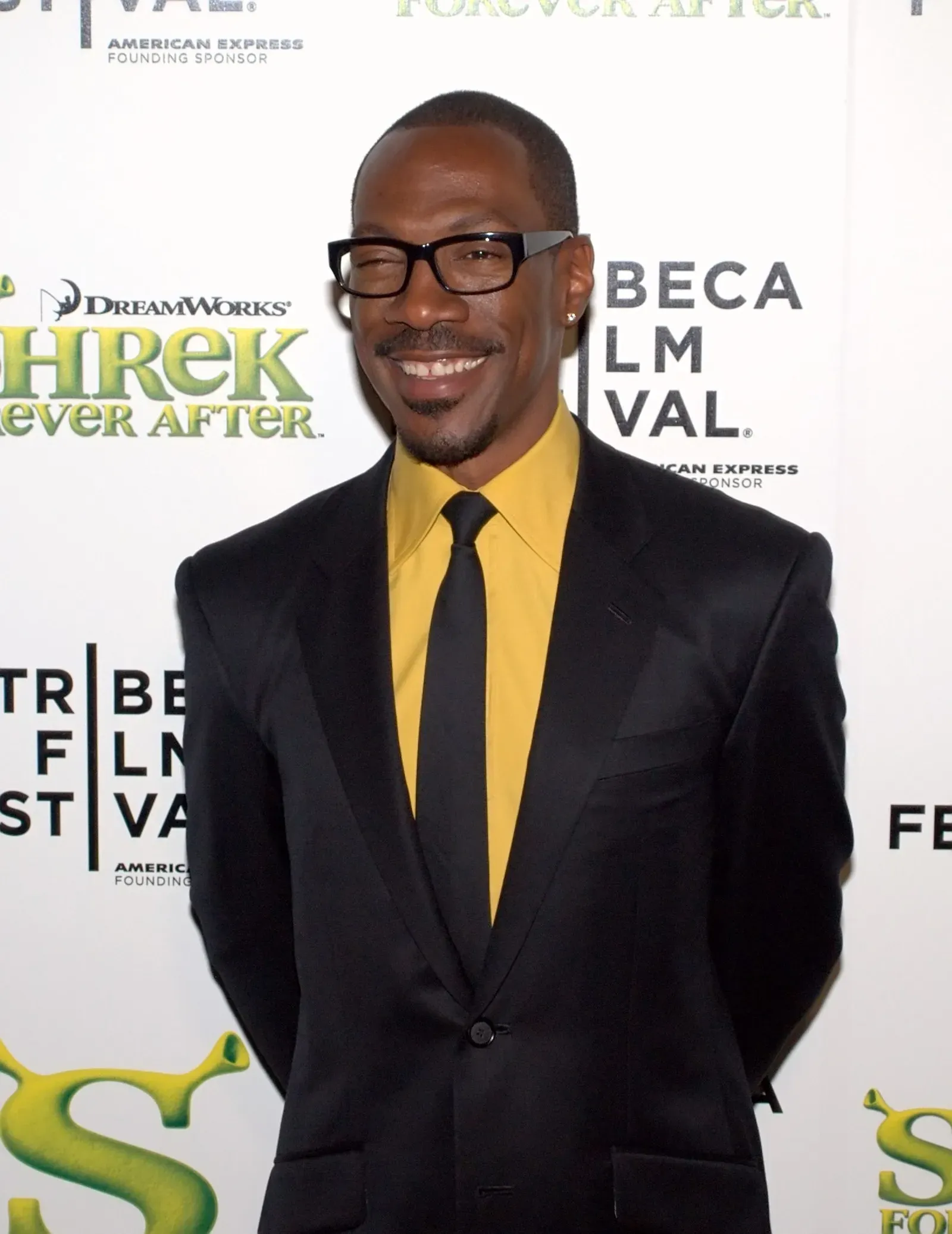
In the early 80s, Eddie Murphy hit comedy like a meteor made of leather, swagger, and lightning-fast timing. As a stand‑up, his specials became generational touchstones; on “Saturday Night Live” he practically carried the show on his back during a shaky era. Then came the movies: “48 Hrs.,” “Beverly Hills Cop,” “Coming to America” – each one mixing action, heart, and the kind of quotable lines that kids repeated on playgrounds for years.
Today’s comedy scene is more fragmented, more cautious, and more online, and you can feel the gap where that kind of undeniable live-wire star used to stand. We are not talking about copying the exact jokes or the dated parts of his act; we are talking about the fearless, high‑risk performance style that dared audiences to keep up. An 80s‑style Murphy figure would cut through the noise of thinkpiece culture with sheer charisma, reminding us that laughter can be dangerous and joyful at the same time.
4. Dolly Parton – the 80s crossover queen of joy and grit
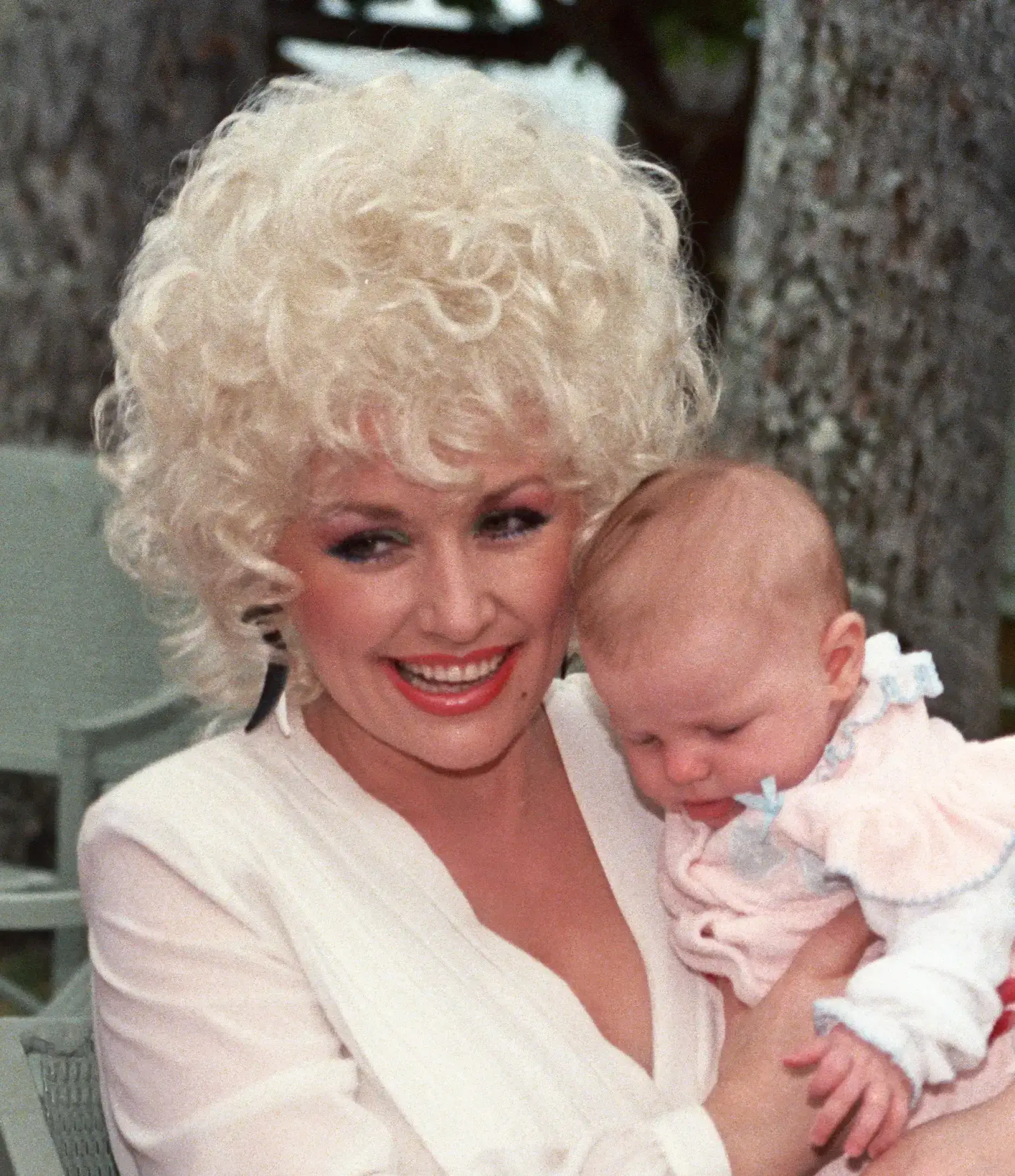
Dolly Parton existed before the 80s and continued to thrive after, but that decade turned her from country star into full‑blown pop‑culture force. She juggled hit songs, big-screen roles, and constant touring, moving from Nashville circles into mainstream film and TV without losing the rural, working‑class storytelling at her core. The 80s Dolly persona – big hair, bigger smile, razor-sharp business instinct – showed that you could be campy and deadly serious about your craft at the same time.
In a cynical era, the version of Dolly that exploded in the 80s feels almost radical: defiantly optimistic, quietly feminist, and relentlessly generous. She modeled a kind of success that did not require sneering at the audience or pretending to be detached. Bringing that entertainer archetype back would mean more stars who lean into warmth and sincerity without sacrificing ambition. When the world feels dark, there is something incredibly grounding about a performer who can glide from a corny joke to a gut‑punch lyric and make both feel honest.
5. “Weird Al” Yankovic – the parody nerd who understood fandom before the internet
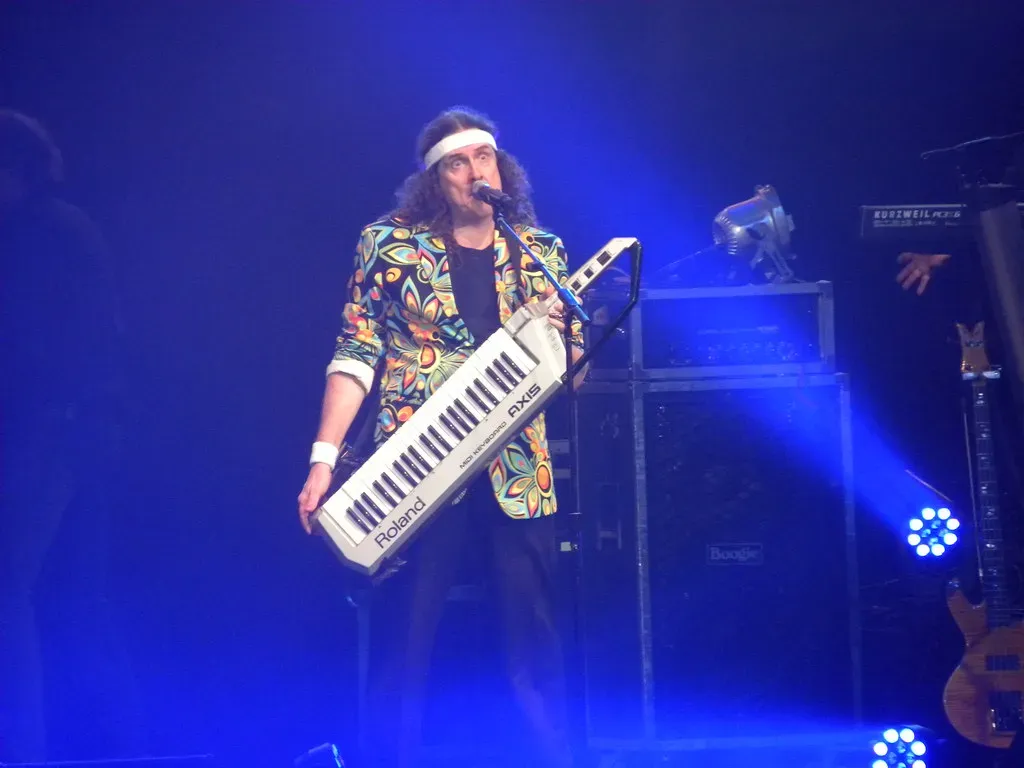
In the 80s, “Weird Al” Yankovic built an entire career out of gleeful musical mischief. He turned chart-topping hits into accordion-fueled parodies, made low‑budget videos that somehow became MTV staples, and leaned into his own dorkiness long before “nerd culture” was mainstream. What looked like throwaway novelty actually required a deep, affectionate understanding of the originals, and that is exactly why it worked: he was poking fun, not punching down.
Fast‑forward to today, and we live in a world of memes, remixes, and hyperactive fandoms – basically everything Al was doing in analog form. The reason many of us want that 80s version back is because his comedy never felt poisoned by cruelty. He showed you could deconstruct pop culture in a way that felt communal instead of corrosive, like you were all in on the same joke. In an era of snark and hot takes, dropping an 80s‑era “Weird Al” into the timeline feels like exactly the reset button we need.
6. Hulk Hogan and the cartoon era of wrestling – the spectacle we secretly miss
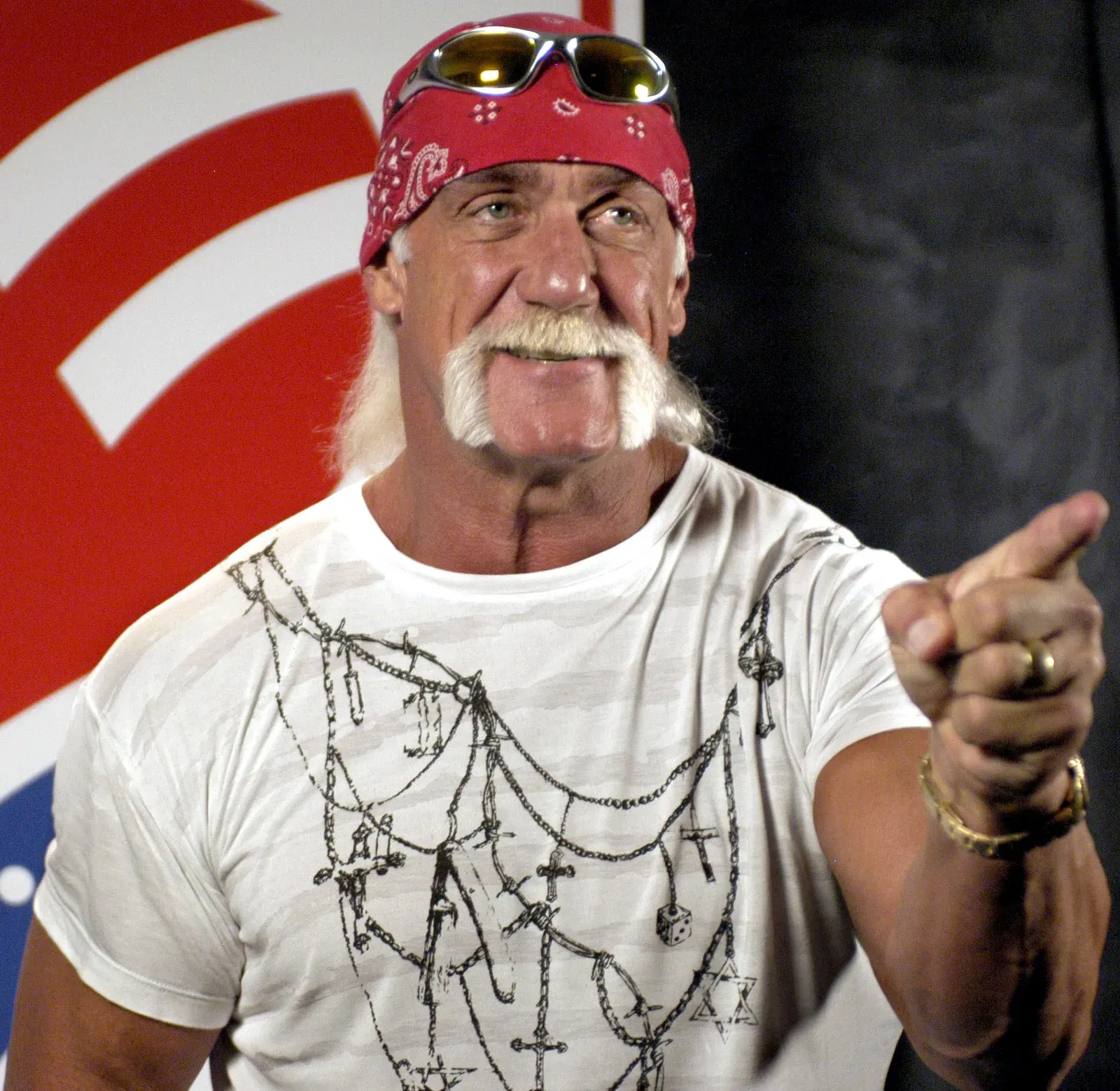
The 80s professional wrestling boom turned larger‑than‑life performers into living action figures, and Hulk Hogan was the biggest of them all. With his ripped T‑shirts, booming catchphrases, and superhero storylines, he turned cable TV into a weekly morality play for kids who had never heard the word “kayfabe.” The whole scene was loud, cheesy, and exaggerated, but it gave millions of children a shared mythology they could act out on the playground.
Modern wrestling is still huge and often technically better, but that early 80s cartoon energy feels like a lost art form. It was not subtle, and it definitely was not realistic, yet it created a sense of wonder that a lot of current entertainment, with all its gritty reboots, just cannot match. Wanting that Hogan‑era spectacle back is really about wanting a place where heroes and villains are simple for one hour, where the world runs on elbow drops and crowd chants. Sometimes, a little pure, ridiculous theater is exactly what the culture needs.
7. Cyndi Lauper – the unapologetic misfit pop star
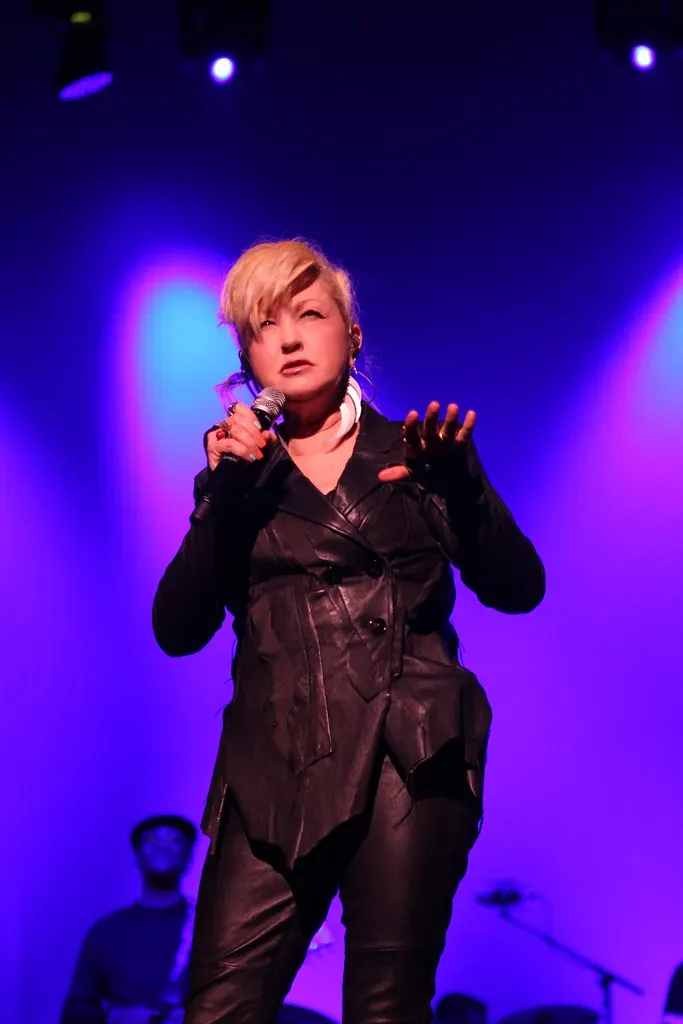
Cyndi Lauper crashed into the 80s with a voice that could ricochet off stadium walls and a look that told every “normal” rule to take a hike. Her early hits blended neon pop hooks with an underlying message that it was okay – even glorious – to be the odd one out. She mixed punk thrift‑store chaos with pop accessibility, creating a template for generations of artists who did not fit neatly into male‑gaze pop princess boxes.
In 2026, youth culture is full of talk about authenticity, but much of it is carefully marketed and perfectly lit. Lauper’s 80s persona felt genuinely off‑beat, occasionally awkward, and totally unafraid to clash colors or emotions in the same breath. Bringing that entertainer back is less about the exact sound and more about the permission she gave: that you can be loud, weird, political, and playful at the same time. For every kid who still feels like they are “too much,” an 80s‑grade Cyndi reminder would be a powerful antidote to glossy sameness.
8. Michael Jackson – the dangerous brilliance we can only partially reclaim
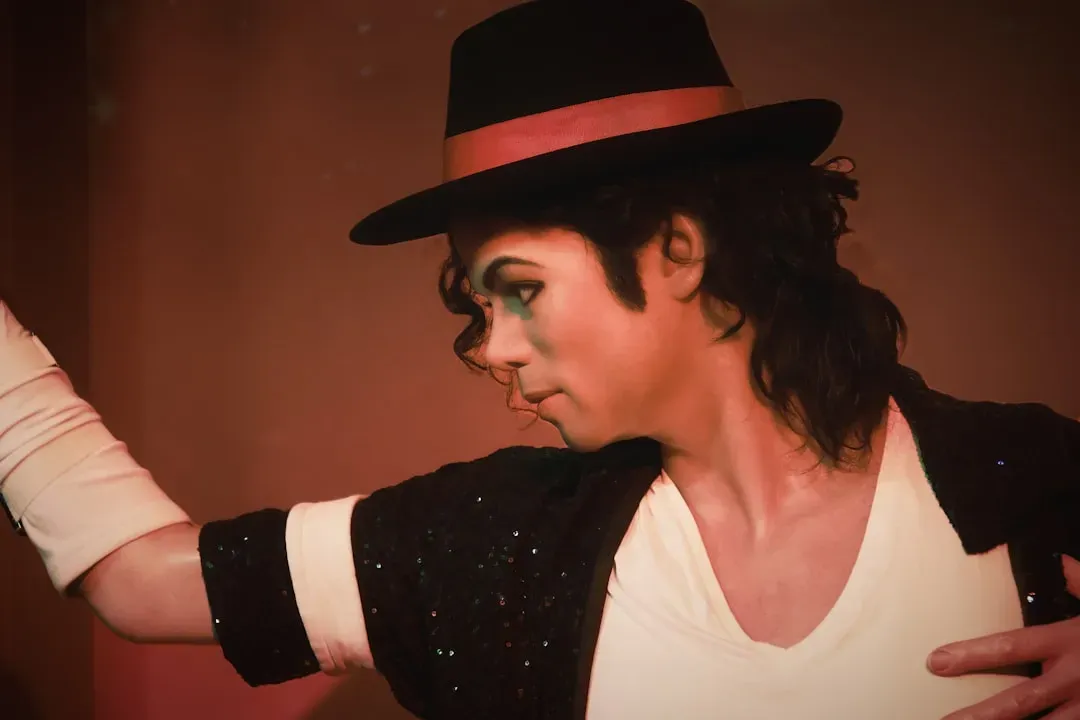
There is no honest discussion of 80s entertainers without facing Michael Jackson, and it is complicated. As an entertainer, he reshaped music videos into blockbuster events, fused dance and pop in ways still being copied, and built albums that felt like global events rather than just releases. Performances from that era remain mesmerizing documents of control, innovation, and sheer showmanship that almost no one has matched since.
At the same time, allegations and controversies around his life have radically changed how many people feel about celebrating him, and that tension is not going away. Wanting the 80s entertainer back is really about wanting the creative innovation without the pain and confusion attached to the person. Culturally, we are still figuring out what to do with that legacy: how to acknowledge the enormous artistic impact without sliding into blind hero worship. If there is anything “prehistoric” here, it is the old habit of pretending genius erases everything else; that is one part of the 80s we should not revive.
9. The shock‑for‑shock’s‑sake comics – perfectly fine staying buried
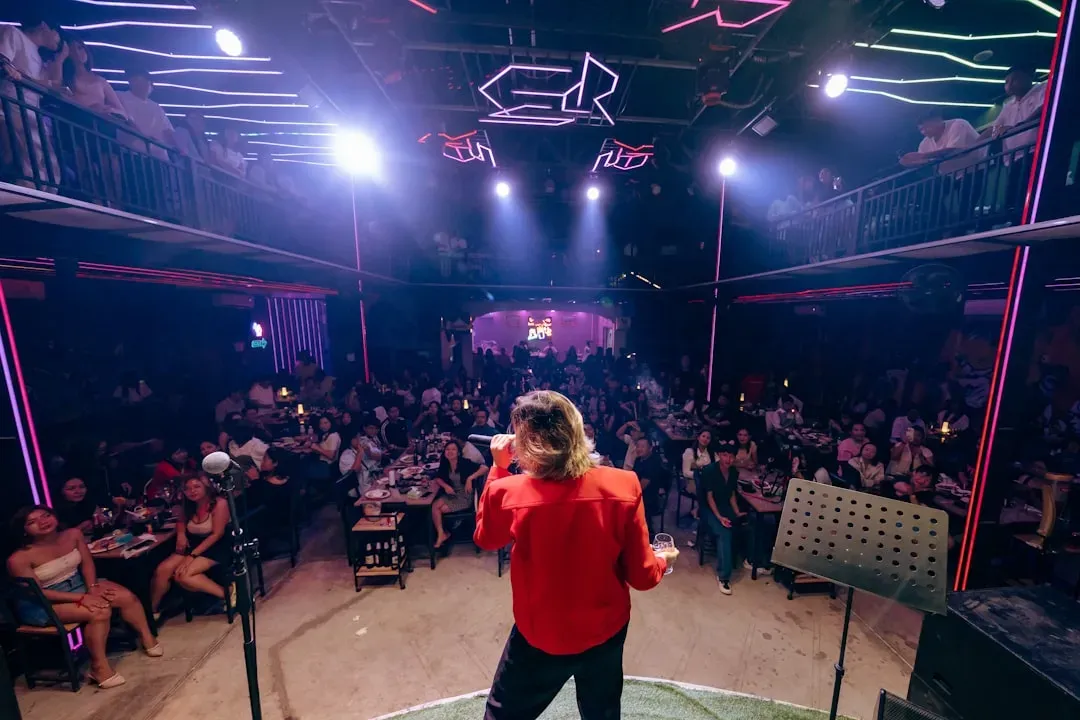
Alongside the greats, the 80s also produced a wave of stand‑ups who leaned almost entirely on cruelty, slurs, and cheap edge to get laughs. They packed smoky clubs and late‑night specials with routines that punched down at anyone who was not in the room: women, queer folks, immigrants, people living with illness. At the time, a lot of this was framed as just being “honest” or “saying what everyone’s thinking,” but much of it has aged like un-refrigerated milk.
There is a big difference between boundary‑pushing comedy and lazy shock value, and the 80s had a visible slice of the latter. We do not need to haul those acts back from the cultural tar pit, because comedy has moved on; plenty of modern comics tackle dark or controversial topics without defaulting to punching the most vulnerable. Nostalgia can blur that line and turn bad habits into “classics,” but if we are being honest, this is one prehistoric species that should stay extinct. Let the bootleg tapes gather dust.
10. The hyper‑exploitative tabloid talk‑show circuit – a relic best left in syndication limbo

By the late 80s, daytime TV had started mutating into a circus where real people’s trauma became entertainment. Audiences tuned in to see families scream at each other, guests ambushed with revelations, and marginalized groups framed as freak shows. On paper it looked like “giving people a voice”; in practice, it often chewed up vulnerable individuals for ratings and left them to deal with the fallout off‑camera, before social media could at least push back.
We still have messy reality TV and viral drama today, but that specific format of staged humiliation in front of cackling live audiences feels particularly grim in retrospect. The last thing we need is an 80s‑style revival of shows that turn mental health crises and identity struggles into cheap spectacle. If anything, our current media ecosystem needs stronger boundaries, better ethics, and fewer producers chasing the ugliest possible moment. Out of all the prehistoric entertainers from that era, this genre is the one I am most comfortable leaving under a thick layer of sediment.
Conclusion: choosing our fossils carefully
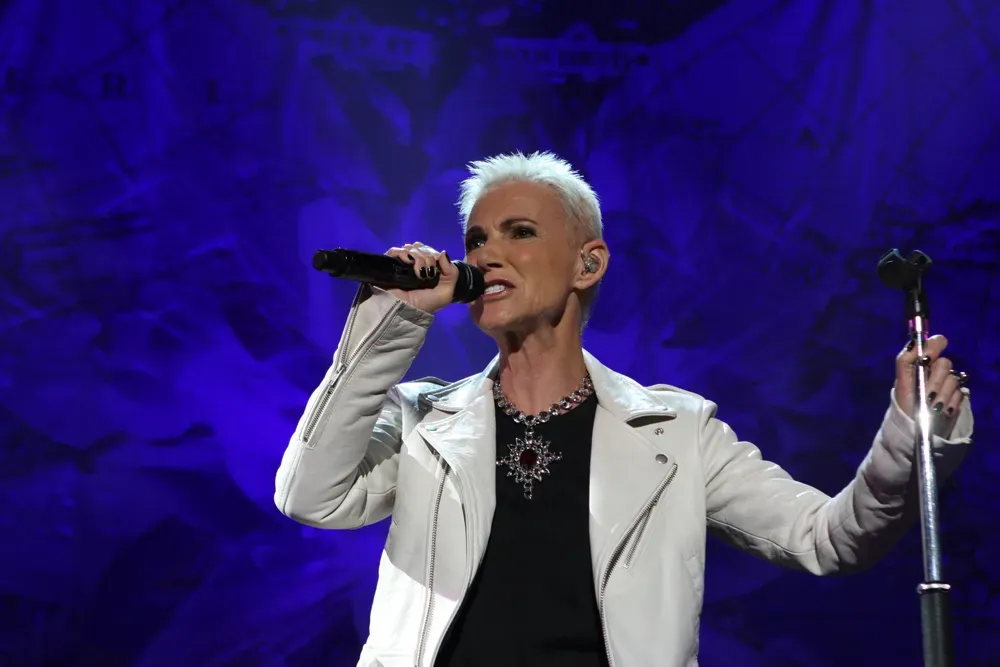
Looking back at 80s entertainers is a bit like walking through a museum where half the exhibits are awe‑inspiring and the other half make you mutter, “Wow, we really thought this was okay?” Some figures – Madonna, Prince, Dolly, Lauper, “Weird Al,” the cartoonish wrestlers, the best of Eddie Murphy – still feel like blueprints for bolder, weirder, more human entertainment. Others, like the shock‑for‑shock comics and the exploitative talk‑show circus, are warnings about what happens when spectacle matters more than the people inside it.
Nostalgia is powerful, but it should not be blind. If we are going to resurrect anything from that neon fossil record, let it be the courage, experimentation, and joyful oddness, not the cruelty dressed up as “just joking” or “just TV.” The 80s gave us both the best and worst of what mass media can do; our job now is to be picky about which bones we dig up and put on display. When you think about your own favorite 80s “prehistoric” entertainers, are you missing the person – or just the feeling they gave you the first time you hit play on that worn‑out tape?