
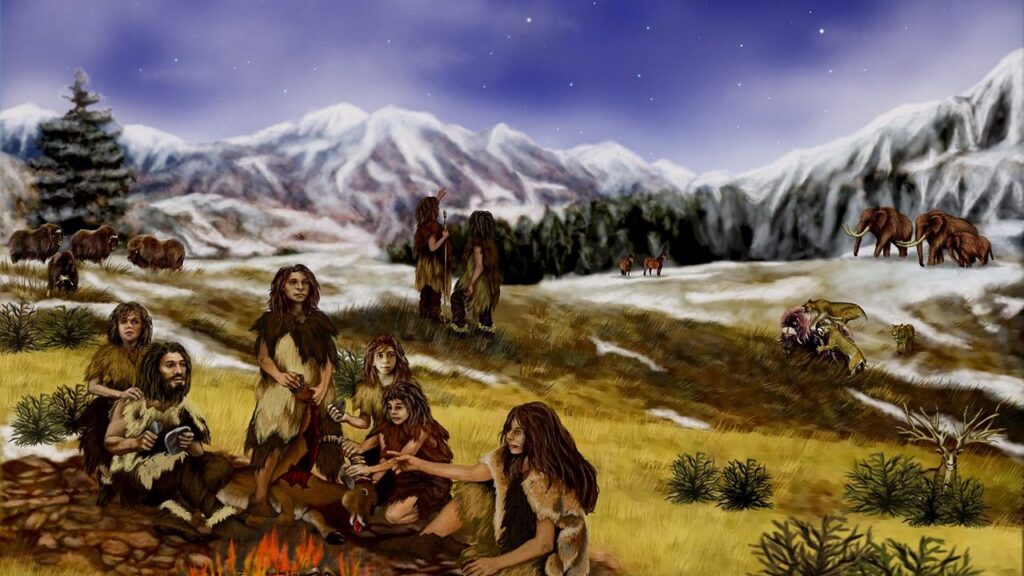
If you picture prehistoric humans as cave-dwelling amateurs just figuring out fire, you’re missing almost the entire plot. The deeper scientists dig into ancient bones, tools, and DNA, the more it feels like we’re reading the origin story of a very strange, very experimental species. Our ancestors were not just surviving; they were tinkering, migrating, interbreeding, engineering stone like high-tech composites, and occasionally walking into environments that would challenge a modern special forces unit.
What surprised me most, the first time I really dug into this research, was how much it upends that simple straight-line story from “primitive” to “civilized.” Prehistory looks less like a ladder and more like a wild, branching multiverse of human types, skills, and experiments. Some of the facts below sound so out there that, if you saw them in a sci‑fi show, you might roll your eyes. And yet, they’re woven right into our DNA, our skeletons, and the stones our ancestors left behind.
1. We Are Not Alone: Modern Humans Carry Ghost DNA From Other Human Species
One of the most mind-bending discoveries of the last couple of decades is that Homo sapiens did not simply “replace” all other human species; we absorbed some of them. When scientists sequenced ancient genomes, they found that people today with ancestry outside Africa typically carry a small but real percentage of Neanderthal DNA, and many people in Asia and Oceania also carry DNA from another mysterious group called Denisovans. That means when our species met others, we did not just compete, we also had children together, leaving a genetic echo that still shapes our bodies and even our immune systems.
What feels almost science fictional is how this ghost ancestry quietly influences modern life. Certain Neanderthal-derived genes have been linked to things like hair and skin traits and aspects of immunity, while some Denisovan genes are associated with high-altitude adaptation in populations living on the Tibetan Plateau. It is as if our genome is a patchwork quilt stitched together by encounters with lost cousins we’ll never meet. When you look around a crowded room, you aren’t just seeing Homo sapiens; you’re seeing the living legacy of an entire cast of vanished humans, hidden in plain sight, inside everyone’s cells.
2. Neanderthals Were Not Brutes: They Had Big Brains, Tools, Culture, and Care
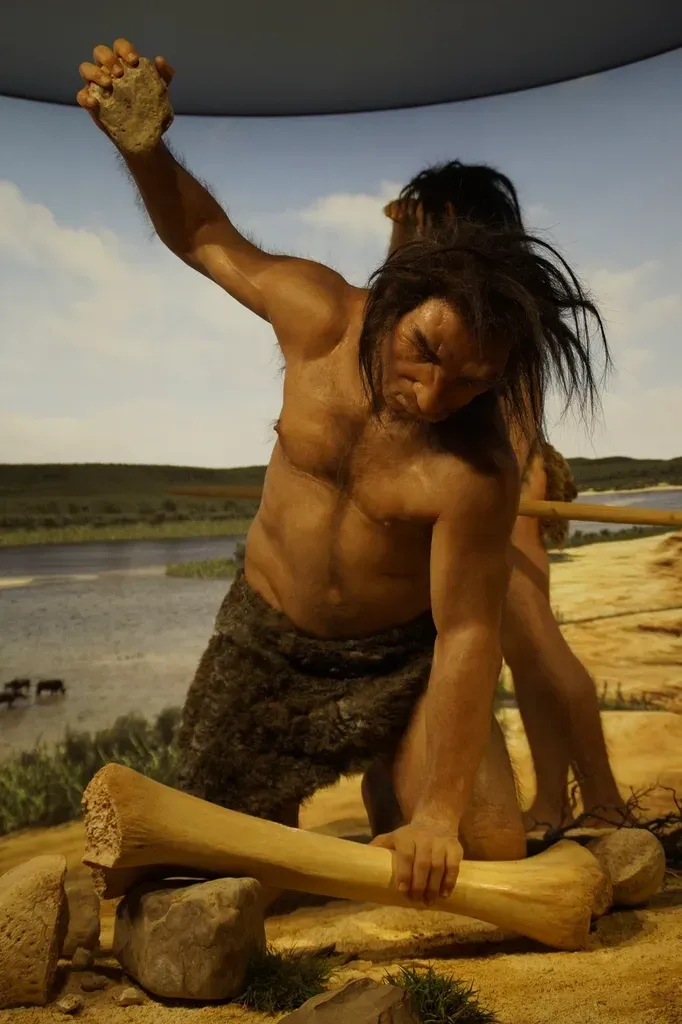
For most of the twentieth century, Neanderthals were portrayed as clumsy, dim-witted side characters in our story, like the rough draft nature discarded. That picture has pretty much collapsed. Their brains were on average at least as large as ours, and archaeological sites show they made sophisticated stone tools, used fire, hunted large animals, and adapted to brutal Ice Age climates for hundreds of thousands of years. There is evidence that they used pigments, wore personal ornaments, and may have decorated caves, suggesting symbolic behavior rather than mindless survival.
Even more striking are the hints of empathy and care. Some Neanderthal skeletons show individuals who lived for years with serious injuries or disabilities that would have made independent hunting almost impossible, implying that others helped feed and protect them. Burials with deliberate positioning and grave goods at some sites suggest a concern for the dead that edges toward ritual. To me, this makes them feel less like “failed humans” and more like an alternate version of us: intelligent, social, emotional, and extremely capable, who just happened to be on the losing side of a very long evolutionary experiment.
3. Early Humans Survived Supervolcanoes, Ice Ages, and Climate Whiplash
Imagine living in a world where the climate does not just slowly warm or cool over centuries, but sometimes flips on a scale of decades from relatively mild to brutally cold or dry. That was normal for many prehistoric humans. Our ancestors weathered multiple Ice Age cycles, massive droughts, and even catastrophic volcanic eruptions. One famous eruption in what is now Indonesia blasted so much material into the atmosphere that it may have dramatically affected global climate, and yet human populations in Africa and Asia managed to persist and eventually rebound.
What makes this feel like dystopian science fiction is how small and vulnerable our species once was. Genetic evidence suggests that at certain points, Homo sapiens may have gone through population bottlenecks where only a relatively small number of individuals carried our lineage forward. Picture a world in which the entire future of humanity depends on scattered bands of hunter‑gatherers navigating poisoned skies, crashing ecosystems, and dwindling food sources. The fact that we are here at all is a sign that flexibility and cooperation were not just nice traits; they were literally survival tech.
4. Humans Reached the Ends of the Earth With Stone Age Gear
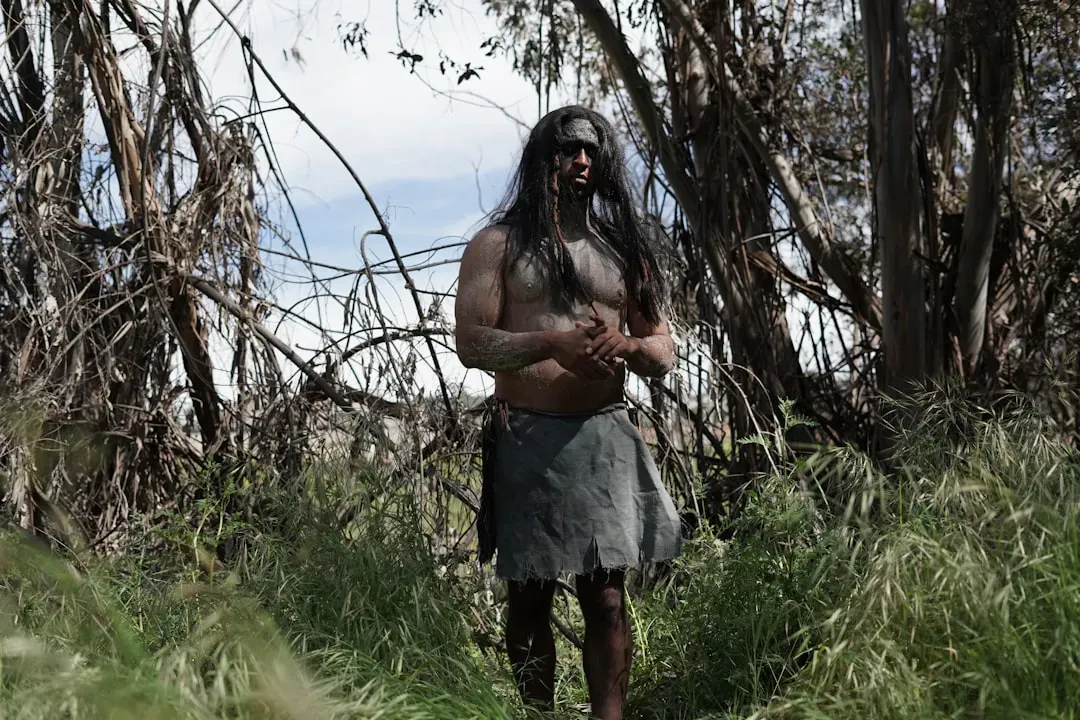
Long before ships with sails, GPS, or even metal tools, humans managed to reach almost every inhabitable environment on the planet. People made their way into Australia tens of thousands of years ago, crossing significant stretches of open water with boats or rafts that left almost no direct trace. Our species spread into the frozen Arctic, the high Himalayas, deep tropical forests, and remote islands using nothing but stone, bone, wood, plant fibers, and an extraordinary capacity for planning and cooperation.
When you think about it, this global spread feels like a slow‑motion space program carried out with Stone Age hardware. Groups had to solve problems that would challenge modern explorers: how to navigate without maps, which plants are edible or deadly, how to hunt unfamiliar animals, how to survive harsh winters or scorching deserts. They built mental maps, oral traditions, and practical know‑how that acted like a living encyclopedia passed down through generations. The next time someone dismisses ancient people as simple, it’s worth remembering that they colonized a whole planet without satellites, compasses, or written manuals.
5. Prehistoric Brains Hacked Tools the Way We Hack Software
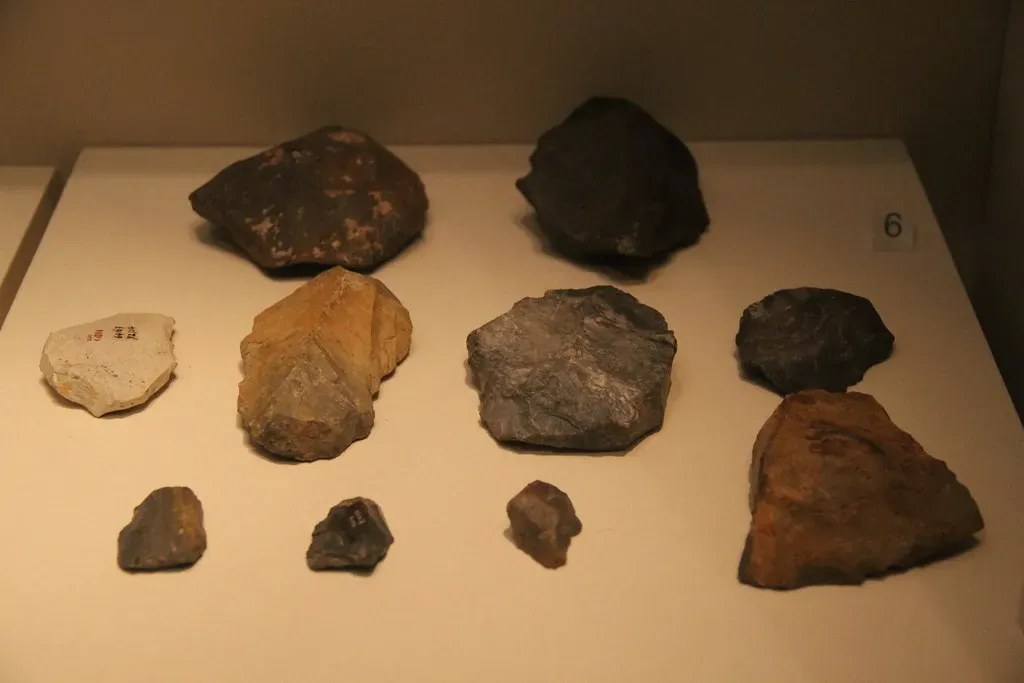
Stone tools can look simple at first glance, but under a microscope, many of them turn out to be masterpieces of precision engineering. Different prehistoric cultures developed distinct “technologies” of stone flaking: carefully controlled strikes that produced long, razor‑sharp blades, points, and flakes optimized for cutting, scraping, drilling, or piercing. Some tool traditions show complex, multi‑step preparation that had to be learned and mentally rehearsed, more like following a technical recipe than randomly banging rocks together.
What fascinates me is how brain studies of modern humans making stone tools show activity in regions associated with planning, motor control, and even aspects of language. That suggests that as our ancestors refined these techniques, they were also “upgrading” their brains, practicing the same mental skills that later allowed for abstract thought and speech. In a way, prehistoric toolkits were like open‑source software: each generation tweaked and optimized them, and successful innovations spread across groups and landscapes, turning raw stone into an evolving technology platform.
6. Some Humans Evolved Superpowers for Extreme Environments
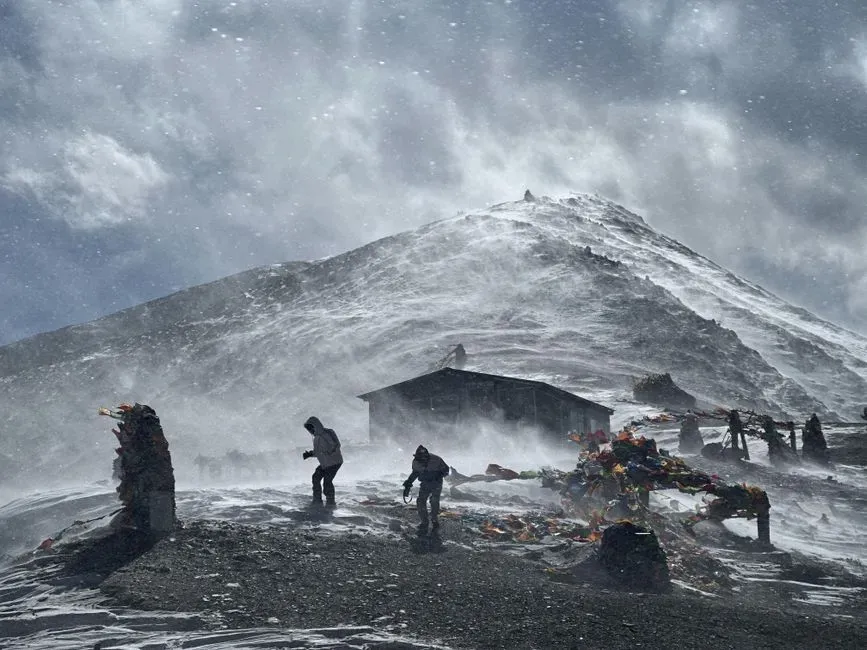
Not all Homo sapiens adaptations are obvious to the eye, but they can be jaw‑dropping when scientists uncover them. Certain populations living at very high altitudes in regions such as the Tibetan Plateau or parts of the Andes have genetic changes that help them use oxygen more efficiently in thin air. These adaptations influence things like blood chemistry and breathing in ways that would make a lowland visitor feel like they just stepped into a survival challenge, while locals go about daily life with little trouble.
Other groups show remarkable adaptations linked to diving and swimming. In some coastal communities, people are known to spend long periods underwater harvesting shellfish or other marine resources, and genetic studies have found changes related to spleen size and oxygen use that appear to boost their free‑diving abilities. This is the part that feels most like a sci‑fi anthology to me: give humans a few thousand years in a harsh environment, and we start to look like specialists, with invisible upgrades running quietly in the background of our biology.
7. Ancient Diets Were Wilder, Bloodier, and More Diverse Than We Imagine
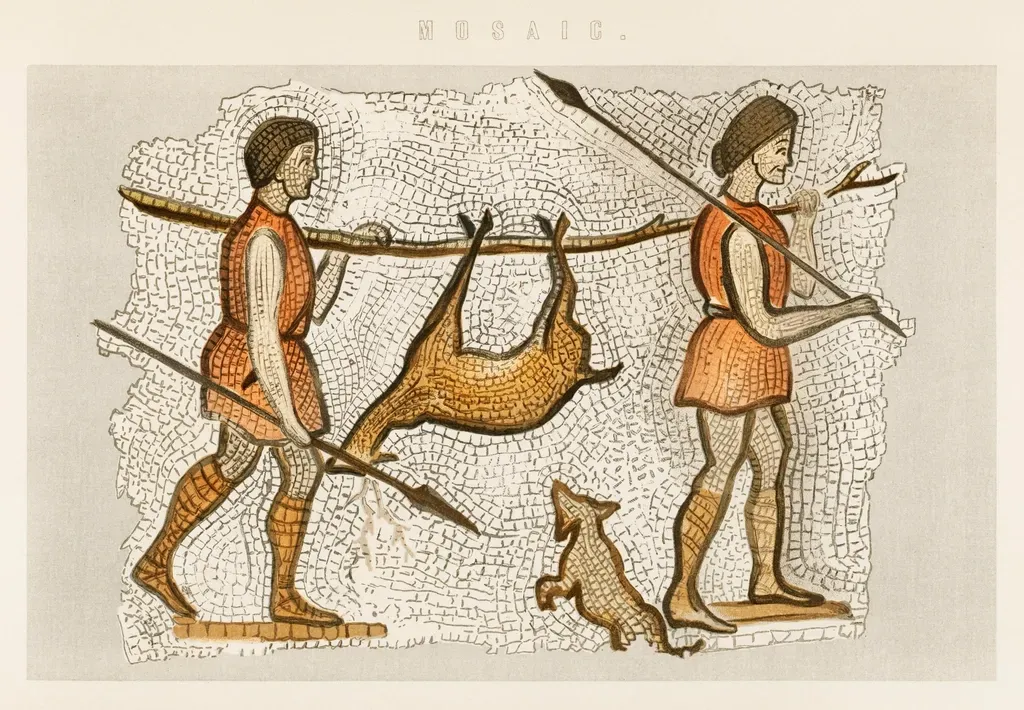
It is tempting to picture a “standard” prehistoric diet, but the reality looks more like an all‑terrain survival menu. Depending on where they lived, ancient humans ate everything from large Ice Age mammals to tiny seeds, roots, shellfish, insects, and even bone marrow carefully extracted from scavenged carcasses. Evidence from cut marks on bones, hearth remains, and microscopic plant residues on tools shows an astonishing range of strategies, from cooperative big‑game hunts to labor‑intensive gathering and processing of tough plant foods.
What really challenges modern assumptions is how flexible and opportunistic these diets were. Some groups relied heavily on meat and fat for long periods, especially in cold or resource‑poor regions, while others leaned more on plants, fish, or mixed strategies that changed with the seasons. There was no single “paleo” way to eat; there were countless solutions tuned to local landscapes and cultures. When I compare that to our modern supermarket aisles, it almost feels like we took a species built for adaptive, creative foraging and locked it inside a very narrow, highly processed food environment that our ancestors would barely recognize.
8. Symbolic Minds Emerged Long Before Cities or Writing
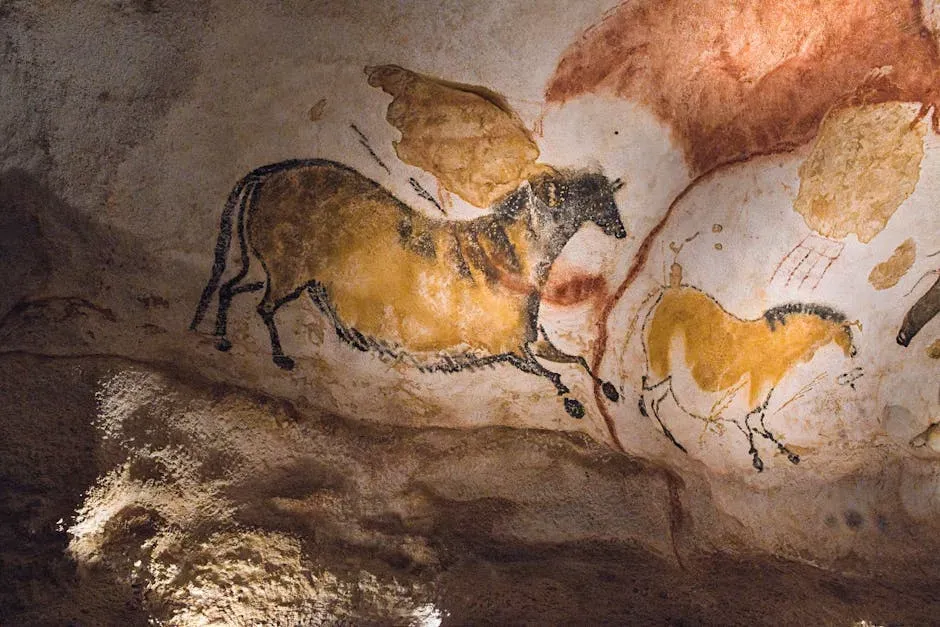
We often link complex thought with civilization, cities, and written language, but the archaeological record keeps pushing symbolic behavior further and further back in time. Long before the first cities rose, humans were already making beads from shells, carving abstract patterns into bones and ochre, and arranging pigments in ways that suggest ritual or communication. Some cave art and rock engravings are tens of thousands of years old, and they show not just animals and handprints but strange signs and shapes that hint at storytelling, myth, or shared symbols.
To me, this is one of the most quietly astonishing facts about prehistoric humans: long before we invented spreadsheets and skyscrapers, we were already living in mental worlds thick with meaning. People looked at the night sky, the hunt, birth, death, and the changing seasons and tried to make sense of it all, weaving explanations and shared stories. That capacity for abstract thought and shared imagination might be our most powerful “technology” of all, because it let small groups coordinate, build identities, and pass down knowledge far beyond what any single brain could hold.
Conclusion: Our Weird, Unfinished Origin Story
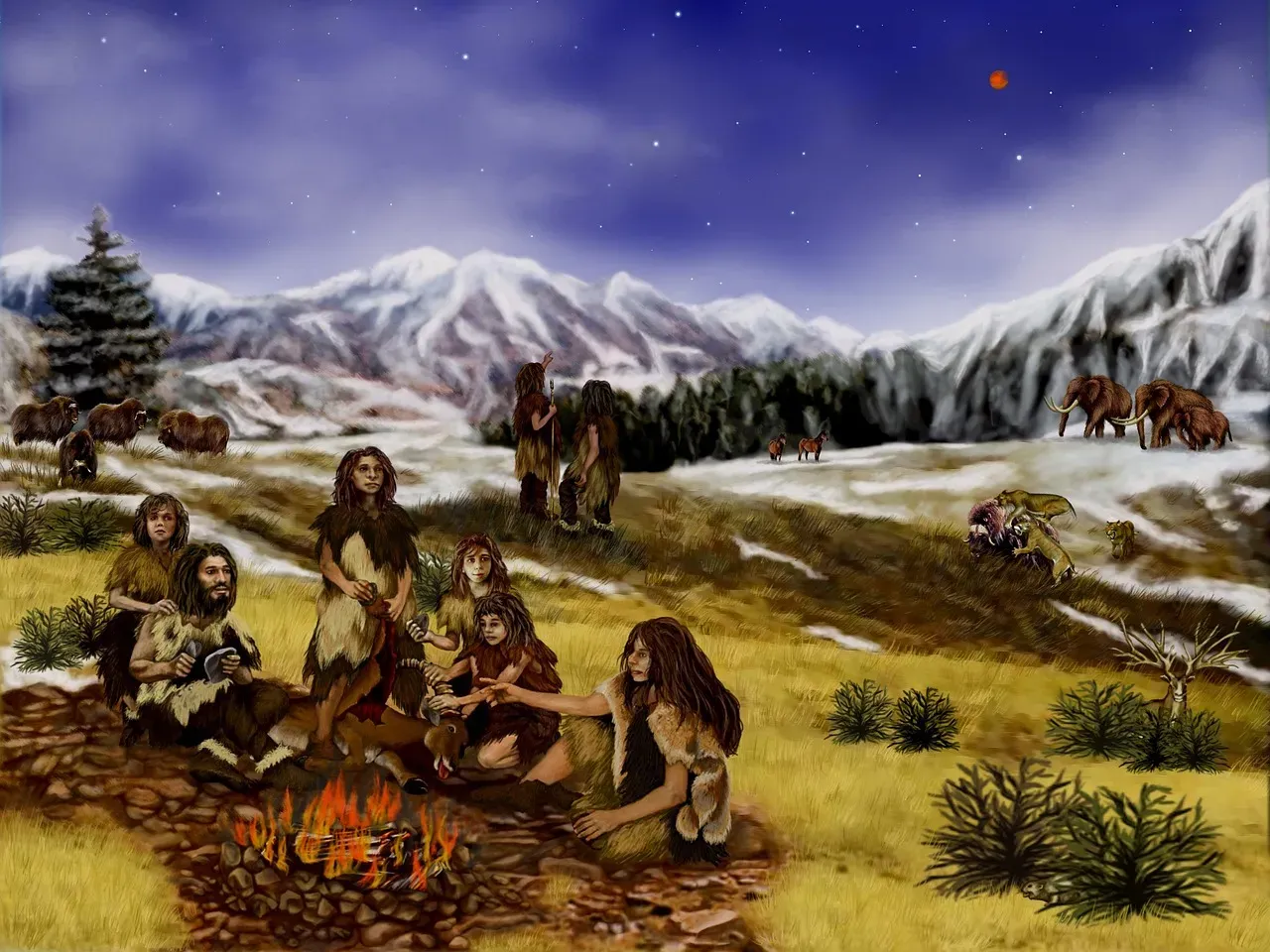
When you line up these facts, the old image of prehistoric humans as half‑awake cave dwellers just does not survive contact with the evidence. What emerges instead is a portrait of a species that was already restless, experimental, and strangely futuristic: interbreeding with other humans, hacking genetics through natural selection, engineering tools with shocking sophistication, and turning the whole planet into a testbed for survival strategies. In my view, the biggest mistake we make is treating them as “them” instead of “us at an earlier chapter,” because the same curiosity and risk‑taking that drove them across ice sheets and oceans is still humming in the background of modern life.
I also think there is a humbling lesson here: we are not the inevitable pinnacle of evolution, just the latest surviving branch of a much bushier human family tree. Other versions of humanity walked the Earth with their own strengths, cultures, and ideas, and their traces still live in our genes and our minds. If anything feels like science fiction, it is the realization that we are the last descendants of a long, messy experiment that could easily have turned out differently. The real question is what kind of ancestors we are going to be for whoever comes next, thousands of years from now – because if they dig through our remains, will they see a species that finally understood its power, or one that never quite did?