
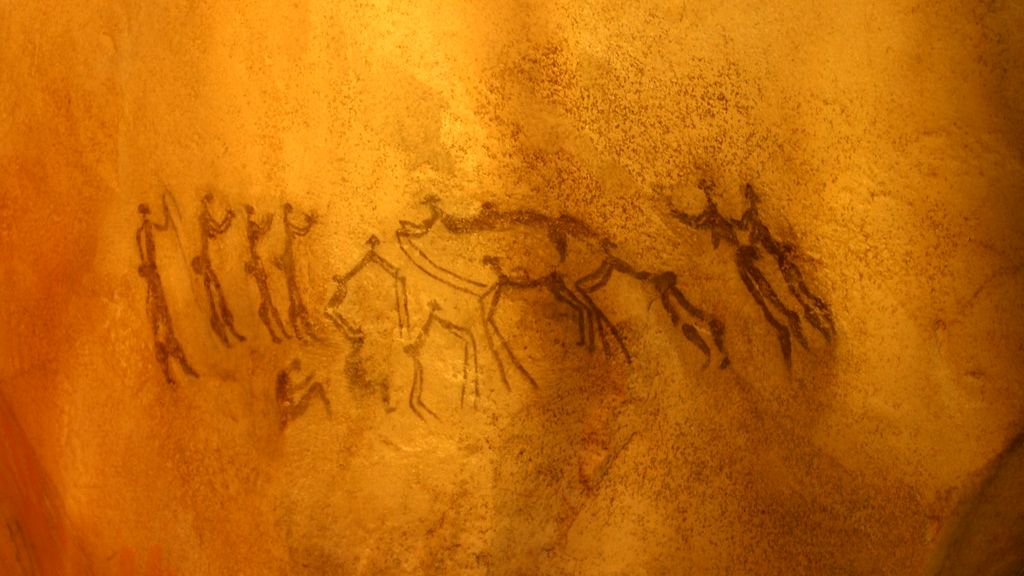
Walk into a cave like Lascaux or Altamira, and it can feel like the air itself changes. You are suddenly face to face with people who lived tens of thousands of years ago, and yet their horses, bison, and handprints look disarmingly fresh, almost as if someone finished them last week. It is tempting to spin this into a neat story: the first artists, the dawn of religion, the origin of storytelling. But the real story behind these paintings is weirder, messier, and far more intriguing than any single explanation.
Over the last few decades, archaeologists, neuroscientists, and anthropologists have been quietly tearing down old myths about cave art. The idea that it was all just “hunting magic” or that only male shamans painted in secret has not held up well against new evidence. The truth is, we still do not fully know why our ancestors crawled into dark, dangerous spaces to paint glowing animals by flickering torchlight. What we do have, though, is a growing body of clues that reveal how complex, social, and surprisingly modern these people were – and how their paintings say as much about us as they do about them.
The Caves That Changed Everything: Lascaux, Altamira, and Chauvet
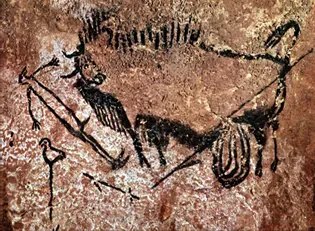
The most famous prehistoric paintings are tucked away in a handful of European caves: Lascaux in France, Altamira in Spain, and Chauvet in the Ardèche region of France. When Altamira was first reported in the late nineteenth century, many respected experts assumed it had to be a hoax because the bison on the ceiling were simply too good. Only after similar finds turned up elsewhere did the archaeological world grudgingly accept that people living in the Ice Age could create work that rivaled modern art in skill and style.
Chauvet forced another recalibration when it was discovered in the mid-1990s. Its paintings, some more than thirty thousand years old, were older than most famous caves yet astonishingly sophisticated, with layered shading and a kind of motion blur suggesting movement. Lascaux, discovered by chance by teenagers in the 1940s, added yet another twist: dense, almost overwhelming clusters of animals painted on top of one another, as if the cave were some ancient visual archive constantly revised across generations. Together, these sites shattered the lazy idea that deep prehistory was a kind of long, dull prelude before “real” civilization began.
Who Painted These Walls? Rethinking the Stereotype of the Male Hunter-Artist
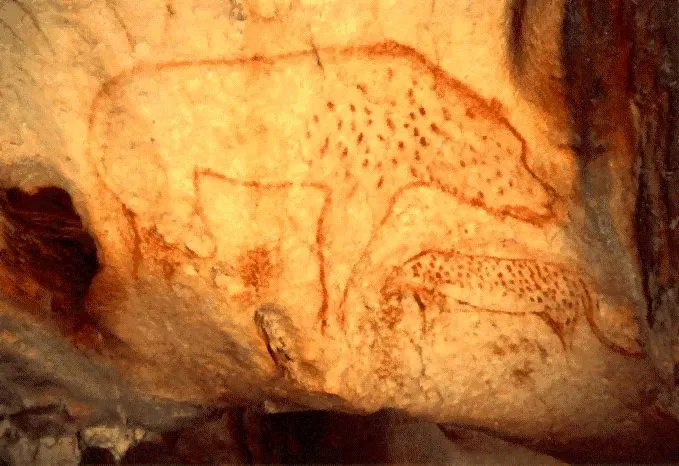
For a long time, popular books and documentaries quietly promoted the same familiar image: a bearded male hunter, probably a kind of shaman, crouched alone with a torch, painting animals to magically control the hunt. It sounded tidy and weirdly comforting, but it leaned heavily on modern assumptions about gender, hierarchy, and genius. Recent studies of hand stencils and finger markings have pushed back against that stereotype, suggesting that women and possibly even adolescents also left their marks in the caves. When researchers compared the relative lengths of fingers, a trait that tends to differ between sexes, they found that a surprising portion of handprints looked more likely to belong to females.
This does not mean we suddenly know exactly who painted each figure, but it does force us to imagine cave art as a more collective endeavor. Instead of one lonely visionary, you might picture a small group: some preparing pigments, others holding lamps, children watching or helping, people talking while images slowly emerged from the rock. The social vibe of these scenes matters. It points toward caves as sites of gathering and shared meaning, not just solitary magic. That image, honestly, feels more human: creative chaos, teamwork, and probably the occasional argument over where to put the next bison.
Art, Ritual, or Something Else? Why They Painted Deep Underground
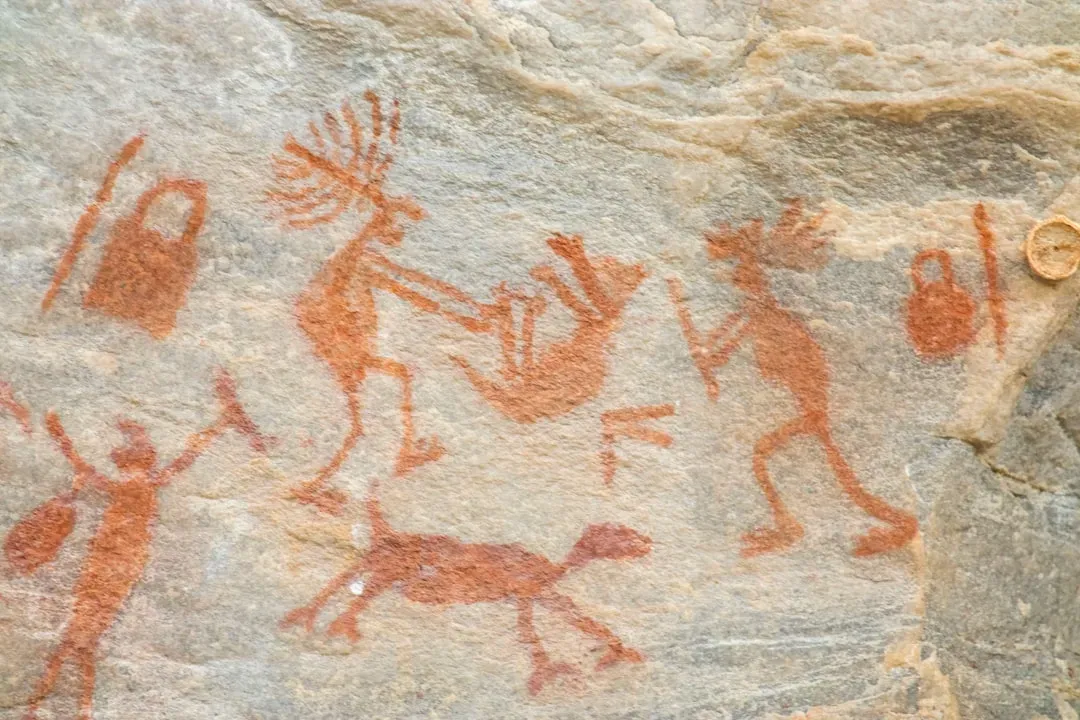
There is no single agreed-upon answer to why Paleolithic people painted in caves, and anyone who claims otherwise is selling a clean story where reality is messy. One classic theory suggested “hunting magic,” the idea that painting animals would somehow give hunters power over them or guarantee a successful chase. Another leaned toward shamanism, arguing that the dark, echoing caves were natural theaters for altered states of consciousness, with the art acting as a kind of interface between worlds. Both theories capture fragments of the truth but fall apart when you look at the huge variety of images, many of which do not seem directly connected to food or strictly religious scenes.
When you look at where the paintings are placed – sometimes in cramped side chambers, sometimes in huge resonant halls – it becomes clear that location itself meant something. Some sites have acoustic properties where certain spots echo or amplify sound in striking ways, suggesting that sound, movement, and image were intertwined experiences. In that sense, the caves may have been more like immersive performances than static art galleries. My own view is that we should stop trying to pin cave art to one tidy purpose. Humans multitask meaning. A single space could be sacred, social, educational, and emotionally intense, all at once.
Darkness, Firelight, and the Ancient Human Brain
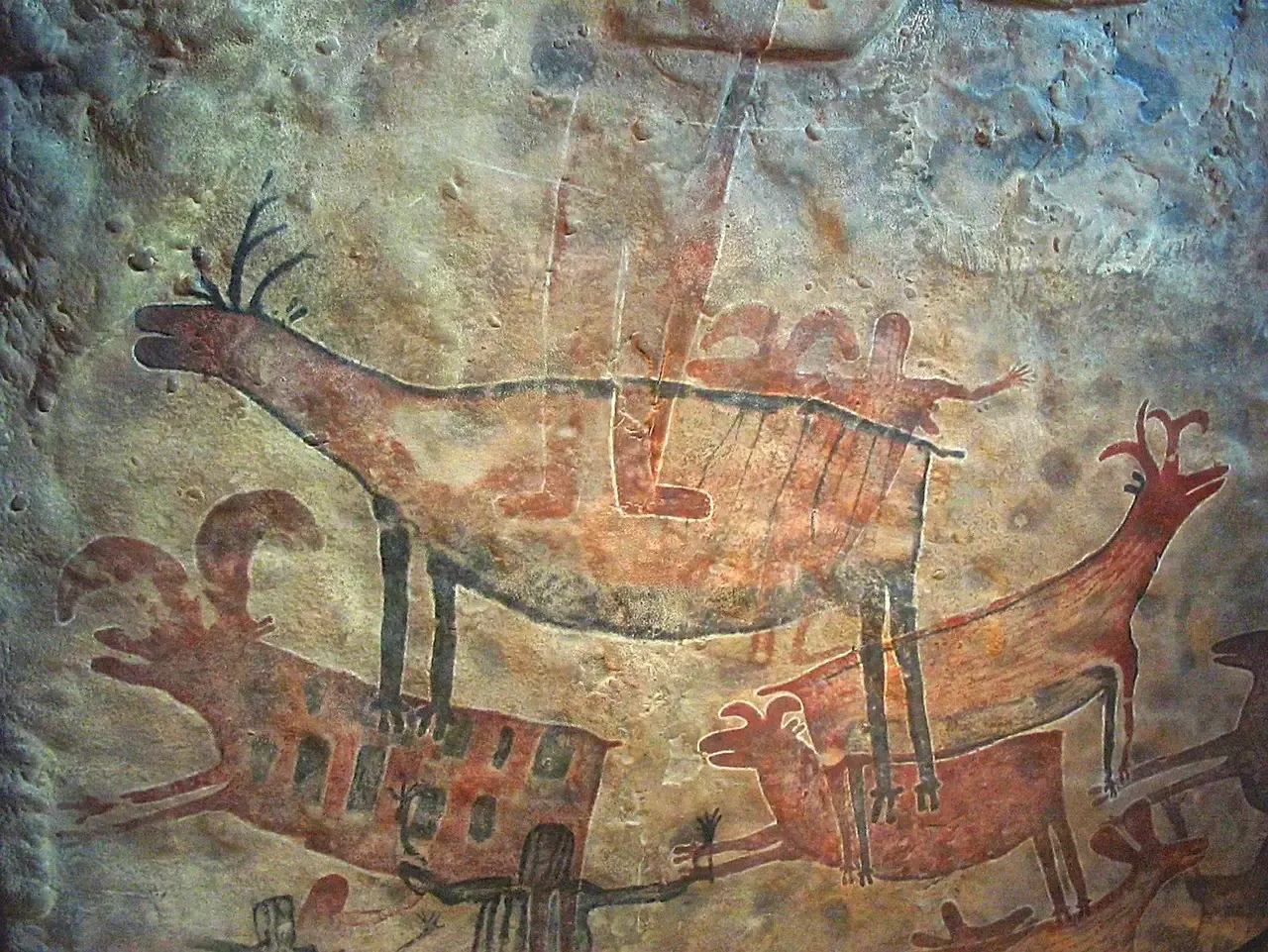
Imagine the paintings not in a museum-style bright light, but in the way their creators saw them: in near-total darkness, interrupted by the glow of torches and small lamps burning animal fat. That shifting light would have made the figures seem to move, flicker, and even breathe. Curves in the rock were often used deliberately so that a bison’s flank swelled or a horse’s head jutted forward, playing with perspective and illusion long before anyone wrote an art manifesto. In a sense, these were the original immersive experiences, tuned perfectly to the human nervous system.
Neurologically, our brains are wired to see patterns and agents – things that move, think, and act – in noisy or ambiguous visuals. In the deep cave, with echoing sounds and unstable light, those tendencies would be turned up to maximum. Some researchers suggest that the sensory deprivation of the deep interior could induce unusual visual effects, the kind of abstract shapes and flashes people often see in altered states. Whether or not that was deliberate, it is obvious that cave painters knew how to use darkness and light to create emotional impact. The fact that we still feel that impact today, despite smartphones and cinema, says a lot about how little the core of our perception has changed.
Animals, Symbols, and the Puzzle of What They Really Meant
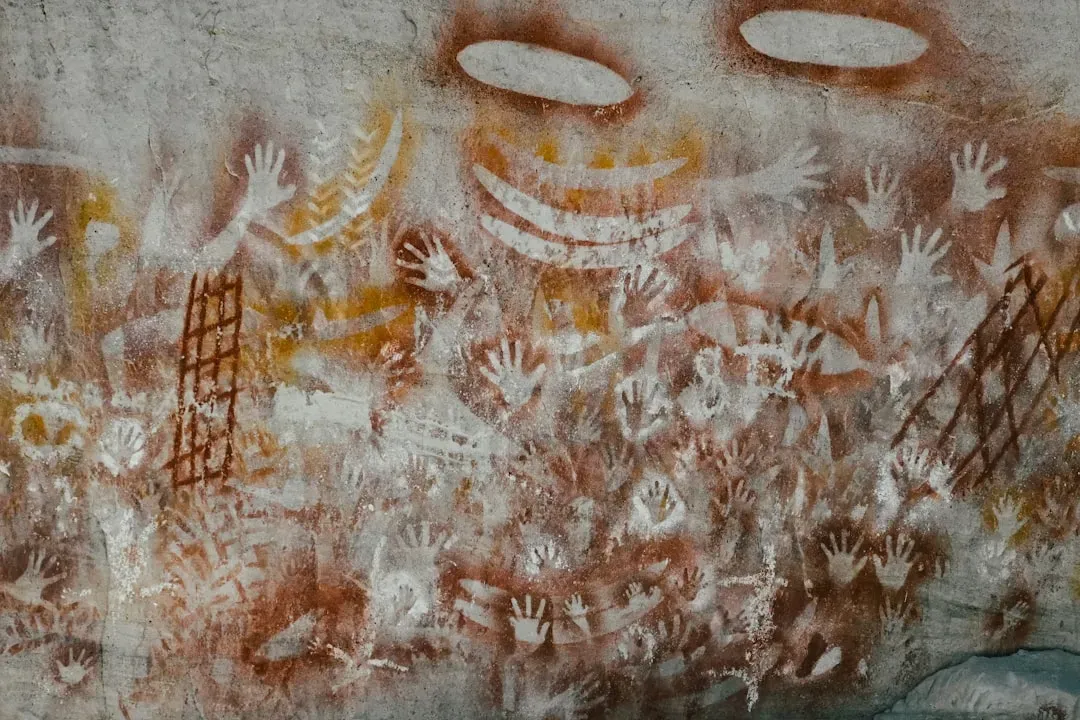
One of the most striking features of famous cave art is how rarely humans are depicted compared to animals. Herds of horses, bison, ibex, mammoths, and rhinos cover the walls, while clear human figures are scarce, often stylized or oddly distorted. This imbalance has led to a thousand interpretations: perhaps people respected animals as spiritual beings, or maybe they avoided portraying humans out of taboo or fear. Some animals appear far more often than others, even when they were not the main source of food, which hints that they might have carried special symbolic weight beyond simple survival.
Alongside the animals, there are mysterious signs: dots, lines, ladders, branching forms, and other geometric marks that repeat across caves and regions. A growing school of thought suggests these may have formed an early system for recording information, maybe related to seasons, animal behaviors, or social events. It is tempting to declare them a kind of “proto-writing,” but the evidence is not yet solid enough to go that far with confidence. Still, the consistency of some signs over thousands of years tells us that people were not randomly doodling. They were building a shared visual language, one we can almost – but not quite – decode, like an ancient message just beyond reach.
Not Just Europe: How Cave Art Connects a Global Human Story
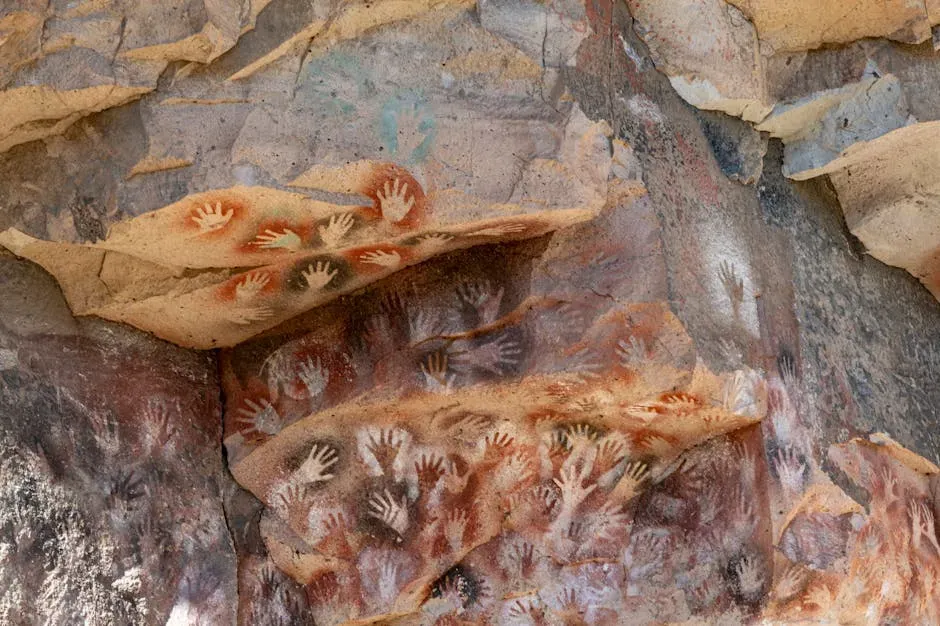
It is easy to fall into a Eurocentric trap and treat Lascaux and Chauvet as if they were the birthplace of art. In reality, rock art appears on every inhabited continent, from Australia’s stunning rock shelters to Indonesia’s hand stencils and animal figures that are at least as old as some European examples. In parts of Africa, engravings and painted rock shelters hint at symbolic traditions that go back tens of thousands of years, possibly aligning with the broader emergence of complex culture among early Homo sapiens. When you zoom out, the idea that art “began” in one region starts to look like a convenient myth rather than a serious conclusion.
What is genuinely striking is not that art appears in many places, but that it appears again and again wherever humans have time, tools, and a bit of stability. That suggests something deep-running in our species: once basic survival is manageable, we start to spill stories, symbols, and images onto whatever surface we can find. The famous European caves happen to be unusually well-preserved time capsules, but they are just one chapter in a global saga. Seeing them in that context makes them feel less like isolated miracles and more like the best-surviving examples of a human habit that might be as natural to us as language or music.
How New Science Is Rewriting Old Myths About Cave Art
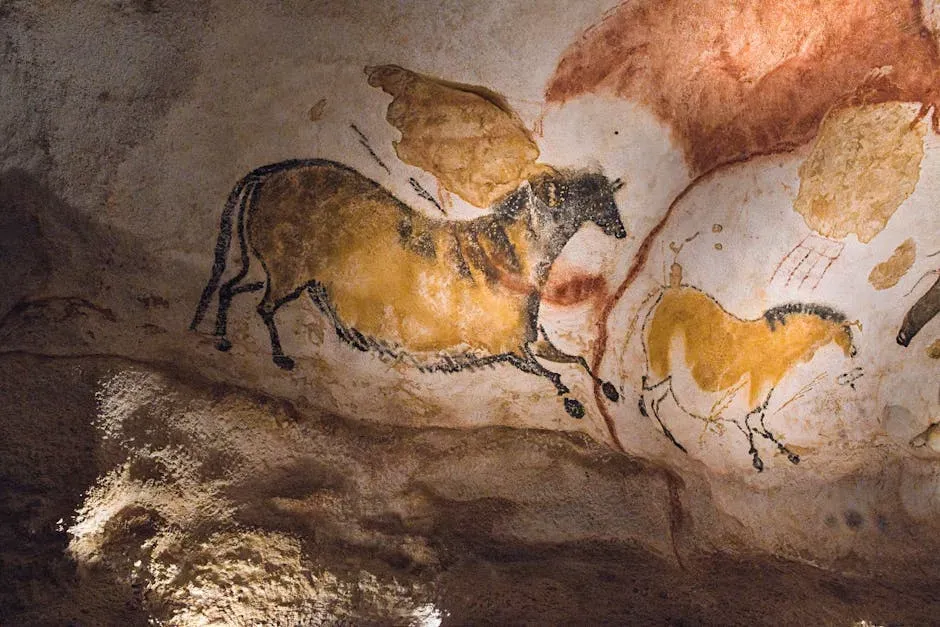
Over the last couple of decades, advances in dating methods, 3D scanning, pigment analysis, and even DNA sampling from cave floors have transformed what we can say about these paintings. More precise dating has revealed that some caves were used and revisited over thousands of years, turning them into long-lived cultural hubs rather than one-off projects. Microscopic analysis of pigments shows careful recipe-like mixing of minerals and binders, which feels a lot less like spontaneous scrawling and more like inherited technical knowledge. In some places, footprints on cave floors and traces of smoke or torch marks have been mapped to reconstruct how people moved through the space.
These methods have also been good at killing off overly neat stories. Claims that one specific group or cult controlled a cave often crumble once new dates show multiple phases of use. Romantic ideas that each figure was a singular masterpiece get complicated when you learn that later artists repainted or modified older forms. To me, this constant revision is not a disappointment; it is a reminder that prehistory is not frozen. Our understanding of it is alive and always changing, shaped by new tools, new questions, and a bit of scientific humility. The story of cave art is not only about the past; it is also about how each generation chooses to see that past.
What These Ancient Paintings Reveal About Us Today
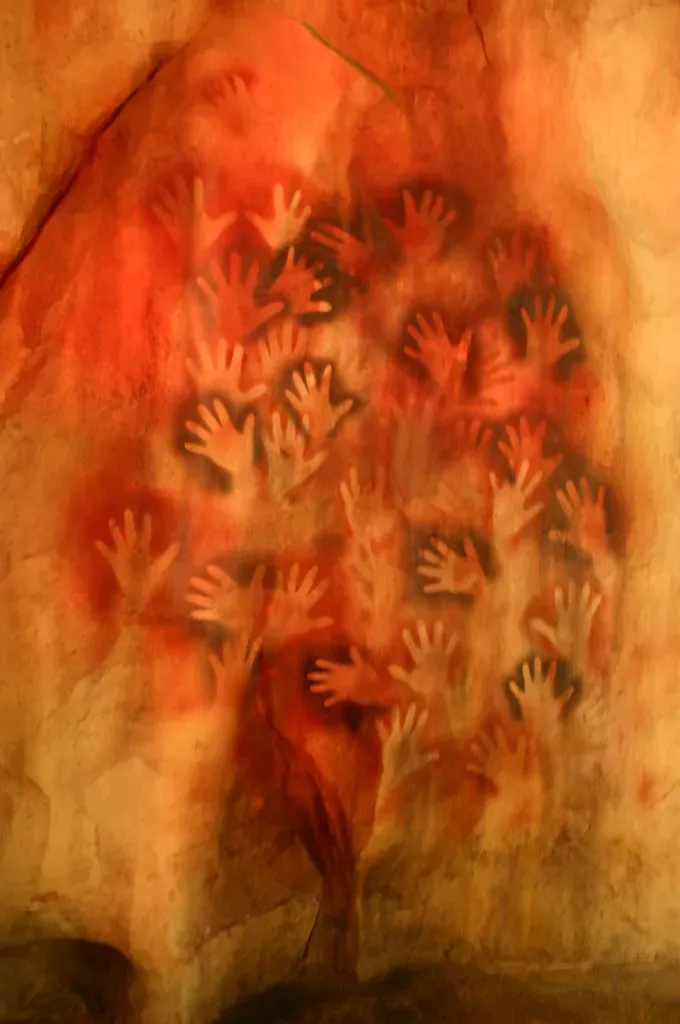
Spend enough time looking at photos or reconstructions of Lascaux, Altamira, or Chauvet, and something unsettling happens: you start to feel less advanced than you assumed. The people who painted those walls had no metal tools, no cities, no writing, but they had a vivid sense of form, movement, and shared symbolism that feels almost contemporary. They were not primitive in the way that word is usually thrown around; they were simply living in a different technological setting. Emotionally and cognitively, they were us. That realization can be both humbling and oddly comforting.
In a world drowning in digital images, it is striking that the most powerful visuals many people ever experience are still those ancient animals in the dark. Maybe that is because the core human need they speak to has not changed: the urge to fix moments, feelings, and fears outside our bodies so others can see them, react to them, argue with them. In my view, cave art is not just “early art”; it is early evidence that humans cannot stand to live only inside their own heads. We project ourselves outward, onto stone, pixels, paper, anything we can reach. That is the real line connecting a torch-lit bison to a street mural or a viral meme.
Conclusion: The Real Story Is That There Is No Single Story
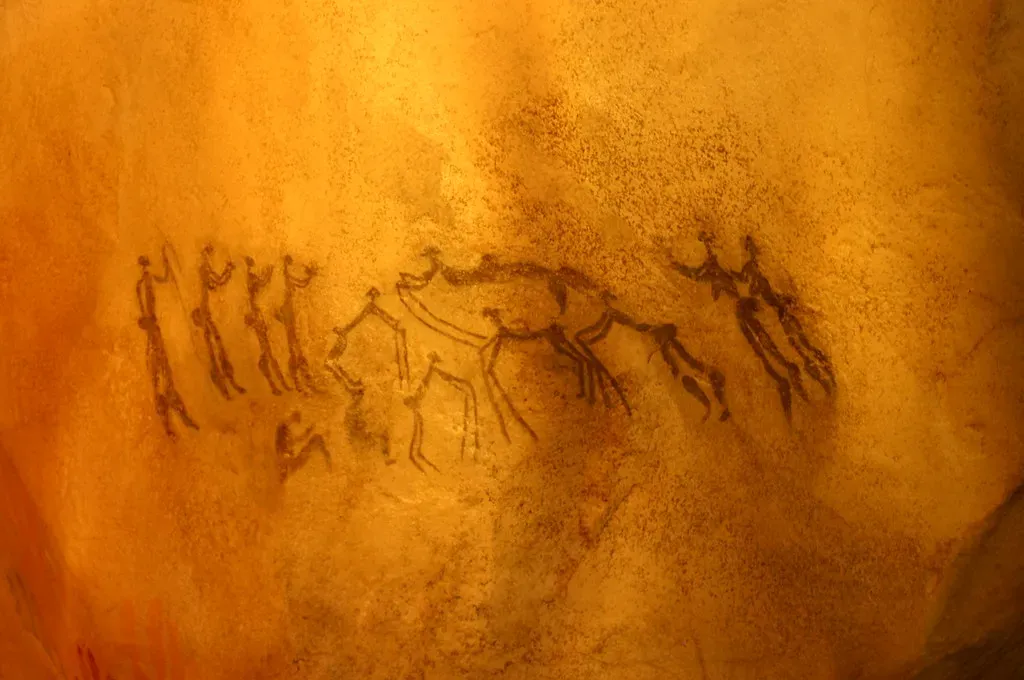
When people ask for the real story behind humanity’s , what they usually want is a clean answer: they were religious shrines, or hunting manuals, or cosmic calendars. The more evidence we gather, the harder it becomes to believe in any one of those options on its own. What the caves really show is a layered, sometimes contradictory human world where ritual, teaching, memory, aesthetics, and raw emotion are all tangled together. That feels less like a mystery to be solved and more like a mirror of how culture works in any era, including ours.
My own opinion is that we should stop trying to domesticate cave art with simple labels and instead accept it as proof that humans have been gloriously complicated for a very long time. These paintings are not the first step on a staircase toward modernity; they are fully realized works from minds every bit as rich as ours, just living in different conditions. Standing in front of them – whether in person or through a screen – you are not looking at the dawn of something crude that became better later. You are looking sideways in time at neighbors you will never meet, who picked up pigment and rock and said, in their own way: we are here, and this is what it feels like to be alive. Would you ever have guessed that the oldest galleries on Earth would still be challenging how we see ourselves today?