
Imagine waking up with no alarm, no inbox, no commute, and no bills to pay – just the simple but serious question of what the land will give you today. For a Stone Age hunter-gatherer, a perfect day was not about luxury or leisure the way we think of it, but about everything going so smoothly that survival felt almost effortless. Food was found with less struggle than usual, weather cooperated, and dangers stayed mostly out of sight. On those rare days, work, community, and nature lined up in a kind of rough harmony.
We tend to picture prehistoric life as one long emergency, but that’s only part of the story. Anthropologists studying modern foraging societies have found that on good days, people often worked fewer hours than many modern office workers, with plenty of time left for talking, resting, playing, and doing nothing in particular. A truly good day in the Stone Age was not about endless adventure; it was about enough – enough food, enough safety, enough companionship, and enough calm to feel briefly at peace in a world full of risk. Let’s walk through what one of those rare, near-perfect days might have actually looked like.
Waking With the First Light: No Alarm, Just the World
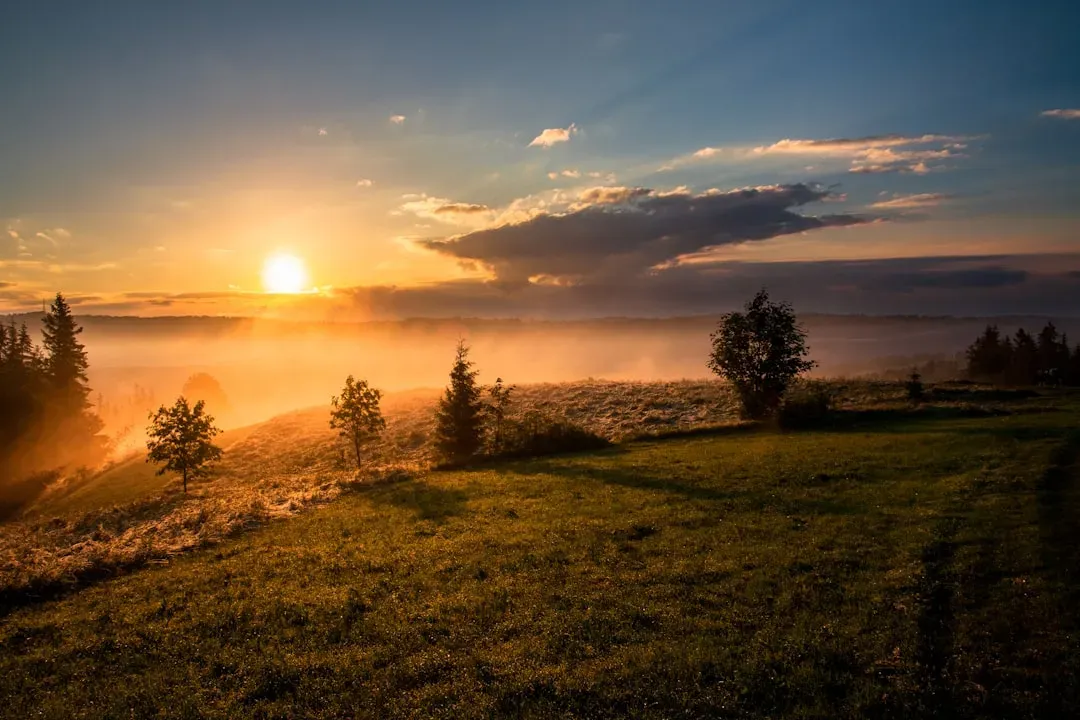
On a perfect day, the morning started gently, not with a storm, an animal raid, or the sound of a crying child, but with that soft, gray light just before sunrise. The air would be cool, maybe even a little chilly, and the smell of damp earth or woodsmoke from last night’s fire would hang in the air. People likely woke up slowly as the light changed, their bodies synced to the rhythms of the sun rather than to a rigid schedule. There was no concept of “sleep hygiene,” yet they slept in short segments, dozing, waking, and drifting back to sleep as infants fussed or someone stoked the fire.
On good mornings, nothing had gone wrong in the night: no predators prowled too close, no serious injuries, no sudden illness. That alone would have made the day feel promising, like stepping out of a tent on a clear camping morning when everything is still quiet and cool. Children might already be wiggling around, older group members stretching stiff joints, and a few early risers checking the embers or scanning the horizon. In that brief, hushed moment, the group would be together but calm, sharing a word, a gesture, or just a glance that said: we made it through another night; now let’s see what the day brings.
Food First: Foraging and the Calm Confidence of Knowing Where to Look
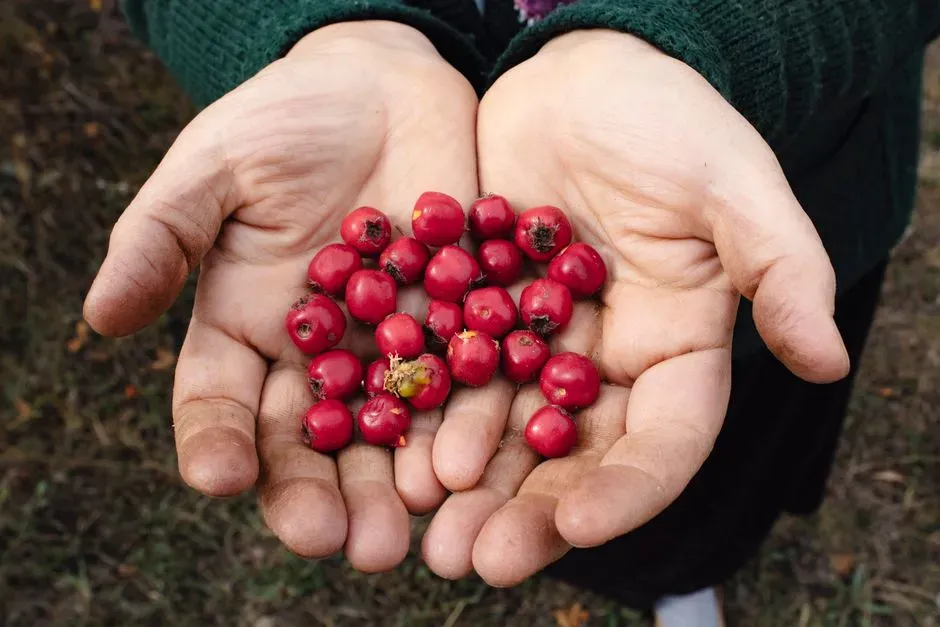
A perfect day for a Stone Age forager started with one huge relief: they already had a pretty good idea where food would be. Maybe they’d seen signs of ripening berries the day before, or they knew from long experience that this week was when a certain tree dropped its nuts. Rather than wandering in desperation, they’d head out in small groups with calm focus, chatting as they walked and reading the land the way we read a screen. Knowing the landscape deeply – where roots grow best, where animals water, which slopes thaw earliest – turned a potentially terrifying scramble for calories into a semi-predictable routine.
Gathering itself could be almost meditative on an easy day. People would kneel, pluck, dig, and sort, talking about nothing in particular or teaching children which plants were safe and which to avoid. Kids might trail along, trying to copy the adults, turning the morning into a mix of work and play. A plentiful patch of tubers or a tree heavy with fruit changed the mood instantly: a rush of relief, a sense of small victory. Instead of gnawing anxiety about where the next meal was coming from, there was the satisfaction of baskets gradually filling, like watching your pantry restock itself after a long week.
The Thrill of the Hunt: Risk, Reward, and Cooperation
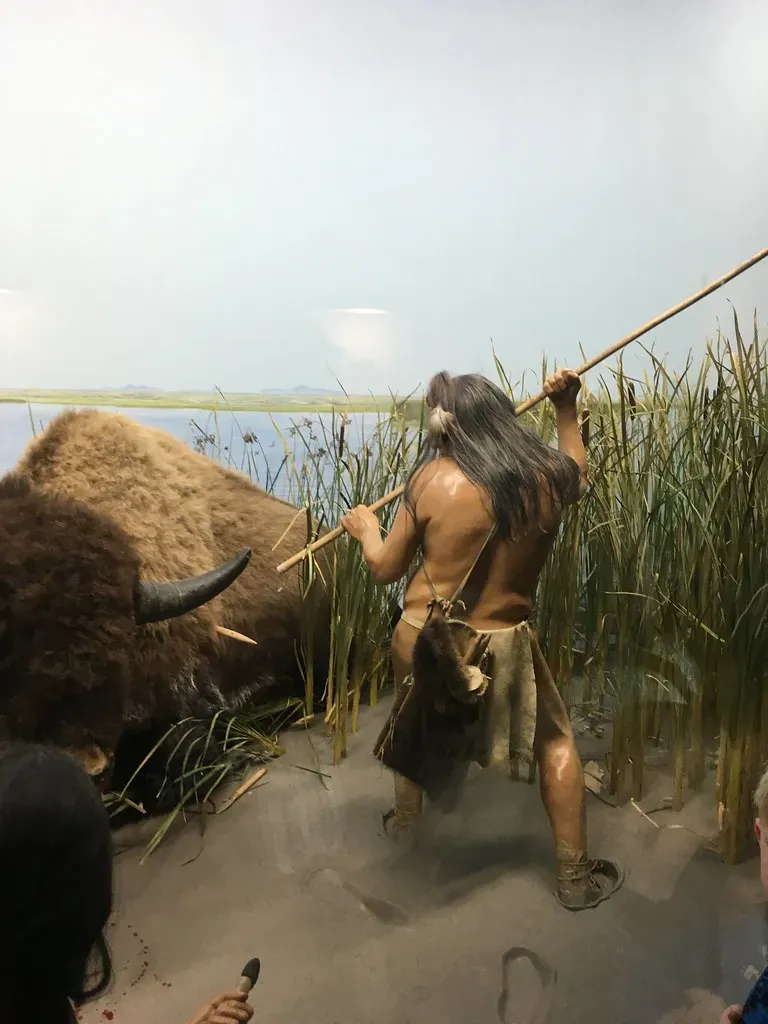
Not every perfect day required a successful hunt, but landing meat made a great day truly exceptional. When conditions were right – tracks fresh, animals nearby, weather cooperative – a smaller group of hunters might head out with spears, atlatls, or later simple bows. This was not just about brute strength; it was about reading signs: broken twigs, fresh droppings, disturbed soil. Hunters needed patience, strategy, and an almost obsessive awareness of wind direction, terrain, and animal behavior. On a perfect day, all the little things went right: the herd did not spook too early, the wind stayed steady, and no one twisted an ankle in a gopher hole.
The emotional tone of a successful hunt was probably intense and mixed – exhilaration, relief, maybe a kind of solemnity when an animal finally went down. Bringing back meat was more than calories; it was status, security, and proof that cooperation worked. Everyone back at camp would benefit, not just the hunters, which deepened bonds and obligations within the group. When the load was heavy but spirits were high, people might joke or brag a bit on the walk back, the way someone today might glow after closing a big deal or finishing a marathon. Except here, the win was literally edible and would be shared across the group that same day.
Midday Heat: Rest, Repair, and the Art of Doing “Nothing”
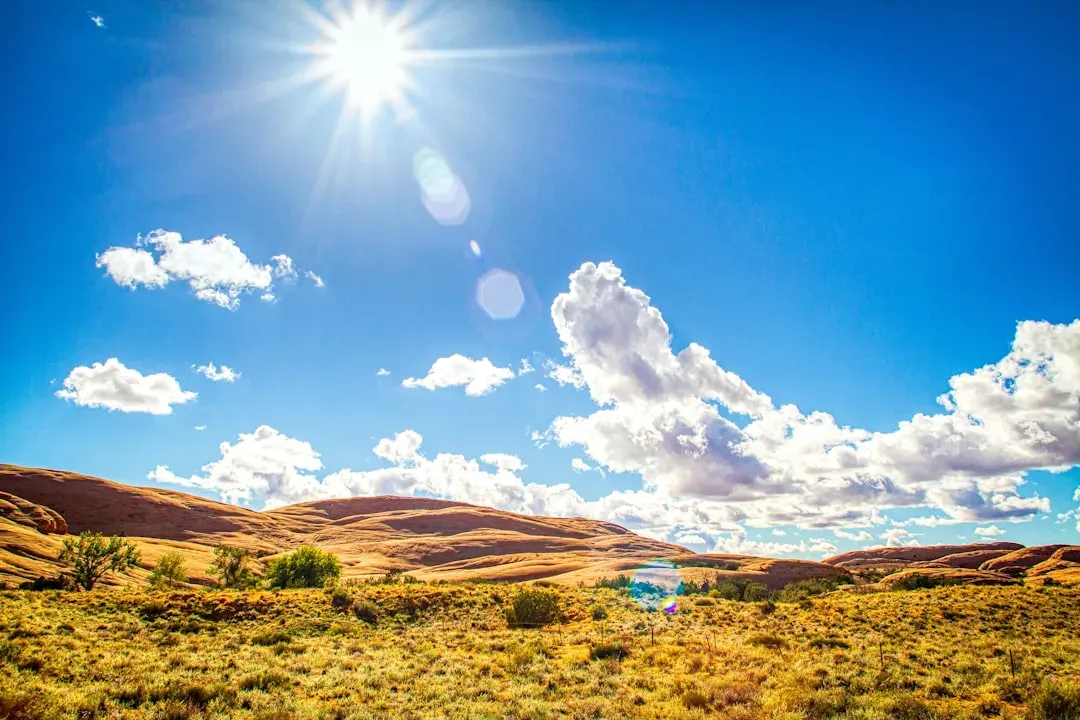
Unlike modern culture, which glorifies constant productivity, a hunter-gatherer’s perfect midday involved a lot of what might look like laziness to us. Once the main food tasks were done or paused, the hottest part of the day was for resting in the shade, chatting, and maintaining tools. People might sit together and quietly sharpen stone blades, repair clothing from animal skins, or twist plant fibers into cord. It was slow work, but it was also a kind of insurance policy, keeping everything ready for the next less-than-perfect day. In a way, it was their version of backing up your files or tuning up your car, just with bone needles instead of software updates.
This slower rhythm also gave space for story, teaching, and low-level gossip. Older group members might share memories of past migrations or close calls, weaving practical lessons into tales about spirits, animals, or ancestors. Children would hover nearby, listening in while they played, absorbing knowledge without anyone calling it a lesson. On particularly good days, there was no urgent crisis to solve, no looming shortage, just the gentle ticking along of maintenance and conversation. The feeling of safety here did not mean guarantees; it meant that, for the moment, nothing was obviously going wrong.
Evening Fire: Food, Stories, and Shared Nerves Settling Down
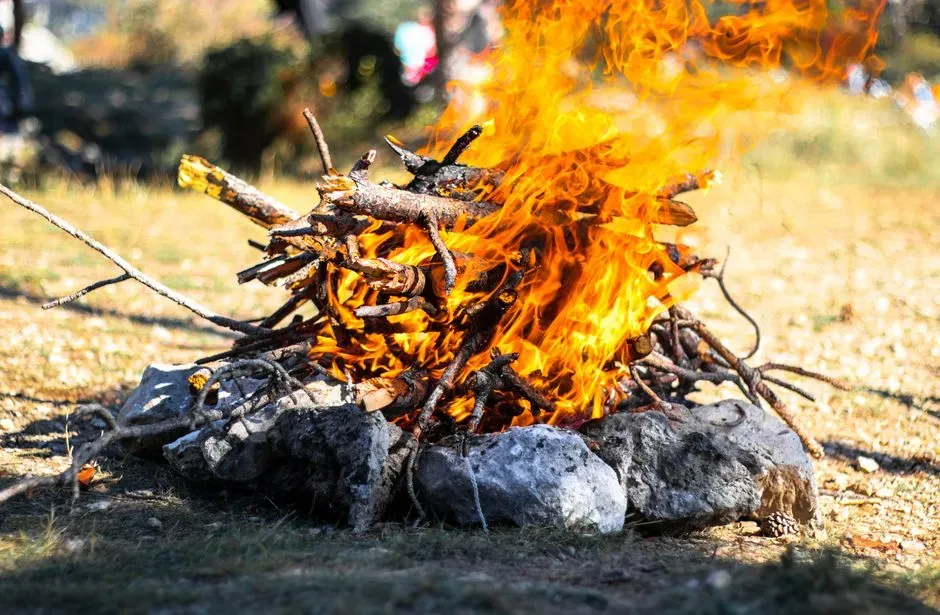
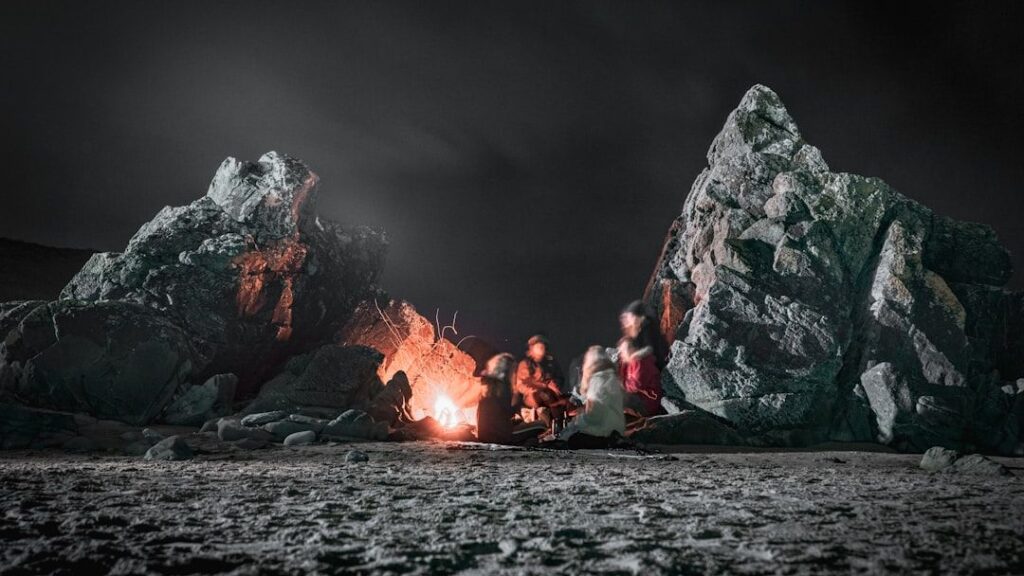
If there’s a universal scene in human history, it is probably people sitting around a fire at night. On a perfect Stone Age day, the evening fire meant warmth, cooked food, and the reassuring sense of being together in a dangerous world. The meal itself might be surprisingly varied: roasted meat, roasted tubers, berries, seeds, perhaps a handful of insects or shellfish depending on the environment. Cooking softened hard fibers, unlocked more nutrients, and made many foods safer to eat, and it probably made everything taste better too. Just like today, a hot meal after a long day changed the whole emotional temperature of the group.
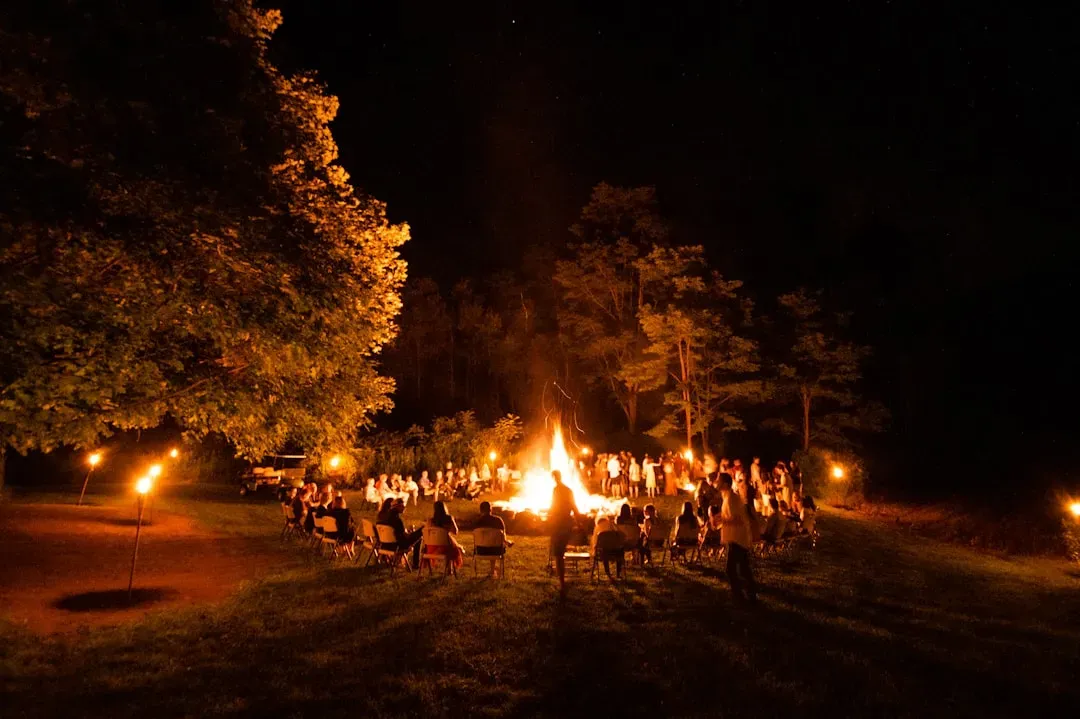
Firelight also created space for something we often underestimate: collective imagination. People likely shared origin stories, animal myths, and exaggerated tales of daring hunts, mixing real memories with symbolic meaning. These stories weren’t entertainment in a shallow sense; they explained why the world was the way it was, who belonged to whom, and what rules mattered. Laughter around the fire probably came easily on a good day – someone teasing another about a clumsy moment, or imitating an animal’s call badly on purpose. Under the stars, with stomachs full and bodies tired in the right way, the group’s sense of “us” felt strongest, like a woven net pulled tight.
Nightfall and Safety: Quiet Watchfulness at the Edge of Darkness
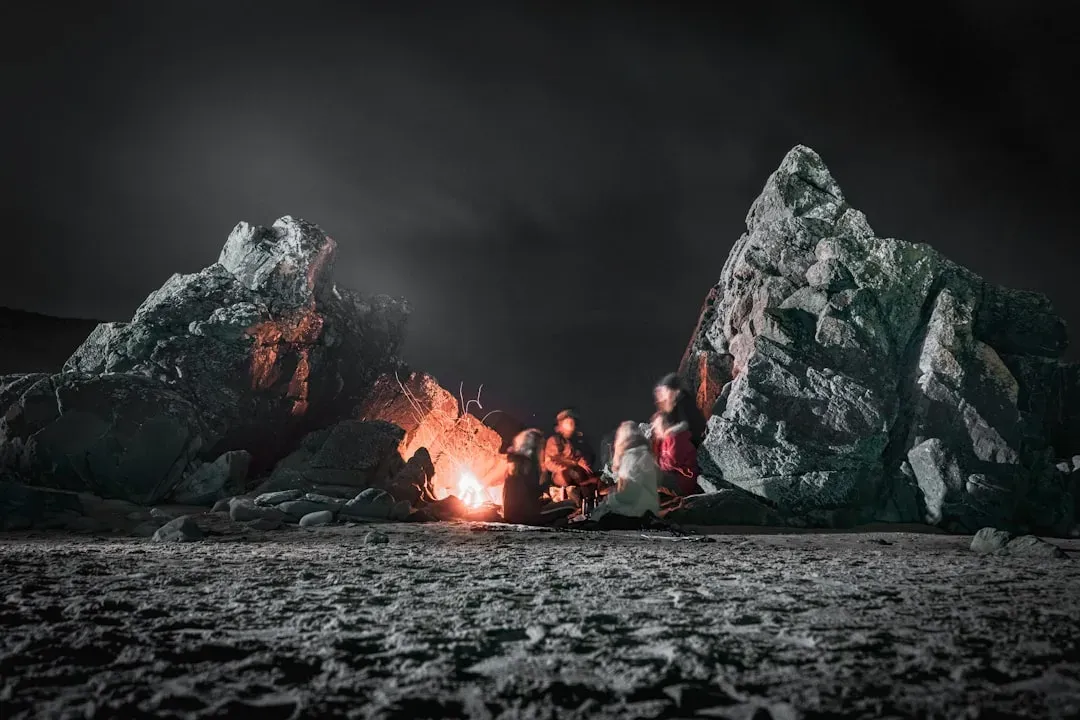
Even on perfect days, the Stone Age never let anyone completely relax after dark. Predators, rival groups, accidents – night was when vulnerabilities were hardest to control. But a good night after a good day meant there were enough people healthy and strong to take turns staying alert. The camp might be placed with care: near water but not directly in a flood path, backed against a rock face or dense vegetation, with fire carefully managed to give light without attracting too much attention. Simple boundaries, scattered embers, and gear placed strategically all reduced the odds of something going horribly wrong before dawn.
Yet within that bubble of cautious awareness, there was intimacy. Small side conversations would taper off one by one, children curling up close to adults, someone poking the fire one last time. Tired bodies sank into furs or plant mats, muscles heavy in that satisfying way you feel after a full day of hiking. On a truly perfect day, no one went to sleep haunted by the immediate panic of starvation or violence. Sleep might still come in fragments, but the general mood would be closer to the calm you feel after a long, successful trip outdoors. The day had delivered, the group had held together, and for a few hours at least, the dark felt like a blanket and not a threat.
Was It Really a “Perfect” Life? A Modern Opinion
Looking back from 2026, it’s tempting to romanticize a Stone Age perfect day as some lost paradise of simplicity and connection. There is truth in the idea that many hunter-gatherers enjoyed strong social bonds, deep knowledge of their environment, and more unstructured time than many stressed-out modern workers. But we also have to be honest: their good days floated over a constant undercurrent of risk we’d find almost unbearable. There were no antibiotics, no guaranteed food supply, and no backup plan if injury or bad weather struck at the wrong moment. A perfect day stood out partly because so many days were simply hard.
If I’m honest, I think the real lesson is not that we should try to live like Stone Age foragers, but that we should pay attention to what made their best days feel complete: enough food, strong relationships, time outside, purposeful work, and real rest. Our world offers comforts they could not imagine, but it constantly pulls our attention away from those basics. Maybe the most radical thing we can do today is to shape our own “perfect days” a little more like theirs: move our bodies, be in nature, share meals, maintain our tools – whether those tools are laptops or garden spades – and end the day around some kind of fire, even if it’s just a quiet lamp and a close friend. If you stripped your perfect day down to those essentials, how different would it really look?