
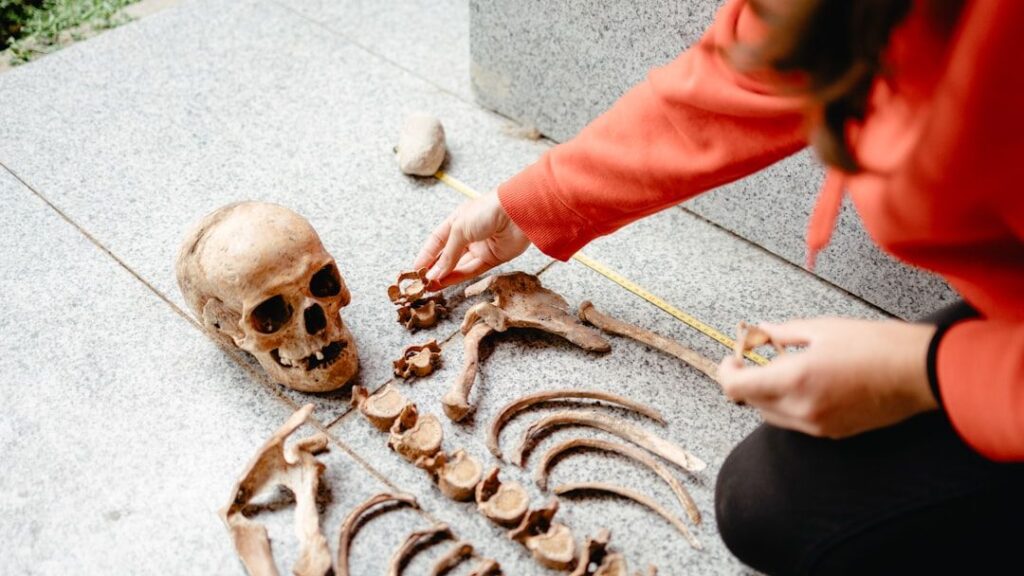
Every once in a while, archaeology feels less like a sober science and more like a mystery novel that the earth has been writing for tens of thousands of years. A glacier gives up a frozen body, a desert tomb opens onto a golden coffin, a cave wall whispers the outline of a vanished teenage girl. These finds are not just about bones and artifacts; they are about people who lived, hurt, hoped, and died long before anyone imagined Wi‑Fi or skyscrapers. They are, in a strange way, our most intimate encounters with deep time.
In this article, we will dive into six discoveries that stand out for how powerfully they humanize the past: from a Mauritian teenager whose shipwrecked grave rewrote stories of slavery, to the world’s most famous ice mummy, to a boy king whose tomb changed Egyptology overnight. Along the way, we will also meet cave dwellers whose genes live on in us, murdered royal children whose faces have been reconstructed from fragments, and unknown individuals whose trauma is still written on their skeletons. It is part science, part detective story, and part mirror held up to who we are now.
The Cave Girl Who Changed the Story of Slavery
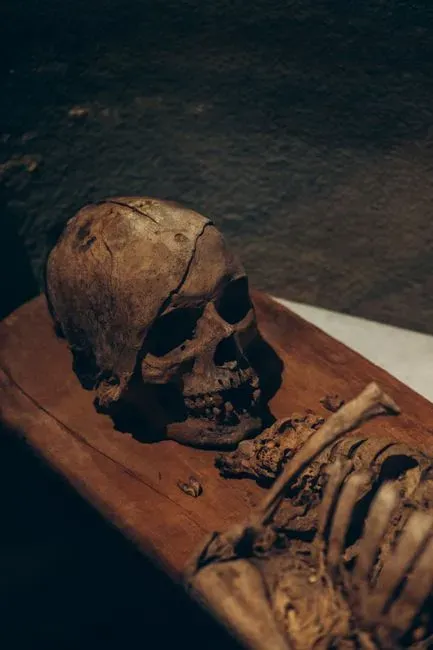
Imagine a teenage girl buried alone in the tropical soil of Mauritius, an island in the Indian Ocean that, for a long time, historians treated as a footnote in the global story of slavery. When archaeologists uncovered her burial, she was at first just “another skeleton” to be cataloged. But teeth and bones hold secrets; the chemical signatures in them hinted at a childhood far away, and the context of the grave pointed strongly to a life shaped by enslavement and forced migration. She was young, likely in her mid‑teens, and her grave lay within what was once a cemetery for people who had few choices in life and no voice in the history books.
What makes this “cave girl” so remarkable is not a crown of gold or an icy tomb, but the raw humanity of her story. Through her bones, researchers can trace malnutrition, disease, and the physical strain of hard labor. They can compare her genetic markers with modern populations and see echoes of African regions that supplied enslaved people to colonial plantations. To me, her discovery is a jolt: a reminder that global history is not just about grand battles and famous rulers, but also about anonymous teenagers who lived short, brutal lives under systems of exploitation. In a way, she might be more representative of the past than any king.
The Ice Man in the Alps: Ötzi and His Violent End
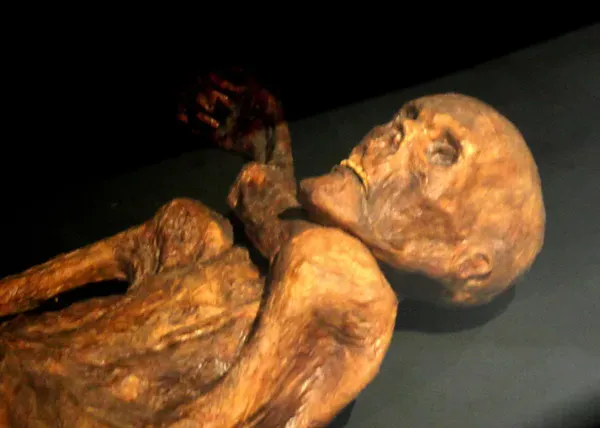
High in the Alps, at over three thousand meters above sea level, hikers once stumbled on what they thought was a modern climbing accident. Instead, they had found Ötzi the Iceman, a man who lived more than five thousand years ago and died on the mountain, his body rapidly frozen in ice. When I first read about him, what struck me most was not how old he was, but how eerily modern his situation felt: a traveler caught in bad weather, injured, alone, carrying his tools and possessions until the very end. Only later did scientists realize he was no simple victim of the elements but the center of a prehistoric crime scene.
CT scans and careful analyses revealed an arrowhead lodged in his shoulder, cuts on his hands, and signs of a recent violent confrontation. The contents of his stomach show his last meal, eaten only hours before he died, along with grains and meat from his homeland valley below. Even his tattoos, dark marks on his skin, may have been therapeutic or symbolic, hinting at cultural practices we are only beginning to guess at. Ötzi’s discovery is remarkable because he is not just a skeleton; he is a full individual frozen mid‑story, down to his shoes, tools, and half‑finished copper axe. Through him, the Stone Age stops being a vague era and turns into a relatable, almost cinematic moment in time.
The Boy King Tutankhamun: Gold, Myth, and Reality
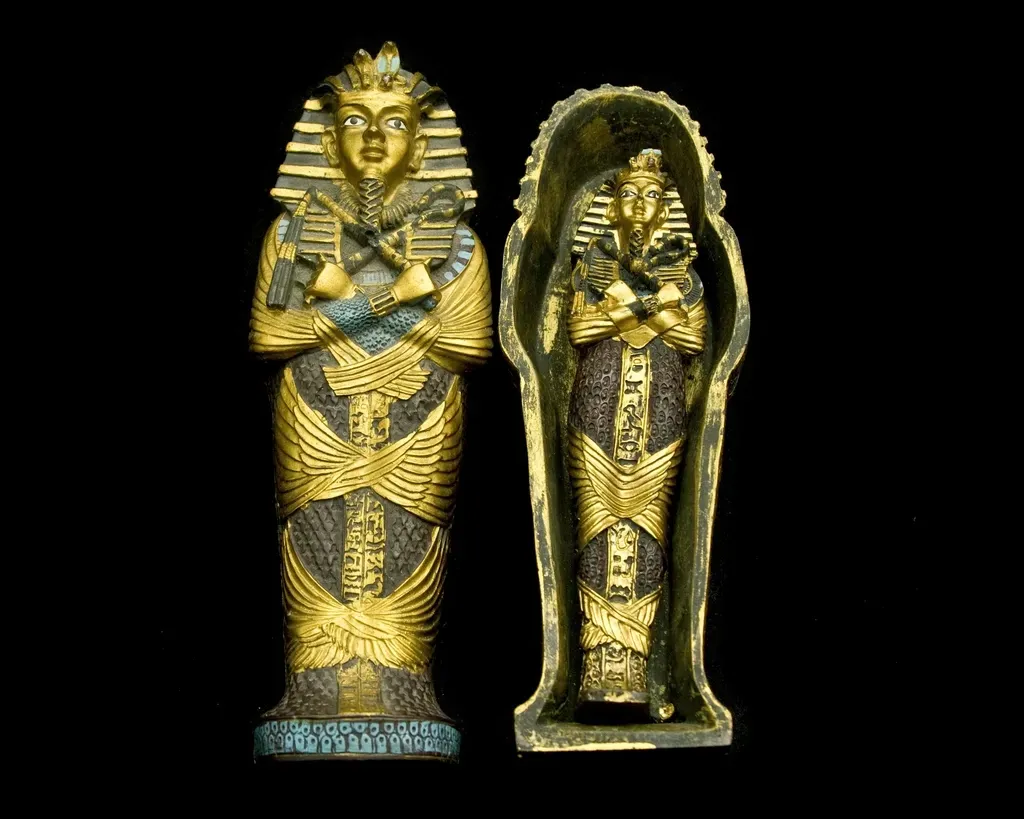
When Tutankhamun’s tomb was uncovered in the Valley of the Kings in the early twentieth century, the world went into a kind of pharaoh fever. Images of glittering masks, nested coffins, and rooms stacked with treasures like an ancient warehouse of luxury goods fueled a thousand myths. What we often forget is that behind the spectacle was a very young man, probably in his late teens when he died, whose body tells a much more fragile and complicated story than the Hollywood version of an all‑powerful ruler. His bones suggest health problems, possible genetic issues, and a life probably cut short by a mix of illness and injury rather than some glamorous curse.
I find Tutankhamun fascinating precisely because he exposes how we project fantasies onto the past. Here was a relatively minor king, ruling only a few years, yet his untouched tomb redefined Egyptology and public fascination with ancient Egypt. Studies of his mummy have given us insights into royal inbreeding, court politics, and the medical realities of the New Kingdom era. The artifacts around him speak of daily life as much as ritual: sandals, games, food containers. The boy king’s discovery forces us to hold two truths at once: the intoxicating allure of gold and legend, and the very human vulnerability of a teenager who probably never imagined he’d become the most famous mummy on Earth.
The Cave Children of Europe: Neanderthals and Lost Relatives
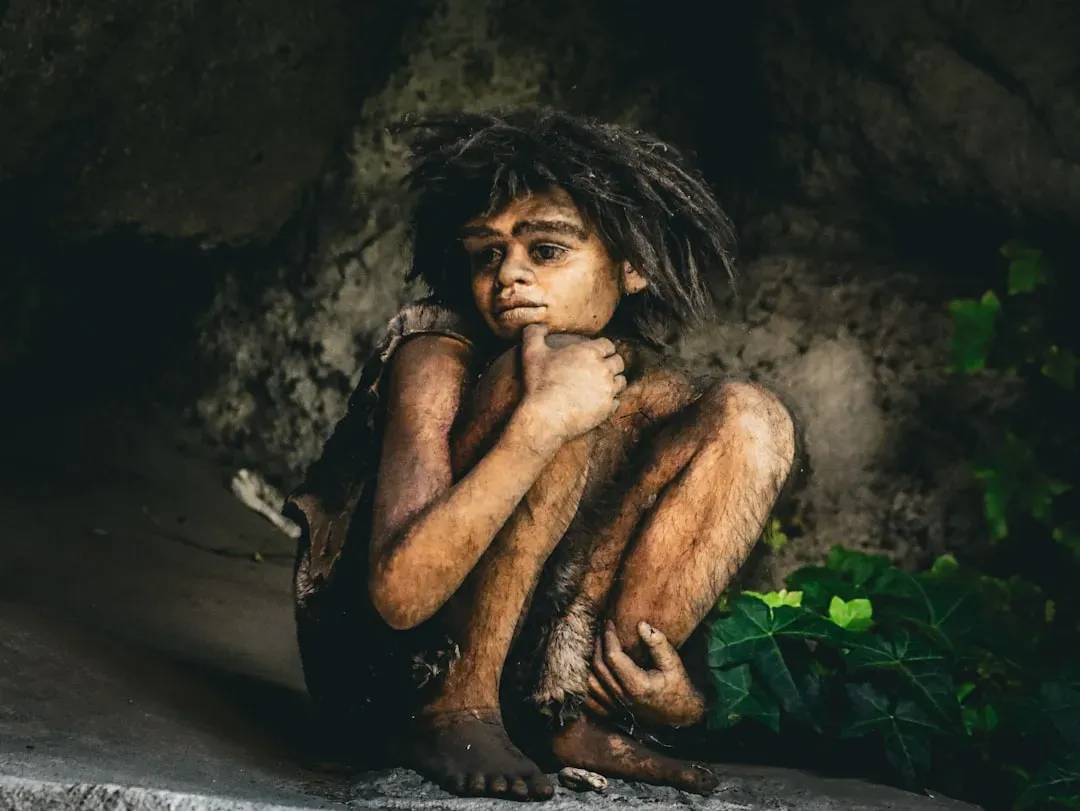
Long before humans built pyramids or carved cities into rock, children were playing, learning, and being buried with care in caves across Ice Age Europe and western Asia. Discoveries of Neanderthal children and other archaic human youngsters in caves have flipped the old stereotype of our cousins as brutish and unfeeling. Some of these cave graves show evidence that the dead were placed carefully, sometimes with flowers or tools, and that even very young children received attention in death. It is hard not to feel a pang of recognition: parents grieving, communities finding ways to mark loss.
Genetic analysis from these cave remains has also revolutionized how we see human evolution. It turns out that many of us carry small traces of Neanderthal DNA, meaning that ancient meetings between our species were not just hostile clashes but also involved intimacy and family. When I look at reconstructions of Neanderthal kids, with their broad faces and thoughtful eyes, I cannot help thinking of them as parallel stories to our own, abruptly cut short. Their discovery is remarkable because it collapses distance; instead of monsters at the edge of prehistory, they start to look like slightly different versions of us, sharing caves, climates, and perhaps even lullabies.
The Frozen Children of the Andes: Victims and Sacred Offerings
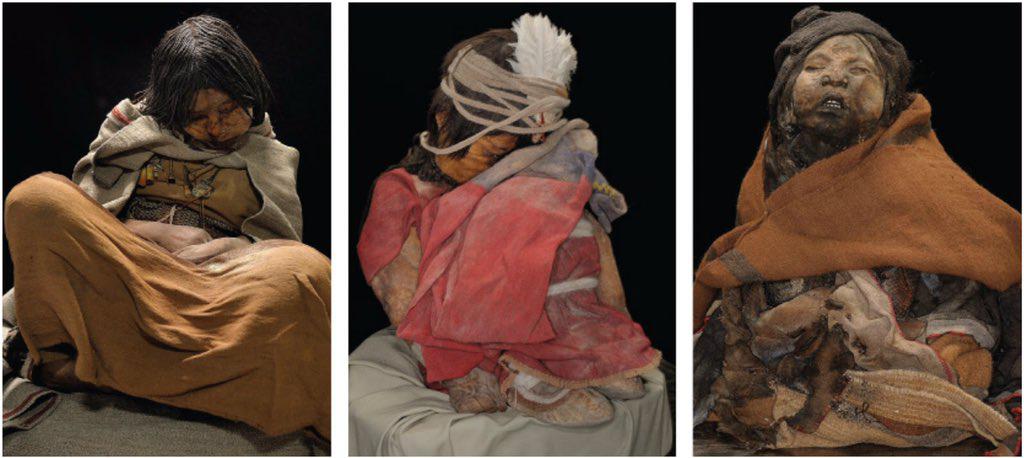
High on Andean mountaintops, several exceptionally preserved Inca children have been found, sacrificed centuries ago in elaborate rituals. Their bodies, kept by cold and thin air, still carry braided hair, fine garments, and even the contents of their lungs and stomachs. These discoveries are deeply unsettling and deeply revealing at the same time. They show a world in which a child could be considered both precious and destined, chosen as a bridge between people and the gods, their death meant to secure prosperity or avert catastrophe for the community.
What moves me most is the tension between the tenderness and the violence written into these burials. The children were often carefully dressed, sometimes given coca leaves and chicha to sedate them, and placed in seated positions as if simply sleeping. Yet behind the ritual lies an irreversible loss that feels all too familiar to any parent today. Scientific studies of their tissues reveal diets, diseases, and changes in their final months, suggesting how they were prepared for their fate. These frozen Andean children are remarkable discoveries because they force us to look squarely at how belief systems can both elevate and destroy, and how love and cruelty can be entangled within the same cultural logic.
The Romanov Children and the Modern Power of Forensic DNA
In a forest in Russia, scattered bones eventually revealed themselves to be the remains of the last imperial family of the Romanovs, including their children. For decades, legends swirled that at least one of the royal daughters had escaped execution, fueling impostors, novels, and conspiracy theories. It took painstaking forensic work and advances in DNA analysis to finally match these remains to living relatives of the dynasty and close one of the twentieth century’s most dramatic historical mysteries. Unlike Tutankhamun or Ötzi, these were not distant figures from nameless ages, but people whose photographs and letters we can still see.
What makes this discovery so remarkable to me is the way modern science reached backward into a very political, very contested past and largely settled it with molecules instead of opinions. DNA extracted from the bones, compared with samples from descendants of European royals, helped confirm that the children found in shallow graves were indeed the missing Romanov siblings. This is not just about one tragic family; it is about how forensic methods now allow us to identify unknown victims of wars, genocides, and disasters, restoring names to the nameless. In that sense, the Romanov children stand at a bridge between old royal dramas and the emerging ethical duty to use science to give back identity and dignity to the dead.
Conclusion: Why These Ancient Lives Still Matter
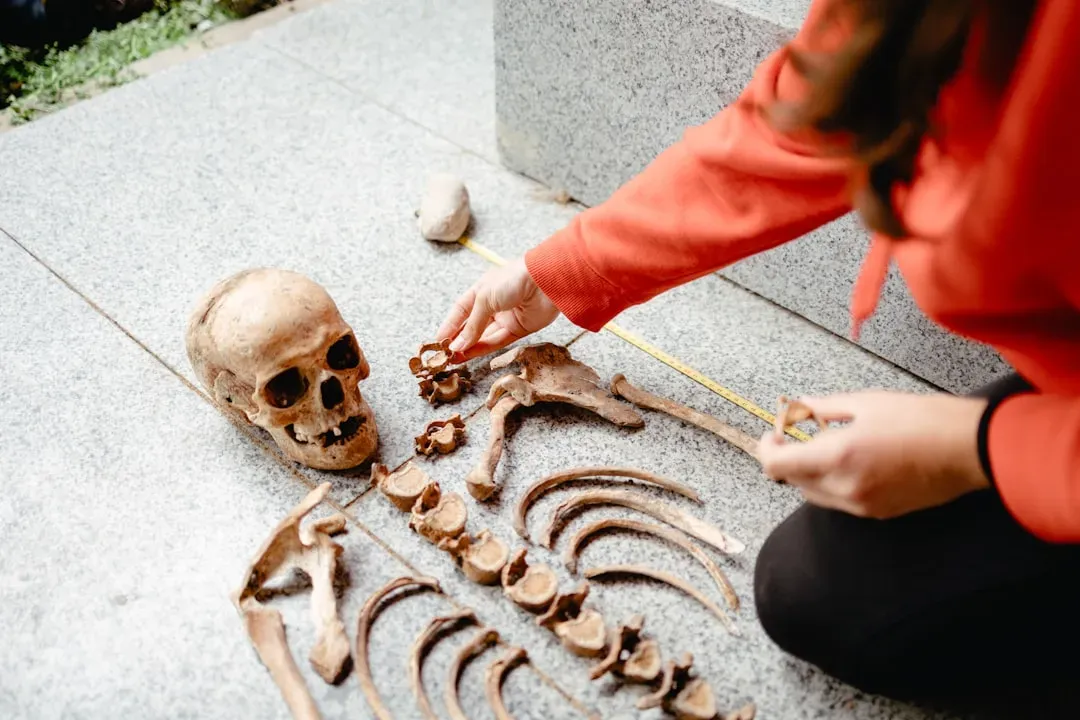
Looking across these stories – the cave girl of Mauritius, the ice man in the Alps, the boy king in his golden mask, the cave children of Europe, the sacrificed Inca kids, and the Romanov heirs – you start to see a pattern that is more emotional than chronological. Again and again, the most remarkable discoveries are not necessarily the most extravagant, but the ones that make the past feel uncomfortably close. You cannot look at Ötzi’s healed injuries or Tutankhamun’s fragile bones or a Neanderthal child’s careful burial without feeling that the basic texture of being human has changed less than we like to think. For all our technology, we are still dealing with the same mix of love, fear, violence, hope, and the need to make meaning out of death.
My own opinion is that these finds quietly argue against the idea that history is just a highlight reel of great men and decisive battles. The cave girl who never got a name, the Inca child left to freeze, the royal children whose deaths signaled the end of an empire – all of them insist that ordinary and vulnerable lives are just as central to the human story as kings and conquerors. The real shock is not the age of the bones or the brilliance of the treasure, but the realization that we are looking at people who, in some fundamental ways, were just like us. That thought can be uncomfortable, but it is also grounding: if their lives mattered, so do ours. When you think about the next great discovery still buried somewhere under ice, sand, or forest floor, whose story do you hope we find – and what might it change in how we see ourselves?