Every year, scientists pull another mind‑bending fossil out of the ground that forces us to rewrite what we thought we knew about prehistoric life. Just when we get comfortable with a dinosaur or ancient sea monster in our imagination, a new discovery drops and suddenly that creature is faster, fluffier, smarter, or far weirder than the museum version we grew up with. It feels a bit like updating an operating system that is fifty million years out of date.
In the last couple of decades, a wave of new technology, better dating methods, and a flood of fossils from places like China, Argentina, and Morocco has changed the game. We now picture dinosaurs with feathers, gigantic reptiles gliding like living kites, and mammoths walking around in landscapes that look uncomfortably familiar. Let’s dive into twelve especially striking recent discoveries that show were not just giant lizards plodding through a swamp, but complex, dynamic animals living in worlds that often look surprisingly like our own.
1. Feathered Dinosaurs Were More Common Than We Thought
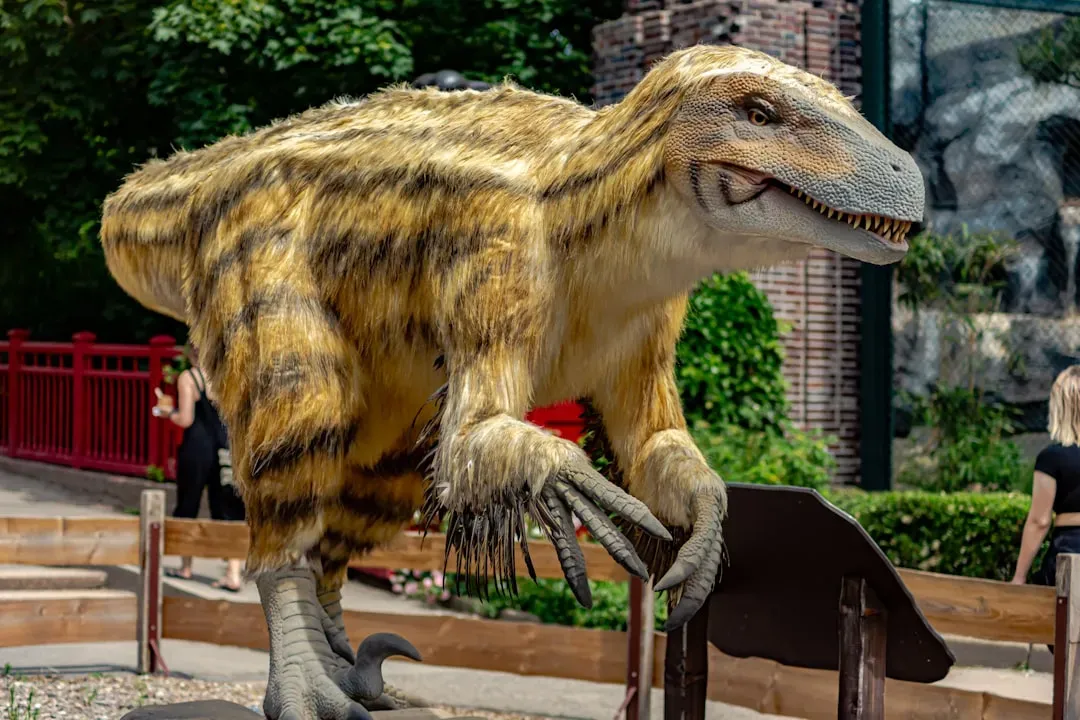
Not long ago, the idea of a fluffy, feather‑covered dinosaur sounded like a joke. Now, it is almost more shocking to see a reconstruction without feathers. A huge wave of fossils from northeastern China, especially from the famous Jehol Biota, has revealed dinosaurs with preserved feathers in exquisite detail, including small tyrannosaurs, early birds, and cousins of the Velociraptor. Instead of scaly movie monsters, many predators and even some plant‑eaters likely looked more like lethal, oversized birds.
What really changes the game is the range of feather types scientists are seeing. Some dinosaurs had simple, hair‑like filaments, while others had complex flight feathers and colorful crests. This suggests feathers did not appear suddenly for flight, but gradually, probably first for insulation or display before being co‑opted for gliding and powered flight. In other words, the classic scaly dinosaur is increasingly looking like the exception, not the rule, and that takes some mental rewiring.
2. Dinosaurs Were Often Warm‑Blooded and Surprisingly Active
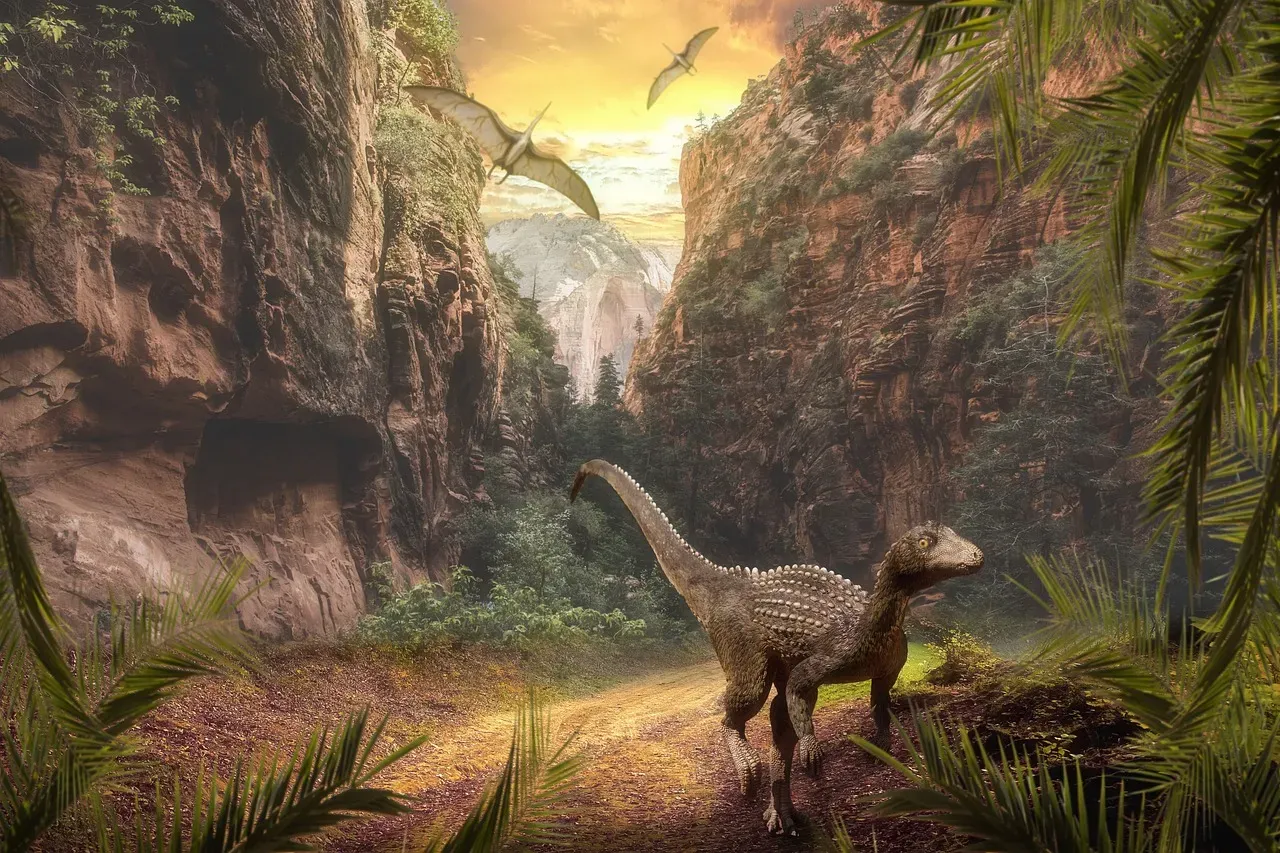
For decades, schoolbooks painted dinosaurs as sluggish, cold‑blooded reptiles basking in the sun to get moving. Recent research, however, points strongly toward many dinosaurs being warm‑blooded or at least somewhere between modern reptiles and birds in metabolism. Scientists now use clever tools, such as analyzing the chemistry of fossil bones and growth rings, to estimate body temperature and growth rates. The results mostly point to fast growth and high activity levels that match a more bird‑like lifestyle.
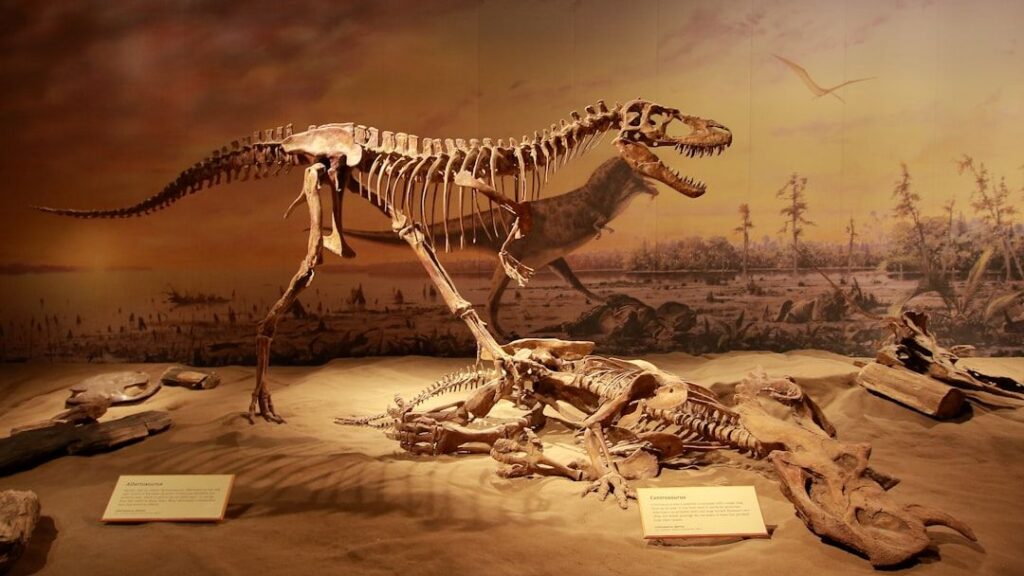
This lines up with trackways that show dinosaurs moving in herds, covering long distances, and even sprinting. A cold‑blooded creature simply could not sustain that kind of constant motion in cooler conditions. The modern view is that many dinosaurs more closely resembled athletic, constantly moving animals, not lumbering swamp beasts. Personally, I find this version of dinosaurs more intimidating: not just big, but restless and wired, more like a pack of giant, hyperactive birds than sleepy crocodiles.
3. Giant Marine Reptiles Ruled the Seas Earlier Than Expected
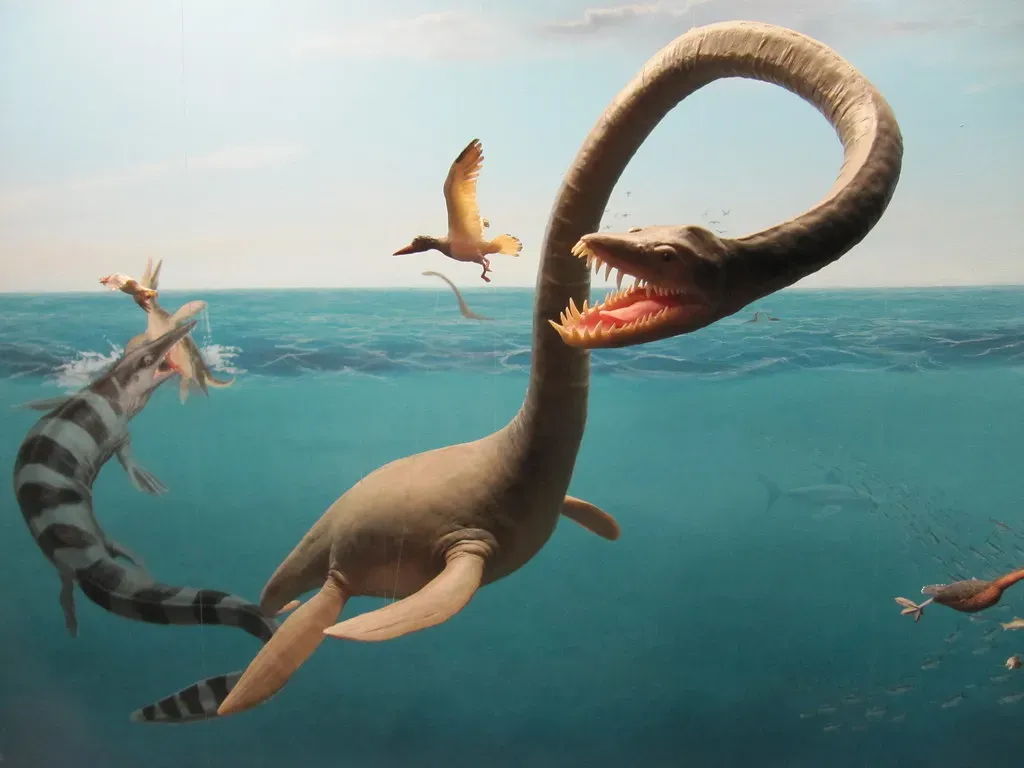
When you picture ocean giants, you might think of the late‑Cretaceous seas filled with mosasaurs, plesiosaurs, and long‑snouted predators gliding like nightmares through the water. Recent fossil discoveries are pushing that story way back, revealing massive marine reptiles appearing surprisingly soon after the catastrophic end‑Permian extinction more than 250 million years ago. Some of these early ichthyosaurs and related groups reached impressive sizes within a geologically short time window.
That speed tells us something powerful about how life bounces back after disaster. After the worst mass extinction in Earth’s history, ecosystems did not slowly creep back from the edge; they exploded into new forms, including gigantic apex predators ruling the seas again in just a few million years. It is a sobering reminder that life is incredibly resilient, but also that major ecological roles like “top marine predator” get refilled quickly, sometimes by very different kinds of creatures than before.
4. Some Pterosaurs Were Covered in Fuzz and May Have Been Colorful
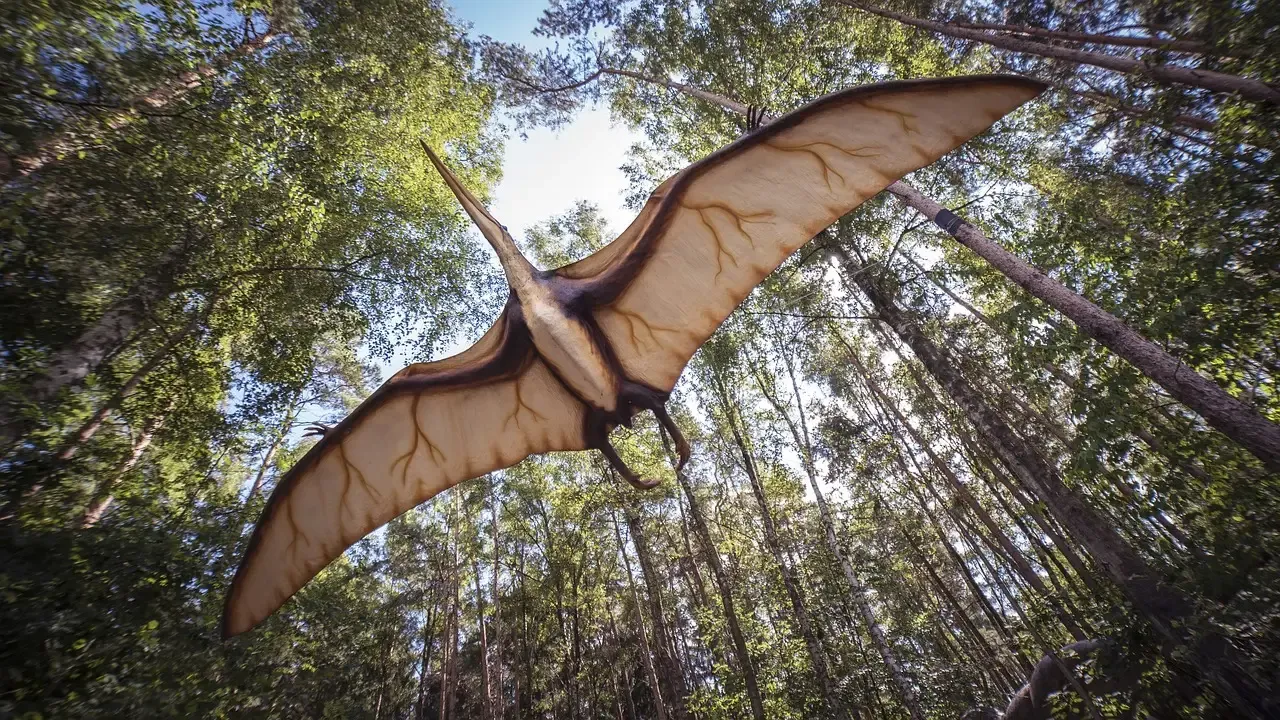
Pterosaurs, the flying reptiles that shared the skies with dinosaurs, were long imagined as leathery, almost bat‑like animals. More recent fossils with fine‑grained preservation show many of them had a kind of fuzzy body covering, sometimes called pycnofibres. Under the microscope, some of these fibers look surprisingly similar to early feathers, including branching structures. That suggests pterosaurs were not just naked leather wings but warm, somewhat fluffy animals adapted to active flight.
Even more intriguing, pigments have been detected in some of these fibers, hinting at pterosaurs sporting patterns and colors rather than plain brown or gray bodies. Think less “drab glider” and more “flying billboard.” Colorful crests, patterned wings, and contrasting patches on the body could have been crucial in mating displays or species recognition. It makes their world feel more alive and noisy, like a prehistoric version of a tropical bird colony rather than a gray, silent sky.
5. Mammoths and Other Ice Age Giants Lingered Longer Than Expected
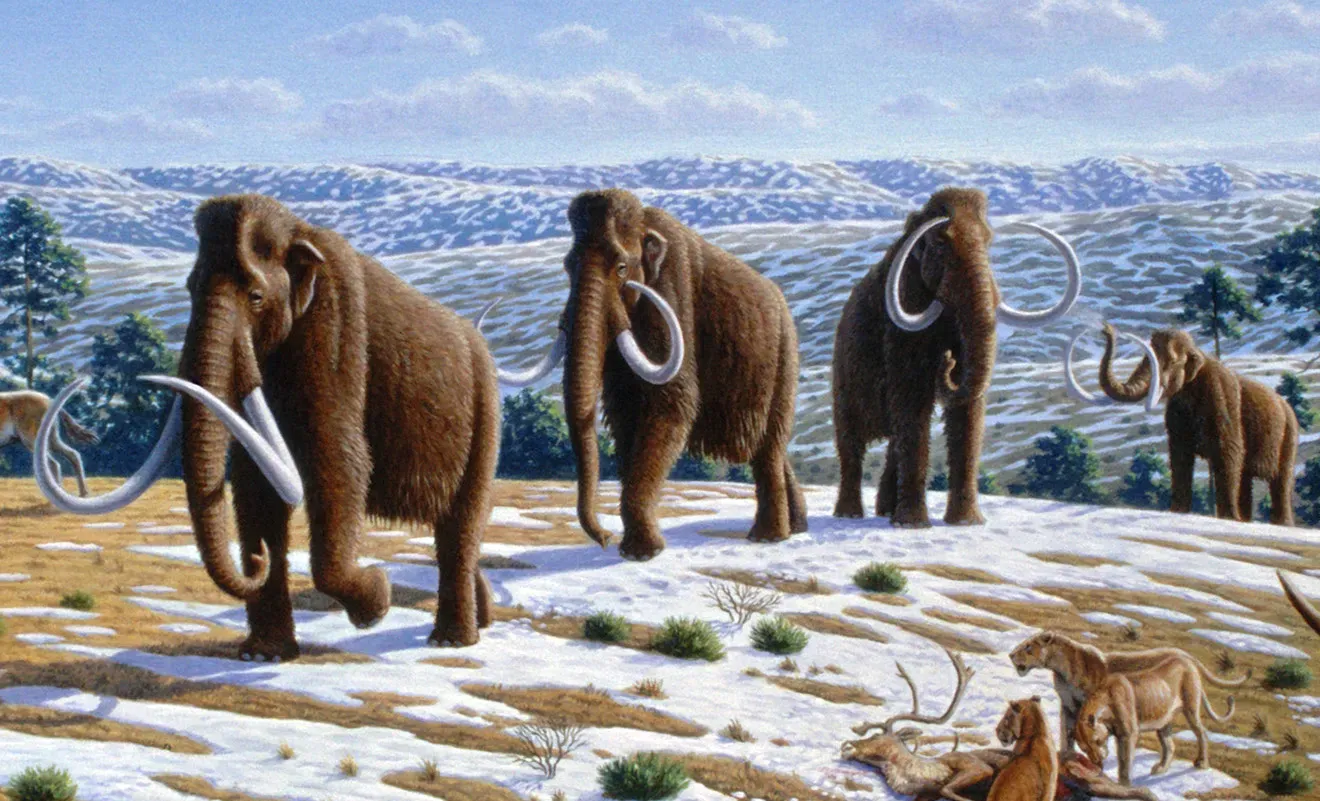
Many of us roughly imagine mammoths disappearing at the end of the last Ice Age and never seeing the Holocene. Recent studies using radiocarbon dating and genetic evidence tell a twist: small, isolated populations of woolly mammoths survived on Arctic islands for thousands of years after the main mainland populations vanished. In some cases, these island holdouts were still around when ancient human civilizations were already building early cities far to the south.
This means that from a geological perspective, mammoths were almost our contemporaries. The idea that small herds of shaggy giants trudged across windswept islands while humans were inventing writing and complex societies is slightly haunting. It also underlines how extinction is often a slow, uneven process, not a single dramatic moment when a species vanishes everywhere at once. A few survivors can hang on in hidden corners long after the story seems over.
6. Dinosaurs Show Evidence of Complex Social Behavior and Care
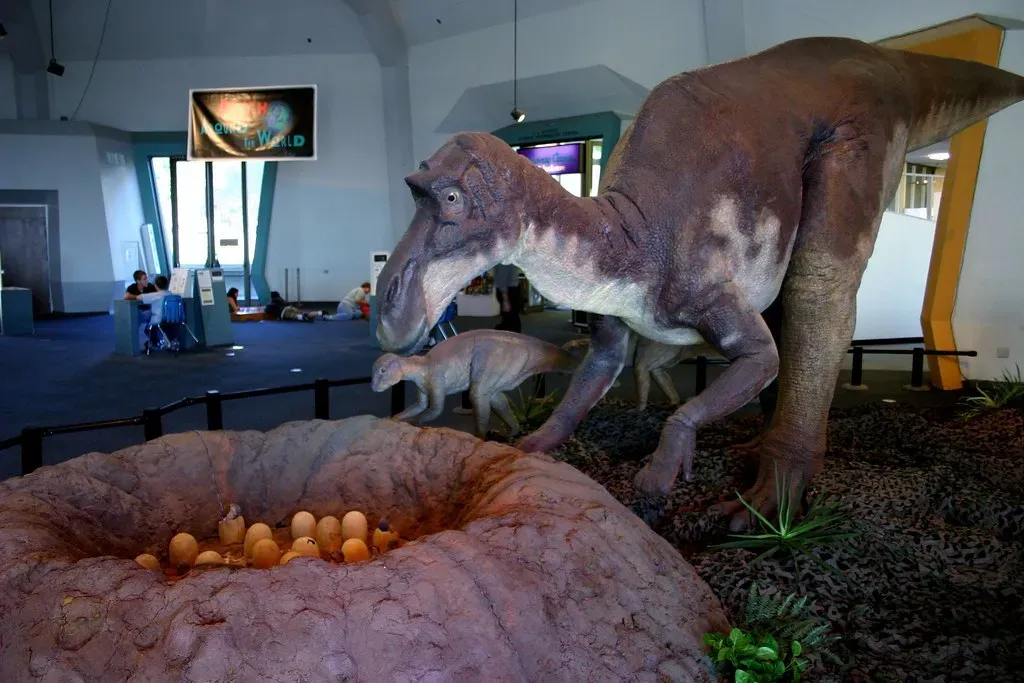
New fossil sites are revealing that many dinosaurs did not live solitary, chaotic lives, but had surprisingly structured social systems. We now have nests containing multiple eggs, fossilized baby dinosaurs grouped together, and trackways hinting at herds moving in organized patterns. Some sites show mixed age groups, which suggests that younger animals stayed near adults for at least part of their lives, much like modern birds and mammals.
There are even fossils of adults seemingly positioned over nests, which many scientists interpret as a form of brooding or protection. While we have to be cautious about reading too much into pose alone, taken together the evidence makes the image of a nurturing, group‑living dinosaur less speculative than it once seemed. To me, this is one of the most powerful shifts: predators and herbivores we once saw as mindless brutes now look more like complex animals with family lives, learning, and maybe even recognizable personalities.
7. Some Dinosaurs Were Shockingly Small and Adaptable
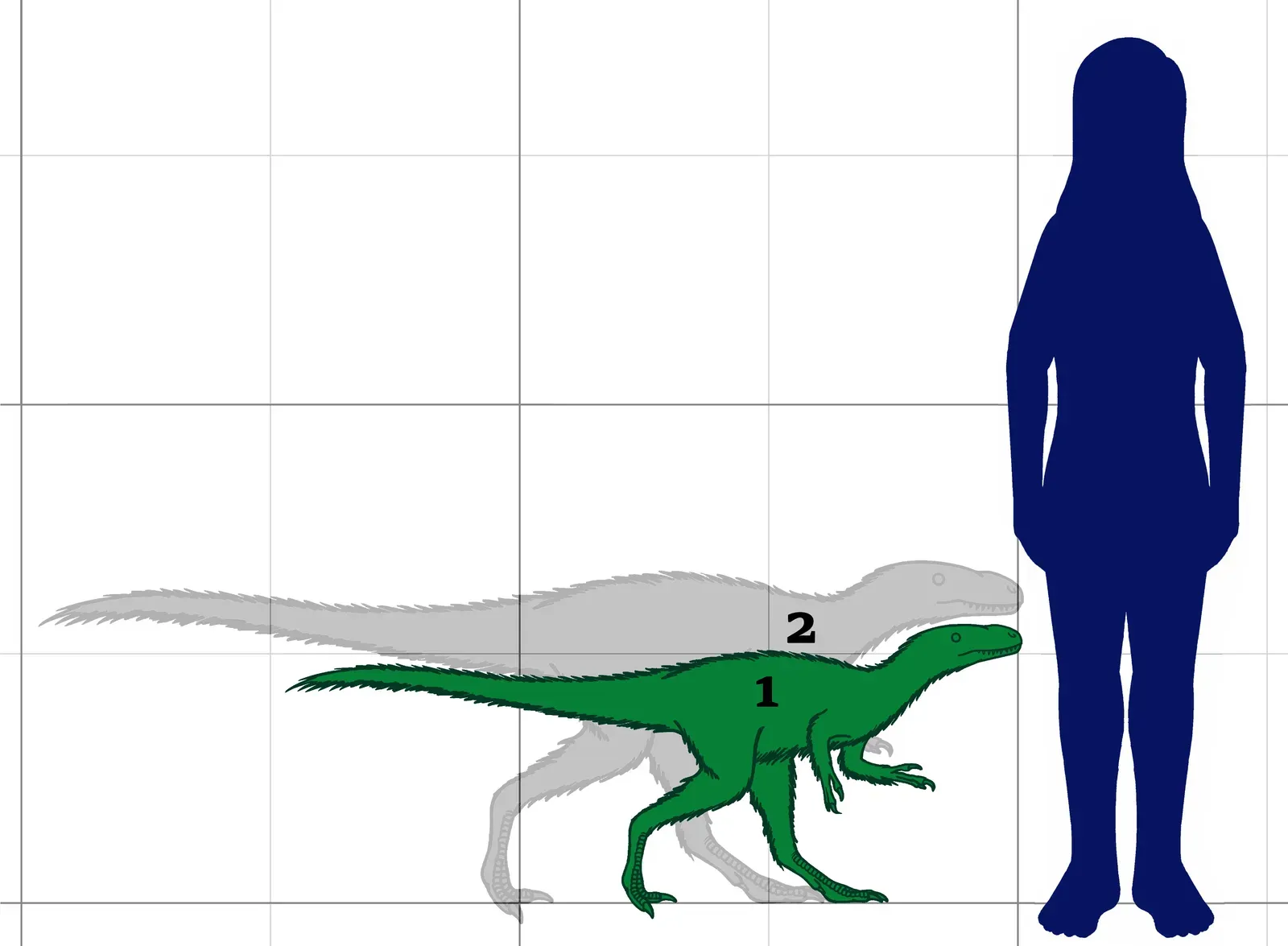
It is easy to let the giant celebrities – Tyrannosaurus, Triceratops, long‑necked sauropods – dominate the picture of the Mesozoic. Recent fossil finds have highlighted just how many dinosaur species were actually tiny, some no bigger than a chicken or small dog. These small dinosaurs often had lightweight skeletons, big eyes, and fast‑growing bones that suggest a flexible, opportunistic lifestyle. They were the nimble, resourceful survivors darting around the feet of the giants.
That matters because when the asteroid struck at the end of the Cretaceous, it was likely these adaptable, small‑bodied animals that had the best shot at making it through the chaos. In a harsh, post‑impact world, being enormous and specialized is a liability, while being small, quick‑breeding, and able to eat almost anything is a superpower. In a way, these little dinosaurs are the spiritual ancestors of the birds hopping around your backyard today, turning the world’s worst day into their long‑term opportunity.
8. Amber Fossils Capture Dinosaurs and Ancient Insects in Mid‑Life
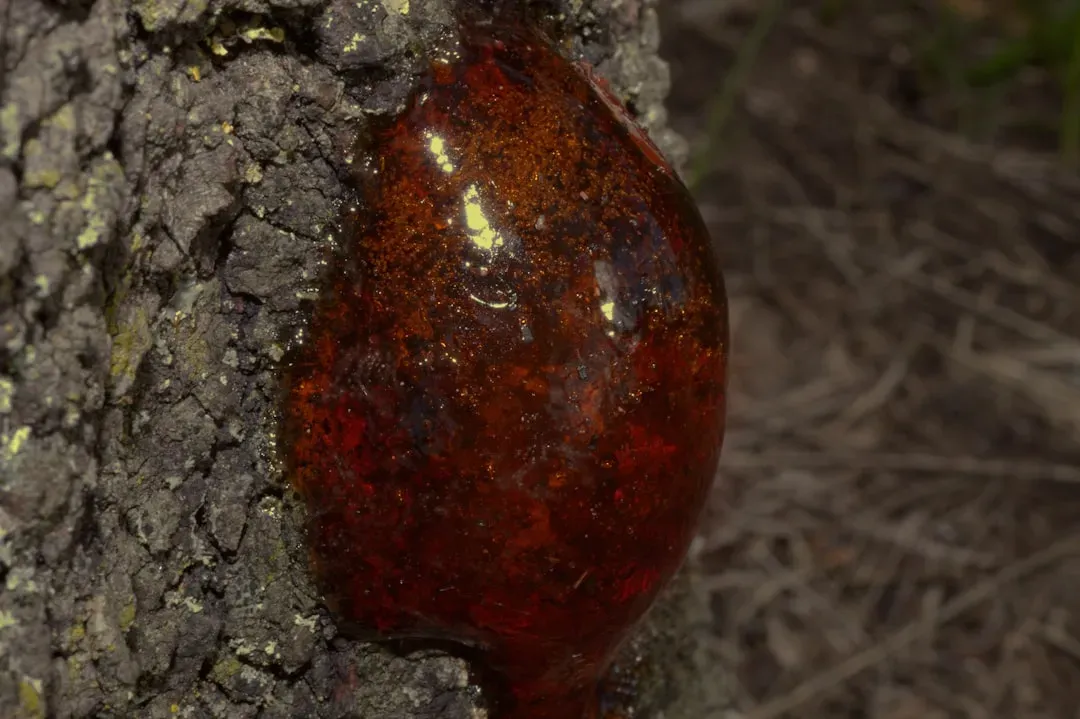
One of the most visually stunning developments in recent years is the discovery of dinosaur‑era creatures preserved in amber. Pieces of fossilized tree resin have been found with feathered dinosaur tails, tiny bird‑like wings, and even frogs and lizards from the time of the dinosaurs. Amber acts like a time capsule, preserving delicate structures like feathers, skin, and tiny hairs that would never survive in normal rock. Suddenly we are not just seeing bones, but textures and colors.
Some of the amber finds show feathers with complex branching and even preserved pigments, helping confirm that many dinosaur relatives and early birds were colorful. Insects trapped alongside them reveal entire tiny ecosystems: pollinators, parasites, and predators frozen in what looks, unnervingly, like still photography. It is hard not to feel a jolt of awe looking at these fossils. They make prehistory feel frighteningly immediate, like you could almost touch that world if you just reached through the glass.
9. Giant Herbivorous Dinosaurs Engineered Their Own Ecosystems
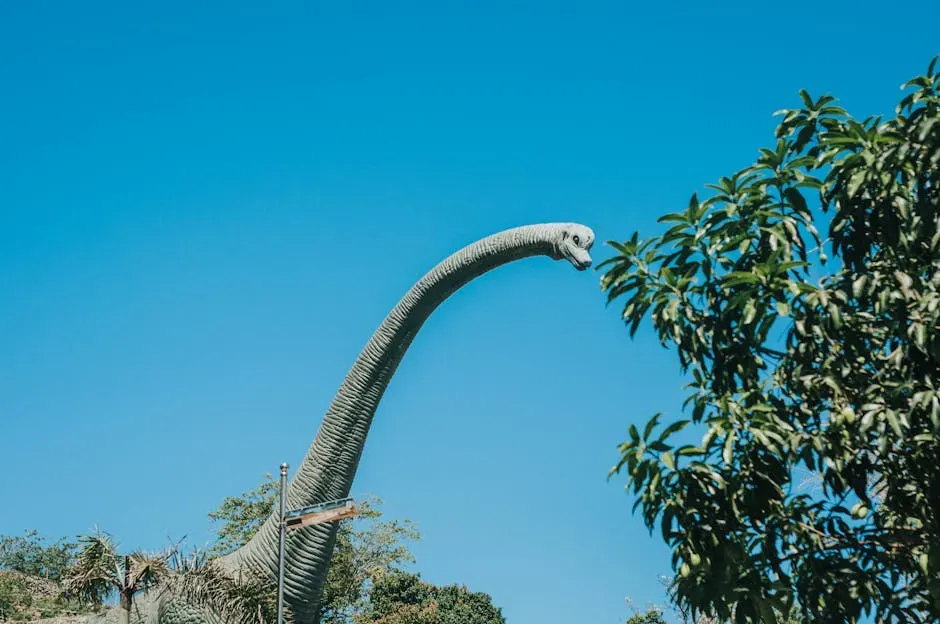
Recent research into sauropods – the long‑necked giants like Argentinosaurus and Patagotitan – suggests they were not just passive plant‑eaters, but active shapers of their environment. The sheer number of plants they had to eat would have opened up forests, created clearings, and changed which species could thrive. Some scientists now compare their ecological role to that of elephants today, which knock down trees, create pathways, and effectively garden the landscape by eating and trampling.
Evidence from coprolites (fossilized dung), plant fossils, and bonebeds indicates sauropods moved in groups through vast areas, constantly transforming the vegetation. Their feeding may have helped spread seeds, recycle nutrients, and maintain open habitats favored by certain plants and smaller animals. It is a reminder that prehistoric ecosystems were not static backdrops with dinosaurs simply wandering through; the dinosaurs themselves were busy rewriting the rules of their own environment every single day.
10. Prehistoric Sharks and Fish Were More Experimental Than Expected
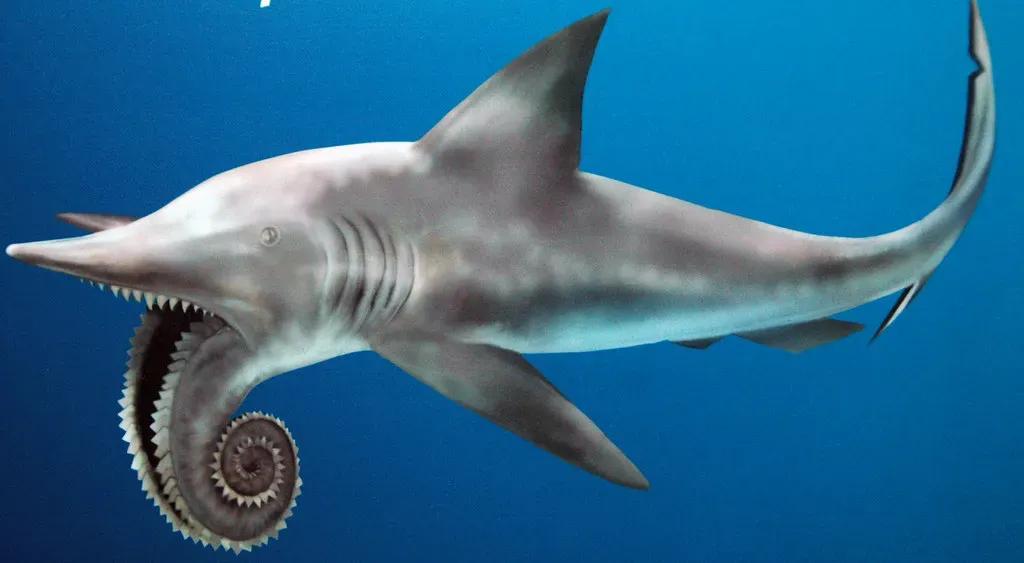
We often treat sharks as living fossils that have barely changed in hundreds of millions of years. But new fossil discoveries show that prehistoric sharks and related fish experimented with an incredible variety of body shapes and lifestyles. There were species with wing‑like fins built for gliding, bizarre head crests, and even armor‑plated relatives that looked like something out of science fiction. Some early cartilaginous fish lived in freshwater, while others patrolled shallow coastal seas in vast numbers.
These discoveries hint that the shark lineage went through bursts of innovation and extinction before arriving at the relatively streamlined designs we recognize today. It is almost as if evolution tried an entire design catalog of possibilities, discarded most of them, and kept the models that performed best over time. When we call sharks “unchanged,” we are really ignoring a deep, messy history of trial and error that only fossils can reveal.
11. Ancient Mammals Were Not Just Tiny, Timid Side Characters
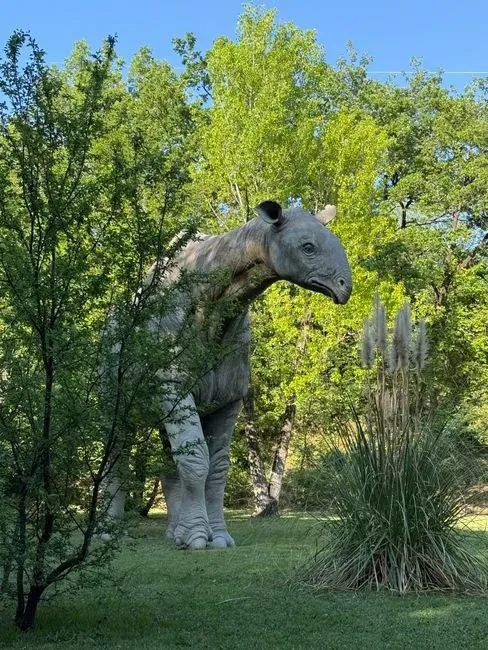
The traditional story says mammals stayed small and insignificant until the dinosaurs died, scurrying around at night and waiting for their moment. While they were often small, new fossils show some prehistoric mammals were surprisingly bold in anatomy and behavior long before the asteroid impact. There were early mammals with gliding membranes, digging claws, specialized teeth for eating tough plants, and even semi‑aquatic features. Some hunted small dinosaurs and other vertebrates, turning the old narrative upside down.
This paints a picture of mammals as experimenters, testing out many ecological roles while dinosaurs dominated the biggest body sizes. In that sense, mammals were not simply hiding; they were quietly diversifying, ready to expand as soon as the opportunity arose. I like that version better: instead of timid extras in the dinosaur show, mammals were already rehearsing for their future starring role, building the skill set they would later use to take over the planet.
12. Mass Extinctions Reshaped Life in Unpredictable Ways
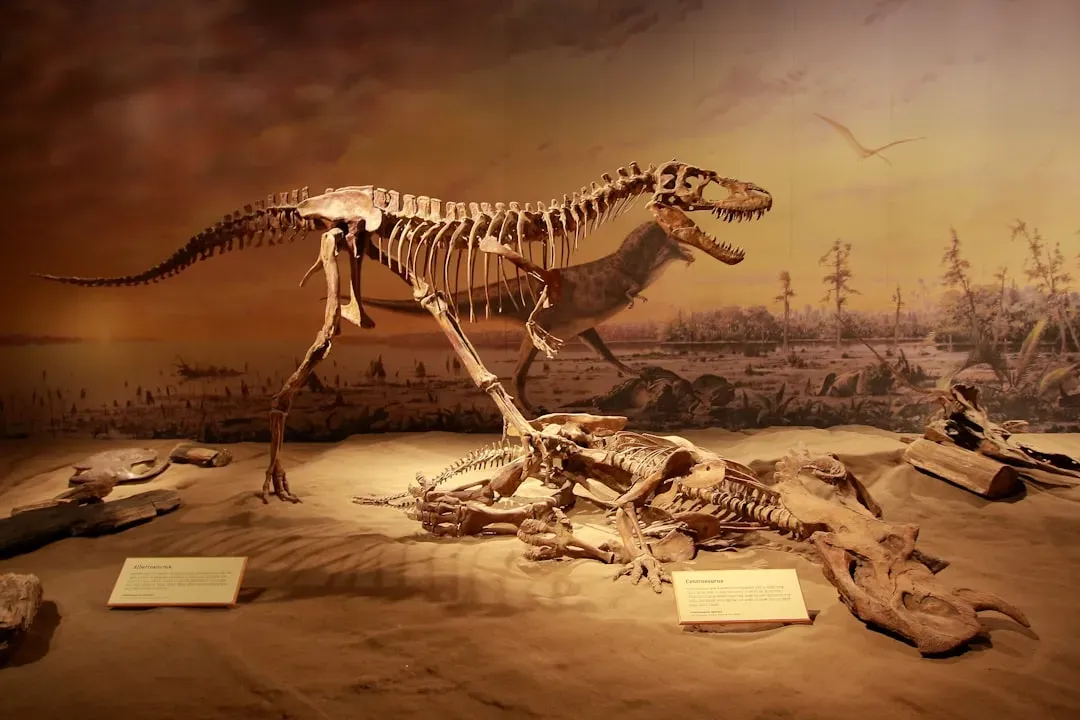
One of the most sobering recent realizations is just how radically mass extinctions reset the rules for . Each major extinction event – from the end‑Permian to the end‑Cretaceous – did not simply trim a few branches off the tree of life; it rewired the entire system. New groups surged into dominance, while once‑successful lineages vanished forever. Fossil records from multiple continents now show how quickly ecosystems reorganized after these crises, sometimes within just a few hundred thousand years.
What is striking is how unpredictable those outcomes were. No one looking at the world before the end‑Cretaceous impact would have guessed that small, feathered dinosaurs would survive as birds and eventually fill the skies, or that mammals would go from background players to global rulers. This unpredictability feels uncomfortably relevant in an age where humans are driving rapid environmental change. If the past is any guide, the survivors will not necessarily be the biggest or the strongest, but the most adaptable and, frankly, the luckiest.
Conclusion: Prehistoric Life Was Stranger, Smarter, and Closer Than We Like to Admit
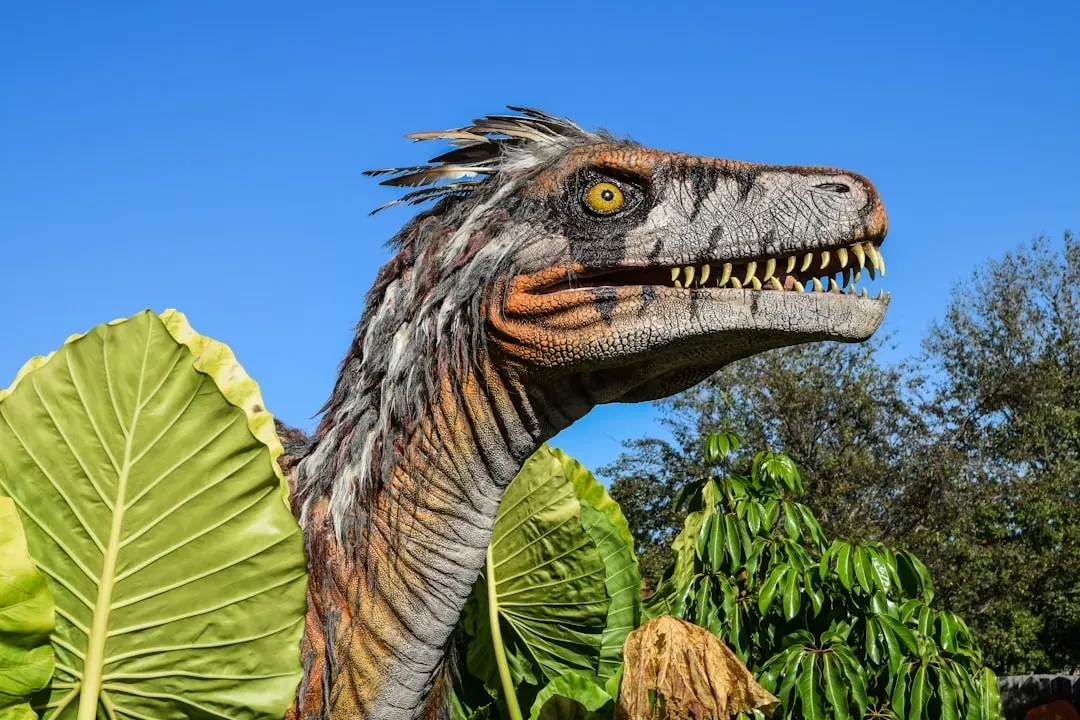
Putting all these discoveries together, the old image of prehistory as a slow, gray world of oversized lizards falls apart. Dinosaurs were warm‑blooded, feathered, social animals; pterosaurs were fuzzy and colorful; mammals were already experimenting with complex lifestyles; giant reptiles and fish reinvented the seas again and again. The more evidence we gather, the more look like part of a continuous story that leads straight to the animals – and people – alive today, not some disconnected fantasy era. In my view, the real scandal is how long we clung to the cartoon version.
What these findings really expose is our tendency to underestimate the past. We assume we are the clever, special generation, yet ancient ecosystems were already running intricate experiments with behavior, color, metabolism, and social life while our distant ancestors were still microscopic. To me, that is both humbling and oddly comforting: we are part of a long, messy, brilliant chain of life that has been innovating for hundreds of millions of years. The big question now is whether we will learn from that history, or become just another weird, brief chapter future scientists puzzle over in the rocks – how would you bet?