You’d think that in an age of satellites, drones, and street views from space, there wouldn’t be many big mysteries left on Earth. Yet scattered through old texts, half-remembered oral traditions, and hints in the landscape are stories of cities that supposedly dazzled with wealth, knowledge, or sheer strangeness – and then vanished. Some might once have been very real places that climate, conquest, or time erased. Others are probably misunderstandings or exaggerations wrapped in layers of myth. The hard part is working out which is which.
What makes these lost cities so compelling is not just the treasure-hunter fantasy, but the possibility that each one could rewrite a chapter of human history. Maybe a forgotten harbor would prove ancient trade routes were far more global than we thought, or a drowned metropolis would show how societies really collapsed under climate stress. As we go through ten of the most intriguing “missing” cities, keep one thing in mind: archaeologists are cautious by nature, but even they will admit that every few years, something turns up that nobody expected.
1. Atlantis: The Ultimate Missing Metropolis
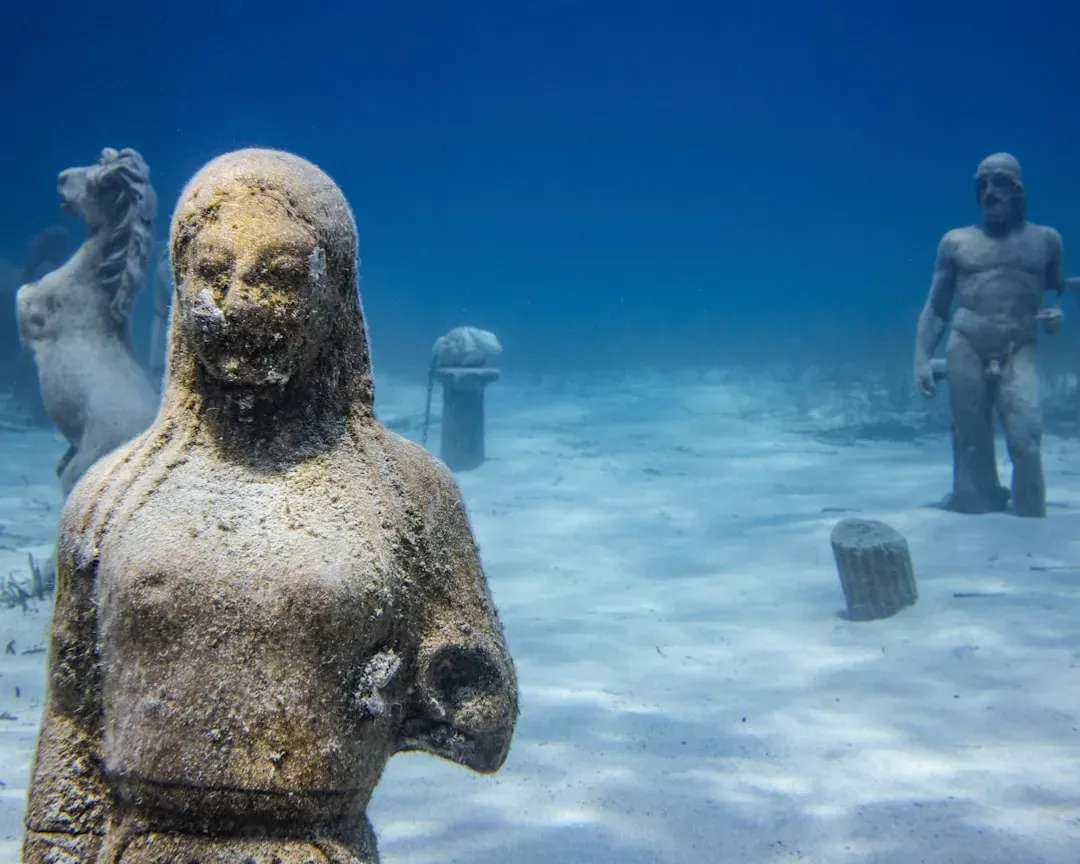
Atlantis is the one lost city almost everyone can name, and ironically it is also the one most scholars are pretty sure never existed in the way people imagine. The whole idea comes from a couple of dialogues by the philosopher Plato, who used a powerful island city that fell into the sea as a moral and political allegory. Over the centuries, this story has been treated less like a philosophical parable and more like a real estate listing, with people claiming to find Atlantis in the Atlantic, the Mediterranean, the Caribbean, even Antarctica. That alone tells you how slippery the evidence is.
Still, behind the legend there might be a kernel of real disaster. Some researchers think Plato’s story could echo memories of catastrophic eruptions or tsunamis in the ancient Aegean world, such as the Bronze Age eruption of the volcano at Thera (Santorini) that devastated nearby settlements. Others have pointed to submerged structures and strange seafloor formations, but so far none have stood up to serious scrutiny as a lost super‑city. My own view is that Atlantis works better as a warning story than a GPS coordinate: we project our fears about technology, climate, and arrogance onto it, turning it into a mirror for whatever era is looking.
2. Thinis: Egypt’s Vanished First Capital
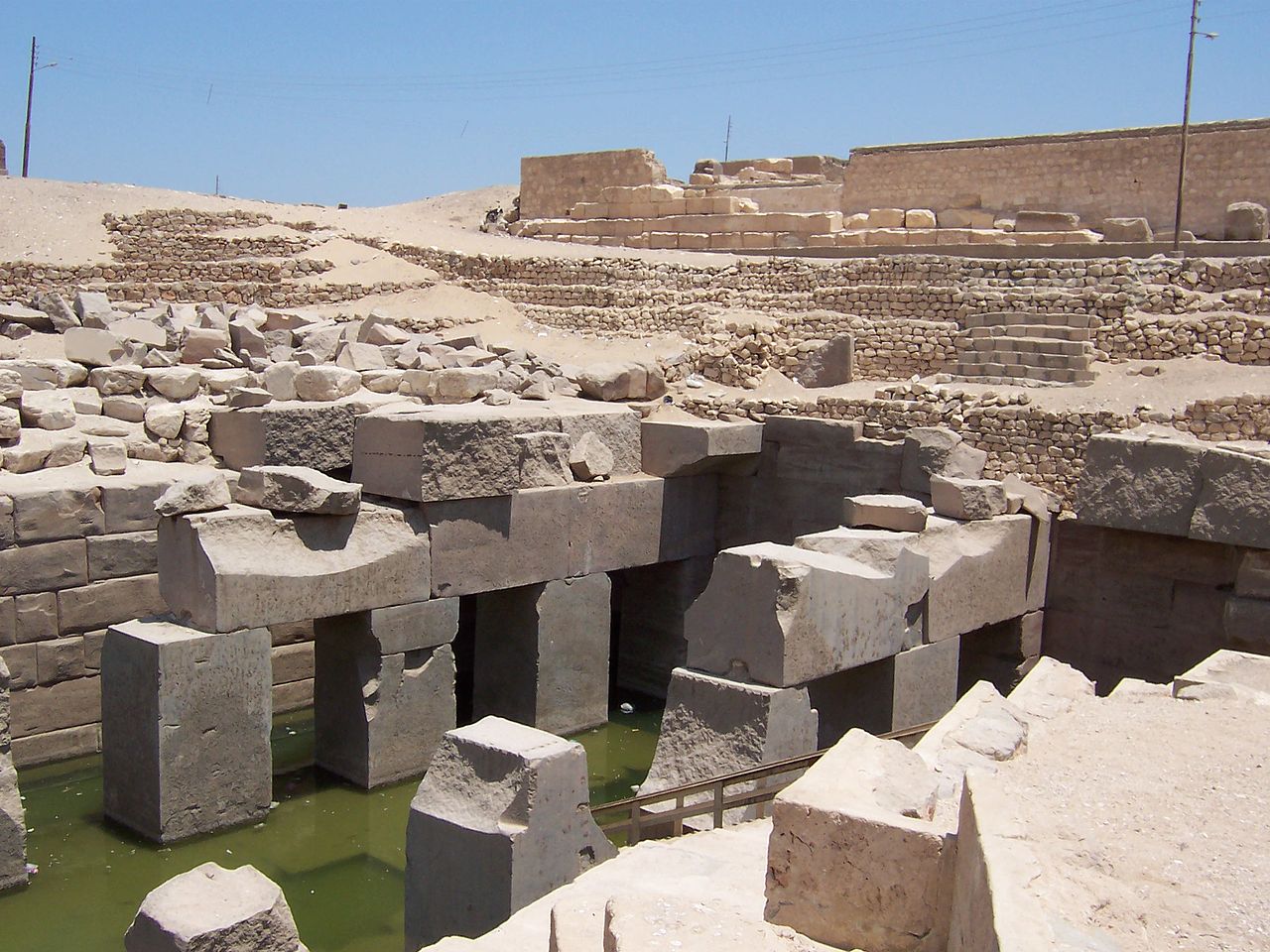
Thinis is one of those cities that quietly haunts footnotes in Egyptology books, hinting that we still do not fully understand how unified Egypt was born. Ancient king lists mention it as the seat of Egypt’s earliest rulers, supposedly the capital of the very first dynasty more than five thousand years ago. Yet despite over a century of digging in the Nile Valley, no one has been able to point to a mound of bricks and say with confidence, “That is Thinis.” Instead, scholars argue about whether it lay near Abydos, or closer to modern Girga, or if it was less a physical city and more a political label.
What fascinates me about Thinis is how its absence exposes the limits of the archaeological record. We often picture ancient Egypt as a neatly mapped landscape with every pyramid pinned down, but the truth is that whole cities can vanish under later construction, agriculture, or shifting river channels. If Thinis was built largely in mudbrick and later stripped for building material, it could easily be hiding beneath modern towns or fields. The search for it is really the search for Egypt’s messy, experimental beginnings, and that makes it far more interesting than just a lost dot on a map.
3. Iram of the Pillars: The Desert City of Legend
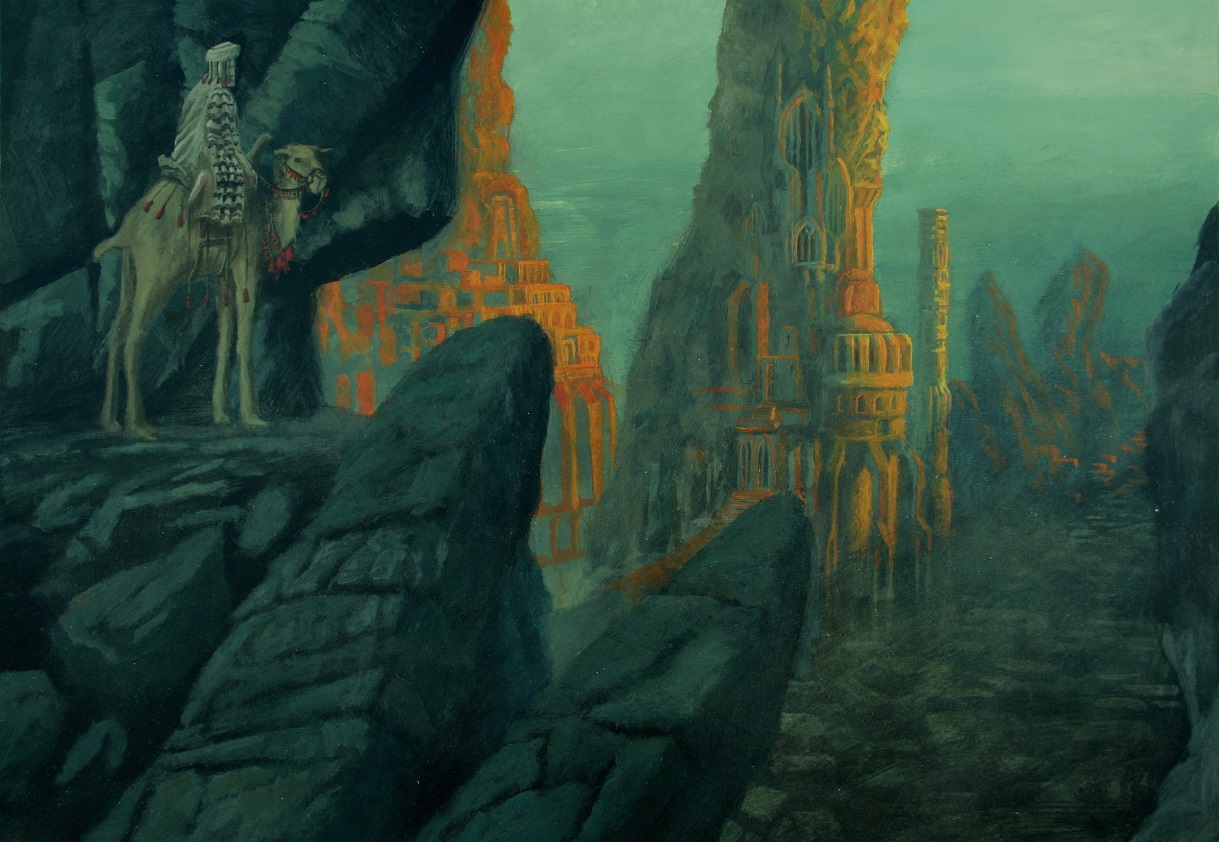
Sometimes a single poetic phrase is enough to launch generations of exploration, and Iram of the Pillars is a perfect example. Old Arabic traditions describe a city with towering columns, inhabited by a wealthy people who defied the divine and were wiped out, leaving their city buried beneath sand. For a long time, many scholars treated this as moral storytelling rather than literal geography, but the idea of an entire city swallowed by dunes is hard to resist. It presses all the right emotional buttons: arrogance, beauty, punishment, and the eerie silence of a desert that gives nothing away.
In the late twentieth century, satellite imagery and expeditions revealed an ancient caravan hub at a site now called Shisr or Ubar in Oman, with fort-like ruins and tracks of long‑used trade routes around it. Some popular accounts rushed to call this the discovery of Iram, but specialists are much more cautious; it is likely one stop in a broader frankincense trade network rather than proof of a single doomed metropolis. Personally, I think Iram is less a specific set of ruins and more a symbol for the whole lost economy of the Arabian incense trade, much of which is still only faintly traced through collapsed wells, eroded tracks, and small, half-buried forts.
4. Lyonesse: The Drowned Land off Britain’s Coast
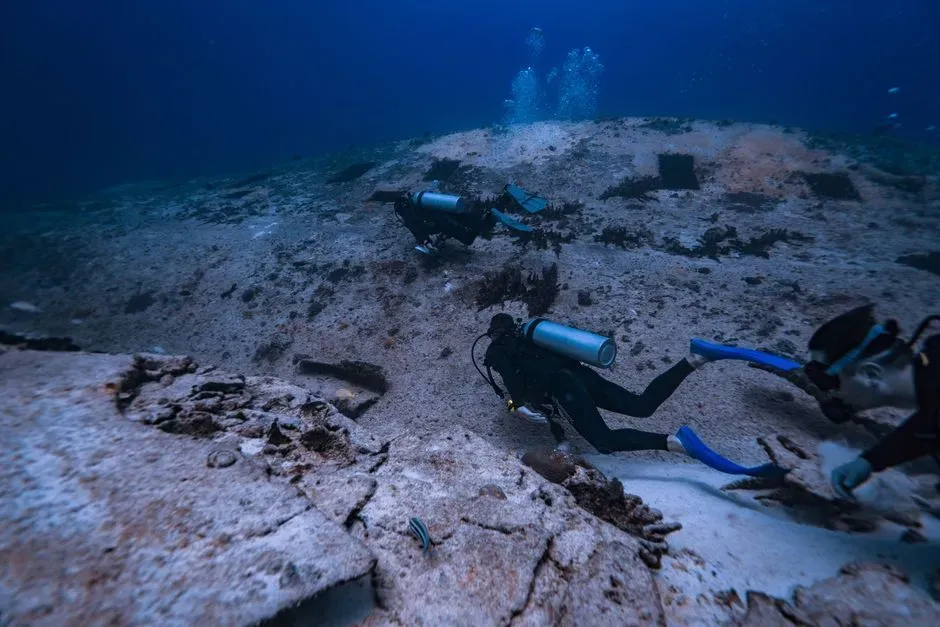
Off the southwestern tip of Britain, stories speak of Lyonesse, a fair and fertile land said to have stretched between Cornwall and the Isles of Scilly before a sudden flood drowned it. There are tales of church bells heard beneath the waves on quiet nights and of fishermen snagging old building stones in their nets. When the tide goes out around the Scillies, you can really see fields and ancient walls on the seabed in the shallows, which makes it very easy to imagine an entire lost kingdom just a little farther out under the gray Atlantic swell. The romantic pull of a British Atlantis is strong.
However, when you look closely, the scientific picture is more modest and more interesting. Sea levels have indeed risen since the last Ice Age, and there is good evidence that the Scilly Isles were once a single larger landmass that gradually broke into separate islands as the ocean crept in. That means real farms, paths, and settlements were slowly flooded, though probably over centuries, not in a single night of drama. To me, Lyonesse feels like a human way of compressing a long, confusing environmental change into one memorable story, and in that sense it is a very modern legend about living with a shifting coastline.
5. El Dorado: A City of Gold That Kept Moving
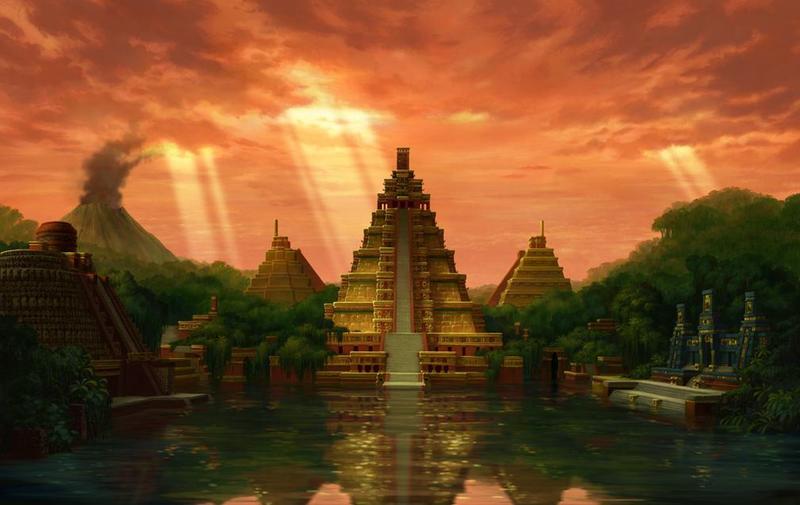
When Europeans pushed into South America, the idea of El Dorado became a kind of fever that burned through expeditions and empires. At first, it referred to a ritual involving a ruler covered in gold dust at a lake in what is now Colombia, but the story kept inflating. Over time, El Dorado turned into a whole hidden kingdom or shining city, conveniently always a little deeper in the jungle than anyone had yet managed to go. This moving target justified brutal journeys and horrific violence, all for a city that was never actually pinned down on any map.
Modern archaeology has shown that northern South America did host sophisticated societies with impressive earthworks, causeways, and regional centers that Europeans simply did not recognize as “cities” because they did not match their stone-and-plaza expectations. That means El Dorado was wrong in detail but accidentally right in spirit: there really were complex urban and semi‑urban landscapes woven into forests and wetlands, just not single vaults of piled treasure. When I think about El Dorado now, I do not picture golden walls; I picture lidar scans revealing forgotten road grids and settlements, and I wonder how much knowledge was ignored because it did not glitter the way conquistadors wanted it to.
6. Zinjirli, or the “Lost Cities” of the Levantine Hinterland
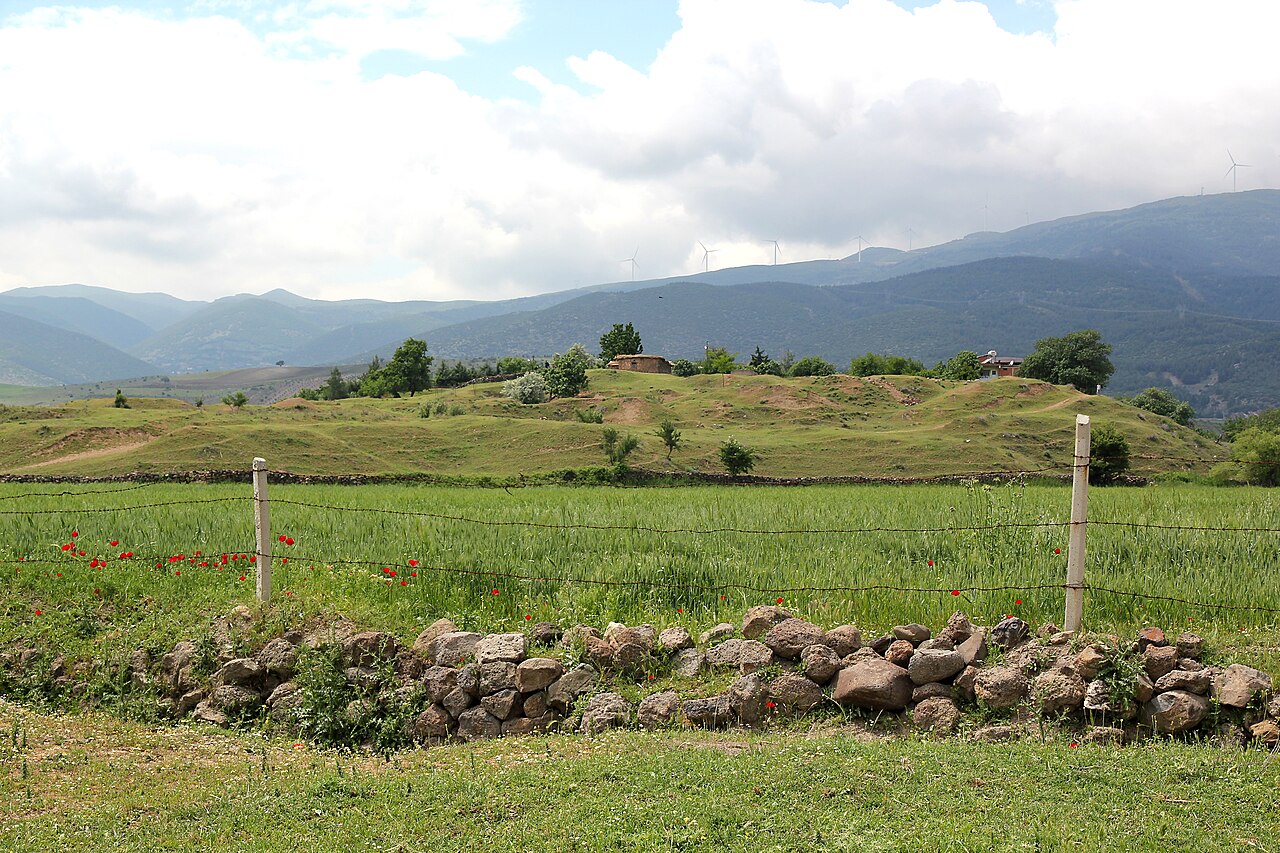
Unlike the flashier legends, some “lost cities” were never mythical, just misplaced in the scholarly imagination for a while. Zinjirli, in what is now southern Turkey, was one of a cluster of Iron Age city-states that controlled routes between empires. For a long time, historians knew such cities had to exist from inscriptions and scattered references, but they could only guess where many of them actually lay. As excavations progressed in the late nineteenth and twentieth centuries, ruins like Zinjirli emerged from low hills and vague names on maps, turning hazy political entities into real streets, walls, and palace courtyards.
So why include a city that has technically been found in a list of places we are ? Because Zinjirli stands in for dozens of similar sites in the Levant and northern Mesopotamia that are known on paper but not yet matched to physical ruins. Every time a new mound is excavated and tied to an ancient name, it reshapes our understanding of border politics, trade, and cultural mixing in the region. In my opinion, these supposedly “small” lost cities may end up doing more to rewrite history than any single dramatic Atlantis‑style discovery, precisely because they fill in the everyday map of how people actually lived and moved.
7. The Legendary City of Aztlan
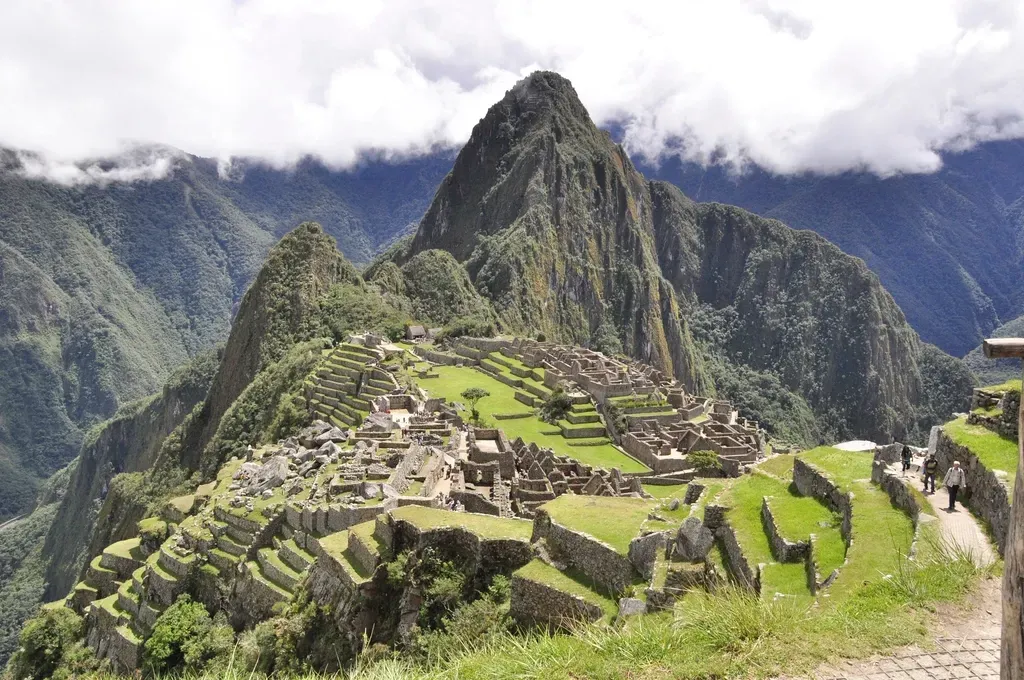
In stories recorded after the Spanish conquest, the Aztec people traced their origins to a place called Aztlan, often imagined as a distant land of reeds and water where their ancestors began their long migration south. Over time, especially in later cultural and political movements, Aztlan became loaded with symbolism, turning into everything from a mystical homeland to a metaphor for identity and belonging. That symbolic weight makes it hard to talk about Aztlan as a literal city without stepping into debates that are as much about the present as the past. Still, archaeologists cannot help wondering whether some real northern settlement or region lies behind the tale.
Various proposals have placed Aztlan in different parts of northern Mexico or the southwestern United States, but none has reached anything like broad agreement. The evidence is simply too thin and the story too shaped by later retellings to treat it like a simple treasure map. Personally, I think Aztlan works best when we let it be both things at once: perhaps there was a real cluster of lakeside communities that early migrants remembered, but over generations that memory blurred into mythic geography. Instead of pinning Aztlan to one ruin, we might learn more by asking what its enduring pull says about how people anchor themselves to place, especially after upheaval.
8. Kitezh: The City Hidden Beneath a Russian Lake
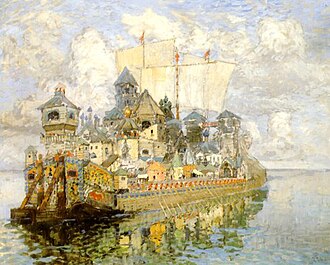
According to Russian legend, the city of Kitezh was so pure that when invading forces approached, it did not fall in battle; it simply sank into a lake and became invisible, remaining there as a kind of spiritual refuge. People in nearby areas have long told stories of hearing distant bells under the ice or seeing faint outlines of buildings in the water’s reflection. On the surface, this is clearly not a story designed to guide archaeologists with trowels and dating methods; it is a spiritual narrative about escape from corruption and the possibility of another, untouched world. But that does not stop people from wondering what, if anything, lies beneath the lake.
From a scientific angle, surveys of likely lakes have not produced convincing evidence of a drowned stone city. Lakes do preserve wooden remains and drowned villages in some cases, but identifying them and separating fact from legend is painstaking work. The Kitezh story, to me, captures something deeper than a specific location: it reflects the human urge to believe that somewhere, beyond reach, a better version of our society still exists, untouched by compromises. In that sense, Kitezh is a psychological lost city, one that lives in the space between longing and reality rather than on any actual lakebed we can map.
9. The Lost Harbors of the Indian Ocean Trade
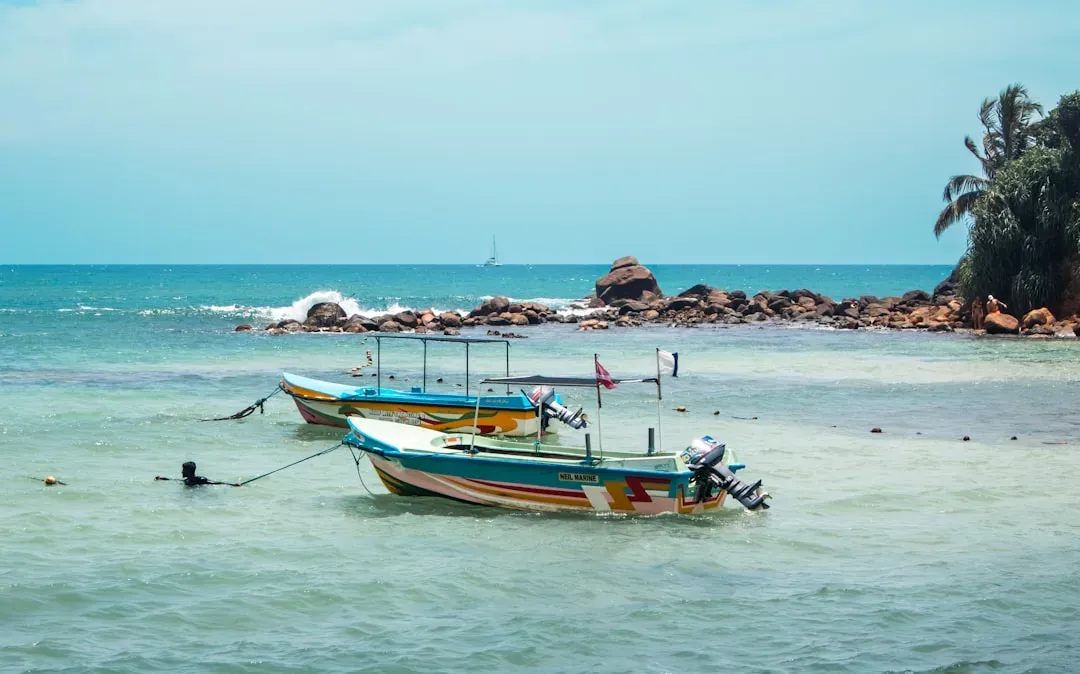
Not every missing city has a single dramatic name; sometimes what is lost is an entire network of ports that kept huge regions connected. Ancient texts and shipwreck evidence point to a dense web of harbors across the Indian Ocean, from East Africa and Arabia to India and Southeast Asia. Many of these places have left faint traces in coastal topography, scattered ceramics, or foreign coins found far from home, but the exact locations of numerous named ports remain uncertain. Climate change, shifting river mouths, and rising seas have erased or buried waterfronts that once thrummed with international trade.
What excites me here is how each rediscovered port chips away at the old idea that ancient civilizations were mostly isolated, with only a few brave sailors linking them. Every time archaeologists identify one of these ghost harbors, they find evidence of routine traffic in spices, textiles, metals, and ideas that crossed cultural and religious boundaries with ease. We are still very much in the early days of underwater and coastal archaeology in many of these regions, which means that a lot of the Indian Ocean’s lost “cities” are probably waiting under silt and mangroves rather than under myth. In a quiet, unsensational way, they may turn out to be some of the most historically important lost places of all.
10. The Submerged Settlements of Doggerland
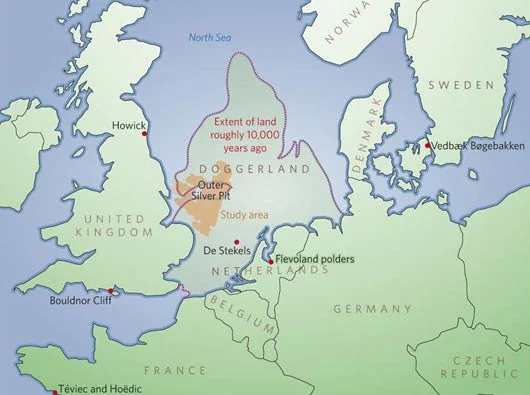
Beneath the shallow waters of the North Sea lies what researchers call Doggerland, a once‑habitable landscape that connected Britain to mainland Europe before rising seas drowned it thousands of years ago. This was not a single city but a broad region of rivers, lakes, and low hills where people hunted, gathered, and probably maintained seasonal camps or even permanent villages. Fishing trawlers have hauled up ancient tools, animal bones, and even traces of human remains, suggesting that pieces of that drowned world are still down there, scattered across the seabed. It is a sobering reminder that entire countries can quite literally disappear from the map over long timeframes.
What makes Doggerland so gripping right now is its eerie relevance to modern sea‑level rise. Scientists can model how coasts retreated and communities were forced inland, creating new pressures and migrations that must have felt apocalyptic on a human scale even though they took generations. In a way, we are still “looking for” Doggerland’s cities because we have not yet confirmed the exact locations and layouts of any permanent settlements there, though sonar and underwater digs are slowly filling in details. When you see those digital reconstructions of green hills now underwater, it is hard not to imagine future archaeologists doing the same thing with parts of our own coastal cities.
Conclusion: Why These Missing Cities Still Matter
When you pull back from the details, a pattern starts to emerge: most of these lost cities sit at the crossroads between memory and evidence, story and soil. Some, like Atlantis or Kitezh, are probably better understood as mirrors we hold up to our fears and hopes than as actual coordinates on a map. Others, like Thinis, Doggerland’s drowned settlements, or the unnamed Indian Ocean ports, are almost certainly rooted in hard reality but remain frustratingly just out of reach of conclusive proof. In each case, what we choose to believe about them says as much about us as it does about the people who may once have lived there.
My own opinion is that we should resist the urge to chase only the flashiest legends and instead embrace the slow, careful work of filling in the map with all the modest, half-forgotten places that never got a grand myth. Those quiet discoveries often do more to rewrite history than any dramatic “found at last” headline, because they reveal the networks, migrations, and coping strategies that actually sustained human life. At the same time, I would be lying if I said I did not feel a small thrill every time a sonar scan hints at straight lines where none should be. Maybe the real question is not whether a particular lost city will be found, but which assumption about the past we are most prepared to give up when it finally happens. What do you secretly hope we discover down there?