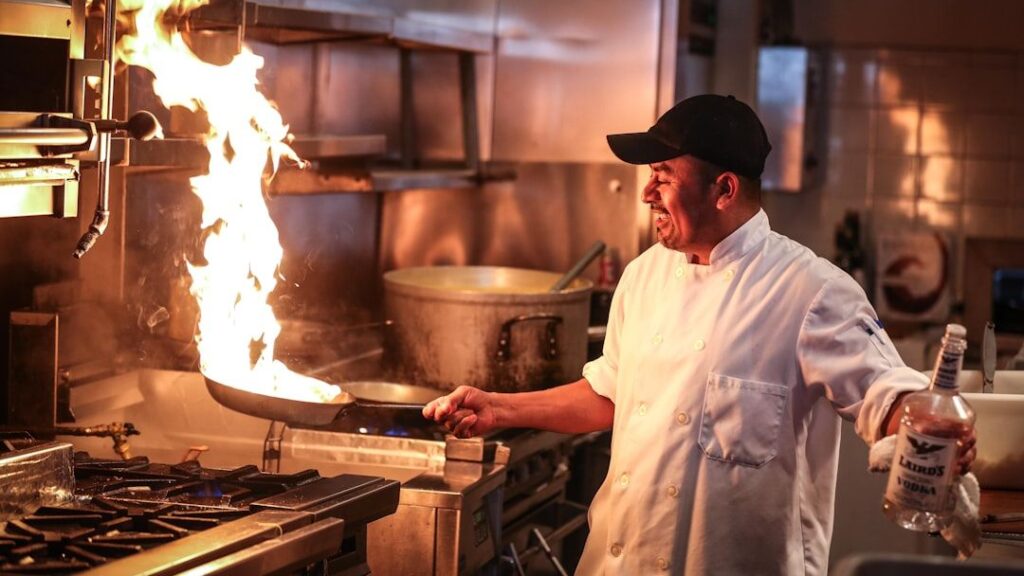
If you think of human intelligence as the grand finale of evolution’s talent show, cooking is the quiet stagehand who actually made the whole performance possible. Long before we were sketching star maps or writing code, our ancestors were huddled around fires, softening roots and roasting meat, turning tough, fibrous foods into something our bodies could mine for extra energy. That shift was more than a lifestyle upgrade; it was a biological revolution that helped reshape our guts, our brains, and eventually our societies.
The striking idea that cooking came first and big brains came later flips a lot of intuitive stories on their head. It suggests we did not get smarter and then invent cooking as a clever trick; instead, the energy windfall from cooked food gave evolution the wiggle room to build a more expensive organ: the human brain. Once you see it this way, fire and food preparation stop being side notes in our story and become the main plot. Let’s unpack how a simple act like heating food could have rewritten the blueprint of the human body and mind.
The Energy Economics of a Hungry Brain
The human brain is a bit of an energy diva. Even though it only makes up a small fraction of our body mass, it burns through a surprisingly large share of our daily calories. That is like running a high-end gaming PC on the battery of a small phone: you need a serious and reliable flow of power to keep things running smoothly. Raw, fibrous, hard-to-digest foods just are not great at delivering that kind of steady energy in a compact package.
Cooking changes the equation by doing part of the digestive work before the food ever reaches our guts. Heat breaks down cell walls in plants and denatures proteins in meat, making calories more accessible and digestion less costly. In simple terms, you get more energy out while spending less internal effort breaking the food down. Over evolutionary time, that extra available energy per bite becomes profound, opening the door to an organ that is metabolically expensive but enormously useful: a larger, more complex brain.
Smaller Guts, Bigger Brains: The Expensive Tissue Trade
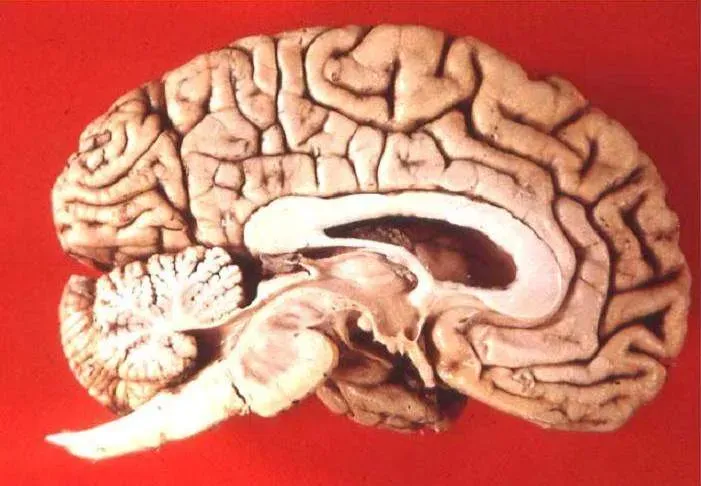
The body is constantly juggling a limited energy budget. One influential idea in evolutionary biology, sometimes called the “expensive tissue” concept, suggests that if one organ becomes more costly, another has to give something up. A big, complex brain is a luxury; it needs to be paid for somehow. For our ancestors, that “payment” seems to have come in part from a reduction in gut size and digestive complexity compared with other large-bodied primates.
Cooking helps explain how that trade became possible. Softer, pre-processed food means you do not need a long, voluminous gut to grind and ferment every last calorie out of tough plant material. Over time, a smaller, more efficient digestive system could evolve, freeing up energy and physical space for an expanding brain. Instead of evolving giant bellies like some herbivores, humans took another route: outsource some digestion to fire and tools, and re-invest the biological savings in neural hardware.
Fire as the Original External Stomach
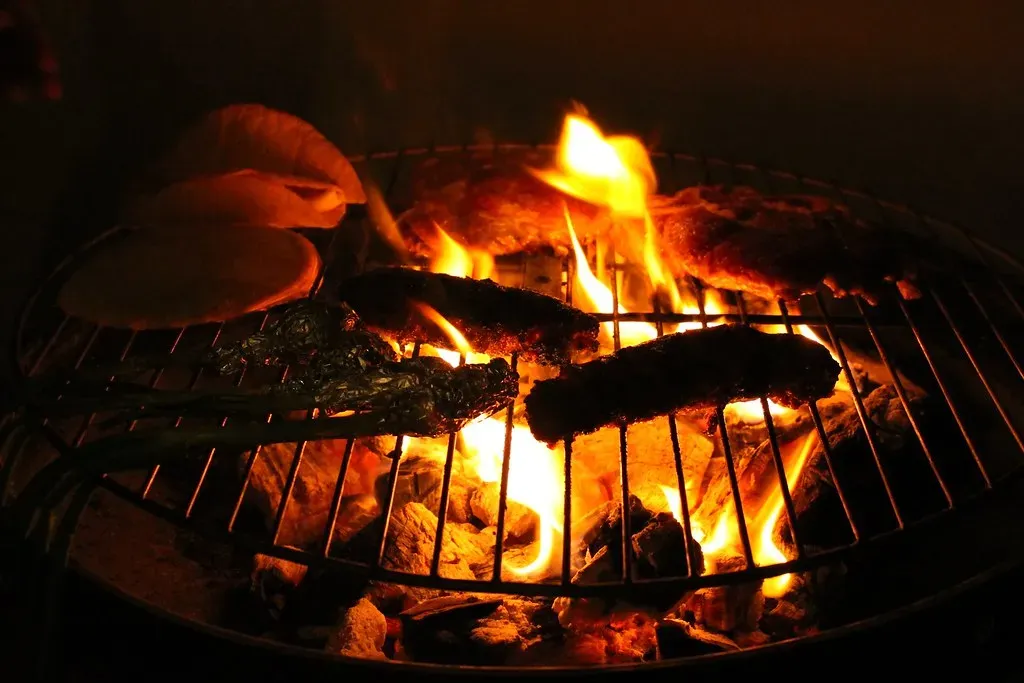
When you start to see fire as an “external stomach,” the whole story of cooking clicks into place. A lot of the heavy lifting that would normally happen inside the gut can happen outside, in the flames and hot embers. This is digestion pushed out into the environment, where it does not cost the body anything. Heating tubers, seeds, or meat does the biochemical equivalent of chewing and enzymatic breakdown before a single bite is swallowed.
This outsourcing has ripple effects. A shorter, less complex gut is less of a metabolic drag, and that energy can be rerouted to developing and maintaining a bigger brain. It is a bit like moving from a low-efficiency, old factory full of workers to a sleek automated plant that does more with less. The brain, freed from some of the old constraints, could expand in regions related to memory, planning, social navigation, and tool use, all of which further reinforced the value of cooking and fire control.
Raw Diets, Modern Bodies: A Clue from Today
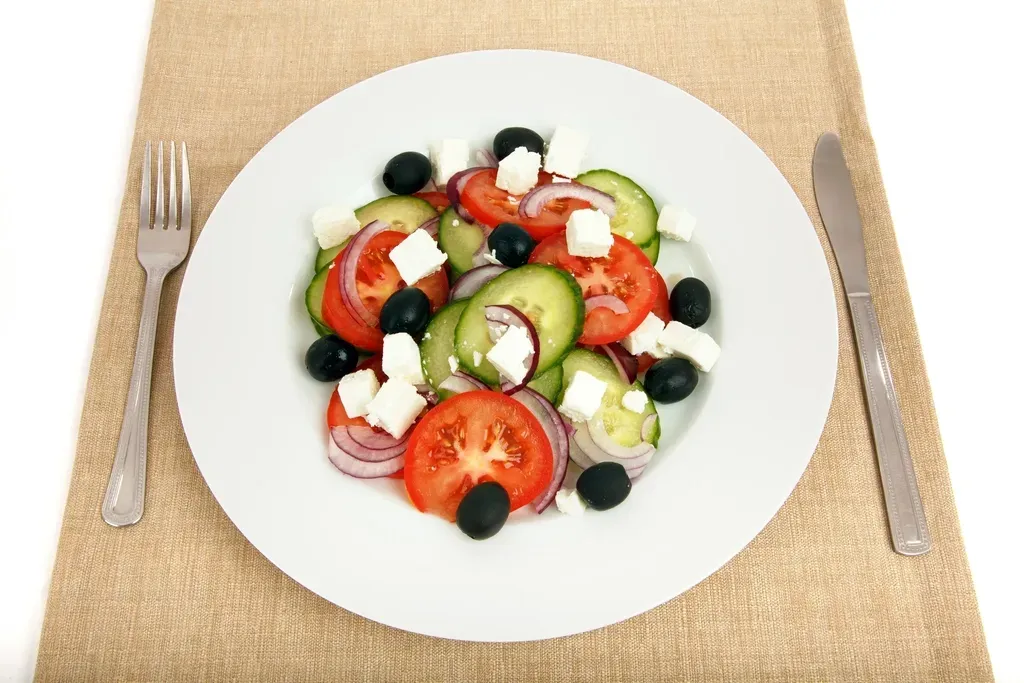
Modern humans who try to live exclusively on uncooked diets unintentionally run a small, real-world experiment that hints at the power of cooking. People who stick strictly to raw food over long periods often report challenges maintaining body weight and energy, even when they eat large volumes. The human digestive system, as it exists today, simply is not optimized to handle a purely raw, high-fiber, wild-style menu at the scale required to fuel an active life without strain.
That mismatch is telling. It suggests our bodies evolved with the expectation that much of our food would come pre-softened and pre-processed by heat. Our teeth, jaws, and gut length reflect that history. If our ancestors had tried to power an increasingly large brain on fully raw, wild food with the kind of compact gut we have now, they would have needed to spend huge portions of the day chewing and digesting, the way some other primates do. Cooking broke that time and energy bottleneck.
Chewing Time, Social Time: How Cooking Reshaped the Day

Think for a moment about how long it takes great apes to eat enough raw food to get through the day. They can spend many hours foraging and chewing, their faces and jaws working almost constantly. If early humans had needed that same schedule to fuel a large brain, there would have been little time left over for anything else. Cooking collapses that timeline, turning long chewing marathons into shorter, more efficient meals.
Freeing up those hours matters. Suddenly, there is more time for social interaction around the fire, for planning hunts, telling stories, caring for children, and building tools. These social and cognitive activities likely fed back into brain evolution, favoring individuals who could navigate complex group dynamics or plan ahead. It is not a stretch to say that the first campfires might have been the original coworking spaces, where spare cognitive capacity was reinvested into culture and cooperation.
From Gut to Culture: How Cooking Changed What Food Meant
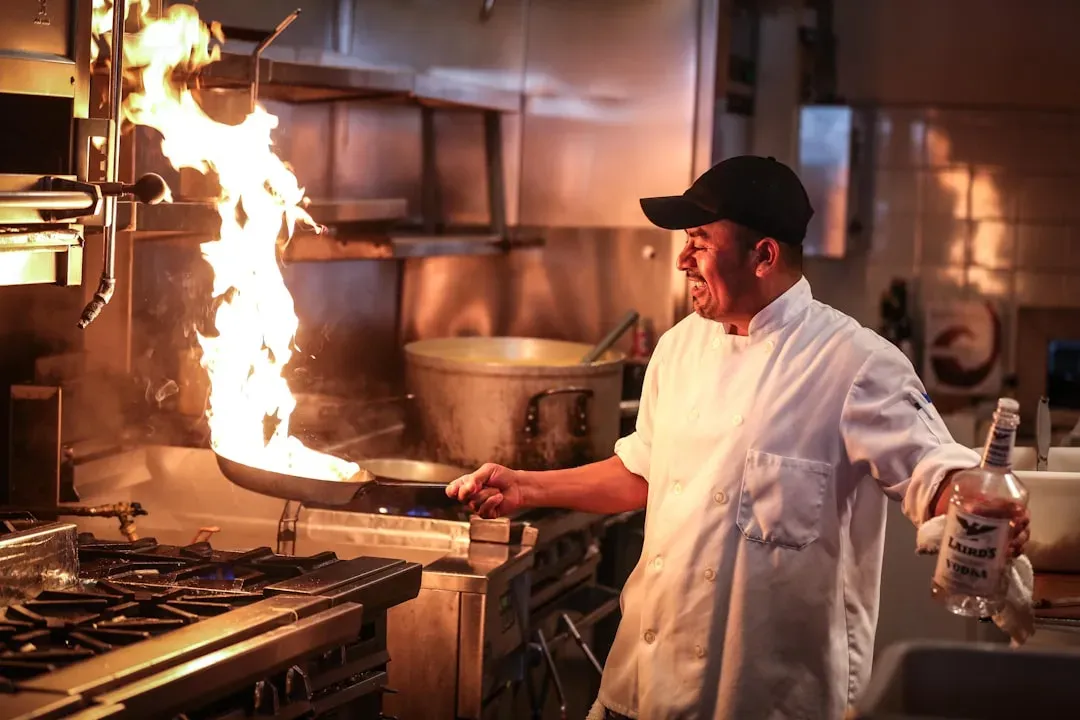
Once food is no longer just fuel but also something you transform, share, and ritualize, it starts to reshape the social world as much as the biological one. Cooking encourages division of labor, planning, and even early forms of hospitality. Someone needs to gather fuel, someone needs to tend the fire, and someone needs to decide what gets cooked and when. These are small steps toward more structured communities, where roles and expectations begin to crystallize.
At the same time, cooked food is easier to share and portion out. That makes it a natural focus for bonding, negotiation, and even conflict. The fire itself becomes a center of gravity, pulling people together at predictable times of day. If brains were evolving to handle increasingly complex social webs, then cooking did not only feed that process with calories; it also created the social stage where those brains were tested and refined.
Rethinking Intelligence: Cooking as Cause, Not Just Effect
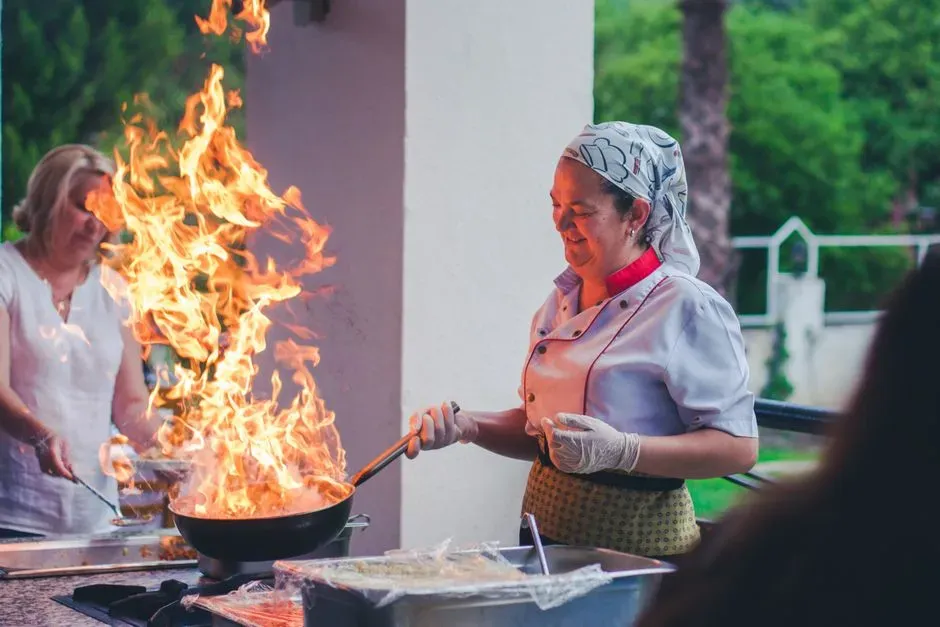
The popular story of human evolution often suggests we got smarter first, then invented clever things like tools, art, and cooking. But when you look closely at the biology, it makes more sense to flip that script, at least for cooking. Controlled use of fire and the shift to cooked diets look less like the product of already-expanded intelligence and more like the spark that allowed intelligence to ramp up in the first place. Energy came first; elaborate cognition could follow.
That does not mean cooking alone explains everything about the human mind, but it does anchor the story in a simple, testable logic: no energy surplus, no expensive brain. The idea that our mental lives ride on top of a foundation built by something as humble as roasting and boiling is both grounding and oddly inspiring. It suggests that some of the most transformative steps in evolution come not from sudden leaps in genius but from small, practical habits that quietly rewrite what bodies can afford to do.
Conclusion: Our Minds Are Built on Heat
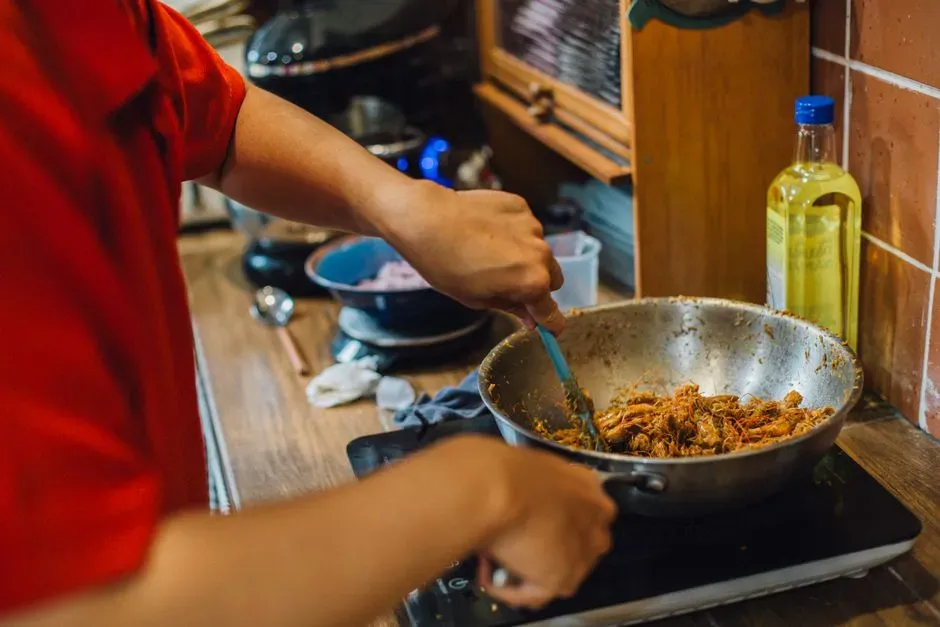
When you zoom out, the evidence points toward a bold but reasonable conclusion: cooking did not appear as a cute side hobby of already brilliant humans; it was one of the early moves that made such brilliance possible. By turning fire into an external stomach, our ancestors unlocked enough surplus energy to shrink their guts, expand their brains, and rearrange their daily lives around shared meals and shared intentions. In my view, it is no exaggeration to say that every thought we have today is, in a deep biological sense, a distant echo of those first controlled flames.
That perspective is a bit humbling. The devices, languages, and ideas we take for granted rest on a metabolic bargain struck hundreds of thousands of years ago between fire, food, and flesh. The next time you heat up a meal, you are reenacting a quiet revolution that cleared room, literally and figuratively, for human intelligence to flourish. It makes you wonder: if something as simple as cooking could reshape our brains and societies, what everyday habit might be rewriting our future right now?