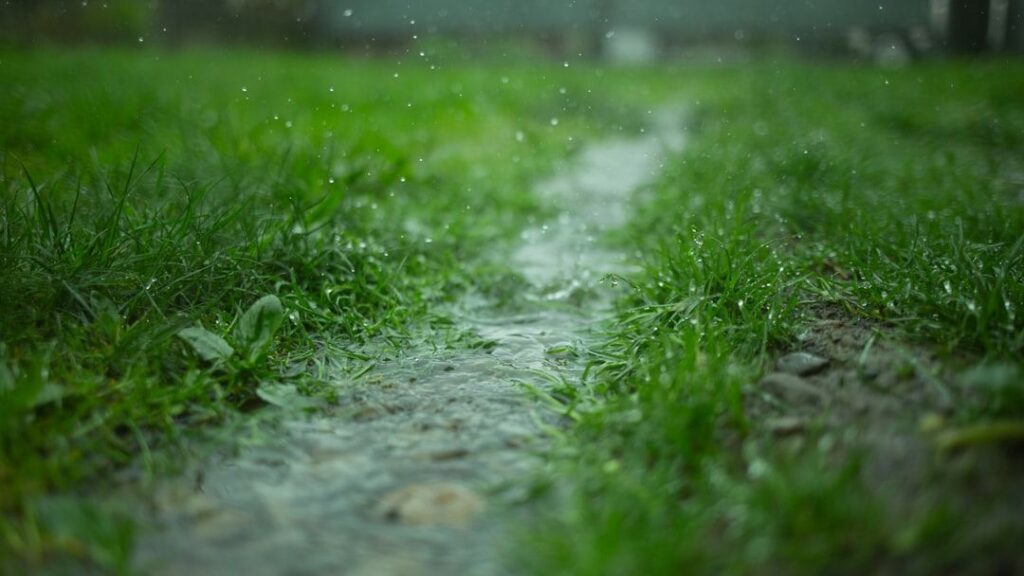
Picture this: the first fat raindrops hit the ground after a long dry spell, the pavement darkens, the air cools slightly, and suddenly that earthy, almost nostalgic smell rushes up at you. For a split second, your shoulders drop, your breath deepens, and you feel strangely calm and grounded, even if you are just stepping off a bus or walking out of the grocery store. That tiny shift is not random; your brain is quietly running a chemical script that is far older than cities, cars, or umbrellas. Hidden in that scent is a story about survival, safety, and how deeply your mind is wired into the land beneath your feet.
The idea that the smell of wet soil could guide ancient humans toward fertile, life-supporting places sounds almost romantic, but there is hard science behind it. Certain molecules released when rain hits dry earth plug straight into your nervous system and stir up emotional responses that feel like comfort, relief, or even joy. You are not being dramatic when you pause to inhale; you are living out an instinct shaped over millions of years of evolution. Once you see it that way, that “nice smell” after rain becomes less of a passing sensory treat and more like an old signal system, still blinking green in a very modern world.
The Strange Comfort of Wet Earth: Why That Smell Hits So Deep
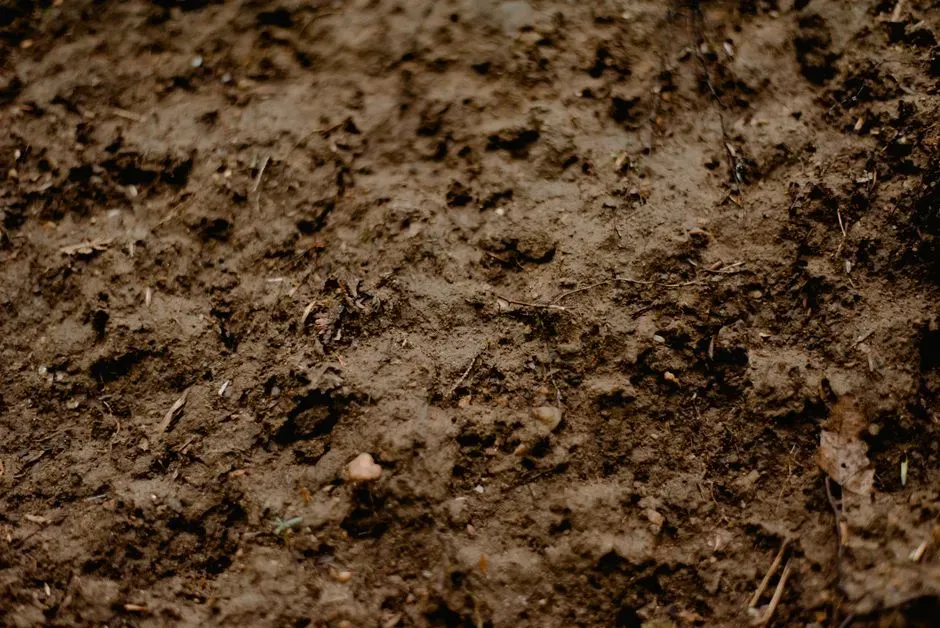
Have you ever noticed how the smell of soil after rain can stop you mid-sentence? One second you are scrolling your phone, the next you are just breathing, almost as if your body decided to override everything else. That sense of being pulled into the moment is a clue that this is more than just a pleasant perfume. Your brain treats this scent like a meaningful signal, not just decorative background information. It nudges your mood, loosens tension, and often makes the world feel softer and more inviting, even if nothing else has changed.
Psychologists and sensory scientists point out that smells are unusually good at stirring up emotions and memories because of how directly they connect to the brain’s emotional centers. The scent of wet earth – what many people describe as warm, earthy, or grounding – taps into pathways tied to comfort, safety, and sometimes nostalgia. It is a bit like an ancient lullaby that your nervous system still recognizes, even if your conscious mind cannot quite put it into words. What feels like a random wave of calm is actually your brain quietly whispering: this is okay, stay a while.
Meet Petrichor: The Science Name for That Earthy Rain Smell
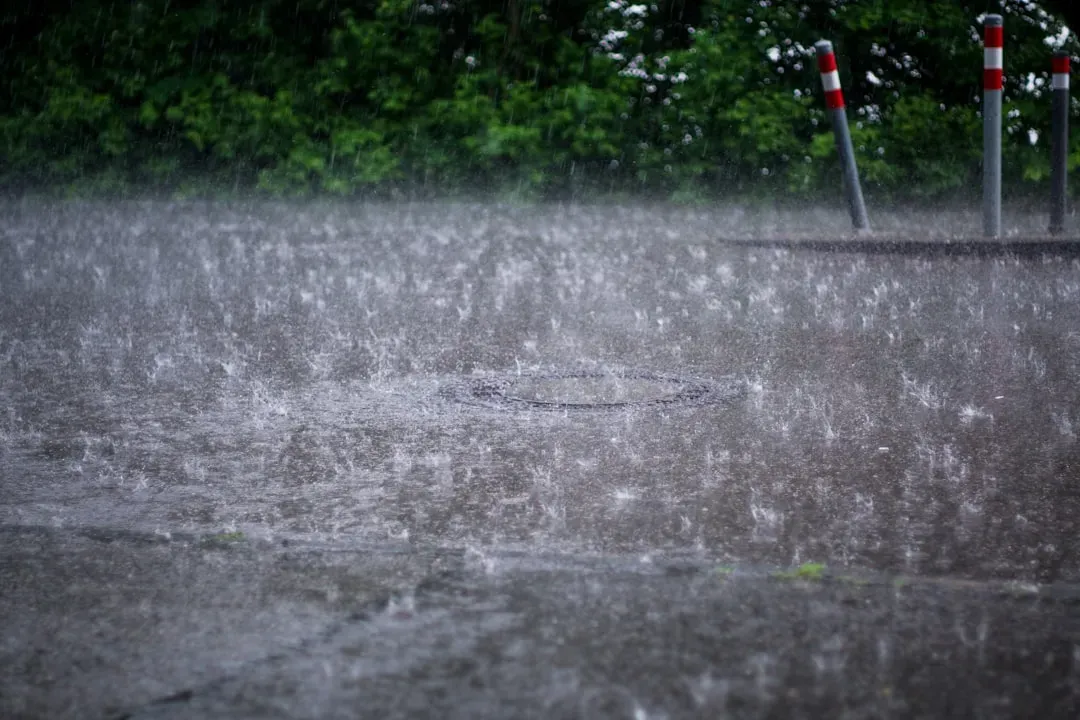
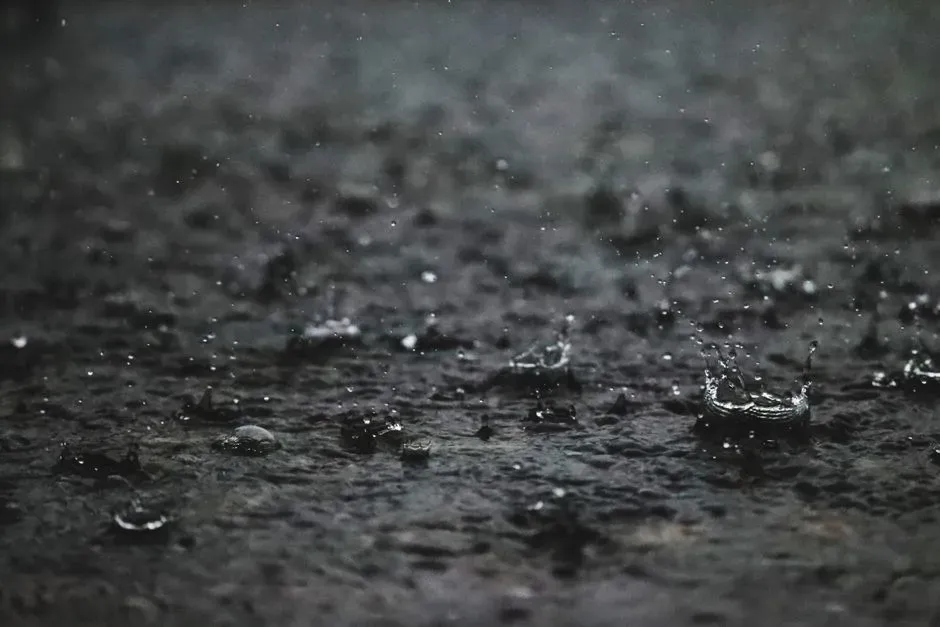
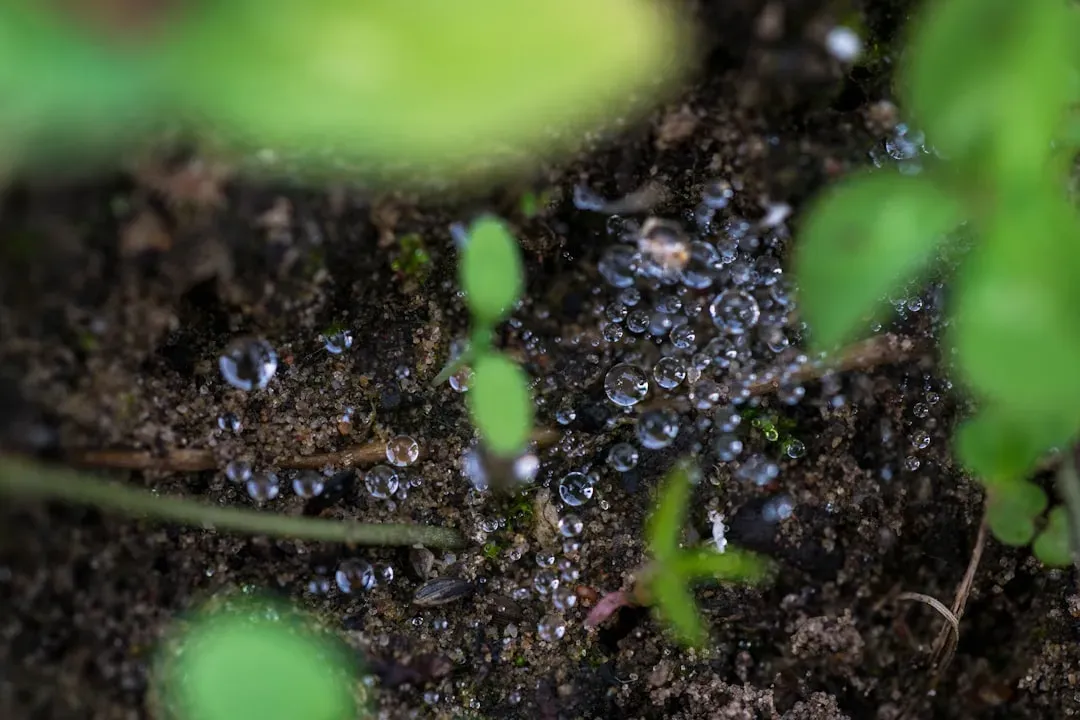
That smell you notice when rain hits dry ground is so distinctive that scientists gave it a name: petrichor. It comes from a mix of compounds released from soil, plants, and microbes when moisture arrives after dryness. One of the main players is a molecule called geosmin, produced by certain soil bacteria, especially after dry periods. When raindrops hit the ground, tiny air bubbles form and pop, launching microscopic droplets that carry these molecules into the air and straight to your nose.
Other components, like plant oils and organic compounds that build up on surfaces during dry weather, join the mix and layer the scent into something complex and surprisingly powerful. Even at incredibly low concentrations, your nose can detect geosmin with almost ridiculous sensitivity. That sensitivity hints at how important this scent signal might have been over evolutionary time. Nature does not usually give us a superpower for something that does not matter; if you can smell it easily, chances are it carried a message your ancestors needed to receive.
How Your Brain Turns a Smell Into Emotion and Instinct

Smell is wired into the brain very differently than sight or sound. When you see something, that visual information takes a longer, more layered route through various processing centers. Odors, by contrast, have a relatively fast, direct line into brain regions involved in memory and emotion, like the amygdala and hippocampus. That is why a single whiff of a childhood kitchen or a particular cologne can take you back years in an instant, before you have time to talk yourself out of it or analyze it logically.
With the smell of wet soil, that shortcut means your emotional response sparks almost immediately. You might feel content, peaceful, or oddly energized before you even register that it has started to rain. Your brain is not just detecting a chemical; it is attaching meaning to it, shaped by both your own life and the long history of your species. Over time, this kind of rapid, emotional interpretation of environmental odors would have helped humans decide quickly whether to settle, move, plant, or seek shelter. The fact that you still feel it today shows how well that system worked.
The Evolutionary Story: Why “Smells Like Rain” Meant “You Can Survive Here”
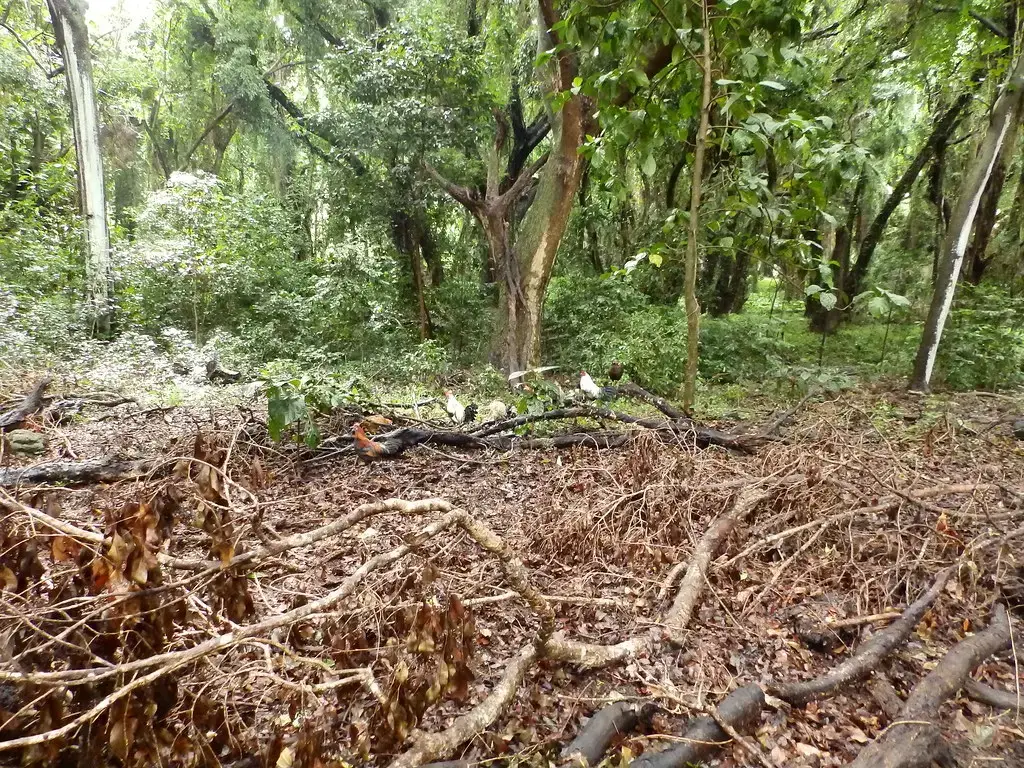
Long before paved roads and weather apps, survival depended on reading the land. For early humans, recognizing areas with regular rainfall, rich soil, and thriving plant life was the difference between abundance and starvation. A landscape that often smelled like wet earth after rain was usually one where rivers ran, plants grew, and animals gathered. Over thousands of generations, individuals who were drawn to these cues – and stayed in such environments – would have had a better chance of feeding themselves and raising healthy offspring.
In that context, the brain’s positive response to the smell of rain-soaked soil starts to look like an ancient environmental rating system. Instead of stars on a screen, your body relied on sensations: cool air, dark clouds, the hush of falling rain, and that unmistakable earthy scent. All of those together signaled a place that could support life. The emotional “yes” you feel even today is, in a sense, your ancestors’ successful choices echoing through your nervous system. It is not just sentimental; it is a leftover survival algorithm that once helped determine who stayed, who left, and who thrived.
Safe, Fertile, and Worth Staying: The Brain’s Hidden Checklist
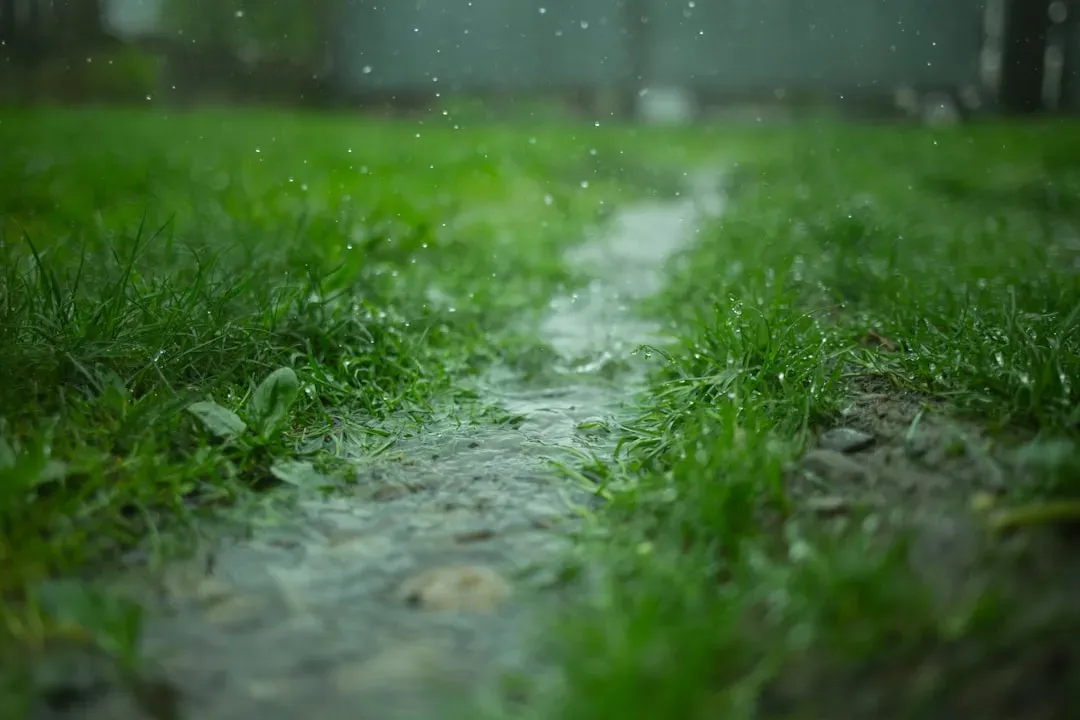
When we say the smell of soil after rain hints that a place is “safe, fertile, and worth remaining in,” we are really talking about a bundle of associations your brain still carries. Moist soil usually means plants can grow, water is nearby, and the immediate risk of wildfire or extreme drought is lower. That does not guarantee paradise, of course, but over evolutionary time it tilted the odds in your favor. Your nervous system learned to treat this blend of cues as a kind of quiet green light for staying put, exploring, and investing energy in that spot.
On a psychological level, this can translate into a subtle sense of security and possibility. People often describe feeling more grounded, hopeful, or reflective during and right after rain, especially when that earthy smell is strong. It is as if some ancient internal checklist gets a few big boxes ticked: water present, soil alive, conditions promising. You may not be consciously planning where to plant crops or build shelter, but those old survival priorities still influence how your body feels about the space you are in. That feeling of “I could stay here” has very deep roots.
Why Your Brain Loves Natural Scents More Than Synthetic Ones
Modern life surrounds us with artificial fragrances – laundry detergents, car air fresheners, scented candles that smell like desserts we have never actually eaten. Many of these are designed to mimic or amplify natural smells, but they rarely trigger the same deep, quiet response that real wet earth does. Part of the reason is that your brain evolved alongside complex, variable odors from soil, plants, and living ecosystems, not simplified lab-made blends. The scent of actual rain on real soil carries layers of information that synthetic copies simply do not have.
Research into nature exposure and mental health has repeatedly shown that spending time in natural environments can reduce stress, improve mood, and increase a sense of well-being. While much of this work focuses on sights and sounds, smell is an underappreciated part of that effect. Real earthy, leafy, and woody scents send your brain a message it implicitly trusts, because it has encountered those signals for countless generations. In contrast, artificial fragrances may smell pleasant, but they do not carry the same deep evolutionary data. Your mind knows the difference, even if you cannot explain it.
Individual Memories: When Rain Smell Feels Like Childhood or Home

Beyond the ancient, species-level story, the smell of rain-soaked soil also plugs into your personal history. Maybe it reminds you of school days when recess finally resumed after a storm, or visiting grandparents in the countryside, or walking home in a summer drizzle. These private connections can amplify or reshape the basic calming effect of petrichor, layering nostalgia, sadness, or joy on top. That is why some people feel almost emotional when that scent arrives, as if the past is suddenly walking beside them.
Personally, I remember biking home as a teenager just after thunderstorms, tires slicing through puddles, the whole neighborhood smelling like wet asphalt and gardens. That smell still flips a switch in my brain that says freedom, possibility, and time to slow down. Your version might be completely different, but the mechanism is the same: your brain has paired that scent with moments that mattered. So when those molecules hit your nose today, you are not just sensing the current environment; you are also replaying pieces of your life and letting them color the present.
Urban Lives, Ancient Noses: Why This Still Matters in 2026
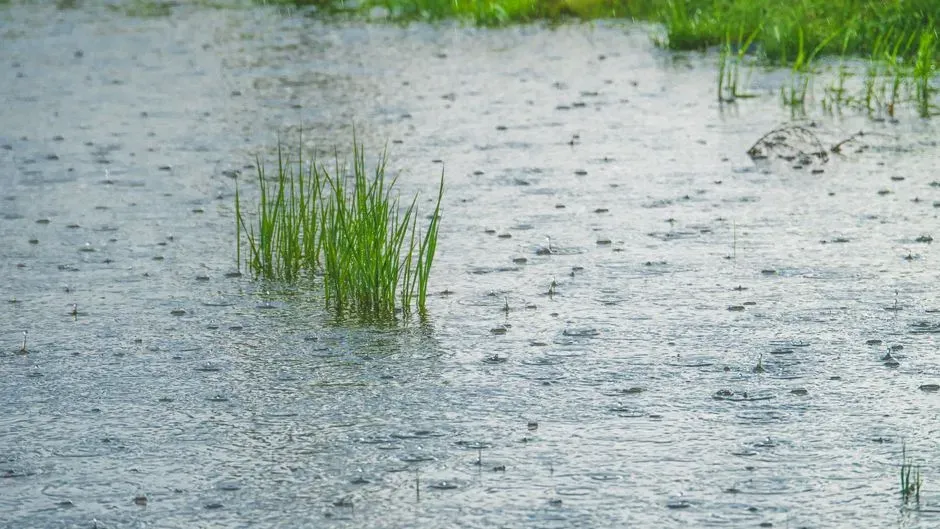
In 2026, many of us live far removed from farms, forests, and the kind of landscapes in which our scent instincts evolved. Yet the smell of soil after rain still finds its way into cities through parks, patches of dirt between buildings, and even potted plants on balconies. When a storm rolls through and that familiar aroma rises up from tree pits and lawns, your ancient wiring wakes up for a moment. In a world of push notifications and artificial lighting, that quick, earthy reminder that you live on a real planet can be quietly radical.
This is part of why urban green spaces feel so necessary, not just nice-to-have. They give your senses something real to chew on: unpredictable tree smells, damp soil, fallen leaves, and yes, the comforting scent of rain hitting the ground. Those experiences help anchor you in a physical reality that is easy to forget when most of your day happens on screens. Even a short walk outside after a storm can reset your mood more reliably than scrolling through wellness advice. Your brain is old tech in the best way, and it still responds beautifully to these simple, ancient signals.
Can You Use This Ancient Signal to Feel Better Today?
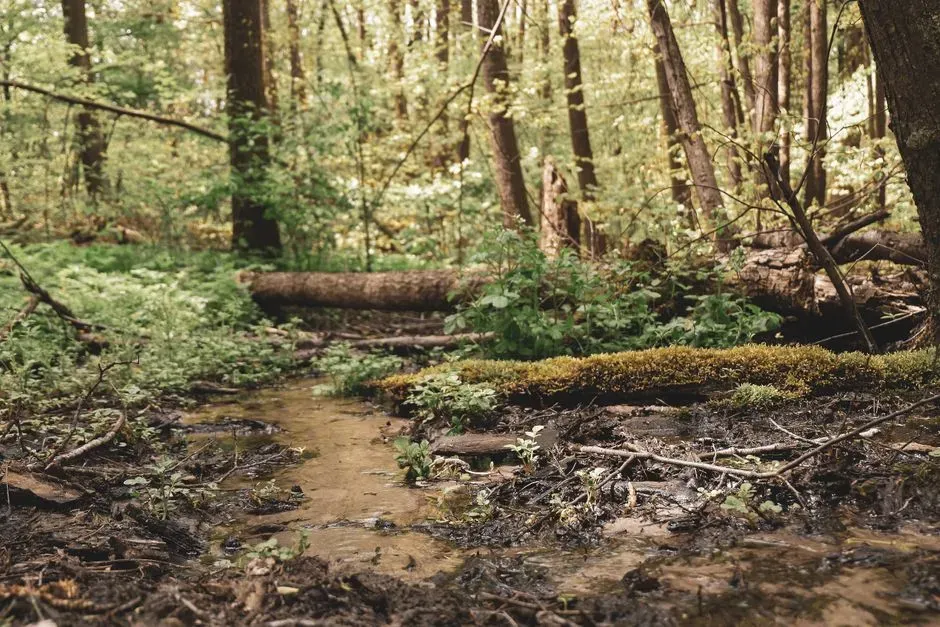
Knowing that the smell of wet soil taps directly into calm, safety, and a sense of fertility raises an obvious question: can you use it on purpose? You cannot schedule rain, but you can pay attention when it comes and let yourself fully experience those few minutes when the air changes. Instead of rushing inside or keeping your head down, you can step outside, breathe slowly, and notice how your body reacts. This is not magic or a cure-all, but it is a low-effort way to let your nervous system lean on an old, reliable cue that whispers: conditions are okay right now.
Some people even try to recreate aspects of this experience through gardening, indoor plants, or spending time in nature right after storms. Personally, I think of it as a free, natural reset button built into the atmosphere. You do not need to turn it into a ritual or a productivity hack; simply recognizing that this feeling has deep evolutionary roots can make it feel more legitimate and worth honoring. Instead of dismissing it as “just a smell,” you can treat it as one of the few environmental signals that has been on your side since long before civilization. That quiet little gift seems too valuable to keep ignoring.
Conclusion: The Oldest Green Light Your Brain Still Trusts
The smell of soil after rain is not just a poetic detail in weather reports; it is one of the oldest, clearest messages your environment can send to your brain. Those drifting molecules carry echoes of safety, water, and fertile ground, and your nervous system still treats them like a precious hint that you are in a place where life can thrive. In a sense, every time you pause to inhale that scent, you are answering a question your ancestors asked constantly: is it good to stay here? Your quiet, almost automatic yes is built on millions of years of trial and error.
In my view, we wildly underestimate how much these ancient sensory signals still shape our moods, our preferences, and even where we feel at home. We act as if we have outgrown our connection to soil and rain, but our noses tell a different story every time the sky opens up. Maybe the most honest thing we can do is listen to that story a little more closely and give ourselves permission to trust the calm it brings. The next time the earth releases that deep, comforting aroma, will you treat it as background noise – or as your brain’s oldest way of saying, you are safe enough to stay?