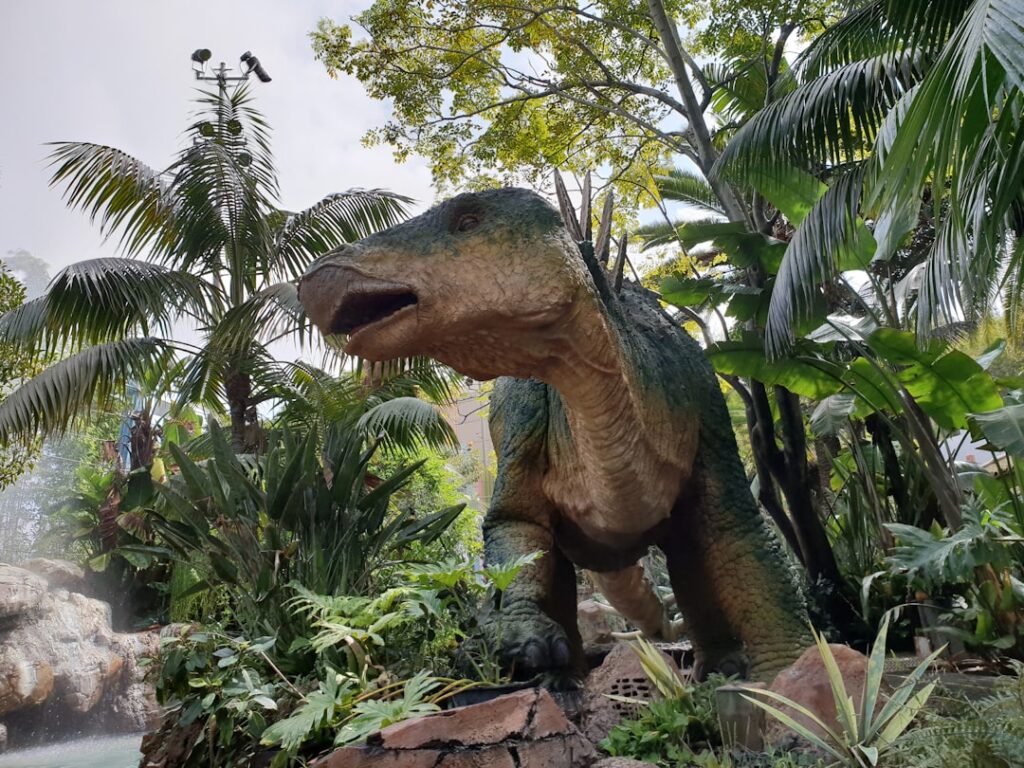
Stand on a Jurassic shoreline in your mind for a second. Everyone pictures the same thing: long-necked sauropods thundering past, sharp-toothed predators stalking herds, maybe a pterosaur or two gliding overhead. It is dramatic, sure, but almost familiar at this point. Now tilt your gaze just a little further out, past the surf, into the deep blue. That is where things get genuinely weird. Compared to the oceans of deep time, dinosaur-filled continents almost look conservative, like nature was playing it safe on land while going totally experimental underwater.
The ancient seas were full of creatures that look like they were sketched during a fever dream: spiral-shelled killers, armored “tanks” with buzz-saw jaws, and sharks with dorsal fins shaped like surfboards. Many of these animals were not just bizarre; they were parts of ecosystems that worked in ways we are only starting to understand. When I first saw a reconstruction of some of these marine worlds, it felt less like looking into Earth’s past and more like concept art for a sci‑fi film. Let’s dive into why those oceans were far stranger than anything the dinosaurs ever walked on.
Life’s First Big Experiments Happened in the Sea
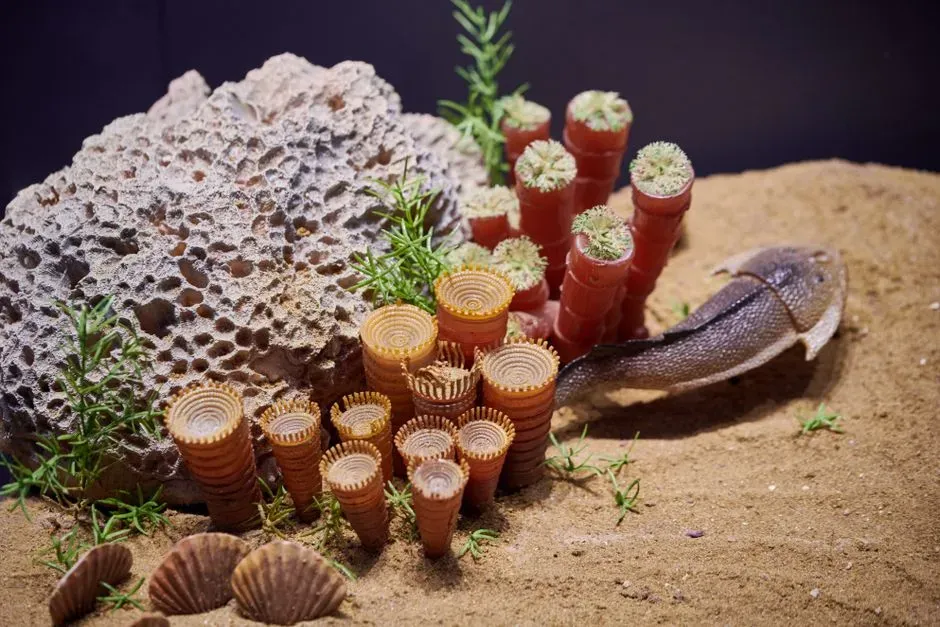
Think of the oceans as Earth’s original research lab. Long before any dinosaur took a single step, almost all of evolution’s early experiments unfolded in water. Multicellular animals, hard skeletons, eyes, teeth-like structures, complex nervous systems – they all show up first in marine environments. The Cambrian Period, starting over five hundred million years ago, saw a sudden explosion of wildly different body plans, most of them swimming, crawling, or drifting in the oceans rather than living on land.
Many of those early marine animals looked nothing like anything alive today. Some had strange lobed flaps instead of proper legs, some had eyes on stalks, and others were essentially swimming mouths armed with spikes and plates. On land at the same time, there was almost nothing but microbial crusts and a few simple plants beginning to creep out of ponds. While continents were still in the tutorial phase, the seas were already running on full chaos mode, trying out every possible way to be an animal.
Cambrian Seas: The Original Alien Planet
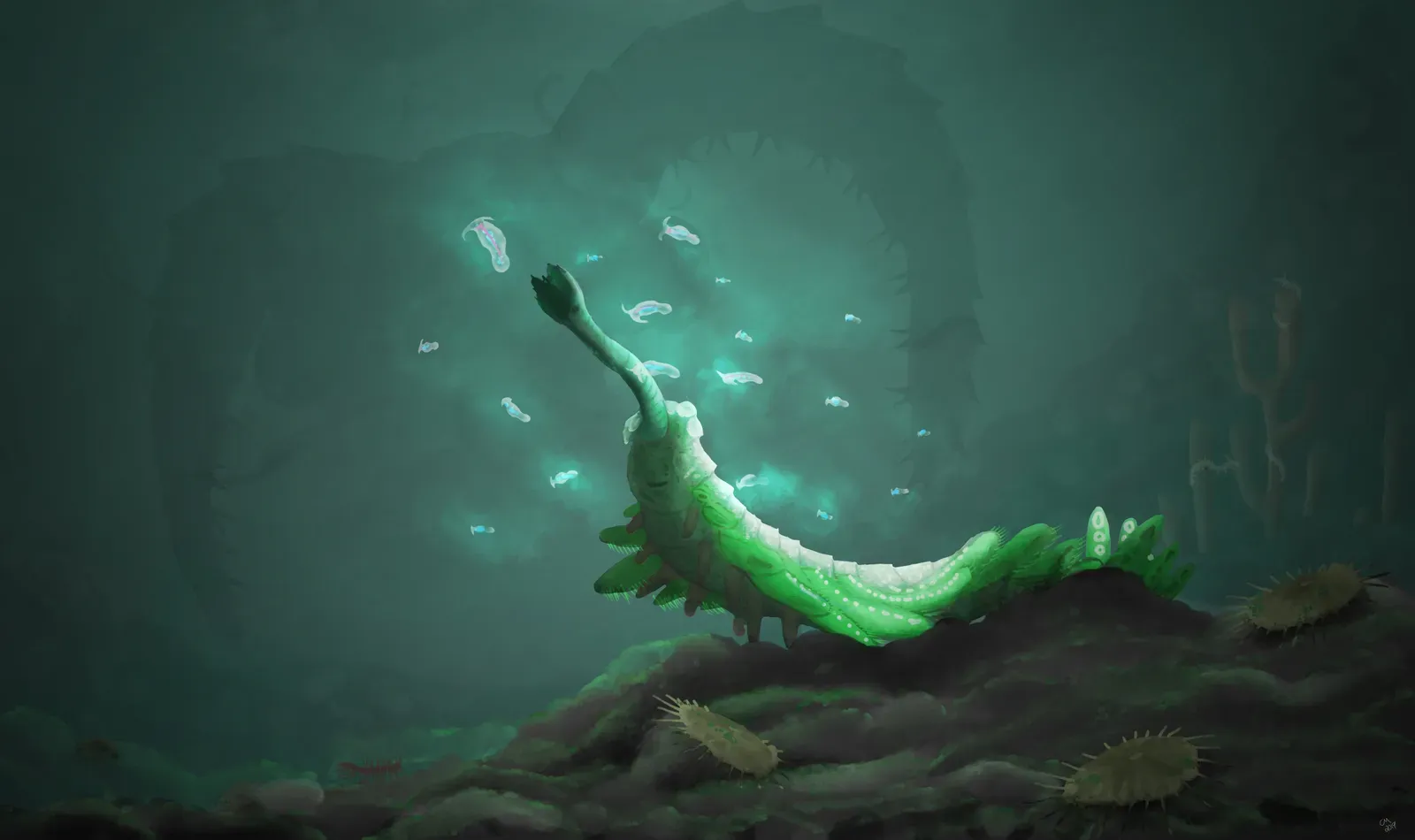
If you dropped into a Cambrian ocean, you might not even realize you were still on Earth. This was a world of soft-bodied predators with circular mouthparts lined with teeth, shrimp-like hunters armed with raptorial claws, and flat, finned “swimmers” that looked like animated carpets. One iconic predator was big for its time and used a pair of hooked appendages to grab prey and funnel it into a toothed, donut-shaped mouth. Imagine something between a modern mantis shrimp and a grabby drone, and you’re still not quite there.
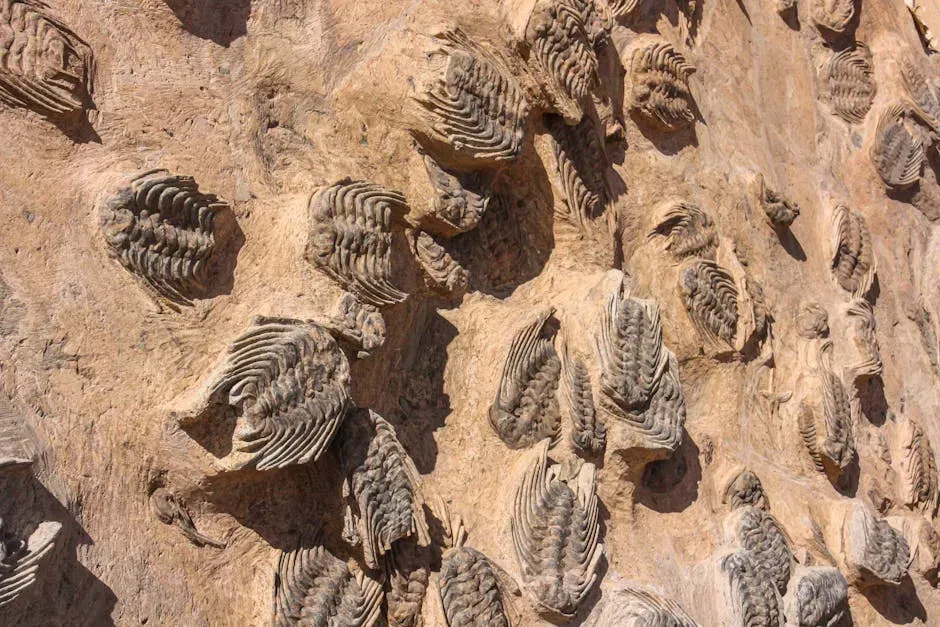
Meanwhile, there were strange, tubular animals anchored in the seafloor, sponges towering like chimneys, and armored worms bristling with spines. Early relatives of arthropods crawled and swam with multiple pairs of jointed limbs, some with huge compound eyes that gave them a serious sensory edge. While dinosaurs get the headlines, this earlier chapter in the oceans was closer to a surreal art installation than a modern reef, with everything from body shape to movement style still up for grabs.
Ordovician and Devonian Oceans: Reef Cities and Armored Oddities
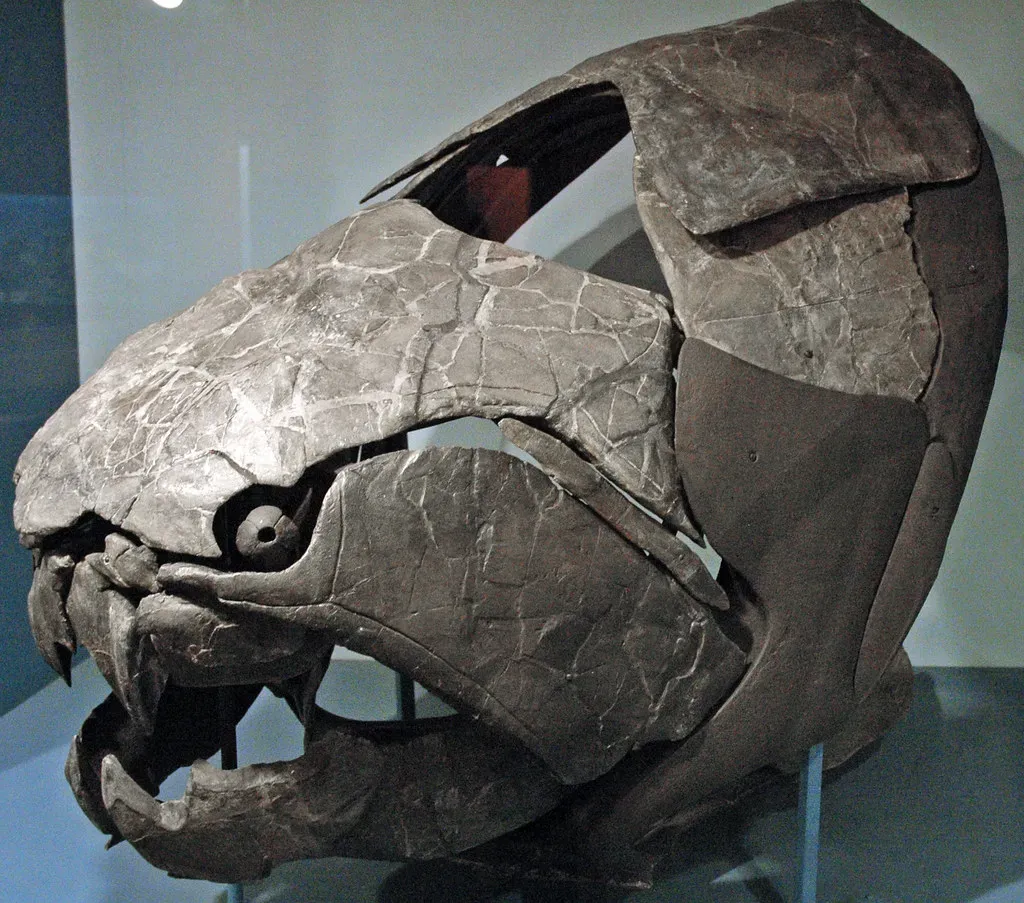
As time rolled forward into the Ordovician and Devonian periods, marine life got bigger and more structured, but it did not get any less strange. Vast reef systems built by early corals and sponge-like organisms turned parts of the seafloor into underwater cities packed with life. These reefs hosted animals with coiled shells as big as dinner tables, early fish with thick bony armor around their heads, and sea lilies that looked like flowers but behaved more like animals, filtering food from passing currents.
Some of the most intimidating creatures were placoderms, an early group of jawed fish. Picture a head and shoulders encased in metal-like plates, with the jaws formed from sharpened bone plates instead of separate teeth. One of the giants of this group could reach the size of a bus and had a bite powerful enough to crush other armored fish. On land at this time, there were only modest forests and the first tentative steps of animals learning to walk. In the water, predators were already experimenting with armor, speed, and jaw engineering on a scale that makes many dinosaur predators look straightforward by comparison.
Paleozoic Freak Shows: Nautiloids, Sea Scorpions, and Early Sharks
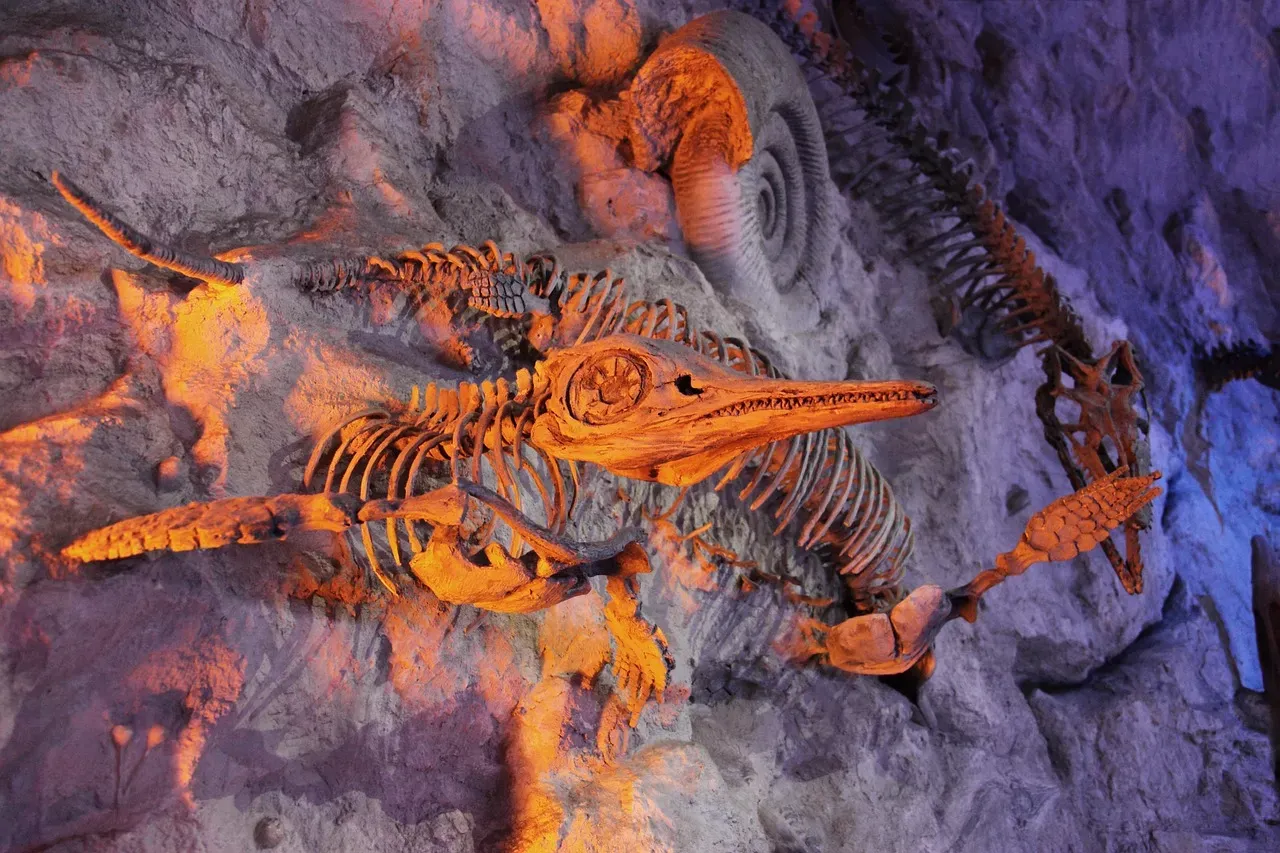
The Paleozoic oceans were also home to some creatures that feel like they were designed by committee after too little sleep. Straight-shelled nautiloids cruised through the water column like living torpedoes, propelled by jets of water and armed with grasping tentacles. Giant versions of these animals may have been top predators in some early seas, essentially acting as long, floating missile launchers with brains. Sharing those waters were sea scorpions, some growing almost as long as a person, hunting with spiny limbs and paddling through shallow coastal zones.
Early sharks were there too, but they were not just prototypes of modern great whites. Some had bizarre fin placements, strange spine arrangements, or body shapes that seem almost inside-out compared to today’s streamlined hunters. One early shark relative had a head crowded with toothy elements and a spine-covered back that would make a fantasy illustrator proud. When you compare that lineup to the relatively familiar cast of later dinosaur-age seas, you start to see just how radically experimental these older oceans truly were.
Mesozoic Marine Reptiles: Stranger Than Their Land-Dwelling Cousins
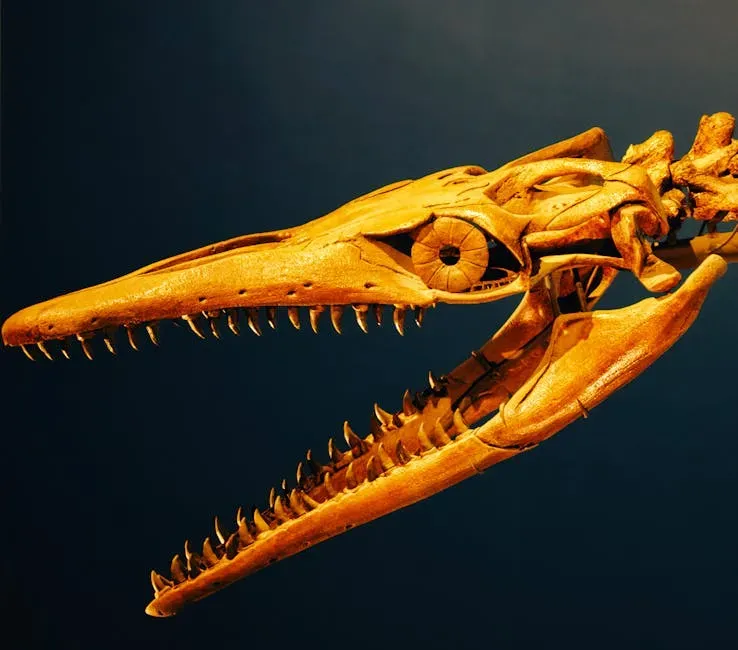
By the time dinosaurs were ruling the continents, the oceans had recruited a new wave of weirdness: marine reptiles. These were not dinosaurs but their cousins and distant relatives that had returned to the water and reinvented themselves. Long-bodied ichthyosaurs evolved into dolphin-shaped speedsters with huge eyes for hunting in deeper, dimmer waters. Some reached enormous sizes, rivaling modern whales, and had streamlined bodies built for high-speed pursuit rather than the clomping, ground-shaking presence of land-based giants.
Then there were the plesiosaurs, with their four flipper-like limbs and, in some species, necks so long they looked almost comical – small heads on absurdly extended necks sweeping through schools of fish. Others in this group went the opposite way, with massive heads and short necks better suited to grabbing and tearing large prey. Add in the mosasaurs, huge lizard relatives adapted into muscular, paddle-limbed oceanic predators, and you get marine ecosystems where top hunters looked more like serpentine torpedoes than anything stomping around on shore.
Ancient Food Webs and Killing Styles Unlike Today’s Seas
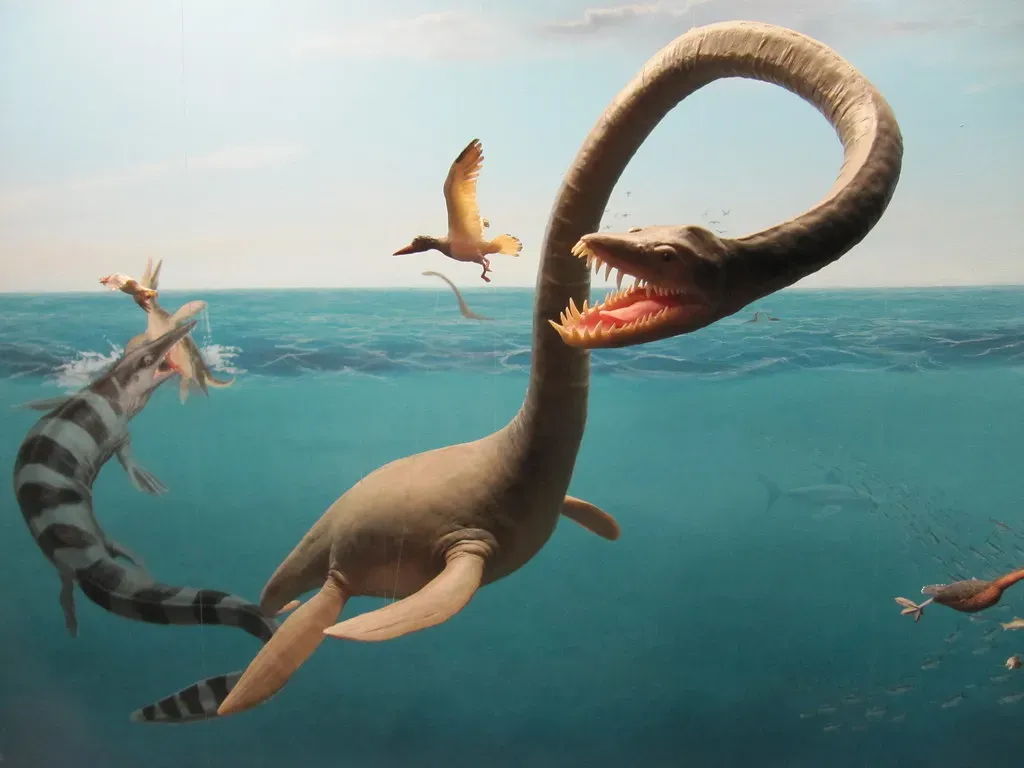
It was not just the bodies that were strange; the whole structure of ancient marine food webs often worked differently than what we see now. In some Paleozoic seas, armored fish and nautiloids dominated predator roles, forming ecosystems where shell-splitting and armor-crushing were top survival skills. Later, in Mesozoic oceans, massive marine reptiles sat at the top of the chain, hunting other large reptiles, big fish, and ammonites with specialized teeth and bite strategies. Some lineages were tuned so precisely to certain prey types that losing those prey could mean collapse for the predator.
There were also oddities like filter-feeding reptiles and unusually specialized sharks that suggest feeding strategies without great modern analogues. In contrast, many dinosaur-age land ecosystems, while impressive, still followed a pattern that feels more recognizable: herbivores grazing or browsing, carnivores chasing them, scavengers cleaning up the rest. In the oceans, the mix of jet-propelled cephalopods, armored fish, giant swimming reptiles, and strange sharks created tangled, sometimes unstable food webs where extinction events could completely reshuffle the deck in ways hard to picture on land.
Oceans as Evolution’s Reset Button and Imagination Engine
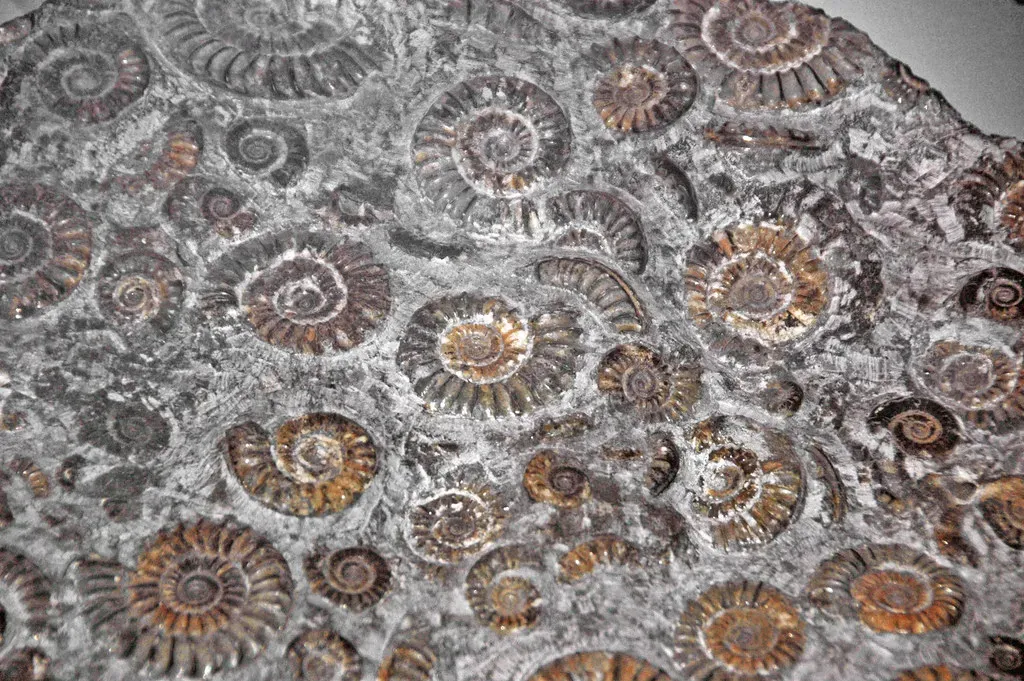
Another reason ancient oceans feel so much stranger than dinosaur lands is how often they were wiped and rebooted. Major extinctions repeatedly hit marine environments especially hard, from the end-Ordovician crisis through the devastating end-Permian event and beyond. Each time, whole communities disappeared, opening up empty ecological spaces for surviving lineages to evolve into new roles. It is like deleting a game and watching different characters and strategies emerge every time you restart, except stretched over millions of years.
Those repeated resets meant the oceans went through several versions of “top predator,” “reef builder,” and “main grazer,” with entirely different kinds of animals filling those jobs in different eras. On land, dinosaur dominance lasted for a long, long stretch without the same level of total overhaul. In the water, though, evolution kept hitting shuffle, generating strange new takes on familiar themes: armored fish replaced by sharks, then by reptiles, later by marine mammals. To me, that constant reinvention is what makes the ancient seas feel more like an evolving imagination engine than a single, stable world.
Conclusion: The Dinosaurs Were Dramatic, but the Oceans Were Wild
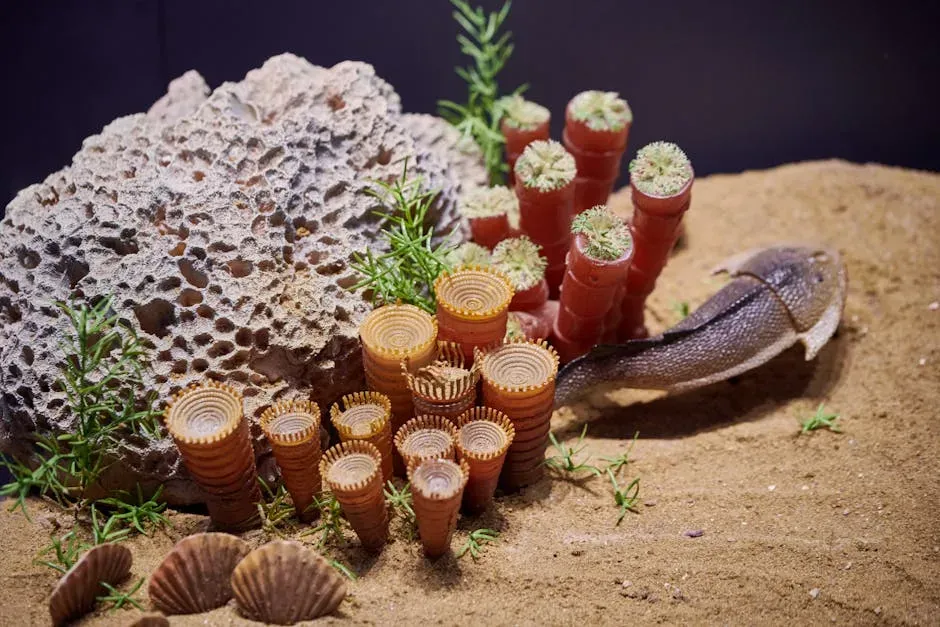
When people talk about prehistory, dinosaurs steal the show, but the deeper you look, the more it feels like we have been obsessing over the side plot instead of the main story. The oceans hosted life’s earliest wild experiments, from surreal Cambrian predators to armored fishes, giant nautiloids, sea scorpions, and whale-sized reptilian hunters. They saw food webs built and demolished multiple times, with entirely different lineups of dominant creatures stepping into the spotlight after each extinction reset. By comparison, even the most iconic dinosaur scenes can feel almost conventional, like a long-running series that keeps the same core cast and just tweaks the costumes.
Personally, I find that both exciting and humbling. We stand on land and imagine we understand ancient life, but the real frontier of weirdness has always been in the water, out of sight and mostly out of mind. If anything, the fossil record suggests that the strangest things Earth can produce tend to swim before they walk. So the next time you picture the age of dinosaurs, maybe start your mental movie beneath the waves, not above them. And honestly, knowing how bizarre the ancient oceans were, does it make you wonder what truly alien-looking creatures might still be hiding in the deep today?