If you could dive a hundred million years into the past, the ocean would feel like an alien planet hiding in plain sight. Instead of whales and great white sharks, you’d be locking eyes with reptiles the size of buses, armed with teeth like steak knives and flippers that turned them into underwater torpedoes. It is both thrilling and unsettling to realize that the peaceful-looking seas we know today were once ruled by predators so powerful they make most movie monsters look underwhelming.
What fascinates me most is that this entire world has vanished, literally buried in stone beneath our feet, and we only glimpse it through scattered bones and rare fossil impressions. We walk beaches built on ancient seabeds, drive highways cut through marine rock full of skeletons, and barely think about what is entombed below. Let’s peel back the surface of the modern ocean and drop into that lost world beneath the waves, where giant reptiles once reigned and nothing about the sea felt safe or familiar.
Oceans Without Dinosaurs, But Full Of Monsters
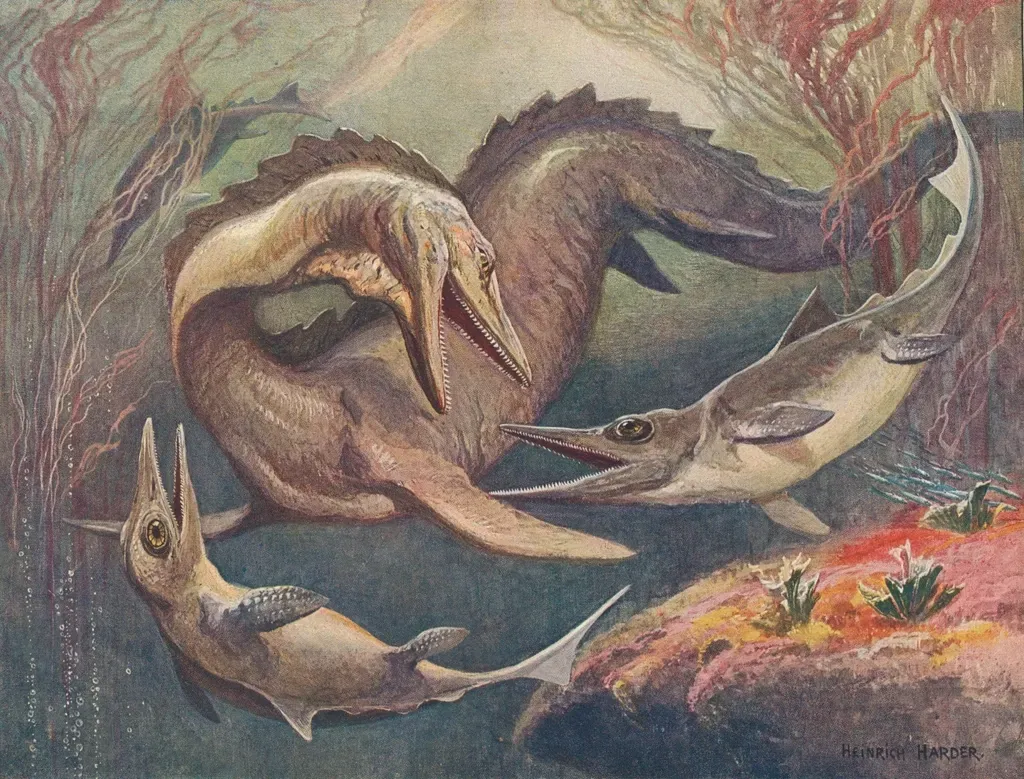
One of the most surprising truths is that those famous giant ocean killers were not actually dinosaurs. They were marine reptiles: distant cousins, living at the same time, but belonging to different branches on the reptile family tree. While land dinosaurs stomped across plains and forests, the seas hosted ichthyosaurs, plesiosaurs, pliosaurs, mosasaurs, and a host of smaller reptilian hunters, each adapted to a specific slice of the marine food web.
In a way, it is like discovering that the ocean had its own parallel version of Jurassic Park, running alongside the land drama but following different rules. These animals breathed air, laid or bore live young, and needed to surface, yet they spent almost their entire lives at sea. The mental picture of the Mesozoic era becomes much richer when you imagine not just T. rex and Triceratops on shore, but a teeming underwater empire offshore, humming with speed, stealth, and teeth.
Ichthyosaurs: Dolphin-Shaped Rockets From Deep Time
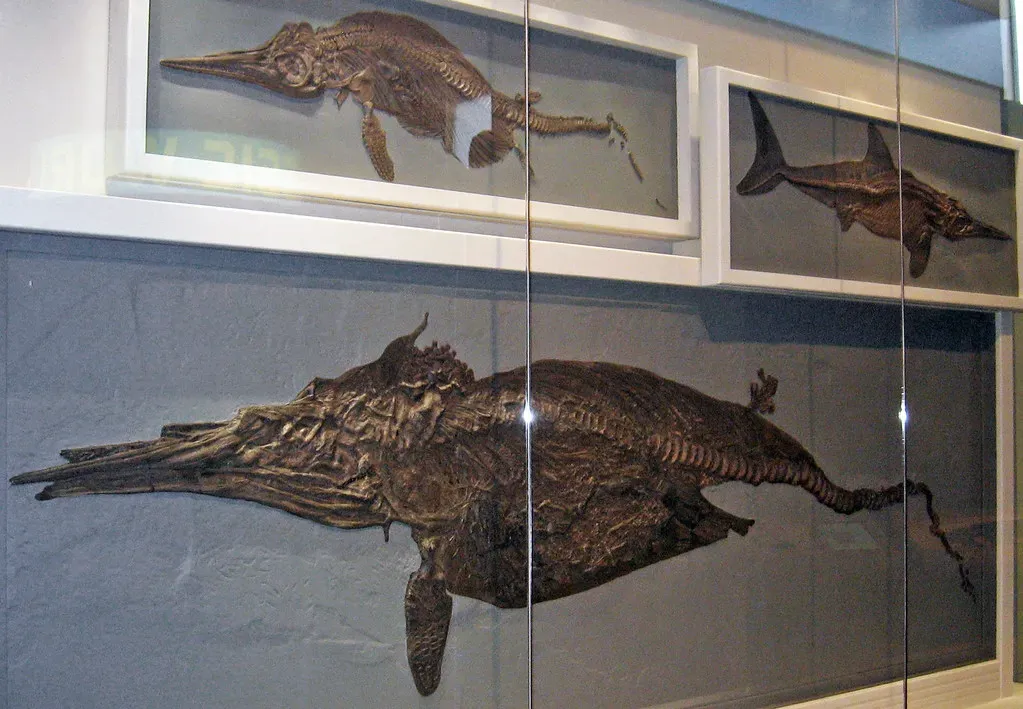
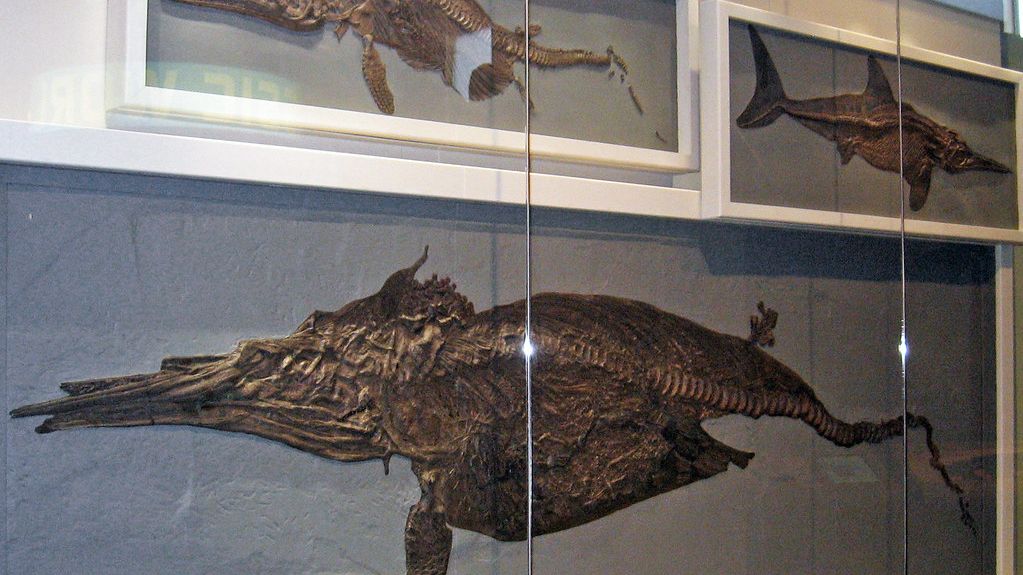
Ichthyosaurs are probably the strangest to wrap your head around because, at a glance, they look exactly like fish or dolphins, yet they were reptiles through and through. Over tens of millions of years, their bodies streamlined into perfect hydrodynamic bullets, with big eyes for hunting in dim waters and powerful tails that turned them into underwater missiles. Some species reached lengths comparable to modern whales, gliding and sprinting through Triassic and Jurassic seas long before mammals ever thought about going aquatic.
What blows my mind is how evolution converged on almost the same body plan for ichthyosaurs, modern dolphins, and tuna, even though they are wildly different animals. It is nature’s way of saying that if you want to move fast in water, this is the blueprint that works. Imagine a world where entire schools of these reptilian “super dolphins” patrolled the seas, chasing fish, squid-like cephalopods, and anything unlucky enough to get in their way, their massive eyes catching the faintest shimmer in the dark.
Plesiosaurs And Pliosaurs: Long Necks, Massive Skulls, And Terrifying Bites
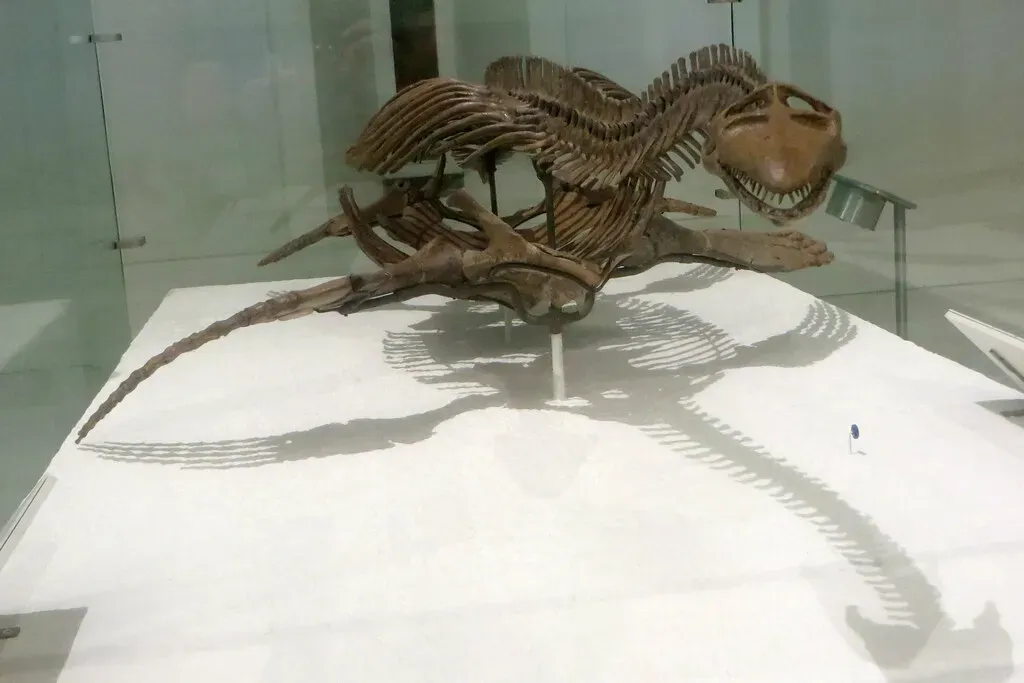
If ichthyosaurs were the sleek racers, plesiosaurs were the weird, unforgettable silhouettes of the Mesozoic ocean. Classic long-necked plesiosaurs had small heads, elongated necks with dozens of vertebrae, and broad, wing-like flippers that made them look almost like underwater birds. Picture an animal gliding quietly through shallow seas, using that flexible neck to snatch fish or small prey without having to move its entire body and give away its position.
On the other side of the family, pliosaurs traded neck length for raw power, evolving massive skulls packed with conical teeth and short, muscular necks. These were the ambush tanks of the ancient ocean, capable of tackling animals nearly as big as themselves in brutal, close-up attacks. To me, they feel like the prehistoric version of a heavyweight boxer, all concentrated force and crushing power, turning the water around them into a hunting ground where one mistake meant instant death for their prey.
Mosasaurs: Apex Predators Of The Late Cretaceous Seas
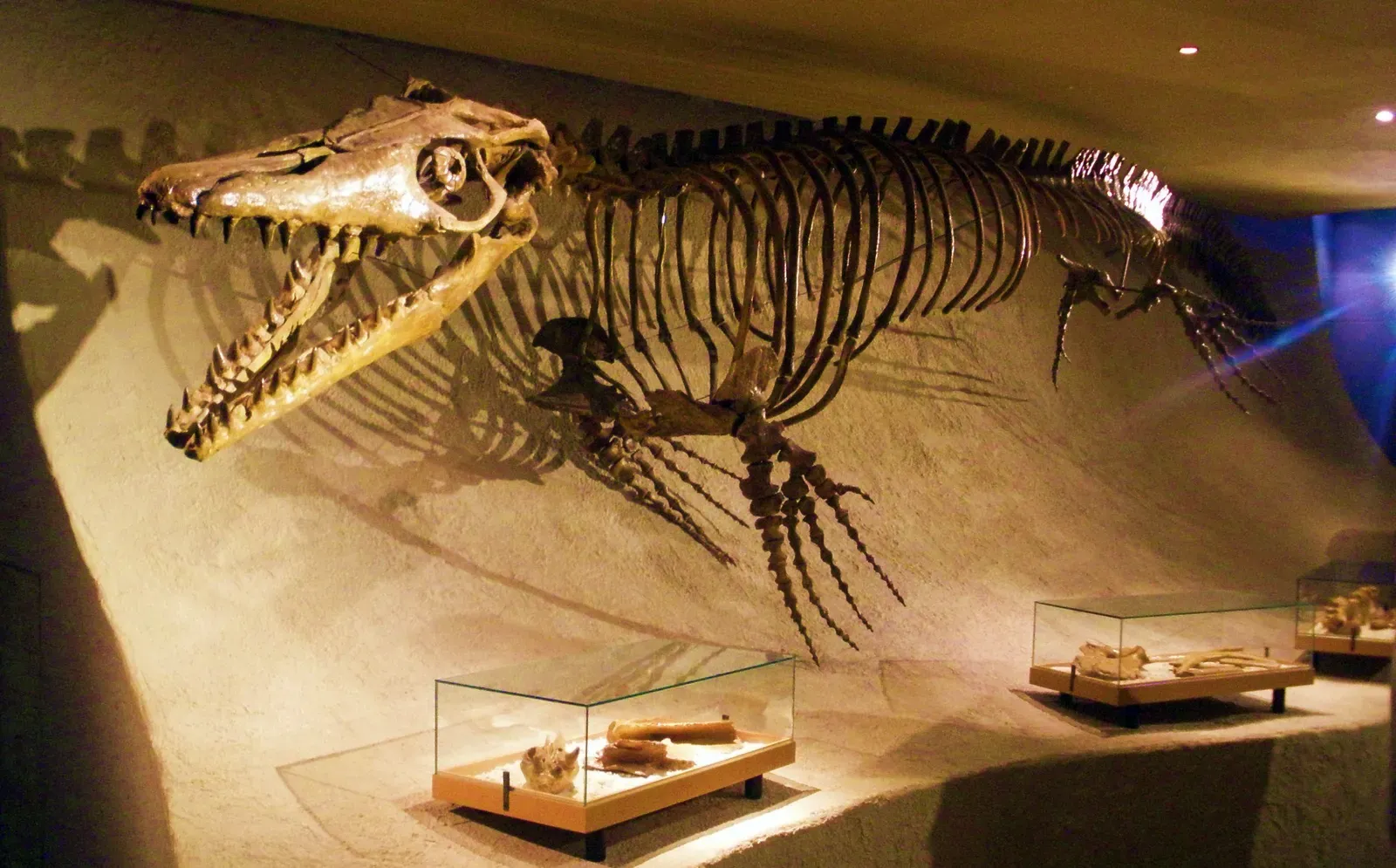
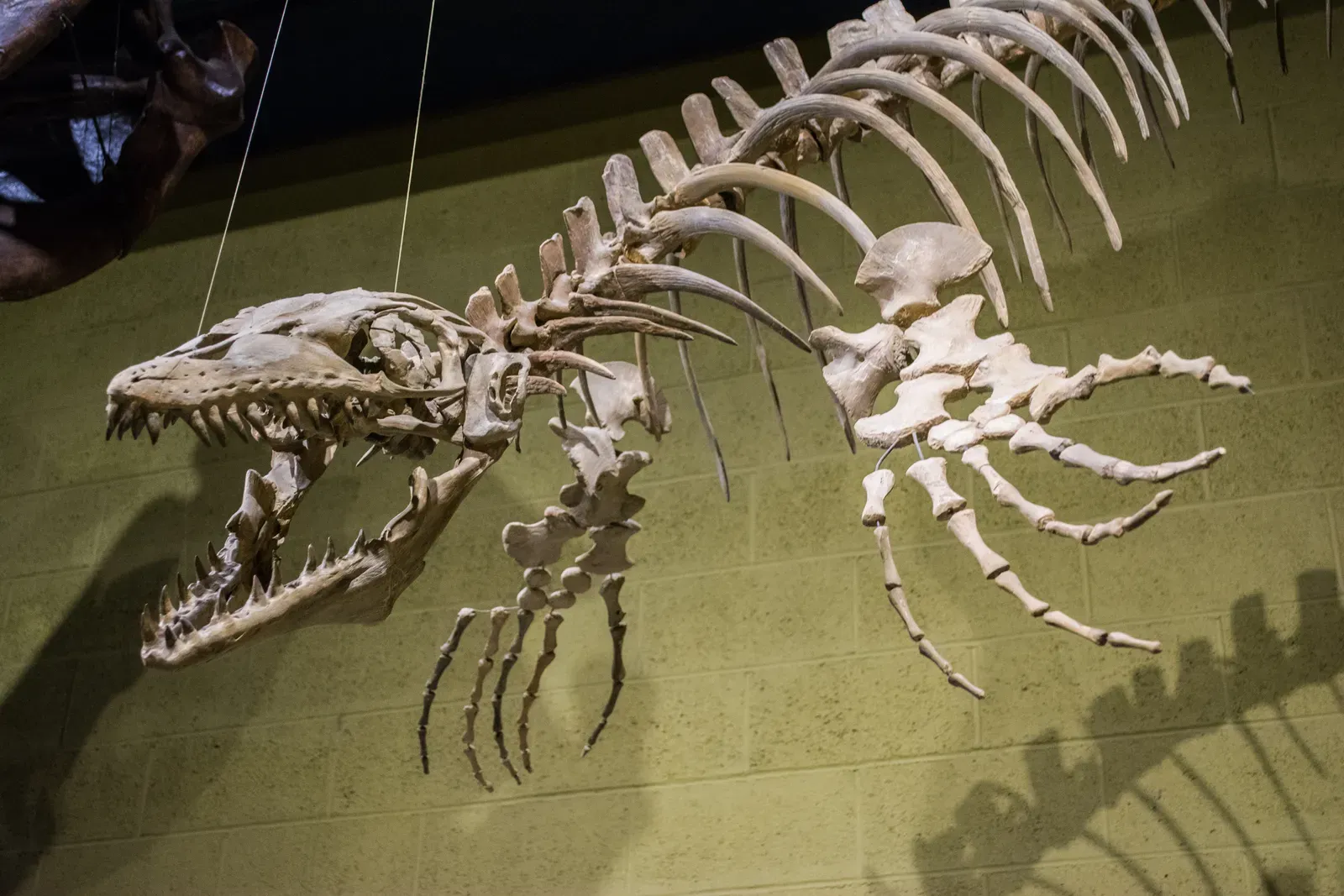
By the Late Cretaceous, ichthyosaurs were gone and plesiosaurs were no longer alone at the top, because a new group had muscled into the spotlight: mosasaurs. These were long-bodied, serpentine reptiles with paddle-like limbs and strong tails, closely related to modern monitor lizards and, more distantly, snakes. Some species grew to incredible lengths, becoming the uncontested apex predators in many marine ecosystems in the final chapters before the mass extinction.
Imagine something like a monstrously oversized Komodo dragon redesigned for speed and maneuverability in water, armed with double-hinged jaws and backward-curving teeth to grip struggling prey. They hunted fish, birds that landed on the water, ammonites, smaller marine reptiles, and probably scavenged carcasses when the opportunity arose. If you were transported into a Late Cretaceous sea and saw a mosasaur rising from the depths, the feeling would be closer to encountering a living nightmare than any modern shark sighting.
Strange Seas: Ammonites, Giant Fish, And Layered Food Webs
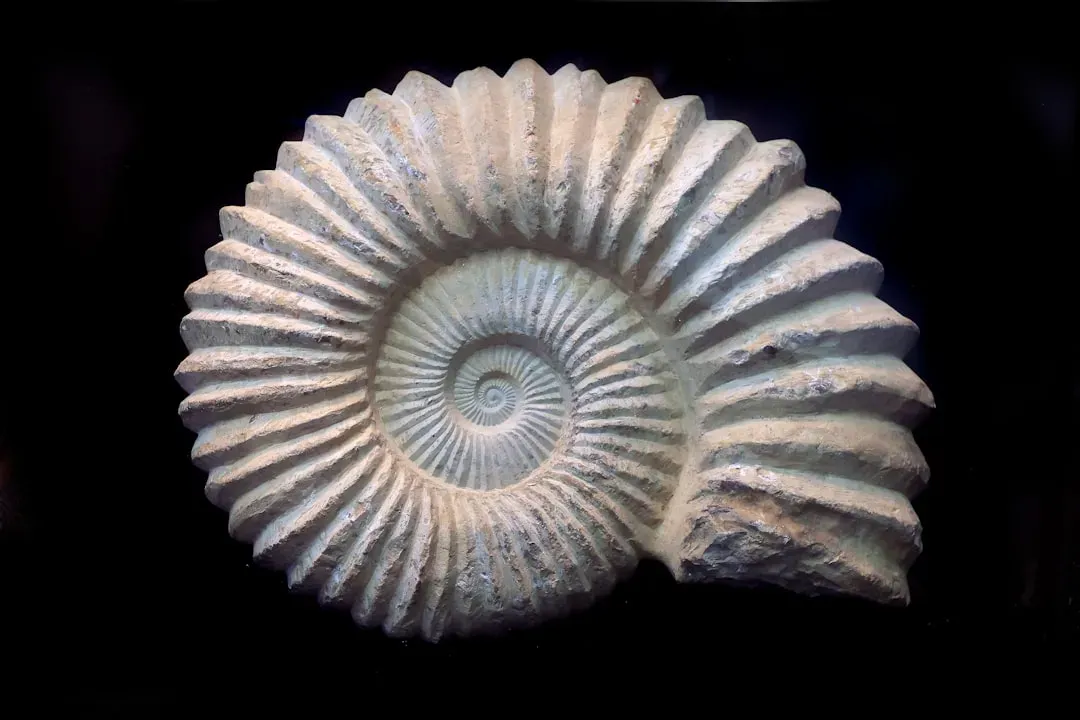
The lost world beneath the waves was not just about the giants; it was also about the intricate ecosystems that supported them. Coiled-shelled ammonites and belemnites, distant relatives of today’s squid and octopus, drifted and darted through the water, providing a crucial food source for many predators. Vast schools of fish, some armored or toothed in bizarre ways we no longer see today, filled the mid-levels of the ocean, while tiny plankton and microscopic organisms powered everything from the bottom up.
These ancient seas looked familiar at a distance but strange in the details, like seeing your hometown in a lucid dream. Reefs might be built by different groups of organisms than modern corals, yet still bustling with life. The food webs stacked up layer by layer: plankton to small filter feeders, to mid-level fish and cephalopods, all the way up to those giant reptiles at the top. It reminds me that even the fiercest predator is completely dependent on a fragile chain of life it can neither see nor control.
How We Reconstruct A World Drowned In Time
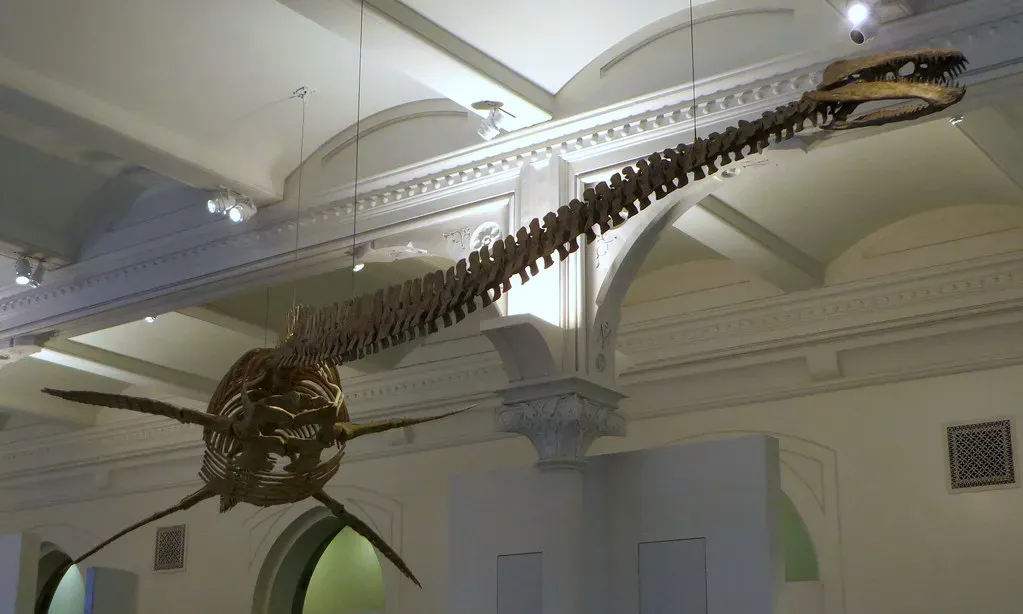
Given that all of these creatures vanished tens of millions of years ago, it is kind of amazing we know as much as we do. Paleontologists work like detectives, piecing together skeletons from scattered bones, using rock layers to figure out ancient environments, and applying modern biology to estimate how these animals might have moved, hunted, and reproduced. Sometimes, spectacular fossils preserve skin impressions, stomach contents, or even embryos, offering rare, intimate snapshots of lives otherwise erased by time.
Of course, a lot is still educated guesswork, and that is worth admitting plainly. Artists’ reconstructions of marine reptiles have changed drastically over the last few decades as new finds overturn older ideas, correcting stiff, clumsy depictions into more agile, lifelike animals. I actually love that uncertainty, because it keeps the story open-ended and honest: we are not watching a finished movie, we are sitting behind the scenes as the script is still being rewritten with each new fossil dug out of the rock.
Extinction, Legacy, And What The Ancient Seas Tell Us About Ours
The reign of the giant marine reptiles ended abruptly with the mass extinction at the close of the Cretaceous, when an asteroid impact and massive environmental upheaval reshaped life on Earth. On land, non-bird dinosaurs vanished; in the oceans, mosasaurs and plesiosaurs disappeared, along with many other groups that had dominated for ages. In the long, quiet aftermath, mammals and modern groups of fish and marine animals gradually moved into roles once filled by these reptilian giants.
To me, the most sobering lesson from that lost world beneath the waves is how temporary dominance really is. For tens of millions of years, these animals ruled the oceans so completely that it would have been almost impossible, from their point of view, to imagine a sea without them. Yet here we are, in 2026, studying their bones while whales, sharks, and humans define the fate of the modern ocean. In my opinion, ignoring the warning written in those ancient extinctions is reckless; if entire lineages of apex predators can vanish, then our own sense of security in today’s oceans might be far more fragile than we like to believe.
Conclusion: The Deep Past Is Closer Than It Looks
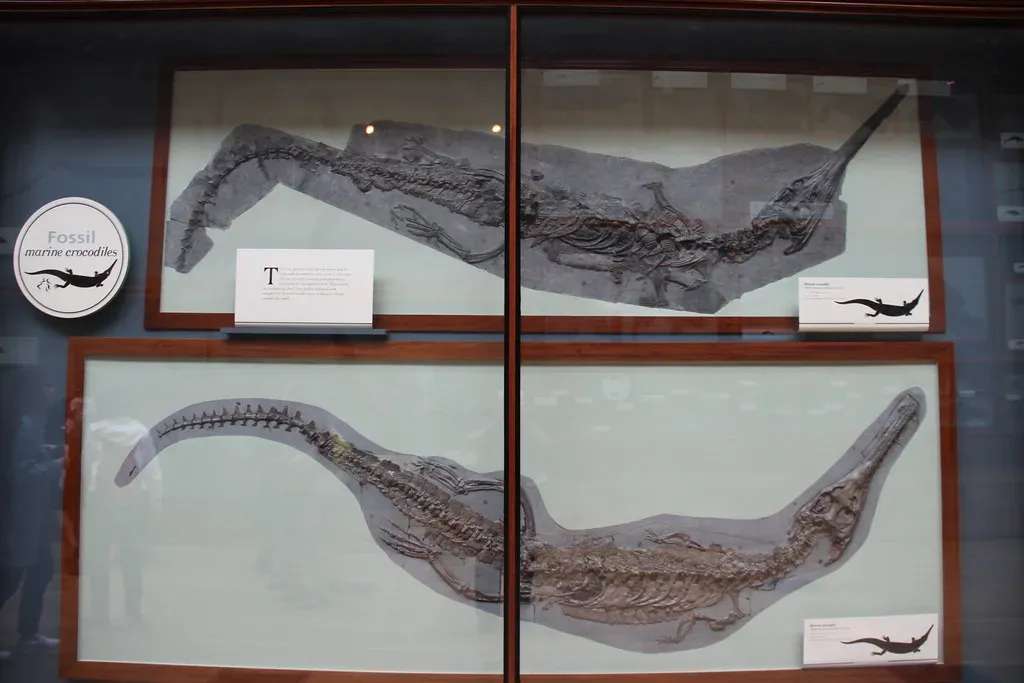
The idea of colossal reptiles patrolling the oceans feels like pure fantasy until you remember that every cliff of marine limestone and every fossil-rich seabed is hard evidence that this world was real. We are not just telling campfire stories about sea monsters; we are reconstructing a complex, dangerous, and beautiful ecosystem that once covered most of the planet. I find it oddly humbling to think that our safe beach vacations and lazy seaside sunsets play out over the graves of apex predators that once made these same waters run red.
My honest opinion is that the lost world beneath the waves should unsettle us a little, in the best possible way. It shows how quickly power can shift, how fragile even the mightiest creatures are, and how deeply connected life is to changing climates, oceans, and catastrophes. When you stand at the shore and listen to the waves, it is worth wondering what stories lie hidden in the rocks below your feet and what future beings might one day say about our time in the sun. After all, if the seas could forget the reign of giant reptiles, how sure are we that they will remember us?